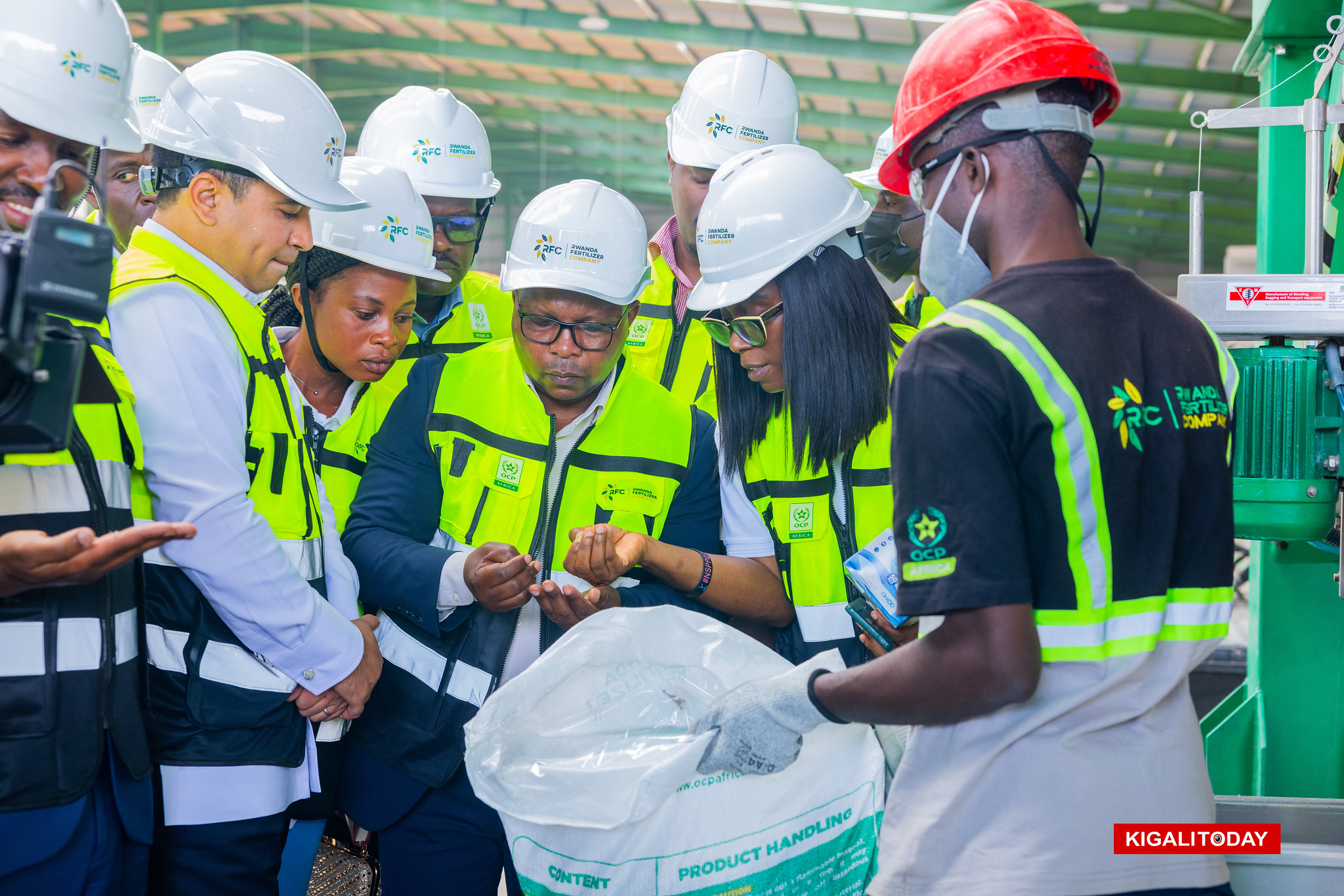
For the first time in Rwanda’s history, Rwandans — especially farmers — will begin using industrial fertilizer that has been scientifically developed based on the characteristics of Rwanda’s soils.
The fertilizer, unveiled on Monday, November 10, 2025, includes three types — Twihaze, Ongera, and Ongera+ — produced by the Rwanda Fertilizer Company (RFC). These products are unique in that they are specifically formulated to match Rwanda’s soil composition.
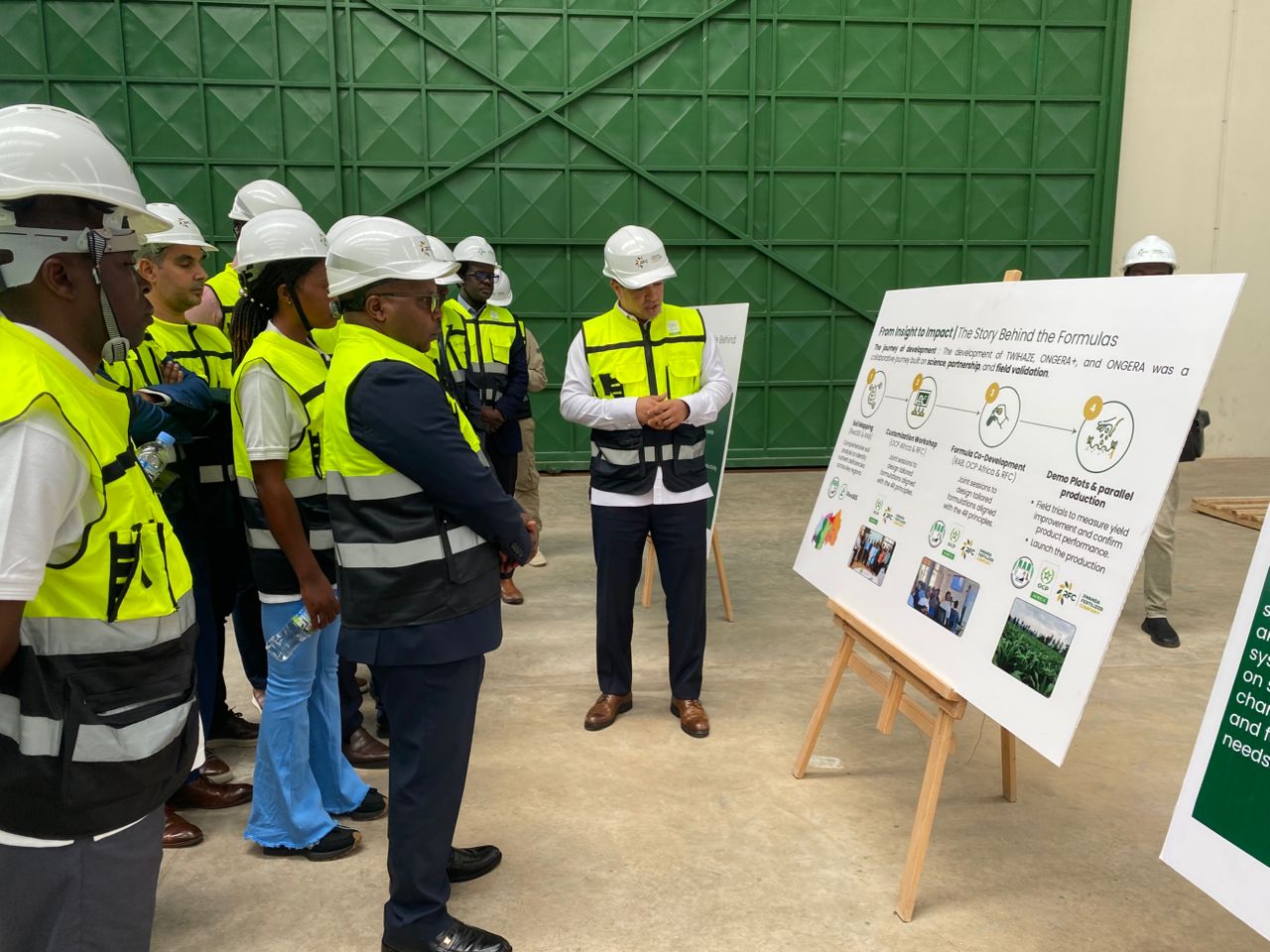
This milestone follows five years of research into Rwanda’s different soil types to determine which fertilizers best suit each region. The studies were guided by the country’s diverse topography — from highlands and acidic soils to low hills and valleys — and aimed to match fertilizer composition with both soil types and the crops grown there.
The research was conducted under the Rwanda Soil Information System (RwaSIS) project, in collaboration with the Rwanda Agriculture and Animal Resources Development Board (RAB).
Because soil characteristics differ across the country, but a single type of fertilizer was used nationwide, yields were often lower than expected. Each soil type requires fertilizer adapted to its chemical and physical structure and to the crops cultivated there.
Each new fertilizer formula was developed based on field tests conducted in major agricultural regions across the country, and they are expected to address long-standing soil challenges and improve productivity nationwide.
The Ministry of Agriculture and Animal Resources (MINAGRI) noted that much of Rwanda’s soil has lost essential nutrients, requiring specific fertilizer applications to restore fertility and increase crop yields.
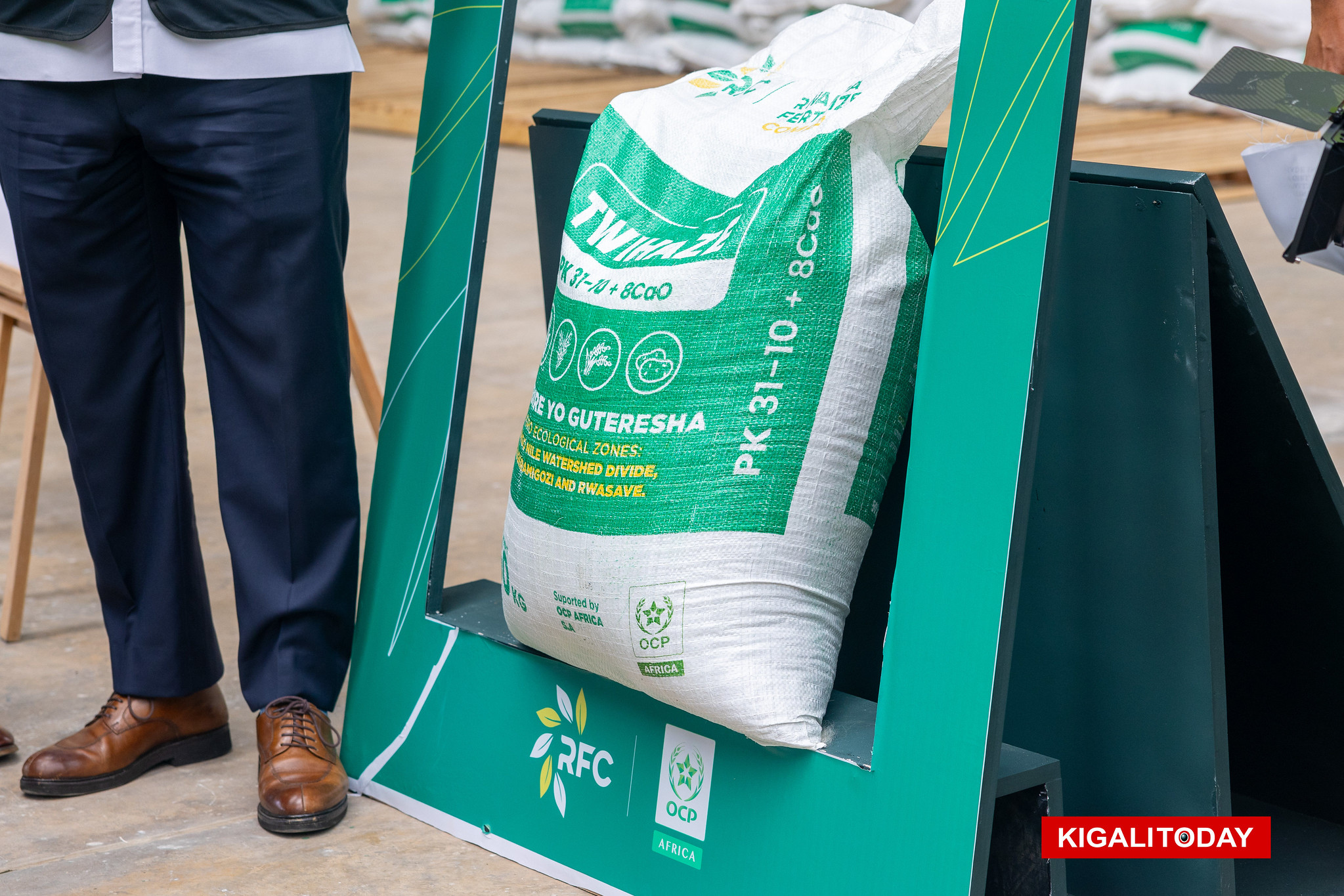
Traditionally, Rwanda relied on fertilizers containing only the three major nutrients — Phosphorus (P), Potassium (K), and Nitrogen (N) — mainly DAP and NPK. However, this “one-size-fits-all” approach failed to meet the needs of different soil types.
The State Minister in MINAGRI, Dr. Telesphore Ndabamenye, explained that the new fertilizers were produced by combining multiple elements tailored to specific soil conditions.
“We have developed fertilizer for high-altitude, acidic soils, which will be most useful for crops like potatoes, beans, and maize — and can even be used for rice. It can also be enriched further as crops progress,” he said.
He added: “This fertilizer for high-altitude regions will mostly be used in the Western Province, where soils are acidic and aging. It contains lime, which is beneficial because farmers used to apply lime separately to reduce soil acidity. Now, lime is incorporated directly into the fertilizer — this one is called Twihaze.”
These fertilizers are expected to increase crop yields by up to 20% per hectare and reduce production costs by around 40%.
The CEO of RFC, Anass Khanchoufi, expressed pride in the achievement, saying: “We are delighted to bring to market fertilizer that is made in Rwanda, for Rwanda, and with the participation of Rwandans. We are confident that the new fertilizers — Twihaze, Ongera, and Ongera+ — will significantly boost farmers’ productivity. At RFC, we believe innovation and collaboration between government and the private sector are key to achieving sustainable agricultural growth in Rwanda.”
Farmers welcomed the development, recalling the success of RFC’s earlier NPK 17/17/17 “TWEZE” fertilizer, introduced two years ago, which had already helped raise yields. They expressed confidence that the new products, backed by extensive research, would be even more effective.
Innocent Ngayaberura, a farmer and agricultural input dealer in Nyagatare District, said the new fertilizer would be an improvement over the previous ones: “Because it’s based on soil type, it will perform better than traditional DAP or Urea. For example, where we used to harvest 6–7 tons of maize or 15–20 tons of potatoes per hectare, I believe these new fertilizers could easily double those yields.”
Florence Uwingabire from Kirehe District added: “We trust these fertilizers because they were developed after analyzing Rwanda’s soils. There’s no doubt they’ll multiply our harvests.”
Morabit Marouane, Business Development Manager at OCP Africa, a Moroccan fertilizer company partnering with RFC, said this launch marks the beginning of a new journey: “Using Rwanda’s soil map (RwaSIS), together with research by RFC and OCP Africa, we will continue to advance technology-driven agriculture in Rwanda and make the country a hub for innovative, modern farming.”
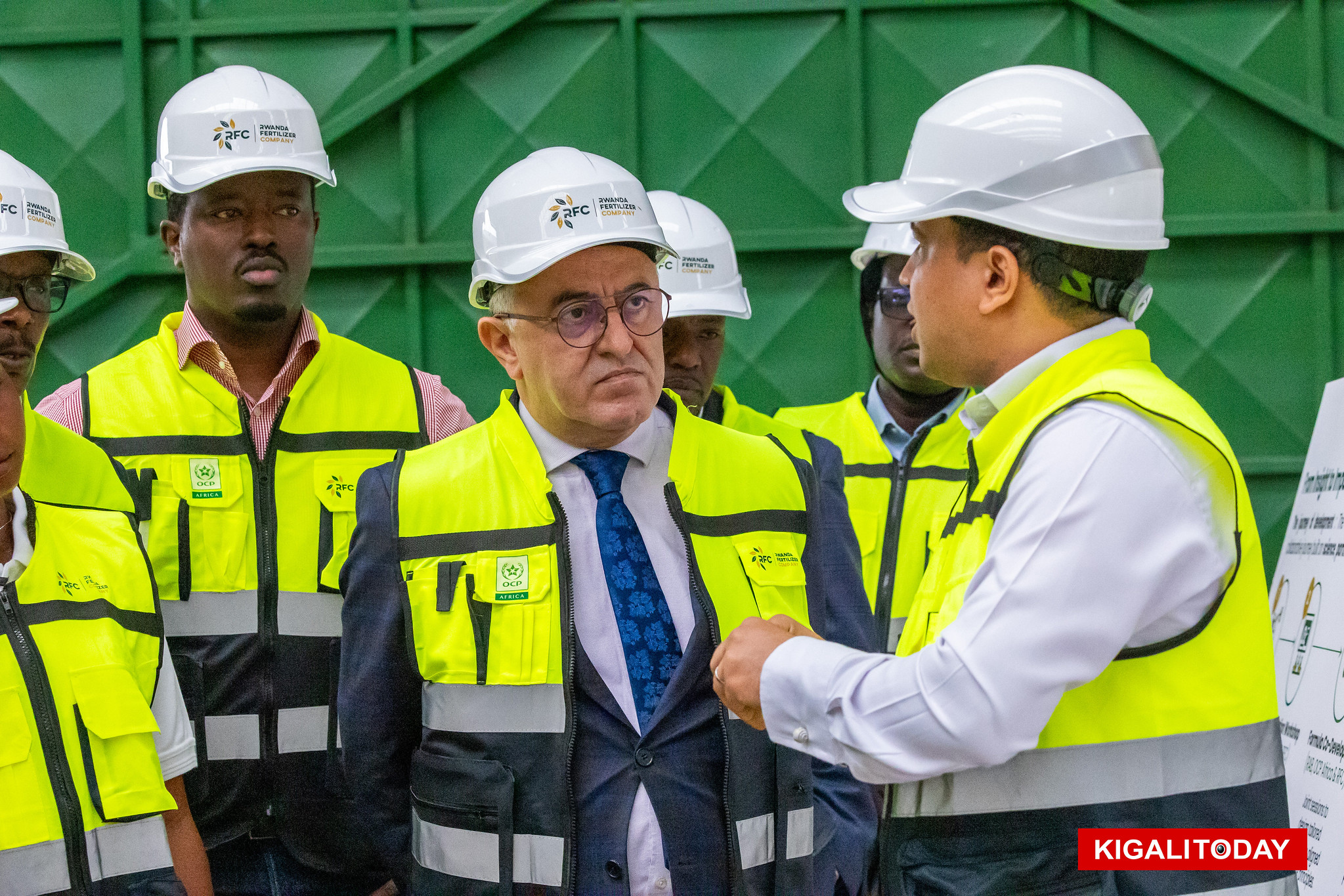
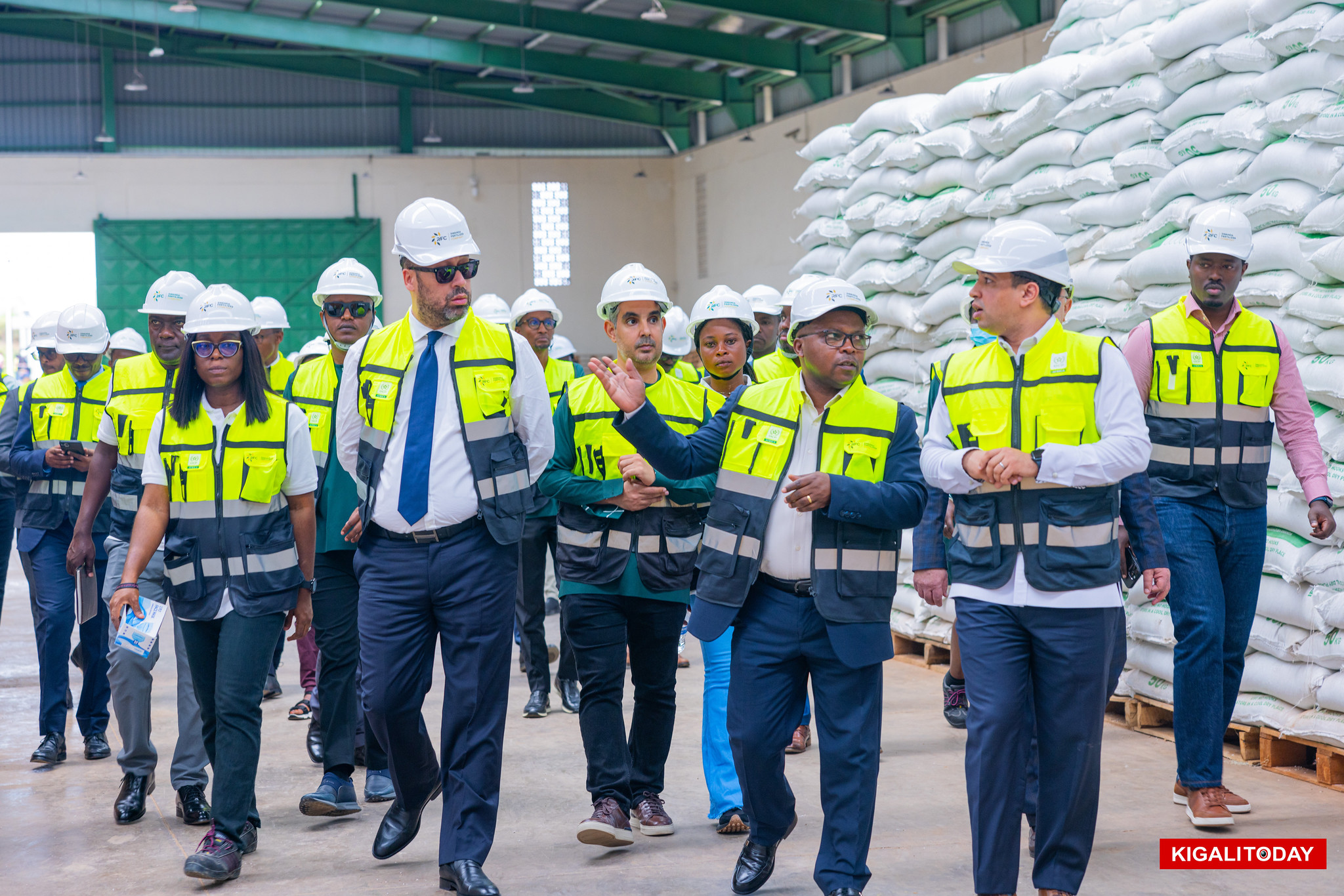
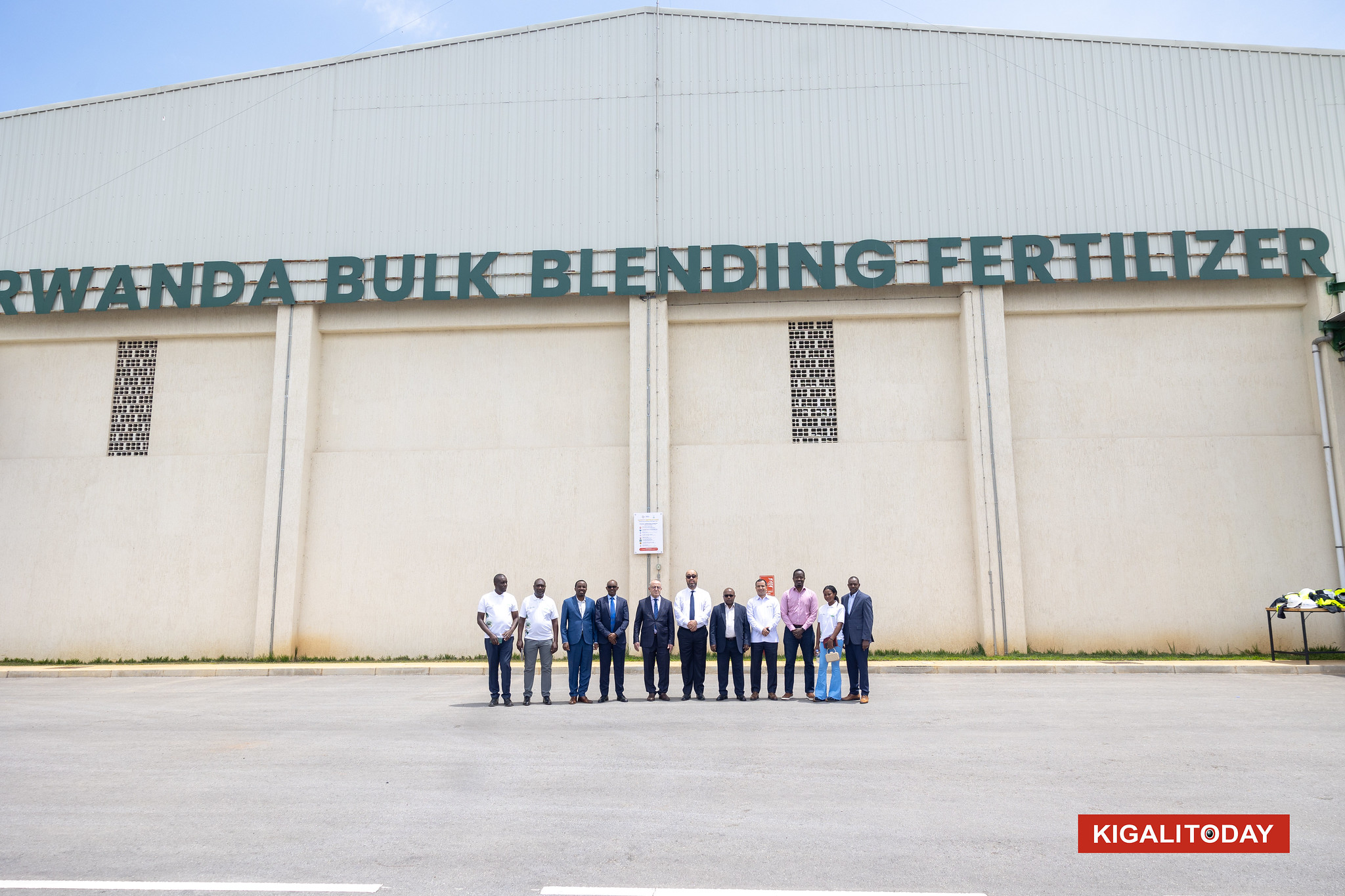
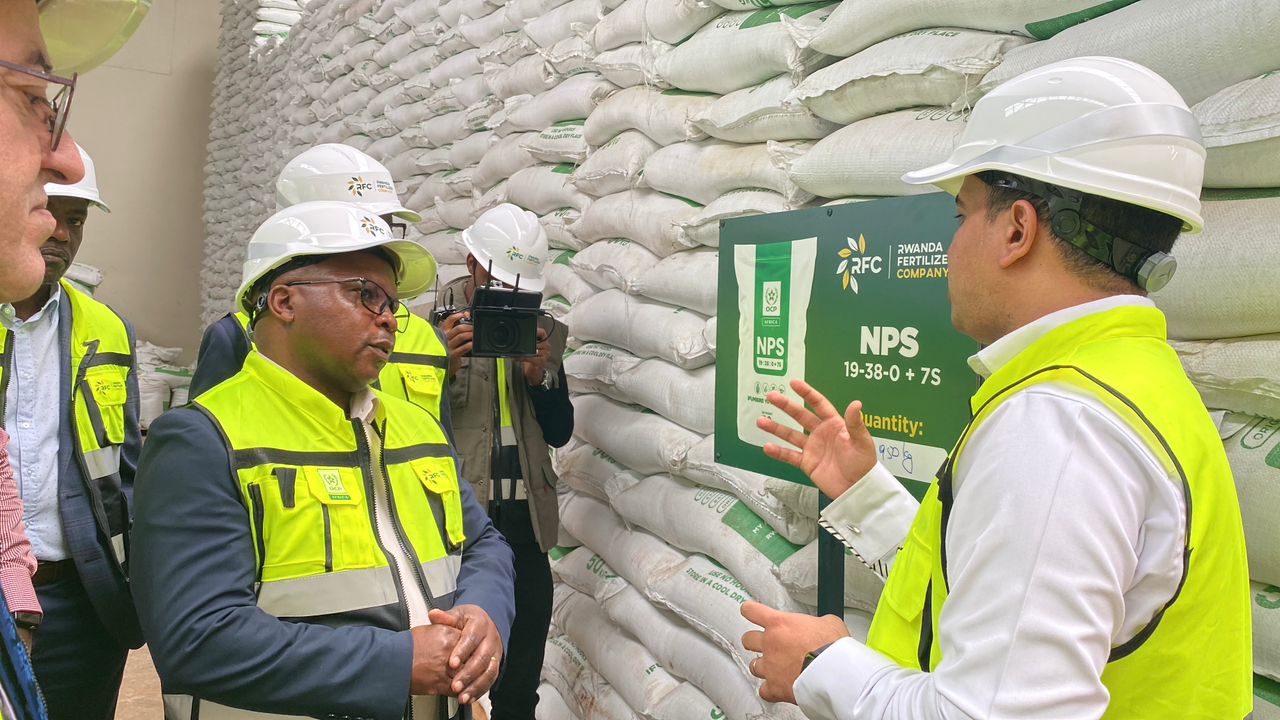
The RFC plant, located in the Bugesera Industrial Zone, has the capacity to supply the entire domestic market and export surplus, with a production potential of 100,000 tons per year.
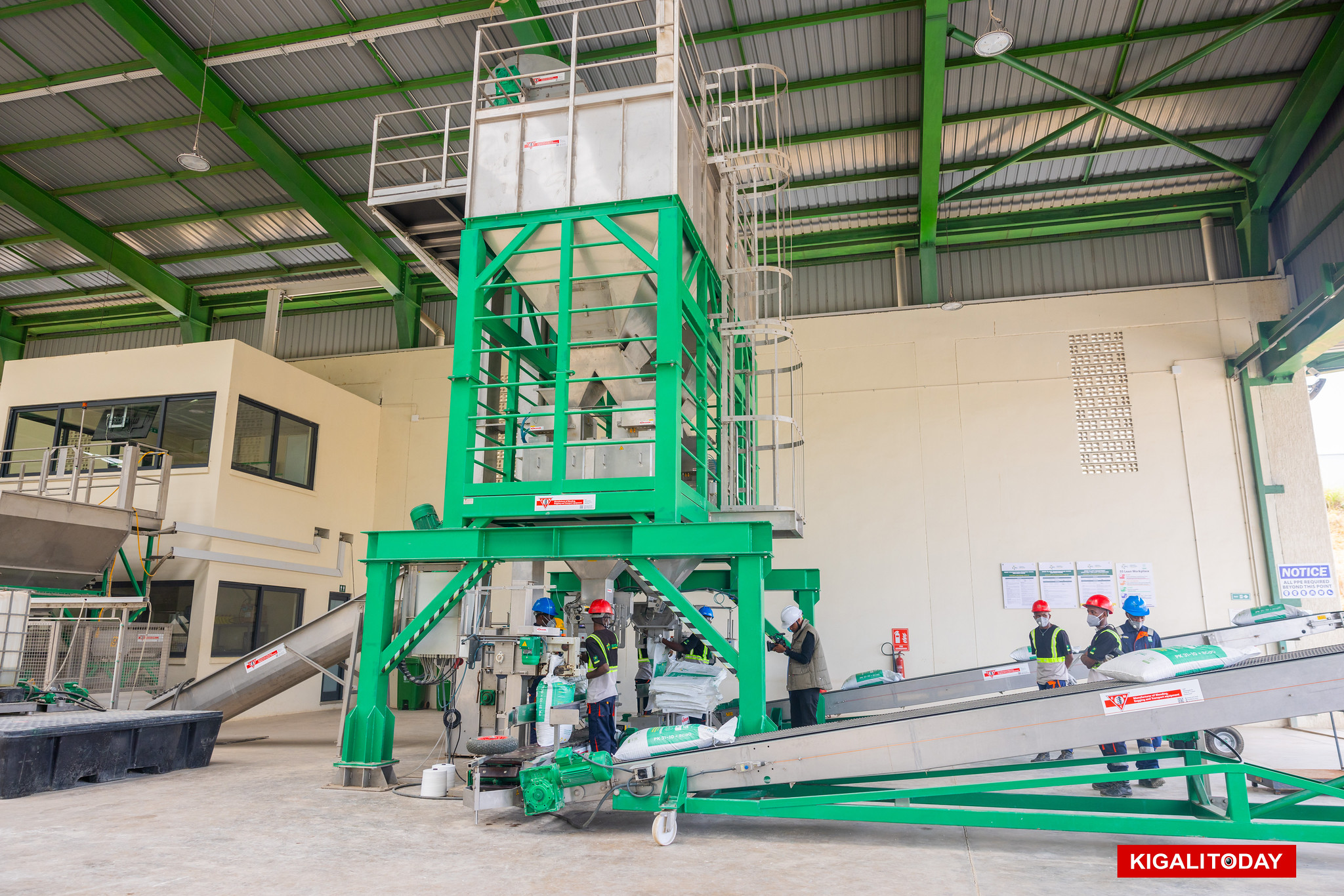
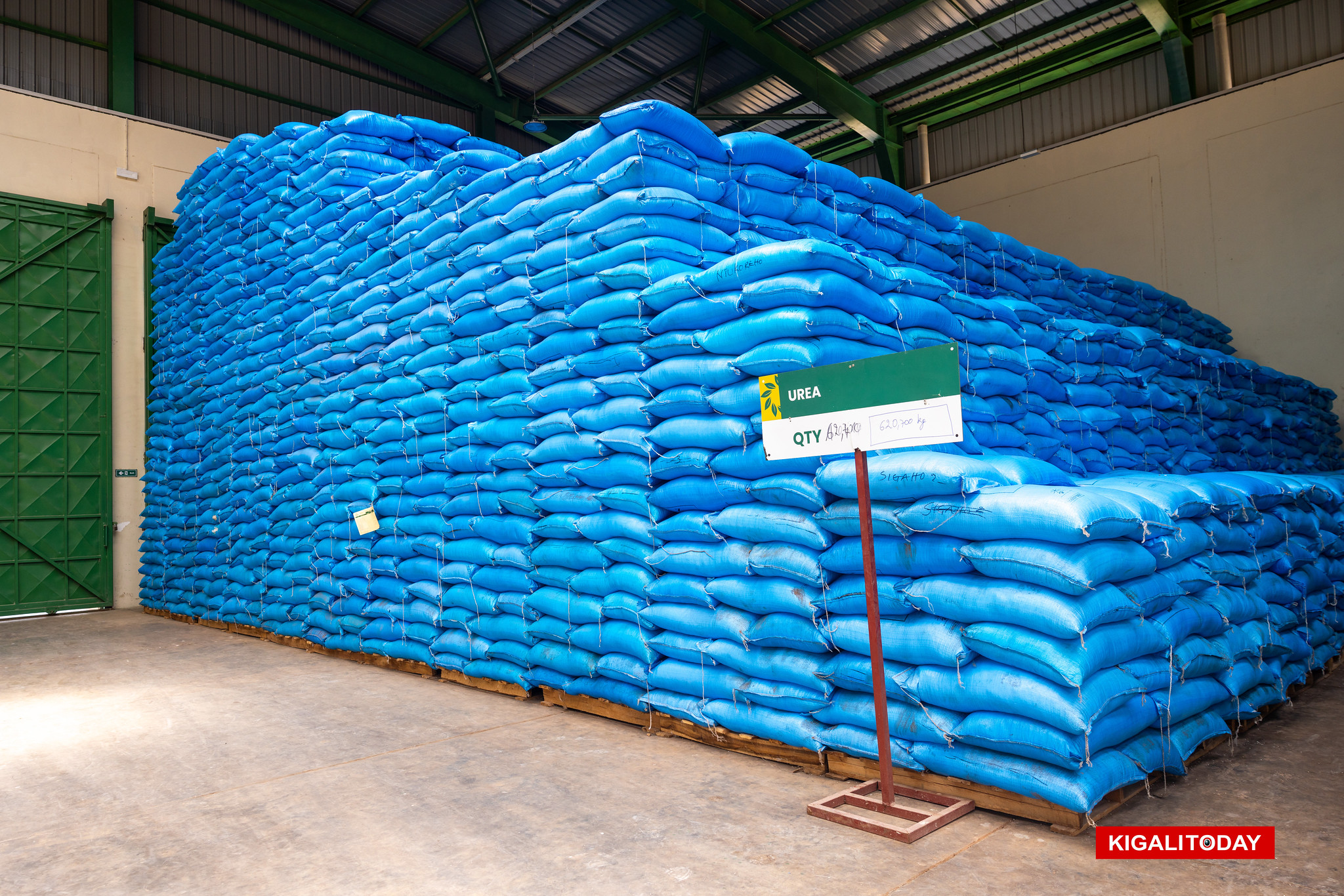
The factory is equipped with modern fertilizer blending machines, a 25,000-ton storage facility, and a state-of-the-art laboratory for testing both soil and fertilizer quality.
Data shows that over 80% of Rwanda’s cultivated land is acidic, which limits nutrient availability and reduces yields — a key issue this new generation of fertilizers seeks to resolve.
RFC is jointly owned by OCP Africa (Morocco) and Agaciro Development Fund, working together to address Rwanda’s soil challenges and improve national agricultural productivity.