Kigali — The World Health Organisation (WHO) has issued a stark warning over the growing threat of antimicrobial resistance (AMR) in Rwanda, describing it as a “silent pandemic” that is already claiming lives and threatening the country’s hard-won health gains.
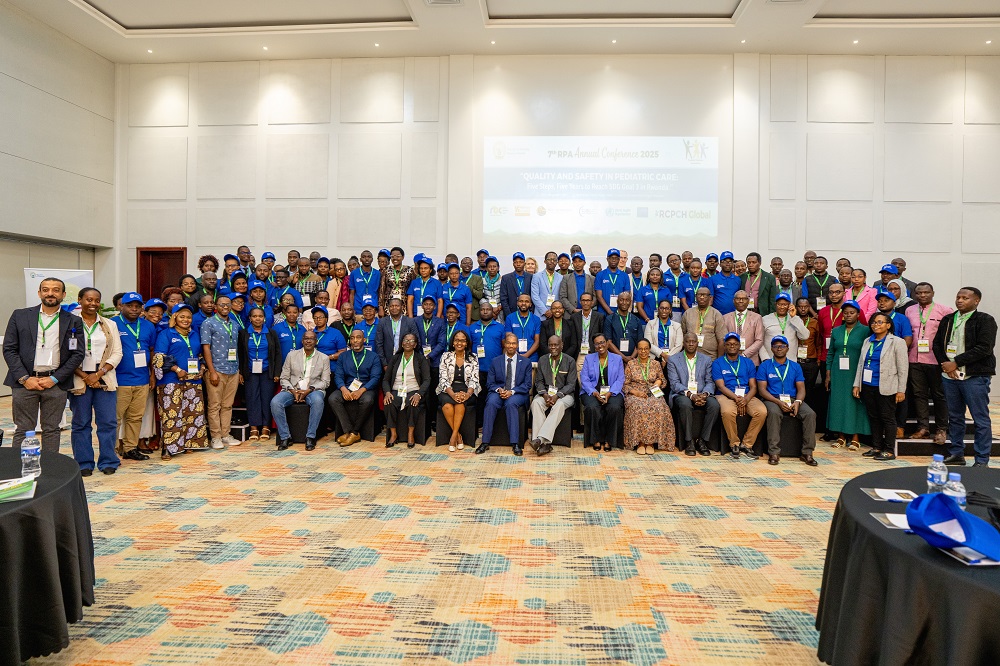
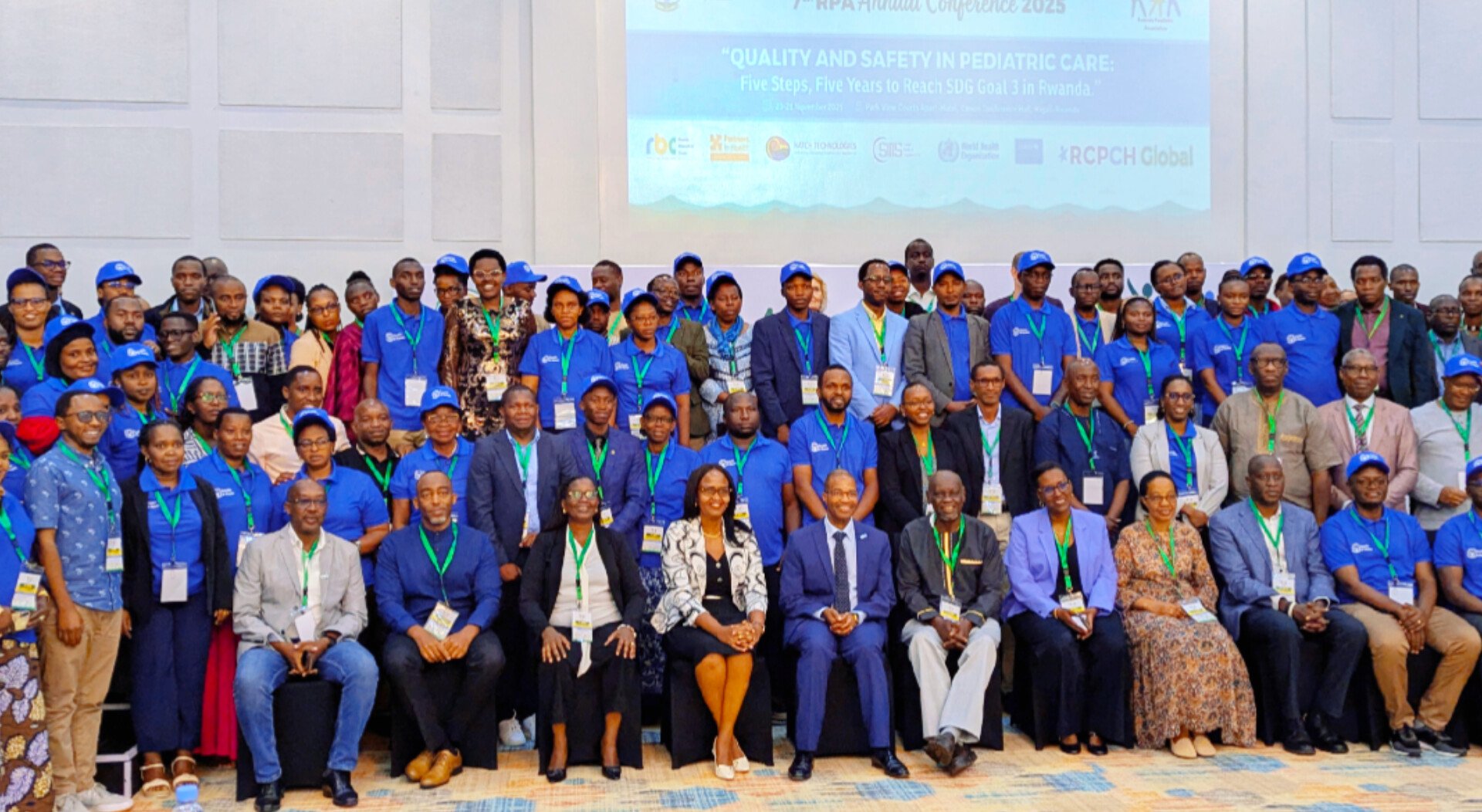
Speaking on Friday, November 21, at the 7th Rwanda Pediatric Association Annual Conference on AMR, WHO Country Representative Dr. Brian Chirombo said AMR has become a hidden crisis among children, undermining treatment effectiveness and placing Rwanda’s health system, food security, and economy at risk.
He noted that AMR is one of the top ten global health threats and cautioned that without urgent action, drug-resistant infections could contribute to as many as 10 million deaths annually by 2050.
According to WHO and the Institute for Health Metrics and Evaluation (IHME), Rwanda recorded an estimated 8,180 deaths associated with AMR in 2021, with 1,900 of them directly attributable to drug-resistant infections.
New data presented at the Kigali conference showed high resistance in bloodstream and urinary tract infections, increasing resistance to “Watch” antibiotics such as fluoroquinolones and carbapenems, and patterns that mirror East Africa’s regional resistance levels, including ampicillin resistance of up to 100 percent and ceftriaxone resistance as high as 69 percent.
Dr. Chirombo warned that losing the effectiveness of these critical treatments would be catastrophic.
The conference, which included the dissemination of AMR surveillance findings, research abstracts, posters, and results from Point Prevalence Surveys across multiple hospitals, also highlighted troubling pediatric and maternal health trends.
Rwanda aims to reduce child mortality from 49 deaths per 1,000 live births to 25 or less by 2029 under NST2, but AMR threatens this progress.
AMR Challenges in Rwanda:
Researchers reported that less than 70 percent of women receive adequate screening during maternal care, while post-discharge maternal and child mortality rates remain almost equal to those recorded in health facilities, largely due to limited follow-up.
Dr. Christian Umuhoza explained that both community and pediatric post-mortality rates stand at roughly 10 percent, underscoring the urgent need for stronger community-based follow-up systems.
He described a persistent “devil–angel doctor problem,” where inconsistent prescribing practices push patients toward clinicians who over-prescribe antibiotics, creating an unhealthy incentive for antibiotic misuse.
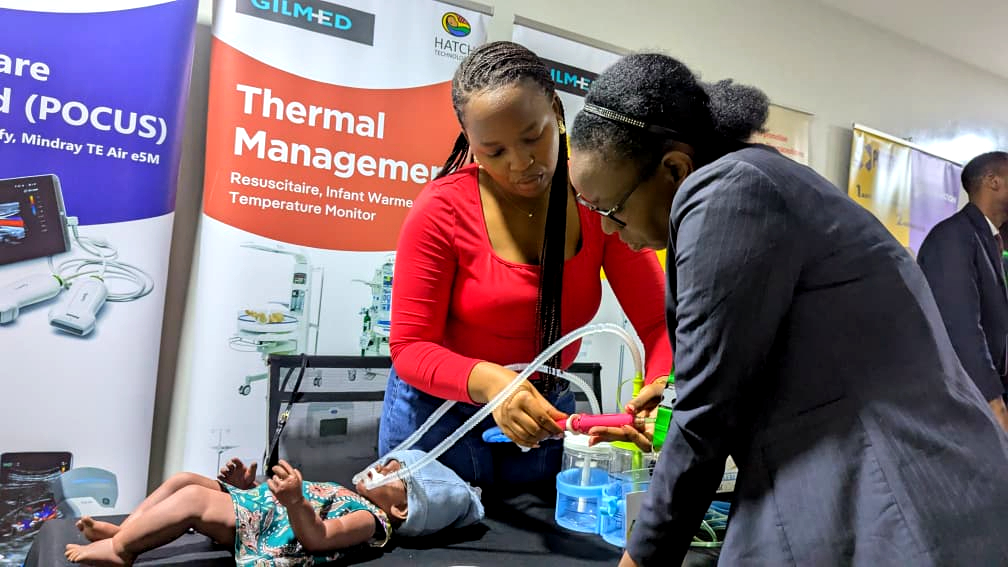
A Certified Nurse demonstrates how to use a Vayu bCPAP (bubble Continuous Positive Airway Pressure) which doesn’t use electricity. The product has been introduced on the local market to save more children born with breathing complications
Frontline clinicians acknowledged that antibiotic misuse remains a widespread challenge especially with patients preferring quick antibiotics than waiting for clinical lab results to properly treat infections.
Nurses and pediatric specialists said that delayed laboratory turnaround times—sometimes three to seven days—often force them to start children on antibiotics immediately rather than wait for confirmatory results.
Pharmacists raised related concerns, pointing to widespread self-medication and weak communication between clinicians and pharmacies. They emphasised that greater collaboration is needed to improve prescribing decisions and reduce inappropriate antibiotic use.
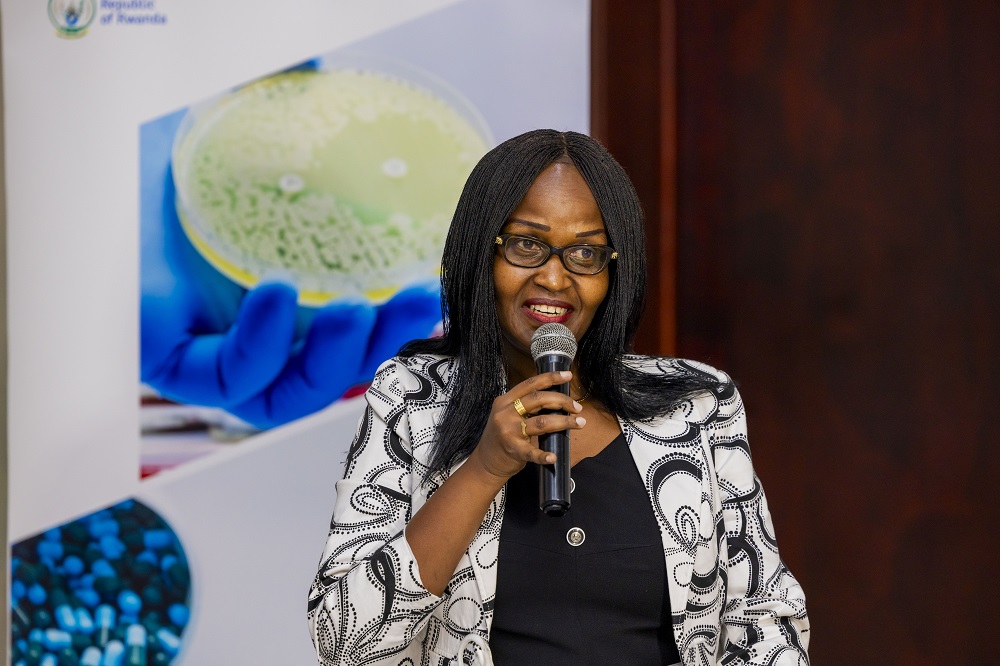
Dr. Isabelle Mukagatare
Despite the challenges, Rwanda has made progress. According to Dr. Isabelle Mukagatare, Head of Biomedical Services at the Rwanda Biomedical Centre, the country has expanded bacteriology capacity, improved diagnostics, established sentinel surveillance sites, and increased the number of public clinical testing laboratories to 22, with more planned through public-private partnerships.
She said, however, that persistent gaps in data quality, reporting systems, and resource availability continue to hinder the fight against AMR.
Dr. Mukagatare stressed that the One Health approach is essential, noting that human, animal, agricultural, and environmental health are interconnected and require coordinated action.
What Rwanda Has To Do:
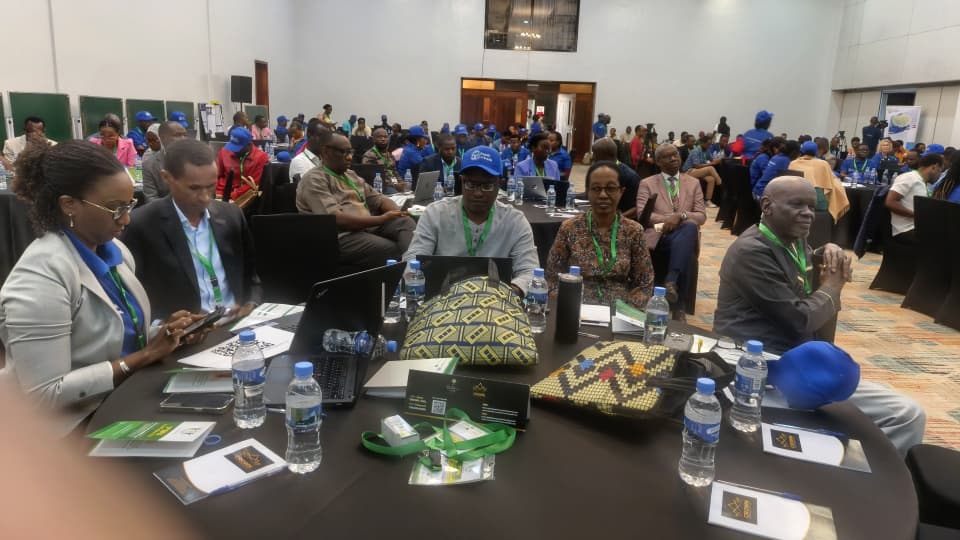
WHO Rwanda outlined several urgent steps Rwanda must take to curb AMR. These include strengthening surveillance systems by increasing its reporting to the WHO Global Antimicrobial Resistance and Use Surveillance System (GLASS) and expanding laboratory capacity, especially rapid diagnostics.
Dr. Chirombo called for multisectoral interventions such as Infection Prevention and Control, improvements in water, sanitation and hygiene (WASH), expanded vaccination coverage, and robust antimicrobial stewardship programs.
He urged Rwanda to regulate antibiotic use through the WHO AWaRe classification by promoting Access antibiotics for common infections, restricting Watch antibiotics, and reserving last-line drugs such as colistin and linezolid for specialised settings.
The WHO representative also emphasised the life-saving role of vaccines, citing 2024 WHO data showing that vaccines could prevent 106,000 AMR-related deaths each year, save $861 million in hospital costs, and reduce the need for 142 million doses of antibiotics globally.
For Rwanda, Dr. Chirombo said that scaling up pneumococcal, Hib, influenza, and typhoid vaccinations is essential.
Dr. Chirombo further stressed the need for stronger domestic financing supported by global mechanisms such as the Pandemic Fund and the Global Fund, warning that unchecked AMR could inflict economic damage comparable to the 2008 financial crisis.

Dr. Chirombo stated that every sector—health workers, policymakers, farmers, veterinarians, and environmental professionals—has a role to play in combating AMR, noting, “Act now: protect our present, secure our future.”
The Rwanda Pediatric Association concluded the conference with a renewed commitment to evidence-based interventions, improved surveillance, stronger antibiotic stewardship, and enhanced community engagement, warning that failure to act now risks undermining decades of national health progress.
Dr. Lisine Tuyisenge, General Secretary Rwanda Paediatric Association (RPA) said that they are committed to streamlining all challenges in addressing AMR and counting on development partners to achieve this ambition.
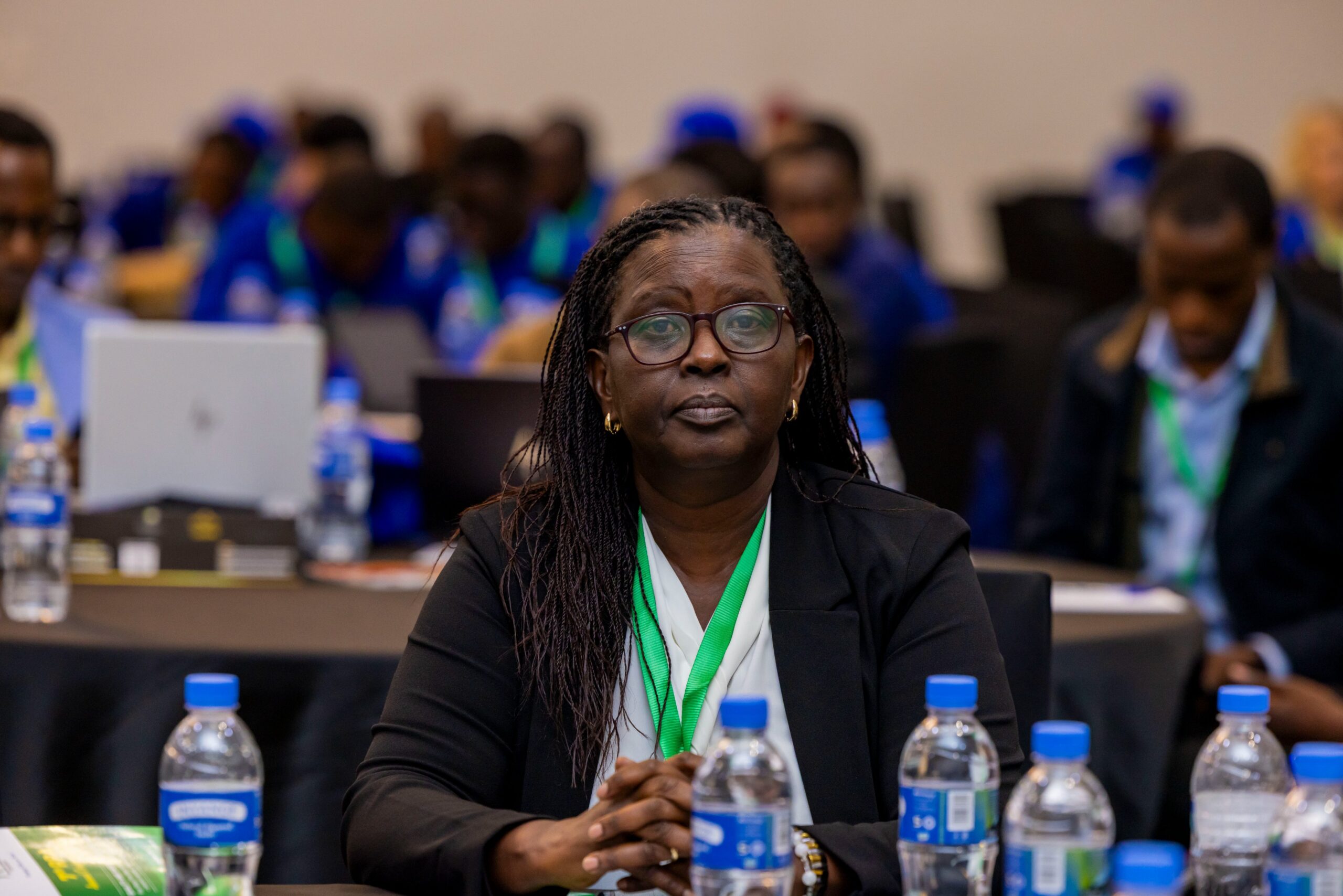
Dr. Lisine Tuyisenge