


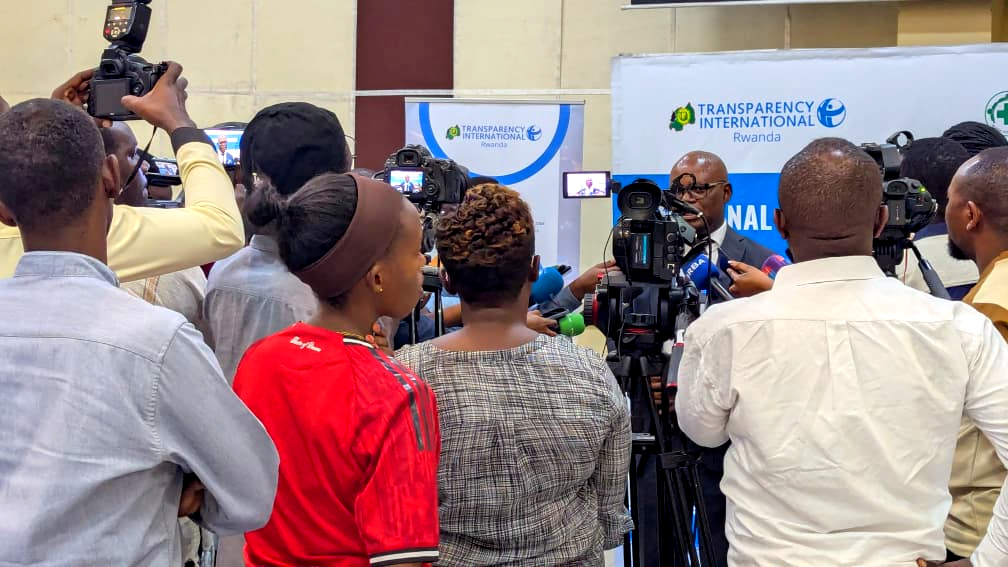
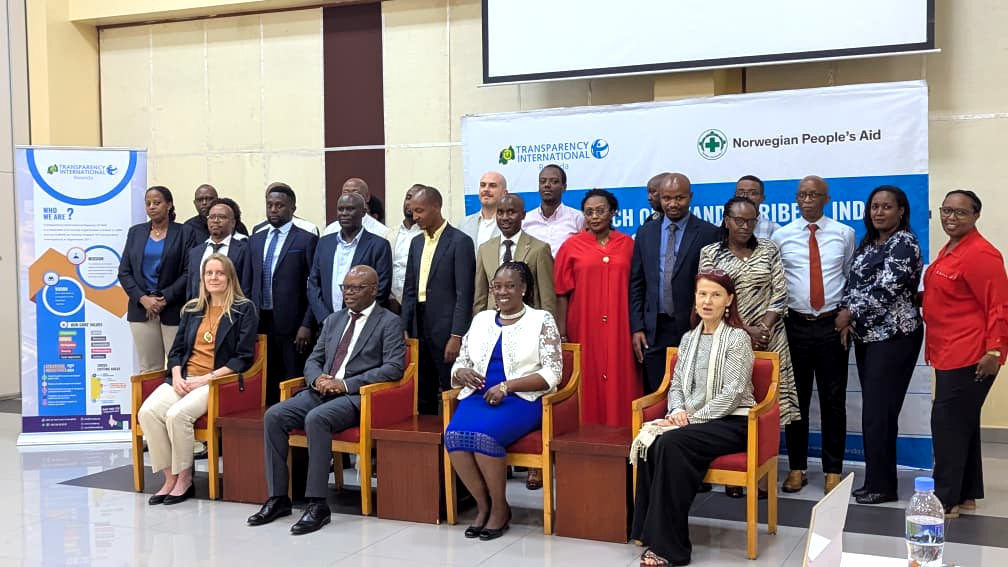
 Transparency International Rwanda (TI-Rwanda) has released the 16th Rwanda Bribery Index (RBI) which shows encouraging progress fewer people encountered bribery this year.
However, the amount of money demanded in bribes has increased sharply, raising concerns about the financial pressure placed on citizens.
Fewer People Experiencing Bribery:
The report released on December 5 shows that 64.60% of Rwandans think corruption in the country is low, an increase from 59.20% in 2024. Around 20.40% say it is at a medium level, while 13.20% believe it remains high.
Public trust in government anti-corruption efforts is also improving. In 2025, 83.22% of respondents said these efforts are effective, compared to 80.50% last year.
Only 14.60% of respondents encountered bribery in the past year, a drop from 18.50% in 2024.
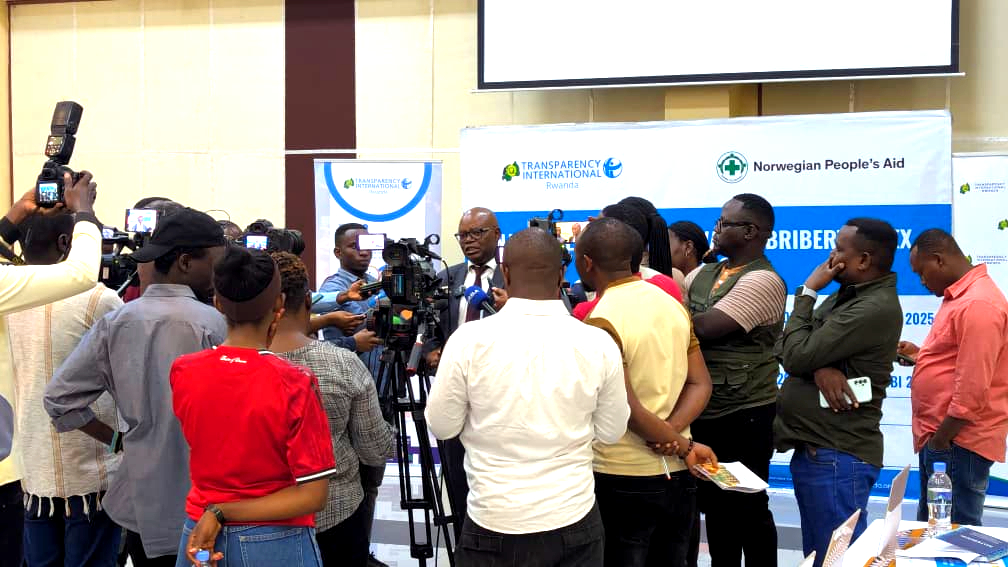
TI-Rwanda’s Executive Director, Apollinaire Mupiganyi, welcomed the positive direction but emphasized the need for deeper reforms.
“The decline in bribery encounters reflects meaningful progress driven by strengthened enforcement and growing accountability across institutions. This trend is also consistent with other international surveys, including the Corruption Perceptions Index (CPI).
However, persistent challenges, particularly in service delivery, show that fighting corruption requires coordinated action, proactive information sharing, and continuous capacity building,” he said.
Institutions Most Affected:
The national likelihood of bribery stands at 2.50% in 2025, down from 3.20% in 2024. The private sector (8.90%) and the Rwanda National Police (6.20%) recorded the highest likelihood of bribery. Notably, the RNP’s likelihood of bribery has dropped steadily over four years—from 16.40% in 2022 to 11.02% in 2023, 9.40% in 2024, and now 6.20%.
Bribery prevalence also declined nationally to 1.50%, from 2.10% in 2024. The highest prevalence was found in the private sector (8%) and local government (4.30%), followed by the Rwanda Energy Group (3.70%), prosecution services (3.50%), and the Water and Sanitation Corporation (2.80%).
Services most vulnerable to bribery include acquiring construction permits (22.90%), obtaining driving licences (16.60%), securing land title certificates (13.60%), illegal construction services (13.60%), and recruitment in the private sector (7.90%). Bribery in water (6.70%) and electricity services (5.10%) also remains a challenge.
Bribery in Business:
Regarding business-related corruption (SDG 16.5.1 and 16.5.2), at least 4.20% of businesspeople were asked to pay bribes in 2025, and 1.14% did so. Of those who paid, 10.70% reported paying bribes specifically for business purposes.
Declining Encounters, Rising Pay offs:
Although bribery encounters have fallen sharply—from 29.10% in 2022, to 22% in 2023, 18.50% in 2024, and 14.60% in 2025—the cost of bribery has intensified.
The average bribe amount in 2025 rose to Rwf269,148, a dramatic increase from Rwf65,543 in 2024. This rise weighs heavily on low-income households, 71% of whom reported monthly incomes of Rwf100,000 or less.
Commenting on this trend, Mupiganyi noted: “These figures reveal a complex corruption landscape where both high-level systems and routine services are affected. They point to the urgent need for targeted reforms, greater digital transparency, and stronger accountability mechanisms that protect citizens, especially the most vulnerable.”
Reporting Remains Low:
Bribery remains highly under-reported. In 2025, 90.5% of those who encountered bribery did not report it—only a marginal improvement from 92% in 2024.
Key reasons for non-reporting include:
* Not realizing they should report (24%)
* Belief that no action would be taken (16%)
* Lack of trust in reporting institutions (13%)
* Fear of intimidation (10%)
* Fear of self-incrimination (10%)
* Not knowing where to report (8%)
The report calls for stronger efforts to address corruption risks in the private sector, traffic-related services, and local government—particularly in construction permits, procurement, and recruitment.
It also stresses the need to improve integrity in water and electricity utilities and to intensify public awareness campaigns encouraging citizens to report corruption.
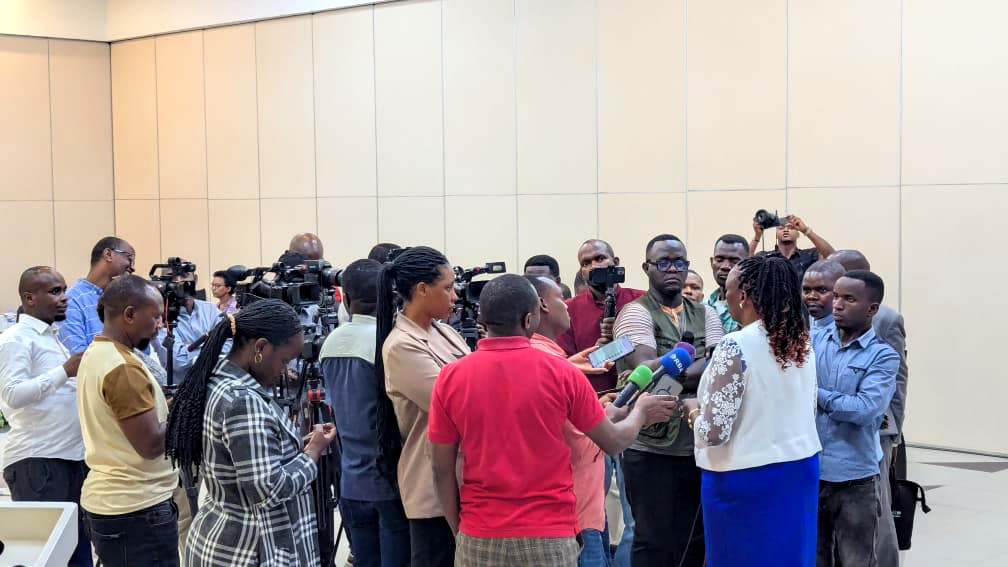
Chief Ombudsperson Nirere Madeleine reaffirmed the government’s commitment to coordinated action.
“The Office of the Ombudsman reaffirms its dedication to strengthening the synergies created and to implementing evidence-based recommendations emerging from studies such as the RBI. We will continue working closely with all stakeholders to ensure that our joint efforts deliver tangible and lasting impact.”
The RBI, published annually since 2010, measures bribery prevalence and perception, identifies vulnerable institutions, and evaluates its impact on service delivery.
The 16th edition, surveyed 2,360 respondents across Rwanda’s four provinces and the City of Kigali. Out of these, 53.56% were men and 46.44% women, with 55.47% living in rural areas and 44.53% in urban areas.