



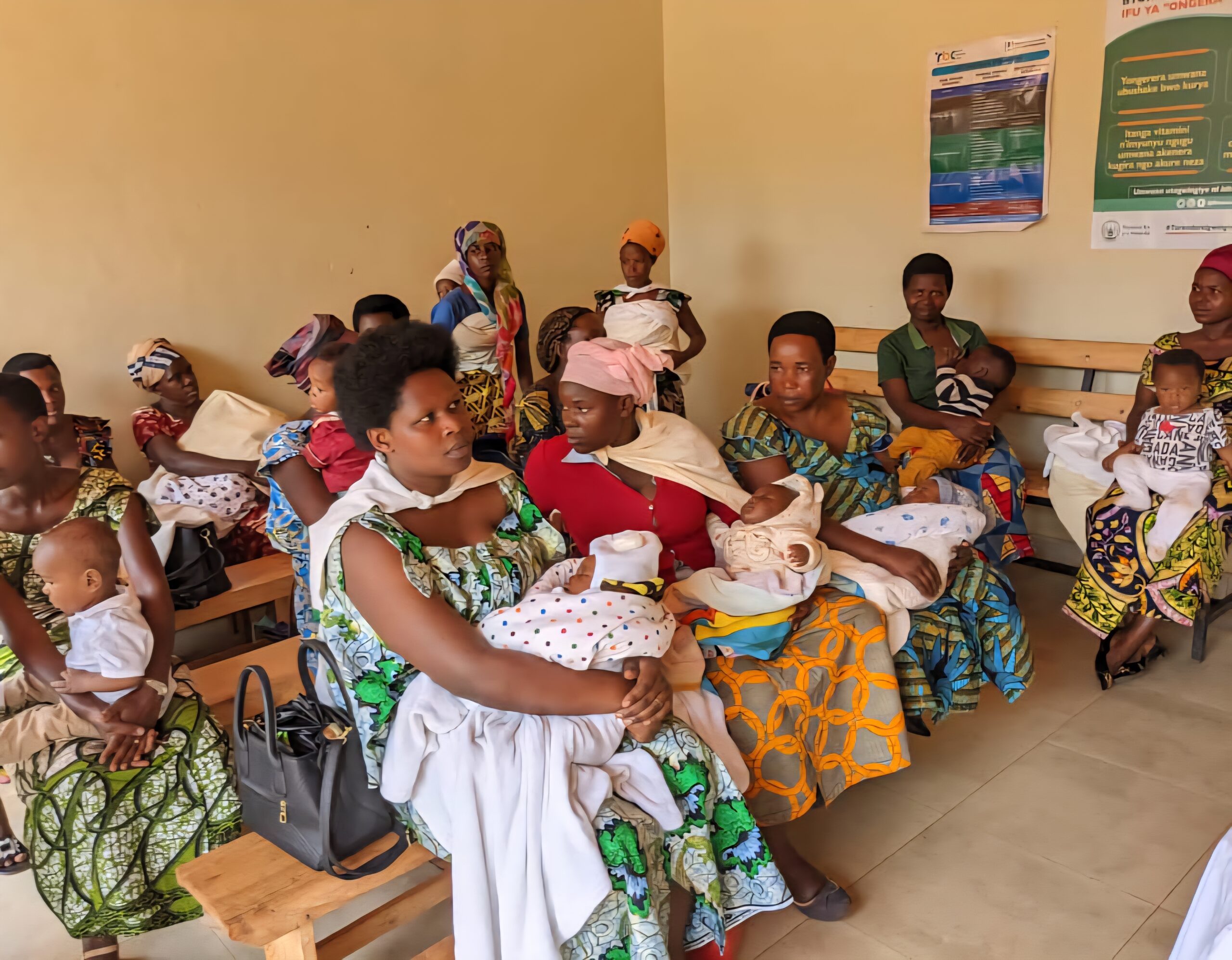
Mothers and their babies wait at a health center, which is usually the first line of treatment. Millions use these facilities before they can be transferred to District Hospitals for referral cases
The Government will next week launch a new capitation-based payment system for primary healthcare facilities, aimed at improving service delivery and addressing persistent delays in reimbursements.
Under this model, facilities will receive advance payments for medical services provided to Mituweli (Community-Based Health Insurance) members, replacing the existing Fee-for-Service system where reimbursements were made only after services were delivered.
There are over 1,500 primary health facilities across the country. However, over the years, government brought in system where they were managed by private contractors.
A Senate probe last year found several dozens had closed because they couldn’t keep up with medical costs, yet capitation, or reimbursements from the Rwanda Social Security Board (RSSB), weren’t forthcoming on time.
According to the Auditor General’s annual audit report for the year ending June 2023, RSSB had delayed verification of 539 medical invoices worth Frw 9.63 billion, contributing to payment delays that have impacted health facility operations.
What happens is that when you go to a health center, which is usually the closest health facility, you pay the usual small percentage as personal incurred cost. The health facility transfers the remaining of the cost to RSSB, which has been taking longer than needed to reimburse health facilities.
The pilot program will begin in Rwamagana District in the Eastern Province before being gradually extended to other districts in the province and eventually rolled out nationwide.
The Capitation Model will replace the current Fee-for-Service system, under which the Rwanda Social Security Board (RSSB) reimbursed facilities only after services were delivered.
By providing upfront funds, the new model is expected to improve the quality and efficiency of healthcare services, support Universal Health Coverage, and ensure that citizens access timely and better-quality care.
Facilities will also benefit from consistent medicine stocks and essential medical supplies, as advance payments will give healthcare providers immediate access to necessary resources.
This initiative represents a significant step in Rwanda’s efforts to strengthen primary healthcare, reduce administrative bottlenecks, and ensure that health facilities are better equipped to serve communities efficiently.
