




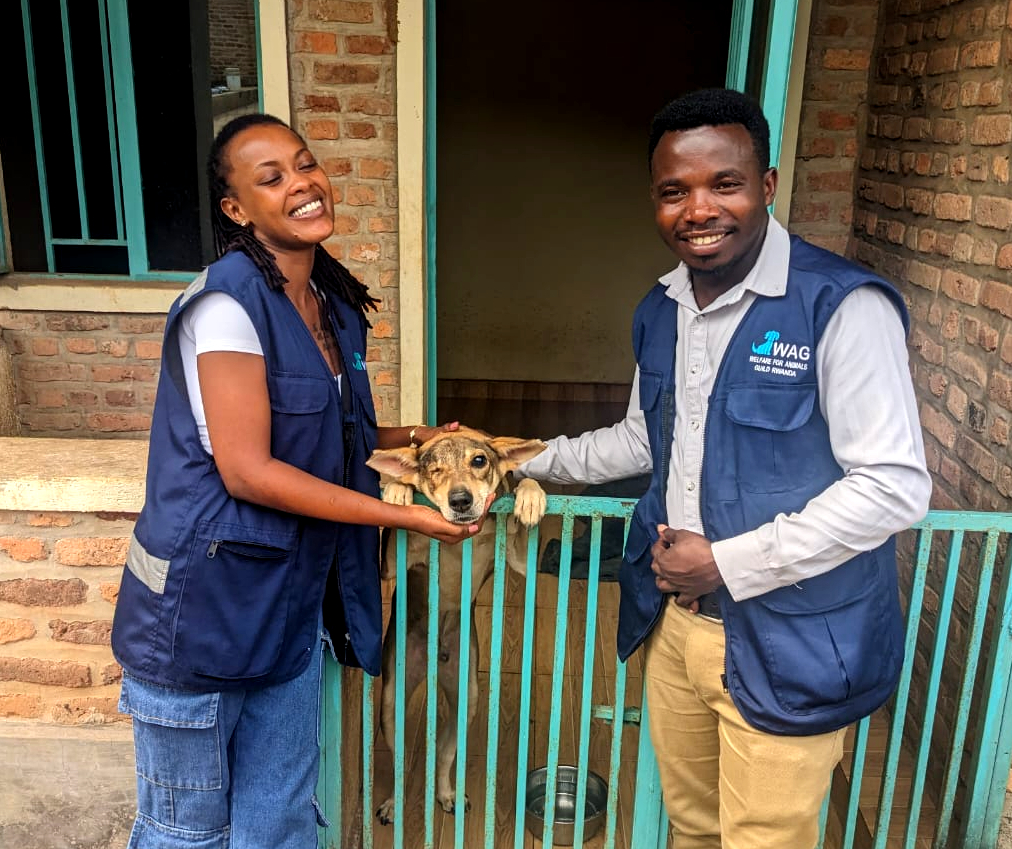
WAG dog trainer Vanessa Ingabire (left) and Vet
An animal welfare organisation in Rwanda is planning to push the government to introduce regulations that would require citizens to obtain a licence to own a dog as a domestic pet.
Despite existing measures to manage dog populations, dog ownership remains largely unregulated, allowing anyone to buy, adopt, and keep a dog with little oversight.
As Rwandan lifestyles continue to improve economically and socially, dog ownership is expected to rise. However, increased human mobility—particularly rural-to-urban and urban-to-rural migration—means dogs are not always adequately cared for by stable households.
While Kigali City has the highest dog population, official statistics show that the Eastern Province records the highest number of dog bite cases. Of the 1,172 dog bite incidents reported nationwide, the Eastern Province accounts for the largest share, followed by the Southern Province (616), Western Province (517), Kigali City (480), and the Northern Province (442).
District-level data indicate that Nyagatare leads with 392 reported cases, followed by Huye, Gasabo, Gatsibo, and Musanze among the five most affected districts.
Rwanda has recently intensified enforcement of dog ownership laws. Since August 2025, the Rwanda Agriculture and Animal Resources Development Board (RAB) has required all dog owners to register their pets with village-level authorities.
Under the regulations, dog owners must present an official vaccination card showing proof of annual rabies vaccination. Dogs are also required to wear a collar with an identification tag and be kept on a leash in public spaces. Failure to comply can result in a dog being classified as a stray and seized.
The move comes amid continued concerns over stray dogs and dog bites, which pose a public health risk and could increase rabies cases—despite Rwanda’s goal to eliminate rabies by 2030.
However, Welfare for Animals Guild (WAG), a non-governmental organisation focused on dog rescue, rehabilitation, rehoming, and rabies elimination, says dog abandonment remains a major challenge, even as public awareness improves.
“We have a gap in law enforcement. When a dog bites someone, it becomes a public safety issue, yet we always blame the dog. Most strategies focus on controlling dogs instead of addressing human responsibility,” said Dr. Richard Nduwayezu, Head of Research and Partnerships at WAG.
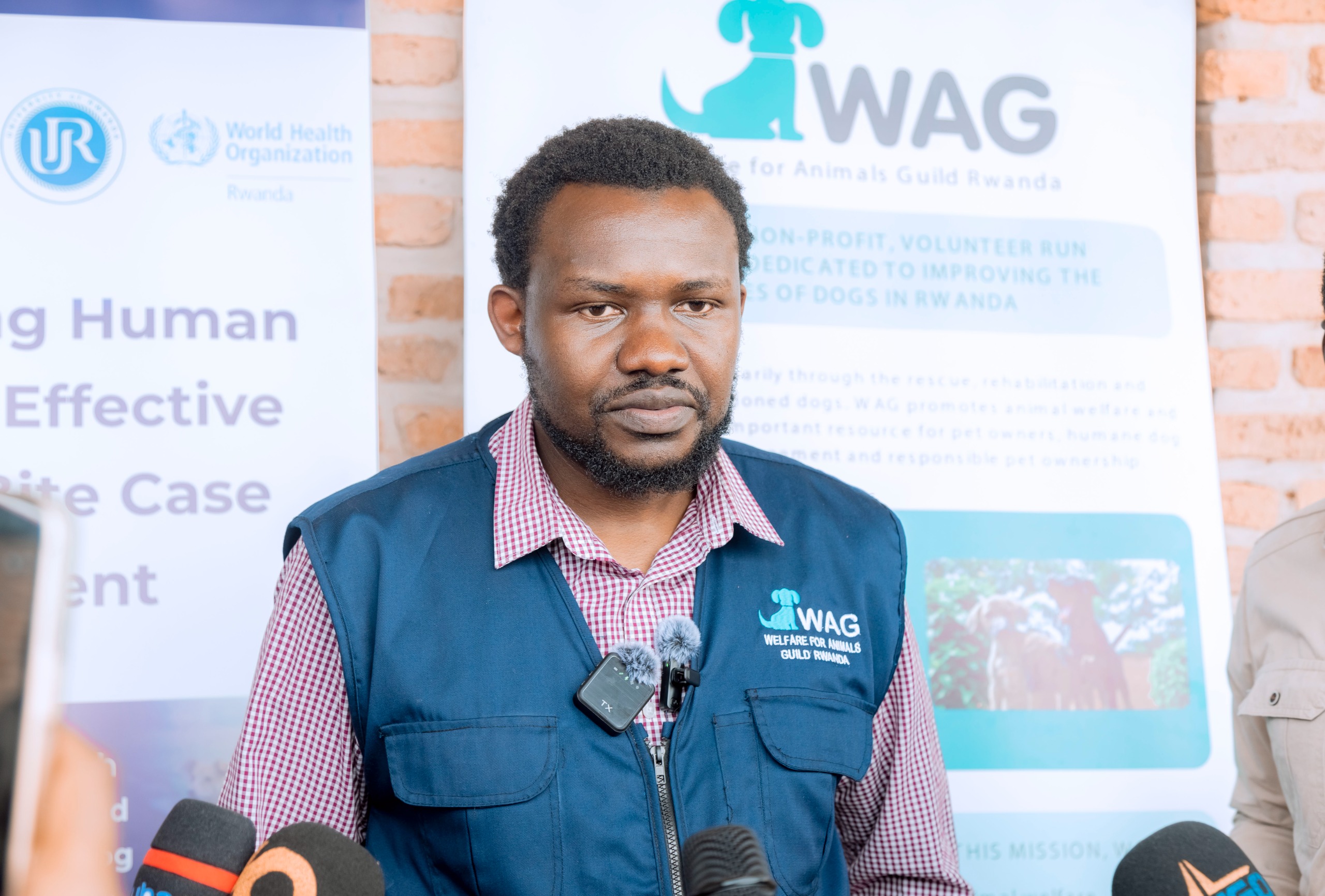
Dr. Richard Nduwayezu
“If there is no enforcement, people tend to release dogs onto the streets or abandon them altogether. Licensing would ensure accountability and prevent abandonment due to the legal consequences,” he added.
In its proposal, WAG says the licensing framework would also include regulations on animal breeds.
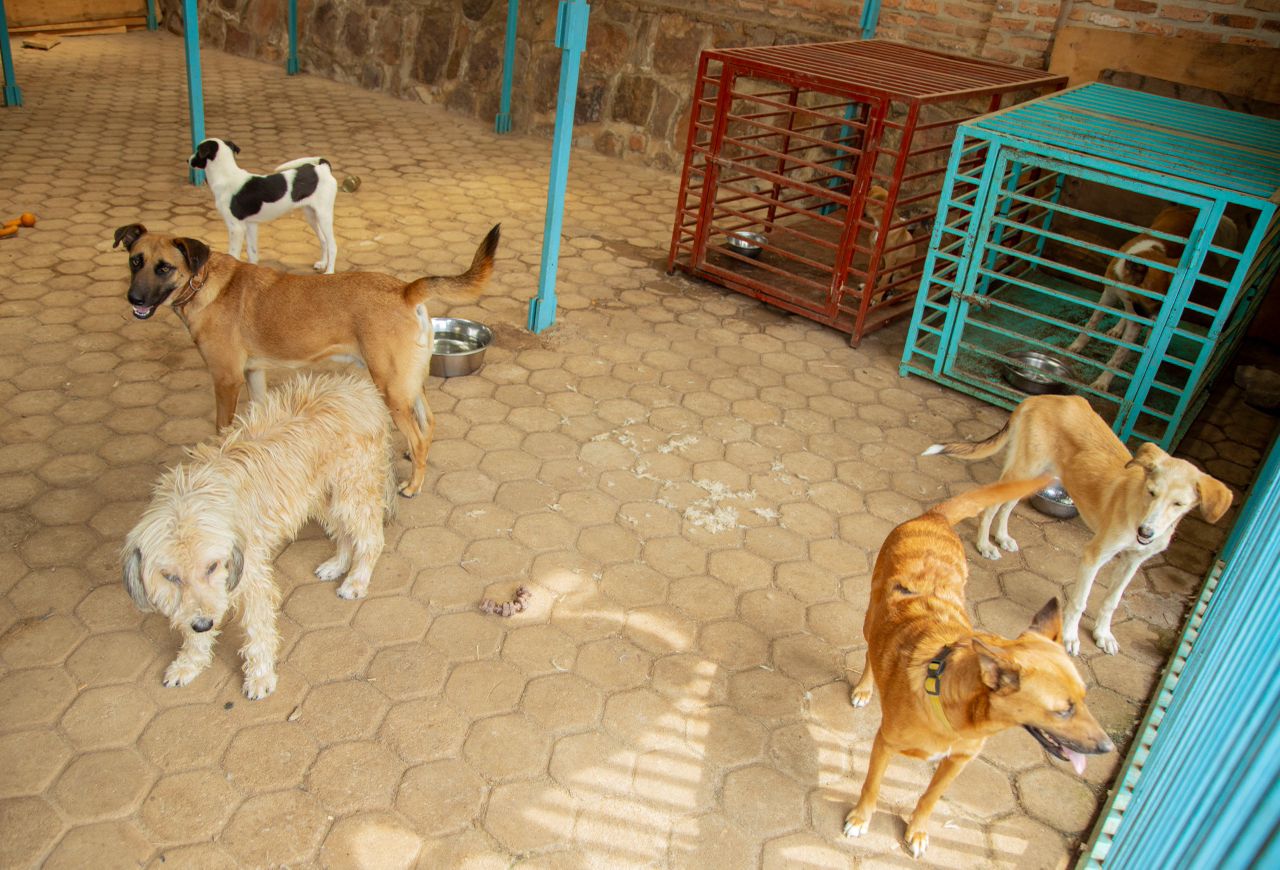
The organisation currently operates a dog shelter in Rusororo Sector, Kicukiro District, where injured, unhealthy, stray, and rescued dogs are vaccinated and sterilised before rehabilitation and adoption.
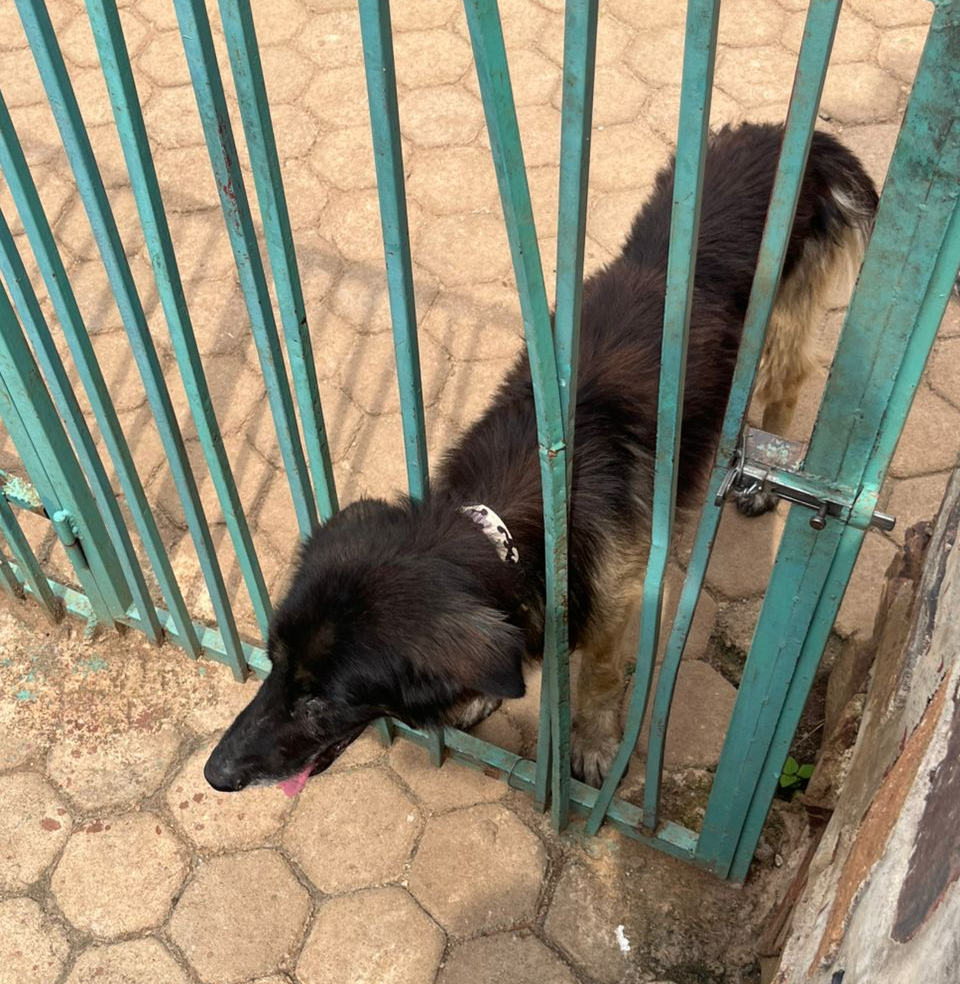
A German shepherd dog that was rescued following a report from a Burundian Diplomat. Photo Daniella Mutesi/RNGOF
However, limited space remains a major challenge, underscoring the need to prioritise responsible dog ownership as a sustainable solution. The shelter has a capacity of 50 dogs but housed 150 dogs in 2024. Since February 2025, it has already accommodated 205 dogs.
Although no rabies cases have been recorded at the shelter, most rescued dogs arrive in poor health—injured, disabled, or infected with zoonotic diseases such as worms and skin infections—raising further concerns about animal welfare and human responsibility.
WAG officials argue that the focus should shift from sheltering dogs to addressing the root causes of irresponsible ownership.
At the National Veterinary Diagnostic Laboratory in Rubirizi, Dr. Samson Ntegeyirizaza said free rabies vaccinations are available nationwide, but uptake remains low due to negligence, lack of awareness, or unwillingness among dog owners.

Dr. Samson Ntegeyirizaza
Each year, between 15,000 and 20,000 dogs are vaccinated. To improve coverage, authorities plan to establish a national dog database.
“Our new strategy is to conduct a door-to-door census of all dogs in the country. This exercise is expected to begin next week,” Ntegeyirizaza said.
He added that an annual nationwide vaccination campaign is planned between July and September to increase awareness, boost vaccination rates, and further reduce rabies cases.
Meanwhile Dr. Emmanuel Nzabamwita a senior veterinary doctor for WAG says noted that they are working with the government to conduct free sterilisation campaigns to control dog populations, particularly in the Eastern Province, where dog bite cases remain highest.
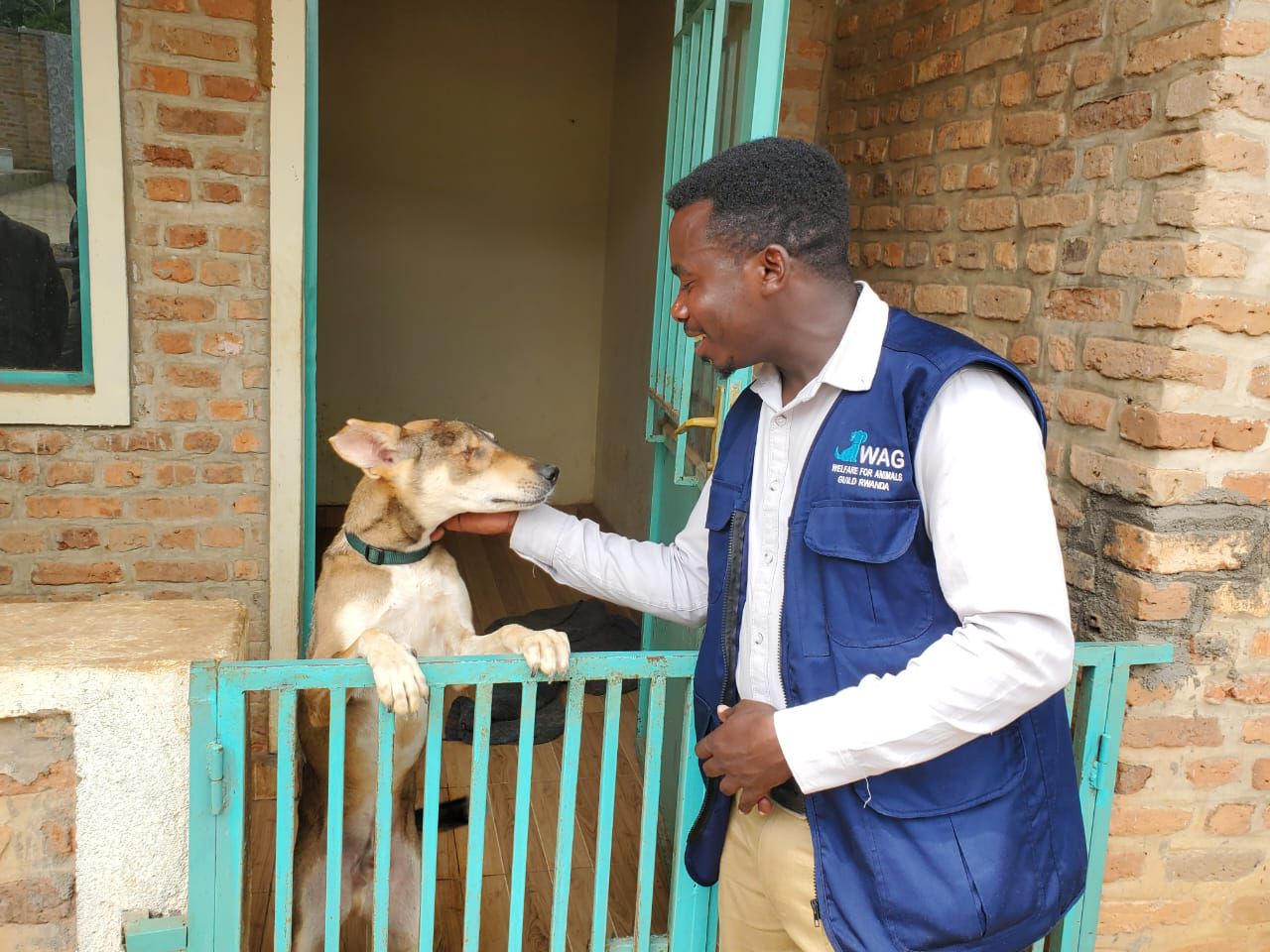
Dr. Emmanuel Nzabamwita with one of the rescued dogs. Photo Daniella Mutesi/RNGOF