



Behind the high walls of Rwanda’s correctional facilities a little-known but highly trained force jas emerged, tasked with maintaining order when situations spiral out of control.
The Rwanda Correctional Service (RCS) has established a specialized unit—popularly known as the Commandos or the Emergency Response Unit (Special Force)—dedicated to preventing prison escapes and swiftly containing riots whenever they occur.
The unit comprises more than 150 specially trained men and women with the capacity to intervene rapidly in volatile prison situations, restoring calm without causing injuries to inmates or to officers themselves.
The Commandos are stationed at the RCS Training School in Nsinda, Rwamagana District, in the Eastern Province, where they also undergo regular and intensive training.
According to RCS spokesperson CSP Hillary Sengabo, correctional facilities are designed to ensure that individuals convicted by courts serve their sentences while being prevented from fleeing justice, harming others, or being harmed.
Inmates are confined strictly in line with the law and judicial rulings, not by personal choice but by legal obligation—a reality that can sometimes fuel resistance or attempts to escape.
In an interview with Imvaho Nshya, CSP Sengabo explained that this is precisely why the specialized unit was created.
“When someone is in prison, it is not by choice but by the authority of the law,” he said. “This can lead to frustration, attempts to escape, or violent resistance. That is why we deploy a specialized unit to deal with those who refuse to comply with the law.”
He noted that when force is used by inmates to escape or confront prison officers, the response is carefully measured.
“Proportionate force means restraining someone without injuring them, while stopping them from doing what they intended—whether it is running away, attacking officers, or harming others,” he said.
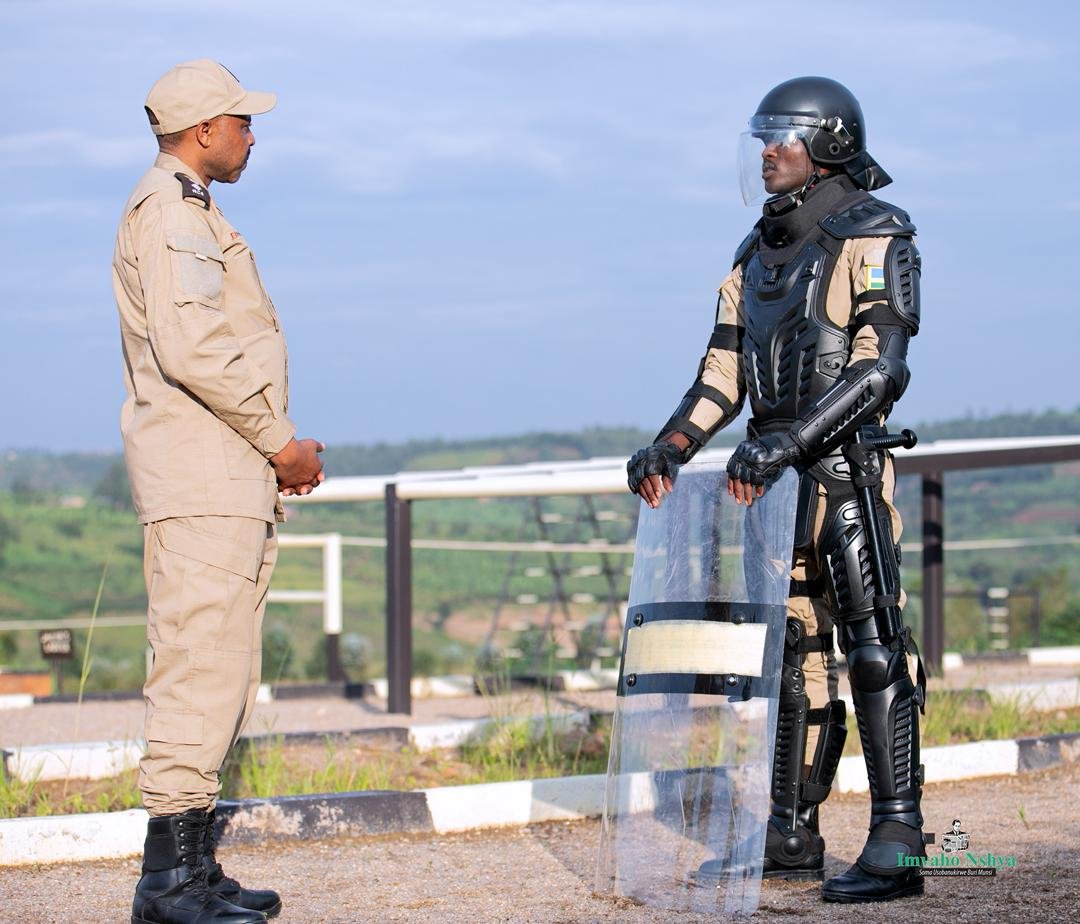
Depending on the situation, the unit may use physical restraint or approved equipment such as batons, tear gas, handcuffs, or water cannons to disperse groups, limit movement, and prevent damage to property.
RCS management says the establishment of the Commandos reflects the institution’s growing operational capacity and its commitment to observing both national laws and international correctional standards.
CSP Sengabo also pointed out that routine prison operations, particularly searches for prohibited items, can easily escalate if not handled by trained personnel.
“Items like alcohol, tobacco, or drugs may be legal outside prison but are forbidden inside,” he explained. “Inmates found with such items may resist searches or organize themselves against officers.”
“Without specialized intervention, either officers may be injured or inmates may be harmed as officers try to protect themselves,” he added.
Specialized prison response units, CSP Sengabo noted, are not unique to Rwanda. Many European countries operate similar teams within their prison systems.
Globally, prisons have recorded numerous cases in which inmates sue correctional officers over injuries sustained during enforcement operations. Such cases often pit officers’ duty to maintain order against inmates’ rights.
“This is why specialized commando-style units, long used in the military and police, are now part of modern correctional services,” CSP Sengabo said. “They are deployed where the situation is critical and requires precision.”
The RCS Commandos are comparable to the Special Operations Response Teams (SORT) used in the United States, as well as specialized units within Israel’s Prison Service (IPS).
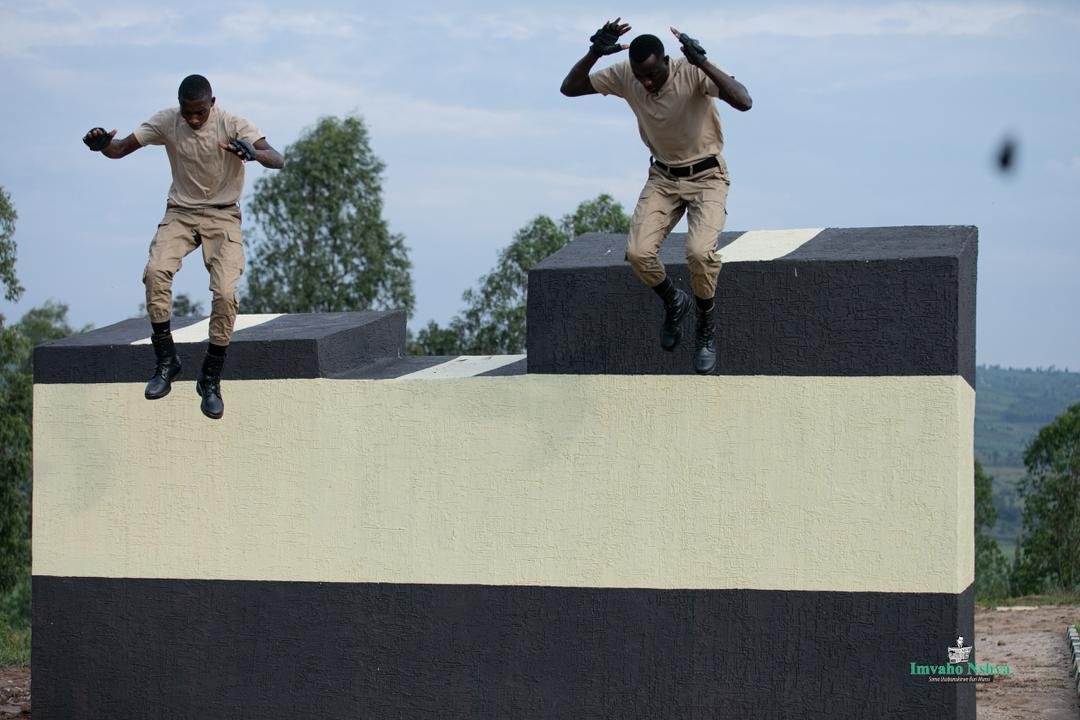
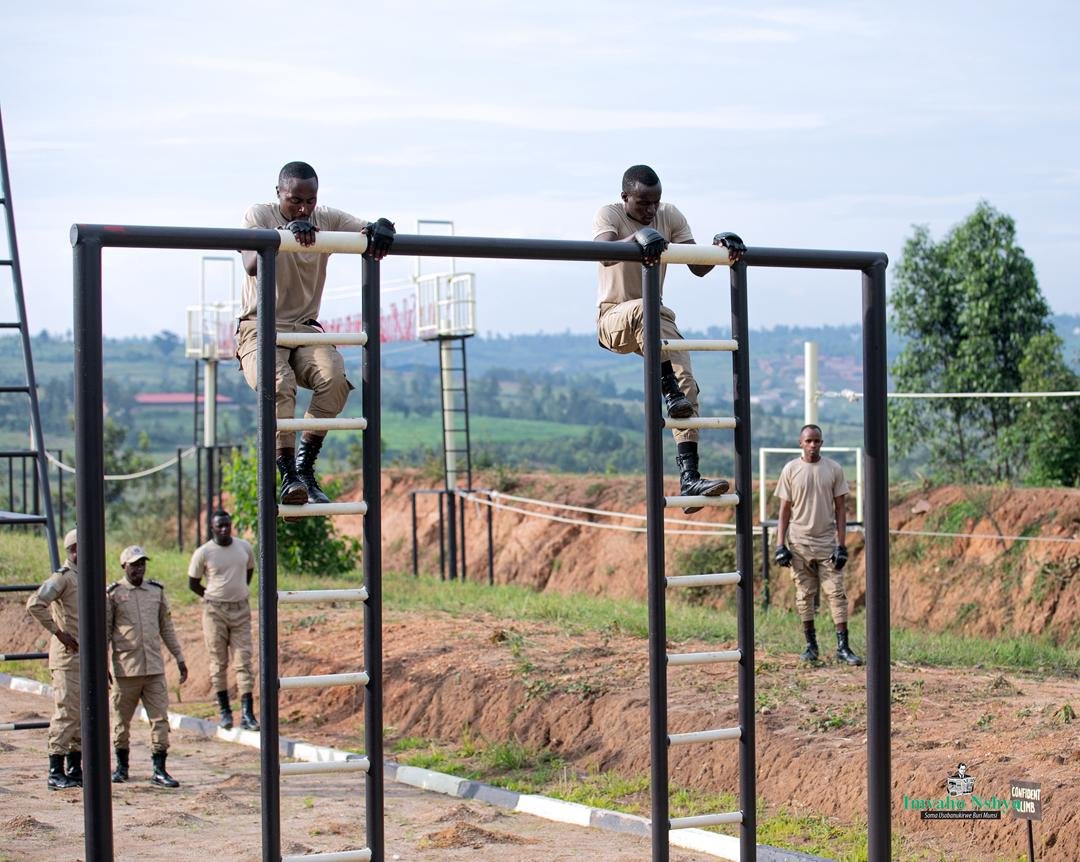
Members of the unit undergo advanced training that includes obstacle navigation, rope operations, high-angle climbing, rapid-response drills, and simulations of real-life prison emergencies. They are equipped with modern tools to support safe and effective interventions.
RCS officials say the specialized unit has proven its ability to restore order in prisons swiftly and professionally, ensuring safety, discipline, and respect for human dignity within Rwanda’s correctional facilities.