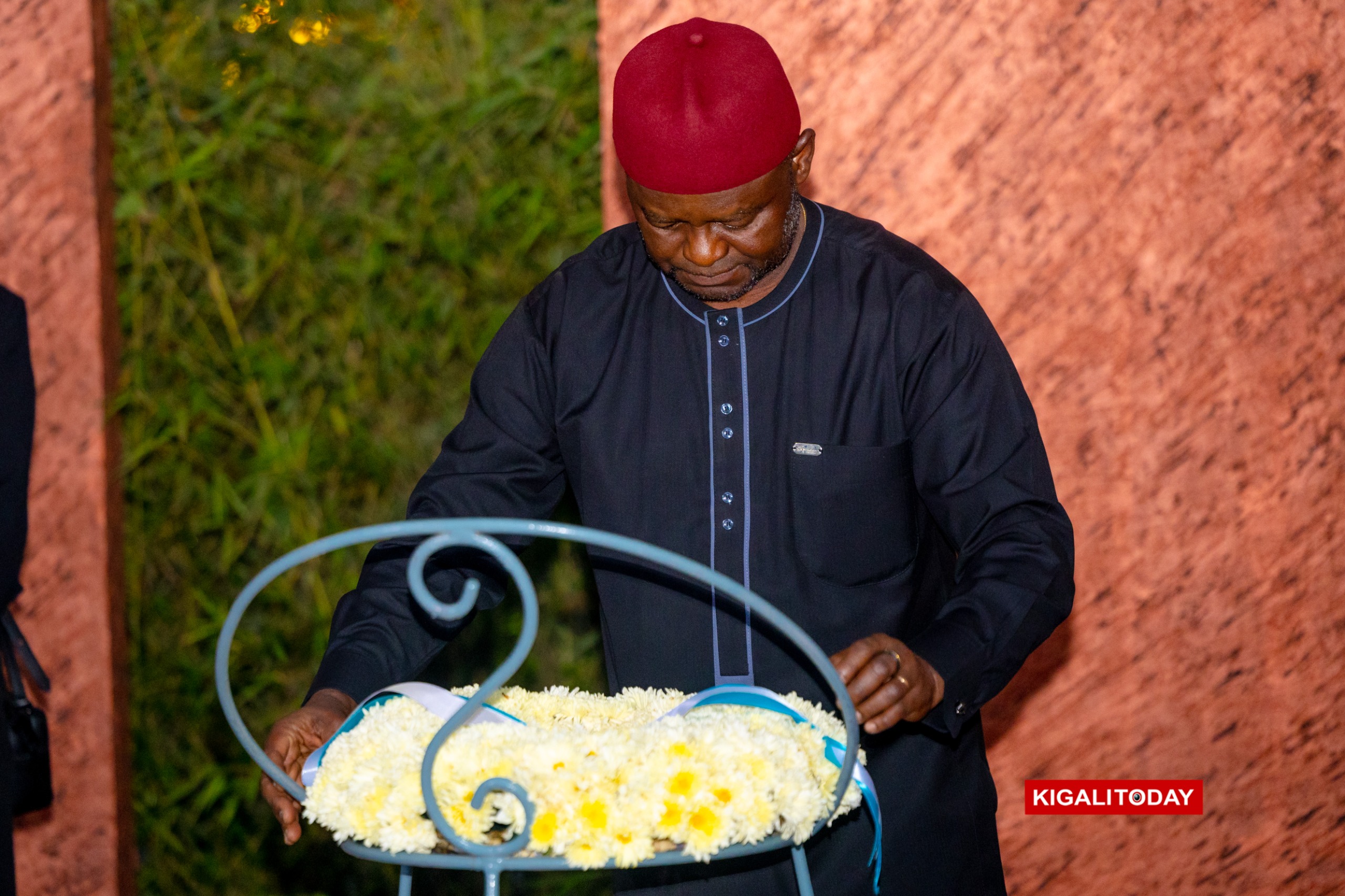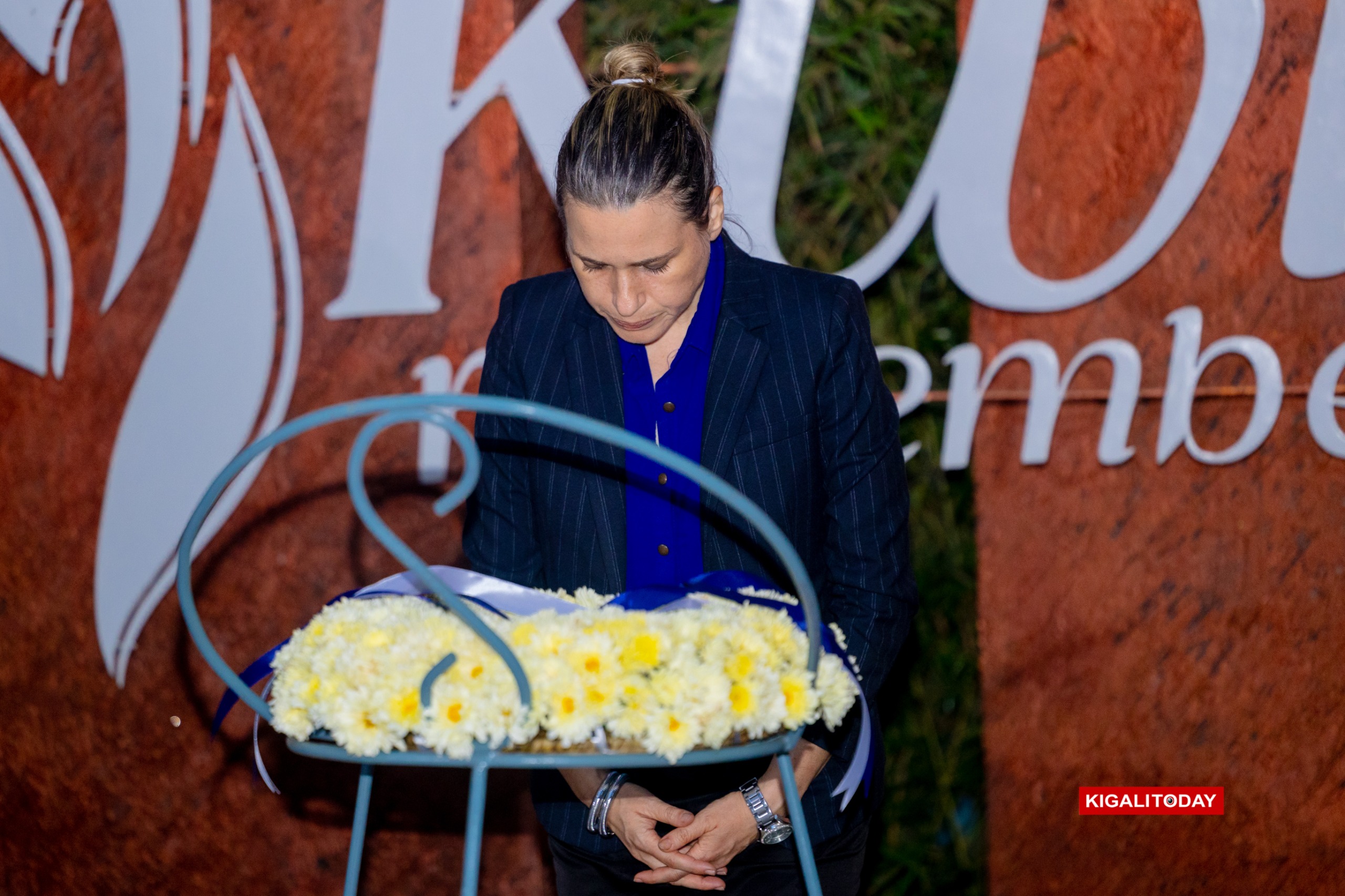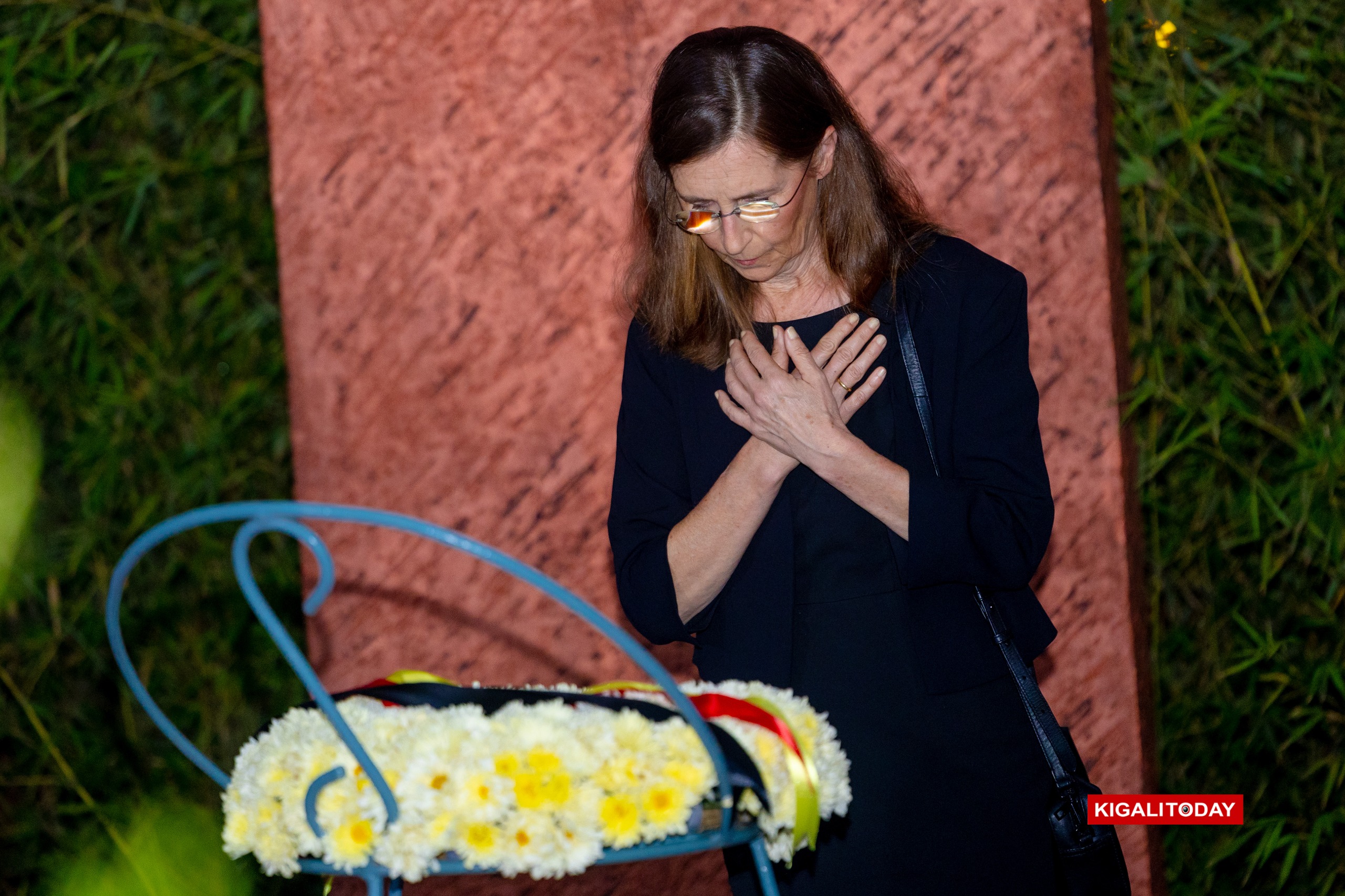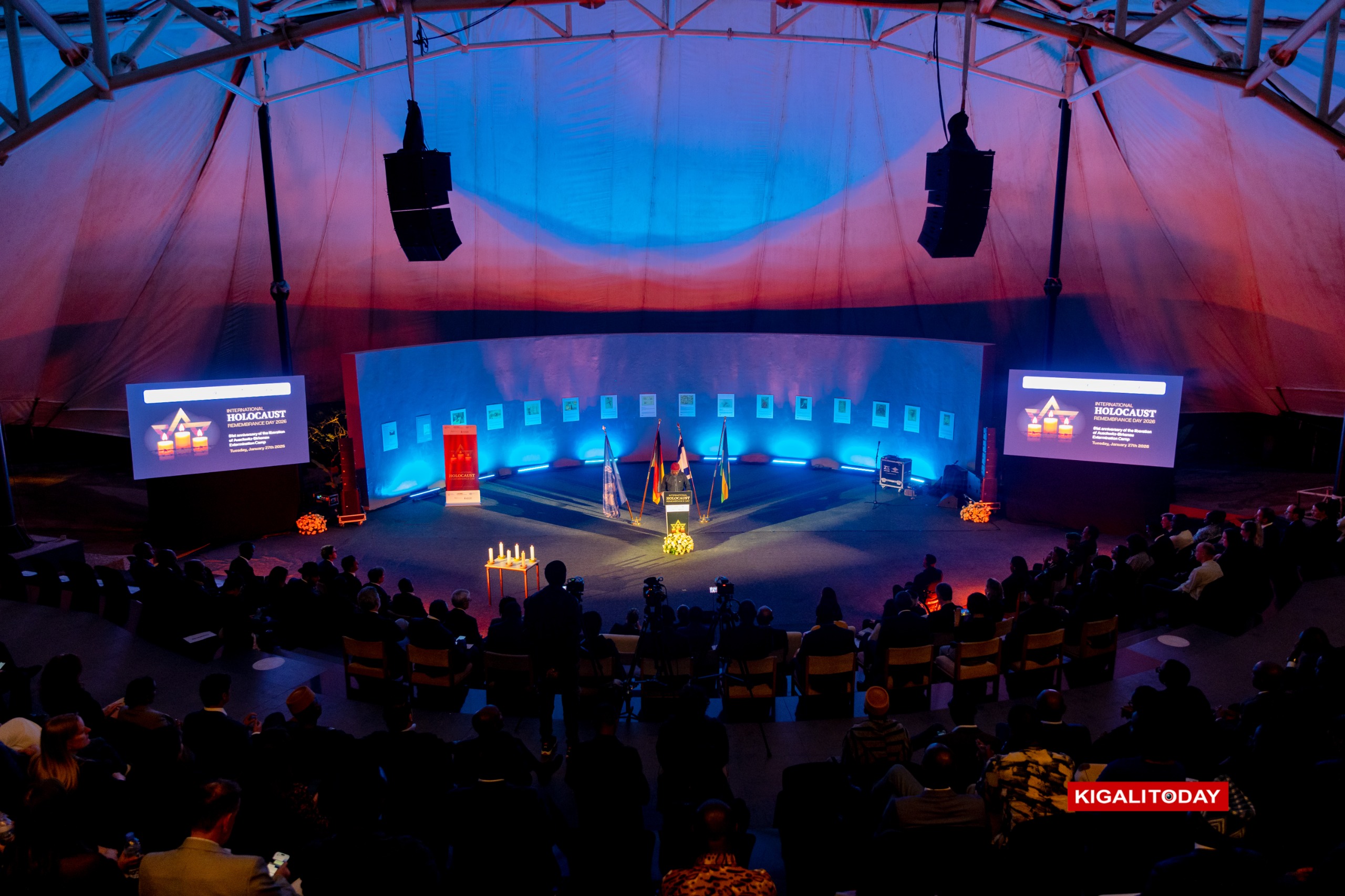




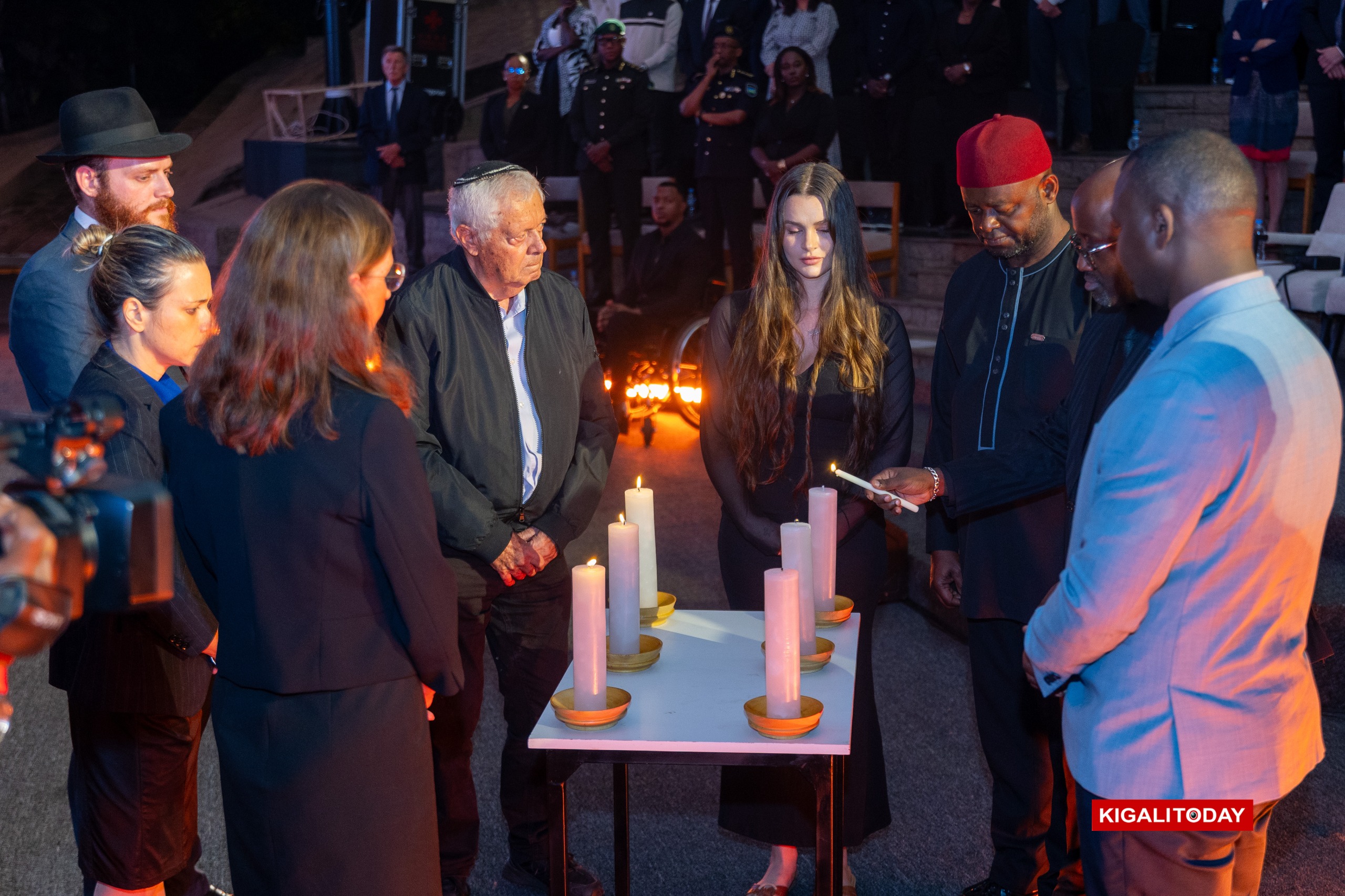
Foreign Affairs Minister Amb. Olivier Nduhungirehe lights commemoration candles as he joined diplomats and other dignitaries at the Kigali Genocide Memorial Center
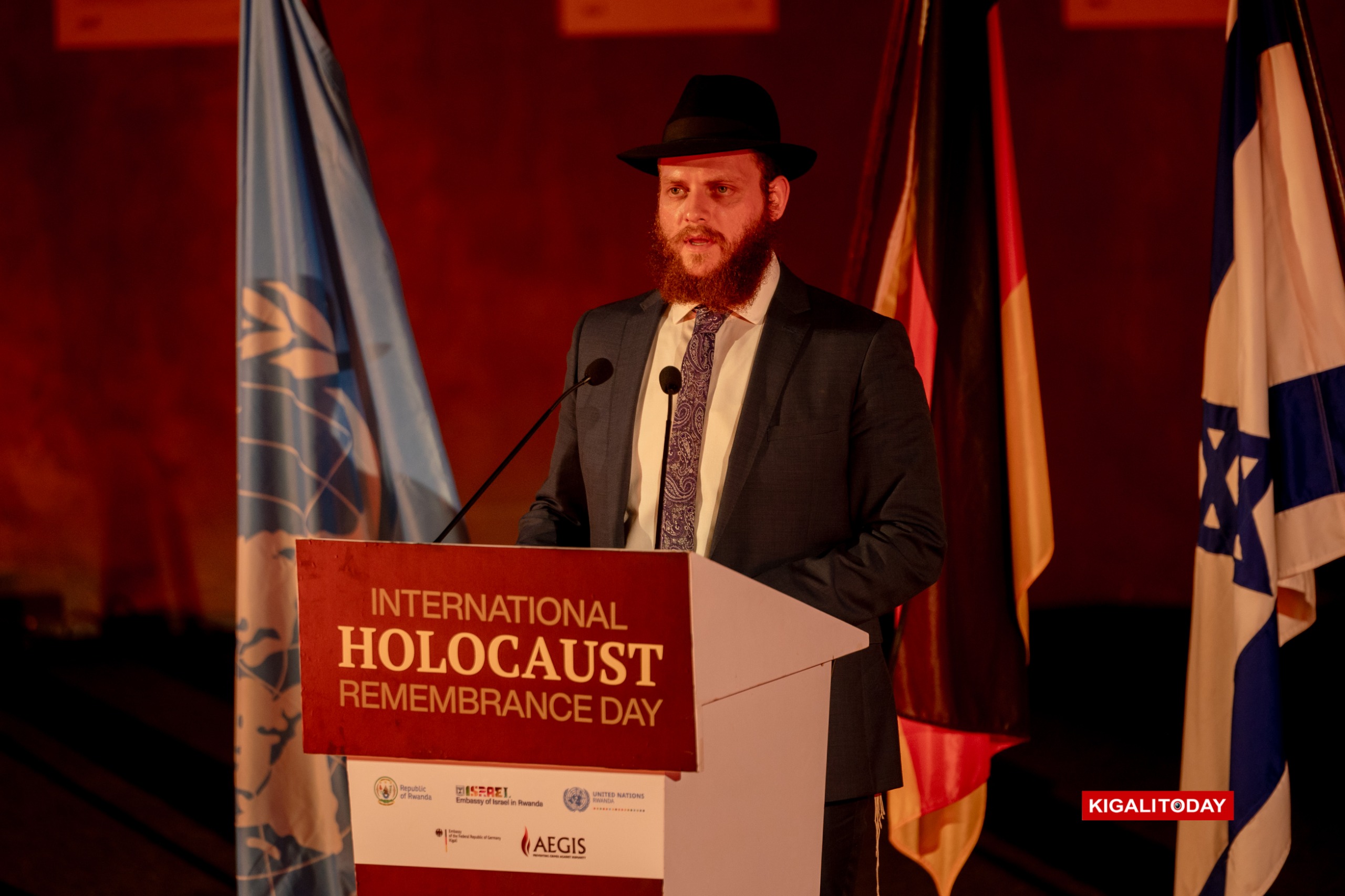
Rwanda on Tuesday joined the international community in commemorating the victims of the Holocaust, honoring the six million Jews and millions of others murdered by the Nazi regime, while warning against rising global hatred, antisemitism, and genocide.
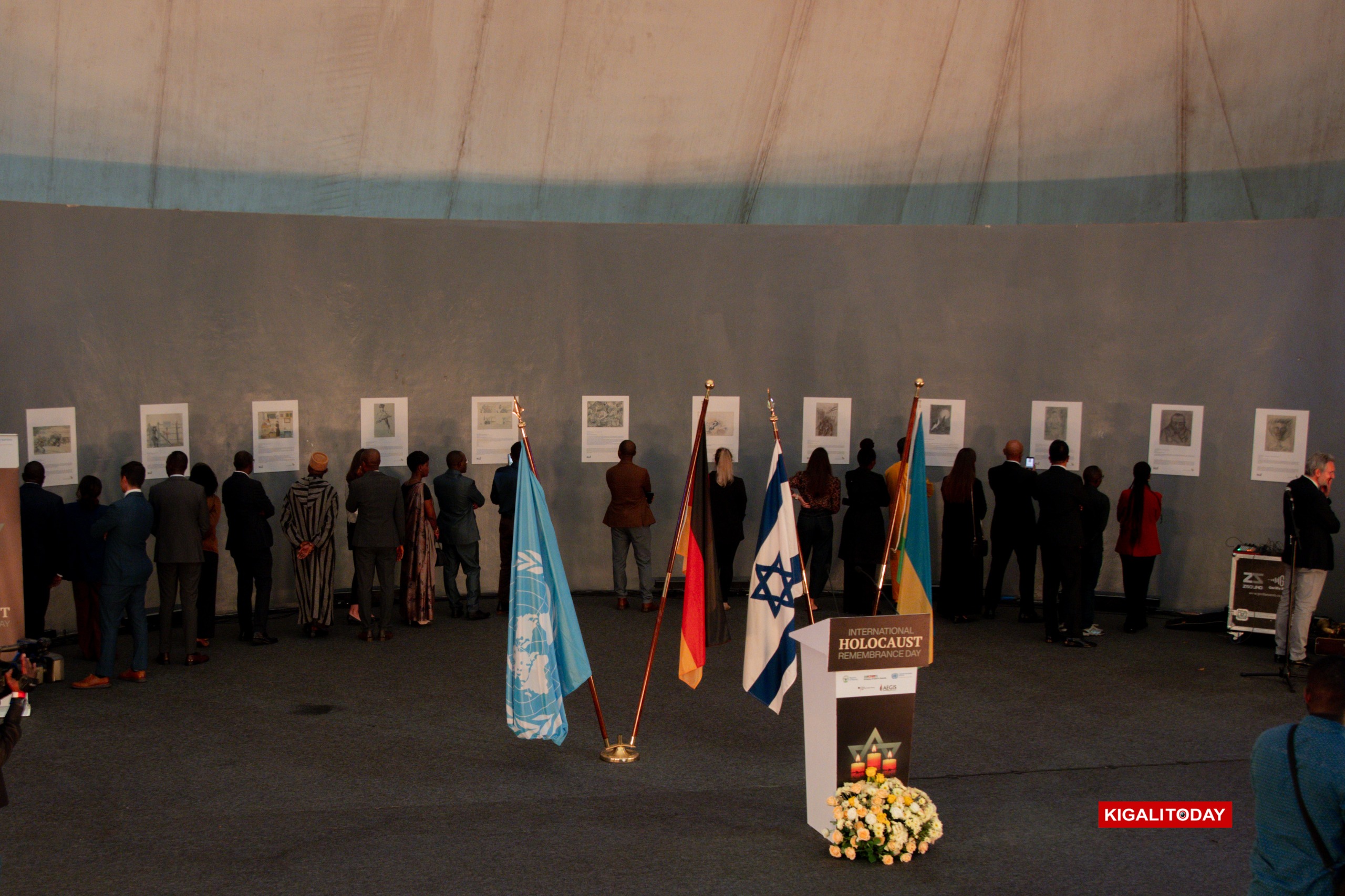
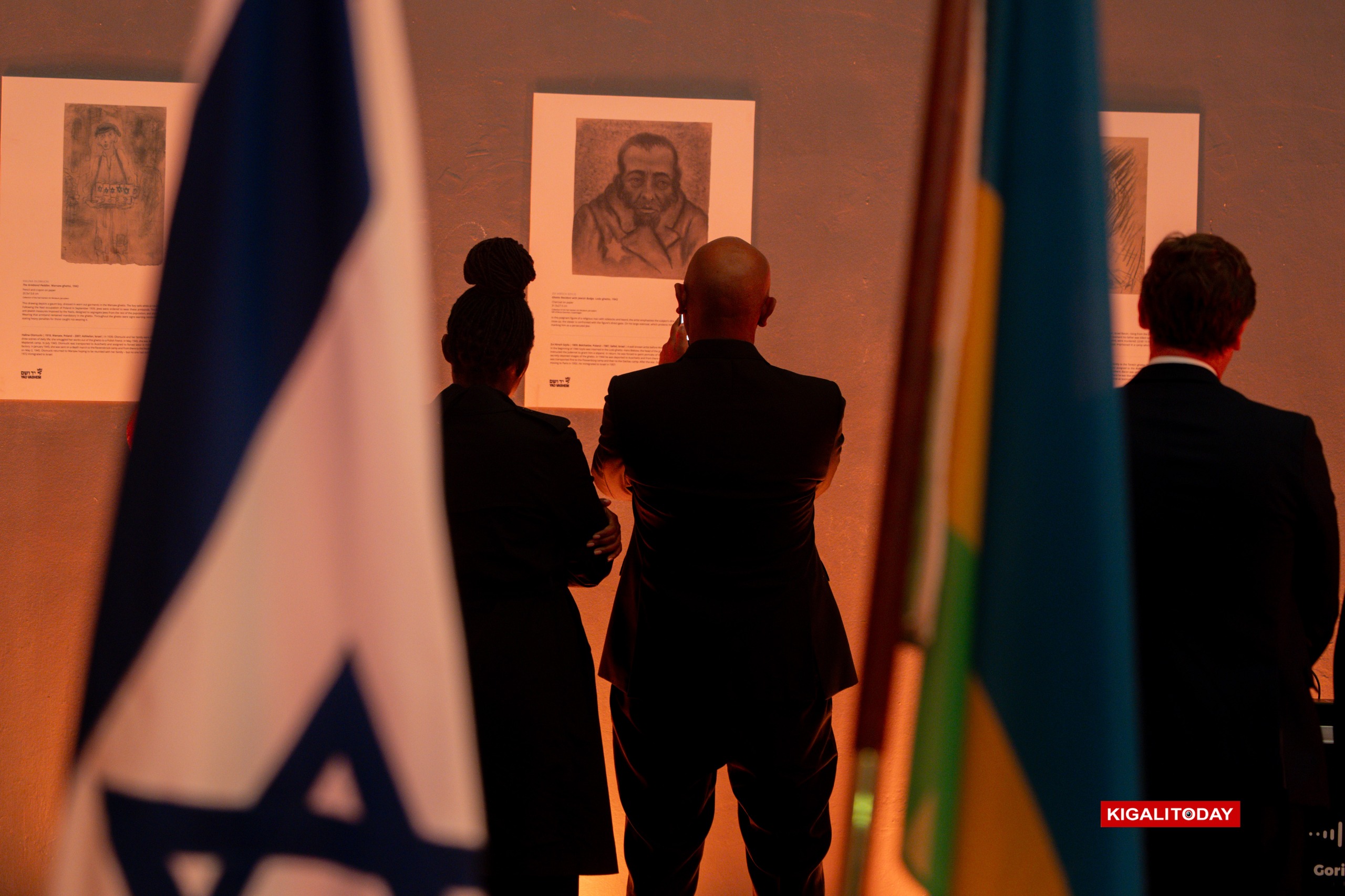
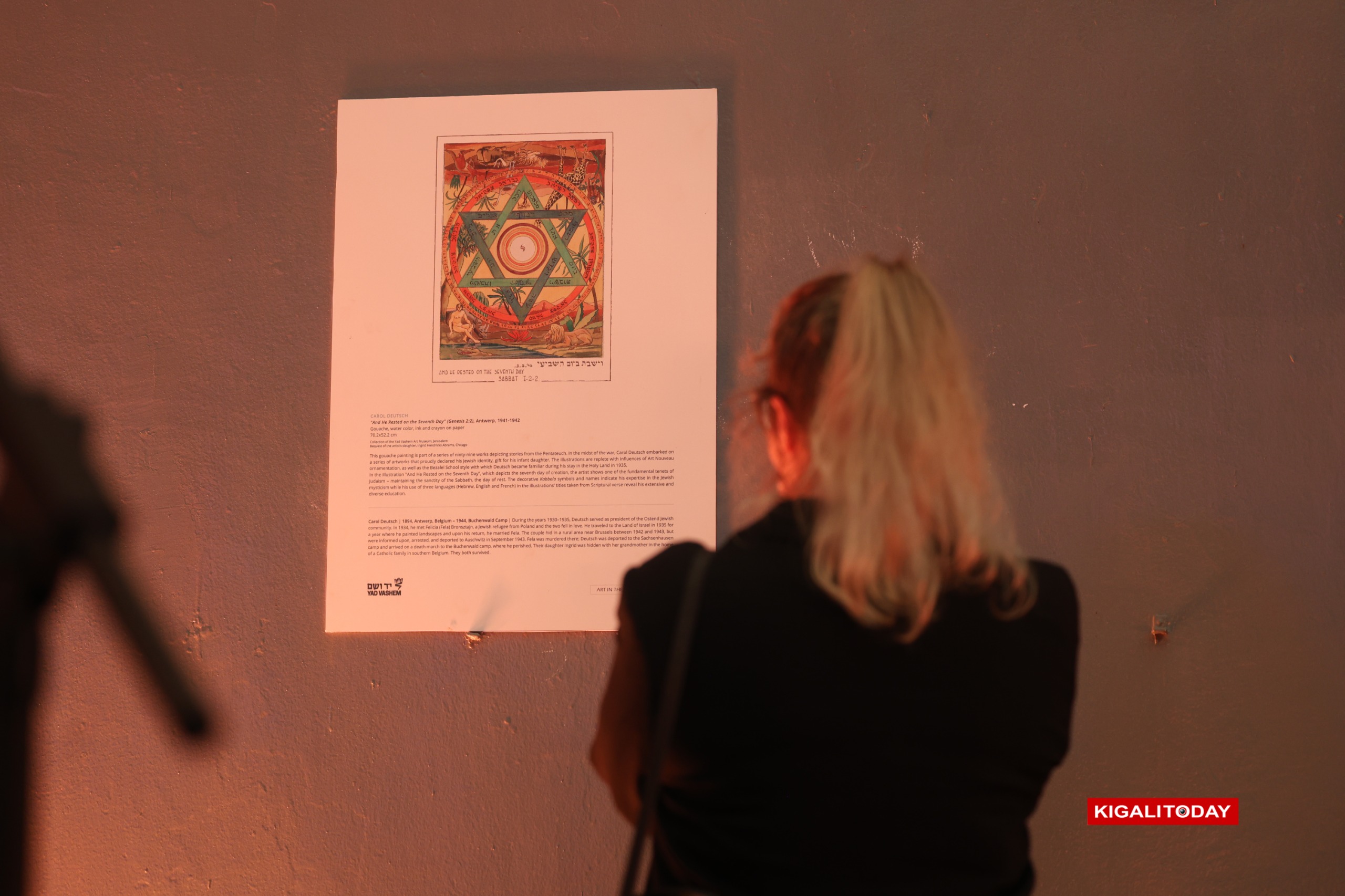
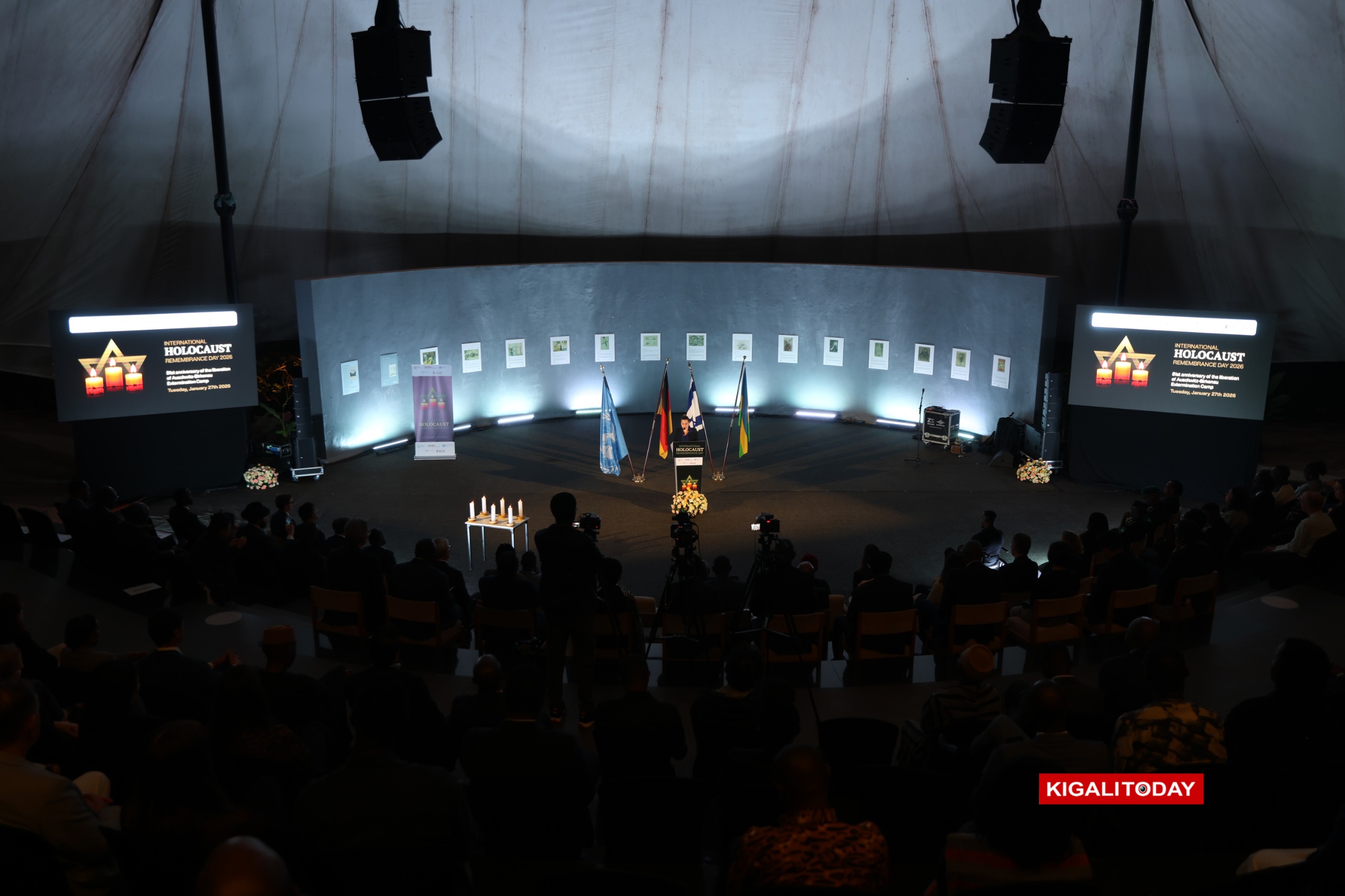
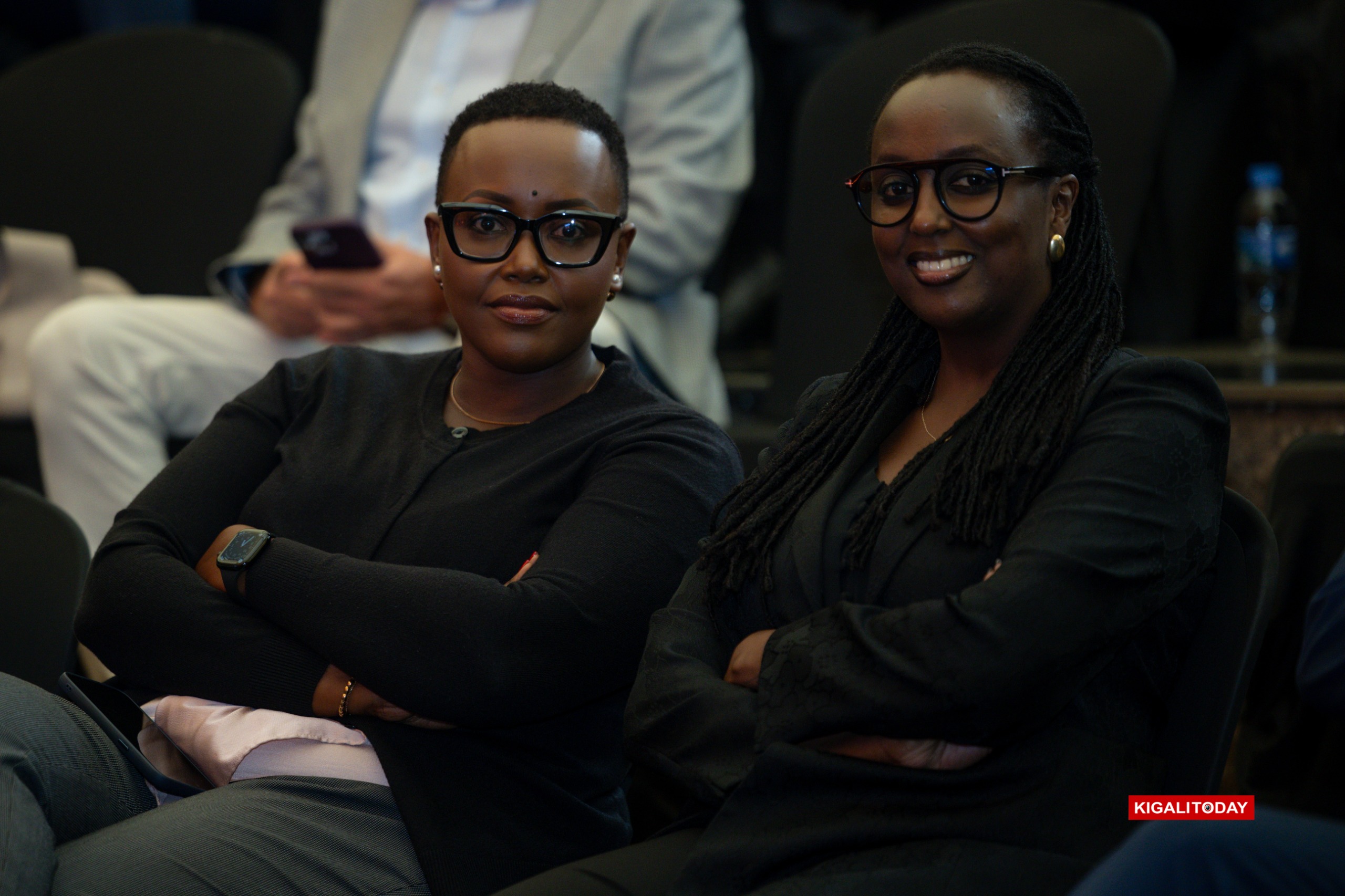
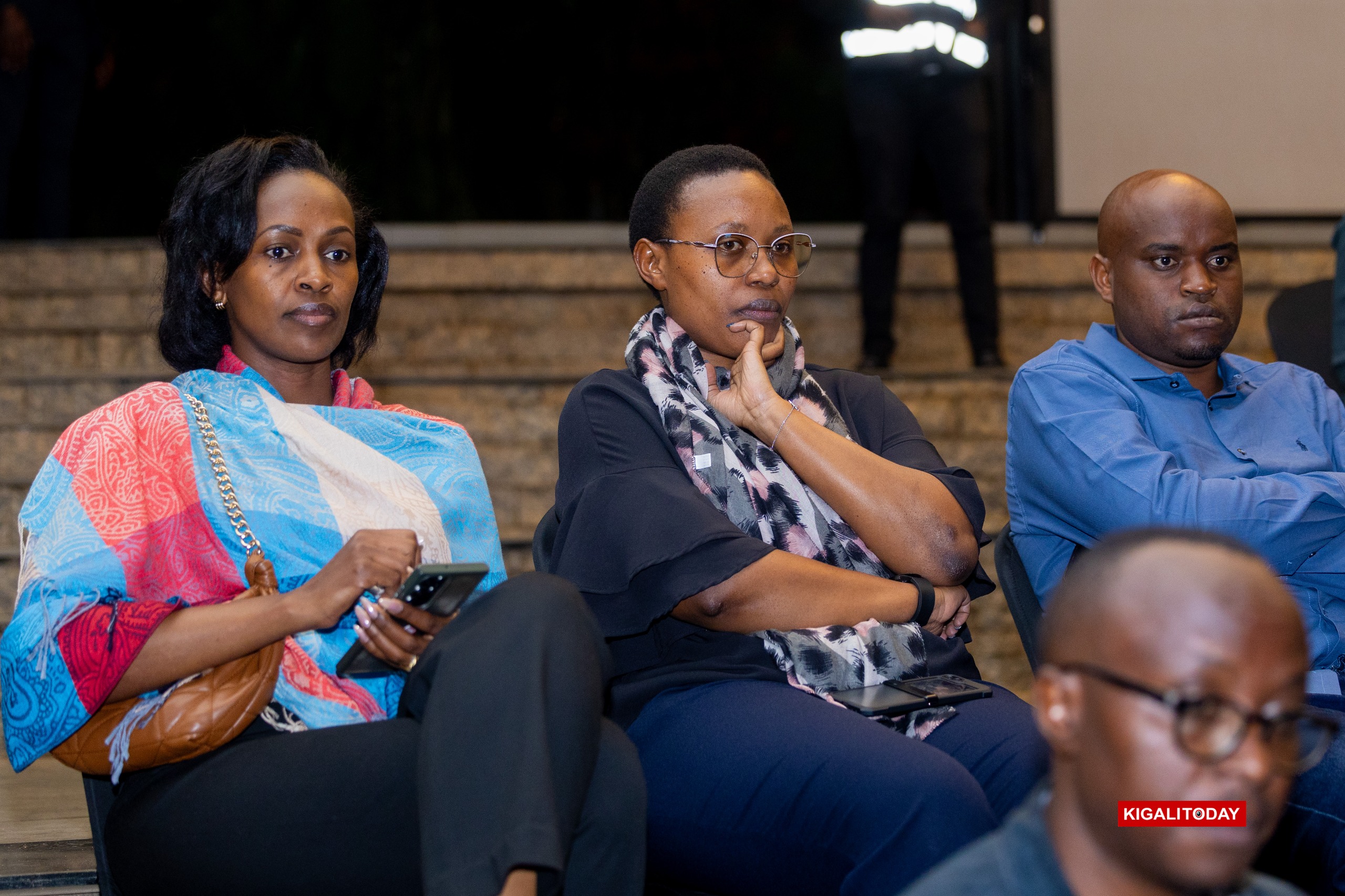
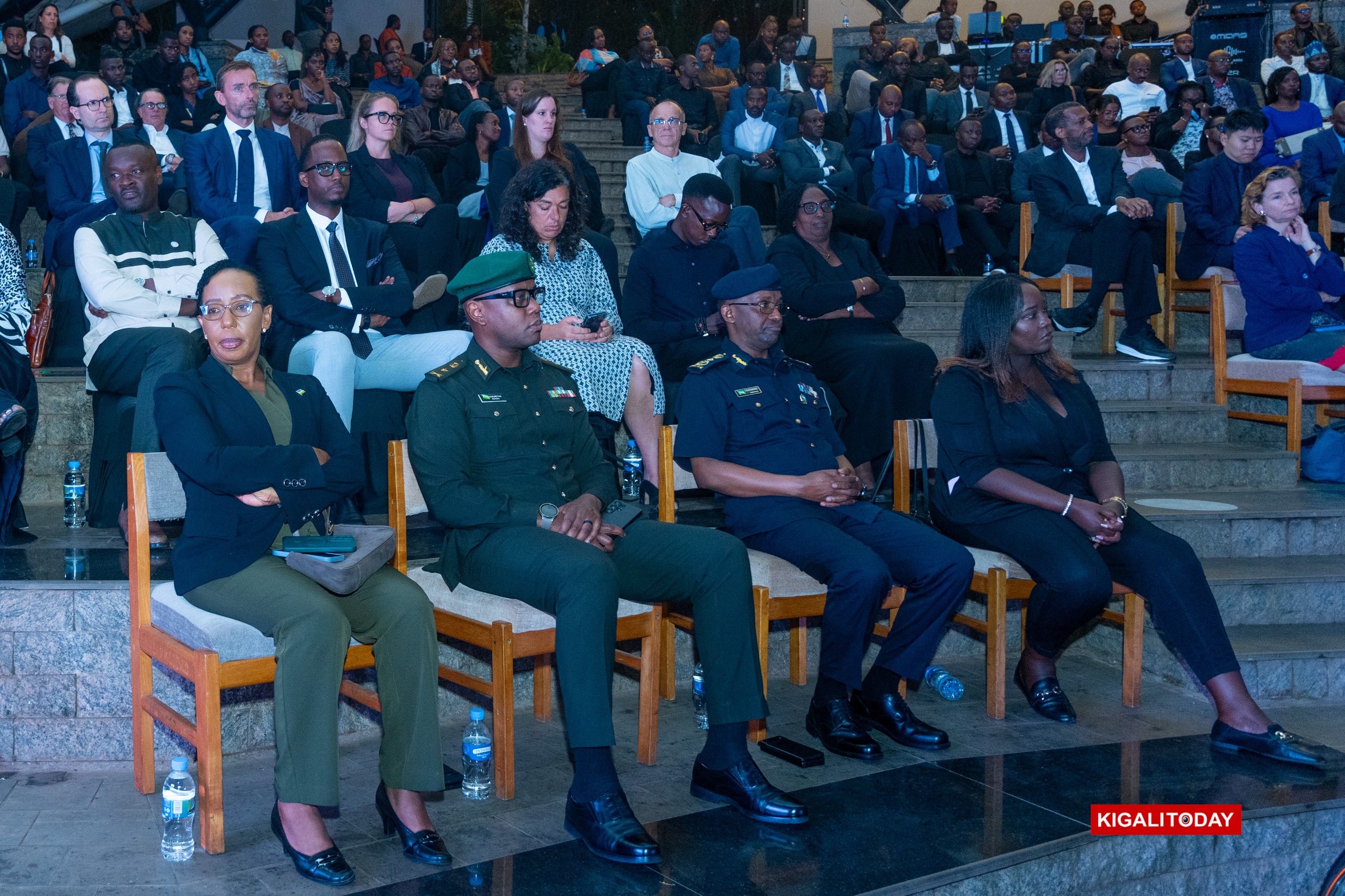
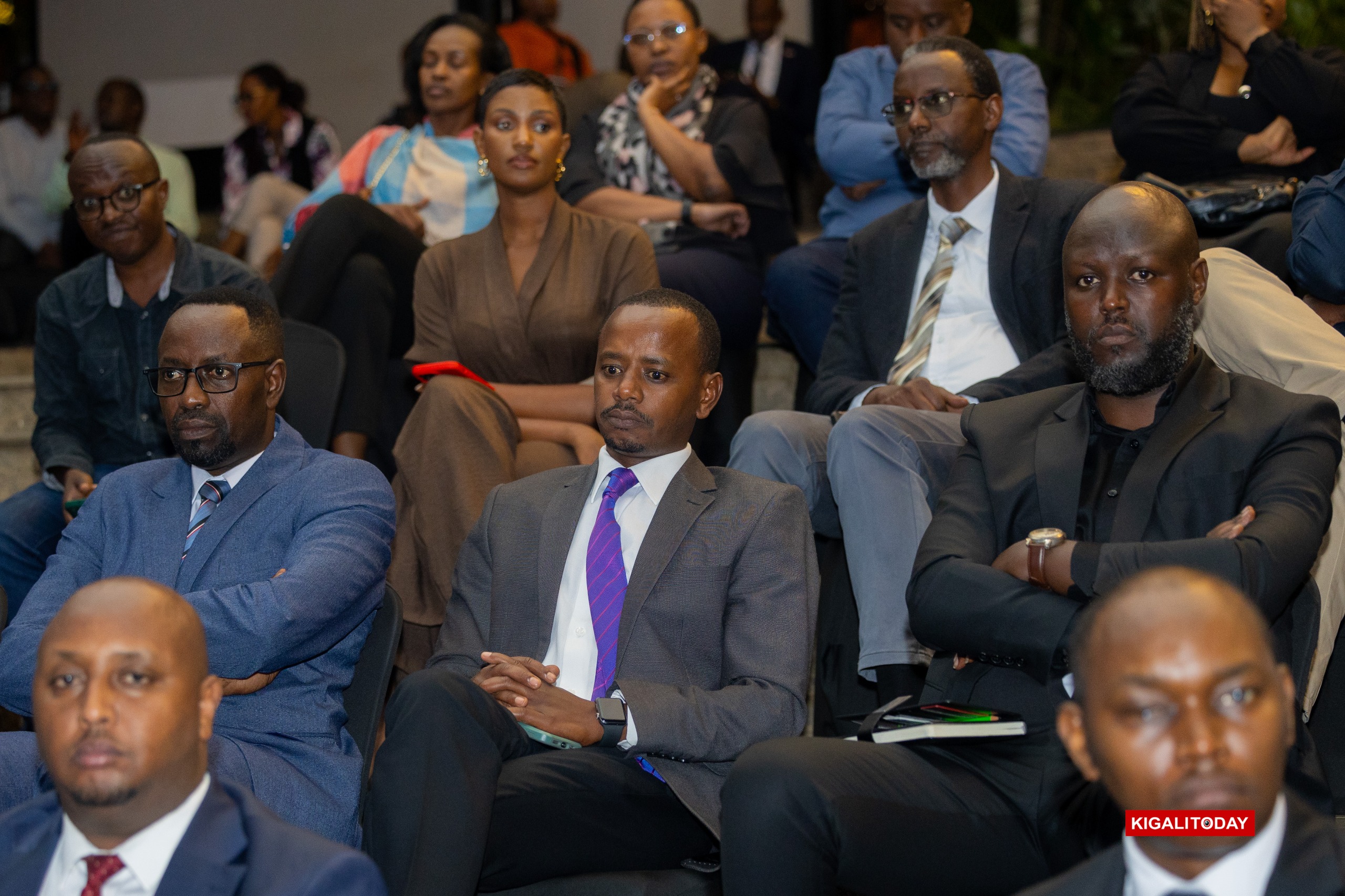
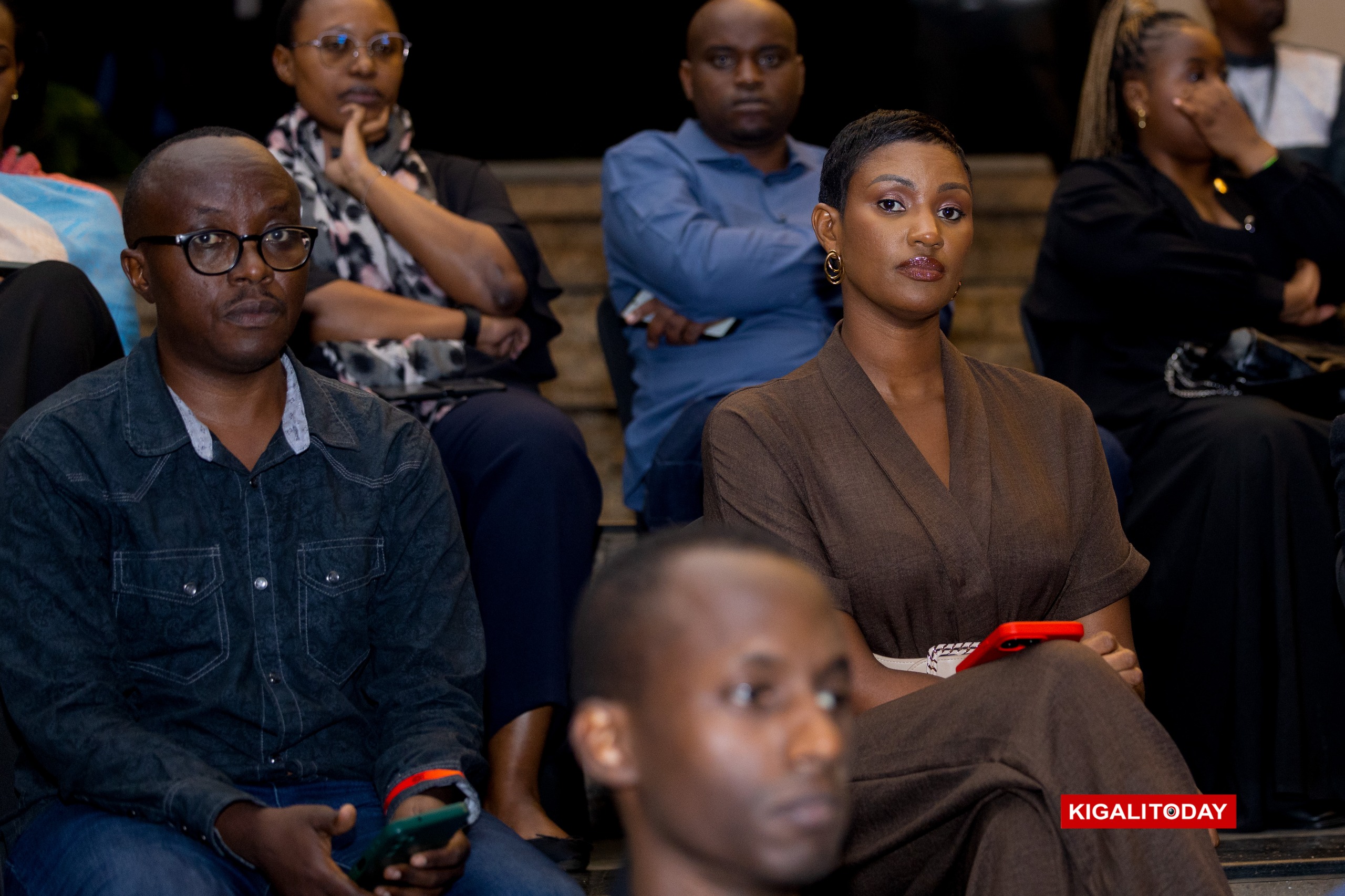
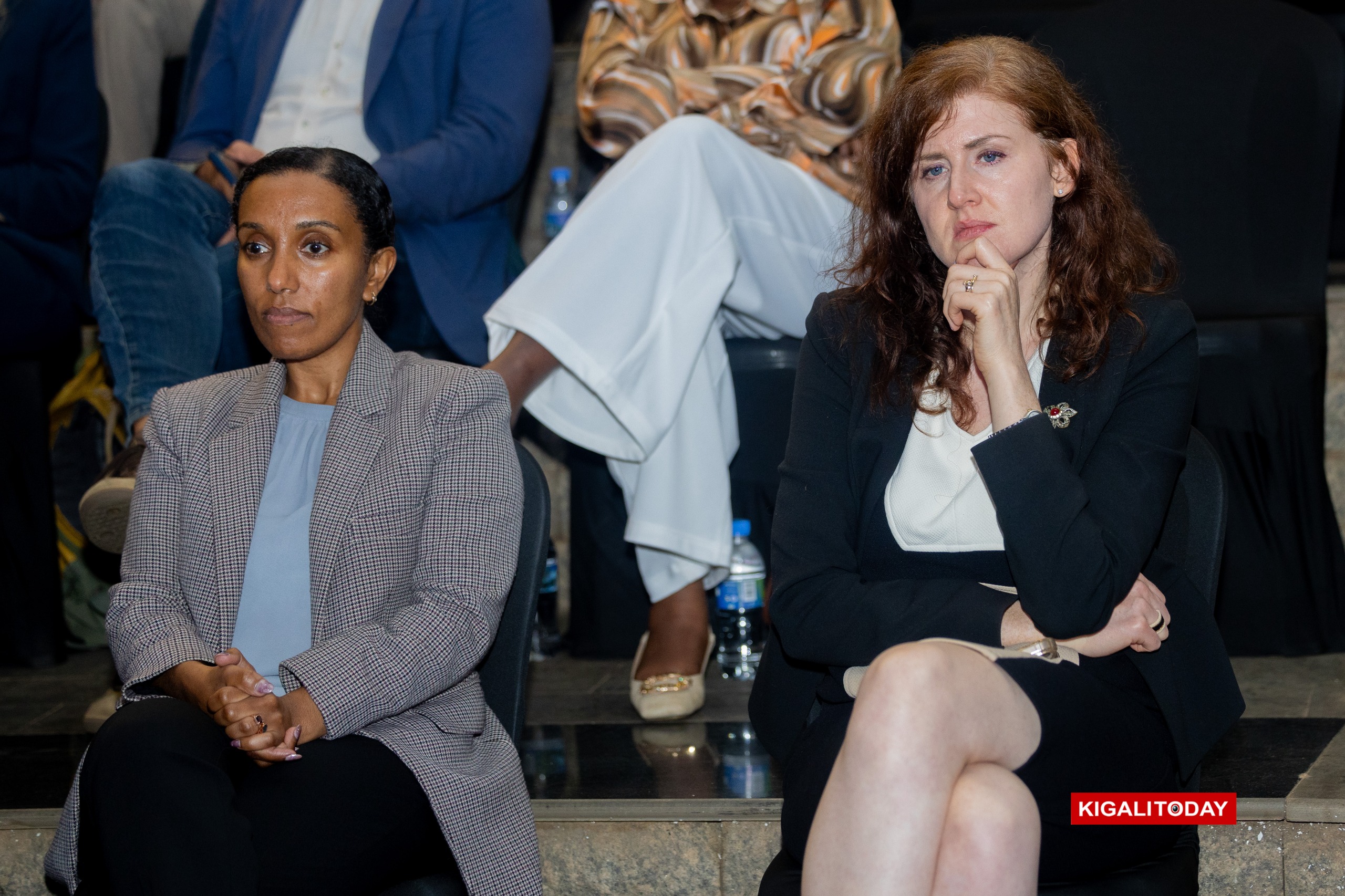
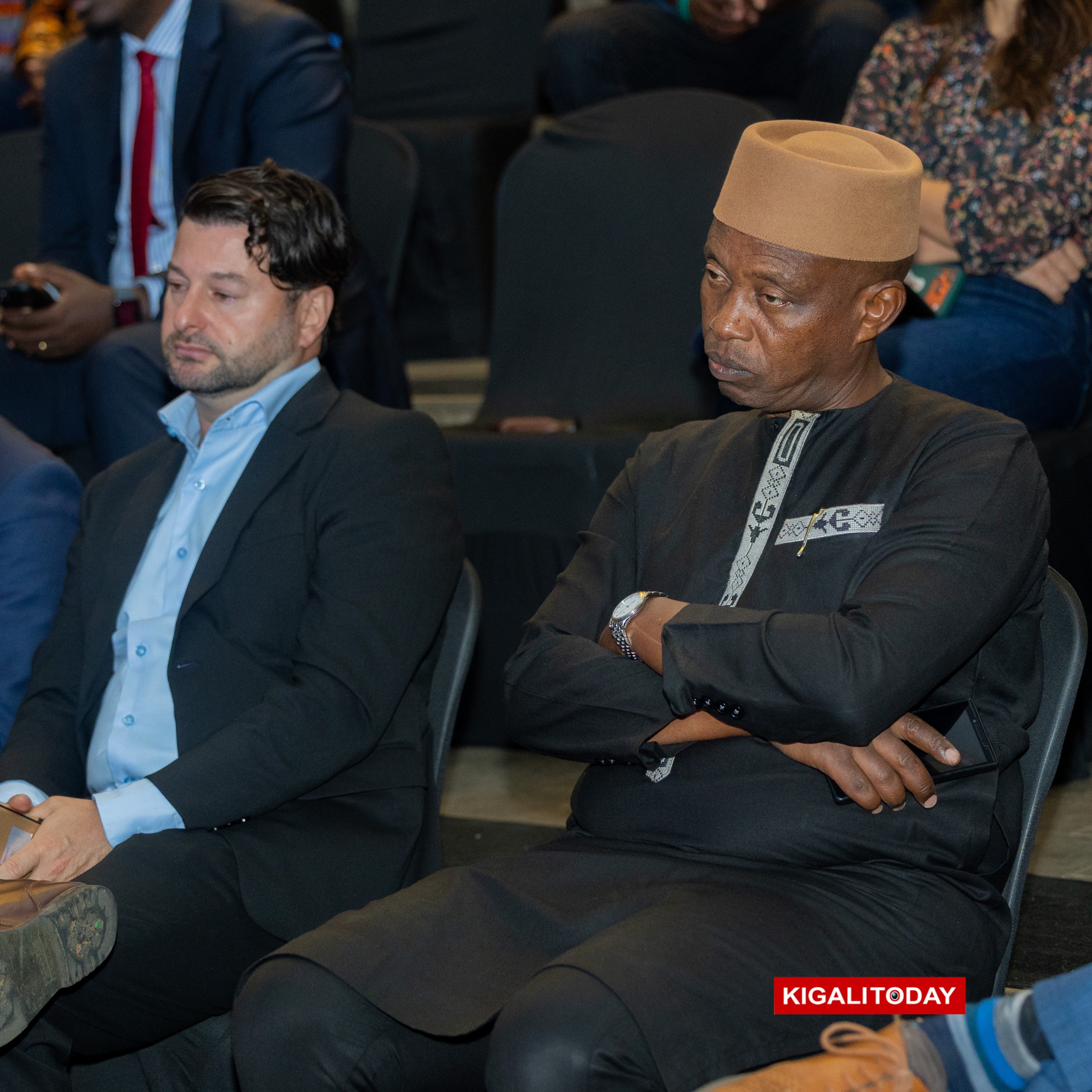
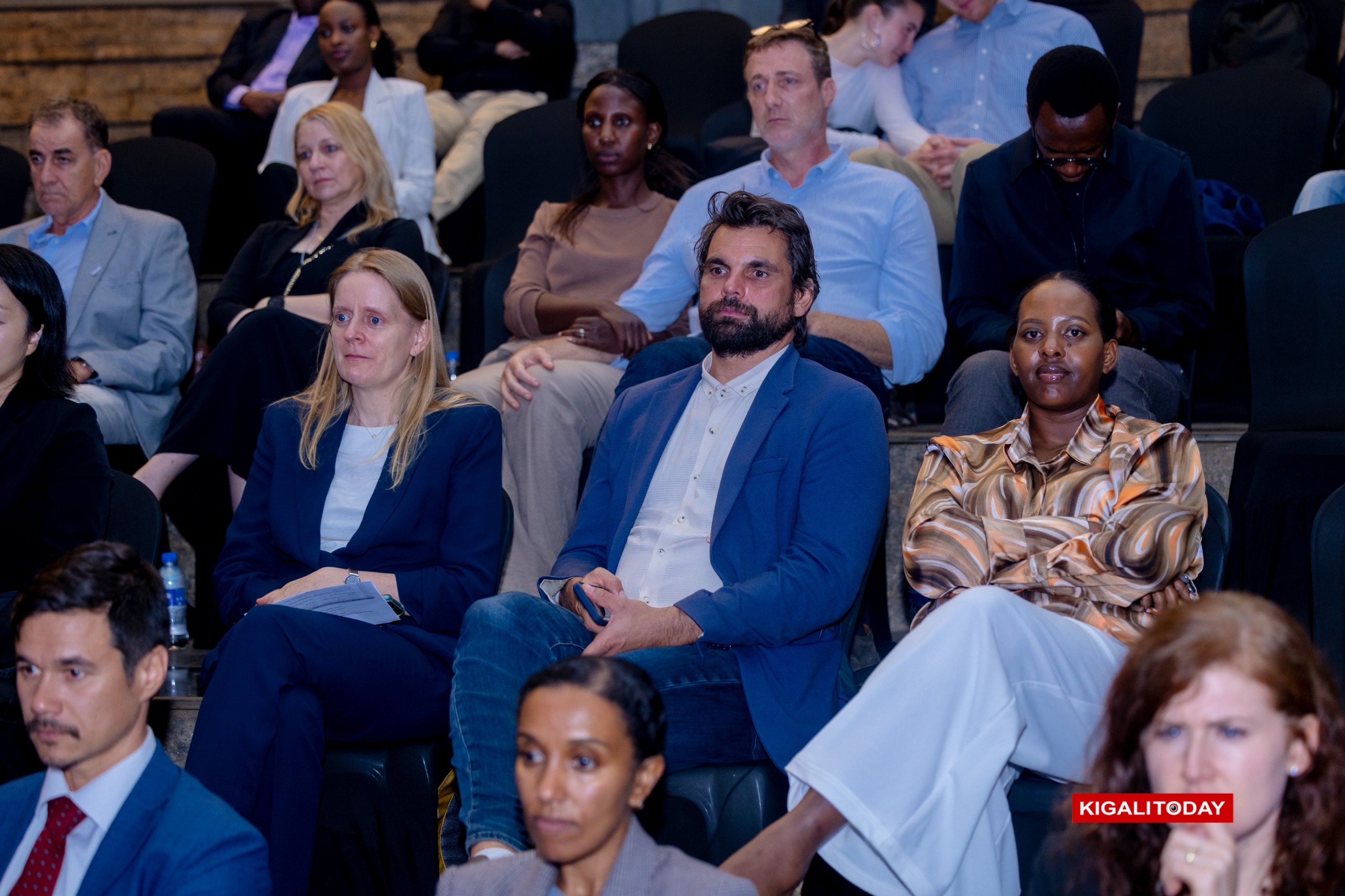
The commemoration, held at the Kigali Genocide Memorial Center, brought together senior government officials, diplomats, United Nations representatives, Holocaust survivors, members of the Jewish community, survivors of the 1994 Genocide against the Tutsi, and other invitees.
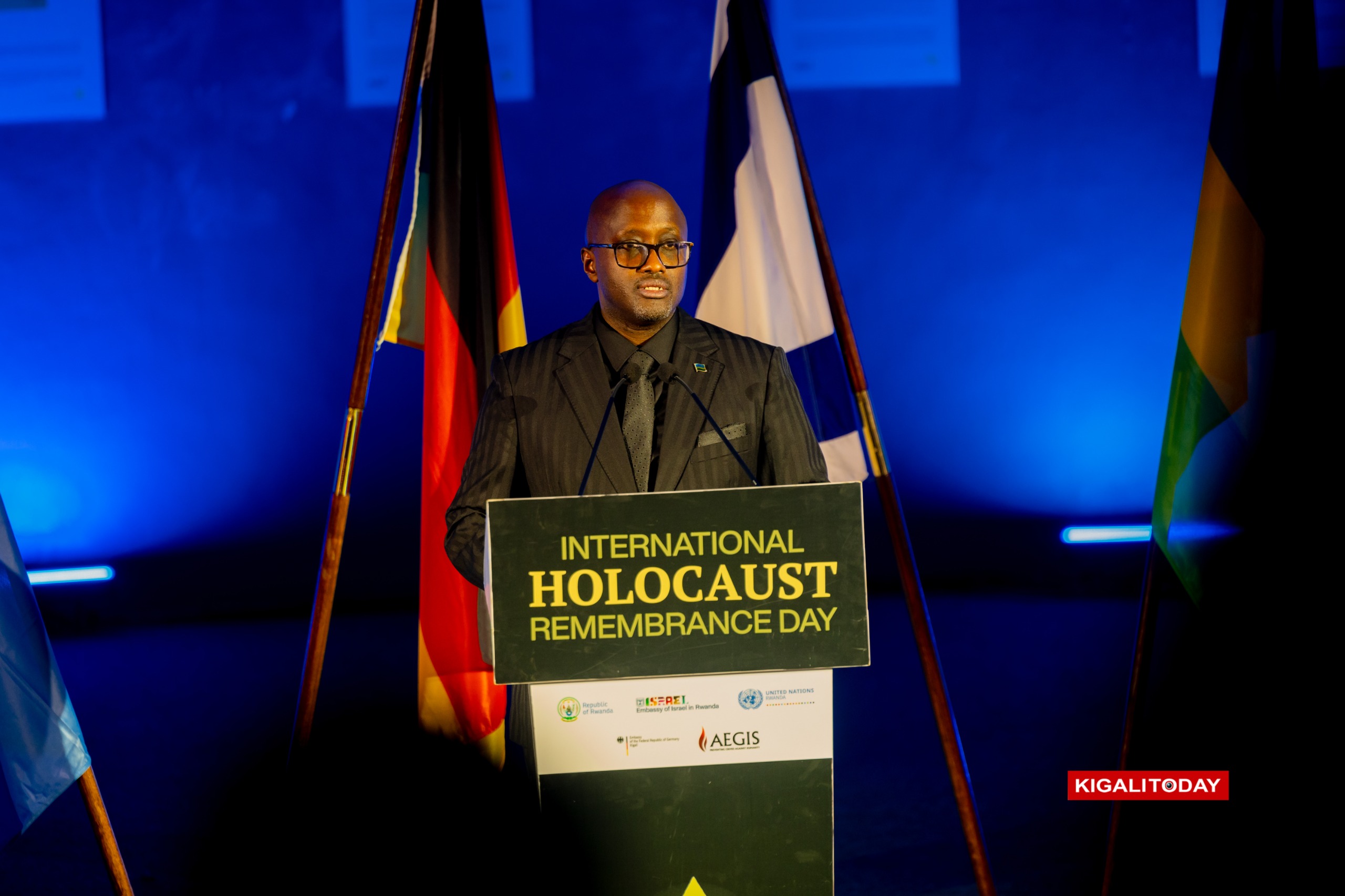
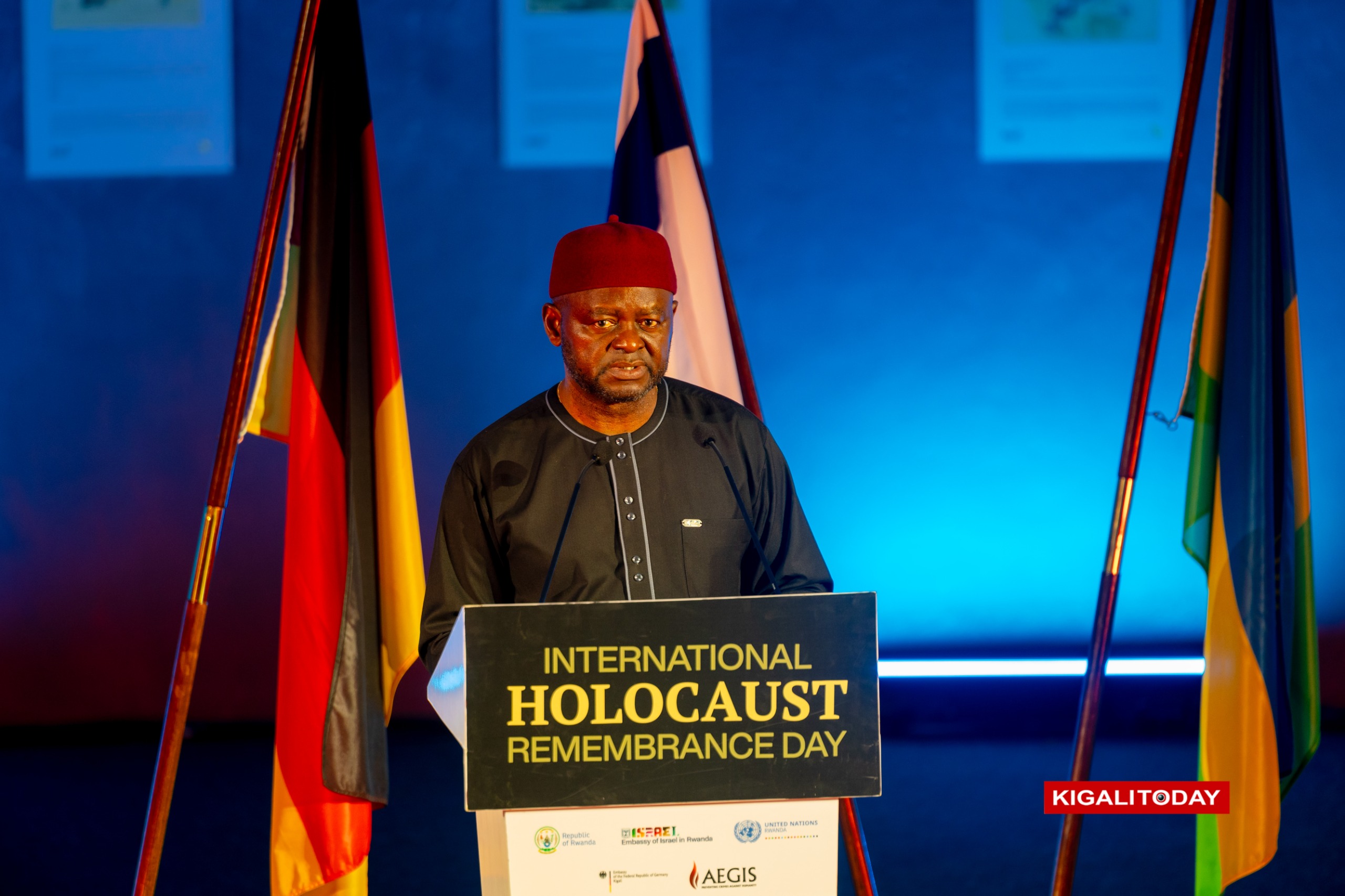
Speaking on behalf of the Government of Rwanda, Minister of Foreign Affairs and International Cooperation, Ambassador Olivier Nduhungirehe, emphasized that genocide is not accidental but follows clear and identifiable warning signs, including discrimination, dehumanization, and denial.
“Remembrance is a call to responsibility,” Nduhungirehe said. “It requires vigilance, moral courage, and collective action to prevent atrocities wherever they threaten to occur.”
Drawing on Rwanda’s own history, the minister stressed the need for early prevention and international accountability, warning that silence and inaction in the face of hate-driven violence continue to cost lives.
He also expressed solidarity with civilians affected by ongoing violence in eastern Democratic Republic of Congo, calling on the international community to protect innocent lives and uphold international humanitarian law.
“No population should be abandoned to cycles of violence, hate, and dehumanization,” he said, urging renewed global commitment to the protection of civilians.
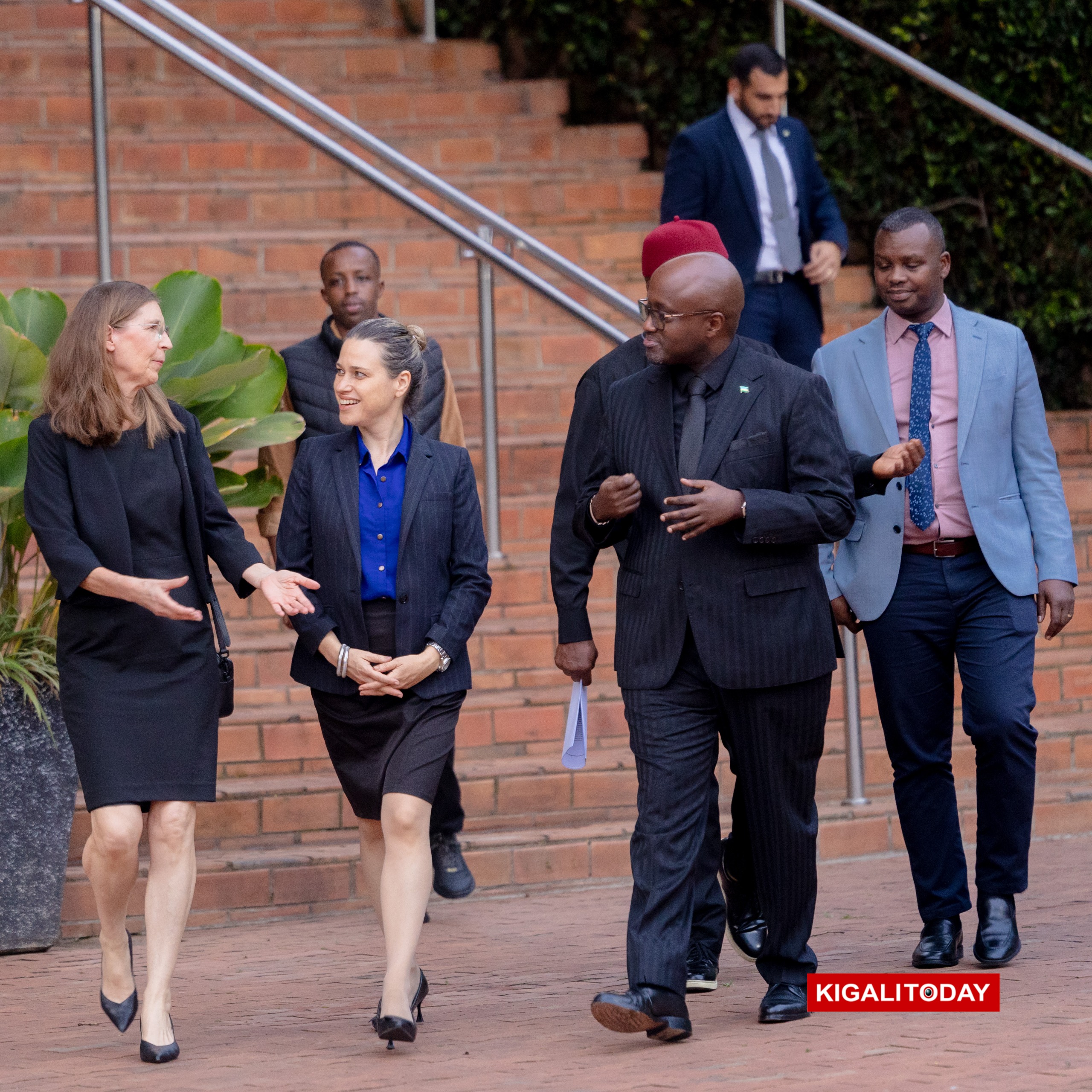
United Nations Resident Coordinator in Rwanda, Dr. Azonia Ojielo, described the Holocaust as “one of the darkest chapters in human history,” noting that remembrance must serve as a safeguard against present-day threats to human dignity.
“This commemoration is an urgent reminder of our collective responsibility to resist hatred, discrimination, and dehumanization wherever they emerge,” Ojielo said, drawing parallels between the Holocaust and the 1994 Genocide against the Tutsi.
He warned that rising global polarization and ongoing conflicts demonstrate that the world remains vulnerable to repeating past atrocities.
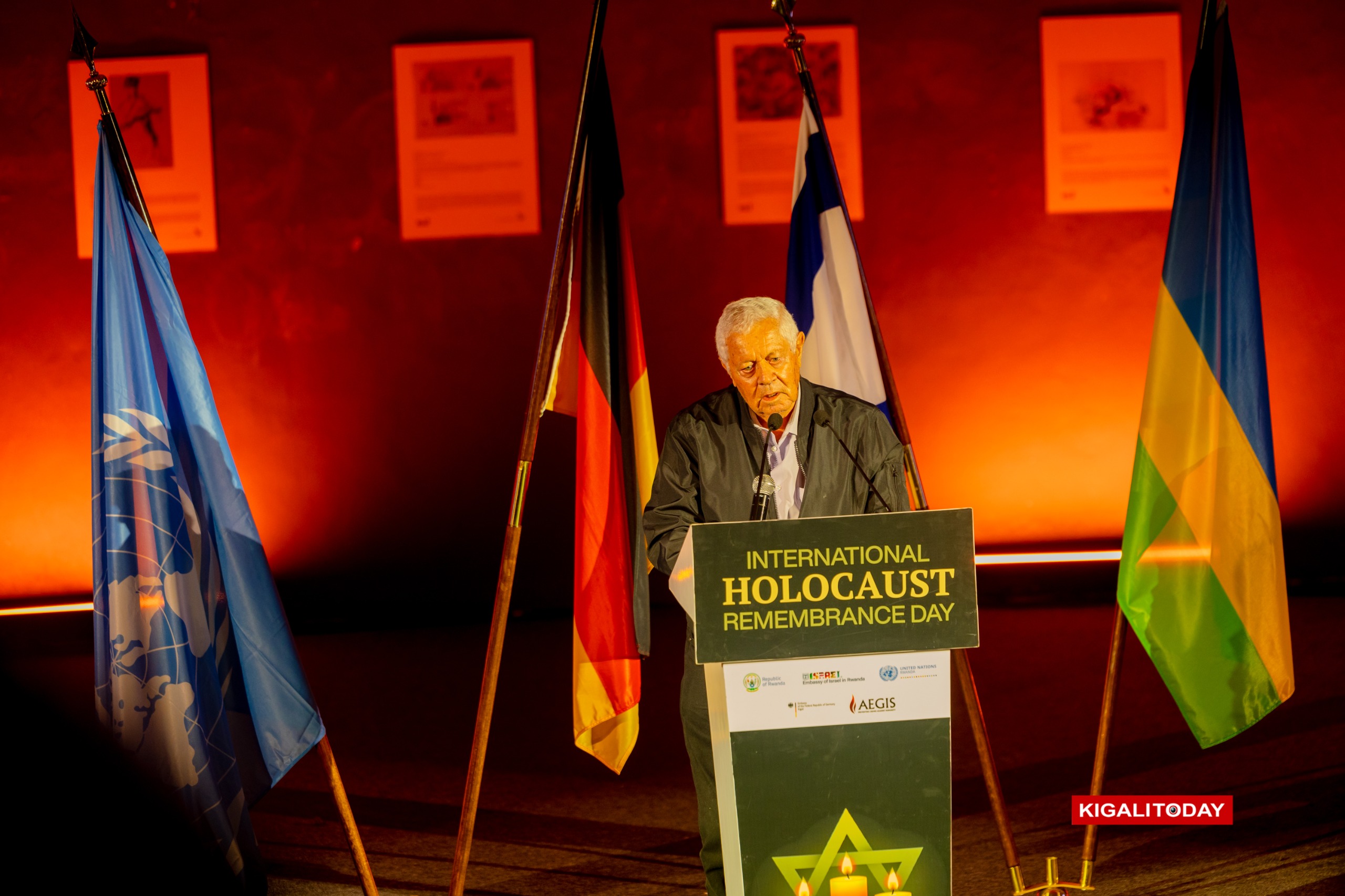
German Ambassador to Rwanda, Heike Uta Dettmann, reaffirmed Germany’s responsibility to remember the Holocaust and to combat antisemitism, noting its rise in Germany and globally.
“We must not and will not forget what happened, and we must not and will not forget what can happen,” she said.
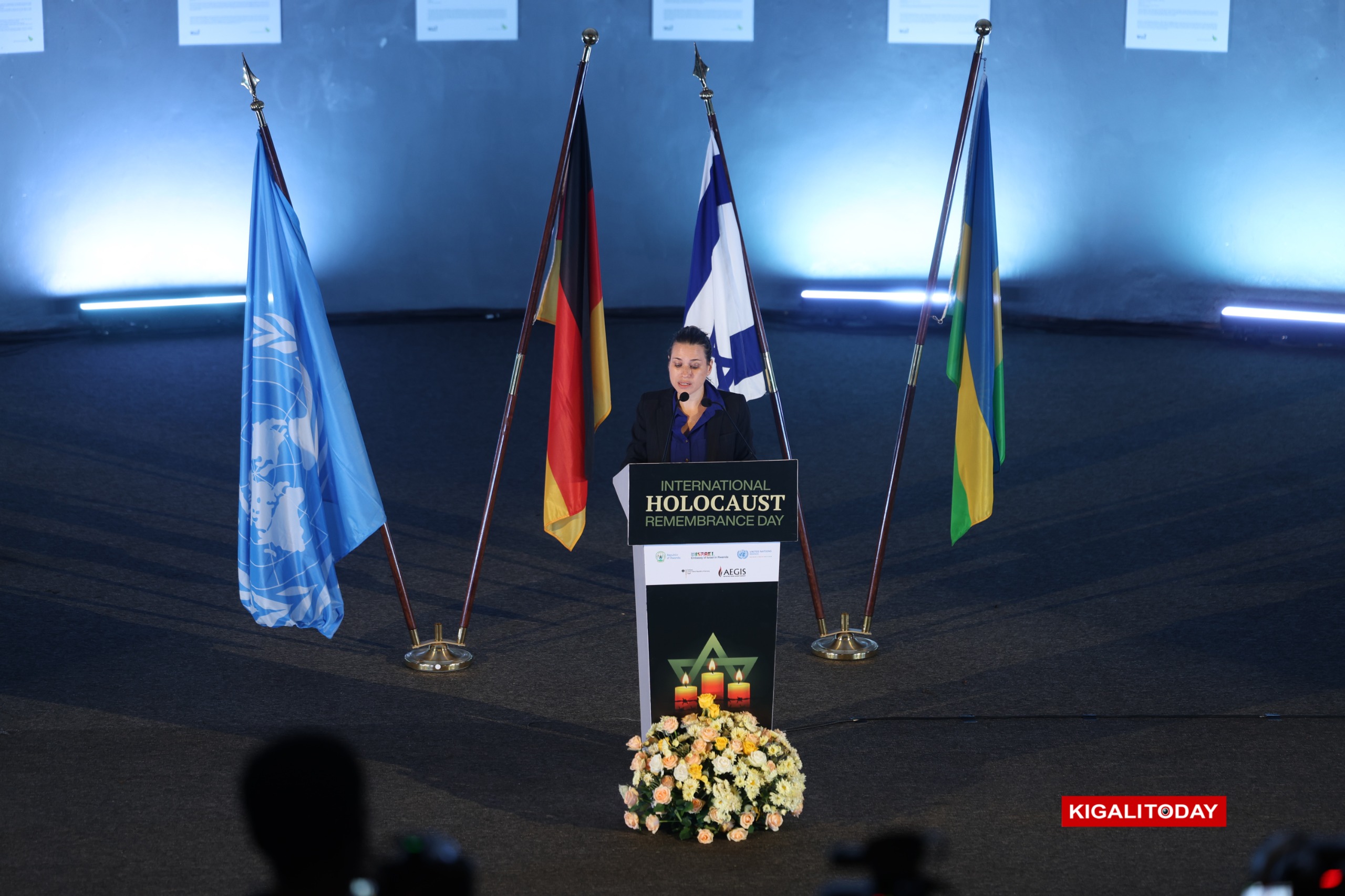
Israeli Ambassador to Rwanda, Einat Weiss, highlighted this year’s theme, Bridging Generations, warning against Holocaust denial and distortion, particularly among younger generations.
“The Holocaust did not begin with gas chambers,” she said. “It began with words—lies, exclusion, and antisemitism.”
The remembrance concluded with renewed calls for vigilance, unity, and moral responsibility, underscoring that remembrance must translate into action to prevent future atrocities.
The International Holocaust Remembrance Day is observed globally, and with particular significance in Rwanda because of its dark history.