




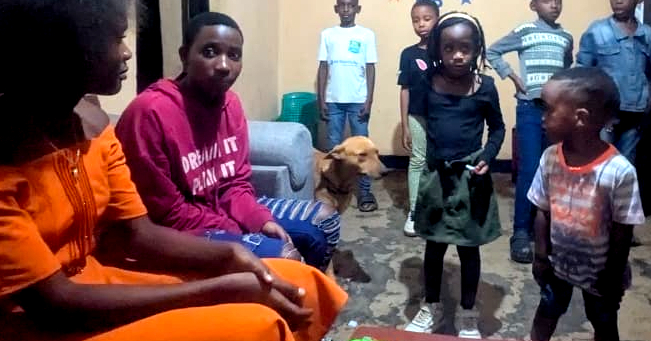
Rwanda Biomedical Centre (RBC) has stepped up a campaign to reduce dog bites and the spread of rabies with a focus on educating children in communities prone to being attacked by dogs.
Considering that 40 percent of persons bitten by dogs are children, the campaign was held among students and pupils of GS Gasetsa and Ndekwe in Ngoma district on January 26th.
The campaign focused on children because they are the most likely individuals to play with pets (dogs and cats) more than adults but are unaware of animals’ behavior, moods, and the risk of contracting rabies once bitten.
This initiative precedes the 2026 World NTDs Day celebration to acknowledge Rwanda’s efforts in ending NTDs, scheduled for January 30th in Ruhango district.
The students and pupils were educated on how rabies is spread, how to prevent dog bites at home and on the streets, reduce the risks of being bitten, and the importance of reporting cases immediately, as well as using instant first aid techniques upon being bitten.
The World Health Organization (WHO) requires countries to conduct dog censuses, vaccinations, and create awareness by 70% every year to eliminate rabies by 2030.
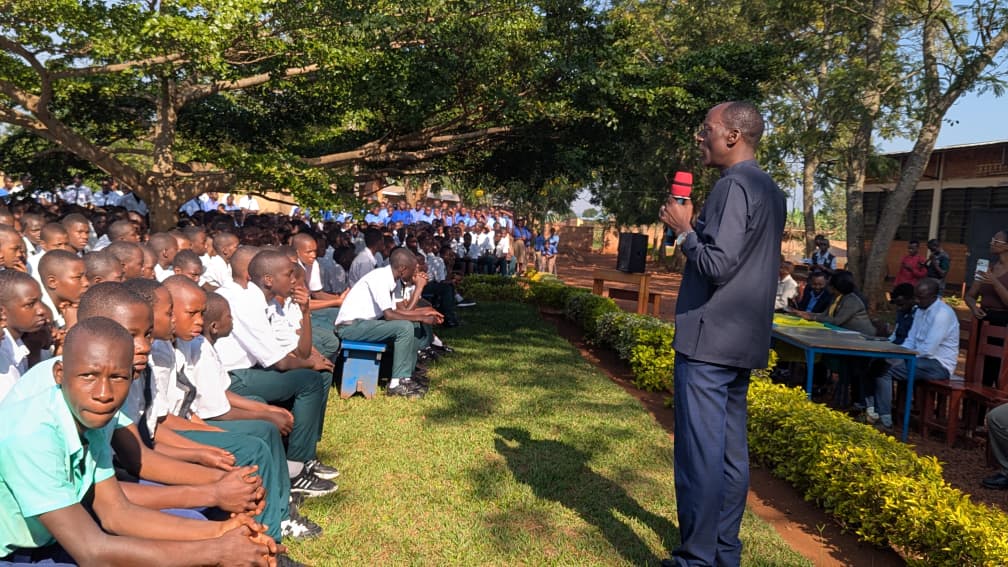
Nathan Hitiyaremye educates students and pupils
Nathan Hitiyaremye, the NTD-WASH Coordination Officer, stated that with the collaboration of partners like the Rwanda Agricultural Board, Ministry of Education, and Rwanda NGOs Forum, Rwanda can achieve 100% of these targets.
While Kigali has the highest number of dogs in the country, official statistics indicate that the Eastern Province leads in the number of dog bite cases, with 1,172 cases countrywide, followed by the South (616), the West (517), Kigali city (480), and the North with only 442 cases.
Statistics of dog bite cases by district show that Nyagatare leads with 392 incidents, followed by Huye, Gasabo, Gatsibo, and Musanze among the top five.
Ngoma district, where the campaign was launched, has only 176 cases due to the efforts the district has taken to comply with WHO requirements.
Last year’s dog bite statistics show that there were 3,227 dog bite cases and five cases of rabies infection, with one case in Ngoma district.
“We are focusing on educating communities, especially children, and encouraging districts to conduct dog censuses so that we know how many vaccines are needed to reach zero rabies,” Hitiyaremye said.
By conducting censuses, vaccinating all dogs, and creating awareness, Hitiyaremye believes that Rwanda will be able to exceed the set WHO goals and achieve the 2030 targets in advance.
Welfare for Animals Guild (WAG) Rwanda veterinary doctor, Emmanuel Nzabamwita, stated that as a non-governmental organization, they plan to reduce rabies cases through the management of dog populations, starting with Ngoma district from January 29 to February 2, 2026.
To date, the organization has already conducted a massive dog vaccination (1,000) and sterilization or castration of 400 dogs since 2024.
“We plan to conduct these activities in Ngoma district as a way of controlling dog populations because most of the stray dogs result from abandonment by their owners,” Nzabamwita said.
Knowledge Gaps:
\
Traditionally, Ngoma district residents are accustomed to owning dogs as pets, and we have initiated the campaign to ensure a good percentage of dogs are kept in homes and reduce stray dogs.
While district officials state that Ngoma district communities have a long culture of living with dogs and cats as family pets, the younger and older generations indicated a lack of knowledge on animal behavior and rabies.
This ignorance led to the death of one citizen (a mother) in 2025 after she was reportedly bitten by a stray dog, and the incident was not reported or treated promptly.

Sandrine Umunyana

Deogratius Hirwandame
Students Sandrine Umunyana and Deogratius Hirwandame mentioned that there has been general ignorance about rabies, and the campaign has provided them with firsthand skills to take action, report cases, and educate their families.
Ngoma district Vice Mayor of Economic Affairs, Cyriaque Nyiridandi Mapambano, expressed concern over this issue and decided to conduct a dog census and vaccination drive.
“An investigation into this one case of death is ongoing because we don’t know the owner of the dog, but whoever they are, they will be held responsible,” Mapambano said.
So far, Ngoma has recorded over 948 dogs and 374 cats located in all 373 villages, with plans to update the figures to start a vaccination and sterilization drive to control population growth.
Ngoma is focusing on four aspects: conducting a continuous census, vaccination, sterilization, and community education and mobilization to ensure responsible pet ownership and reduce cases of dog bites and rabies-related deaths.

Vice Mayor Marie Gloriose Mukayiranga
Marie Gloriose Mukayiranga, the Vice Mayor of Social Affairs, mentioned that for the stray dogs, they are in discussions with RAB and RBC to have them taken to rehabilitation centers in Kigali.
“We want this campaign to reach bordering districts in a massive way because some communities may not be at the same pace as us,” she said.



All Photos: Daniel Sabiiti