




Rwanda has called for a stronger shift towards Africa-driven and Africa-financed development, warning that the continent’s long-term transformation will remain difficult to achieve without increased domestic resource mobilisation and stronger national institutions.
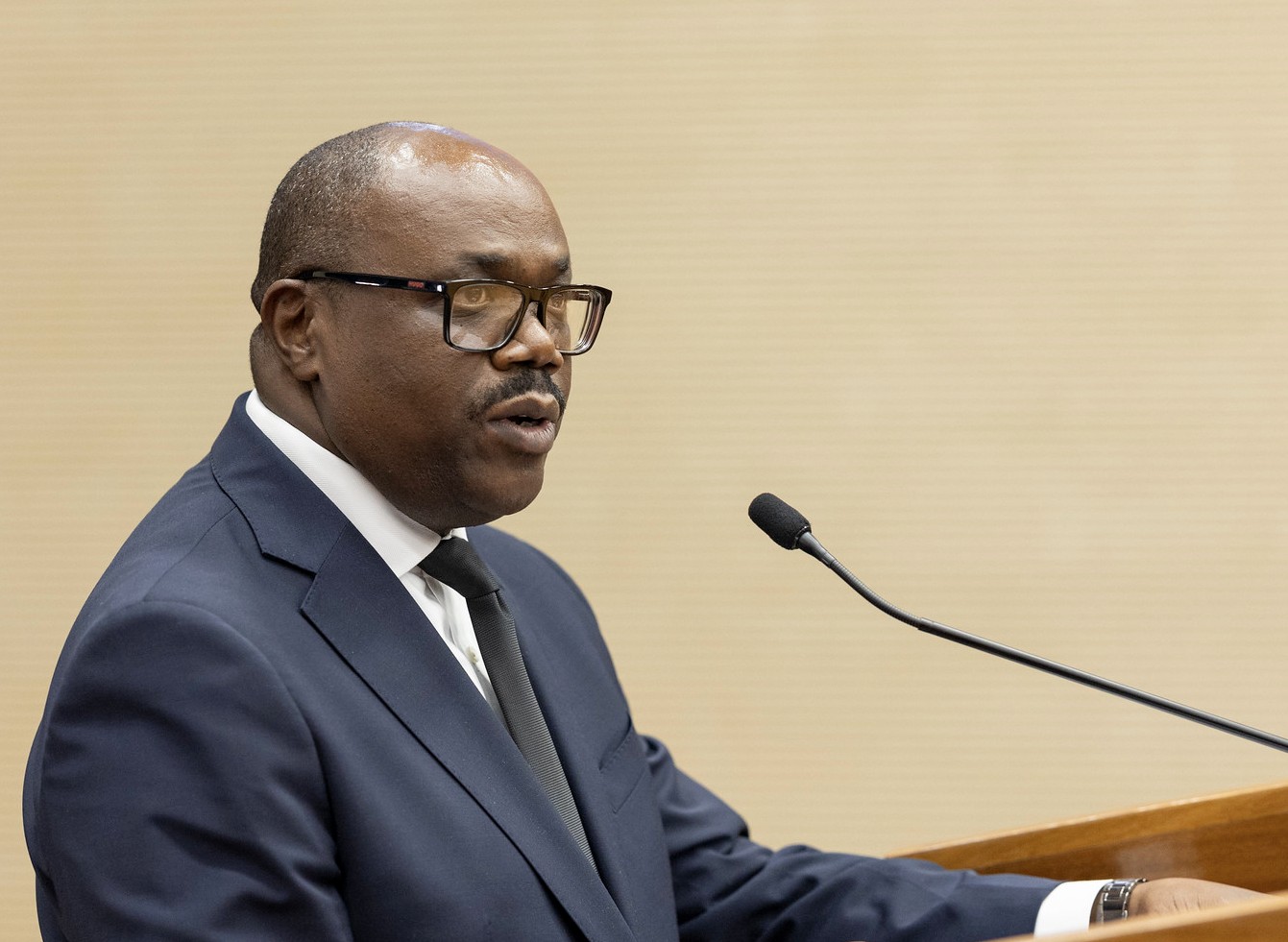
The message was delivered by Prime Minister Dr Justin Nsengiyumva, who on Tuesday represented President Paul Kagame at the 43rd Session of the African Union Development Agency–New Partnership for Africa’s Development (AUDA-NEPAD) Heads of State and Government Orientation Committee, the highest political oversight body of the Agency.
The high-level meeting reviewed progress in implementing continental development programmes and discussed ways to accelerate delivery of the African Union’s priorities under Agenda 2063, at a time when African countries are facing tightening global financing conditions.
AUDA-NEPAD is the African Union’s development agency responsible for coordinating and supporting the implementation of the continent’s flagship programmes by working with Member States, regional economic communities and development partners to translate AU policies into practical projects across sectors such as infrastructure, agriculture, health, industrialisation and institutional capacity building.
Leaders met against a backdrop of rising geopolitical tensions, shrinking development assistance and increasing pressure on multilateral financing institutions, challenges that continue to constrain development efforts across Africa.
Addressing the meeting, Nsengiyumva said Africa must consolidate its development agenda around its own capacities and financing, rather than rely heavily on external assistance.
He noted that while international partnerships remain important, they cannot replace strong domestic leadership, accountability and sustained national investment.
The Prime Minister said lasting development outcomes will depend on Africa’s ability to mobilise domestic resources, strengthen public institutions and ensure that implementation remains aligned with the ambitions of Agenda 2063.
Agenda 2063 is the African Union’s long-term development blueprint aimed at achieving inclusive growth, sustainable development and regional integration, and is particularly important for Rwanda as it closely aligns with the country’s National Strategy for Transformation and its ambition to build a knowledge-based, private-sector-led economy.
“We are once again reminded that the most durable and transformative solutions must come from within our continent. Africa’s development architecture must increasingly be underpinned by its own financial and technical capabilities,” he said.
Rwanda welcomed ongoing continental initiatives to strengthen Africa’s development financing architecture, including efforts to unlock African pension and sovereign funds, deepen cooperation among African multilateral financing institutions and expand private-sector participation in development programmes.
According to Nsengiyumva, these initiatives represent an important strategic shift towards reducing Africa’s long-standing structural dependence on external financing while improving the efficiency and impact of programme delivery.
The Prime Minister also highlighted progress in domestic health financing, an area in which Rwanda serves as the African Union Champion.
He welcomed the establishment of regional health financing hubs across Africa’s regional economic communities, describing them as practical platforms for strengthening national policy dialogue, technical assistance and accountability in health systems financing.
“These hubs are already supporting Member States through technical expertise and structured engagement. We should collectively ensure their institutionalisation through sustainable staffing and budgetary frameworks,” The Prime Minister emphasised.
Nsengiyumva further underscored the importance of innovation and technology in public service delivery, welcoming the growing use of artificial intelligence to strengthen primary healthcare, improve efficiency and expand access to services across African health systems.
He also cited progress towards the operationalisation of the African Medicines Agency, describing it as a critical milestone for strengthening regulatory oversight, safeguarding public health and supporting the growth of local pharmaceutical manufacturing.
The session also marked a leadership transition within the committee, with Angola’s President João Lourenço elected as the new Chairperson, succeeding Egypt’s President Abdel Fattah El-Sisi.
Concluding his remarks, Nsengiyumva said Africa’s credibility on the global stage will increasingly depend on its ability to finance, implement and sustain its own development priorities.
