



The sun was beginning to dip behind the Swiss Alps in January 2019, casting long, golden shadows across Davos.
For most world leaders at the World Economic Forum, the evening signaled the start of high-level diplomacy. But for President Paul Kagame, the clock was a relentless adversary.
Halfway across the world, in the mist-shrouded peaks of Burera, Northern Rwanda, a dream was waiting to be born. The University of Global Health Equity (UGHE) was ready for its unveiling.
To the world, it was an institutional milestone. To President Kagame, it was a personal debt of honor to a friend and a sacred promise to his people.
As his aides worked the phones, the tension was palpable. Zurich’s airport, a two and half-hour drive from Davos, was closing in on its strict 11:00 PM curfew. The President, never one to let protocol stand in the way of progress, delivered a message to the summit organizers that was as firm as it was humble, that he was going to attend an event back home that is a solution to the very inequities discussed in Davos.
He was bargaining for time—not for his own comfort, but to ensure that by sunrise, he would be standing on Rwandan soil.
The clearance was granted. The motorcade reached the airport and Kagame’s plane left Zurich with a mere two minutes to spare. As the wheels of the presidential jet left the Swiss runway, the President began a midnight watch over the African continent.
He arrived in Kigali early morning. 8:00 AM, to be precise. The President washed away the fatigue of the journey with a quick shower, and immediately drove to the rugged hills of Butaro.
He refused to miss the moment Rwanda would tell the world that “quality care for the poor” was no longer a dream, but a mandate.
The man who walked where the road ended
At the heart of this frantic journey lay a friendship that redefined global health; the bond between President Kagame and the late Dr. Paul Farmer.
Dr. Farmer, the visionary co-founder of Partners In Health (Inshuti Mu Buzima), did not just see Rwanda as a country in need of aid. He, instead, saw it as a partner in a revolution.
But beyond the titles and the global fame, Dr. Paul’s humanity was found in the red mud of the Rwandan countryside. He was a man of “accompaniment.” To Dr. Paul, saving a life was not just about a prescription; it was about walking three hours uphill to a patient’s mud-brick home because he knew that if they did not have food or clean water, his medicine would fail.
He was known to give the very shoes off his feet to a patient who had walked miles barefoot. To the villagers in Butaro, he was not a world-renowned Harvard professor. Instead, he was fondly named “Muganga mwiza”—the doctor who listens.
In one of my visits to Butaro some years ago, I spoke to many people who worked closely with him or local patients who received his treatment. To them, Dr. Farmer would sit on low wooden stools in dim kitchens, holding the calloused hands of farmers, speaking to them in his halting, yet deeply sincere Kinyarwanda, making them feel that their life was the most important thing in the world.
In one of his famous statements, he said, “The idea that some lives matter less is the root of all that is wrong with the world.”
Dr. Farmer lived this by treating a peasant farmer with the same obsessive clinical excellence he would afford a head of state. This was the humanity that captured President Kagame’s respect.
They were both “impatient men”—defiant against the status quo. When Paul Farmer passed away unexpectedly in his sleep in Butaro in February 2022—on the very soil he had transformed—the nation wept.
He died just a few miles from the University he helped build, a soldier falling on the battlefield of equity.
Ten years of transformation: The “Equity revolution”
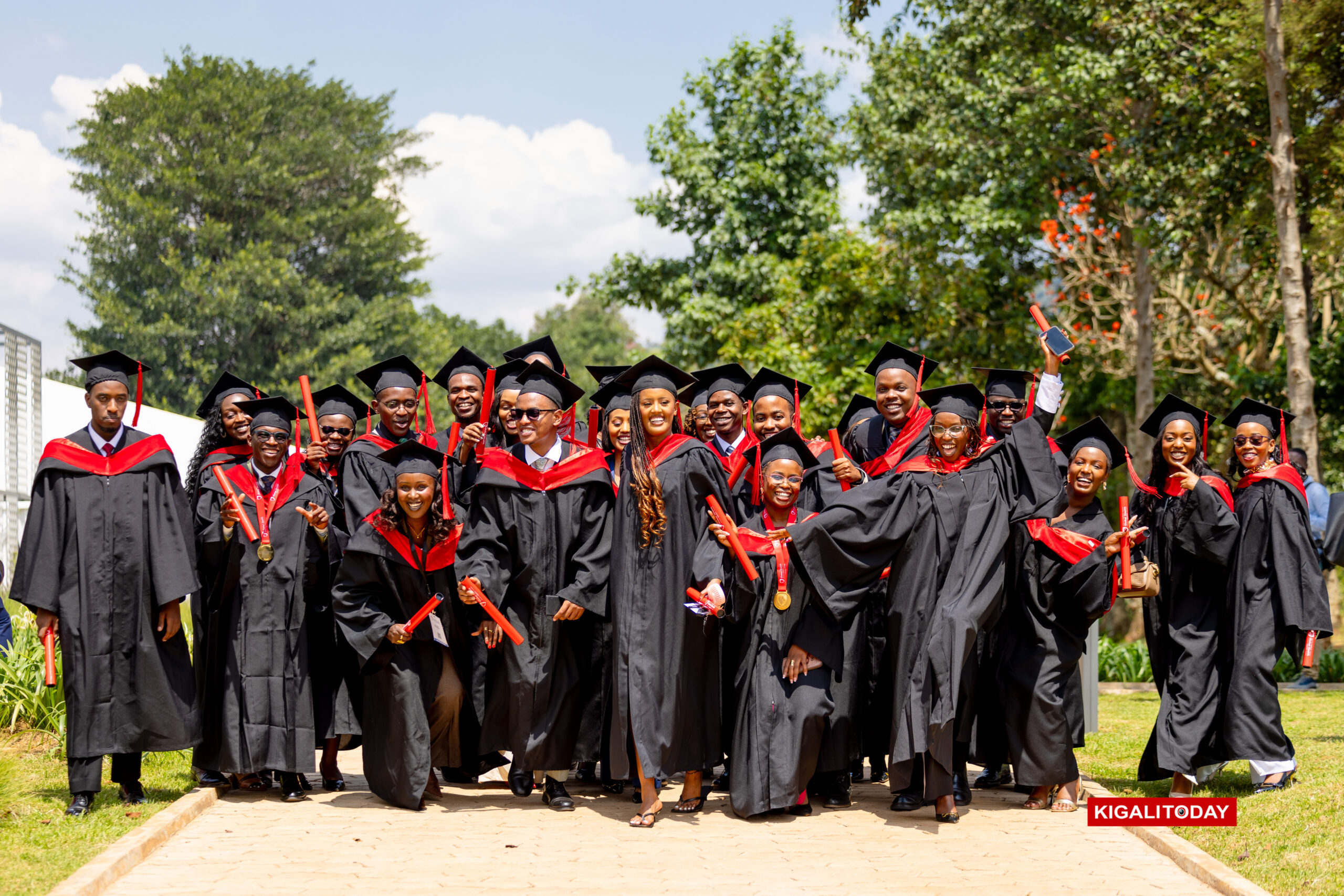
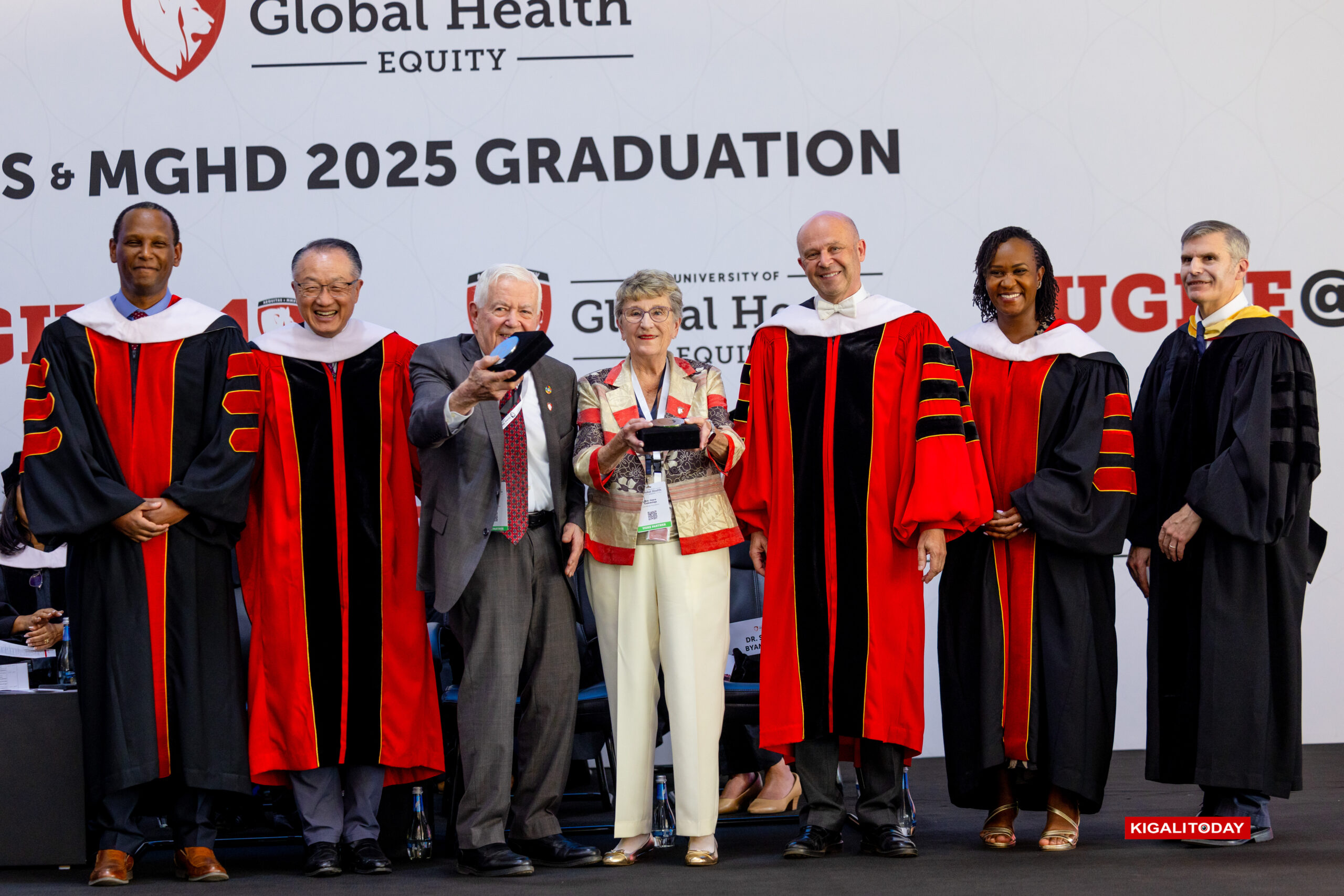 Fast forward to January 2026. The atmosphere in Butaro is no longer one of frantic beginnings, but of profound fulfillment. Just recently, the University of Global Health Equity celebrated its 10th Anniversary, a decade marked by a radical shift in how the world trains its healers.
The milestone was monumental. The graduation of the inaugural medical cohort—30 pioneer doctors lovingly known as “Paul’s class.”
These graduates are the first to complete the dual MBBS/MGHD degree. The MBBS/MGHD is a unique, dual-degree program offered by the University of Global Health Equity (UGHE) that combines clinical medicine with the social and systemic aspects of healthcare.
Key achievements of UGHE (2015–2026)
Since its inception, the UGHE celebrates several achievements including, among others;
A global leader: Ranked 4th among 129 universities in Sub-Saharan Africa (Times Higher Education 2024), proving that world-class education belongs in rural Africa.
The “4×4” reform: UGHE is a cornerstone of Rwanda’s “4×4” strategy designed to quadruple the healthcare workforce, ensuring no citizen is more than a short walk from a qualified professional.
Economic engine: The University has created over 3,000 jobs and boosted local community income by 275%, turning Burera District into a global hub for science.
A sanctuary of equity: With a full-scholarship model, UGHE ensures that 70–80% of students come from underserved backgrounds, including refugees.
A legacy that lives on
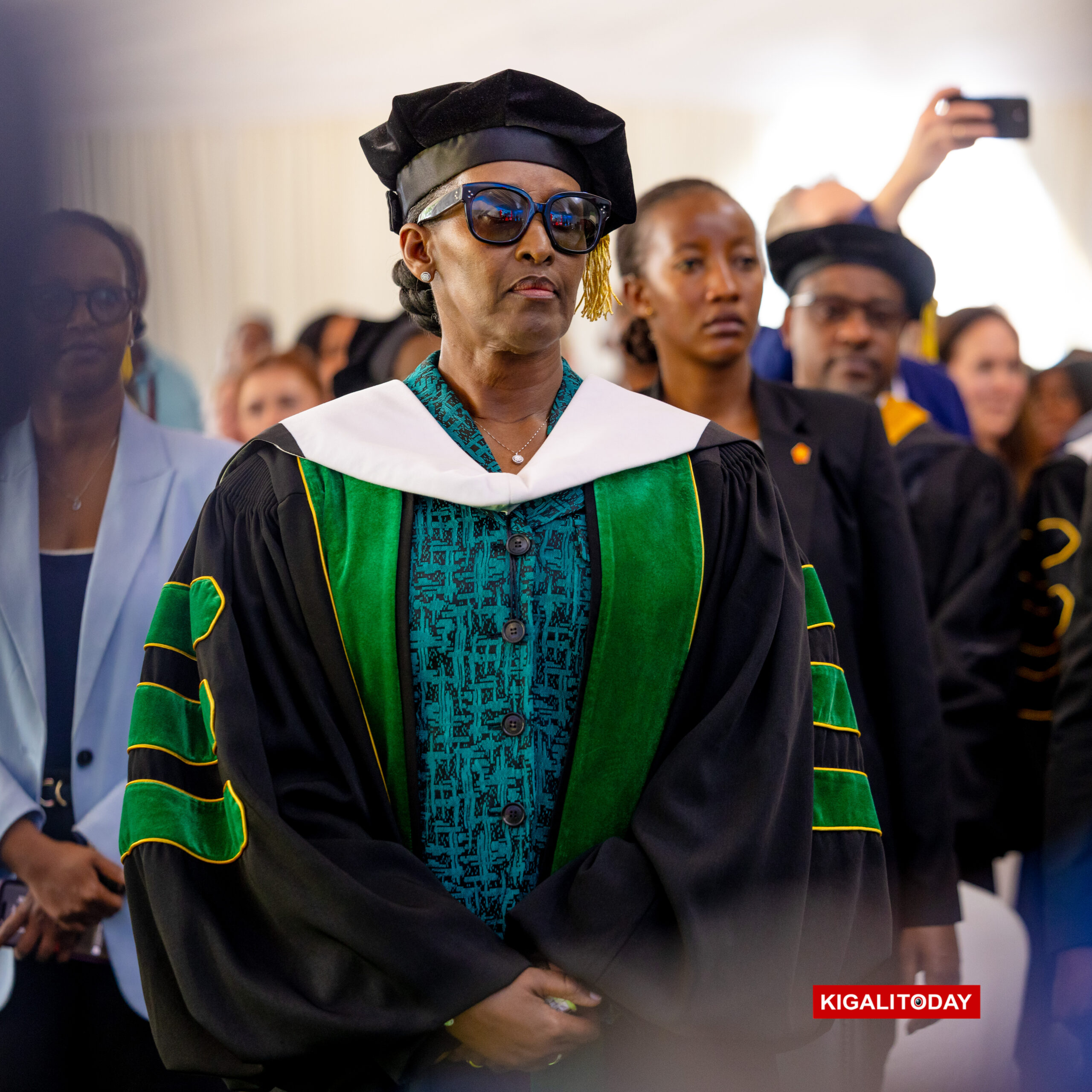
During the recent graduation, the university conferred an honorary doctorate upon Rwanda’s First Lady Jeannette Kagame. Her words echoed the sentiment of that midnight flight years ago: “Your greatness is a revolution in the making,” she said.
President Kagame’s race from Davos to Butaro was more than a logistical feat; it was a symbol of his leadership. To him, anything that can transform the life of a Rwandan—anything that can bridge the gap between the “haves” and the “have-nots”—is worth the race, the sleepless nights, and the effort.
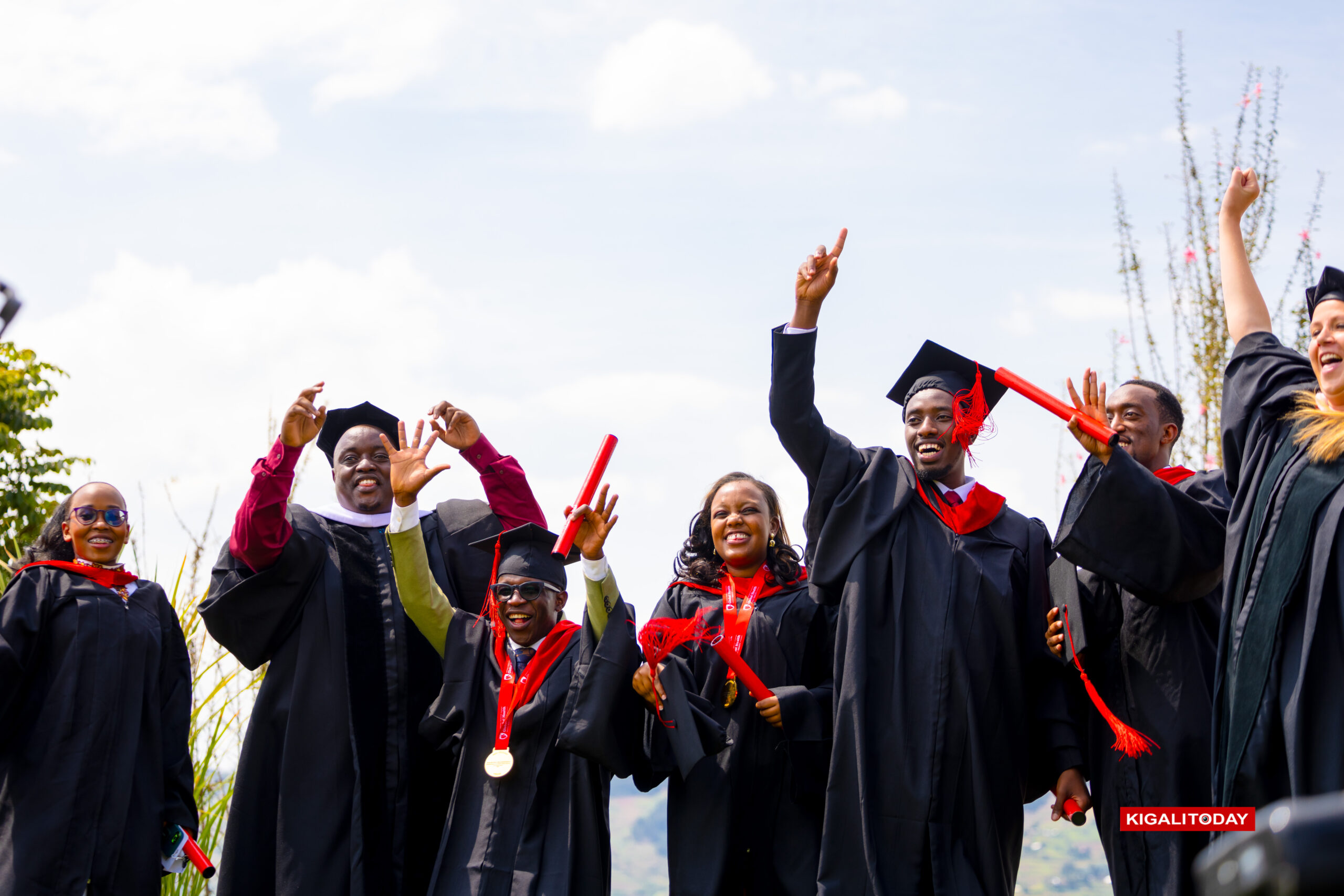
Today, as the graduates of “Paul’s class” head out to heal the continent, the “very important event” the President refused to miss has become the heartbeat of a healthier, more equitable Africa and the world.
Video of President Kagame speaking during inauguration of UGHE: https://www.youtube.com/watch?v=pYFQ9O6FHJs