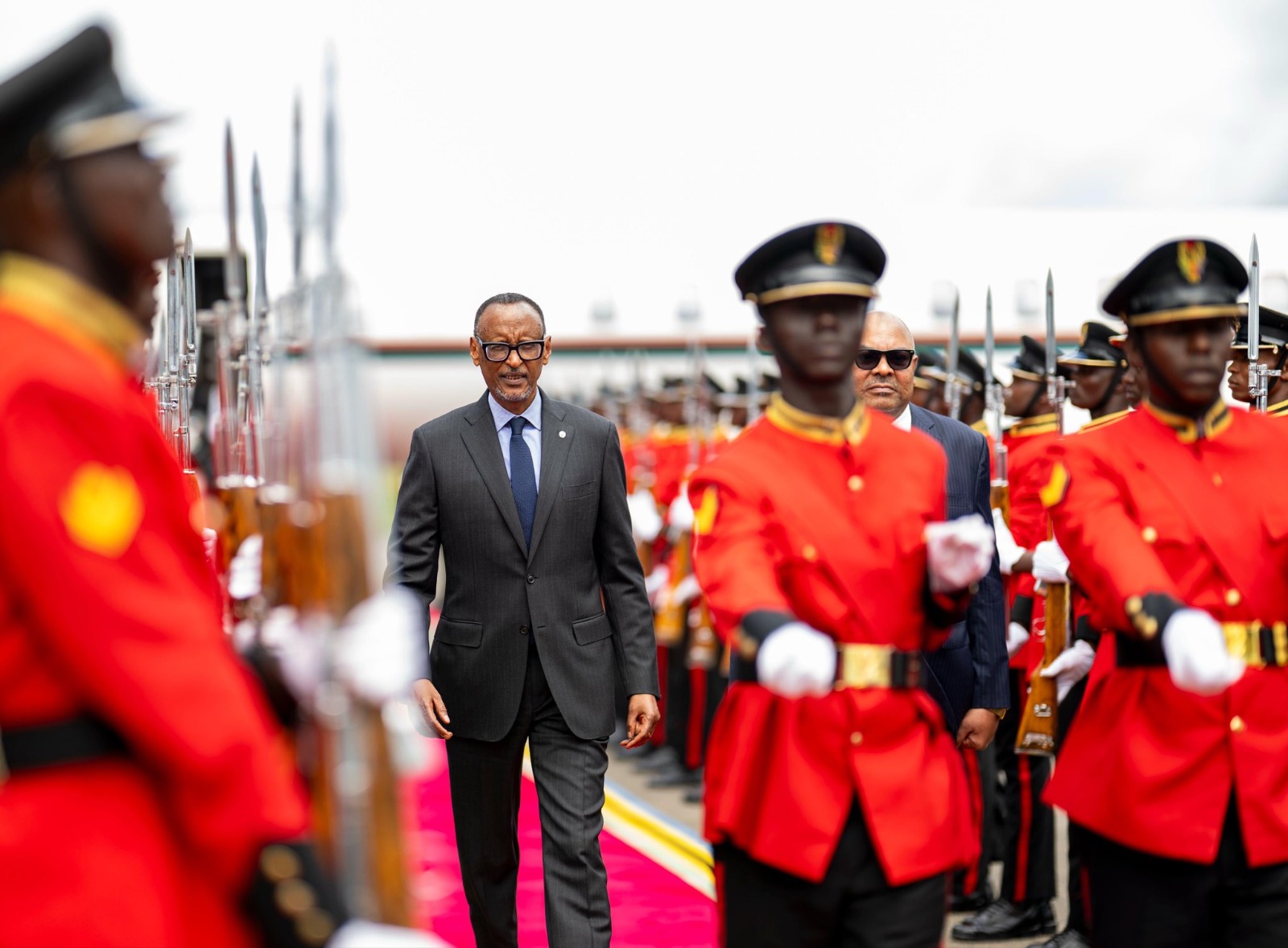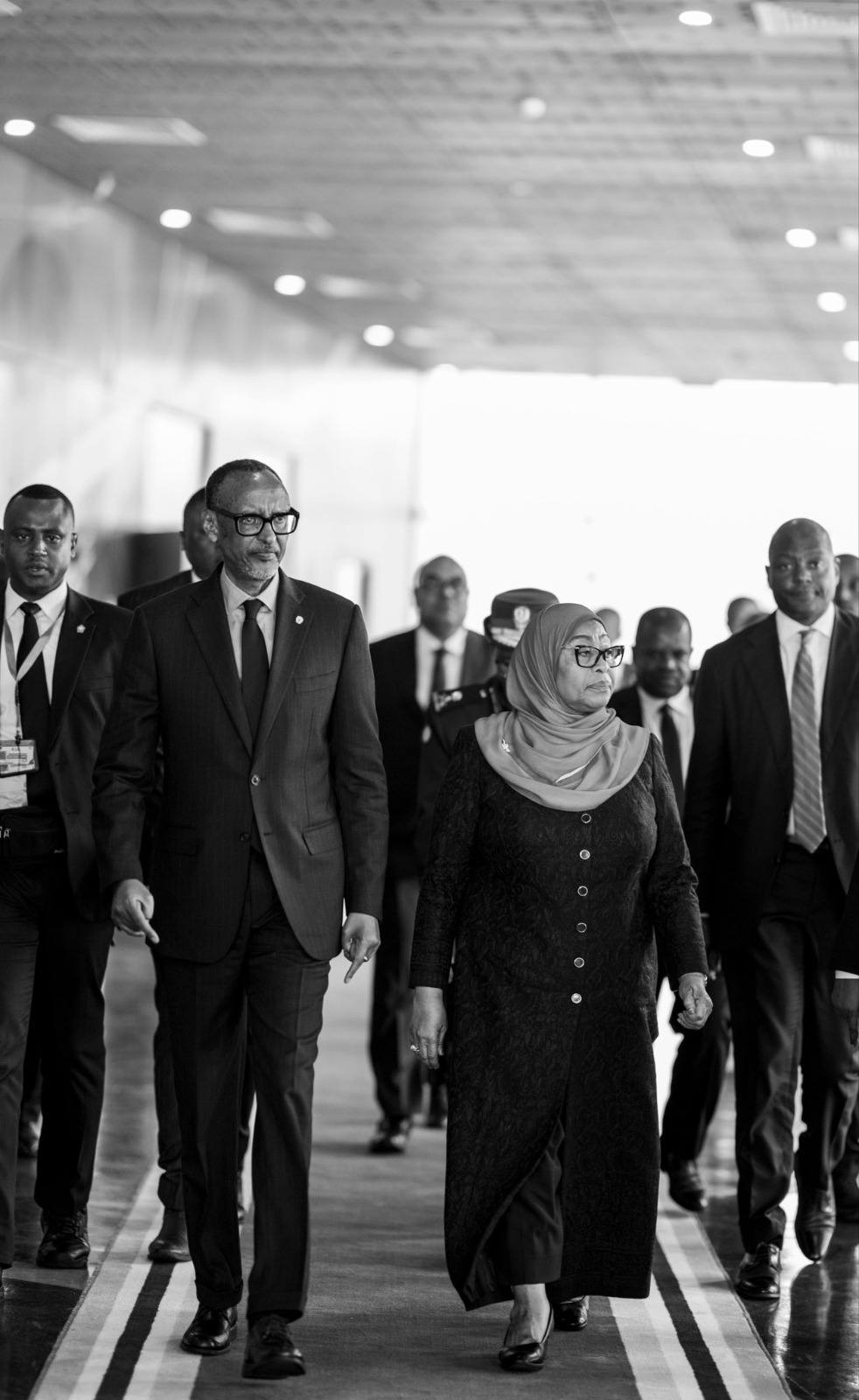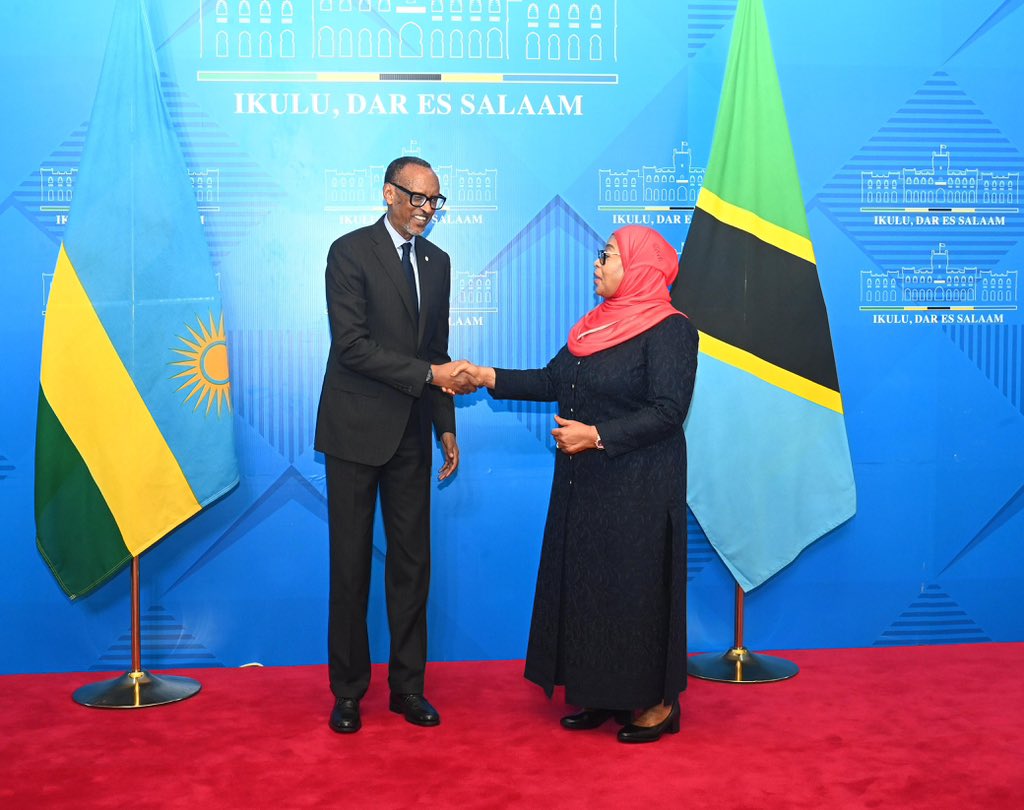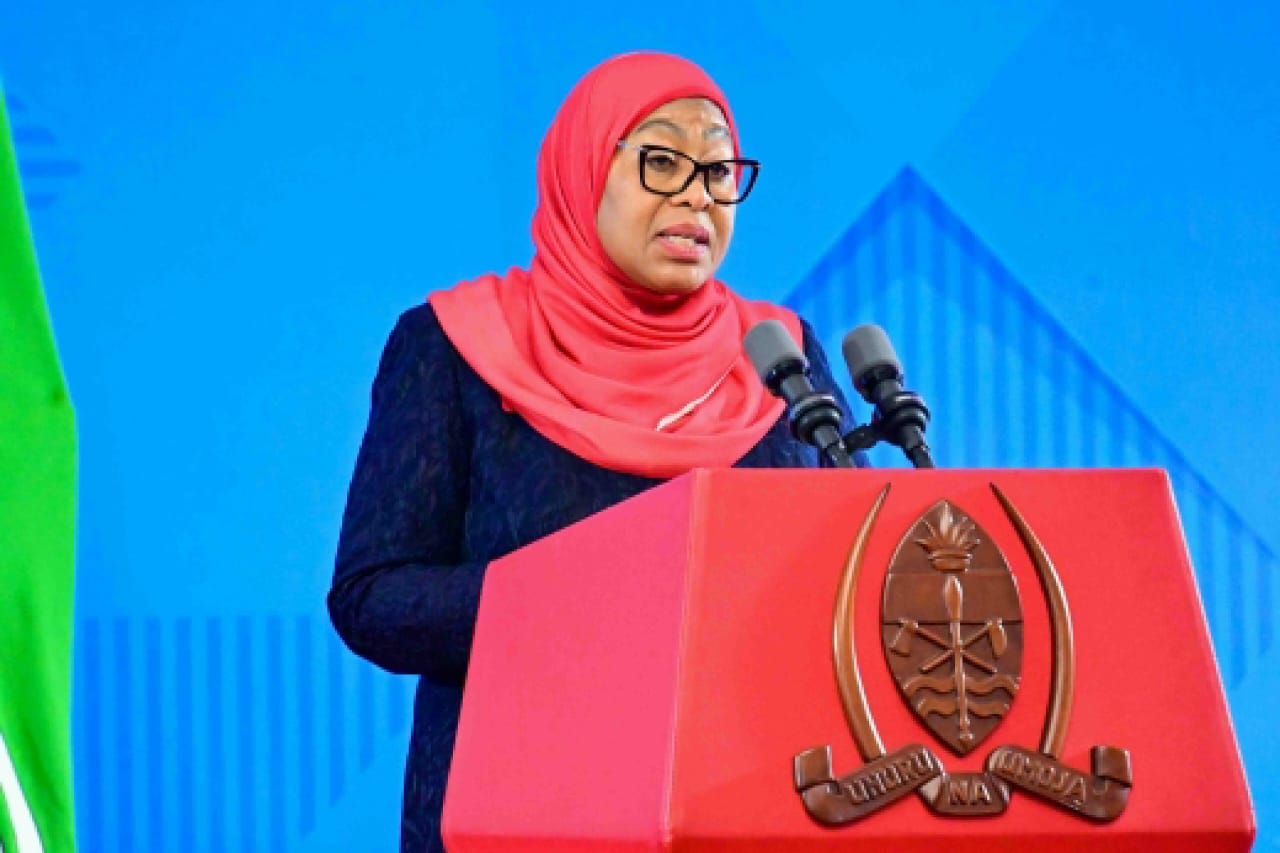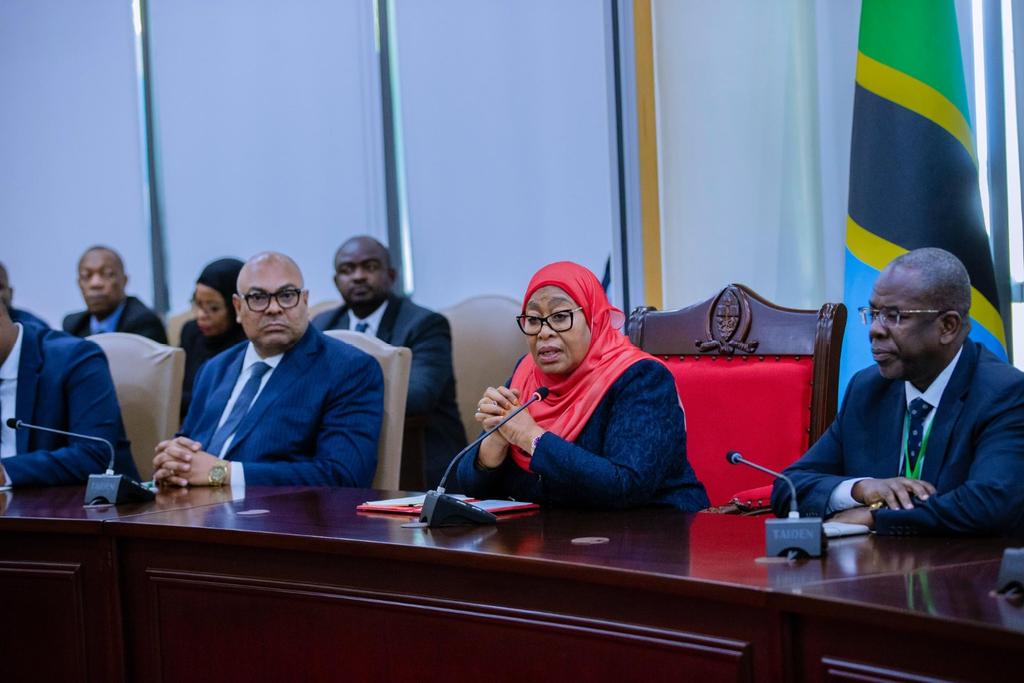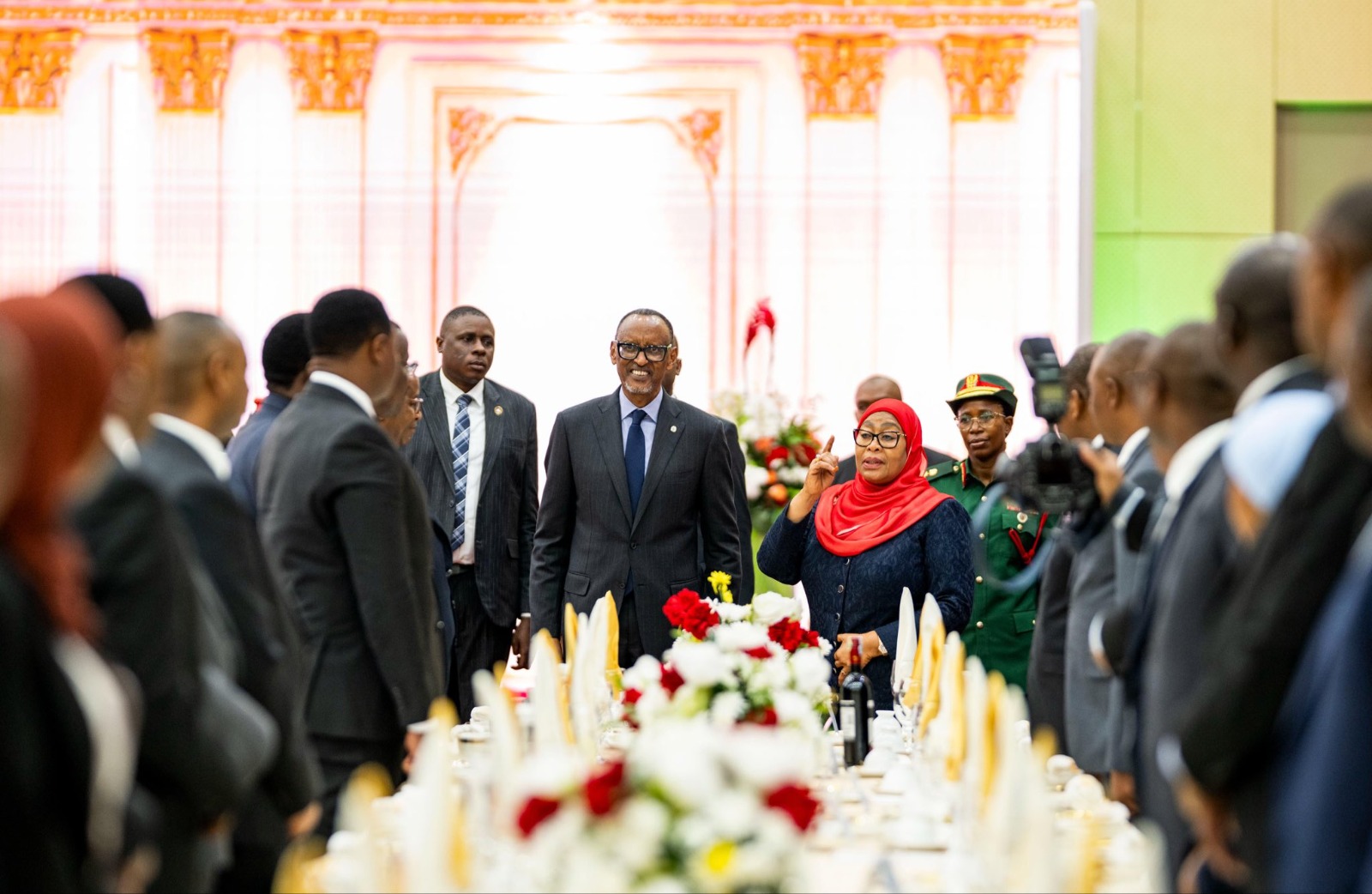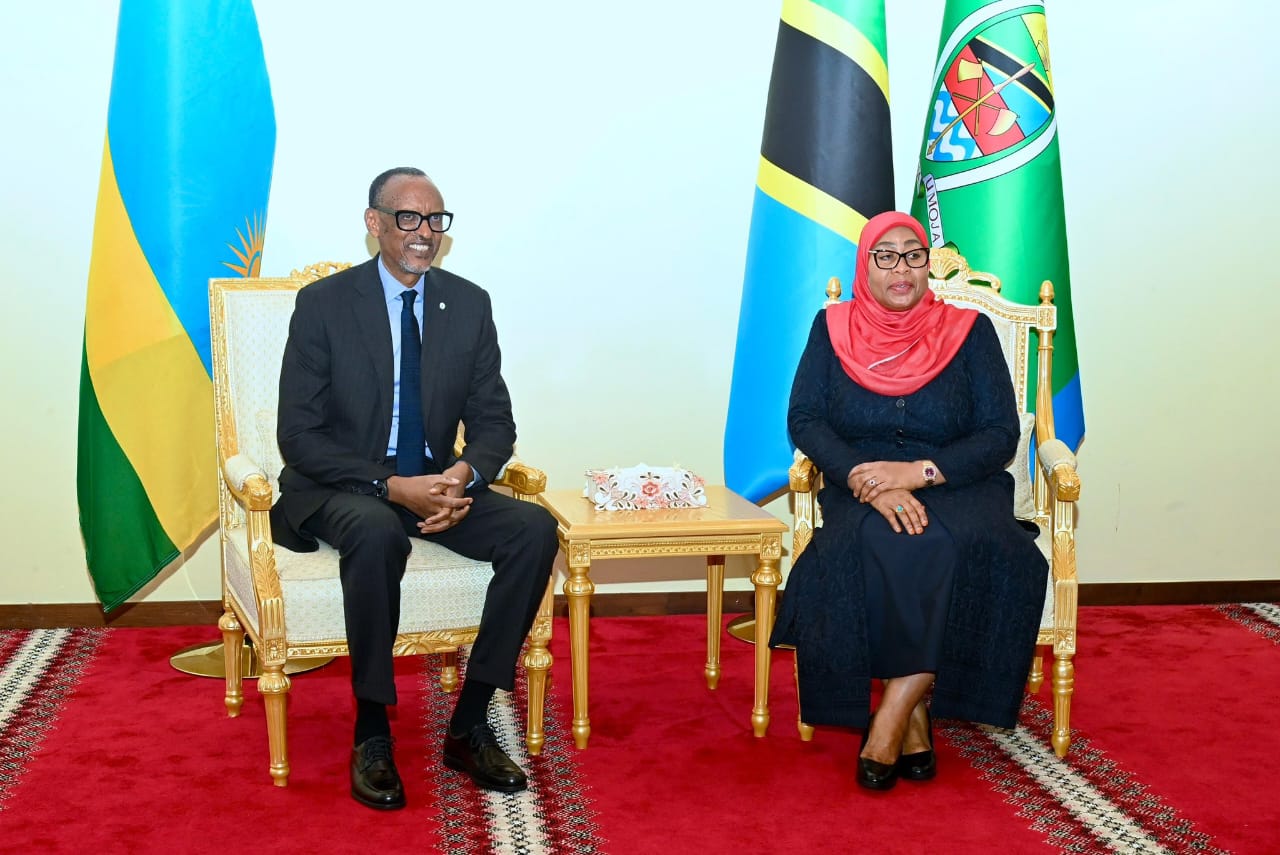
Rwandan President Paul Kagame and Tanzanian President Samia Suluhu.
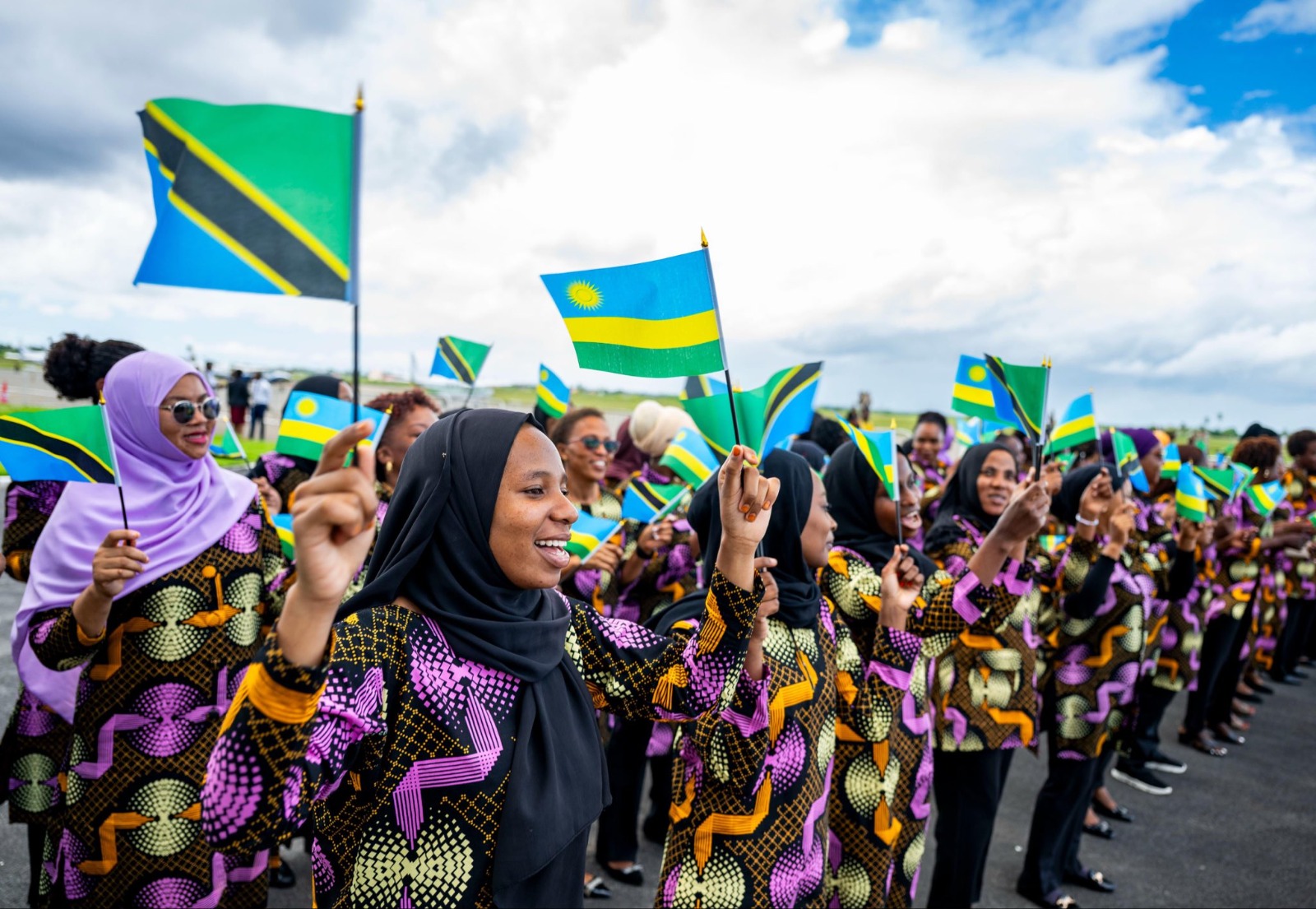
KIGALI — President Paul Kagame is in Tanzania for a working visit that is reinforcing fast-growing economic ties between Kigali and Dar es Salaam, while also highlighting a shared history marked by solidarity during Rwanda’s darkest chapter.
Kagame held talks with his Tanzanian counterpart, President Samia Suluhu Hassan, in Dar es Salaam, where the two leaders agreed to step up efforts to remove non-tariff barriers and accelerate investments in key sectors supporting cross-border trade.
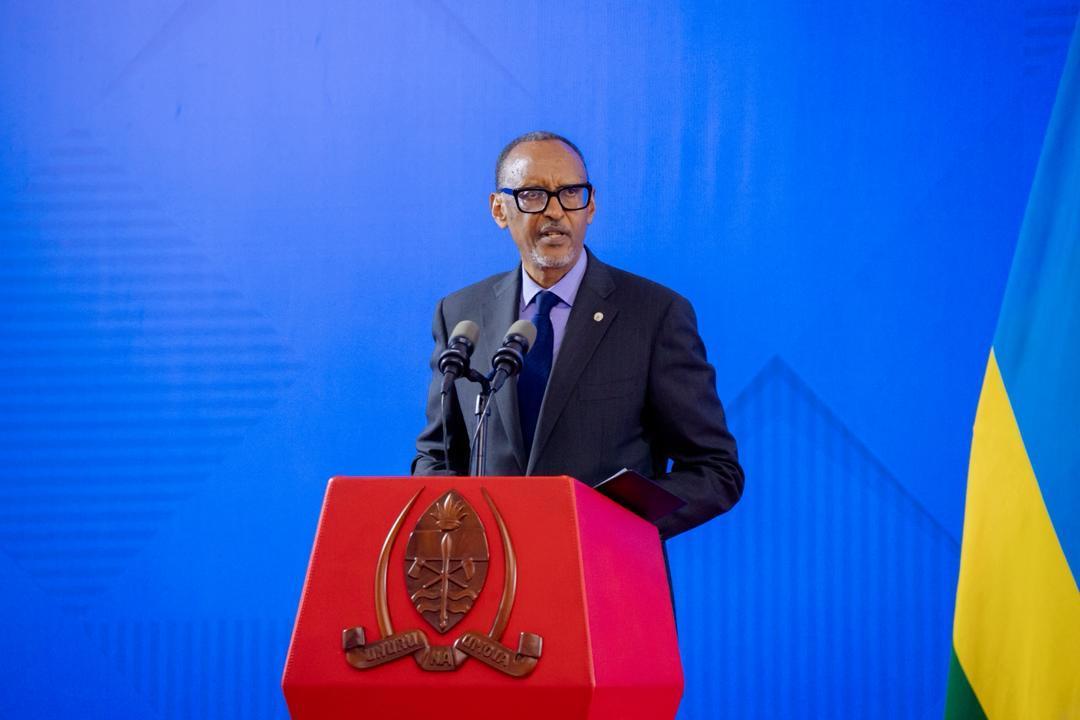
Speaking at a joint press conference, President Suluhu described Rwanda as a close partner, noting that economic relations between the two countries continue to expand rapidly. She revealed that bilateral trade reached 644 billion Tanzanian Shillings in 2025 (361 billion Rwandan Francs), underlining the scale of growing commercial exchanges.
According to Tanzanian officials, nearly 70 percent of Rwanda’s imports and exports pass through Tanzania’s ports, particularly the Port of Dar es Salaam, making the country a critical gateway for Rwanda’s access to global markets.
To sustain this momentum, the two leaders committed to strengthening cooperation in transport and logistics, telecommunications, and energy—sectors seen as vital to unlocking further growth along the Central Corridor, the main trade route linking Dar es Salaam to Kigali.
President Kagame said the partnership has steadily evolved over the years, enabling Rwanda to better connect to international markets through improved infrastructure and coordinated policies.
Beyond economic priorities, the visit also carried symbolic and emotional significance tied to Rwanda’s history.
Kagame announced that Rwanda is preparing to formally honour Tanzanian citizens who demonstrated courage and humanity during the 1994 Genocide against the Tutsi. The recognition will come as Rwanda continues its period of remembrance and will celebrate individuals who showed exceptional bravery and compassion at a time when many turned away.
The honour is expected to be conferred under the “Abarinzi b’Igihango” (Protectors of Friendship) initiative, which recognises individuals who risked their lives to save Tutsis during the genocide.
By including Tanzanian citizens, Rwanda will be extending this recognition to a broader group of international rescuers, joining figures such as the late Senegalese Captain Mbaye Diagne and Ghanaian General Henry Kwami Anyidoho, who are widely honoured for their actions during the genocide.
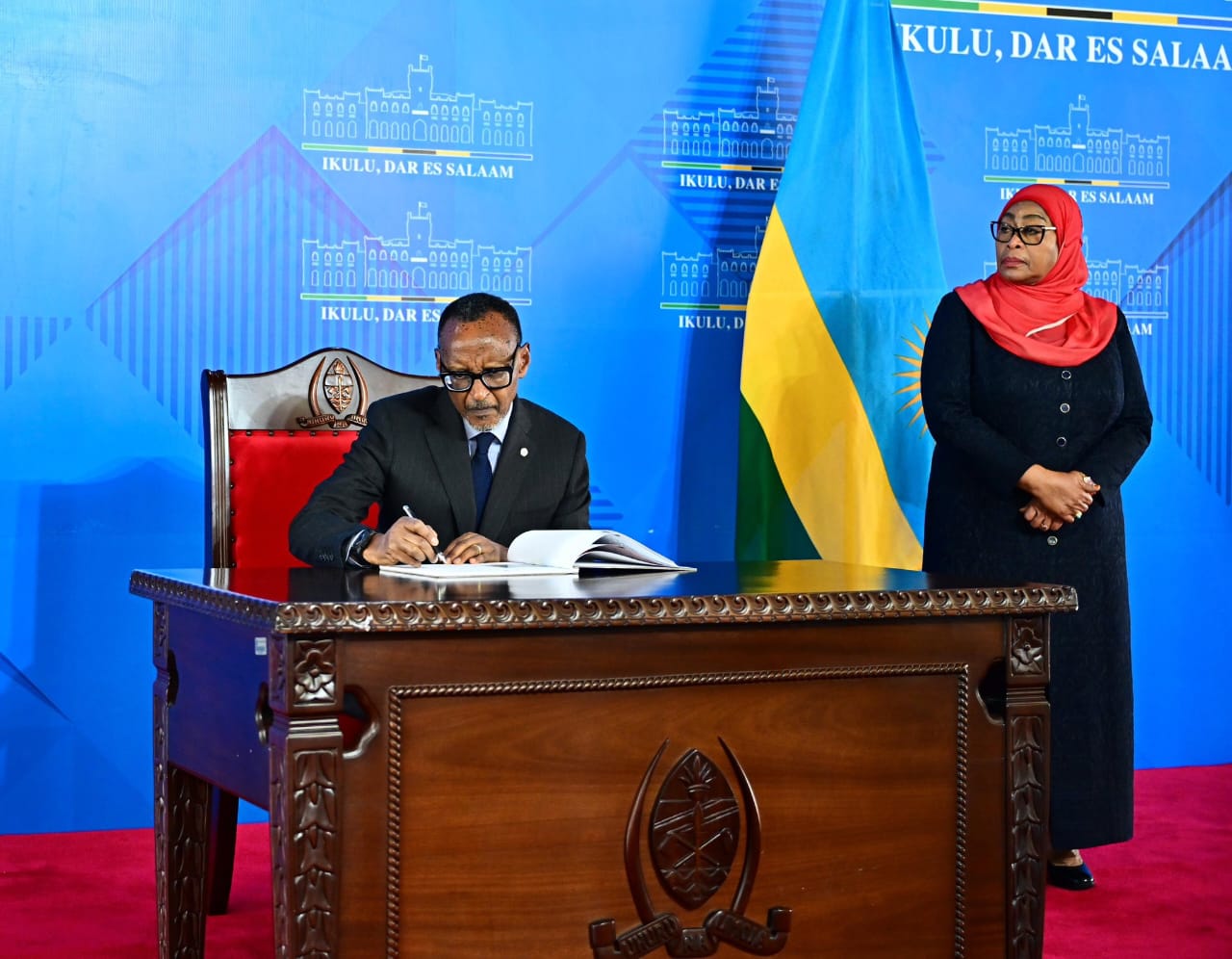
Rwandan President Paul Kagame signs the visitor’s book at the State House during his one-day working visit to Tanzania. Following a private meeting with President Samia Suluhu Hassan, the two leaders announced a renewed push to eliminate trade barriers.
For Rwanda, a country without direct access to the sea, Tanzania remains a strategic partner whose infrastructure plays a central role in sustaining economic growth. The Central Corridor continues to serve as a key artery for trade, facilitating the movement of goods between the Indian Ocean coast and Rwanda’s domestic market.
While relations between the two countries have experienced both cooperation and challenges in the past, current engagements point to a renewed focus on deeper economic integration, supported by shared interests and a recognition of historical ties.