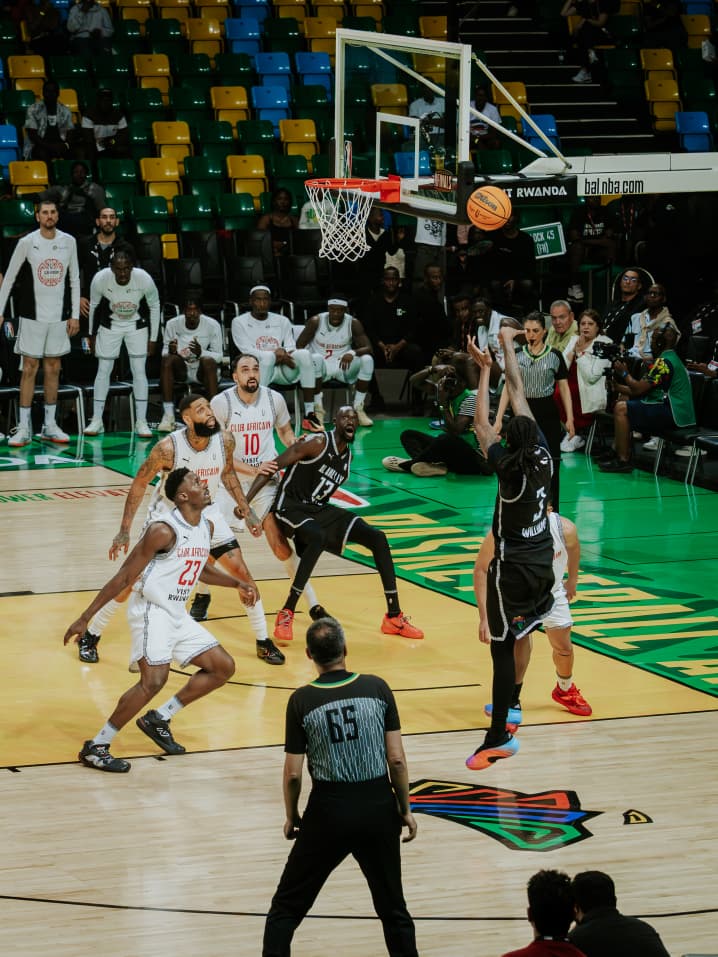
KIGALI — There are moments in sport when tactics, systems, and preparation evaporate, leaving only raw nerve. Saturday evening inside Kigali’s BK Arena produced two such moments.
Explosive backcourt performances, ruthless momentum swings, and fearless execution lit up the arena as Al Ahly (Libya) and Tanzania’s Dar City announced themselves in spectacular fashion.
For long stretches, Angola’s Petro de Luanda and Tunisia’s Club Africain controlled their respective Basketball Africa League encounters with measured tempo, intact structures, and visible experience. Yet, when the pressure mounted and chaos loomed, control slipped away from both favorites in almost identical fashion.
Al Ahly’s Ruthless Third-Quarter Surge
The opener between Al Ahly Libya and Club Africain carried playoff intensity from the opening whistle. Every possession was calculated; every defensive stop mattered. Neither side could break away during a fiercely contested first half dominated by tactical discipline and rapid defensive recoveries.
Club Africain edged the first quarter 15-14, but Al Ahly soon found their rhythm through aggressive perimeter movement and transition play, taking a slim 49-46 lead into halftime.
Then came the turning point.
Midway through the third quarter, Al Ahly exploded with a devastating 12-0 run that shattered Club Africain’s composure. The Libyan side accelerated with remarkable precision—guards aggressively sliced through open spaces, and forced turnovers instantly became fast-break points. Within minutes, Club Africain looked completely overwhelmed by the speed and intensity of Al Ahly’s transition offense.
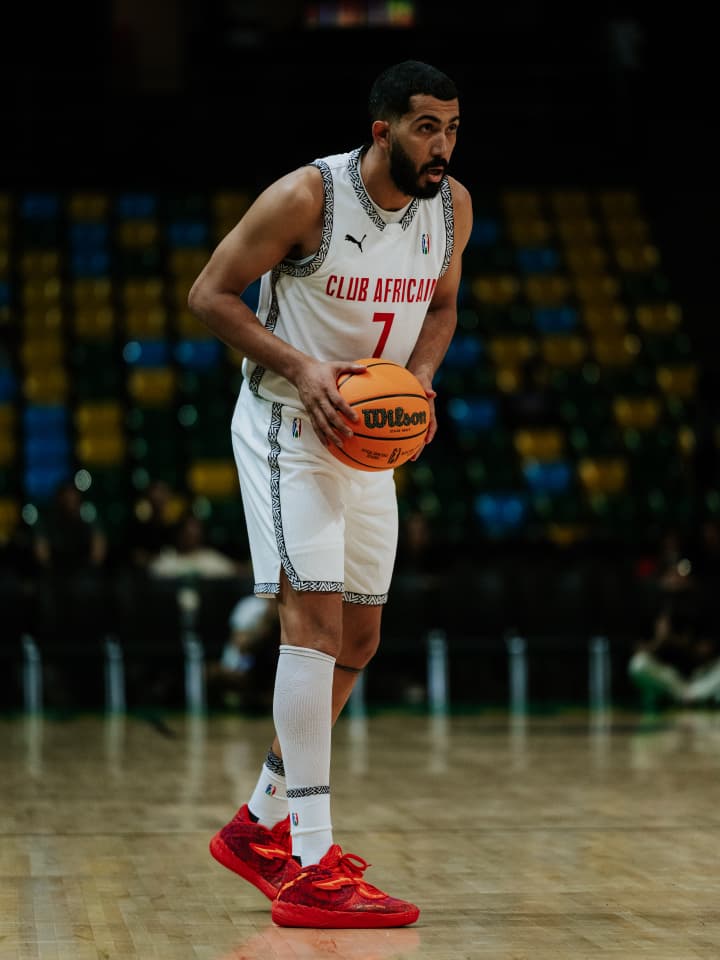
Through sharp ball movement, quick releases, and relentless attacking, Al Ahly dictated the pace with absolute authority, repeatedly exposing defensive gaps.
The statistics told the story: Al Ahly dominated fast-break points 26-13 and converted 17 turnovers into 20 points. It was the basketball equivalent of a football team being repeatedly punished on the counterattack after losing possession in dangerous areas.
Yet, Club Africain refused to surrender.
The Tunisian side mounted a fierce fourth-quarter comeback, chipping away at the deficit until the final seconds became a desperate survival exercise for Al Ahly. With the lead cut to a single point in the closing moments, the pressure intensified with every possession.
But the Libyan outfit held its nerve, escaping with a dramatic 88-87 victory.
Dar City’s Fourth-Quarter Explosion
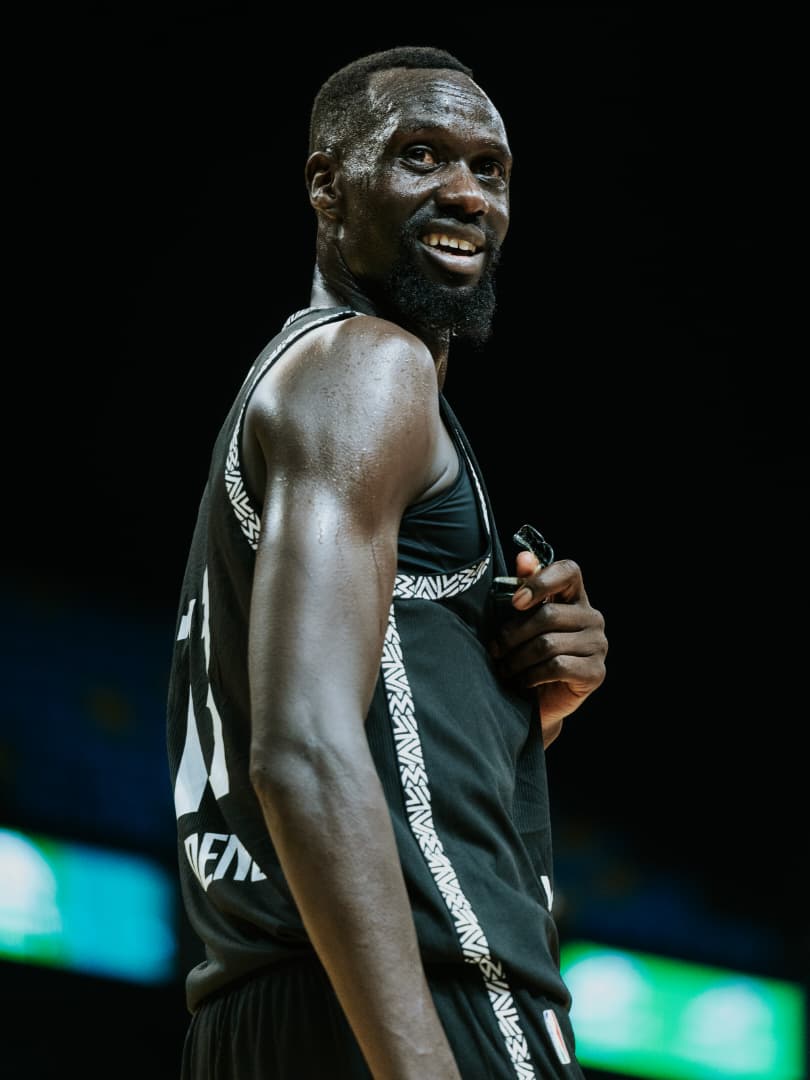
If Al Ahly’s victory was built on a ruthless third-quarter ambush, Tanzania’s Dar City produced an even more dramatic turnaround, later.
For most of the contest, Dar City appeared trapped by Petro de Luanda’s physical dominance and interior control. The Angolan giants owned the glass, protected the ball, and dictated a disciplined half-court game around the paint. Petro led 46-42 at halftime, built a comfortable 68-58 cushion entering the final quarter, and still held a 75-71 edge midway through the fourth.
Then, the game exploded.
Dar City’s backcourt completely flipped the script, injecting frantic energy into the contest. Their transition attacks accelerated, ball movement sharpened, and their decision-making grew increasingly fearless. Slicing through driving lanes and hunting shots from the perimeter, the Tanzanian side shattered Petro’s defensive structure.
From that moment on, it was all Dar City.
The Tanzanians closed the game on a devastating 17-7 run. Petro, so composed for three quarters, suddenly lost their defensive shape and forced desperate shots under pressure, unable to cope with Dar City’s lethal combination of speed and perimeter spacing.
The final shooting percentages mirrored the late-game dominance: Dar City scorched the net at 52.5% from the field and 50% from beyond the arc, while Petro cooled to a dismal 37.8% overall.
BAL’s Growing Identity
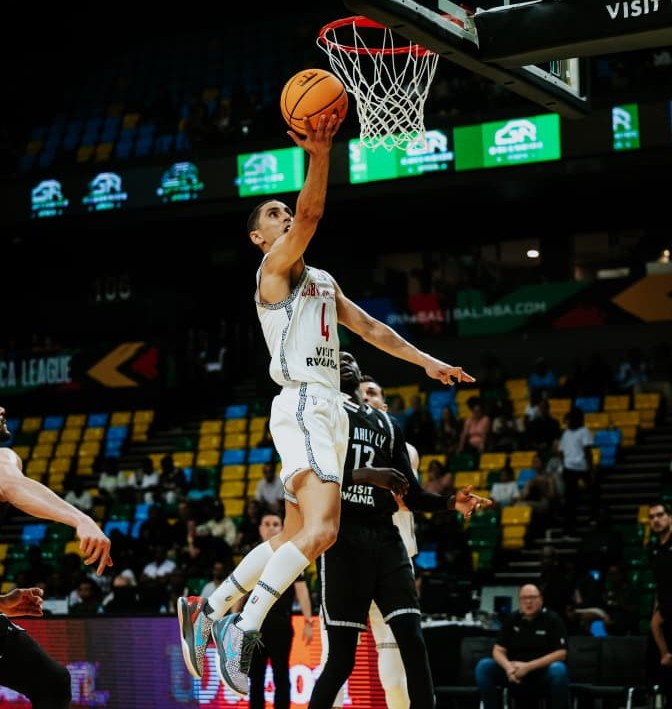
Beyond the victories, Saturday night illuminated a broader evolution within the Basketball Africa League.
The BAL is no longer defined strictly by paint dominance and physical attrition. Instead, the modern African game is increasingly shaped by speed, perimeter spacing, rapid transition, and fearless guard play under pressure.
Since its 2021 launch through the landmark partnership between the NBA and FIBA Africa, the BAL has consistently elevated the global visibility of African basketball while providing clubs across the continent a premier competitive platform. Rwanda has anchored that growth, with Kigali solidifying its status as the heartbeat of the competition. On nights like this, the league does more than entertain—it justifies its reputation as one of the most exciting basketball products in the world.