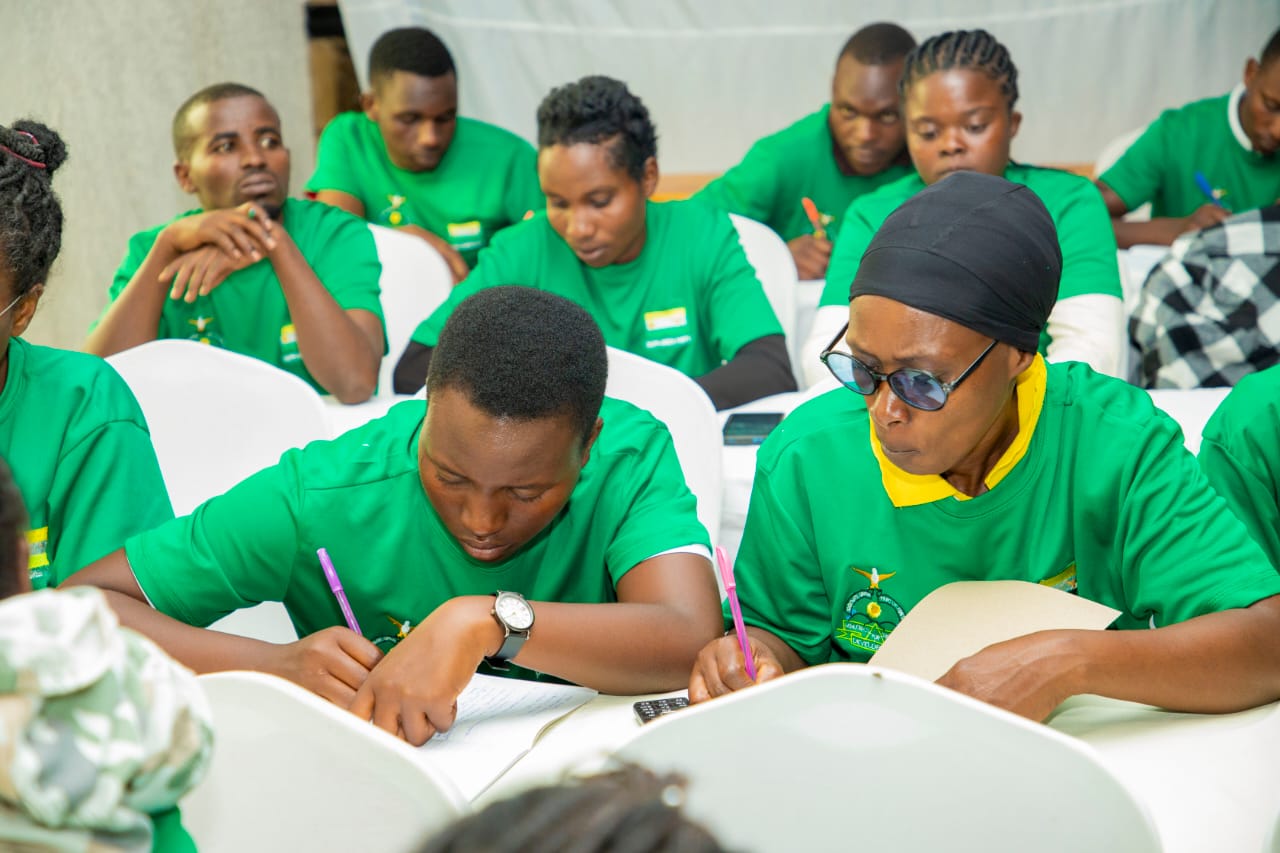
Green Party political training on the role of the party in Rwanda’s development, held in Ruhango District
RUHANGO, Rwanda — At a political training session in southern Rwanda on Sunday, members of the Democratic Green Party offered a measured endorsement of recent government reforms to the country’s community health insurance system, while outlining a broader vision for their role in national development.
The gathering, held in Ruhango District, brought together party officials and supporters to reflect on policy priorities and political strategy.
Much of the discussion centered on the evolution of the Community-Based Health Insurance scheme, known as Mutuelle de Santé, which has undergone a series of changes in recent months, including expanded coverage and revised contribution rates.
Recent reforms to the scheme have introduced a revised income-based categorization system that adjusts contributions according to household means, replacing earlier flat or less differentiated structures.
At the same time, the benefits package has been expanded to include longer-term treatment and follow-up care for chronic and non-communicable diseases such as diabetes, hypertension and certain cancers.
The changes also address earlier concerns around delays in activating coverage, with efforts to ensure that insurance becomes effective more quickly after payment, while improving access to essential medicines and continuity of care.
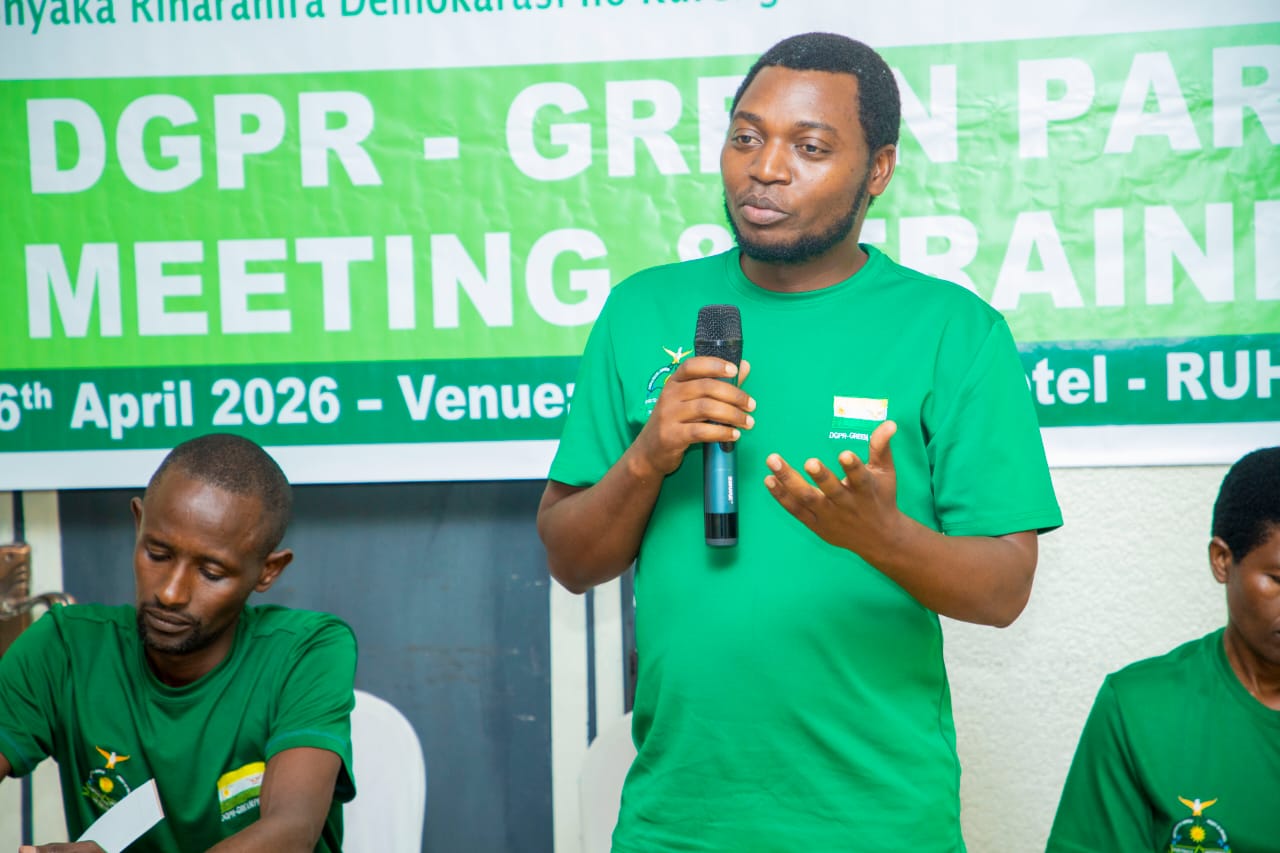
Gustave Habimana (middle)
Gustave Habimana, the party’s chairman in the Southern Province, said the improvements reflected proposals the party had advanced over several years.
“These proposals have largely been implemented. As a party, we are seeing improvements in health service delivery that respond to concerns raised by citizens,” he said. “We are hopeful that this progress will continue as a way to strengthen Rwanda’s healthcare system.”
Among the changes he highlighted were faster activation of insurance coverage after payment and an expanded range of services.
The reforms have also extended benefits to include treatment and follow-up care for chronic and non-communicable diseases such as diabetes and hypertension, marking a shift from earlier models that focused primarily on acute care.
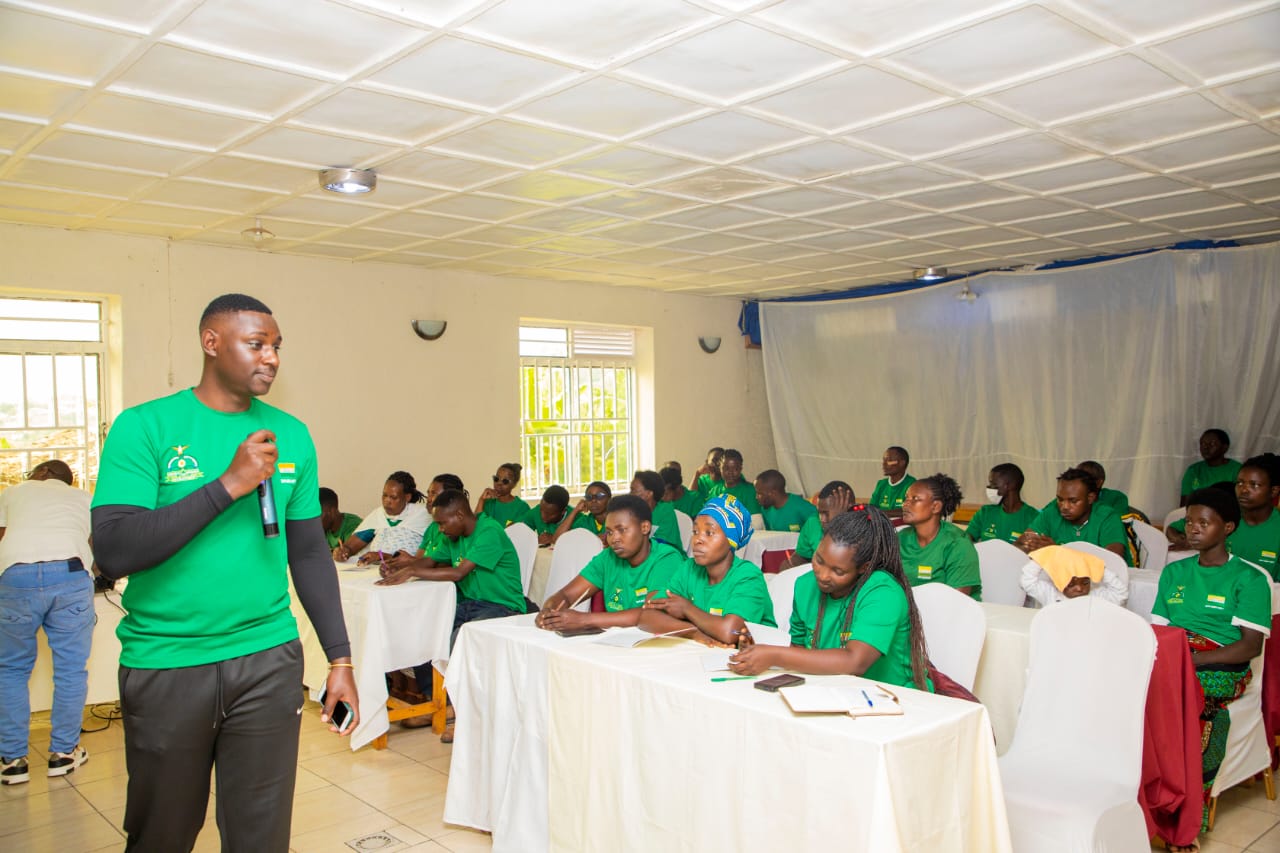
Samuel Byiringiro, the Southern Province Youth president
At the same time, a revised income-based categorization system has led to higher contributions for some households. Mr. Habimana acknowledged the increase but framed it as part of a longer-term effort to improve both the quality and sustainability of the system.
“While premiums have increased for some, the changes are aimed at improving service quality, ensuring sustainability and promoting equity in access to healthcare,” he said.
The session in Ruhango followed a similar training held a week earlier in Muhanga District, where party leaders emphasized an approach to politics that favors engagement over confrontation. That message was echoed again on Sunday, with participants encouraged to contribute to national development through policy proposals and community initiatives.
Yvonne Ingabire, Deputy Commissioner in the party’s Economic Commission, urged members to take a more active role in shaping public perception of the party.
“Members should lead by example through active participation in government programs, maintaining good conduct in their communities, and effectively using social media to highlight party initiatives,” she said.
She added that it was important to communicate the party’s advocacy achievements, including efforts to improve access to community-based health insurance and support education programs.
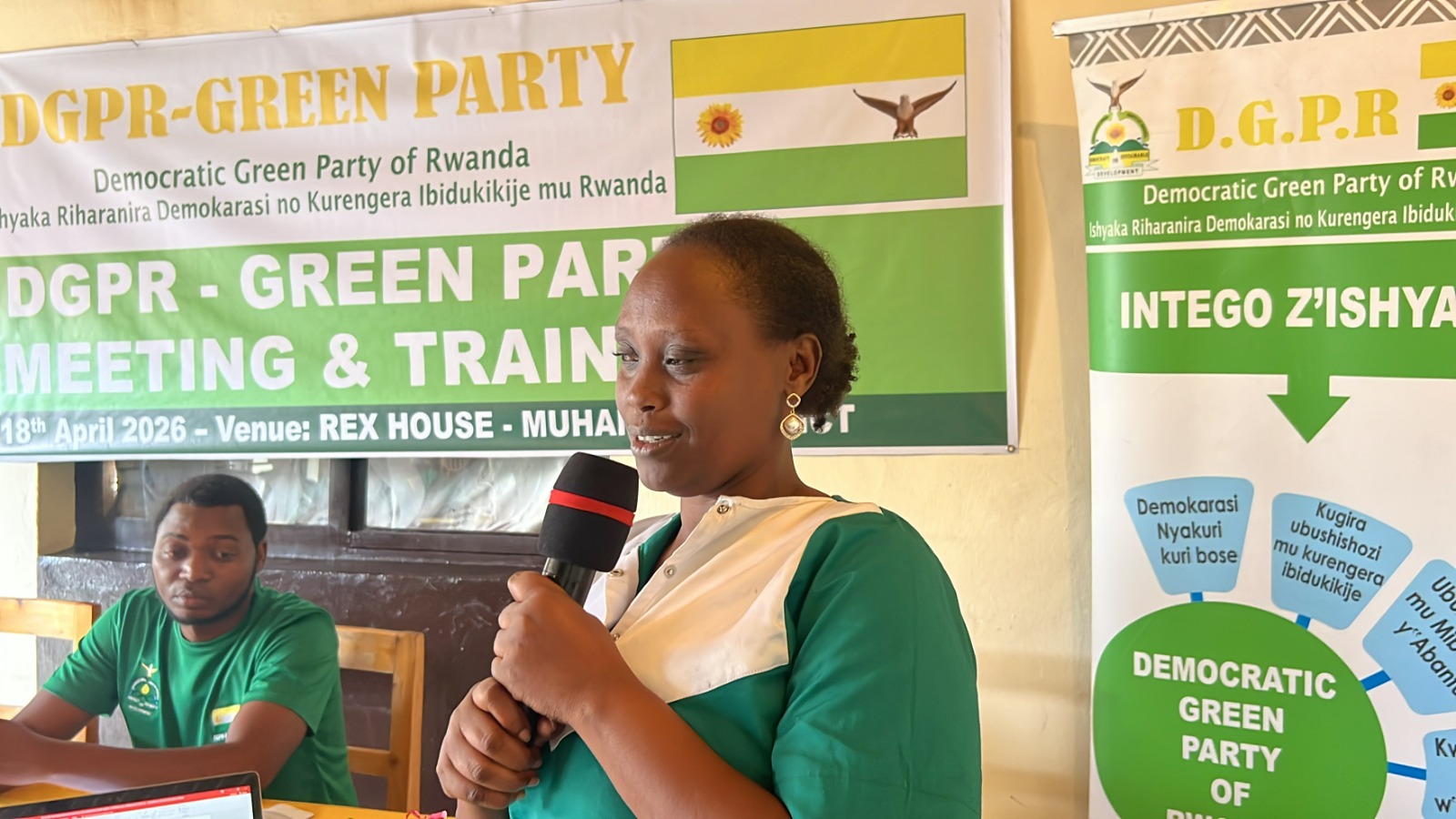
Yvonne Ingabire, Deputy Commissioner in the party’s Economic Commission
Environmental protection also featured prominently in the discussions. Samuel Byiringiro, the party’s Southern Province youth president, called on members to take responsibility for sustainable practices.
“We must act as custodians of the environment by managing waste properly, avoiding harmful activities like burning vegetation, and actively participating in tree-planting initiatives,” he said.
He encouraged a “cut one, plant ten” approach, particularly focusing on fruit trees that could also contribute to household income.
The training also addressed broader issues of governance and security. Mr. Habimana drew a distinction between national security and what he described as human security.
“Human security focuses on protecting people’s lives, livelihoods and dignity, while national security is about safeguarding the state,” he said. “A secure nation is one that enjoys peace and food security, which are essential for sustainable development.”
Another session, led by Damien Nkurunziza, Commissioner in charge of Good Governance, emphasized accountability and effective leadership within party structures, reinforcing the importance of internal discipline as the party seeks to expand its role.
The training forms part of an ongoing effort by the party to strengthen its internal structures and visibility at the local level. But it also reflects a broader attempt to define its place within Rwanda’s political landscape — not as a confrontational force, but as a participant in a shared development agenda.
In Ruhango, that message emerged clearly: political relevance, party officials suggested, lies as much in contribution as in critique.