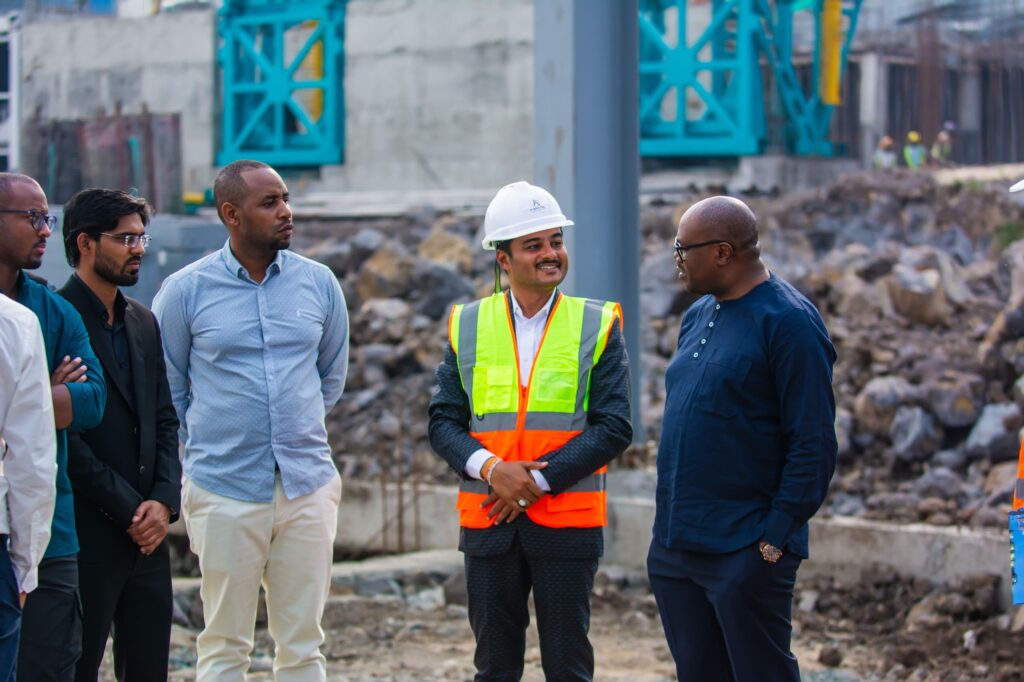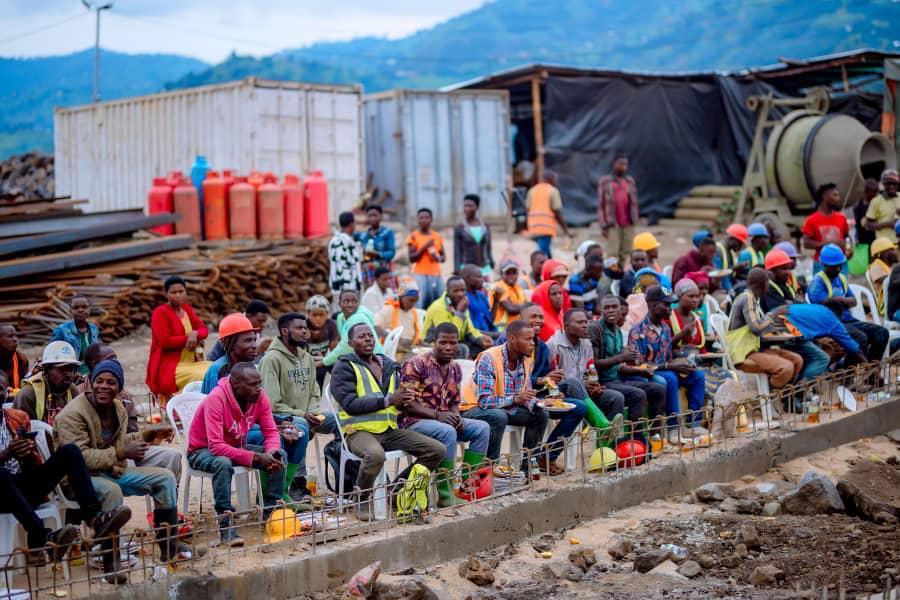
Workers at A1 Iron & Steel, Rwanda’s first integrated steel manufacturing company, producing steel and iron products directly from locally sourced mineral inputs.
MUSANZE – Until recently, few young Rwandans could have imagined building a career as a metallurgical technician, steel quality controller or industrial chemist.
There was little reason to.
The country had mines, construction sites and small manufacturing plants, but it did not have an integrated steel factory turning raw minerals into finished steel products. The jobs simply did not exist.
Today, inside a sprawling steel plant in Musanze District, hundreds of workers are helping change that reality.
The factory, operated by A1 Iron & Steel, is Rwanda’s first integrated steel manufacturer. Every day, iron ore, coal and limestone move through furnaces and processing units before emerging as steel bars and wire rods destined for construction projects across the country.
Alongside the machinery, another transformation is taking place: the creation of a workforce for industries Rwanda has never had before.
“We are not just producing steel,” said Rajendra Bharadia, the company’s Chief Financial Officer. “We are creating skills that did not previously exist in Rwanda.”
To keep the factory running, A1 employs about 700 workers. Most are Rwandans. Yet some of the most technical positions are still filled by specialists brought in from countries with decades of steel-making experience, particularly India.
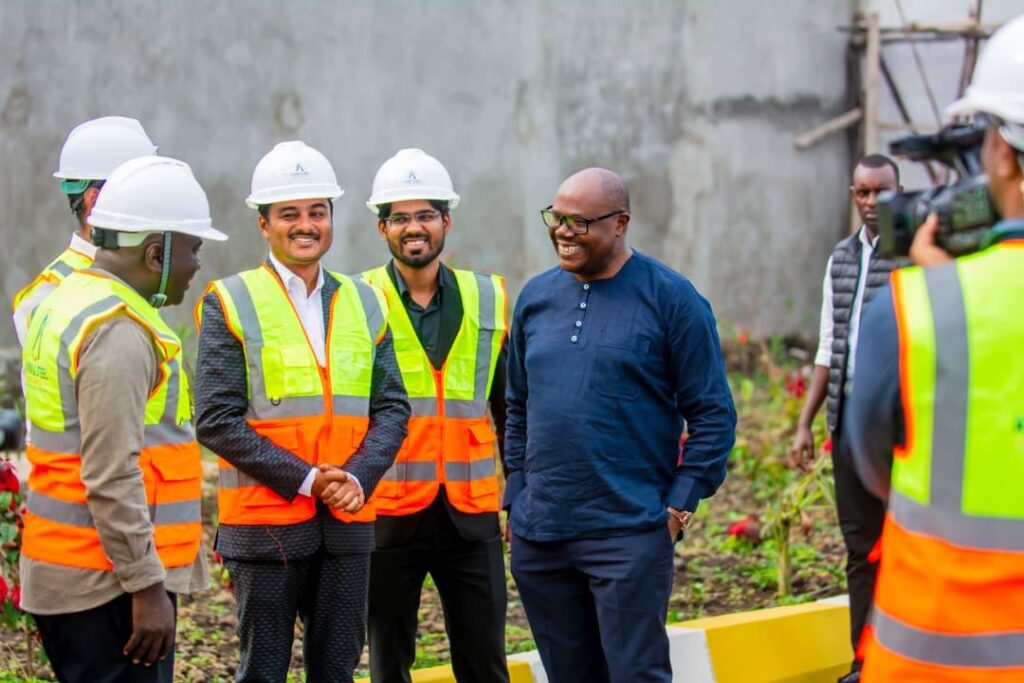
Prime Minister Dr. Justin Nsengiyumva during a recent visit at A1 Iron & Steel manufacturing factory.
The arrangement reflects a challenge confronting Rwanda as it pushes deeper into industrialization. The country’s ambitions are moving faster than its labour market.
Factories can be built within a few years. Developing a metallurgist, an industrial chemist or a steel production expert can take much longer.
That gap was highlighted recently in Parliament when former Trade and Industry Minister Prudence Sebahizi revealed that a newly established investor had been granted permission to recruit foreign specialists after demonstrating that some of the required expertise was not yet available locally.
For a country trying to move beyond exporting raw materials and toward manufacturing finished products, such shortages are increasingly becoming part of the development story.
At A1 Iron & Steel, the production process begins far from the construction sites where its products eventually end up.
Iron ore is processed together with coal and limestone to remove impurities and produce iron. The iron is then refined into steel before being shaped into reinforcement bars, wire rods and other industrial products.
The process demands technical skills that have traditionally been associated with major steel-producing countries rather than a small East African economy.
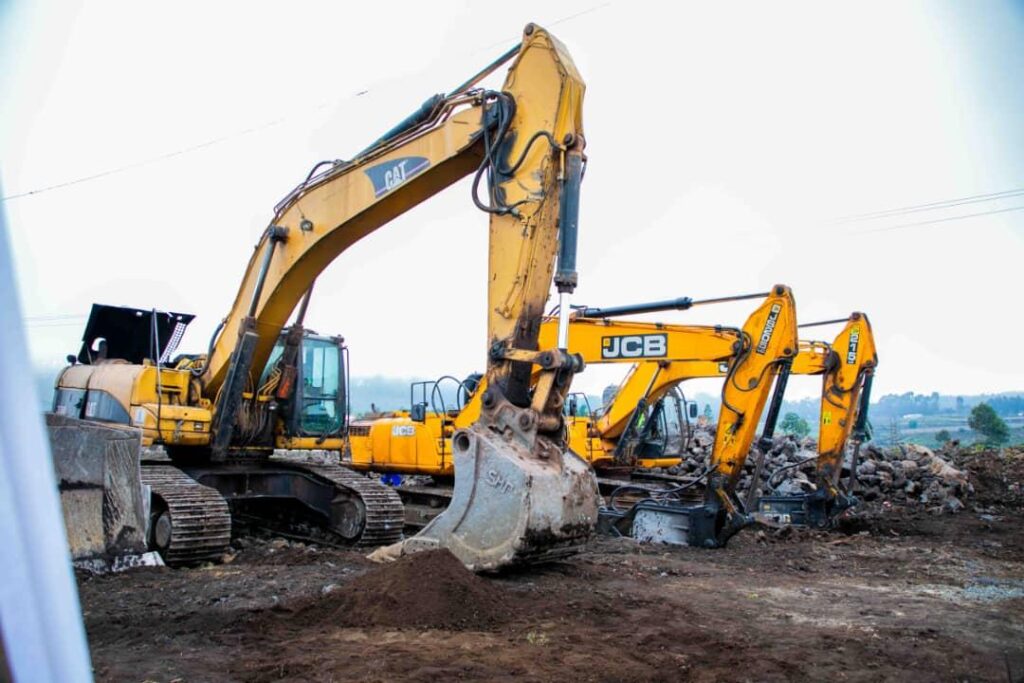
A bulldozer working on sight at A1 Iron & Steel manufacturing company premises in Musanze district.
As a result, foreign specialists currently work side by side with local employees. “The goal is not to depend on foreign expertise forever,” Bharadia said. “The goal is to transfer knowledge.”
Some positions require only a few months of training. Others can take a year or longer before workers become fully proficient.
Labour organizations say Rwanda may be better positioned for this transition than many people assume.
Jean Marie Vianney Bwanakweri, Deputy Secretary General of the Rwanda Extractive Industry Workers Union, argues that many of the foundations already exist within the country’s mining sector.
Workers who have spent years handling minerals, operating machinery and working in extraction industries often possess practical experience that can be upgraded into formal industrial qualifications.
“Industrial development doesn’t begin from nothing,” he said. “Many workers already have experience. The challenge is turning that experience into recognized professional expertise.”
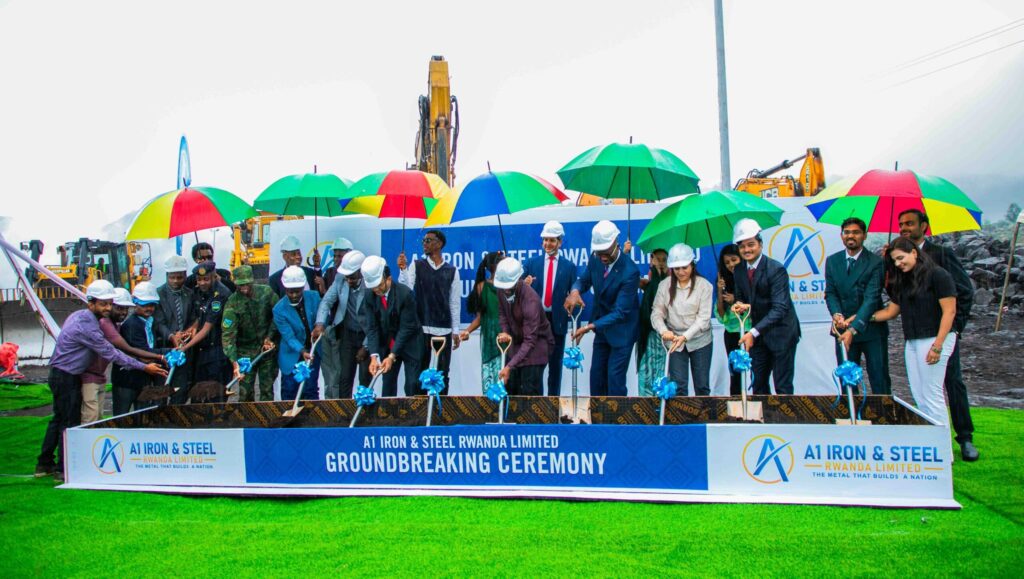
Officials at the groundbreaking ceremony of A1 Iron and Steel Rwanda Ltd.
Over the past four years, roughly 4,700 workers have undergone certification through accreditation programs designed to formalize technical skills. Another 2,500 are expected to be certified later this year.
Training institutions are also racing to keep pace.
The Rwanda Technical and Vocational Education and Training Board says it regularly consults employers to identify emerging skills needs and adapt curricula before shortages become severe.
“As industries become more sophisticated, new professions emerge,” said Aimable Hategekimana, a mining sector specialist at RTB. “Our responsibility is to ensure Rwandans are prepared for those opportunities.”
For Rwanda, the significance extends beyond a single factory.
The country has spent years trying to attract investors and build industrial parks. The next phase may prove more difficult: creating the skilled workforce capable of sustaining those industries.
Inside factories like A1, that transition is already underway. Machines can be imported. Buildings can be constructed. But the expertise needed to run a modern industrial economy must be developed one worker at a time.