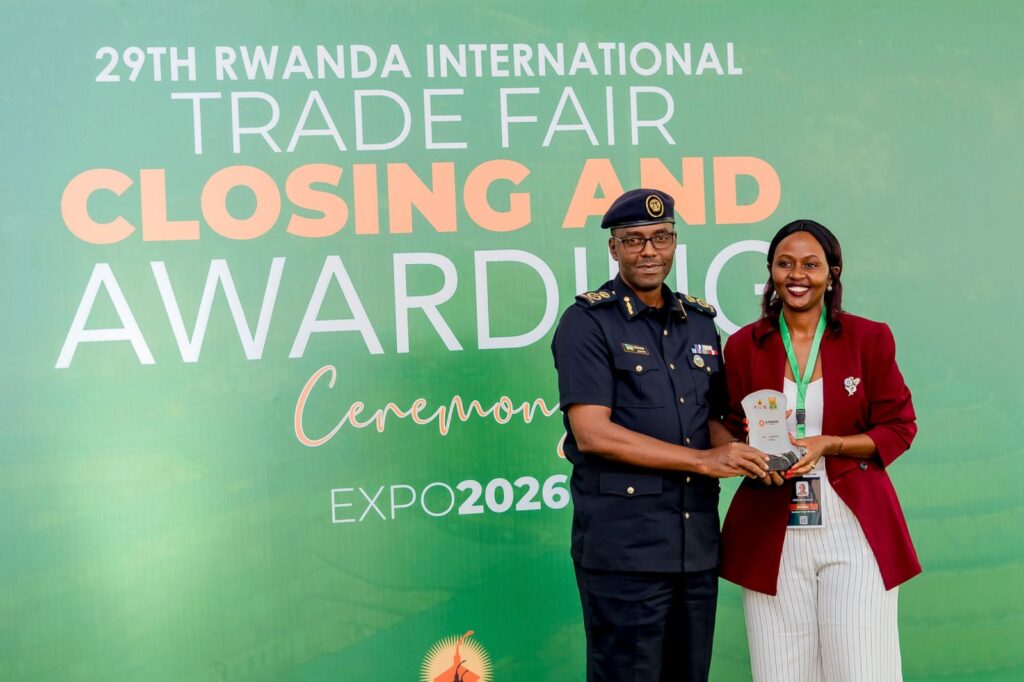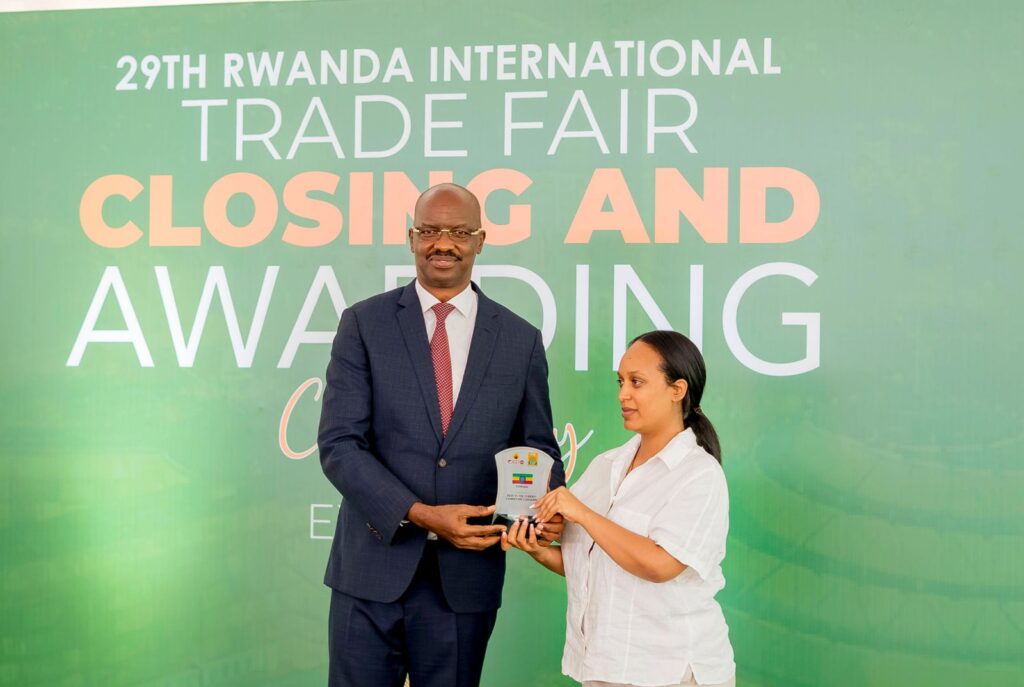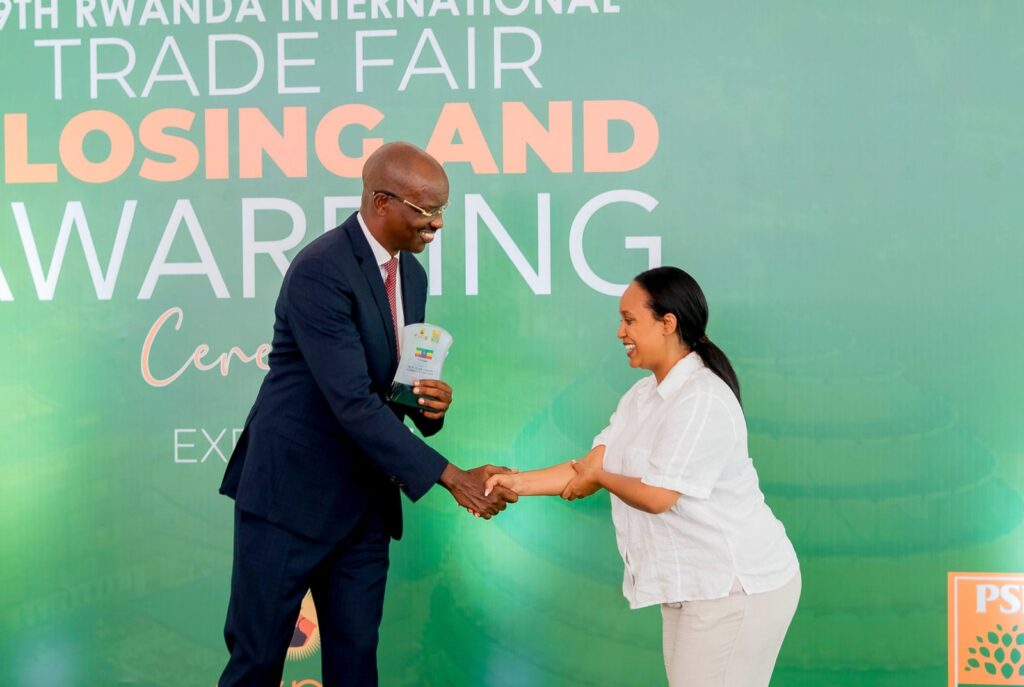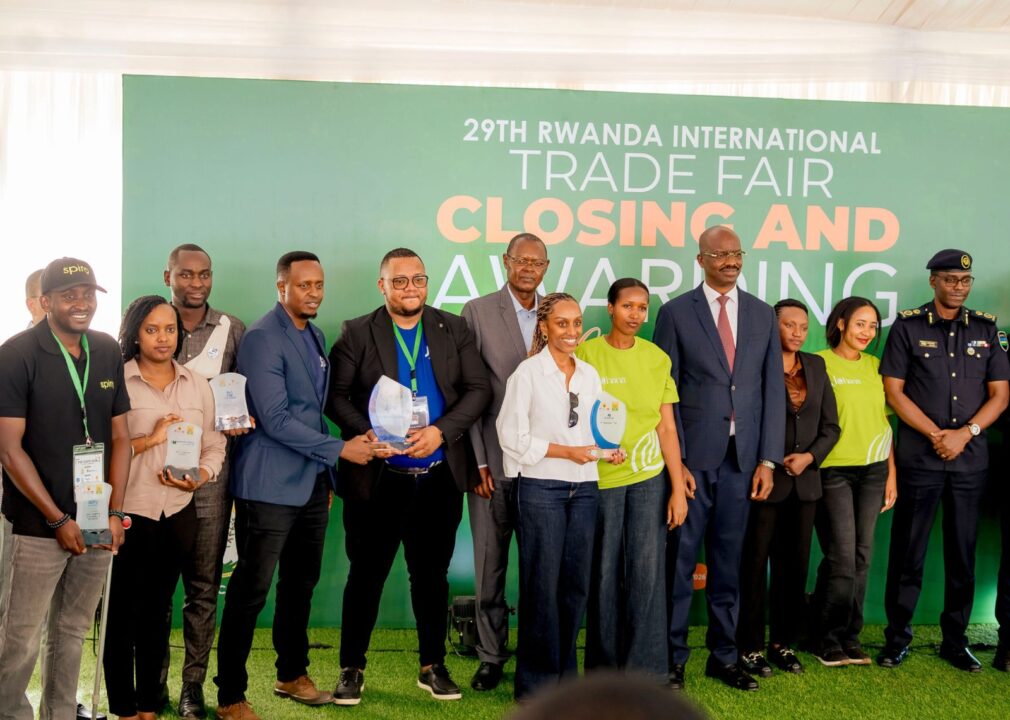
Rwandan brands took top honors across some of the exhibition’s most competitive categories.
KIGALI – Rwanda’s homegrown brands had the strongest showing at the 29th Rwanda International Trade Fair, taking top honors across some of the exhibition’s most competitive categories.
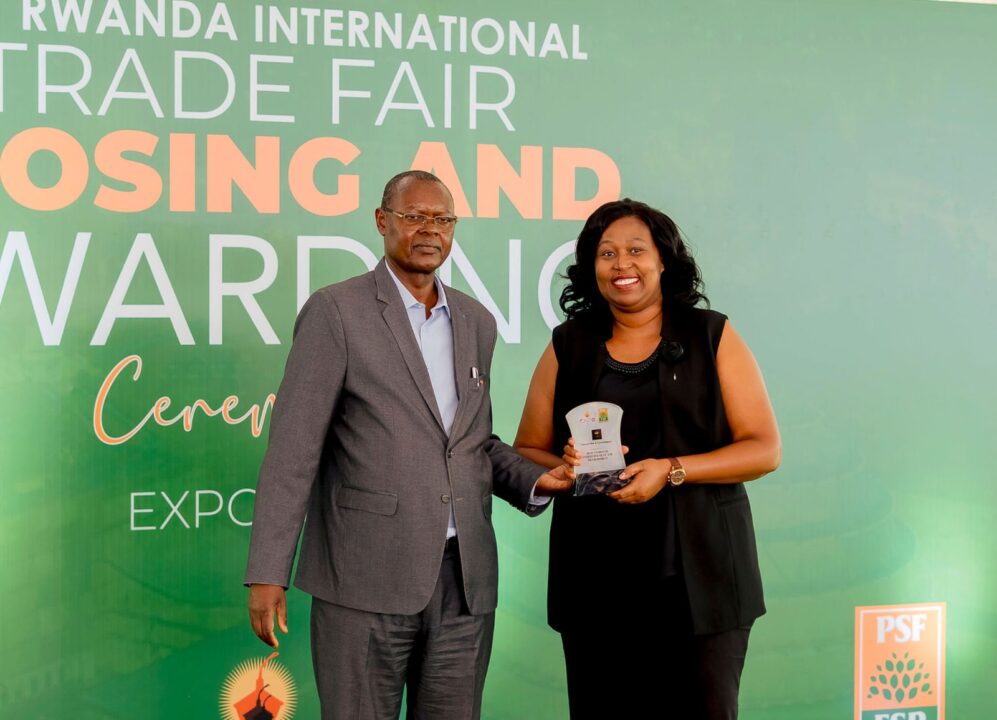
Jibu Rwanda emerged as the overall best exhibitor winning in a field of 494 companies that participated in the 2026 Expo.
Other Rwandan companies recognized are San Tech (best exhibitor in ICT and innovation), Sunshare Power Rwanda (energy) and Spiro (transport and automobile).
Irembo was named the most popular exhibitor, while Johana Products and ICM Rwanda Agribusiness finished as first and second runners-up respectively for the overall award.
Super One Industries Ltd was awarded best exhibitor in the Made in Rwanda category.
The wide dominance of local brands across a spectrum of sectors suggests that Rwanda’s products are becoming increasingly visible across sectors that are central to its economic ambitions.
A Strong Showing, But A Bigger Expectation
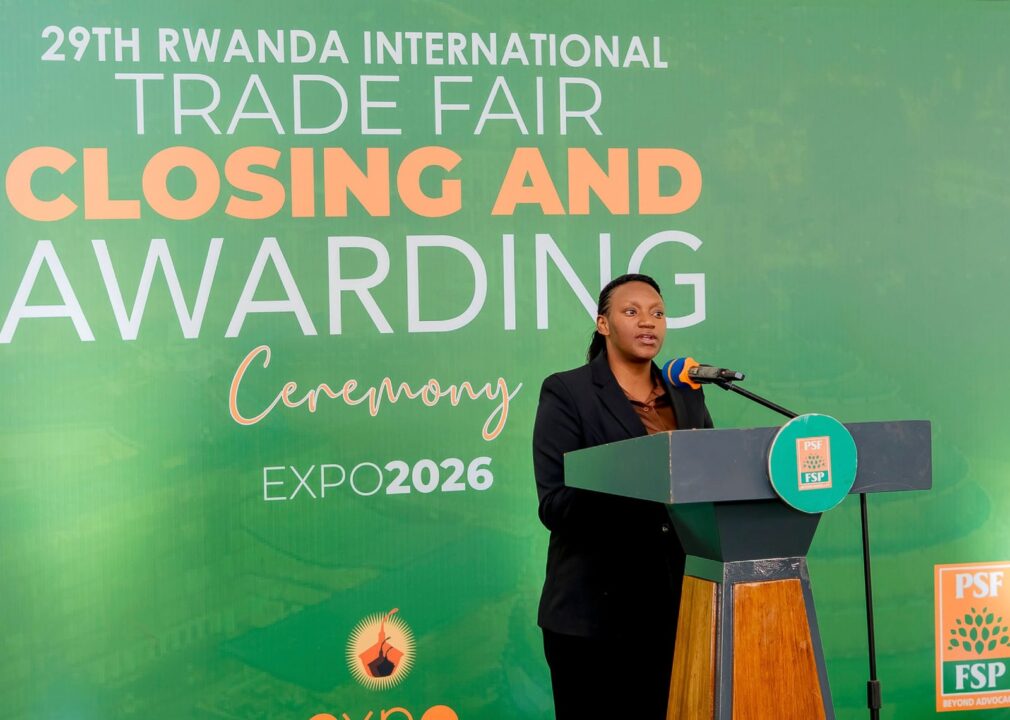
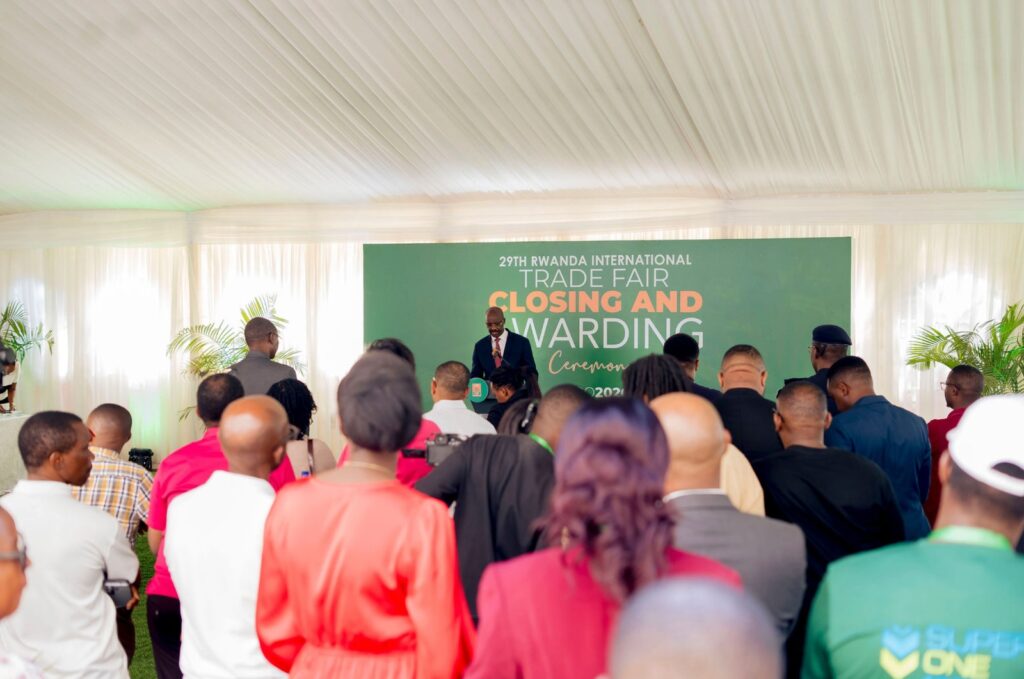
MINICOM Permanent Secretary Chantal Tuyishimire, urged exhibitors to turn relationships established at the event into new markets.
For MINICOM Permanent Secretary Chantal Tuyishimire, however, the awards should not be the end of the story.
“We want the opportunities created during this trade fair not to end here,” Tuyishimire said, urging exhibitors to turn relationships established at the event into new markets, business agreements, investments and jobs.
That expectation gives this year’s results a significance beyond the closing ceremony.
The companies recognized were spread across technology, manufacturing, energy, mobility, digital services and agribusiness, offering a picture of a private sector whose local brands are becoming more varied and confident in presenting themselves to consumers.
PSF Chairman François Twagirumukiza said exhibitors had made notable progress in product quality, customer care and compliance, factors he said contributed to the success of the exhibition.
He said the organizers would seek to raise the quality of the event further as Rwanda prepares for the 30th edition of the trade fair in 2027.
What The Winners Are Building
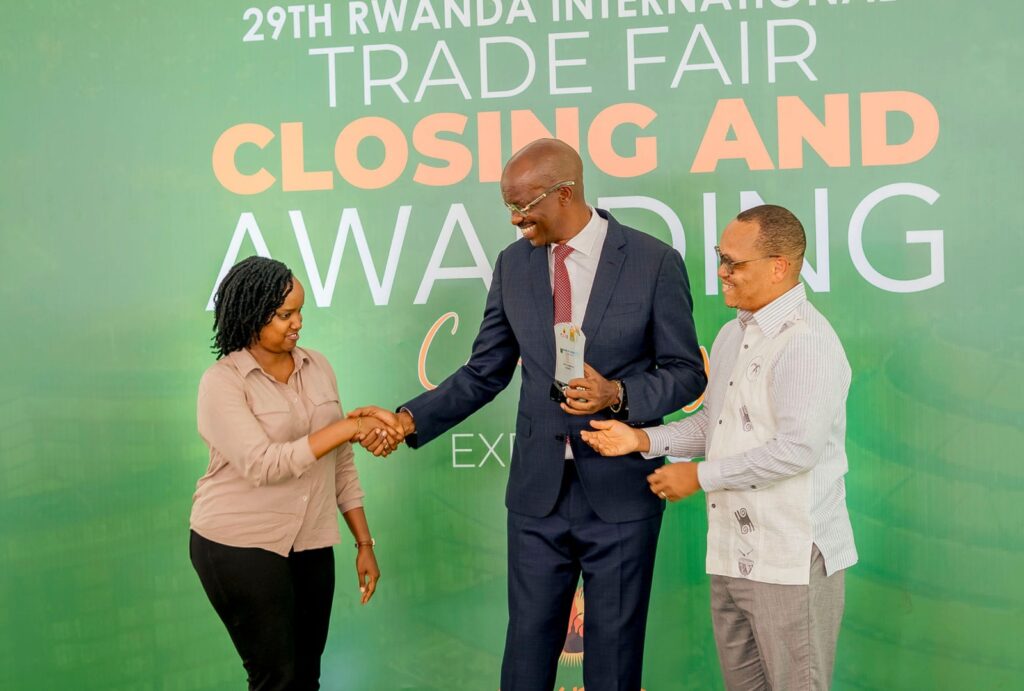
For the businesses themselves, the recognition is less about a trophy than what it says about their brands.
Amit Chawla, Managing Director of Spiro Rwanda which won the transport and automobile category, saw the award as recognition of the company’s broader work in sustainable mobility.
“We are deeply honored to receive this recognition. We even more proud that PSF continues to play an important role in bringing private sector together, recognizing innovation and creating an environment where businesses can contribute meaningfully to the country’s growth,” he noted.
He acknowledged that the award had given the company renewed commitment to advancing sustainable mobility in Rwanda, while creating opportunities for businesses engagement with the public.

Jibu Rwanda, meanwhile, used its second participation at the Expo to demonstrated its production process, engage visitors on water quality and safety, and showcase the story of a Rwandan brand that has expanded into eight African countries.
“Winning the overall best exhibitor award at Expo 2026, is a major milestone for Jibu Rwanda and a proud moment for our entire team, franchise network, and partners,” said Bruno Tuyisenge, Jibu Rwanda Country Manager.
The award, he said, confirmed that the company had achieved what it set out to accomplish at the fair.
Beyond the Expo
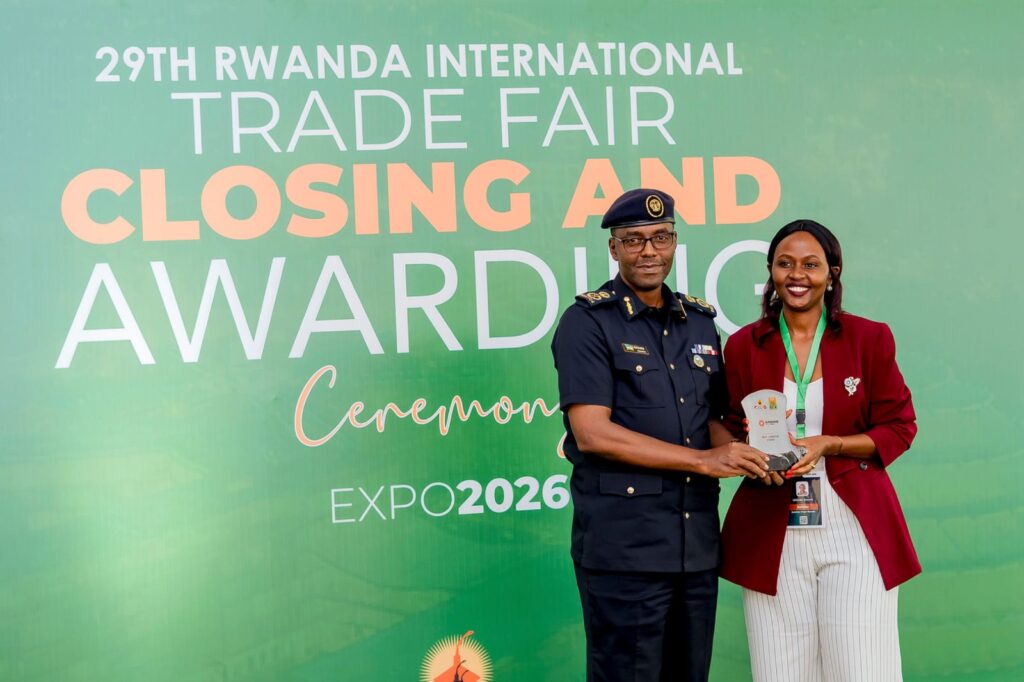
Under NST2, the country targets increased investment and nearly double exports, ambitions that MINICOM says will require a stronger contribution from manufacturers, investors and the private sector.
Tuyishimire said government would continue working with businesses to improve the quality and competitiveness of Made-in-Rwanda products and expand their access to markets.
From her observation, that ambition already exists amongst Rwandan companies.
And if Rwandan brands can stand out on a crowded exhibition floor, then the next task is turning that visibility into stronger businesses, larger markets and more products beyond the country’s borders.