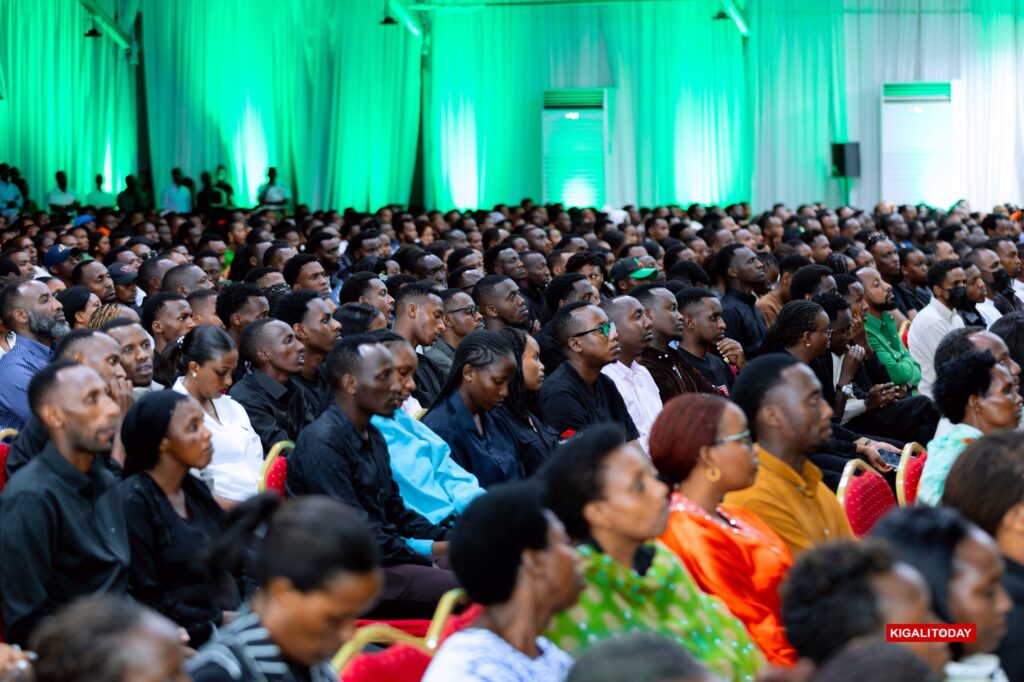
The Banyamulenge community in Rwanda held the 22nd commemoration of the Gatumba massacre which occurred on August 13, 20024 in Burundi.
KIGALI – For Kimararungu Musamatare, survival began with pretending to be someone he was not.
In 1996, as violence swept through Banyamulenge communities in South Kivu, some families dressed boys in wrappers, skirts and dresses and told them to pretend to be girls. Being identified as a boy could mean death.
Kimararungu was one of them.
“At that time, people said even a baby in the womb should be killed. God blinded their eyes and some of us boys, including me, crossed wearing wrappers, others wearing skirts, and others wearing dresses so that we could survive,” he recalls.
Nearly three decades later, he still carries memories of those who did not escape.
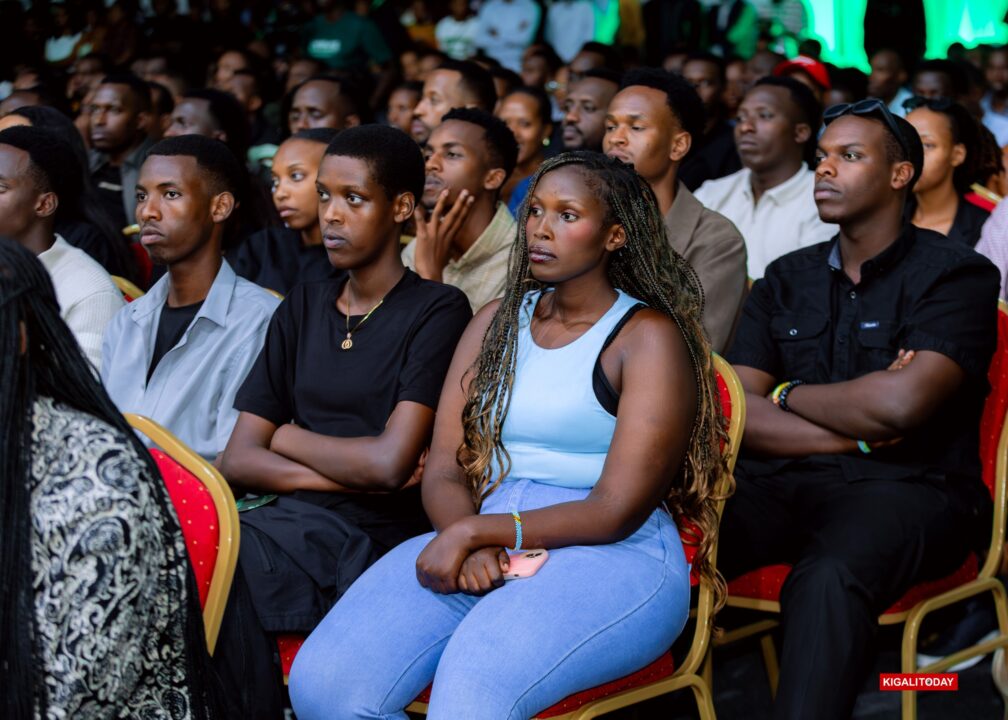
He was speaking on August 13, 2026, when the Banyamulenge community in Rwanda gathered at Camp Kigali, now the Kigali Exhibition and Conference Village, to mark the 22nd anniversary of the Gatumba massacre in Burundi.
The commemoration came under the theme “Remember, Seek Justice, and Condemn Genocide Ideology in the DRC.”
For those gathered, Gatumba was not simply a tragedy from 2004. It was part of a much longer history of violence, displacement and contested identity in the Great Lakes region — and a reminder that many of the questions surrounding the killings remain unanswered.
A Childhood Defined by Survival
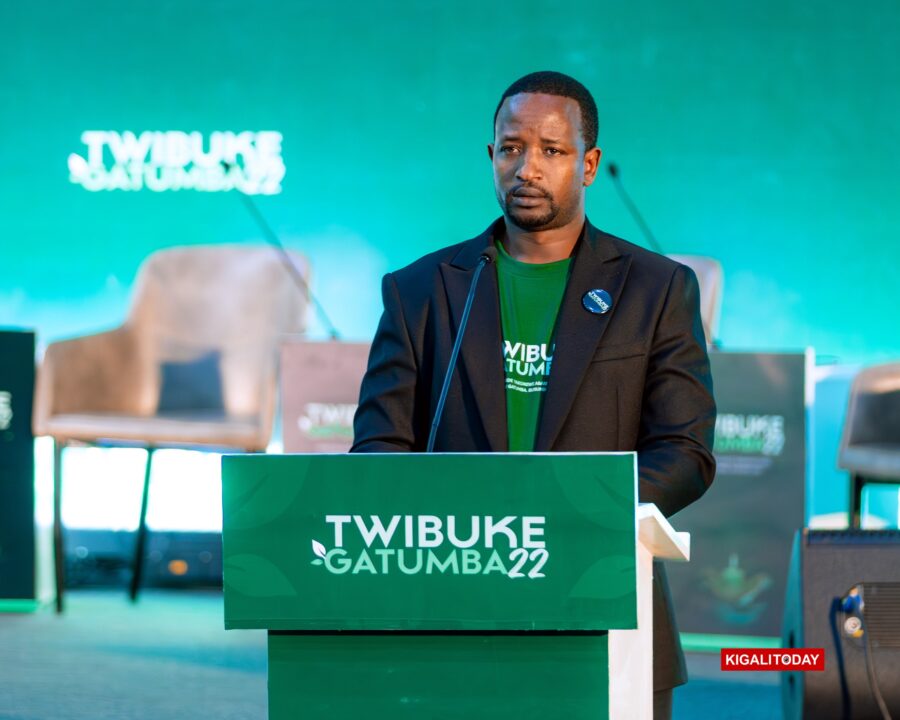
Kimararungu Musamatare was one of the children who dressed in women attire to disguise as girls in order to escape death.
Kimararungu was a child in Kabela, South Kivu, when violence reached his community.
He says attackers first looted Banyamulenge homes before gathering families in churches. Names were read from lists, and families were loaded onto trucks.
Nobody knew where they were being taken.
“Some said we were going to be killed. Others said we would be thrown into Lake Tanganyika. Others said we were being taken back to Rwanda,” he recalls.
The families were eventually taken to Baraka and put on boats toward Uvira. Upon arrival, they were transferred to trucks heading toward Kamanyola, near the Rwanda-DRC border.
It was there that Kimararungu saw his father for the last time.
Men were separated from women and children and taken away. His father was among them. He never returned.
As searches continued, Kimararungu says some boys were disguised as girls to avoid being identified.
Figures presented during the commemoration indicate that hundreds of Banyamulenge were killed in several locations in 1996, including 234 in Bibogobogo, 37 in Kabela, 79 in Bivumu and 13 in Magaja.
Survivors say victims were killed in brutal ways, including with machetes, while some bodies were thrown into Lake Tanganyika.
For Kimararungu, those events never became simply history.
Eight years later, Gatumba
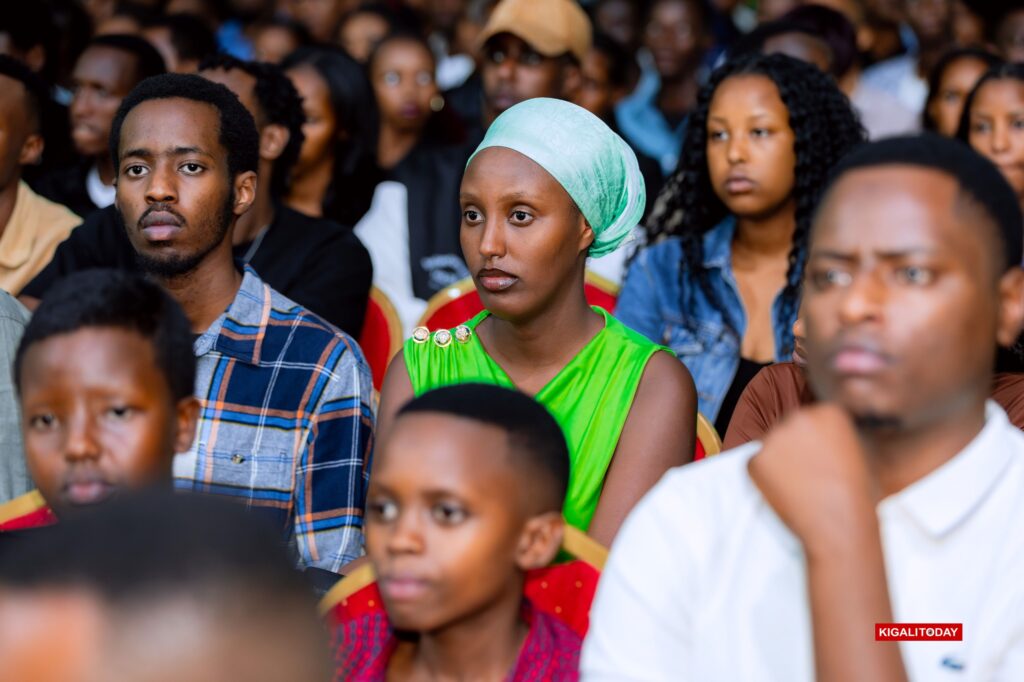
Commemorations carry their true meaning of not simply remembering the victims, but keeping open the questions that followed their deaths.
Eight years after the violence in Kabela, another massacre struck Banyamulenge refugees who had fled fighting in eastern Congo.
The Gatumba massacre took place at a UNHCR refugee transit camp on the western outskirts of Gatumba, in Mutimbuzi Commune, Bujumbura Rural Province, about 20 kilometres from Bujumbura and just over 3 kilometres from the border with the Democratic Republic of Congo
On the night of August 13–14, 2004, armed attackers stormed the Gatumba refugee camp, a UNHCR-supported transit centre housing Congolese refugees.
More than 160 people were killed. The commonly cited figure is 166, most of them Banyamulenge women, children and elderly people. Many were shot, while others were burned inside the shelters where they were sleeping. More than 100 others were wounded.
The PALIPEHUTU-FNL, an extremist rebel movement in Burundi, claimed responsibility for the attack. The group has recently resurrected, as has been reported by KT Press.
A joint investigation by UN peacekeeping missions and the UN human rights office found that 152 Congolese refugees from the Banyamulenge community were killed, 106 were wounded and eight remained missing. The investigation said the refugees appeared to have been targeted because of their ethnicity.
International campaigners have likewise documented the attack, concluding that the victims were Banyamulenge refugees and that the FNL was the chief force in the slaughter. The FNL claimed responsibility shortly after the attack, although its former spokesman later denied making the statement.
Other accounts at the time alleged the involvement of Congolese Mai-Mai, while the full extent of involvement by different armed groups has remained contested. Other investigations also documented competing accounts and warned that the massacre was quickly drawn into the political struggles of Congo and Burundi.
For Banyamulenge survivors, however, the central fact remains that civilians in a refugee camp were killed because of their identity.
International probes described the victims as mostly Banyamulenge refugees — Congolese Tutsi from South Kivu — and found that refugees from other ethnic groups in the camp were spared.
A massacre without justice
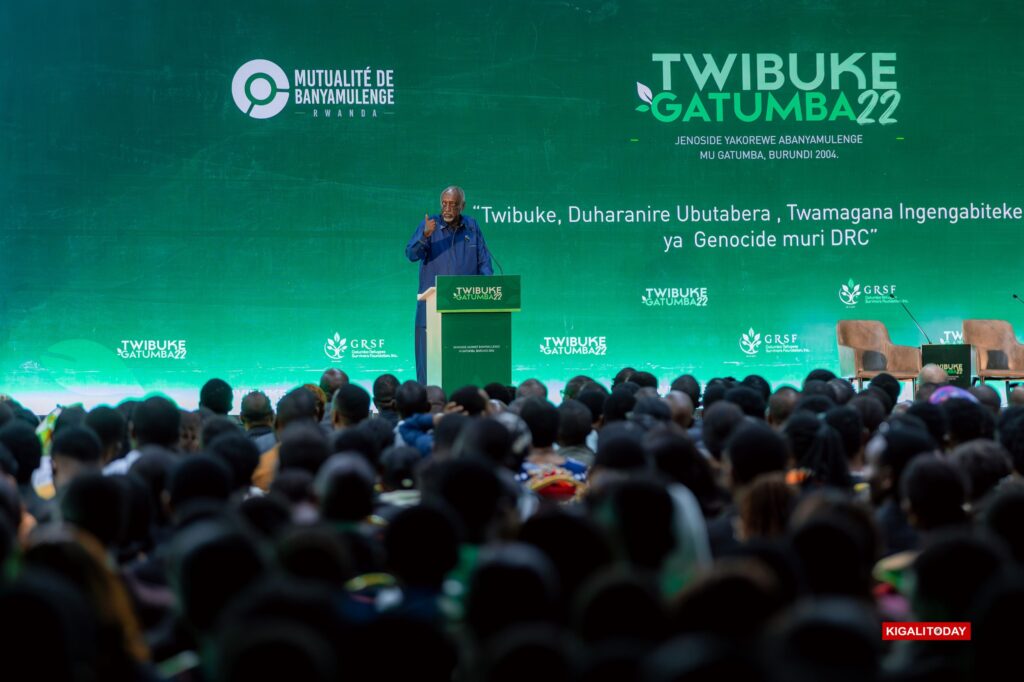
The passage of 22 years has not brought the accountability survivors have sought.
Rights groups reported in 2019 that a criminal case opened in Burundi in 2013 had stalled the following year, with no meaningful progress toward prosecution. It called for those responsible to be tried credibly and impartially.
That unresolved history was central to the Kigali commemoration.
Speakers stressed the failure to protect the refugees and the enduring trauma carried by survivors and families. They called for investigations and accountability, including renewed efforts through national and international legal mechanisms.
For the community, justice is not only about the past. It is also about the present.
From Gatumba to Today’s Eastern Congo
Banyamulenge representatives say the conditions that made Gatumba possible have not disappeared.
They point to continued violence, displacement and hate speech targeting Banyamulenge communities in South Kivu, particularly in the highlands around Minembwe.
They allege that civilians have continued to face attacks involving armed groups and, in some cases, heavy weapons and drones.
Those allegations require independent investigation. But for survivors, they reinforce the argument that the lessons of Gatumba remain relevant.
The commemoration therefore linked remembrance with a broader warning against what participants described as “genocide ideology” and ethnic hatred in the DRC.
They called for greater protection of civilians, humanitarian assistance for communities affected by the fighting, and an end to impunity.
The message was also directed at younger generations: remember what happened, document it, teach it and make sure it is not repeated.
The Identity Question
The event itself also showed how sensitive questions of identity remain in the Great Lakes region.
Tito Rutaremara, a veteran RPF cadre who addressed the gathering, referred to the Banyamulenge as “Abanyarwanda bo muri Congo” – (“Rwandans in Congo.”)
The remark generated controversy.
Some Congolese voices and Banyamulenge commentators criticized the description, arguing that it denies or undermines the community’s claim to Congolese nationality. They said such language echoes the very exclusionary narratives that have historically portrayed Banyamulenge as foreigners in the DRC.
Others viewed Rutaremara’s remarks within the broader historical relationship between communities in Rwanda, Burundi and eastern Congo.
The dispute illustrates why identity remains at the heart of the region’s conflicts: questions of who belongs, who is considered Congolese and who is portrayed as foreign have repeatedly been linked to violence and displacement.
For Banyamulenge representatives, asserting their Congolese identity is therefore central to their calls for protection and recognition.
Why Rwanda?
The decision to hold the 2026 commemoration in Rwanda also reflects the community’s history of displacement.
A substantial Banyamulenge population, including refugees and longer-term residents, lives in Rwanda, which has hosted similar commemorations in previous years.
Reports also indicated restrictions on official Gatumba commemorations in Burundi this year.
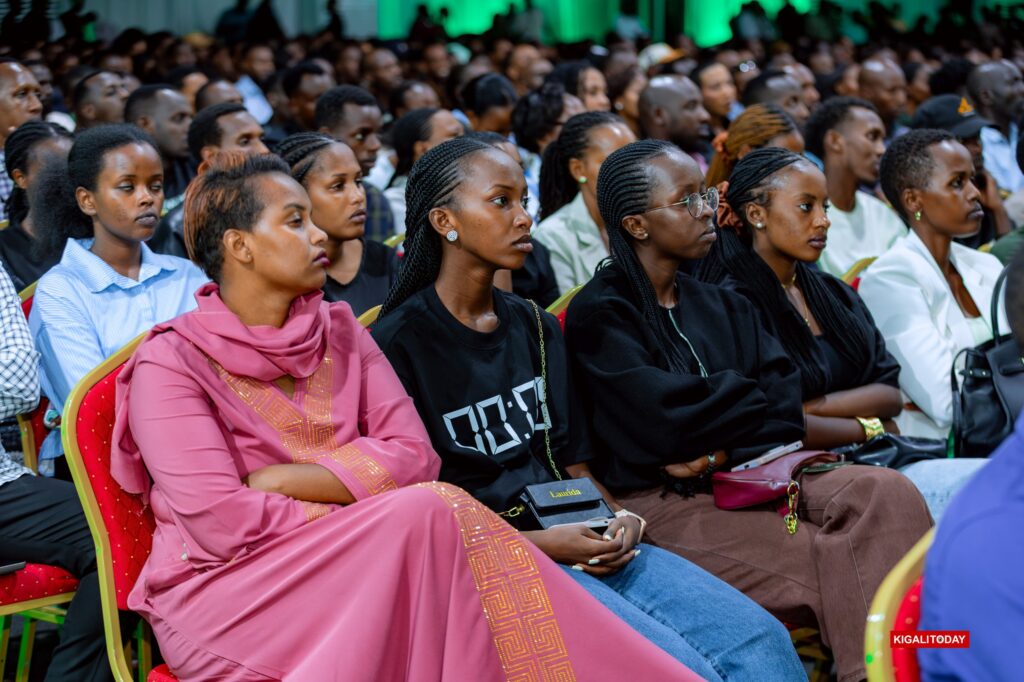
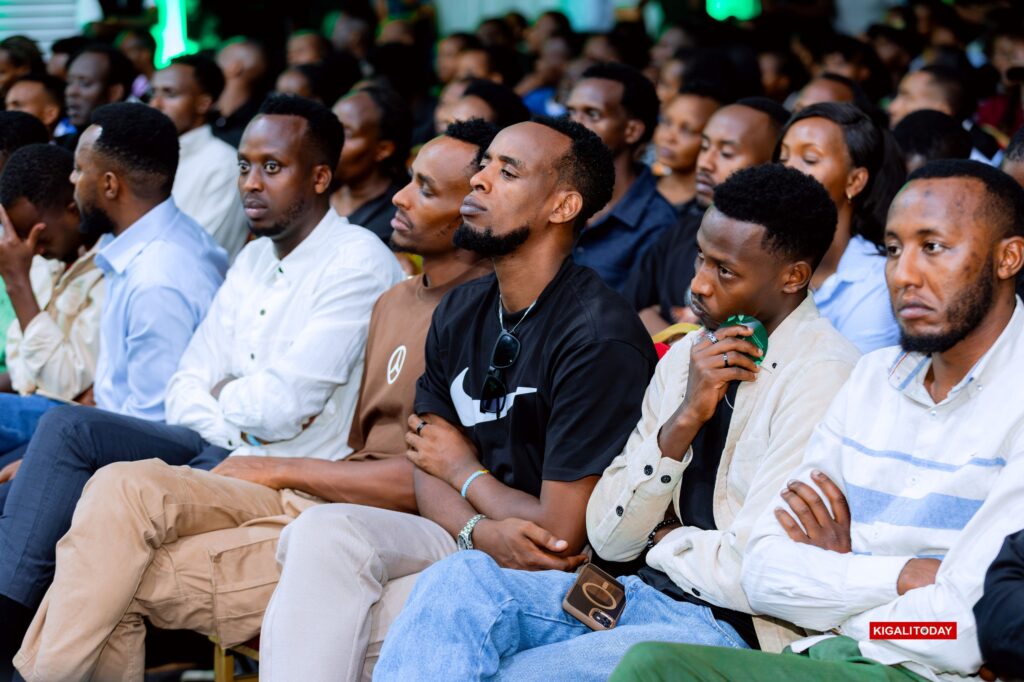
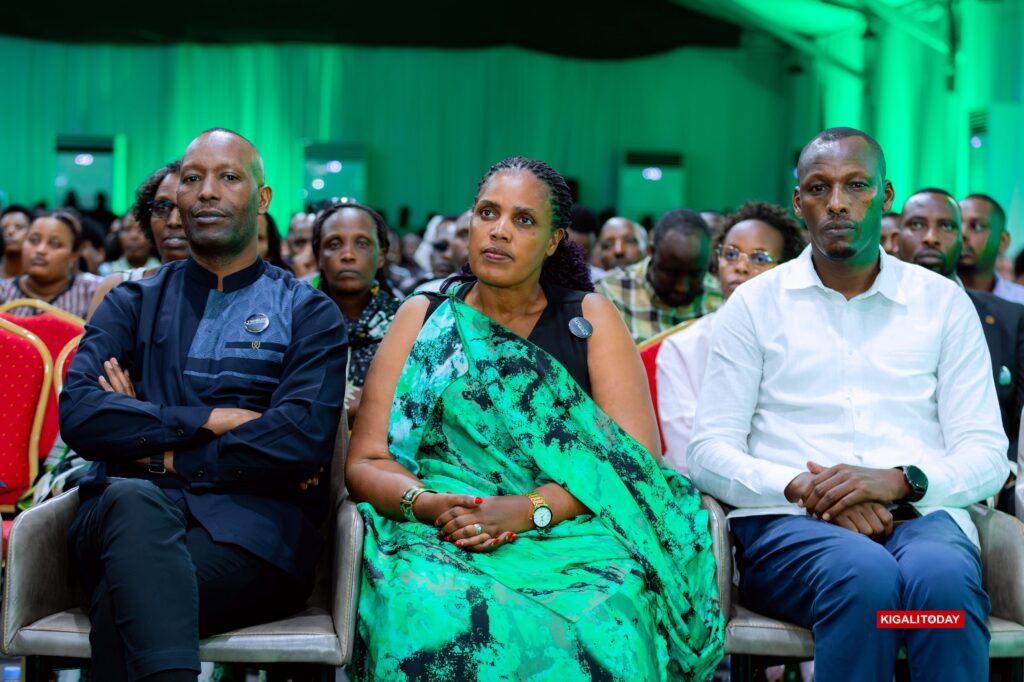
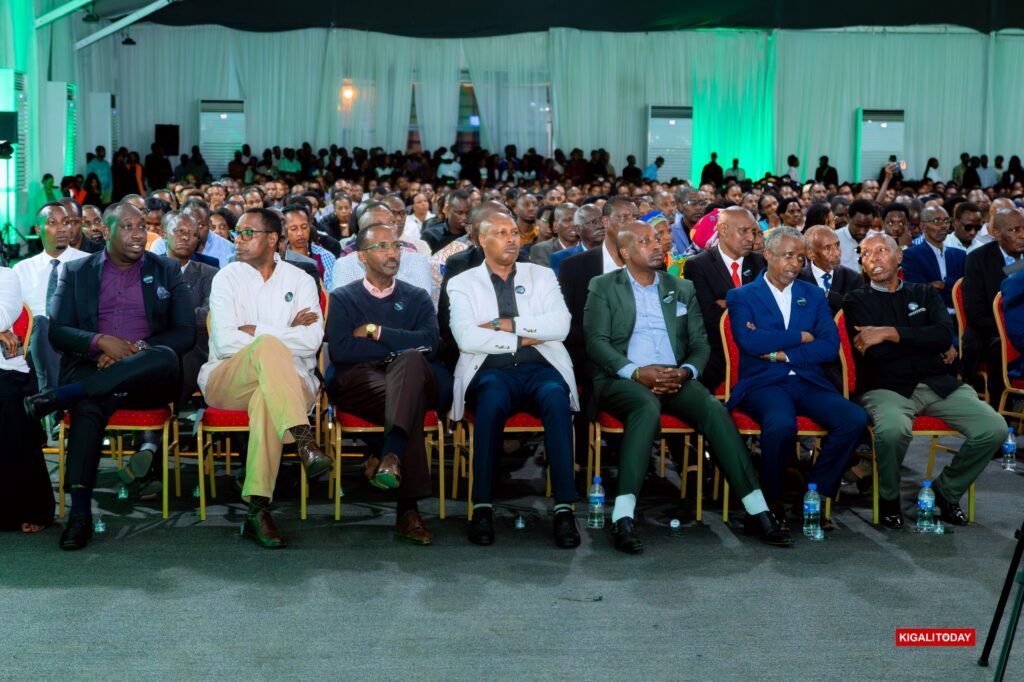
The Kigali event brought together Banyamulenge living in Rwanda, members of the diaspora and Rwandans expressing solidarity. The program included remembrance, speeches, survivor-focused messages and closing remarks, and was livestreamed, including by Kigali Today.
The setting also carried a broader meaning. Rwanda’s own history of the 1994 Genocide against the Tutsi has made “never again” a powerful part of its public discourse around mass violence.
At the same time, Banyamulenge identity remains distinct and their claim to Congolese nationality remains central – and contested – in the wider regional debate.
Remembering beyond Rwanda
The commemoration in Kigali was part of a wider effort by survivors and diaspora groups to keep Gatumba in public memory.
Parallel events were held or planned in countries including the United States and Canada, as well as online. In Columbus, Ohio, the Gatumba Refugee Survivors Foundation and related groups planned activities from August 14 to 16, including survivor testimonies, prayer and calls for accountability.
The purpose, organizers say, is not simply to mourn.
It is to keep asking what happened, why civilians were targeted, why those responsible have largely escaped prosecution and what must be done to prevent similar violence.
The questions that remain
Twenty-two years after Gatumba, no major prosecution has brought a sense of final accountability to survivors. The failure to deliver justice has become part of the tragedy itself.
For Kimararungu, the issue is deeply personal. He survived Kabela. His father did not.
He grew up carrying memories of families being separated, people being taken away in trucks and children disguising themselves simply to stay alive.
Now he tells that story again because many of those who experienced it are no longer alive to tell it themselves.
At the close of the Kigali commemoration, Apostle Serukiza Sosthene thanked God that some survivors, including people identified in reports as Makenge and Sematama, were still alive.
That sentiment captured the meaning of the gathering: survival itself has become part of the community’s memory. But survival has not erased the questions.
For the Banyamulenge, Gatumba remains both a wound and a demand – to remember the victims, reject ethnic hatred, protect those still at risk and finally establish who was responsible for the deaths of August 13, 2004.
Twenty-two years later, the memory remains. So does the search for justice.