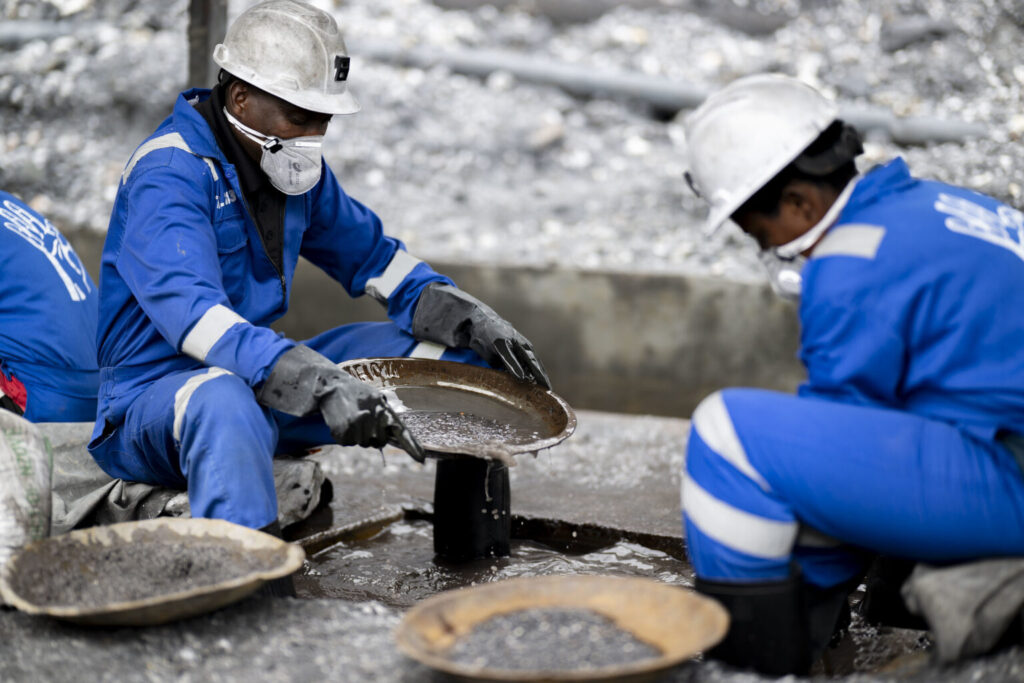
Workers at Trinity Metals’ Nyakabingo mine.
KIGALI – Rwanda has taken a bigger position in the supply chain of one of the world’s most strategically sensitive minerals, with the government acquiring a 25% stake in a new tungsten venture with US-listed Almonty Industries.
Under the agreement signed on September 14, Rwanda will contribute the Shyorongi tungsten exploration concession in Rulindo district and a mineral processing license in exchange for its equity in Almonty Rwanda. Almonty will hold the remaining 75%.
The partnership comes as Western countries scramble to secure alternatives to China, which accounts for about 82% of global mined tungsten production and remains overwhelmingly dominant in the mineral’s supply chain.
Tungsten is valued for its exceptional hardness, density and heat resistance and is used in defence equipment, aerospace applications, electronics and industrial machinery.
Its strategic importance has increased sharply as China has introduced export controls on certain tungsten-related materials and technologies.
The new partnership builds on a supply relationship that has already put its tungsten directly into the US market.
From Rwandan Mines to US Defence
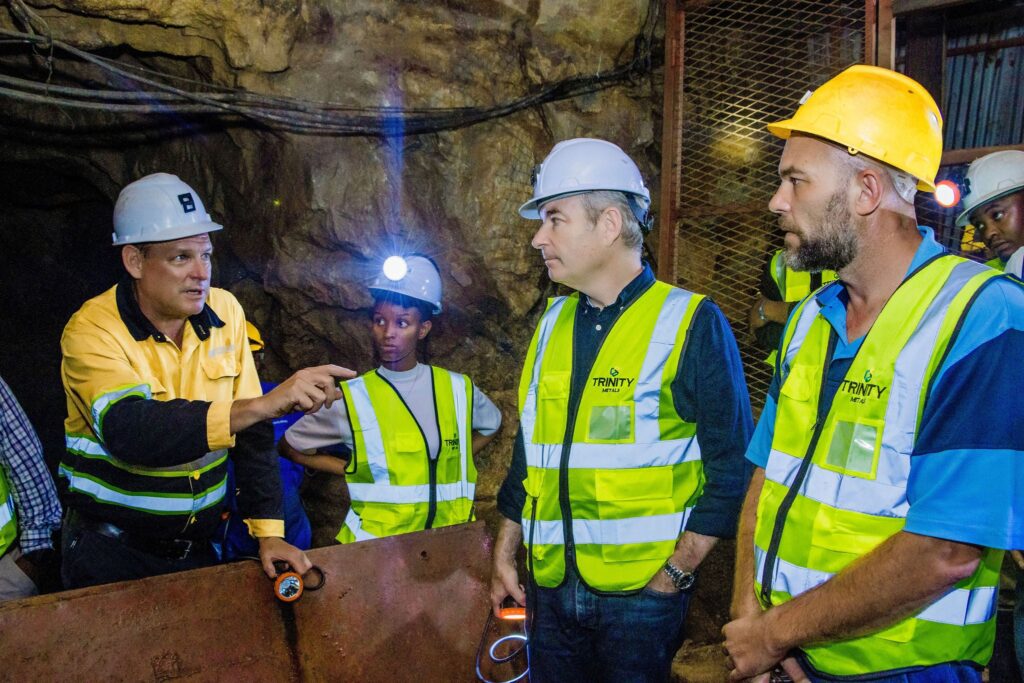
In June, minerals from Trinity Metals’ Nyakabingo mine began arriving at Global Tungsten & Powders (GTP) in Pennsylvania.
Earlier this year, Rwanda became a new source of tungsten concentrate for the American market when material from Trinity Metals’ Nyakabingo mine began arriving at Global Tungsten & Powders (GTP) in Pennsylvania.
More than 320 tonnes of high-grade concentrate had been shipped from Nyakabingo to GTP by June, according to Trinity Metals.
The material is processed into tungsten powders used by US defence and industrial customers. Trinity said the shipments accounted for up to 20% of US primary tungsten concentrate consumption.
That development gave Rwanda an unusual position in a market where the United States has no domestic mined tungsten production and where supply is heavily concentrated in China.
The Almonty agreement now seeks to broaden that role beyond individual mine exports. “The most immediate opportunity here is the material that is already being produced,” said Lewis Black, Almonty’s CEO.
“Rwanda’s small-scale license holders are producing ore, pre-concentrate and panning tailings today, and this agreement allows us to collect, upgrade and export that material while we build out the collection and processing plant,” he added.
Black explained that the objective is to address what he described as a widening tungsten supply deficit in the West.
“We are combining that existing production base with modern processing, traceability and our own exploration program, with the Government of Rwanda participating alongside us as an equity partner,” he said.
The arrangement will allow Almonty Rwanda to acquire ore, pre-concentrate and panning tailings from existing Rwandan mining license holders. The material can initially be exported or upgraded at Almonty facilities elsewhere while a processing operation is developed in Rwanda.
A mobile processing unit is also planned to work temporarily near existing tailings dams, allowing the venture to recover additional tungsten without waiting for a large central plant to be completed.
The longer-term objective is a collection and processing plant in Rwanda, alongside exploration of the approximately 32-square-kilometre Shyorongi block.
Rwanda Moves Deeper into Critical Minerals
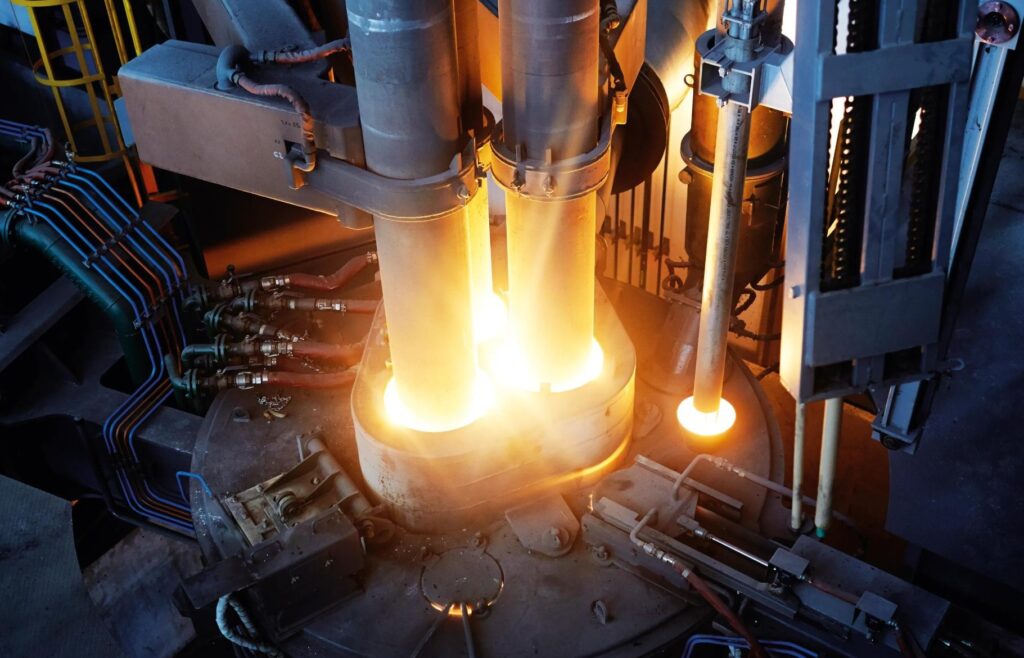
Tungsten powders are used by US defence and industrial processes.
The agreement gives Rwanda a direct equity position in the venture rather than simply providing a concession or regulating a foreign investor.
For the Government, that creates an opportunity to capture more value from a mineral in which Rwanda already has a significant global position.
The US Geological Survey ranked Rwanda the world’s sixth-largest tungsten producer in 2024, accounting for about 1.6% of global production. Rwanda also ranked third globally in tantalum production.
But much of Rwanda’s tungsten production comes from smaller-scale operators, making collection, recovery, traceability and processing critical to expanding the sector.
Alice Uwase, CEO of the Rwanda Mining Board, said the partnership would help move the industry beyond extraction.
“This investment will help to transform our mining sector by introducing world-class processing infrastructure, international standards for environmental and social governance, and a comprehensive training program to develop Rwandan talent,” she said said.
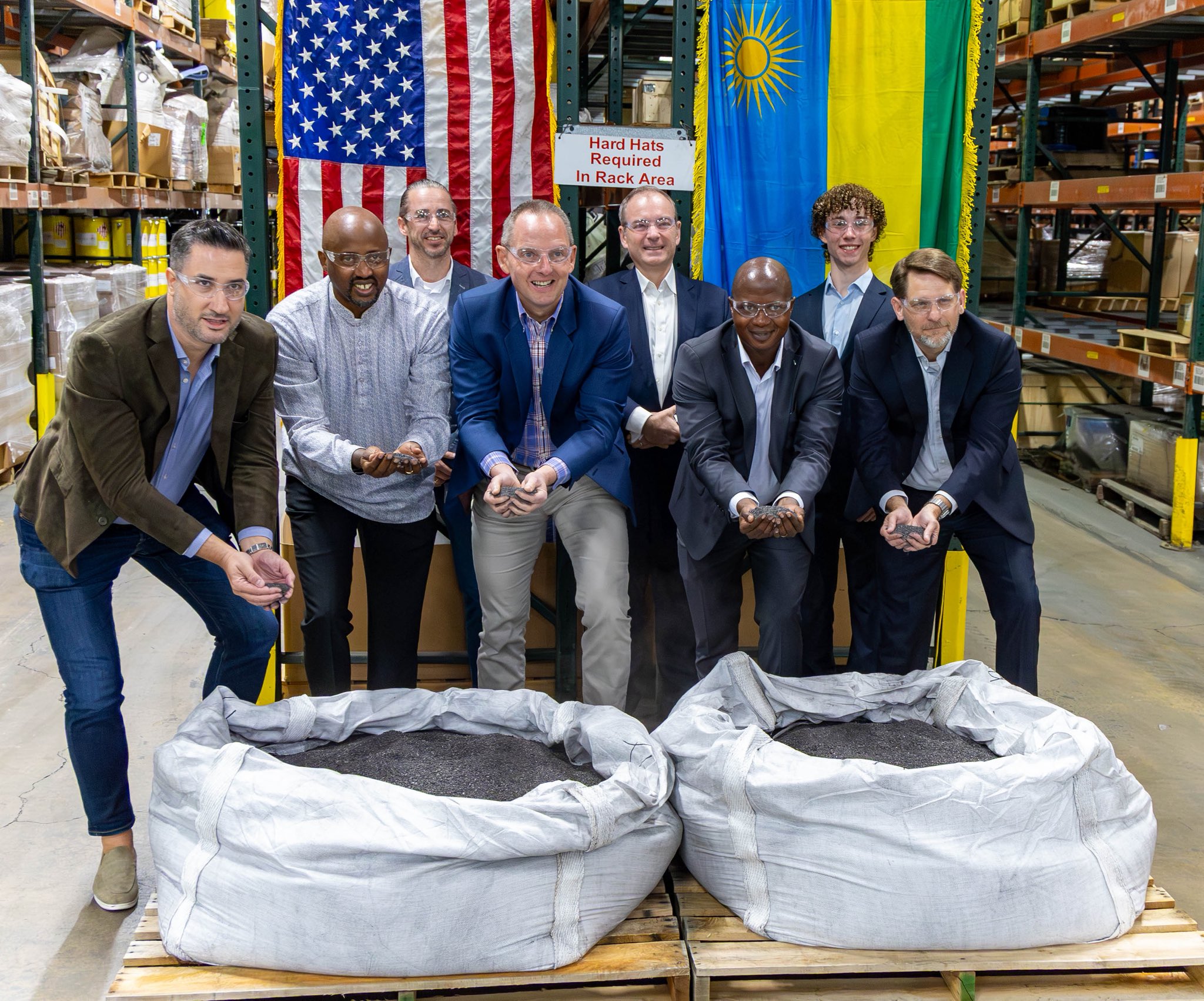
More than 320 tonnes of high-grade concentrate were shipped from Nyakabingo to GTP in June this year.
The partnership was introduced through the US Department of State and is aligned with the 2025 US-Rwanda Framework for Shared Economic Prosperity, placing the project within a wider effort to develop critical-mineral supply chains between Rwanda and Western markets.
From January 1, 2027, US defence acquisition rules will extend restrictions on certain tungsten materials from covered countries back to the mining or production of tungsten ore or feedstock, increasing the importance of traceable, non-China supply chains.
For Rwanda, that creates an opportunity that extends beyond selling another mineral commodity and positions the country as a potential strategic link between African mineral production and Western defence and advanced-technology industries.
The larger ambition is for the country to become a more important and more integrated source of critical minerals for markets seeking to reduce dependence on China.