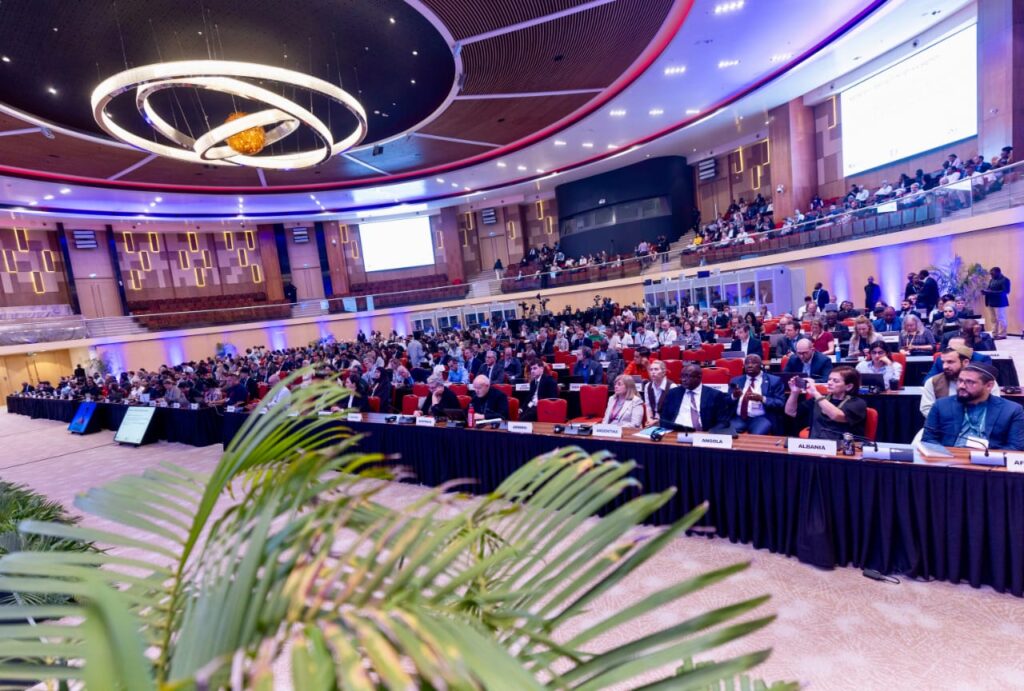

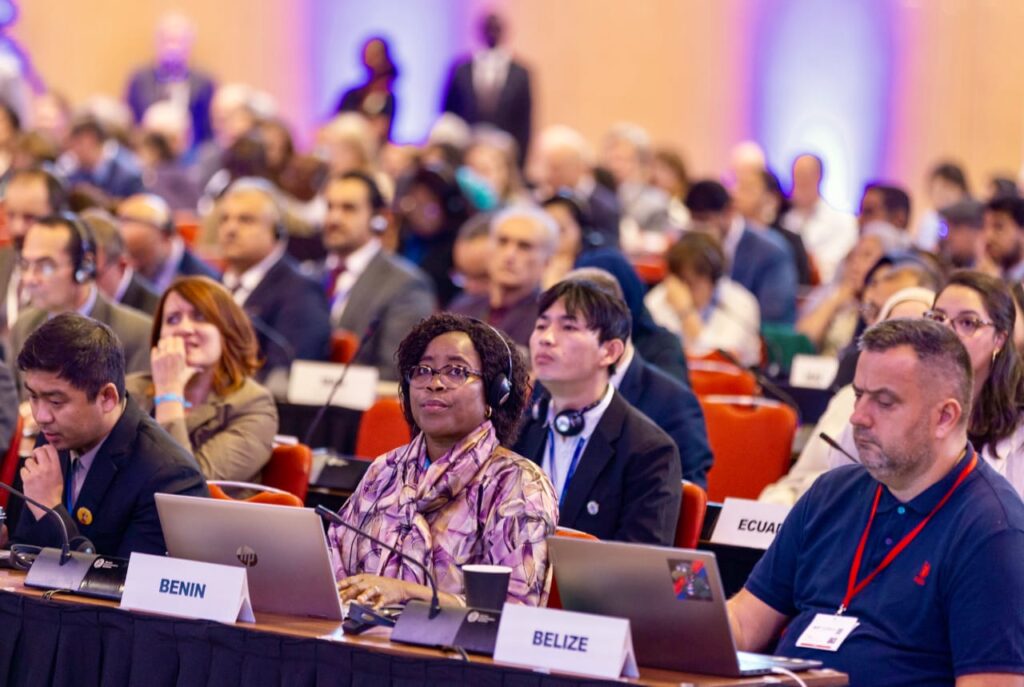
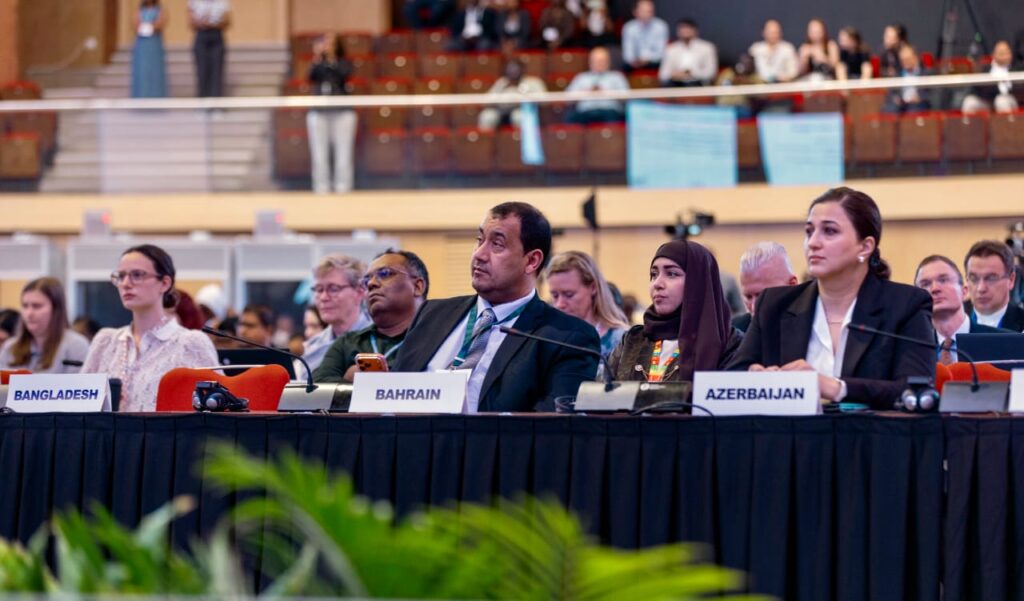
 KIGALI – Ten years after the world agreed in Rwanda to phase down hydrofluorocarbons (HFCs), implementation remains a challenge for people whose livelihoods, healthcare and economic opportunities depend on access to reliable cooling.
Farmers struggle to preserve their harvests, health facilities require dependable refrigeration for vaccines and essential medicines, access to cooling facilities remains a challenge, particularly in Africa, where electricity supply is still limited or unreliable in many communities.
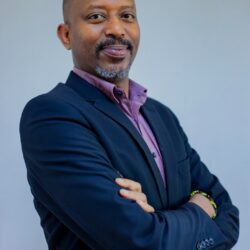
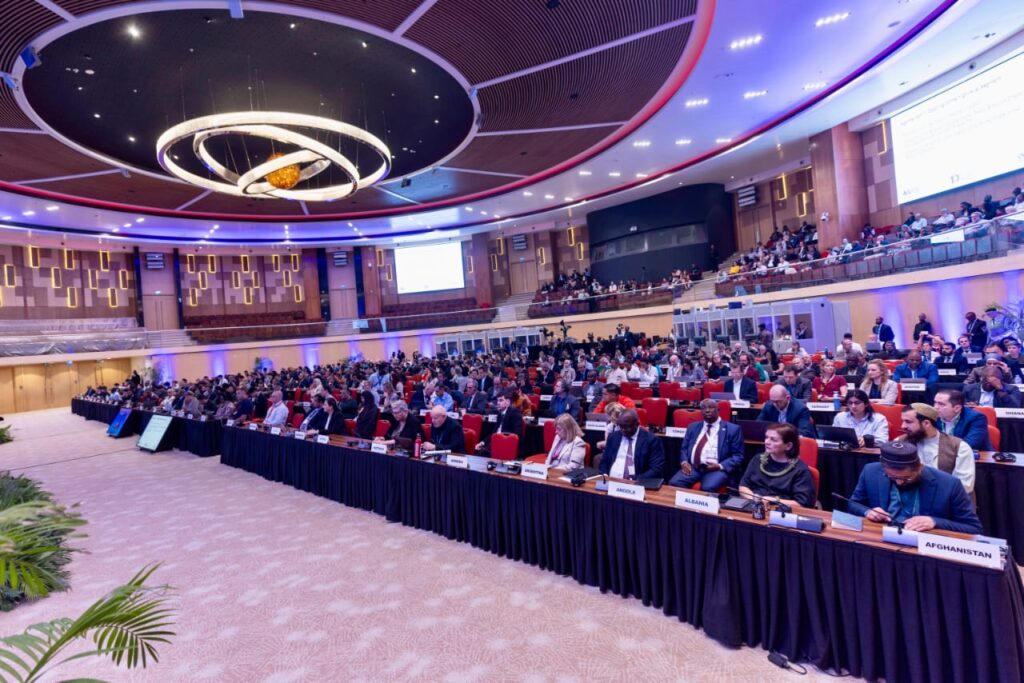
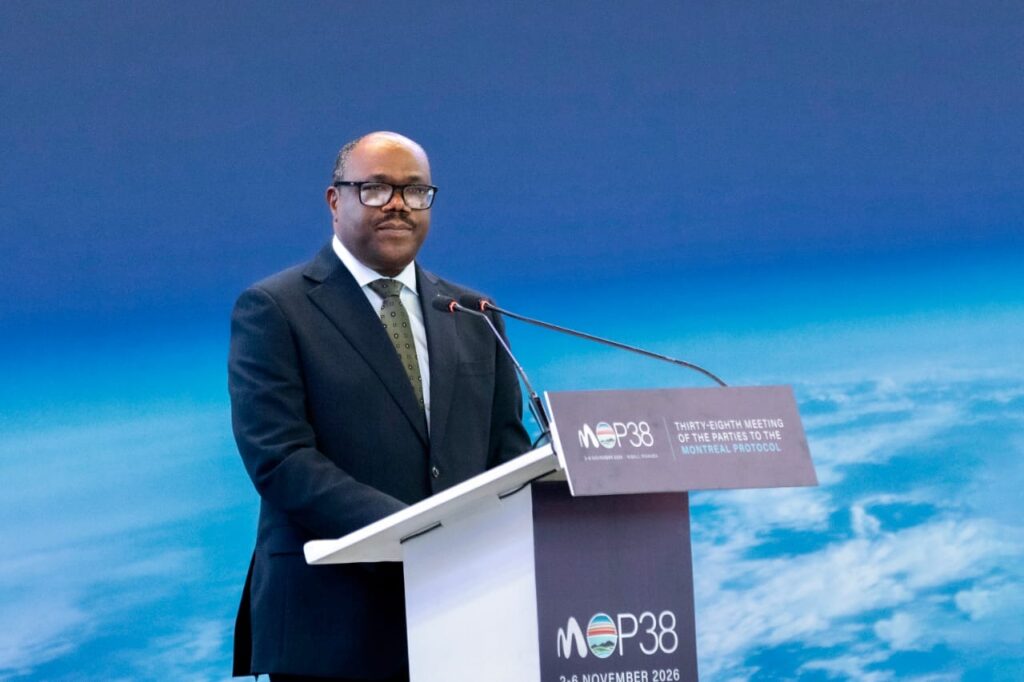
During a high-level segment of the 38th Meeting of the Parties to the Montreal Protocol (MOP38) on November 5, Prime Minister Justin Nsengiyumva highlighted this gap and challenged countries to address it.
The Kigali Amendment is seen as a major international environmental breakthrough, committing to gradually reduce the production and consumption these powerful greenhouse gases widely used in refrigeration and air conditioning.
However, PM Nsengiyumva suggests that the achievement should not become a reason for complacency, saying the next phase must demonstrate that global environmental cooperation can deliver tangible improvements in people’s lives.
“That means this transition must go beyond replacing one technology with another. It must also build the infrastructure, develop the skills and nurture the industries that enable countries to fully benefit from sustainable cooling,” he said.
For farmers, he explained, reliable cold storage can determine whether produce reaches the market or is lost after an entire season’s labor. In healthcare, it can mean ensuring that life-saving vaccines and essential medicines reach even the most remote communities.
For developing countries, this presents a particularly important challenge of expanding access to cooling while ensuring that the technologies supporting that expansion do not undermine efforts to address climate change.
Rwanda seeks to contribute to that effort through the Africa Centre of Excellence for Sustainable Cooling and Cold-chain (ACES), established with a pan-African vision to bring together research, training, technology development and practical application.
Nsengiyumva also called for stronger South-South cooperation and international partnerships, calling for developing countries to have the expertise and resources to shape the transition rather than simply adapt to technologies developed elsewhere.
The Unfinished Development Promise
Elizabeth Maruma Mrema, Deputy Executive Director of the United Nations Environment Program (UNEP), said the Montreal Protocol remains an example of what countries can accomplish through sustained international cooperation.
“Even as reaching global consensus becomes increasingly difficult, the Multilateral Fund, which has supported governments in establishing reporting systems, strengthening regulatory frameworks and building the capacity needed to implement the Kigali Amendment,” she said.
The Multilateral Fund has also supported 127 developing countries in strengthening their capacity to collect, transport and manage used and unwanted controlled substances.
At least 91 Stage I Kigali HFC implementation plans have been approved, with the investments expected to help avoid more than 78 million tons of carbon dioxide equivalent emissions.
The progress, she said, demonstrates that environmental commitments can translate into practical interventions, but sustaining those gains will require continued investment and stronger national institutions.
“Continued progress will depend on strengthening implementation, building and enhancing institutional capacity, and ensuring that developing countries receive the support they need to meet their commitments,” Mrema said.
One of the major issues before MOP38 is the replenishment of the Multilateral Fund for the 2027–2029 period, which will determine the resources available to support developing countries in meeting their obligations.
Mrema expressed hope that the negotiations would produce adequate financing to sustain implementation of the Kigali Amendment while promoting sustainable cooling over the long term.
Turning a Global Agreement into Local Capacity
The financial discussions come against a broader question of how countries can maintain the spirit of cooperation that made the Montreal Protocol possible in the first place.
Paul Kranjiki, the outgoing President of MOP37, acknowledged that several important issues remained under discussion as the meeting progressed, expressing hope that delegates would resolve them through consensus.
“It is my sincere hope that we will reach agreement on these issues in the spirit of trust and mutual understanding. There is need to maintain collective commitment as countries negotiate the resources and institutional arrangements needed to implement the treaty,” he said.
Delegates were urged not to allow the celebration of past achievements overshadow the work ahead, with a reminder that the Protocol’s success has depended on countries remaining committed to a common purpose.
MOP38 has provided an opportunity to bring the international community back to the question that gave the Kigali Amendment its significance ten years ago on how global environmental cooperation can address a shared problem.
Moving forward, in addition to reducing harmful refrigerants, there is demand for the investment, technology, skills and partnerships that allow communities and economies to benefit from cleaner cooling.
Success for the next decade will be determined not only in the emissions prevented, but also in how far its benefits extend to people and countries that still lack access to reliable cooling.