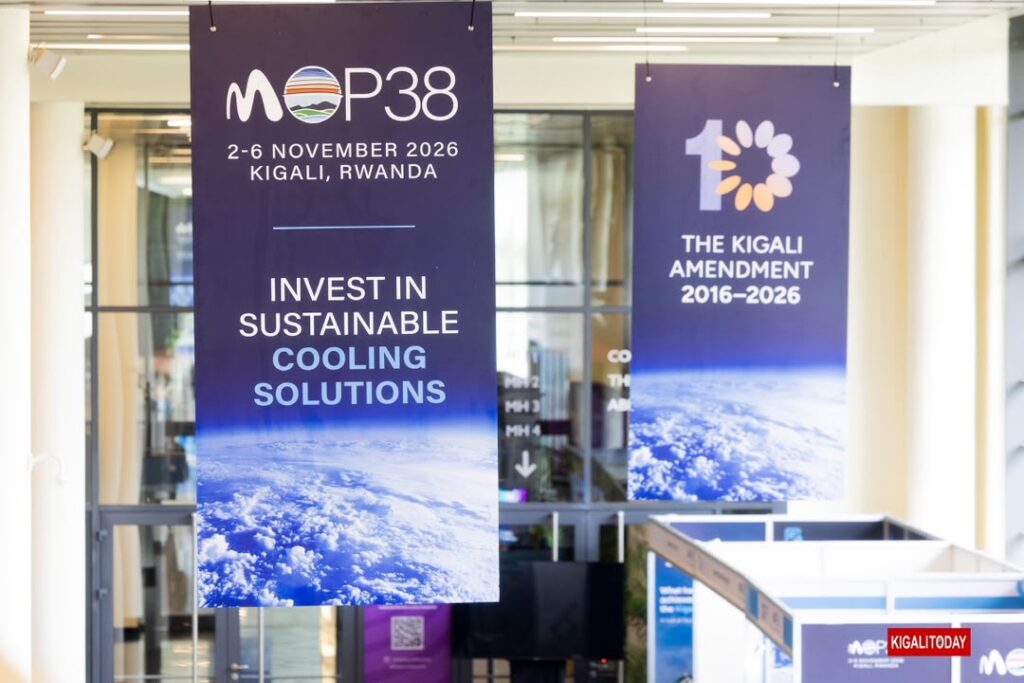

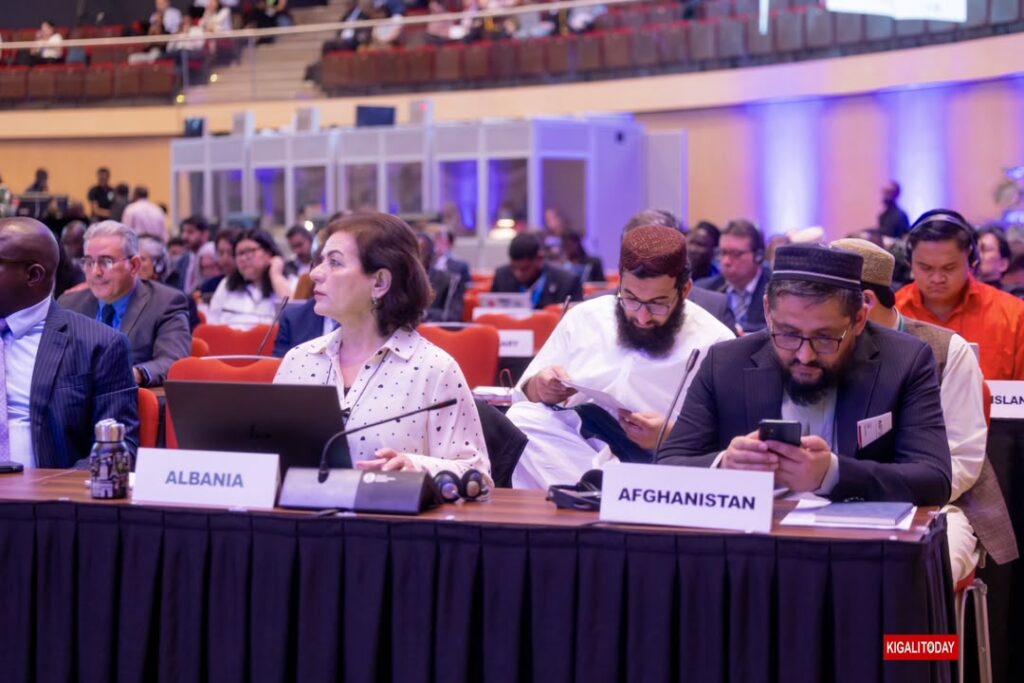
The 38th Meeting of the Parties to the Protocol (MOP38), which opened on November 2, 2026.
KIGALI – Ten years after countries adopted the Kigali Amendment to the Montreal Protocol on substances that deplete the Ozone layer, governments are back in Kigali to review and strengthen implementation of the agreement and address outstanding challenges.
At the 38th Meeting of the Parties to the Protocol (MOP38), which opened on November 2, one of the most consequential decisions was how much money to provide developing countries through the treaty’s multilateral fund for 2027–2029.
The Environmental Investigation Agency (EIA) estimates that funding requirements for the three-year period could range from $1.23 billion to $1.692 billion under its principal scenarios.
It recommends a replenishment comparable to the record $965 million provided for 2024–2026. These are independent estimates, not figures agreed by governments
The replenishment will determine the resources available to phase down hydrofluorocarbons (HFCs), transition to alternative cooling technologies, improve energy efficiency and strengthen the systems needed to enforce the agreement.
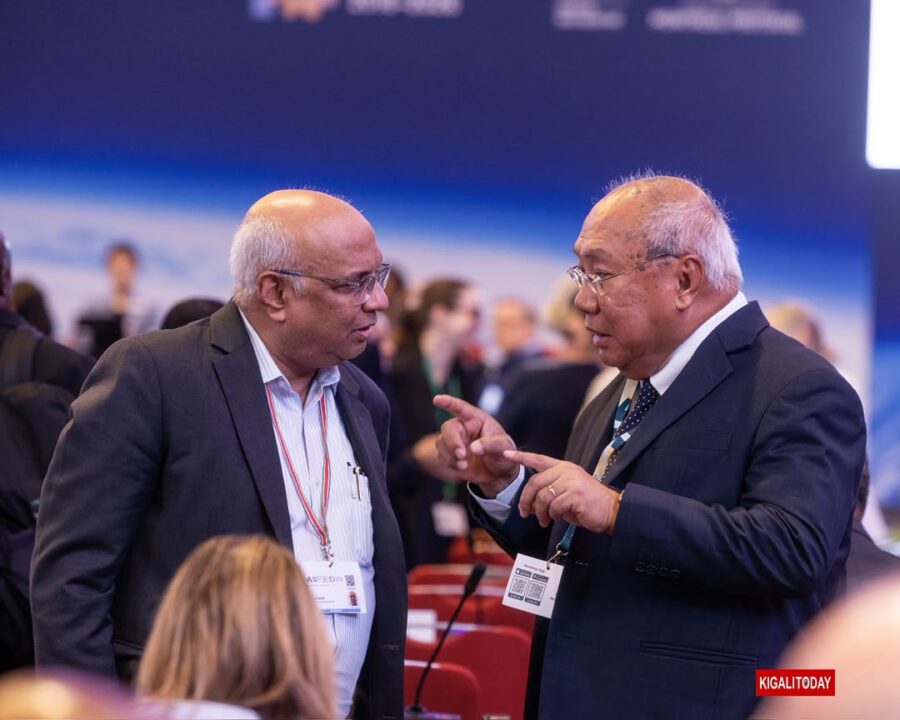
Meg Seki, the Executive Secretary at the Ozone Secretariat said the next phase must preserve the institutional capacity that has made the Montreal Protocol effective while responding to new demands.
“Our objective should not be to do less with less, but to work smarter, preserve what works well and ensure that the Montreal Protocol remains effective and responsive to future challenges,” Seki said.
The treaty has already overseen the phase-out of 99.5 per cent of ozone-depleting substances globally, with the ozone layer on a path to recovery. The Kigali Amendment adds another demanding task of reducing the climate impact of the gases used in refrigeration and air conditioning.
A Climate Promise That Must Be Measured
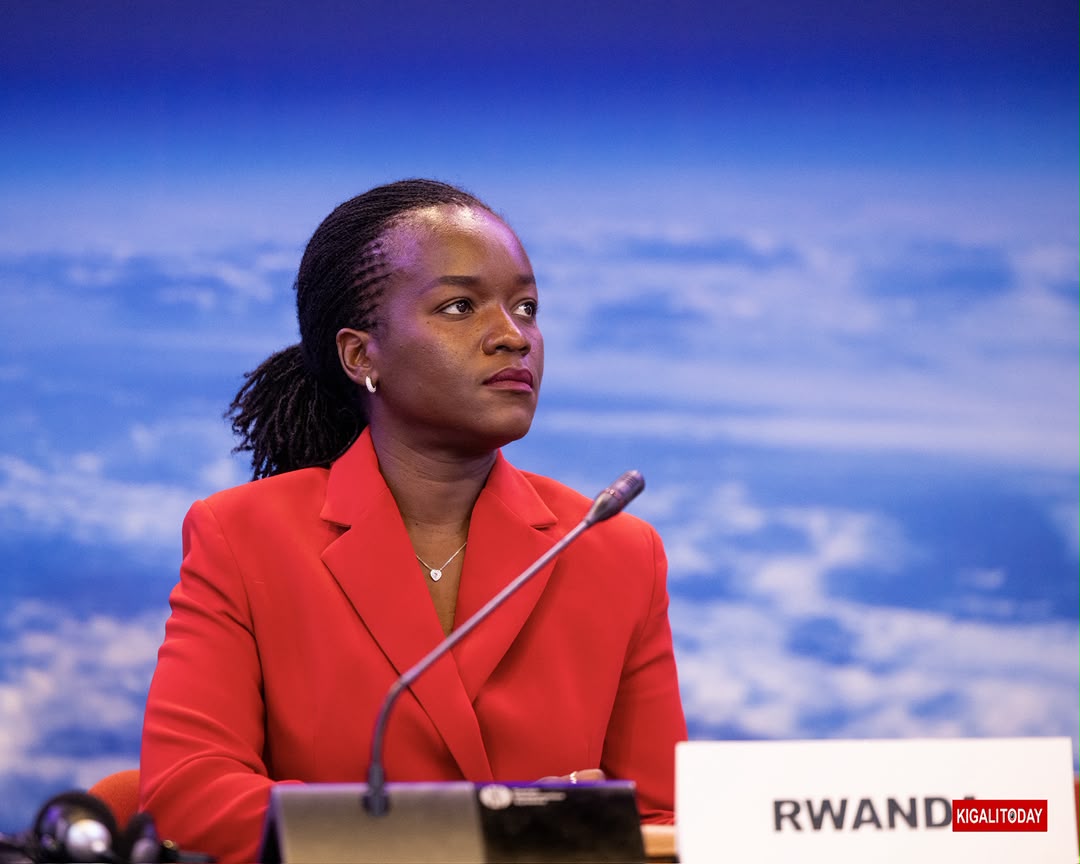
Rwanda’s Minister of Environment, Dr Bernadette Arakwiye.
Adopted in October 2016, the Kigali Amendment commits countries to reduce HFC consumption by 80 per cent by 2047. Although HFCs do not deplete the ozone layer, they are powerful greenhouse gases.
Full implementation is projected to prevent up to 0.5°C of global warming by 2100. Combined with improvements in cooling energy efficiency, the climate benefit could approach 1°C, according to the EIA briefing.
But the agreement’s success also depends on whether governments can account accurately for the gases being produced, imported and used.
Concerns have been raised about a discrepancy between reported HFC-23 emissions and estimates derived from atmospheric monitoring, calling for better estimation, reporting and monitoring.
Rwanda’s Minister of Environment, Dr Bernadette Arakwiye, said international commitments would achieve little without national systems capable of translating them into practical changes.
“Signals only matter when they are backed by clear rules. Licensing systems, quotas, standards and technician training as essential tools for implementation.,” she said.

Dr Arakwiye also emphasized the need for coordination between environmental and energy authorities, arguing that the transition must link climate protection with energy efficiency and access to sustainable cooling.
“Rwanda wants the tenth anniversary to renew political commitment to the agreement, including through support for the Kigali +10 Declaration and the integration of its objectives into national plans,” she noted.
The funding negotiations will help determine whether developing countries can strengthen enforcement, train their workforce and expand access to cooling without locking themselves into technologies that carry a high climate cost.
Ten years after the agreement was reached in Kigali, the test is whether the promise made in Rwanda can be felt in the farms, hospitals, cold rooms and workshops that depend on cooling every day.
The Cost of Cooling Differently
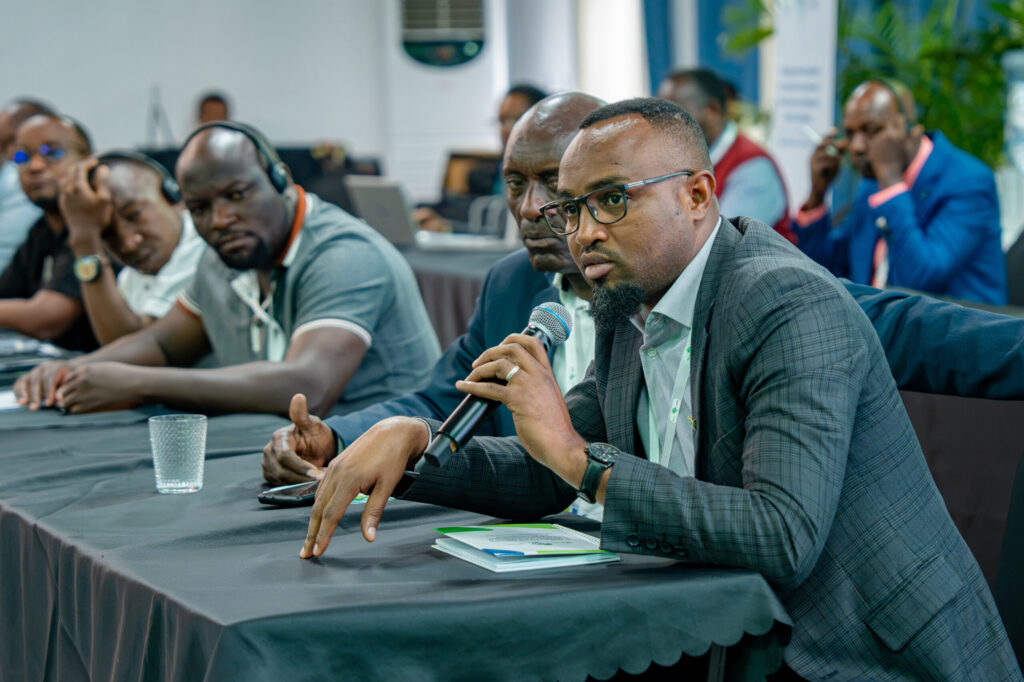
These negotiations come as demand for cooling continues to grow, particularly in developing countries where refrigeration is essential to food preservation, healthcare and business but access to reliable cold-chain infrastructure remains limited.
For African economies, refrigeration is not simply an environmental concern, it is part of the infrastructure needed to reduce agricultural losses, preserve medicines and support industries.
Madi Sakandé, President of the Union of Associations of African Actors in Refrigeration and Air Conditioning (U3ARC) said that inadequate cold storage leaves African countries losing food that could otherwise support local markets and industries.
“When we are importing food from other countries, the industries producing it generate emissions, while we waste our own food. This is the economic cost of failing to expand cooling infrastructure,” Sakandé said.

Anita Gikundiro, Director of Operations at the Africa Centre of Excellence for Sustainable Cooling and Cold-Chain (ACES).
According to experts, the expansion must happen alongside a transition to refrigerants with lower climate impacts, more efficient equipment and better management of gases throughout their lifecycle.
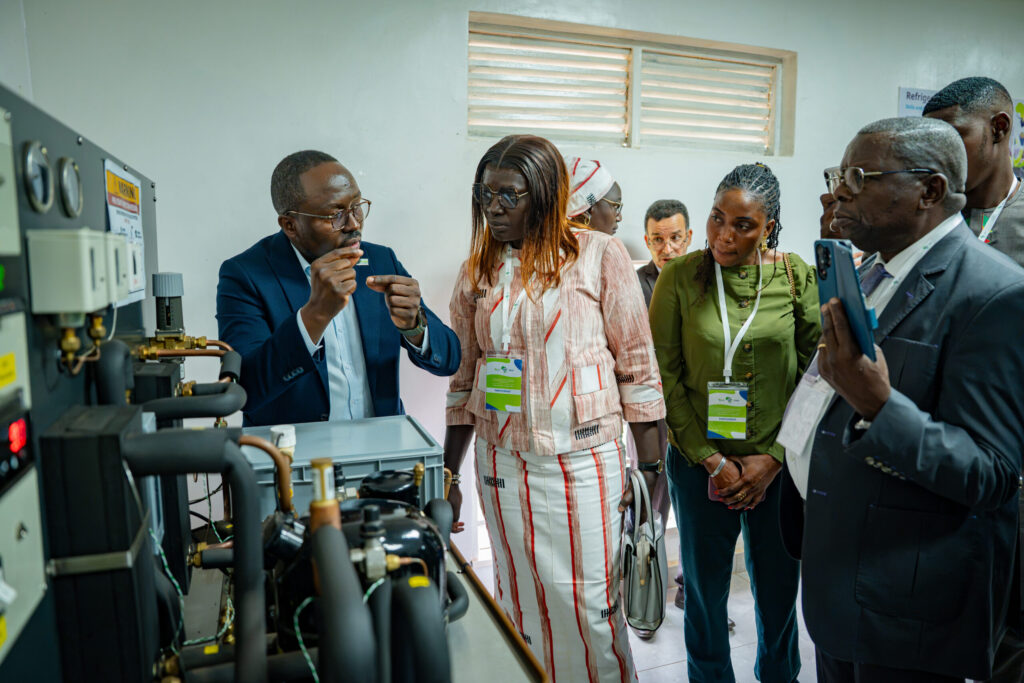
That requires more than purchasing new equipment. Some alternative refrigerants are flammable or operate under high pressure, making technician training, safety standards and appropriate handling essential.
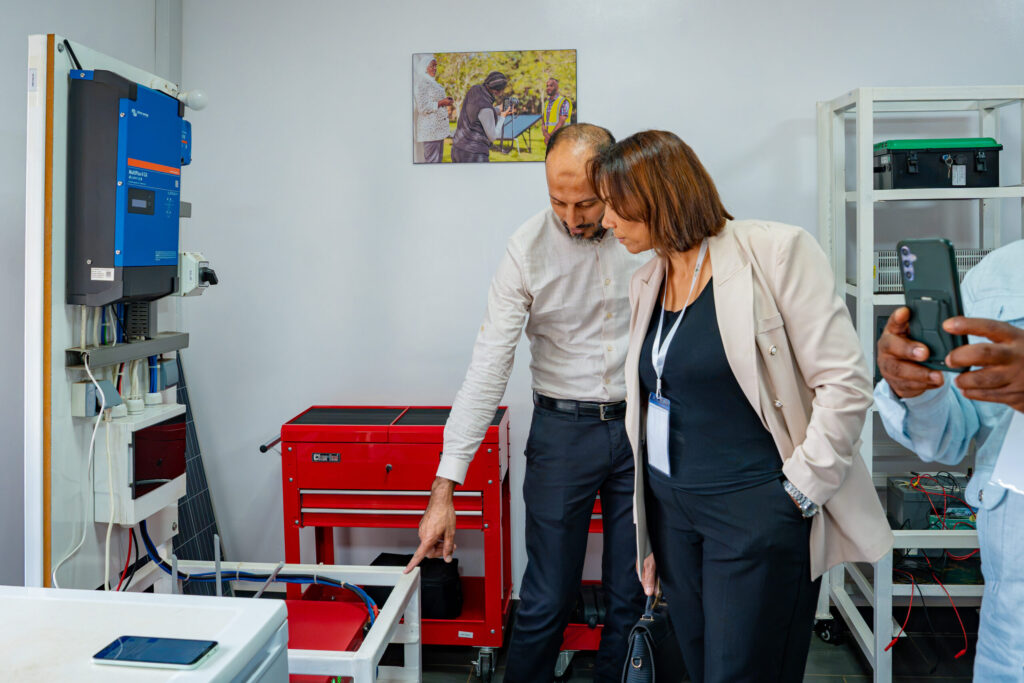
Anita Gikundiro, Director of Operations at the Africa Centre of Excellence for Sustainable Cooling and Cold-Chain (ACES), made the same point from the perspective of the people expected to deliver the transition.
“Targets are written in conference halls. They are made in workshops, in cold rooms, on rooftops and in hospital plant rooms. The Kigali Amendment will succeed in our hands or it will not succeed at all,” she said.
Her observation highlights why investment in skills and infrastructure is central to the agreement. Without technicians who can install, maintain and safely handle alternative refrigerants, countries risk having ambitious policies that do not translate into changes on the ground.