

 KIGALI – More than 840 enterprises have been reached through a nationwide campaign to introduce businesses to Rwanda’s capital markets, as the country seeks to expand the sources of long-term financing available to private companies and mobilize more domestic investment.
The campaign comes at a time when many businesses still face basic challenges that make it difficult for companies to demonstrate their financial performance and convince investors to commit capital.
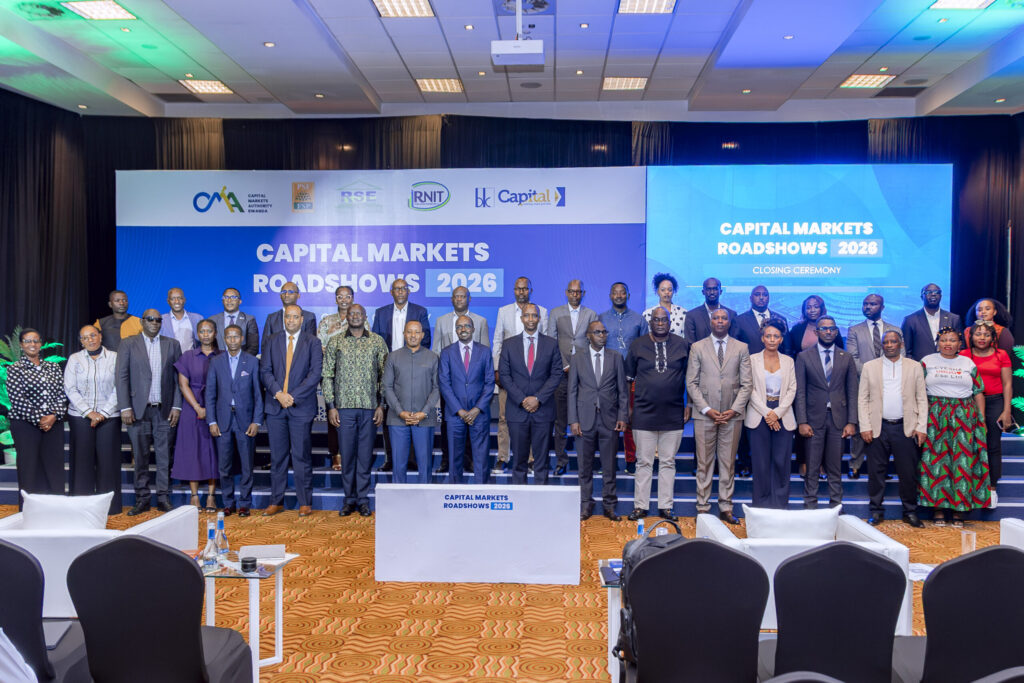
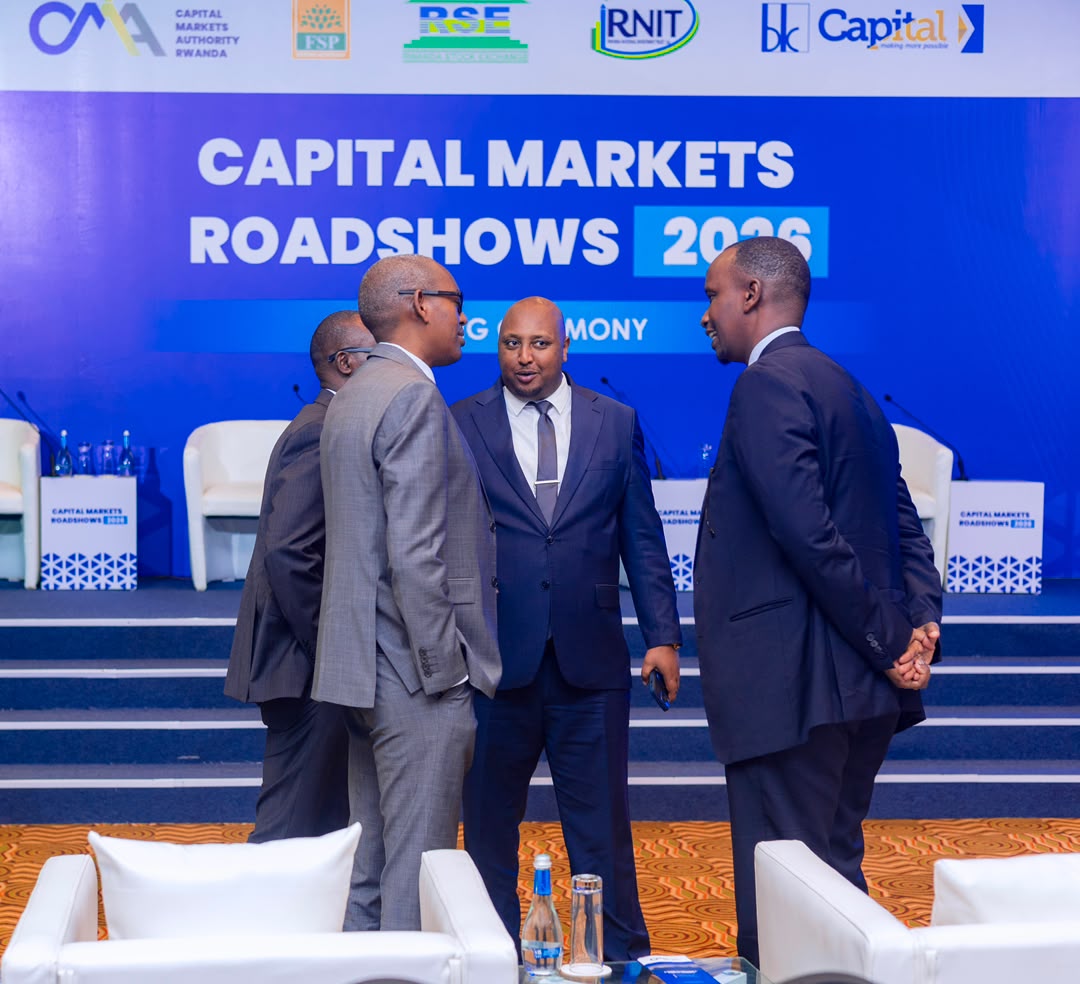
The second edition of the Capital Markets Roadshows, organized by the Capital Markets Authority (CMA) in partnership with other partners concluded in Kigali on Wednesday, November 25, after engagements across the country’s provinces.
The campaign aimed at bringing businesses closer to financing options beyond conventional bank lending, particularly equity and corporate bonds, which can support expansion, new projects and longer-term investment.
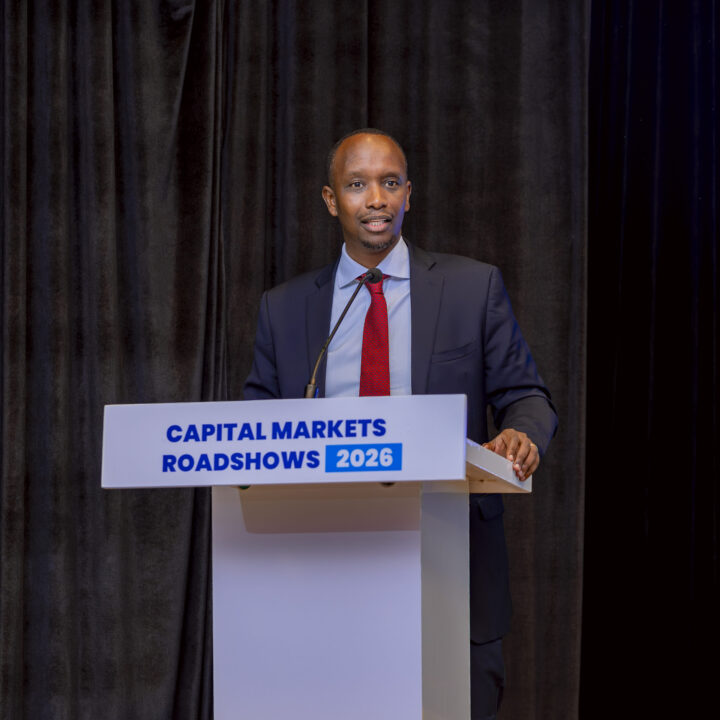
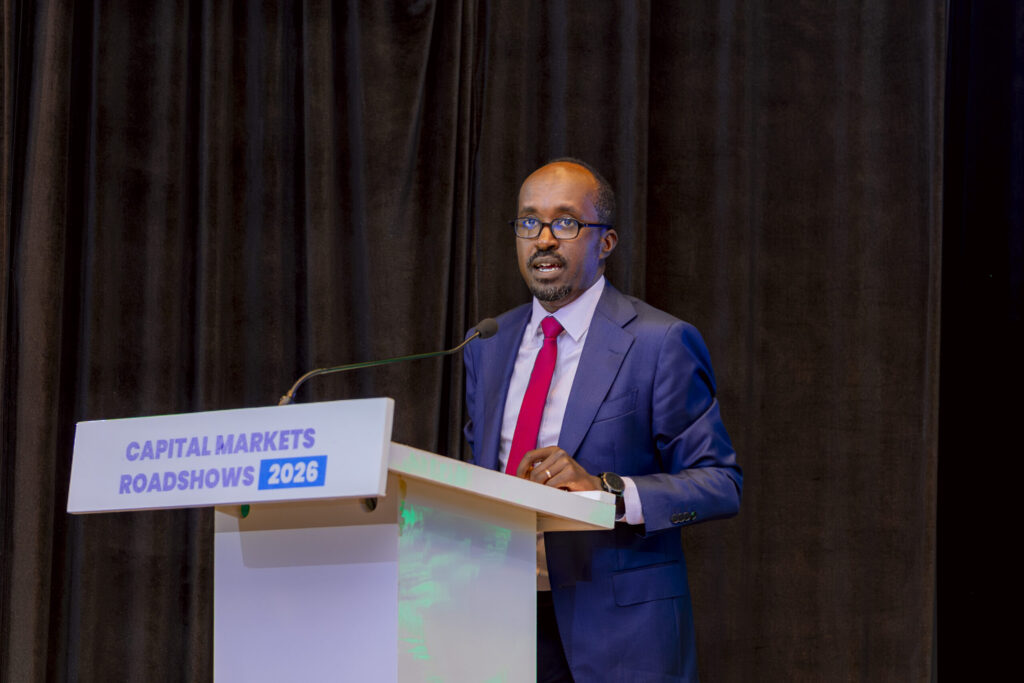
CMA Chief Executive Officer Romeo Ngarambe.
CMA Chief Executive Officer Romeo Ngarambe said the roadshows had demonstrated interest among businesses, but stressed that the next step was to turn that interest into actual capital mobilization.
“Bank lending remains essential, and it will continue to be. But it cannot meet every financial need, and long-term projects need long-term financing or long-term money,” he said.
Through equity financing, a company can bring investors on board by selling shares, while corporate bonds allow businesses to borrow directly from investors without surrendering ownership.
Ngarambe said some business owners hesitate to sell shares because they fear losing control, yet companies can raise capital by offering minority stakes while retaining decision-making authority.
He also encouraged businesses to seek advice from licensed market professionals to identify financing structures suited to their needs.
 Preparing Businesses to Attract Investment
For enterprises seeking capital, however, access to investors is only part of the equation. Businesses must demonstrate that they have reliable financial records, sound governance, credible plans and a clear purpose for the money they intend to raise.
Clement Uwajeneza, the Chief Executive Officer of PSF, said the lack of regular financial records among businesses remains a significant obstacle to accessing investment.
He cited the 2023 establishment census, which found that about four in ten businesses did not maintain regular accounts, and said investors also need to understand how companies make decisions and plan for growth.
“An investor is also looking and wanting to understand who makes the decision in the business. That’s proper governance. Where it plans to be in the three to five years to come, and how the money it raises is going to help it get there,” Uwajeneza said.
He said the roadshows should encourage business owners to examine their bookkeeping, management structures and growth plans, adding that PSF would continue supporting enterprises with financial planning, governance and investment proposals.
“If a business goes home and starts working on even one of those things, this initiative has already been a success,” he said.
Mobilizing Domestic Savings for Growth
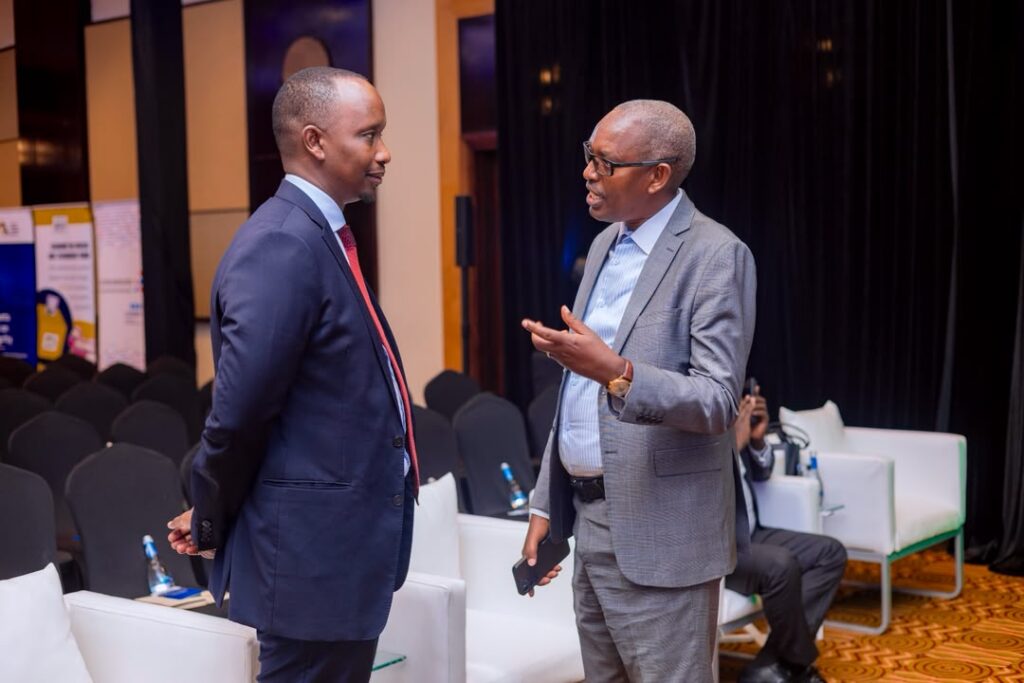
The drive to expand capital market participation is also linked to Rwanda’s wider development and investment targets.
Herbert Asiimwe, Head of Financial Sector Development at the Ministry of Finance and Economic Planning, said the second National Strategy for Transformation (NST2) targets annual economic growth of at least nine per cent and more than 250,000 non-agricultural jobs each year.
Achieving those targets will require substantial long-term investment, he said, with domestic savings playing a greater role alongside foreign capital.
The government is targeting national savings equivalent to about 26 per cent of GDP, with capital markets expected to help mobilize those resources and direct them towards productive activities.
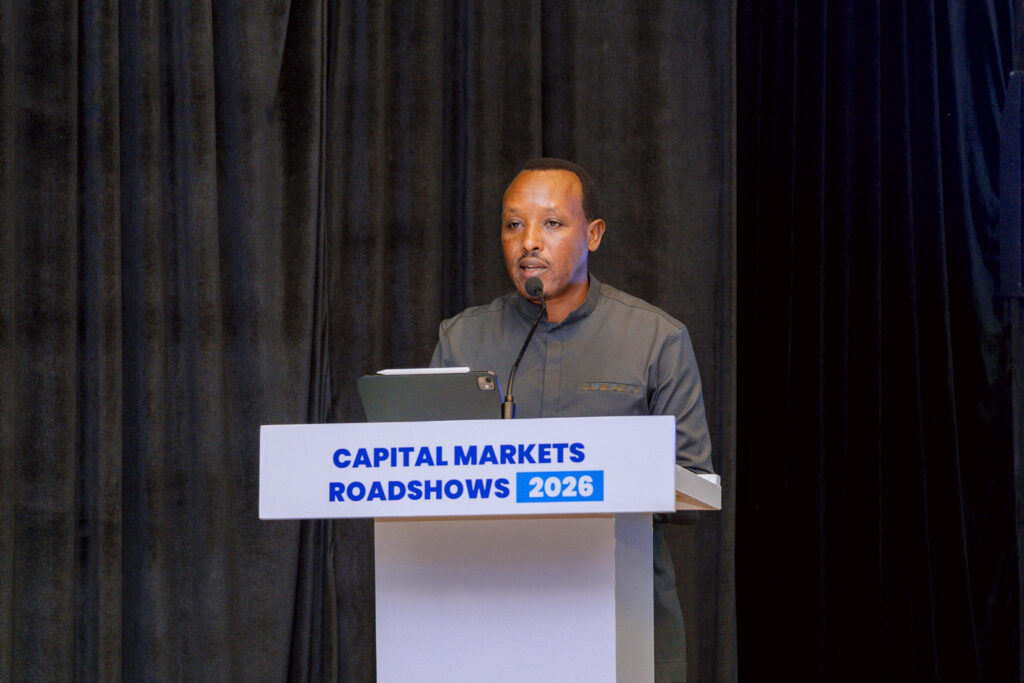 Asiimwe said the government also wants to make investment products more accessible to ordinary citizens, including through digital platforms that would allow people to buy shares and other securities without travelling to Kigali.
He urged financial institutions and regulators to make market procedures easier to understand, while encouraging citizens to consider investment opportunities beyond traditional banking products.
“Life does not start and end with the banks, MFIs or Umurenge SACCOs. There’s a very big opportunity for us on the capital markets,” he said.
The government also wants to see a wider range of financing instruments, including municipal bonds that could allow local authorities to raise funds for infrastructure such as hospitals, schools and stadiums.
The longer-term objective is to see more businesses become investment-ready, more citizens participate as investors and more capital flow into enterprises capable of expanding production and creating jobs.