



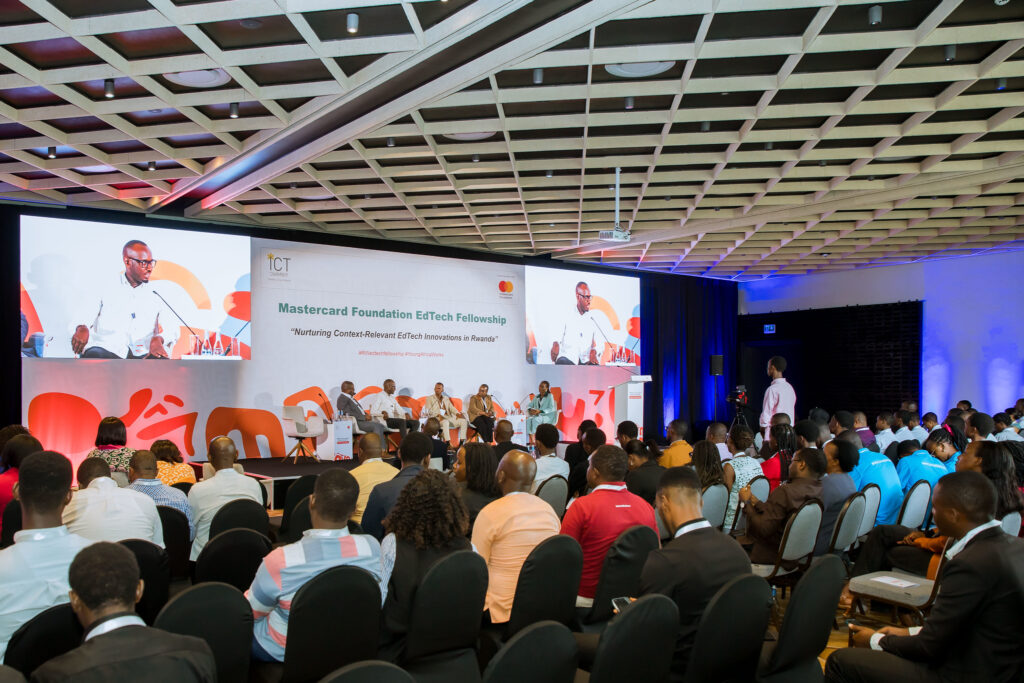
A recent engagement, on context-relevant education technology organized by the Mastercard Foundation in partnership with the ICT Chamber was held in Kigali.
KIGALI – Every year, innovators walk into government offices convinced they have built the next breakthrough for Rwanda’s classrooms, only to leave with some unexpected assignments.
It may sound like a setback, but education experts say it is often the beginning of building a better product.
Speaking during a recent engagement, on context-relevant education technology, Diane Sengati, the acting Head of ICT in Education at the Rwanda Basic Education Board (REB), shared the story of an edtech company that approached REB seeking a recommendation to scale its solution.
The answer was no. Not because the technology was poor, but because the people it was designed for had not been part of the process.
“We said we were not going to give a recommendation if you don’t go to a school and the school tells us if they need that,” Sengati explained.
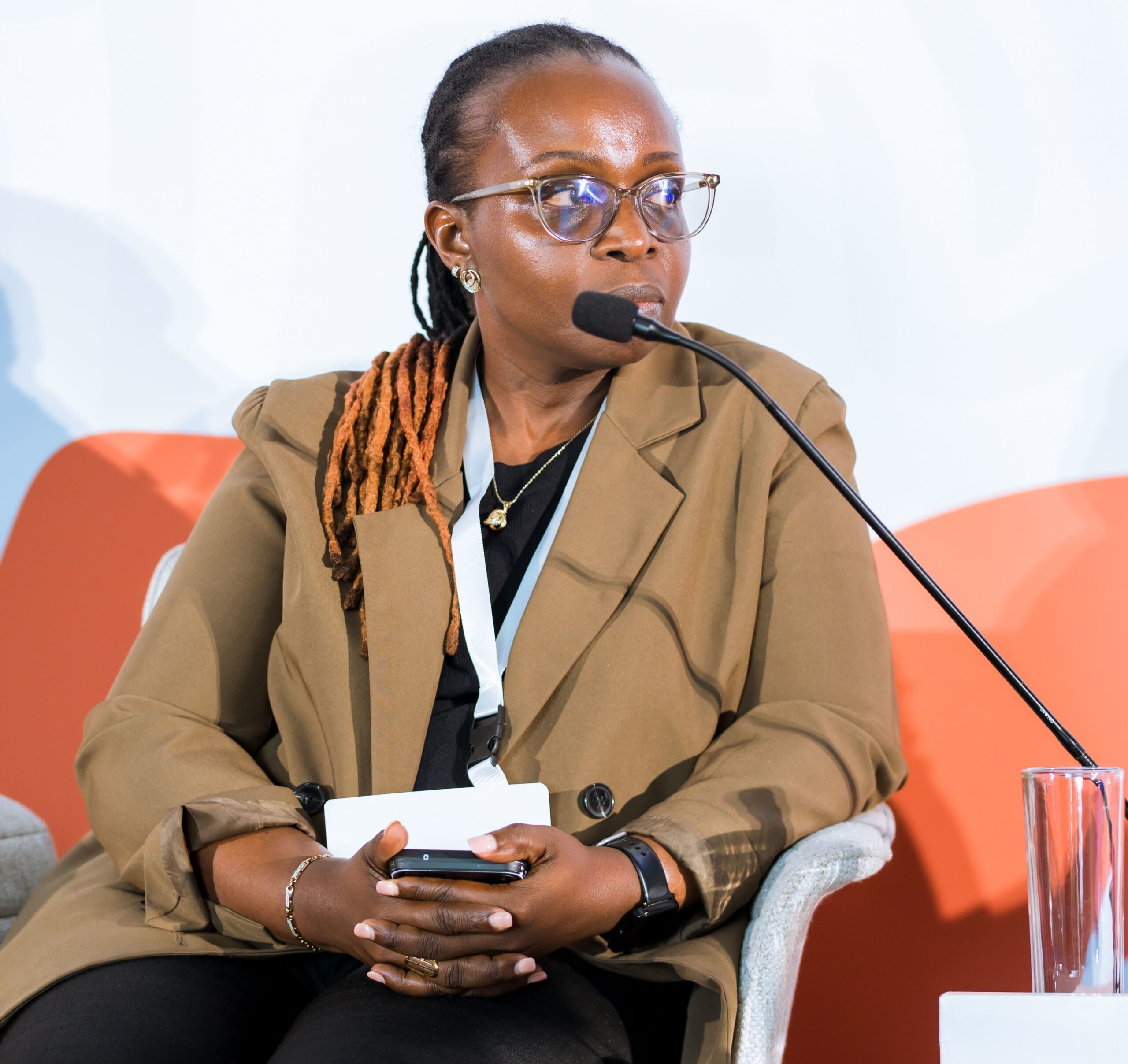
Diane Sengati, the acting Head of ICT in Education at the Rwanda Basic Education Board (REB),
When the company finally engaged schools, teachers and learners, the solution they had confidently presented no longer fit the real needs in classrooms. They went back to redesign it before eventually earning REB’s recommendation.
For Sengati, that experience captures one of the biggest mistakes innovators make.
“They think about a challenge, develop a solution and come to us. Instead, they should first go to schools, talk to teachers, parents and students, then develop the solution around what they have learned,” she said.
Beyond Flashy Technology
Innovators are challenged to stop measuring success by how sophisticated their technology looks and start measuring it by what students actually learn.
Tutaleni Asino, the Co-Director of the Learning Sciences for Innovators Program at Carnegie Mellon University Africa says that understanding how people learn should come before writing a single line of code.

Tutaleni Asino, the Co-Director of the Learning Sciences for Innovators Program at Carnegie Mellon University Africa.
“Most entrepreneurs create products that are very personal to them, but the user is not you,” Asino observed.
He warned that many innovators build solutions for ideal conditions rather than real classrooms, where teachers juggle different learning abilities, limited resources and unpredictable environments.
“We have the most wonderful products but if they are not improving learning outcomes, then we have simply wasted our time,” he said.
Design with Schools, Not for Schools
The same thinking is shaping Rwanda’s approach to technical and vocational education.
Acher Mutijima, the acting Division Manager for the Digital Technologies Division at the Rwanda TVET Board (RTB), argues that innovators should see schools as partners rather than customers.
“You could have a working prototype but working with schools, trying to understand how it best fits their needs, will do the magic,” he said.

Acher Mutijima, the acting Division Manager for the Digital Technologies Division at the Rwanda TVET Board (RTB).
Mutijima believes the ultimate measure of any education technology is whether it improves the learning experience and helps learners achieve better outcomes.
“If it does not contribute to learning outcomes, it will have been just another story to be told later,” he cautioned.
An Ecosystem, Not a Competition
That collaborative approach extends beyond schools.
Benjamin Karenzi, the Chief Executive Officer of Zora Robots Africa, said innovators often face an invisible gap between new ideas and existing education systems. Bridging that gap, he argued, starts with involving teachers from the very beginning.
“Find the teachers in these schools, expose them to the technology and let them contribute to the solution. The teacher can own your solution and help you implement what you want to give,” Karenzi said.

Benjamin Karenzi, the Chief Executive Officer of Zora Robots Africa.
Lasting innovation depends on partnerships rather than competition. Teachers, parents, government institutions, universities and innovators all have a role to play because meaningful learning cannot be built by technology alone.
Recently, an EdTech fellowship was launched by the Mastercard Foundation in partnership with the ICT Chamber designed to help Rwanda’s education technology startups develop solutions that respond to real classroom needs while preparing them to scale sustainably.
The program seeks to ensure that Rwanda’s next generation of EdTech innovators builds not just smarter technology, but solutions shaped by the voices of the teachers and learners they are meant to serve.

The future of education technology in Rwanda will not be determined by who builds the smartest application or the most advanced platform. It will belong to those willing to listen first.
Sometimes, the most important innovation is not the technology itself. It is the decision to begin by asking classrooms what they actually need.