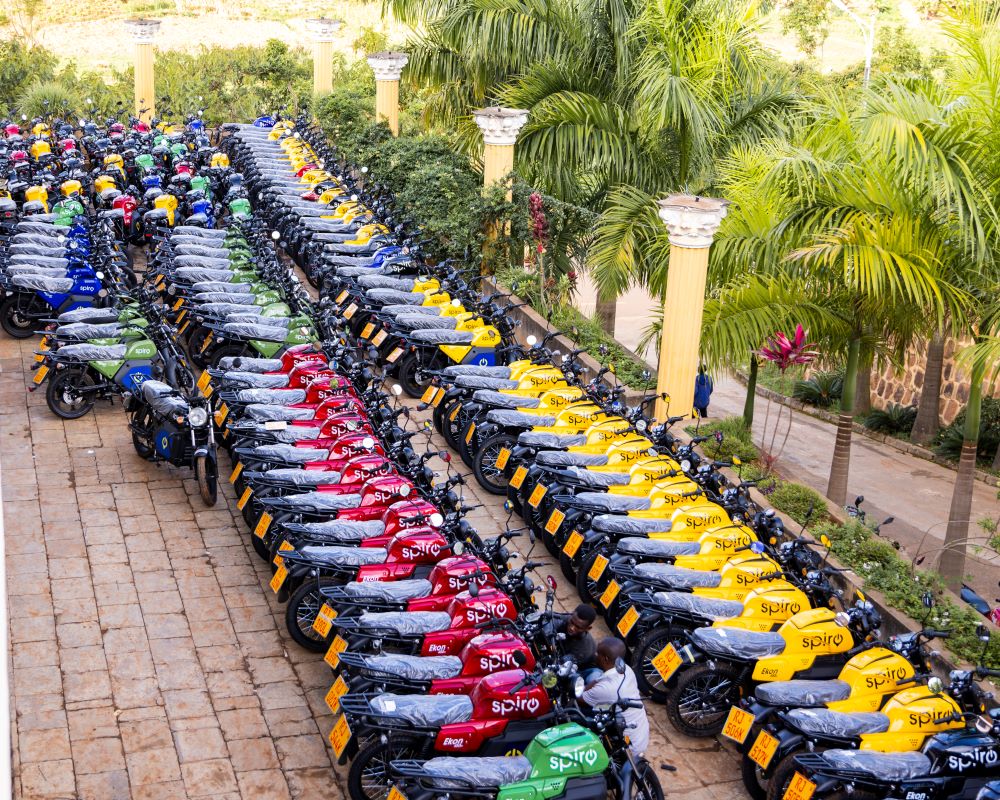
Spiro has built Rwanda’s largest electric mobility ecosystem.
KIGALI – Every day, thousands of motorcycles crisscross Kigali’s busy streets, carrying office workers rushing to meetings, students heading to class and traders transporting goods across the city.
Increasingly, however, many of those journeys are no longer powered by petrol.
In just three years, electric motorcycles have evolved from a new concept into one of the most visible signs of Rwanda’s transition towards cleaner transport.
Behind this transformation is Spiro Rwanda, a company that says its biggest achievement has not been putting thousands of electric motorcycles on the road, but building the ecosystem needed to make them work every day.
Today, Spiro has deployed more than 28,000 electric motorcycles across Rwanda, supported by over 300 battery swap stations, three mega swap stations in Kigali and more than 3,000 jobs created.
Those investments have helped position Rwanda among the company’s leading markets as it expands across Africa.

Many of the motorcycles on Rwanda’s roads are are no longer powered by petrol.
Building an Ecosystem, Not Just Motorcycles
Unlike many companies entering the electric mobility space, Spiro says it deliberately chose to invest in infrastructure before aggressively expanding its fleet.
The reasoning behind this was that riders would only embrace electric motorcycles if charging them was as convenient as refueling a petrol-powered bike.
That thinking has resulted in a nationwide battery-swapping network where riders exchange depleted batteries for fully charged ones within minutes instead of waiting hours for recharging.
“In Rwanda, we have not simply introduced electric motorcycles but also built the complete ecosystem behind electric mobility,” said Amit Chawla, Managing Director of Spiro Rwanda.
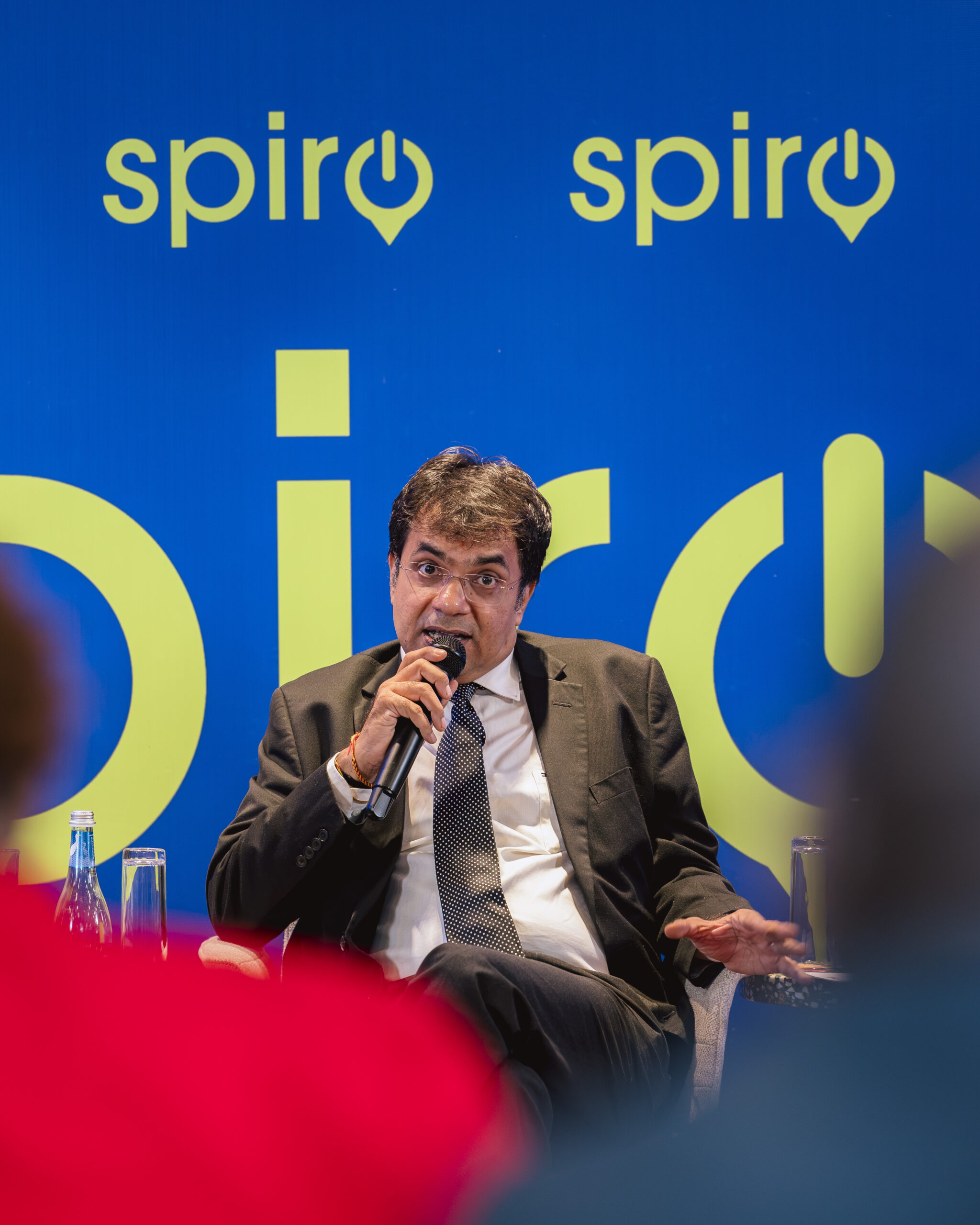
Amit Chawla, Managing Director of Spiro Rwanda speaking at a media briefing in Kigali.
From mega swap stations to financing, manufacturing and after-sales service, every investment is aimed at making electric transport practical, reliable and dependable every single day.
The model is already being replicated across Spiro’s operations in seven African countries, where more than 100,000 electric motorcycles are supported by over 2,000 battery-swapping stations.
Rwanda has become one of Spiro’s flagship markets thanks to progressive policies and strong support for green transport.
Why Infrastructure Came First
For motorcycle taxi operators, time quite literally means money. Every minute spent searching for fuel or waiting to recharge is income lost. Recognizing that reality, Spiro built its business around accessibility rather than simply selling motorcycles.
Mega swap stations and hundreds of neighborhood swap stations now allow riders to remain on the road for longer, helping them maximize productivity while reducing concerns about battery availability.
According to Felix Rubanda, who oversees infrastructure at Spiro Rwanda, reliable infrastructure is the foundation on which the entire electric mobility industry must be built.

Felix Rubanda, who oversees infrastructure at Spiro Rwanda speaking to the media.
“Electric mobility is only as reliable as the infrastructure behind it. That is why we focus on building an extensive battery-swapping network before scaling deployment. Every new swap station ensures that riders always get energy whenever they need it,” he said.
That investment is also helping insulate riders from the uncertainty of global fuel markets. While petrol prices continue to fluctuate with international events, battery swap prices remain stable, giving operators greater certainty over their daily operating costs.
Evolution of Clean Transport
While reducing emissions remains one of electric mobility’s biggest attractions, Spiro believes the wider impact lies in creating an entirely new industry.
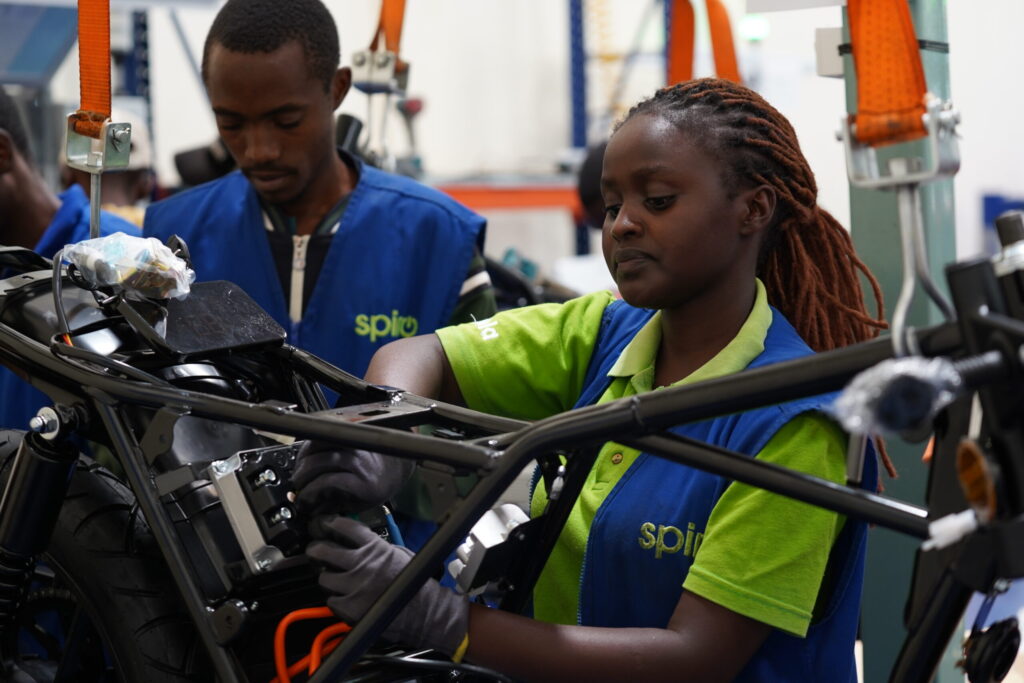
Many of the motorcycles now operating on Rwanda’s roads are assembled locally, creating skilled jobs while strengthening domestic manufacturing capacity and reducing dependence on imported finished products.
The company says local assembly also helps improve supply chain resilience while contributing to Rwanda’s long-term industrial development. For riders, however, the benefits are often measured in everyday earnings rather than environmental statistics.
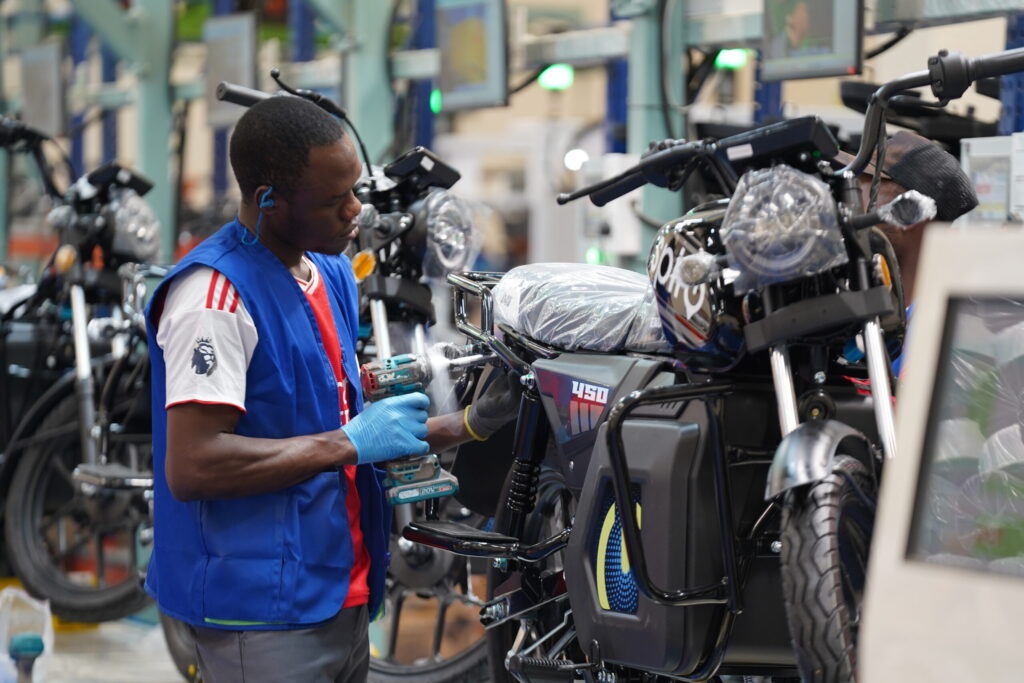
Behind every electric bike on Rwanda’s roads is a growing network of assembly workers.
“The objective is to make electric mobility not only environmentally responsible but also commercially attractive,” said Shaton Ngabire, Commercial Director at Spiro Rwanda.
Lower operating costs, predictable energy expenses and improved after-sales support allow riders to keep more of what they earn while building sustainable businesses for their families.
Every rider also undergoes training before receiving a motorcycle, helping them understand how electric motorcycles differ from conventional fuel-powered bikes while promoting safer riding practices.
What Next?
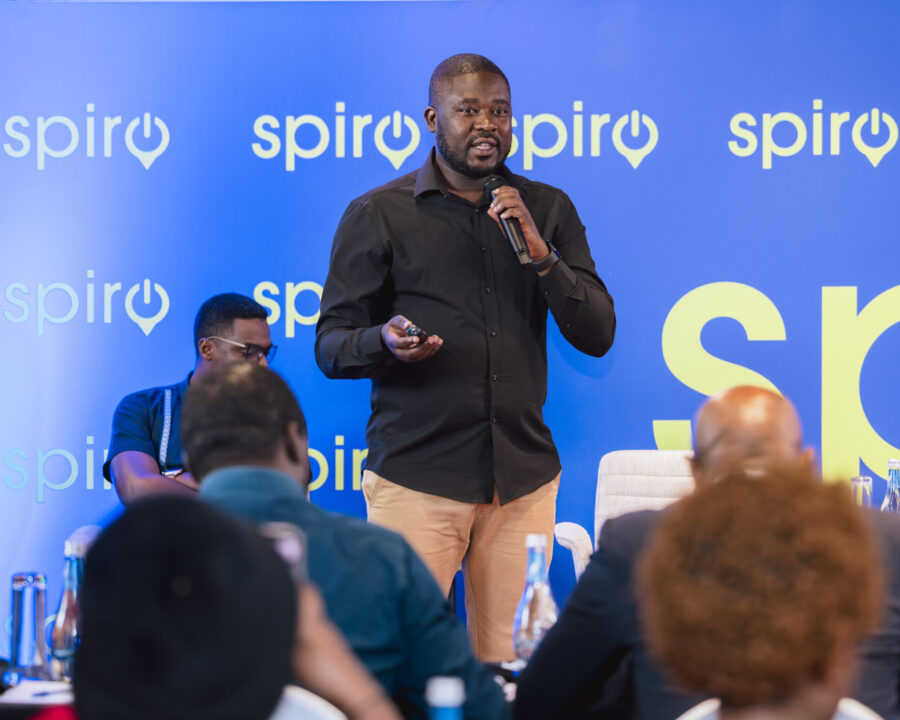
Shaton Ngabire, Commercial Director at Spiro Rwanda says the objective is to make electric mobility not only environmentally responsible but also commercially attractive.
Recent international investment worth hundreds of millions of dollars is expected to accelerate Spiro’s next phase of growth, allowing the company to expand its battery-swapping network, deploy more motorcycles and enter additional African markets.
Behind every electric bike on Rwanda’s roads is a growing network of assembly workers, engineers, technicians, battery infrastructure and technology working together to keep riders moving.
It is that ecosystem that has enabled one of Rwanda’s fastest-growing clean transport success stories.
Rwanda’s future of mobility is not defined simply by replacing petrol with batteries, but by building an integrated system that makes clean, reliable and affordable transport possible for everyone.