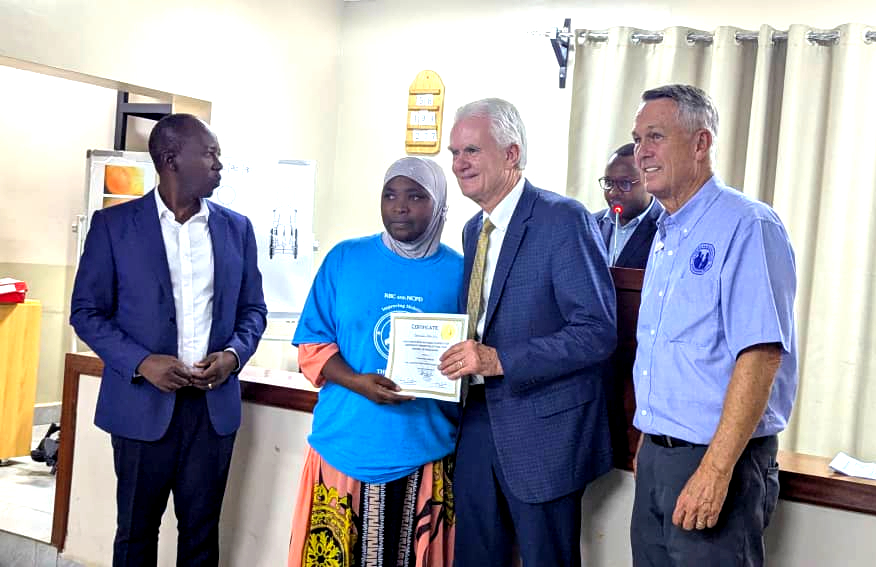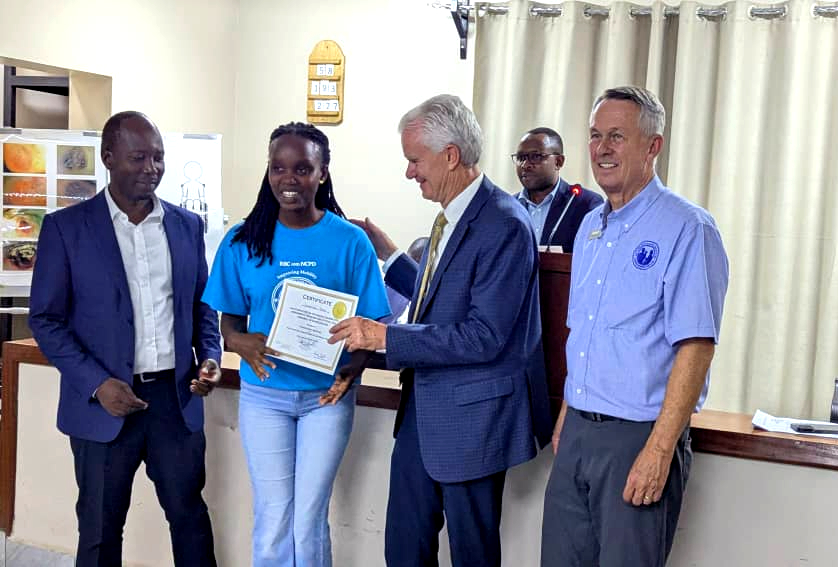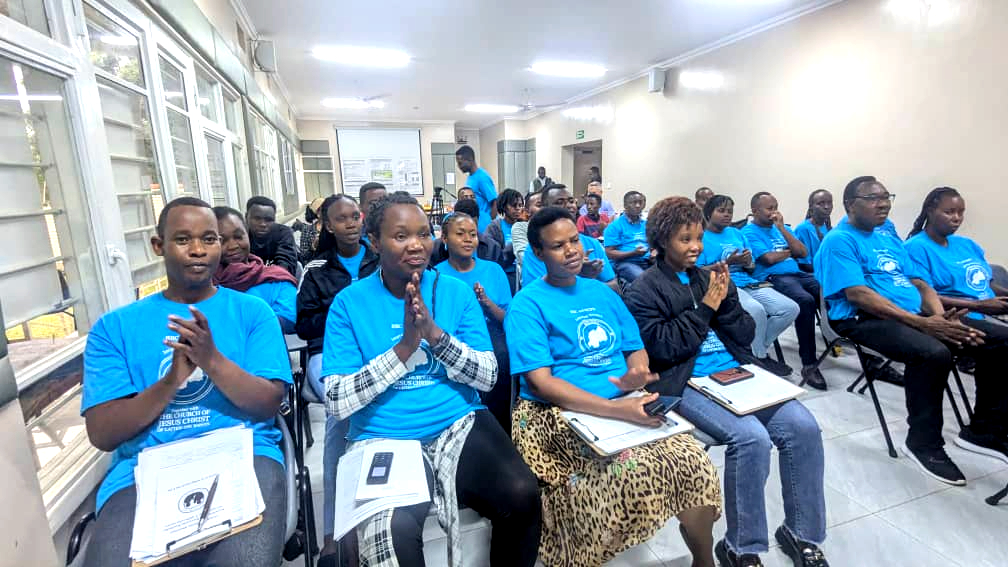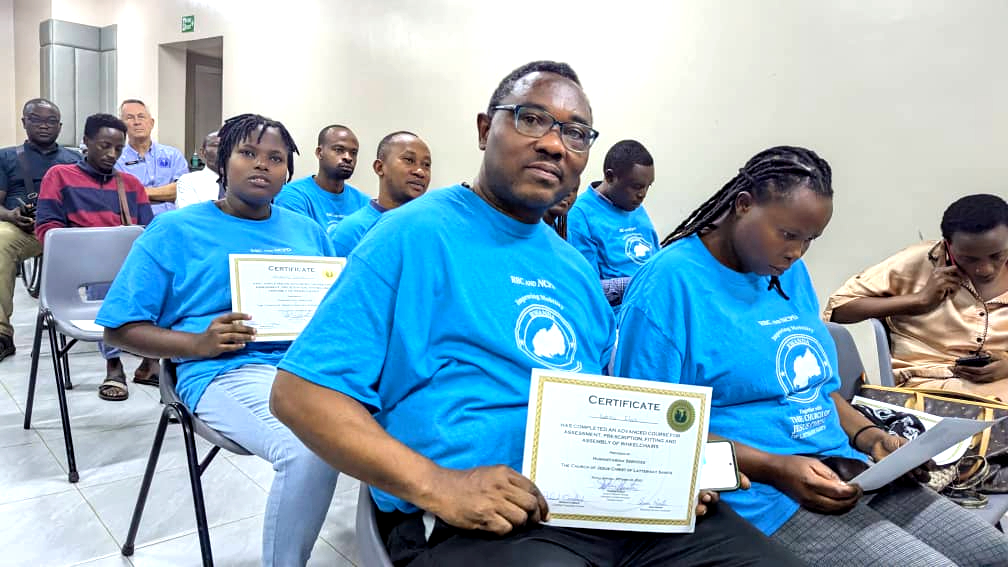



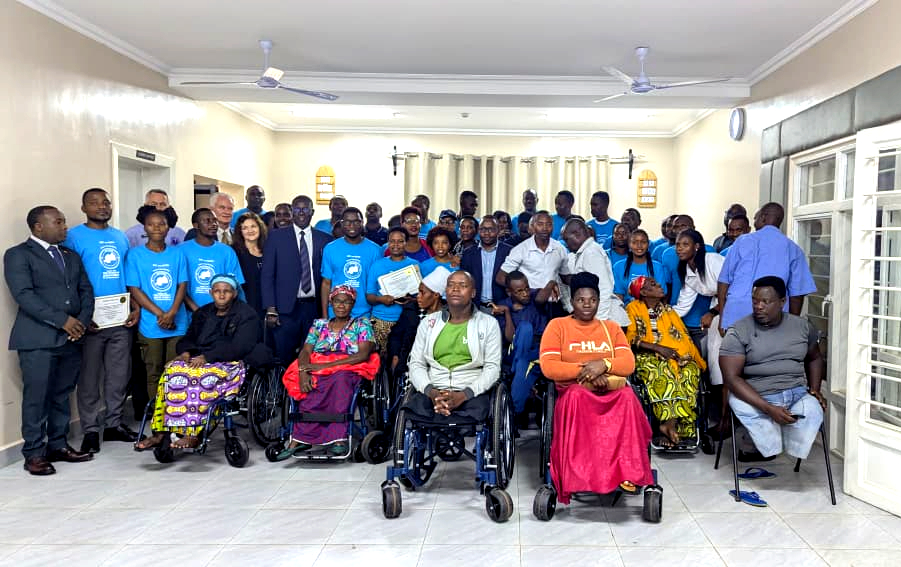
KIGALI, Rwanda — More physical rehabilitation medical experts public healthcare facilities have completed specialized training designed to enhance their capacity to assess, fit, and repair mobility aids for persons with physical disabilities.
This training will directly respond to health concerns of poor wheelchairs prescriptions and increased number of damaged wheelchairs which remain unrepaired due to lack of specialised skills.
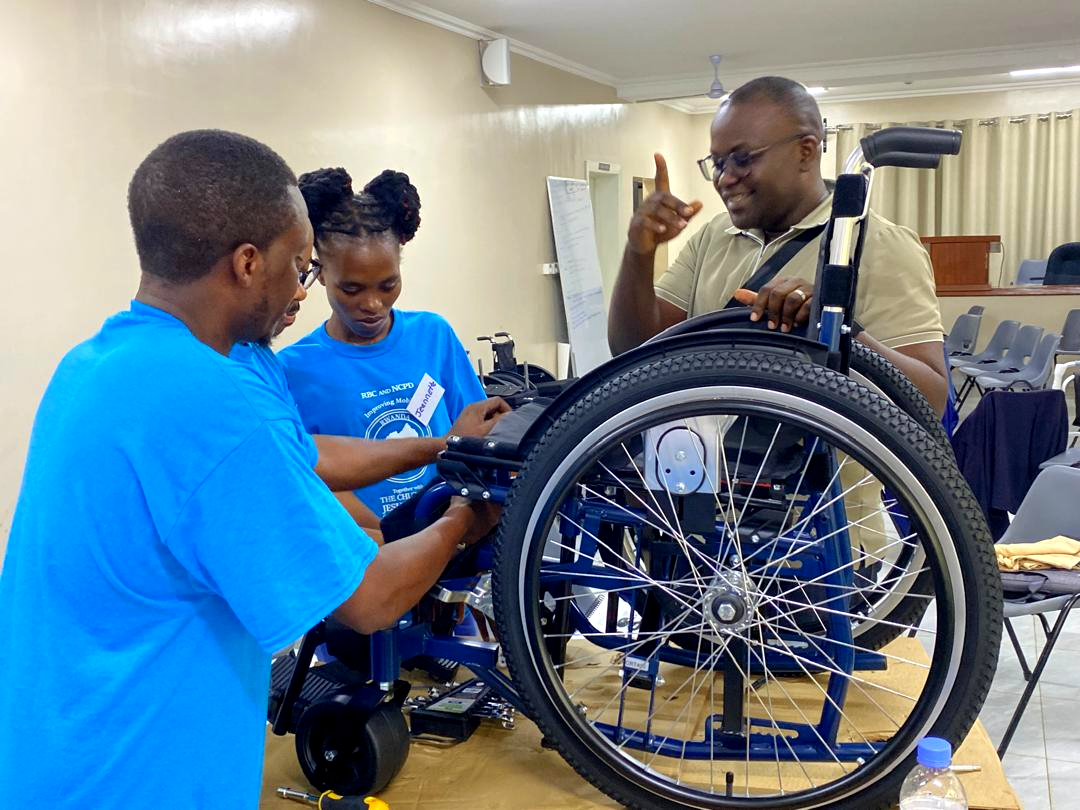
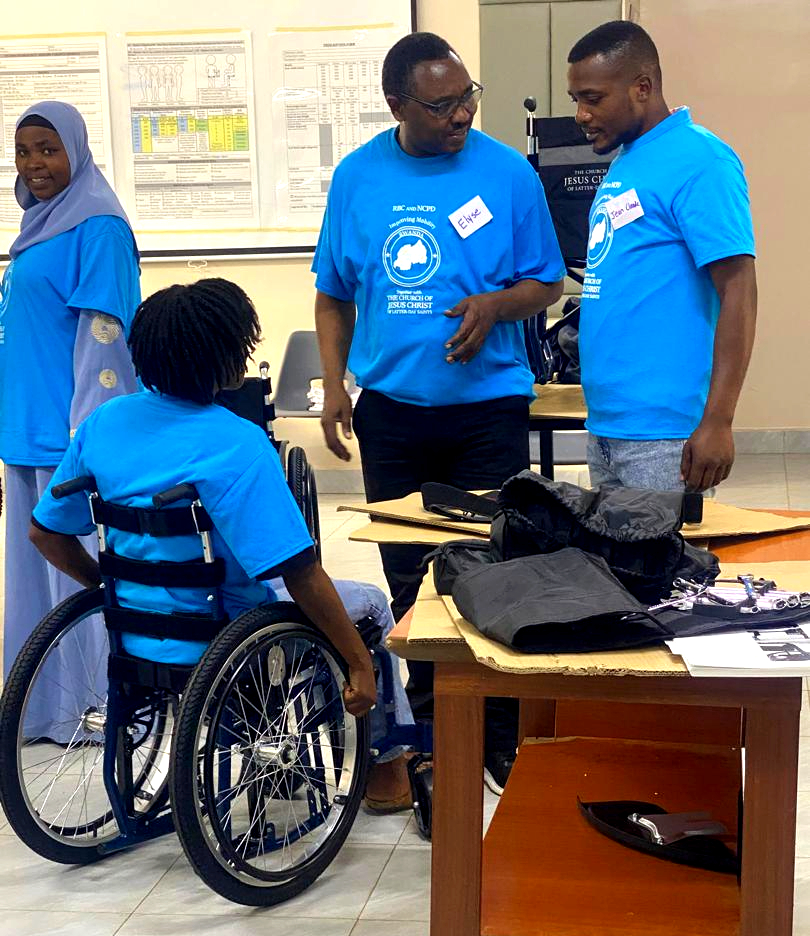
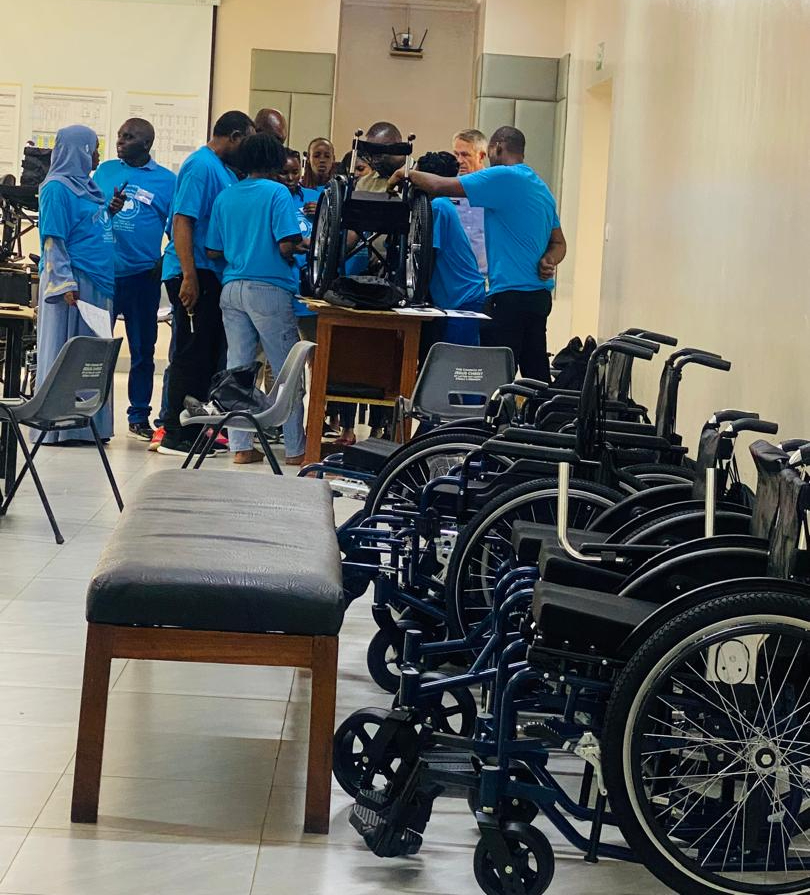
The five-day intensive session for physiotherapists, prosthetists, orthotists, and biomedical equipment technicians focused on wheelchair assessment, fitting, repair, and mobility orientation.
The training was organized by the Rwanda Biomedical Centre (RBC) through its Non-Communicable Diseases (NCDs) Division in collaboration with the Church of Jesus Christ of Latter-day Saints (LDS), the National Council of Persons with Disabilities (NCPD), and the Rwanda Union of the Blind (RUB-MRCB), with financial support from UNICEF.
Jean Pierre Ndikumana, the LDS Wheelchair Country project representative, said that this training updates the specialists with skills on new models but also responds to challenges of misprescription as a result of a lack of technical know-how.
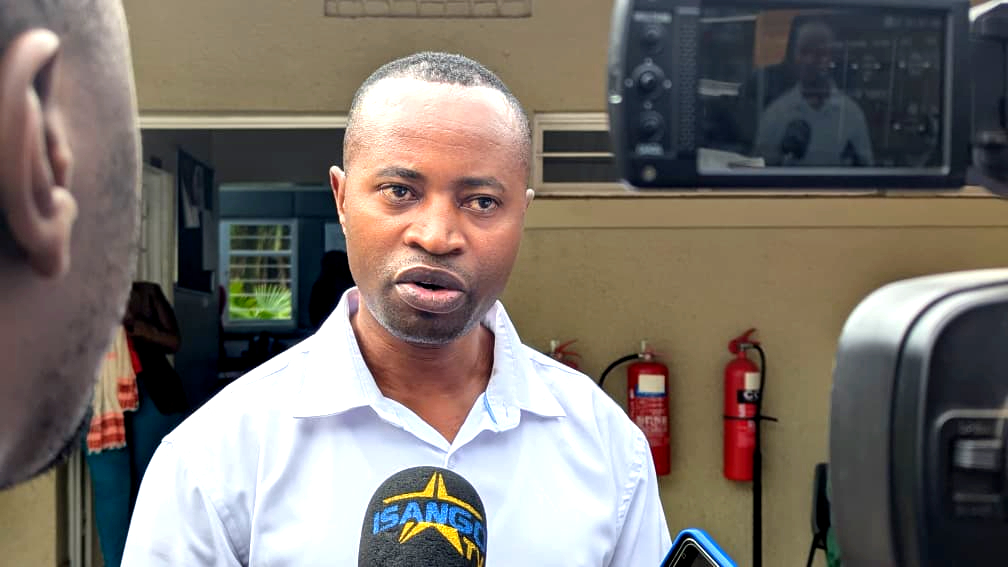
Jean Pierre Ndikumana
“This will address the past issues where we have had cases of organizations providing wheelchairs meant for adults to children and vice versa, which causes more disability instead of healing,” Ndikumana said.
Ndikumana said that in line with the five-year renewable agreement with the Health Ministry, this training is conducted twice a year with new equipment and addressing new emerging complications.
According to RBC, the initiative is part of a broader national effort to ensure that advanced wheelchair models distributed to children and adults with disabilities across Rwanda are properly fitted and maintained—an essential step to prevent secondary disabilities and enhance users’ comfort and mobility.
Irene Bagahirwa, Director of the Injuries and Disabilities Unit at the RBC NCDs Division, said that this year’s trainees are among the focal persons who have never been trained in the annual program to ensure proper prescriptions are done.
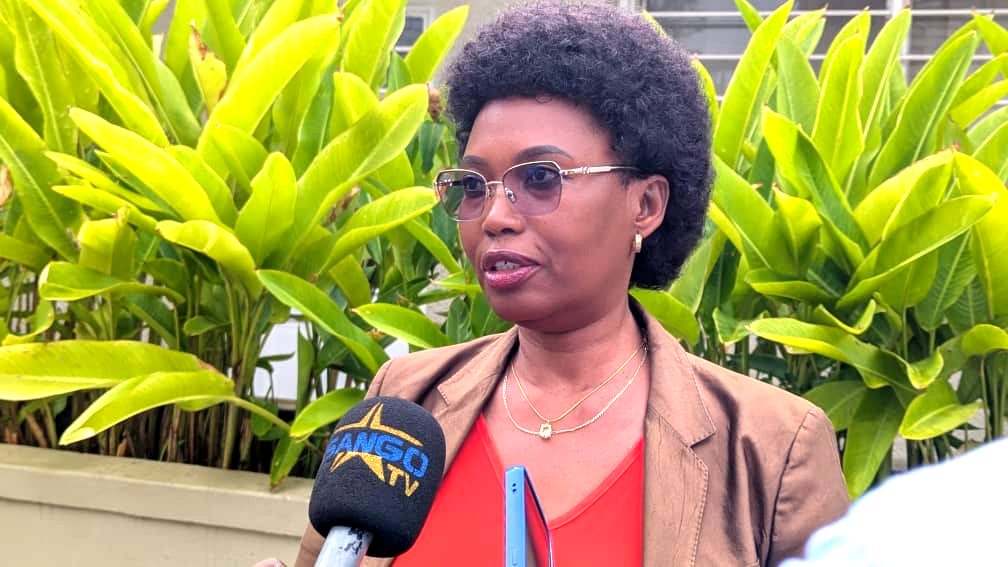
Irene Bagahirwa
Bagahirwa showed that since 2015, the numbers of categorized persons with disabilities who need assistive aids have increased from 17,000 to over 32,000, which requires more support from partners such as the church.
“Proper assessment and fitting are crucial to preventing complications and ensuring that users can live more independent, mobile lives,” Bagahirwa said. This requires consistent training and skills update to ensure proper healthcare.”
A key highlight of the training was the introduction of four wheelchair types, including the new “Cross Terrain” model—a foldable hybrid wheelchair designed for rough terrain, similar to the Rough Rider model. Basic wheelchairs for children without severe balance issues were also featured.
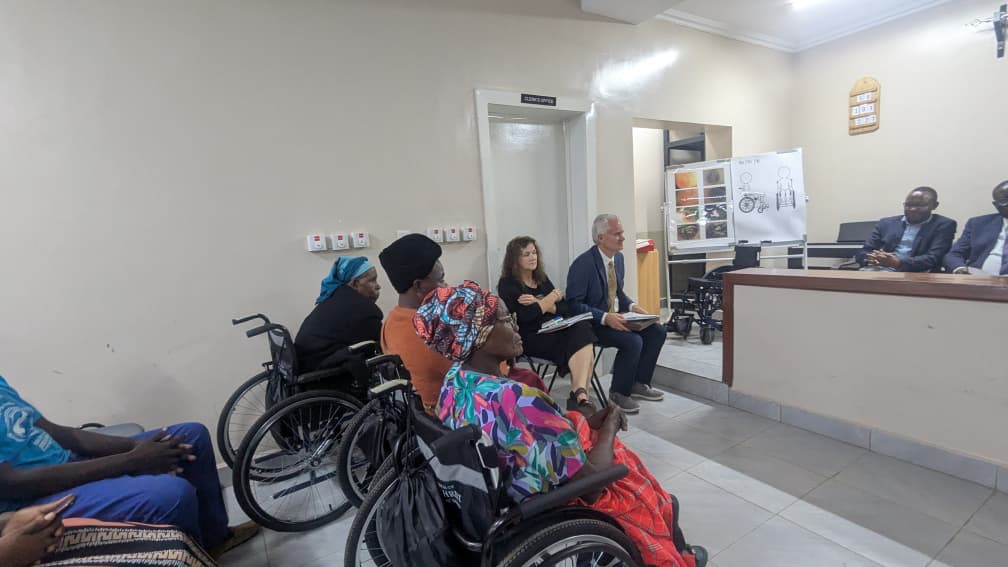
Some of the modern wheelchairs donated by the LDS Church
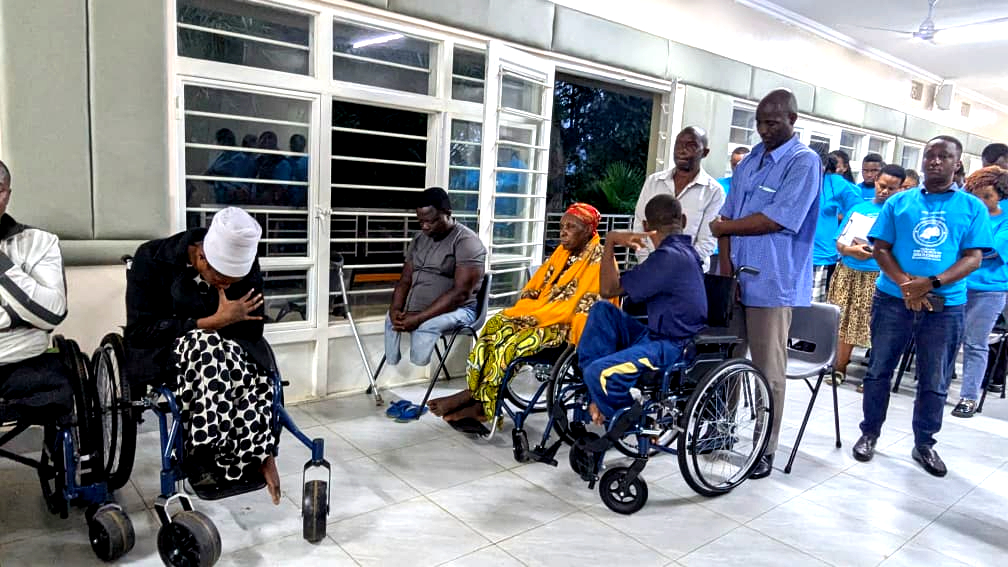
Through the partnership with the Government, the LDS Church donated 20 Cross Terrain wheelchairs (worth $12,000) to persons with physical disabilities to reach 900 wheelchairs this year.
Ismail Kayitare, one of the beneficiaries with limb disabilities who used crutches before, said it was hard to move to a bus station because of the pain in armpits.
“With these wheels, I will not have deformities like others or feel the pain of using crutches, which has been the biggest mobility challenge,” Kayitare said.
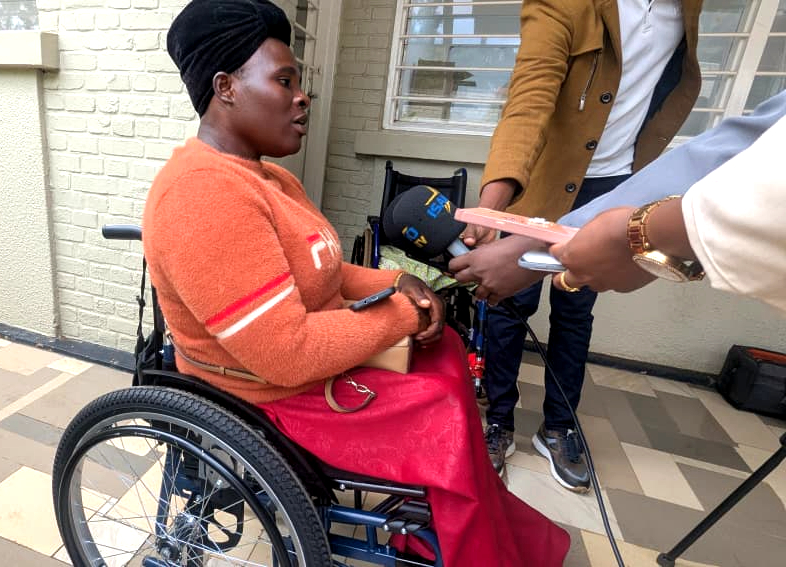
Jeanine Mukeshima
For Jeanine Mukeshima, a disabled trader who had an old single-terrain wheelchair, says that it is hard to afford a new wheelchair, but with the new wheels, this will ease her movement.
“There are many of us who have old wheelchairs, and this impedes movement, which is why we are asking for more support to help those who cannot afford such wheelchairs,” she said.
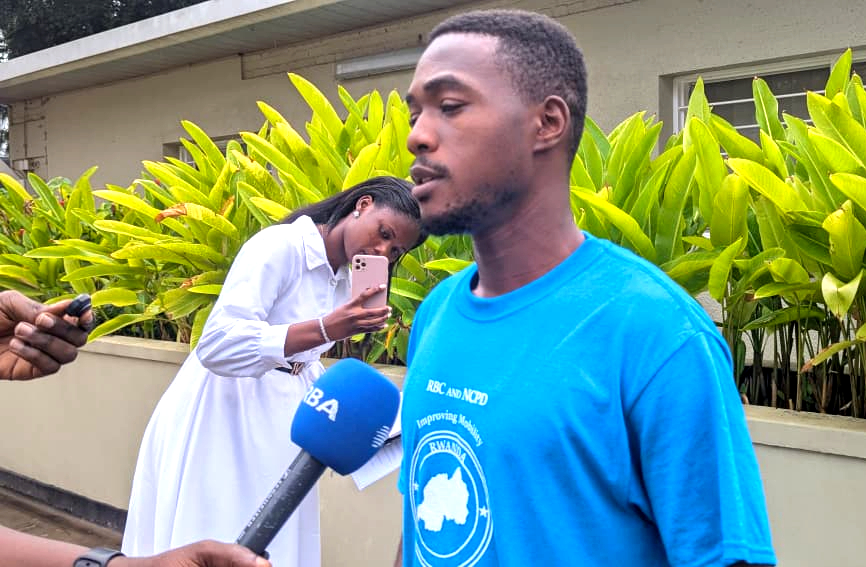
Justin Nsabimana
Justin Nsabimana, a trained prosthetist and orthotist, says that the training will improve the way wheelchairs are prescribed and repaired.
“We had no skills to determine the proper wheelchairs and let alone repair them. Now we will be able to repair all wheelchairs and provide proper services,” Nsabimana said.
Beyond wheelchairs, the program included a mobility orientation component, equipping participants with practical knowledge on assisting users of walking aids such as white canes, crutches, and walking frames, focusing on correct usage and safety.
Dr. Francois Uwinkindi, NCDs Division Manager at RBC, said that this LDS partnership and support should continue because it is changing the lives of Rwandans and used the opportunity to rally for more support.
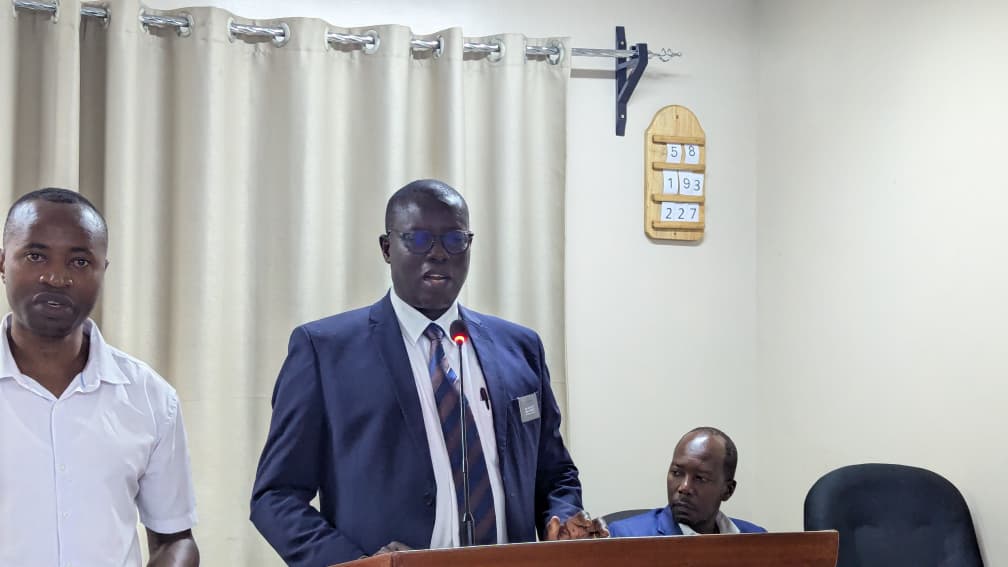
Elder Koratang’ (right)
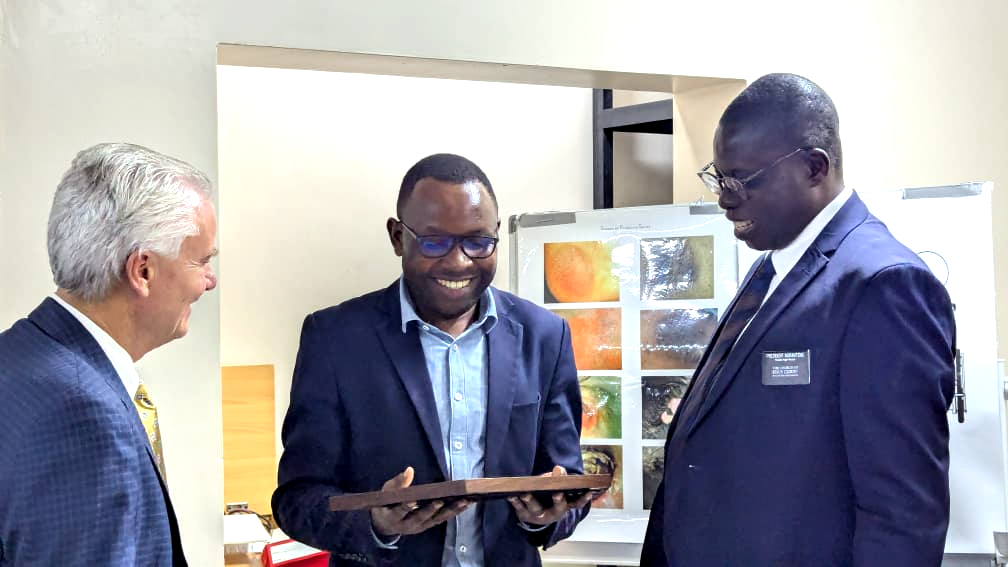
LDS Rwanda President, Elder Koratang’, said that the support program costs over $350,000, and 90 percent of the beneficiaries are not their church members because of their humanitarian aid rationale, which aims to reach out to all in need regardless.
Elder Koratang’ called on the trained technicians to maintain the equipment so that it can benefit physically challenged beneficiaries to have equal access and development as others.