



A Korean-funded agricultural promotion project has boosted agricultural production, enabling Rwandans to grow more food for the market, learn new techniques, and build bonds between Rwanda and the Korean community.
Funded through the Korea International Cooperation Agency (KOICA), Benjamin Bucyana, Project Manager of the $10 million Sustainable Agricultural Productivity and Market Linkage Project (SAPMP), said that the project has focused on both infrastructure development and farmer capacity building to ensure long-term, sustainable impact.
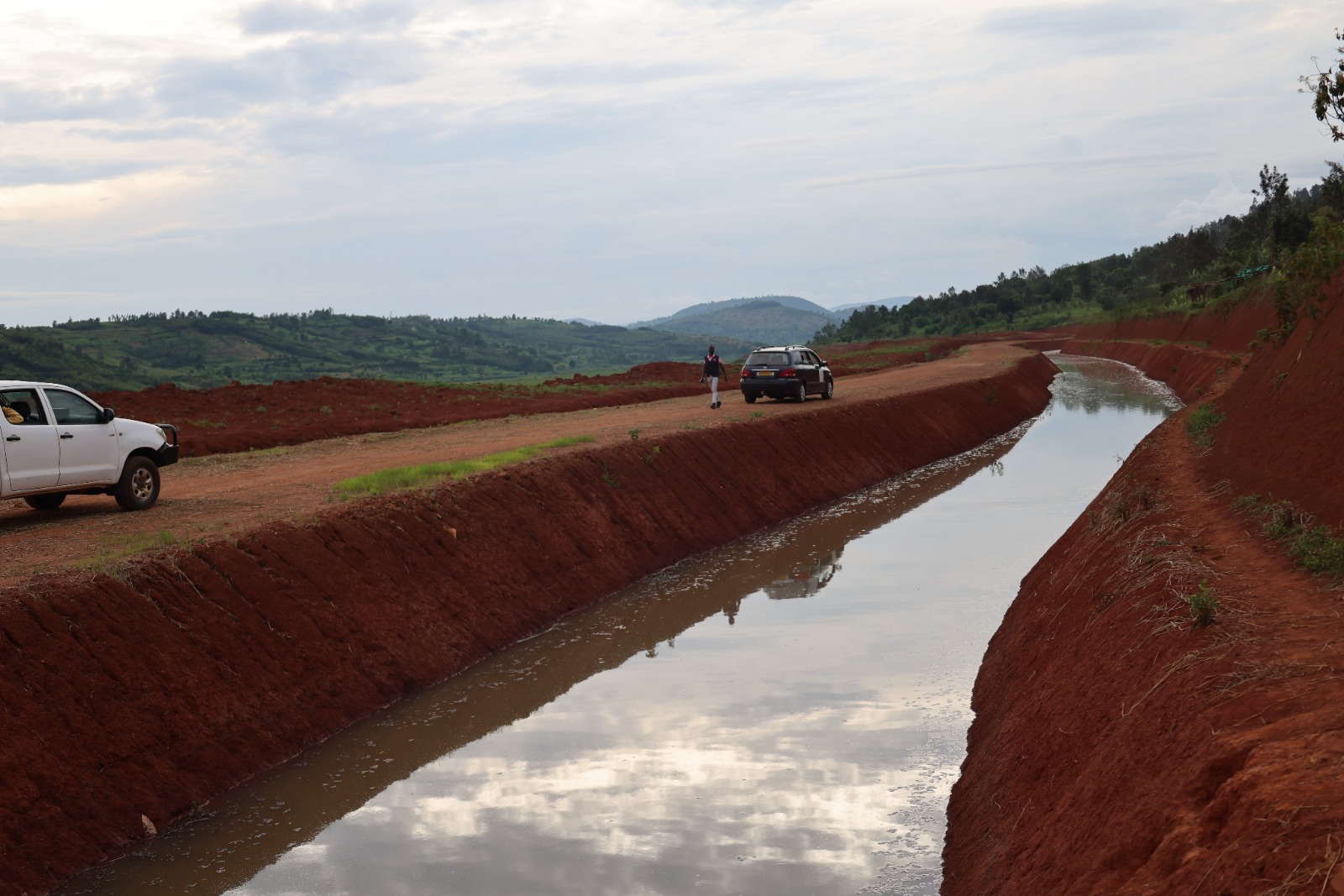
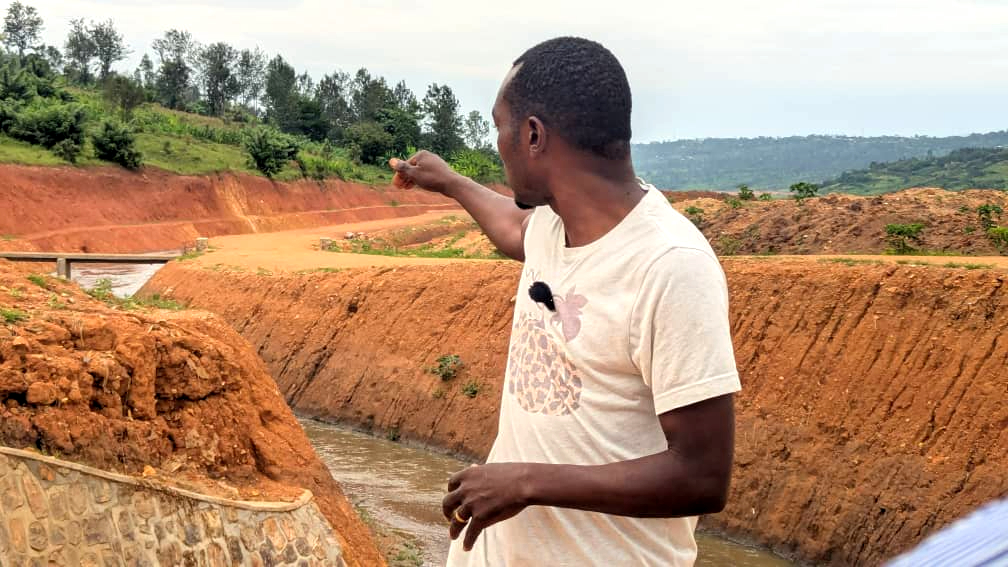
Major interventions have been the rehabilitation and development of key marshlands, including 600 hectares of Nyiramageni marshland and 500 hectares in the Katarara area.
These developments were accompanied by the construction of modern irrigation and drainage systems, land consolidation, terraces, and anti-erosion structures.
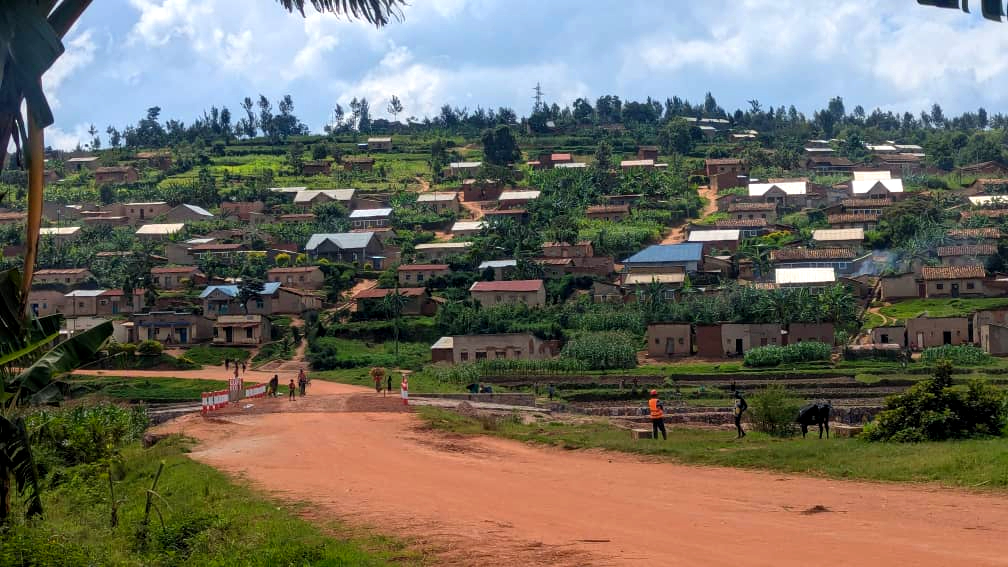
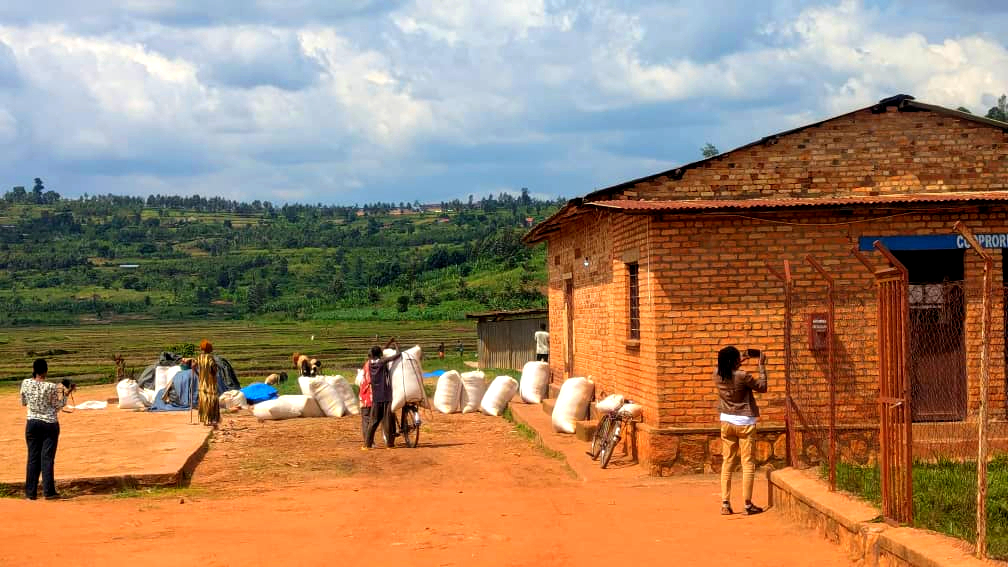
In addition, the project supported rural infrastructure such as roads and bridges, as well as post-harvest storage facilities and administrative offices.
These investments have significantly increased agricultural productivity, reduced post-harvest losses, and improved farmers’ access to reliable markets.
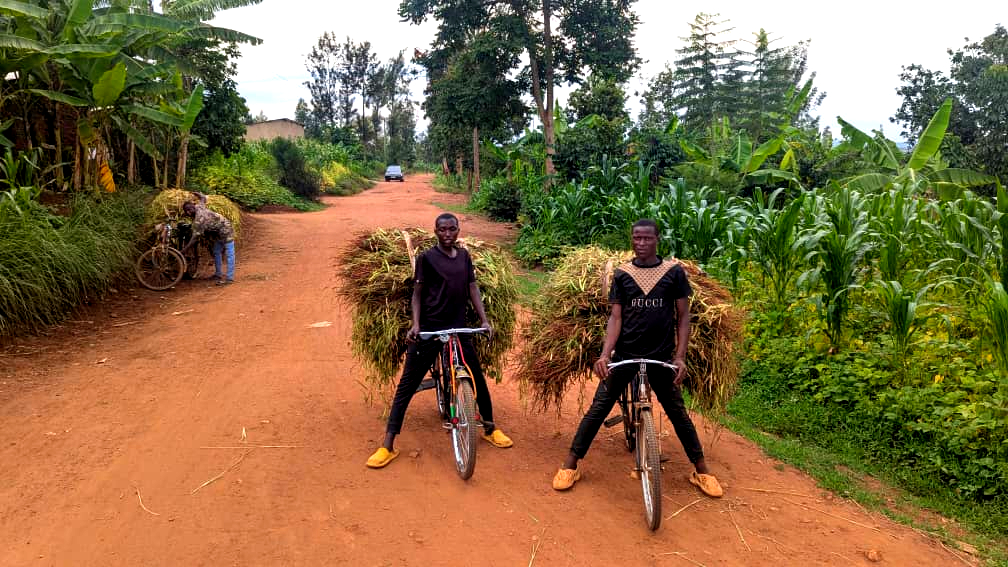
More than 3,000 farmers across Gisagara and Nyanza Districts are directly benefiting, all organized into cooperatives which are positioned to aggregate produce.
For instance, produce has grown from 2 tons per hectare (T/ha) to over 6 tons of maize, from 1.5 tons of beans to 3.5 tons/ha, which has been sold thanks to the lessons learned from others, especially South Koreans.

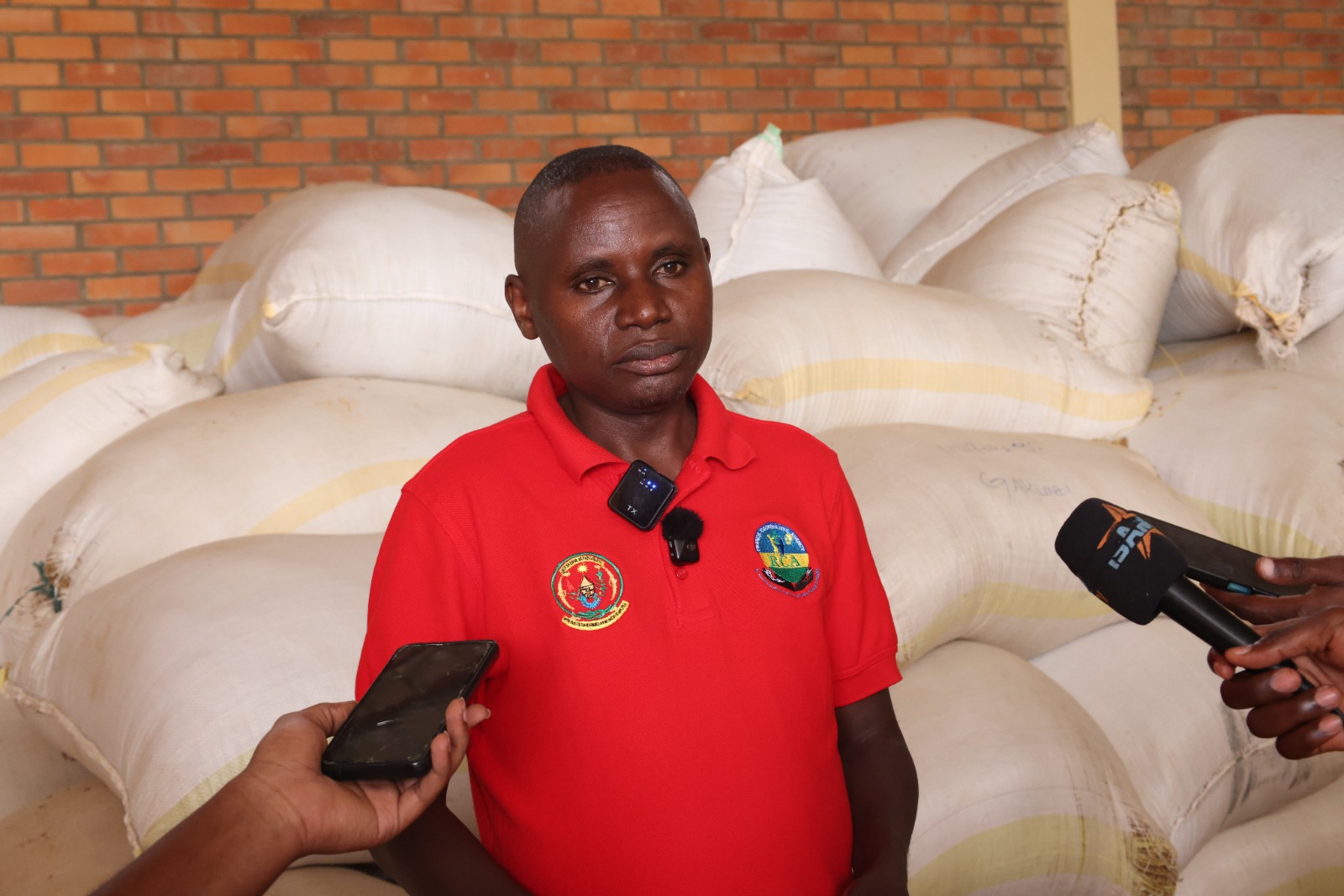
Benjamin Bucyana, the Project Manager
“This project has enhanced the Rwanda-South Korean relations through knowledge sharing. Korean experts have worked with farmers to improve agricultural practices, techniques in seed multiplication, motivational awards to the best farmers, and all this builds bonds,” Bucyana said.
The Impact:
Jacqueline Nizeyimana, president of Tubehoneza Gikonko, in Gikonko Sector, Gisagara district, said that since 2021, the project has enabled most farmers to learn from the Korean agricultural practices, to work and produce as a cooperative.
The group grows maize, beans, soya, and vegetables.
Nizeyimana said that in the past, they used to work individually and in chaos but also made losses because of soil erosion and lack of skills in using fertilizers.

Jacqueline Nizeyimana
However, all this changed when they constructed terraces and gained skills in using manure and offering opportunities to visit other farmers, especially in Korea, to learn how to make compost manure, among others.
“I was lucky to be one of the farmers who went to Korea, the first time I boarded a plane, but came back with knowledge, especially on how to work in cooperatives and make compost manure,” she said.
The use of compost manure has enabled the cooperative to increase production from 200-300 kgs of maize per hectare to harvest 3-4 tonnes in a good season.
The project connects farmers’ cooperatives to the markets to sell their products, but this requires having administrative offices where they can manage finances and execute administrative activities.
From a rented single-roomed cooperative office, the Gikonko cooperative is among the beneficiaries of the project’s infrastructure support program for cooperative office building.
Today, they have raised a Rwf20 million office structure constructed through the project funding, and this, according to Nizeyimana, will improve their administrative duties but also do business in a smart facility.
Through SAPMP, farmers are not only increasing skills and yields but also stepping into value addition and agribusiness.
Jean Claude Ntirishwamabiko
Jean Claude Ntirishwamabiko, a farmer in Ntyazo Sector in Nyanza District, says that he learned how to process soybeans into tofu, transforming a raw crop into a higher-value product with strong market demand.
He says that he was trained in conservation agriculture, a soil-friendly approach that minimizes land disturbance while maintaining long-term soil fertility.
“Today, I apply these techniques in my fields,” he says. “I have planted soybeans and plan to process them into tofu for the market.”
Today, he has diversified by establishing an avocado orchard with more than 100 trees and runs an avocado seedling nursery, producing grafted seedlings that he sells to fellow farmers.
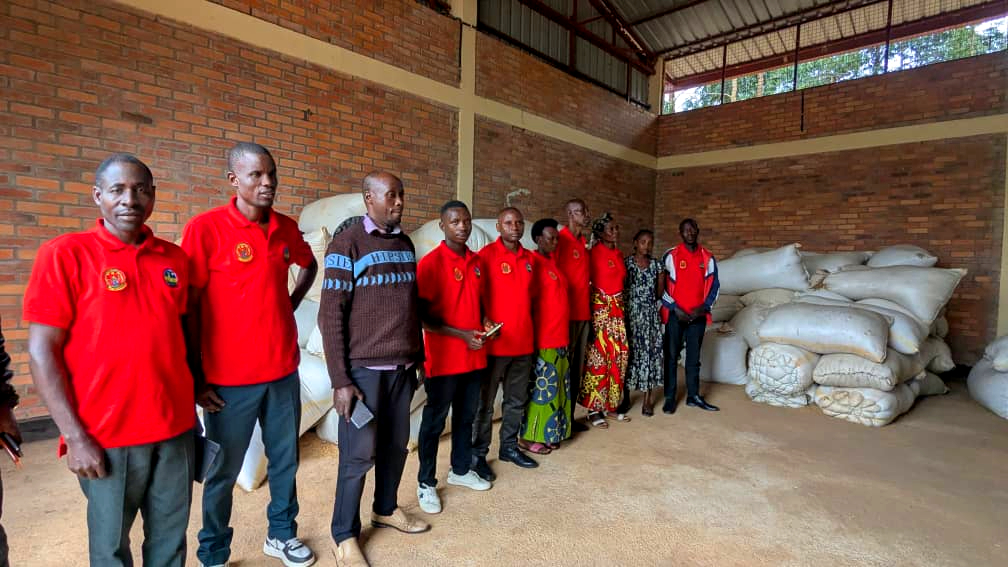
Before SAPMP interventions, the Ntyazo Rice Cooperative (COOPRORIZ NYIRAMAGENI) in Nyanza District had a total rice output of 2 tons. Today, production has risen dramatically to 5 tons/ha —a tenfold increase that reflects the power of targeted investment and knowledge transfer with 1,783 farmers, including 700 women, all engaged in rice production.
Farmer-Driven Initiatives:
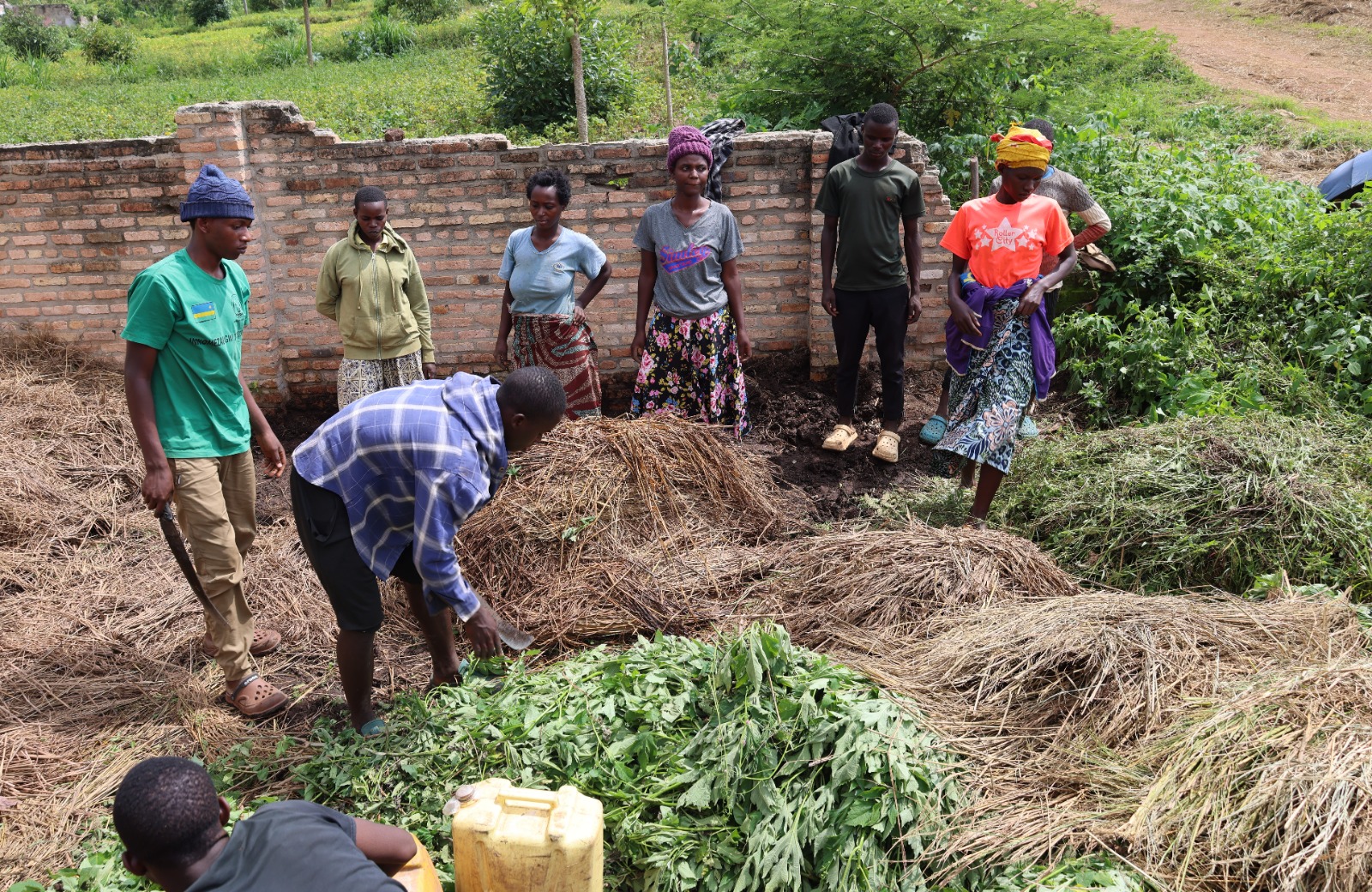
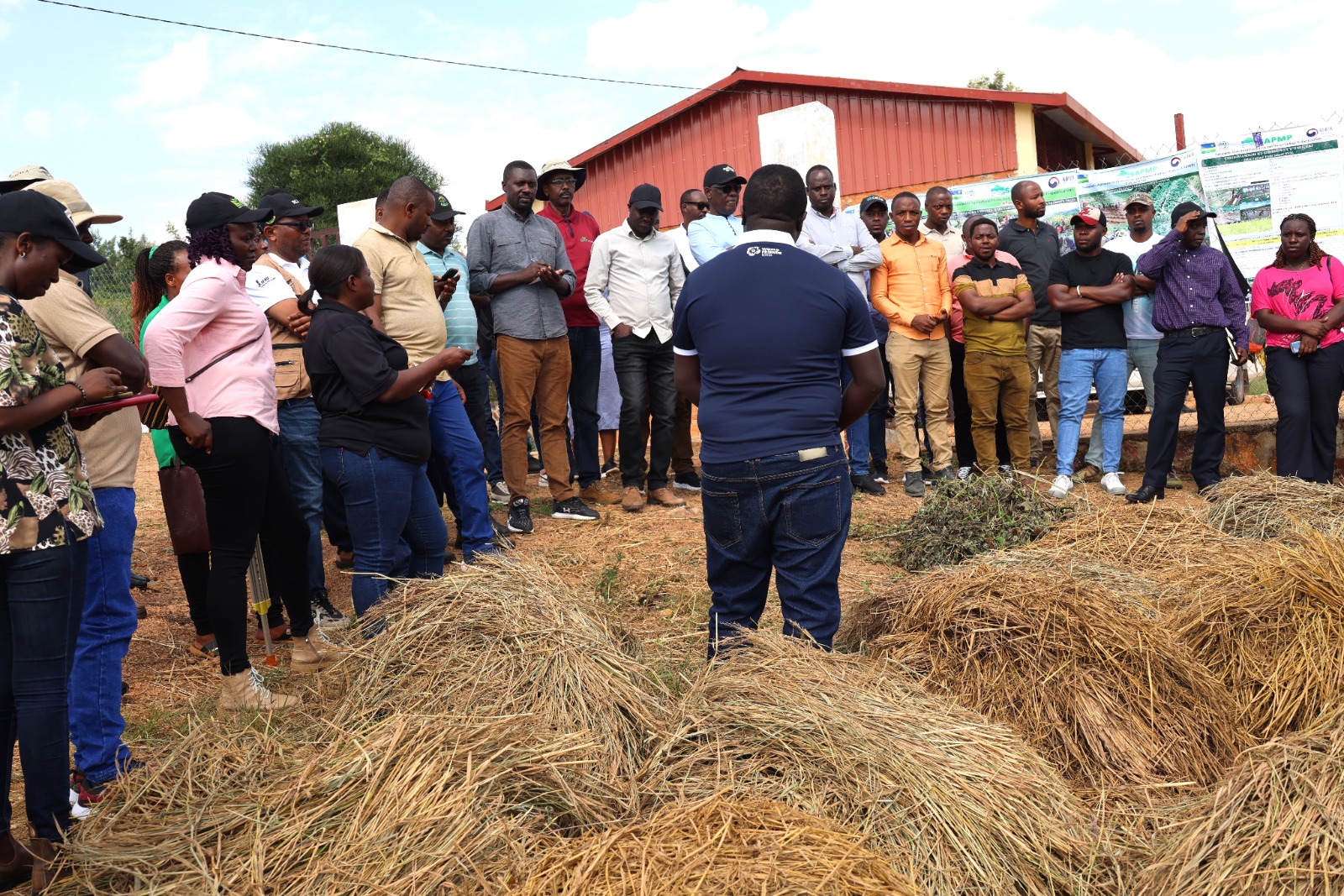
Over 700 farmers in Gisagara district trained in making compost manure, and using farmer’s working groups, these skills are passed to young women and men to build self-reliant farming communities but also usher a new generation of skilled farmers.
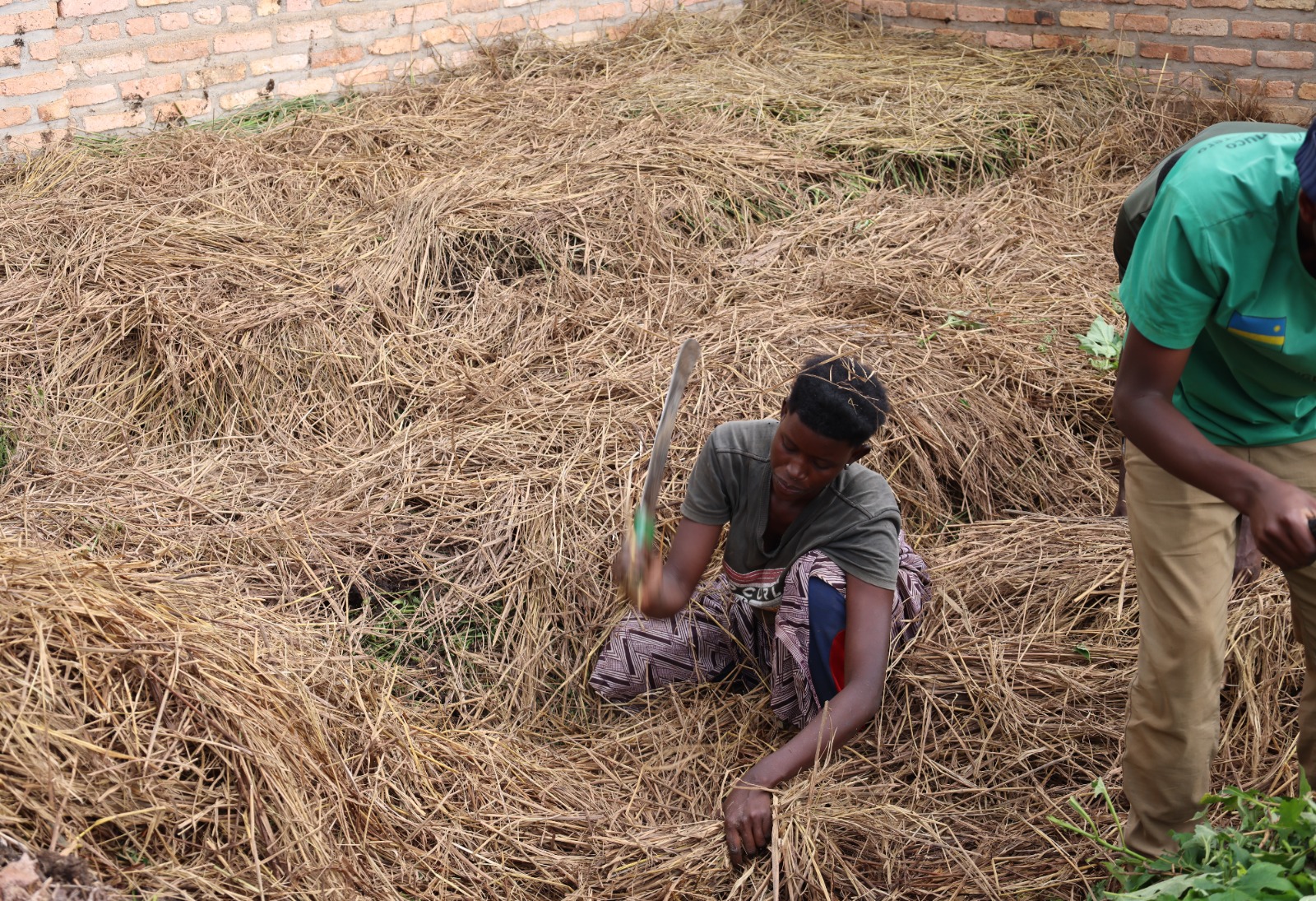
Using available raw materials such as grass, leaves, animal waste, ashes, the Ifundo (in Mamba Sector) farmers’ group is making compost manure with skills passed on by some of the trained farmers who participated in the project training program.
Jean De Dieu Munezero, the group leader, says that using compost manure increases productivity compared to using animal waste. Beans ha 5- we got 50 kgs, but with compost, we get 150 kgs because the manure is resilient.
The group produces 60-70 tons for its use but also sells Rwf3-4.5 million per month but also started, at a low scale, to train other neighboring farmers as part of the knowledge sharing.
Most of the farmers say these skills have made them sustainable to not depend on supply from contractors; however, through the Rwanda Agriculture and Animal Resources Development Board (RAB) SPIU programs, there is a plan to expand this approach.
“This approach enables farmers to produce their own inputs, and we are trying out a pilot project where farmers’ groups or cooperatives will be contracted to produce compost manure and sell it through the board,” said Jean Pierre Muhire, SAPMP project field manager.
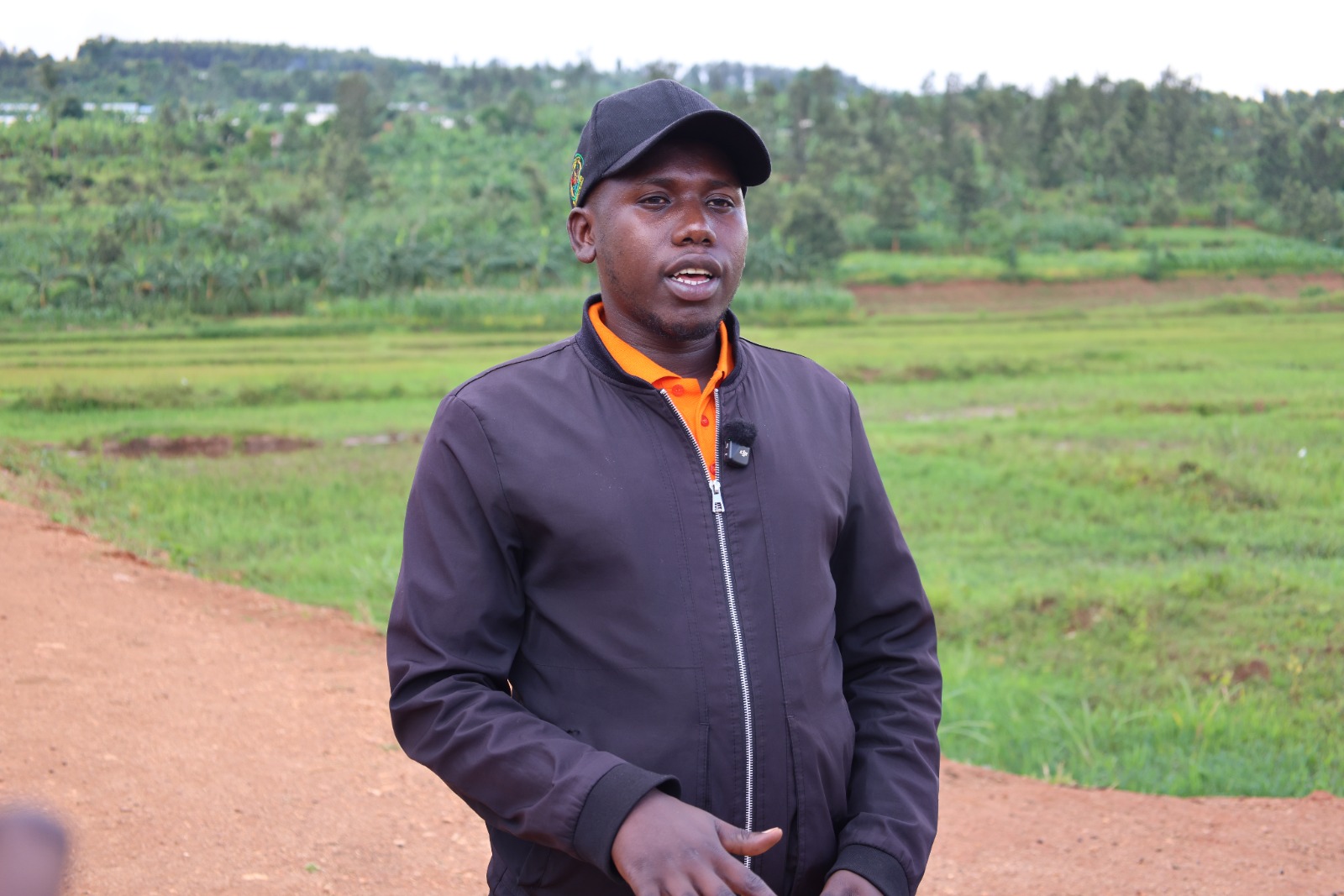
Jean Pierre Muhire, SAPMP project field manager speaks to the media
Secured Farmer’s Purchase Power:
Considering the fact that many farmers countrywide currently struggle with getting farm inputs (seeds and fertilizers) on time and at affordable prices, at Abahizi Mamba cooperative, they invested Rwf15 million in a micro-credit scheme to address this challenge.
Through soft loans with an interest of 10%, farmers get financial support from within people who can trust them, and even when they fail to repay the first loan, they can apply for another one.
“This has enabled us to disburse loans amounting to about Rwf5.5 million, and even if the loan repayment is a challenge to some, farmers are assured of inputs and don’t have to worry about delays to start planting,” Oscar Zirimwabagabo, the micro-credit scheme manager.
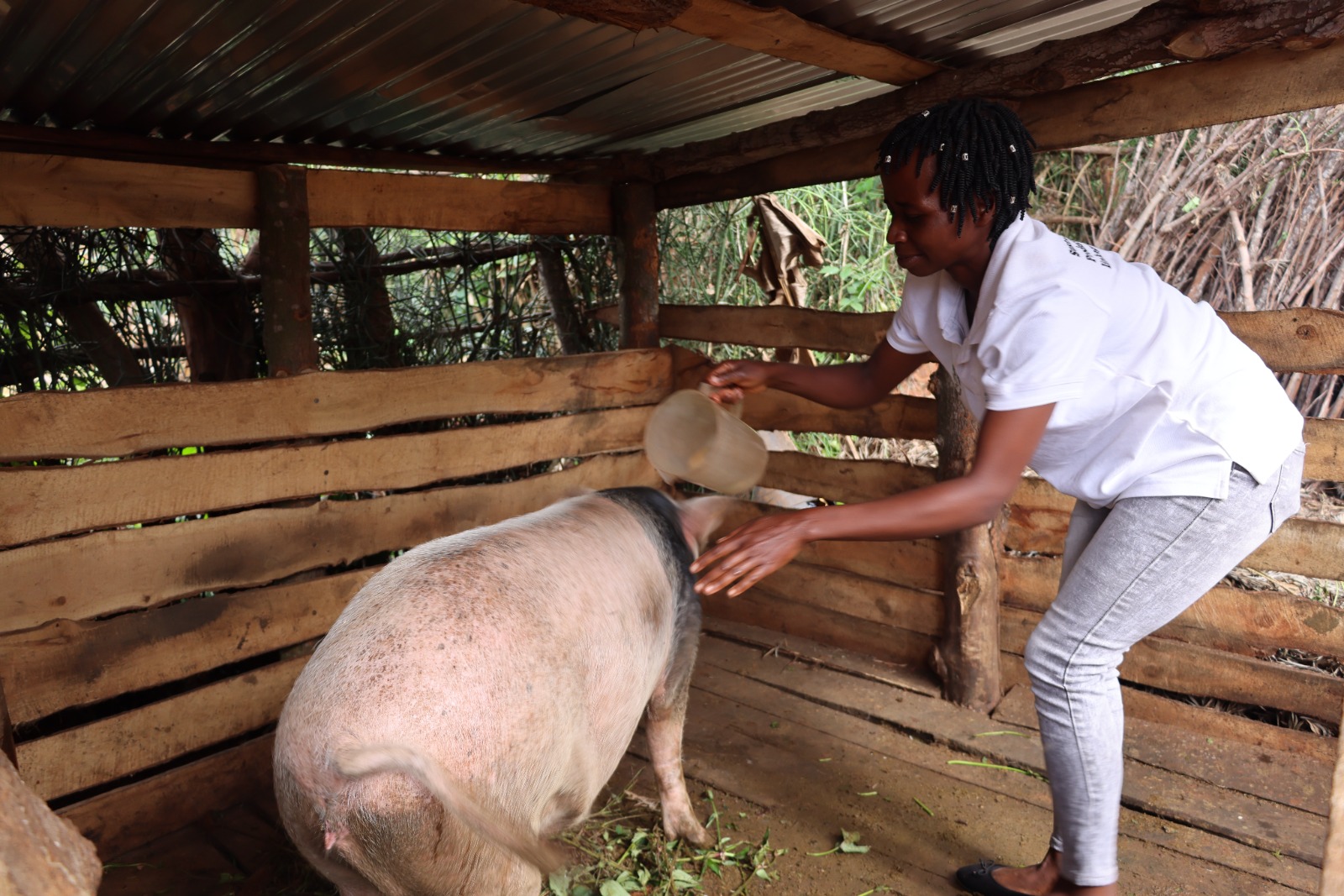
Agnes Muhawenimana and her first pig gifted by the SAPMP community
Agnes Muhawenimana, one of the best farmers who was awarded a female pig under the Korean farmer motivation initiative in Mamba cooperative, showed how this enabled her to get extra incomes through a piggery project which has grown to over 8 pigs.
Local Sustainability:

Mayor Jérôme Rutaburingoga
The SAPMP project, which is at 85% implementation, is expected to close next year, but benefiting district officials say that they will build on this success with a focus on training more farmers in best practices.
Mayor of Gisagara, Jérôme Rutaburingoga, one of the beneficiary districts, said that in order to sustain these gains, they plan on reinforcing the cooperatives, training more farmers through existing strategies using model farms, volunteers, and agronomists.
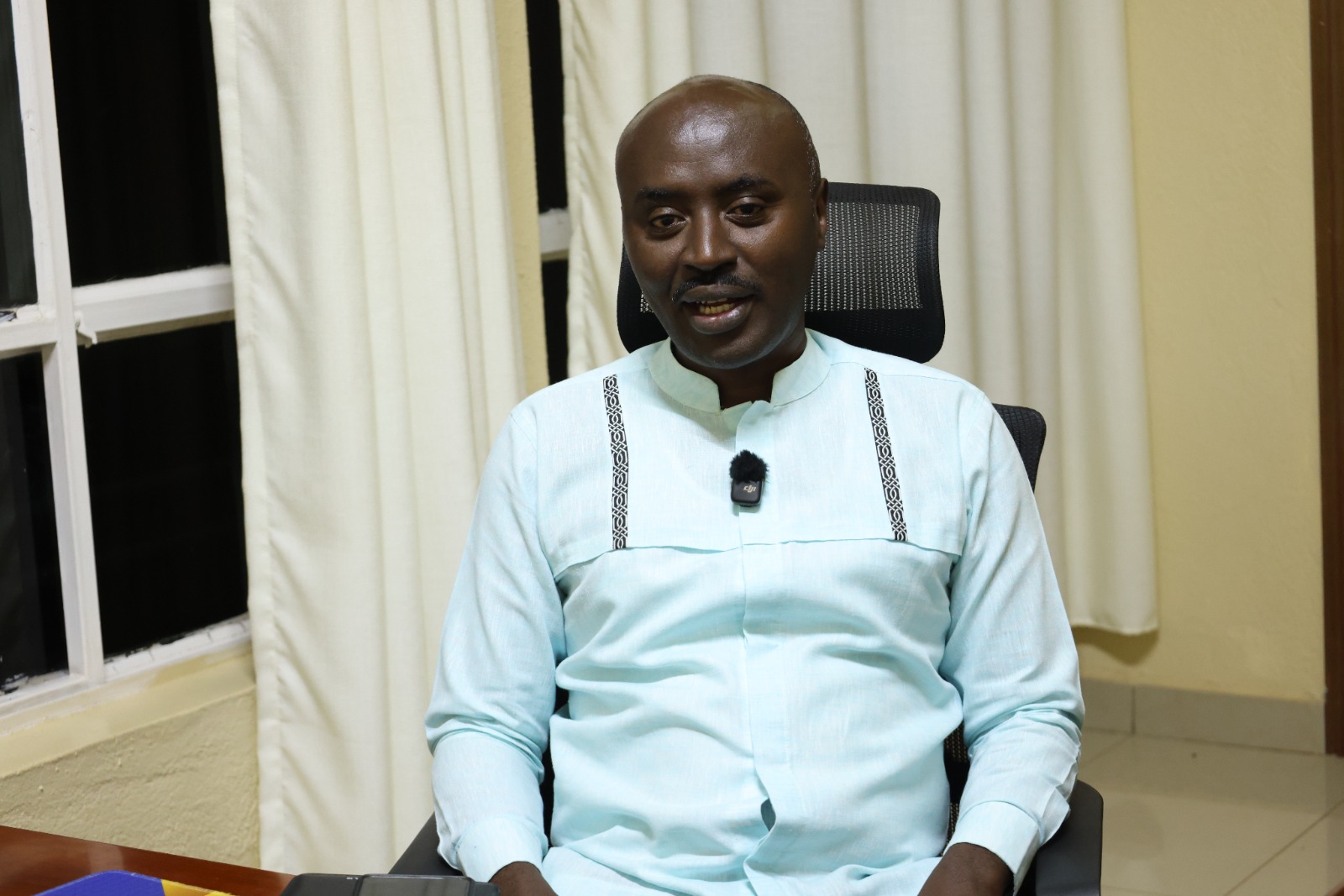
Mayor Patrick Kajyambere
Mayor of Nyanza district, Patrick Kajyambere, said that his area (Amayanga) had never seen terraces until the SAPMP project and that means a need to suppport such intiatives.
The project manager revealed that following the SAPMP success and benefits to farmers in the Southern districts, the same project model (worth over $14.5 million) will be launched in January 2026 in Gatsibo district (Eastern province) in a 500 ha rice marshland