




Rwanda is preparing to have trachoma officially recognized by the World Health Organization (WHO) as no longer a public health problem.
Globally, 21 Neglected Tropical Diseases affect millions. In Rwanda, 10 still pose a challenge, though most are under control. Sleeping sickness was officially eliminated in 2022.
Other NTDs, including yaws, leprosy, lymphatic filariasis, podoconiosis, mycetoma, and onchocerciasis, are no longer major threats.
“We are documenting trachoma cases for WHO certification,” said Dr. Ladislas Nshimiyimana of the Rwanda Biomedical Centre (RBC). No cases have been reported in eye hospitals for 17 years. Studies on yaws and bilharzia are also planned.
Why Trachoma Matters
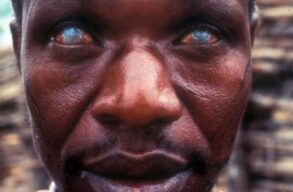
Trachoma is a contagious bacterial eye infection caused by Chlamydia trachomatis. Repeated infections can scar the inner eyelid, causing eyelashes to turn inward and scratch the cornea—a condition called trichiasis—which can lead to permanent blindness if untreated. It mainly affects children, and thrives in areas with poor hygiene, limited clean water, and crowded living conditions.
Preventing Trachoma
Rwanda follows the WHO SAFE strategy: surgery for advanced cases, antibiotics to treat infections, facial cleanliness, and better water and sanitation. Community education and regular screening help stop the disease.
Persistent NTD Challenges
Despite progress, NTDs remain a problem. Soil-transmitted helminthiasis affects 38.7% of Rwandans, hitting adults and school-aged children hardest.
Schistosomiasis is widespread, found in over 1,000 administrative cells. Taenia solium, neurocysticercosis, scabies, podoconiosis, leprosy, tungiasis, snakebites, rabies, and localized river blindness also need attention.
Health authorities stress that surveillance, community awareness, and integrated programmes are key to keeping NTDs in check.
Youth Leading the Fight
Young people are taking an active role in Rwanda’s NTD fight. Over 600 trained volunteers work through the Rwanda Malaria and NTDs Youth Corps to raise awareness and support elimination efforts.
Innovation and creativity are central. Youth use social media campaigns, talent competitions, and community initiatives to promote behaviour change.
Health officials back these efforts. “Equipping young people with accurate knowledge helps them educate communities, especially hard-to-reach areas,” said Dr. Nshimiyimana.
A Global Perspective
Rwanda’s approach mirrors a global trend of community and youth engagement against NTDs. Over one billion people worldwide are affected. Partnerships between governments, communities, and youth groups are key to reaching the 2030 elimination targets. Rwanda shows how local action can make a global impact.