



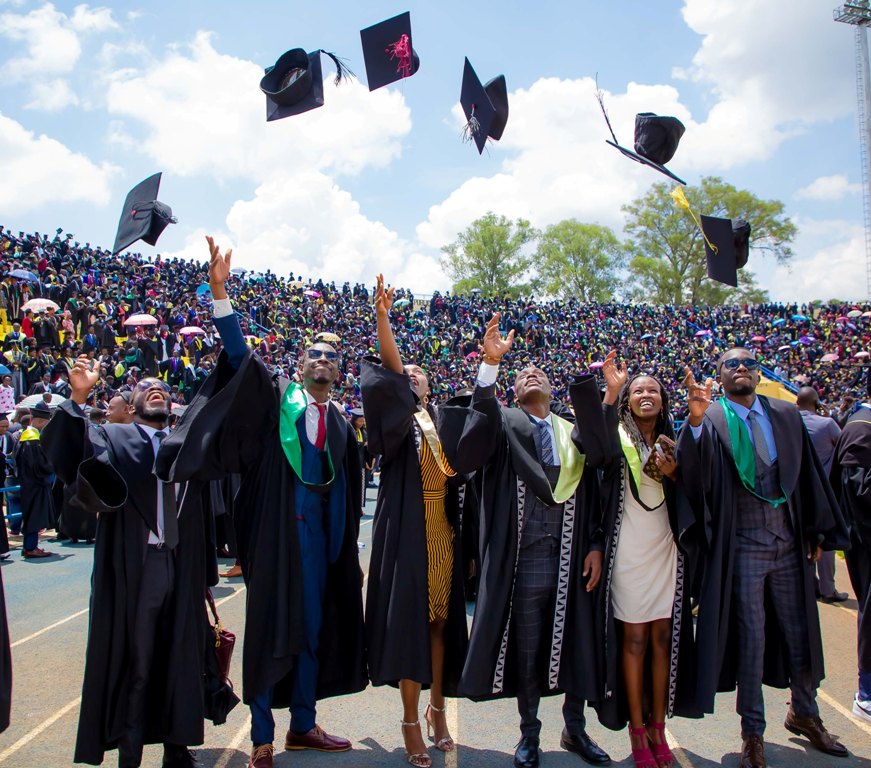
A previous graduation at the University of Rwanda (UR)
In a major shift for global development, the World Bank Group has recognized Rwanda as a top performer on the expanded Human Capital Index (HCI+). While the technical report tracks “lifetime productivity,” the real story is much simpler.
Rwanda is proving that money isn’t the only thing that defines a future. Success depends on how well Rwanda takes care of its people. For years, many developing countries have faced a “leaky pipeline” where the investment made in a child’s health is lost when they lack quality schooling, or where a graduate’s skills are wasted without a formal job.
Rwanda is stopping those leaks. With an HCI+ score of 157, Rwanda has moved well ahead of the average for Sub-Saharan Africa (126) and other low-income nations (116).
Understanding the Human Capital Scorecard
To understand this achievement, one must look at the Human Capital Index as a scorecard. It predicts how productive a child born today will be by age 18 based on their access to health and education. Essentially, it measures the economic potential of a nation’s next generation.
The strength of this approach is how everything works together. Rwanda isn’t just focusing on survival, even though those numbers are strong. Rwanda has a 79% survival rate to age 60 and has made massive strides in reducing childhood stunting.
A Foundation of Health and Resilience
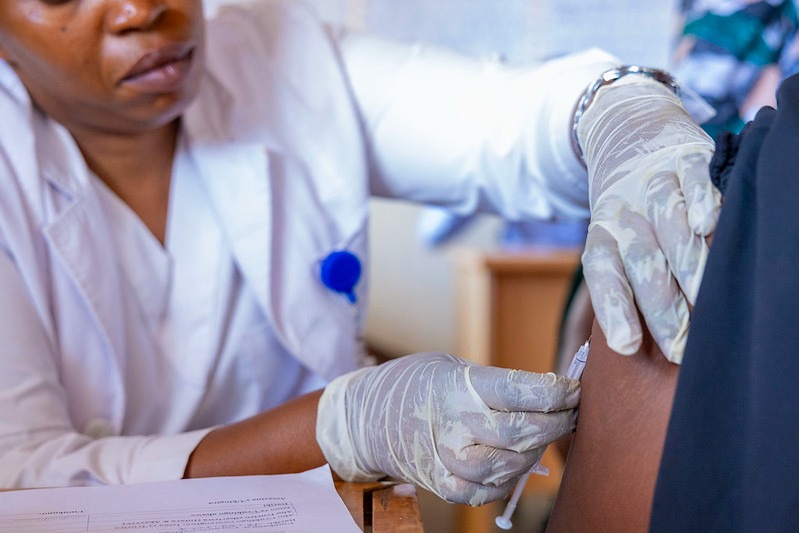
A major reason for this is Rwanda’s pioneering commitment to universal health coverage through Mutuelle de Santé. By providing affordable care to over 90% of the population, Rwanda has removed the fear of medical debt. This is supported by sustained investment in community health and nutrition programs that protect children from day one.
Rwanda has also successfully built a modern, productive economy. The data on jobs tells a powerful story. While many neighbors struggle with youth unemployment, 65.2% of Rwandan youth are in wage-based jobs. That is more than double the regional average.
Professionalizing the Workforce
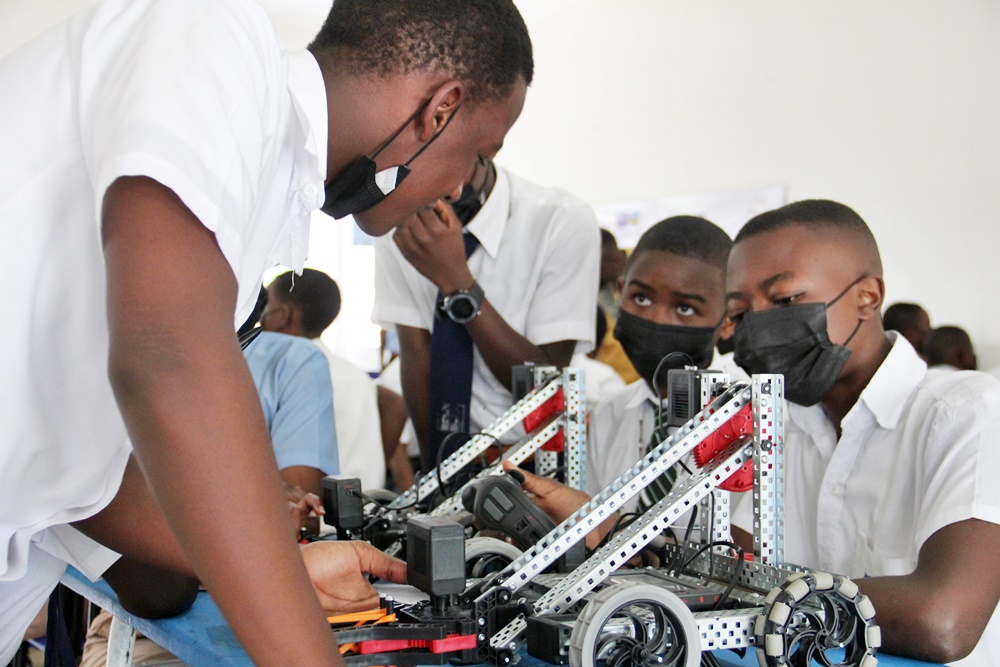
TVET Students
This success comes from the formalization of the labor market and creating clear paths to professional work. Rwanda has moved away from “invisible” informal labor by making it possible to register a business in hours and incentivizing stable contracts. This shift is powered by a focus on technical vocational training (TVET), which ensures that students graduate with specific, high-demand skills that allow them to step directly into formal roles.
Furthermore, by digitizing government services and attracting global industry, Rwanda has created an “investor-ready” environment. This strategic alignment ensures that as global firms enter the market, they find a professionalized workforce backed by social safety nets like the EjoHeza pension scheme. This creates a cycle of stability where education and health investments finally pay off in steady paychecks.
The Digital and Academic Engine
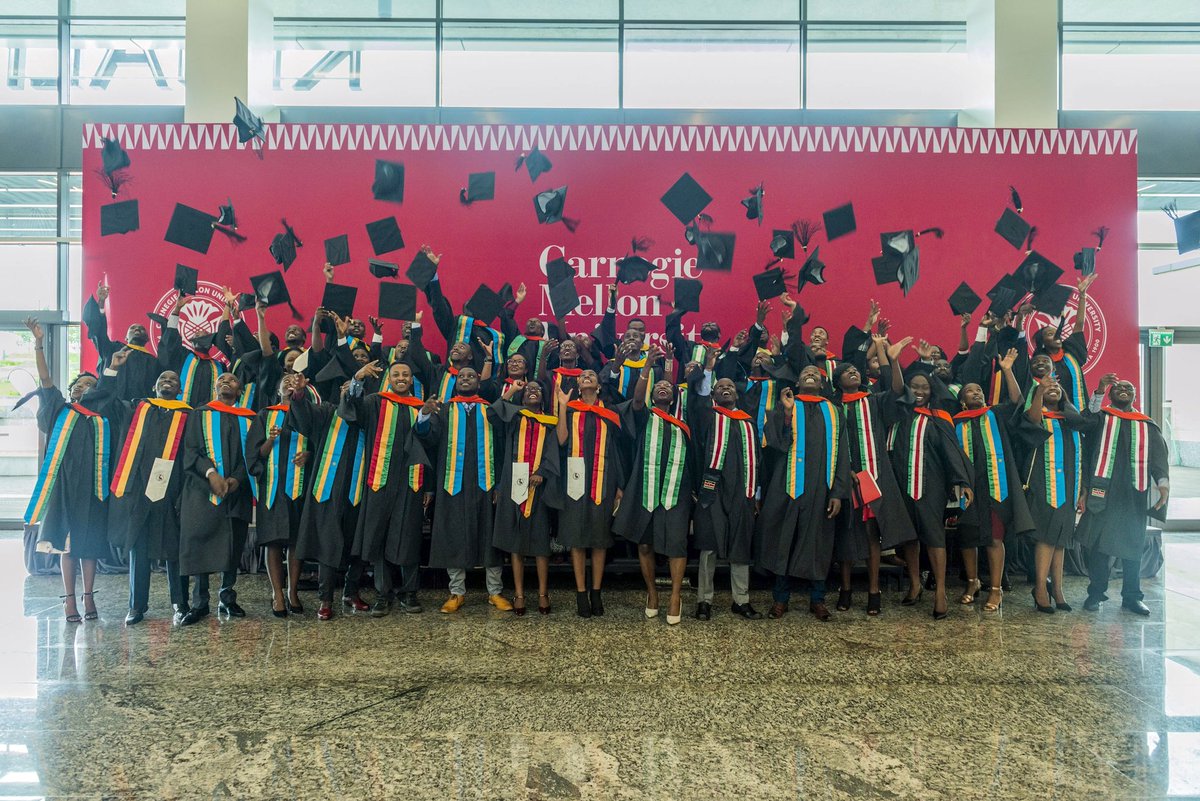
Students of Carnegie Melon University (CMU) at a previous graduation ceremony.
Alongside this, Rwanda has aggressively prioritized Information and Communication Technology (ICT) as its growth engine. By treating the internet like a basic utility, Rwanda has built a foundation for a digital economy. This works because of a deep focus on the quality of education. It isn’t just about putting kids in classrooms; it’s about what they learn. Rwandan students currently outperform most of the region.
A big part of this academic surge is the visionary leadership of President Kagame in bringing world-class international schools and universities to Rwanda (Watch Video Below). By inviting institutions like Carnegie Mellon University Africa, the African Leadership University, and the University of Global Health Equity, Rwanda has raised its local standards.
Engineering a Middle-Income Future
This ensures students learn the skills needed for the modern world. Today, the number of people finishing higher education in Rwanda is more than double the regional average. For the government, this recognition validates a massive effort.
It shows the power of integrating universal health insurance, quality schooling, ICT, and job creation into one national strategy. As Minister of Finance and Economic Planning Yusuf Murangwa noted, the goal is to create pathways to work that last for decades.
As Rwanda works toward becoming an upper-middle-income country by 2035, the evidence is clear. Rwanda isn’t just hoping for growth; it is engineering it. By focusing on long-term sustainability and digital integration, Rwanda is becoming a new model for how any country can maximize its human potential to secure a prosperous future for all.