




National Bank of Rwanda officials conducted a post-policy press briefing on May 21, 2026.
KIGALI – Despite heightened global uncertainty triggered by conflict in the Middle East and disruptions in global supply chains, Rwanda recorded a striking surge in export performance in the first quarter of 2026.
According to the National Bank of Rwanda, exports grew by 63%, a sharp rise that has helped ease pressure on the country’s external position and support the stability of the local currency.
At the same time, the trade deficit narrowed significantly by 23%, signaling improved balance between what the country earns from selling abroad and what it spends on imports.
This shift, though technical in nature, has real implications for ordinary citizens. It reduces pressure on foreign exchange markets and contributes to stabilizing the Rwandan franc.
In markets across Rwanda, prices may rise and fall, but one thing remains constant: people feel the pressure of the global economy in their daily lives.
Whether it is transport fares, shop prices, or the cost of goods that arrive from abroad, international events are never far from the household budget.
It is against this backdrop that Rwanda’s latest economic performance tells a story of resilience at a time when the world is once again facing turbulence.
Speaking during a post-policy briefing, the Governor of the National Bank of Rwanda, Dr. Soraya Hakuziyaremye, highlighted the importance of this external performance in cushioning the economy.
“The strong performance in exports is not accidental. It reflects sustained investments in productivity, particularly in coffee, tea, minerals, and manufacturing. Even under global pressure, Rwanda is increasingly able to compete and earn more from international markets,” she noted.
A Global Shock, A Local Response

Governor of the National Bank of Rwanda, Dr. Soraya Hakuziyaremye, highlighted the importance of this external performance in cushioning the economy.
The export gains come at a time when the global economy is under strain. The conflict in the Middle East has disrupted the movement of key commodities, particularly oil and gas, with ripple effects across transport costs, shipping, and food prices.
The Central Bank noted that about 20% of global oil flows pass through critical trade routes that have been affected, contributing to higher global prices.
These developments have begun to filter into Rwanda’s domestic economy, especially through fuel and transport costs, as well as imported goods. Inflationary pressures have therefore intensified.
Headline inflation stood at 13% in April 2026, driven by fuel price increases and supply constraints in food and energy markets. Inflation is projected to average 13.9% in 2026, before gradually easing toward 7.4% in 2027, still above the desired target range for part of the period.
In response, the Monetary Policy Committee raised the Central Bank Rate from 7.25% to 8.25%, a move aimed at containing inflation and protecting purchasing power.
“The decision is a measured step to bring inflation back within target and safeguard the purchasing power of Rwandans,” Hakuziyaremye said.
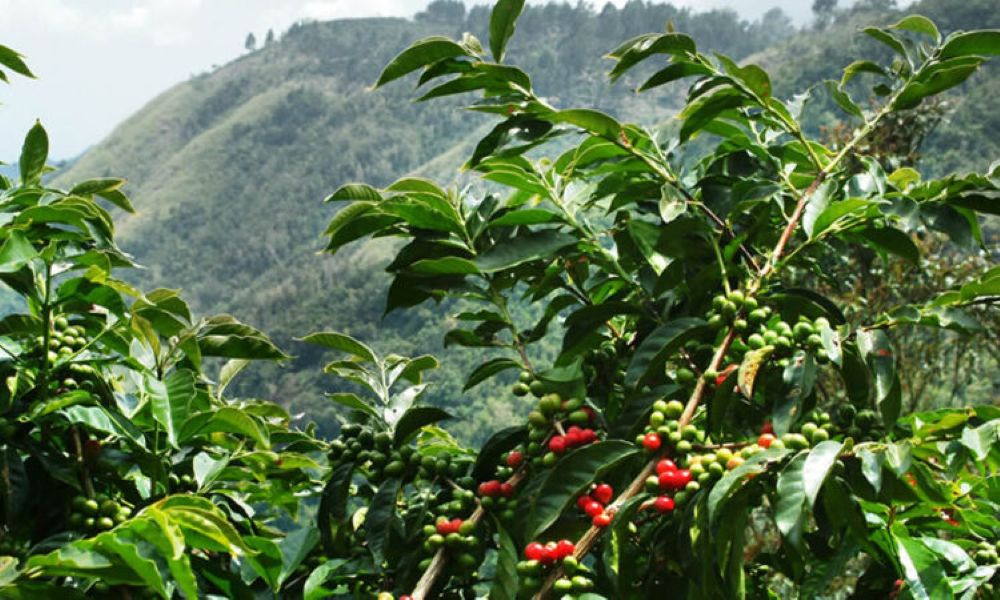
The strong performance in exports in the last three months has been achieved by sustained investments in productivity of cash crops such as coffee.
Stability in The Midst of Pressure
While inflation remains a concern, Rwanda’s external position has provided a crucial buffer. The stabilization of the Rwandan franc has been one of the most notable outcomes of recent economic developments.
The currency depreciated by only 0.5% in the first quarter of 2026, compared to higher levels in previous years.
BNR attributes this stability to a combination of narrowing trade deficits, stronger export earnings, and ongoing foreign exchange market reforms. These reforms have reduced unnecessary demand for foreign currency in domestic transactions and improved market efficiency.
Officials say that when the trade deficit narrows and export earnings increase, the pressure on the currency reduces. That is exactly what is happening now.
Foreign exchange reserves have also remained at comfortable levels, providing enough cover for more than four months of imports, a benchmark considered sufficient for external stability.

BNR Officials during a press briefing. They say that when the trade deficit narrows and export earnings increase, the pressure on the currency reduces.
A Shift in Economic Confidence
Beyond the immediate statistics, Rwanda’s economy continues to show strong underlying growth momentum, supported by services, industry, and agriculture.
Economic activity in the first quarter grew strongly, with the central bank’s composite index indicating 16.5% growth in aggregate demand across key sectors such as trade, transport, and financial services.
Yet clear risks that remain include the persistence of global conflict, possible declines in tea and coffee prices, and rising import costs that could create pressure in the second half of 2026. Still, the export performance stands out as a critical anchor.
“Even in a volatile global environment, Rwanda is demonstrating that it can grow its export base, reduce its trade deficit, and maintain macroeconomic stability. That is an important signal of resilience,” Hakuziyaremye emphasized.
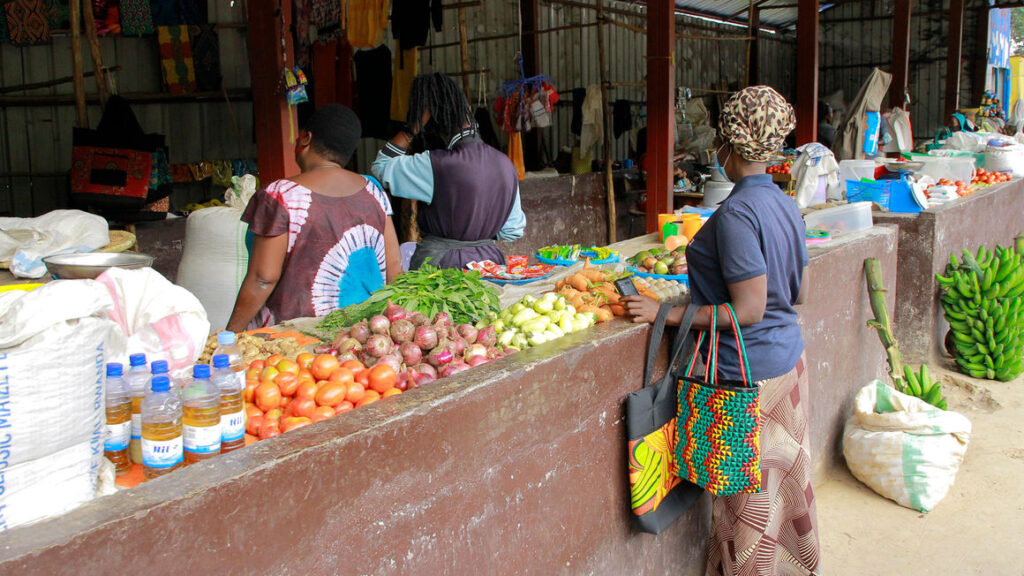
Market prices of commodities may rise and fall but the pressure of the global economy is felt in people’s daily lives.
A Balanced Outlook
For many Rwandans, the technical language of monetary policy may feel distant. But its impact is not. From the price of fuel to the cost of imported goods, the effects of global shocks are increasingly visible.
Yet the first quarter results suggest that Rwanda is entering this uncertain period with stronger buffers than in the past. Rising exports, a narrowing trade gap, and a stable currency all point to an economy that is adapting rather than absorbing shocks passively.
As the global economy continues to shift, Rwanda’s challenge will be to sustain this export momentum while managing inflationary pressure at home. Resilience is not only about surviving shocks, but about turning them into opportunity.
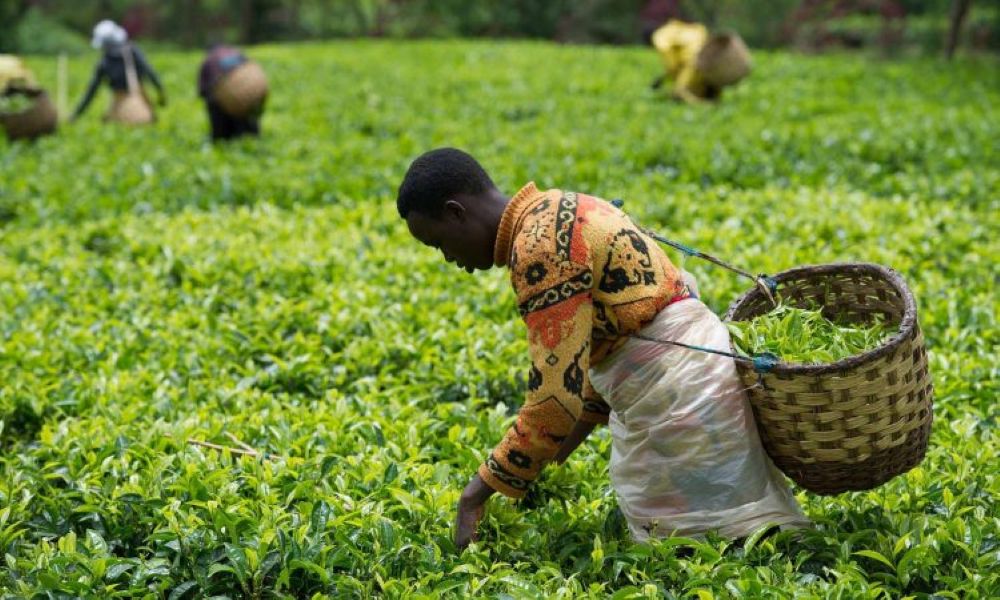
Tea is among the major cash crops that have increasingly raised the level of Rwanda’s exports.