



KIGALI — A new generation of tech-savvy, financially literate student entrepreneurs is rising in Rwanda, driven by a national curriculum overhaul that has mandated hands-on entrepreneurship, business club participation, and financial literacy for all Senior 4 to 6 (A’ Level) students since 2016.
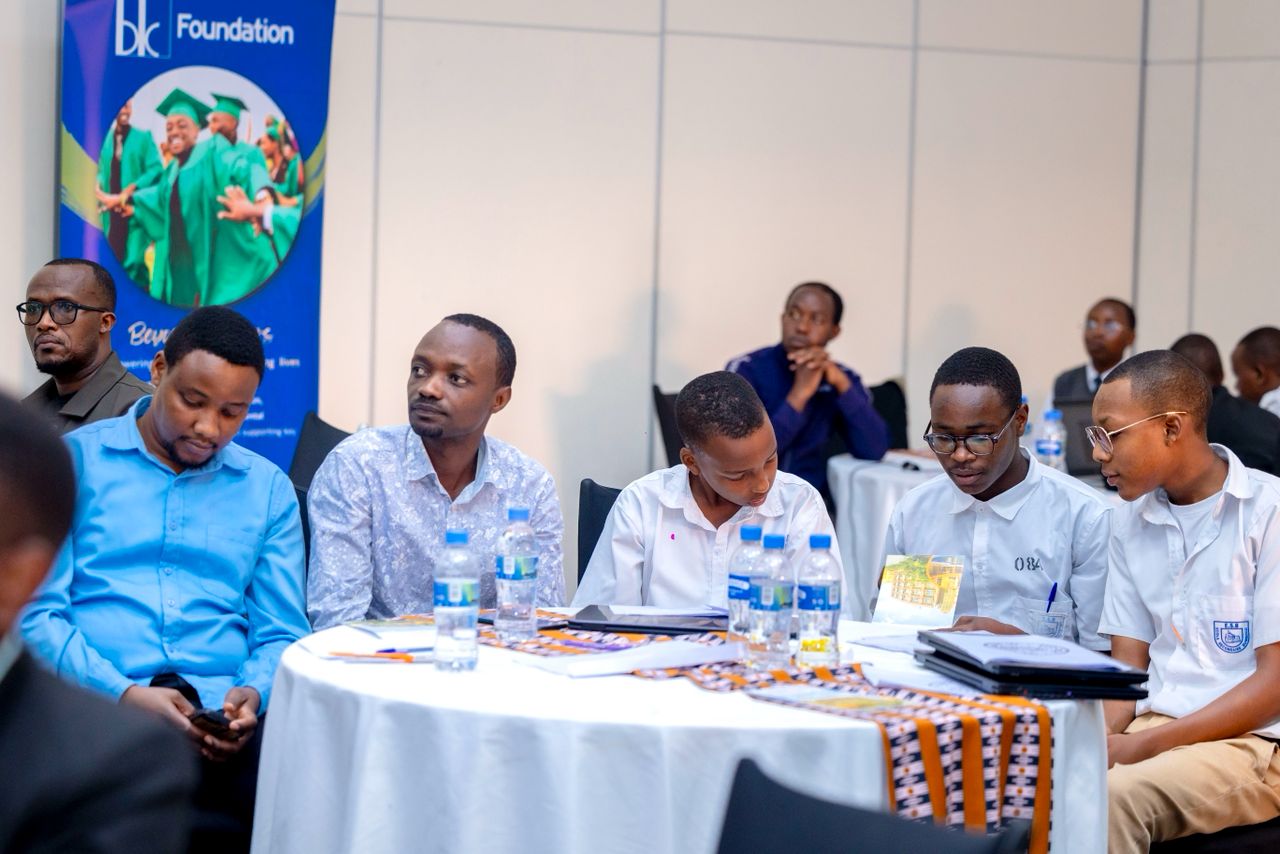
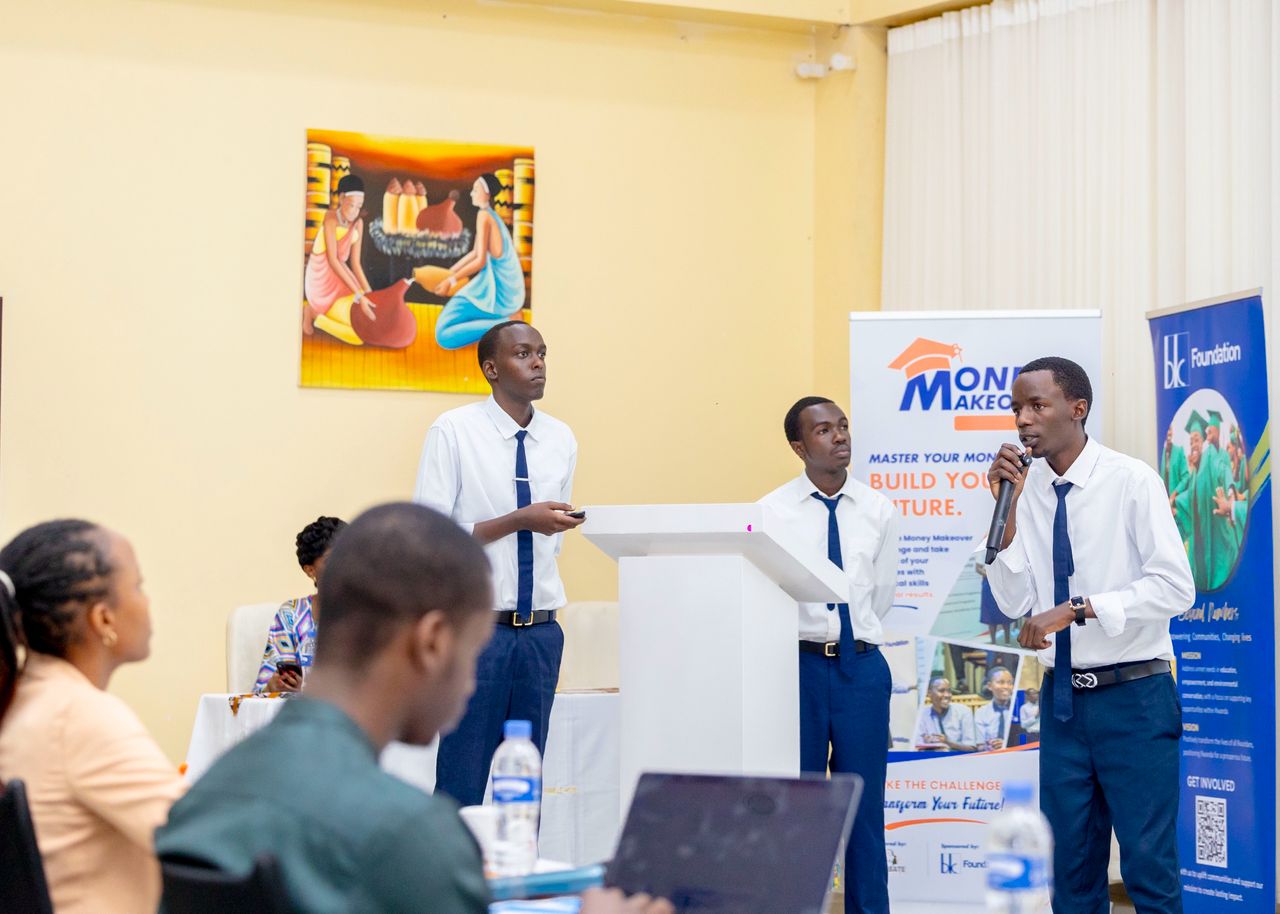
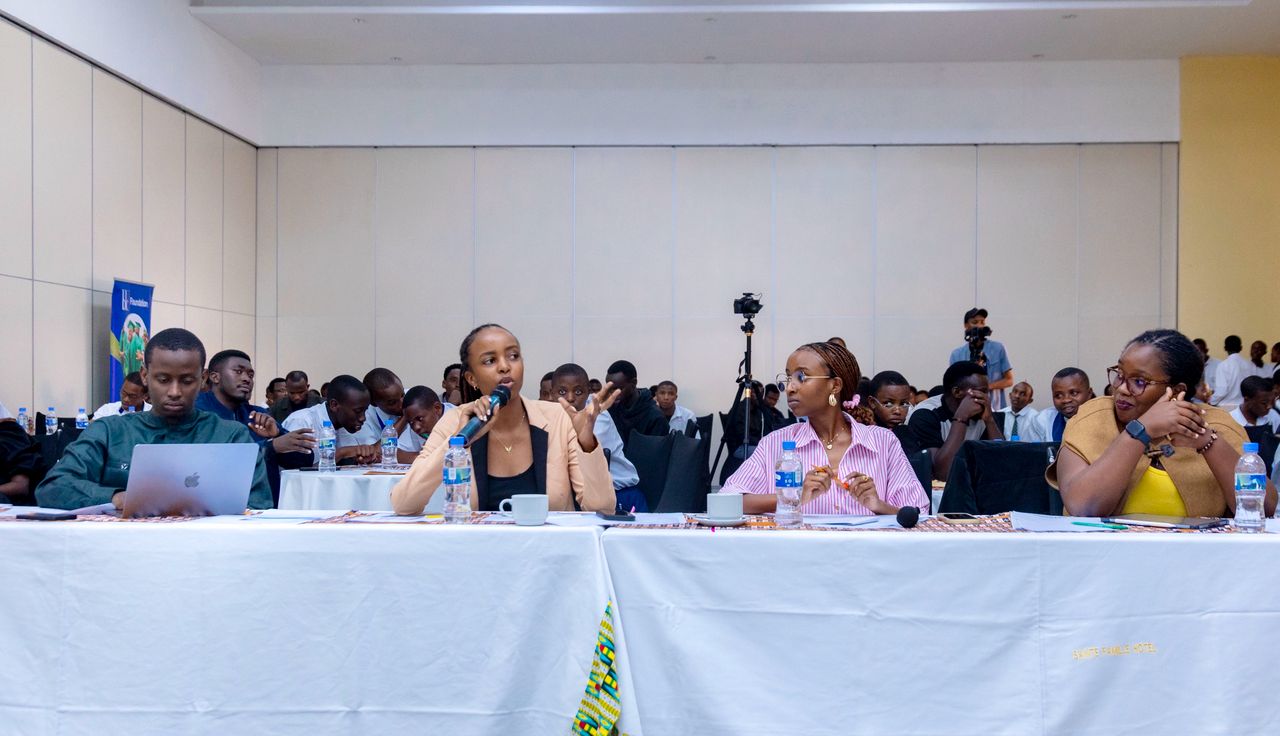
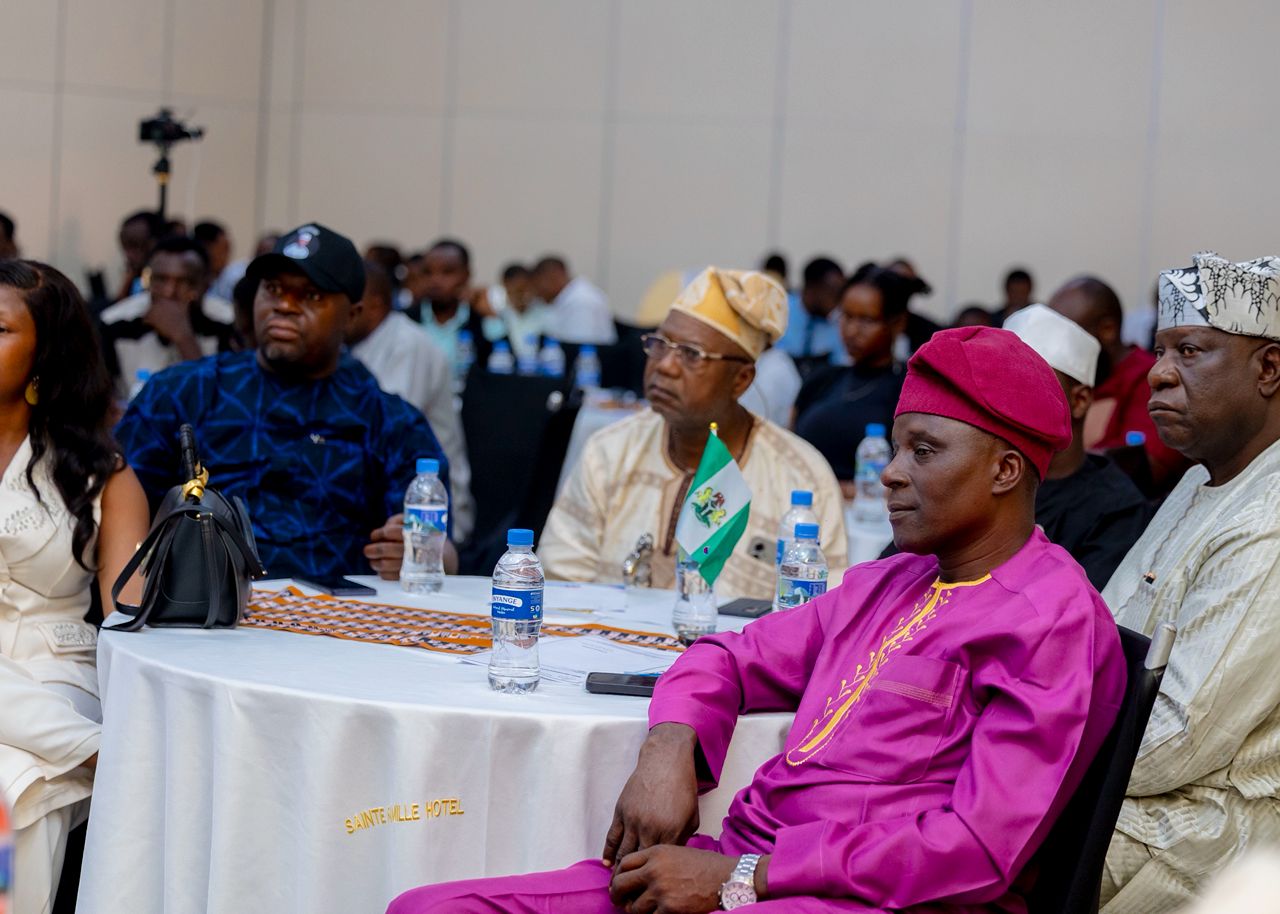
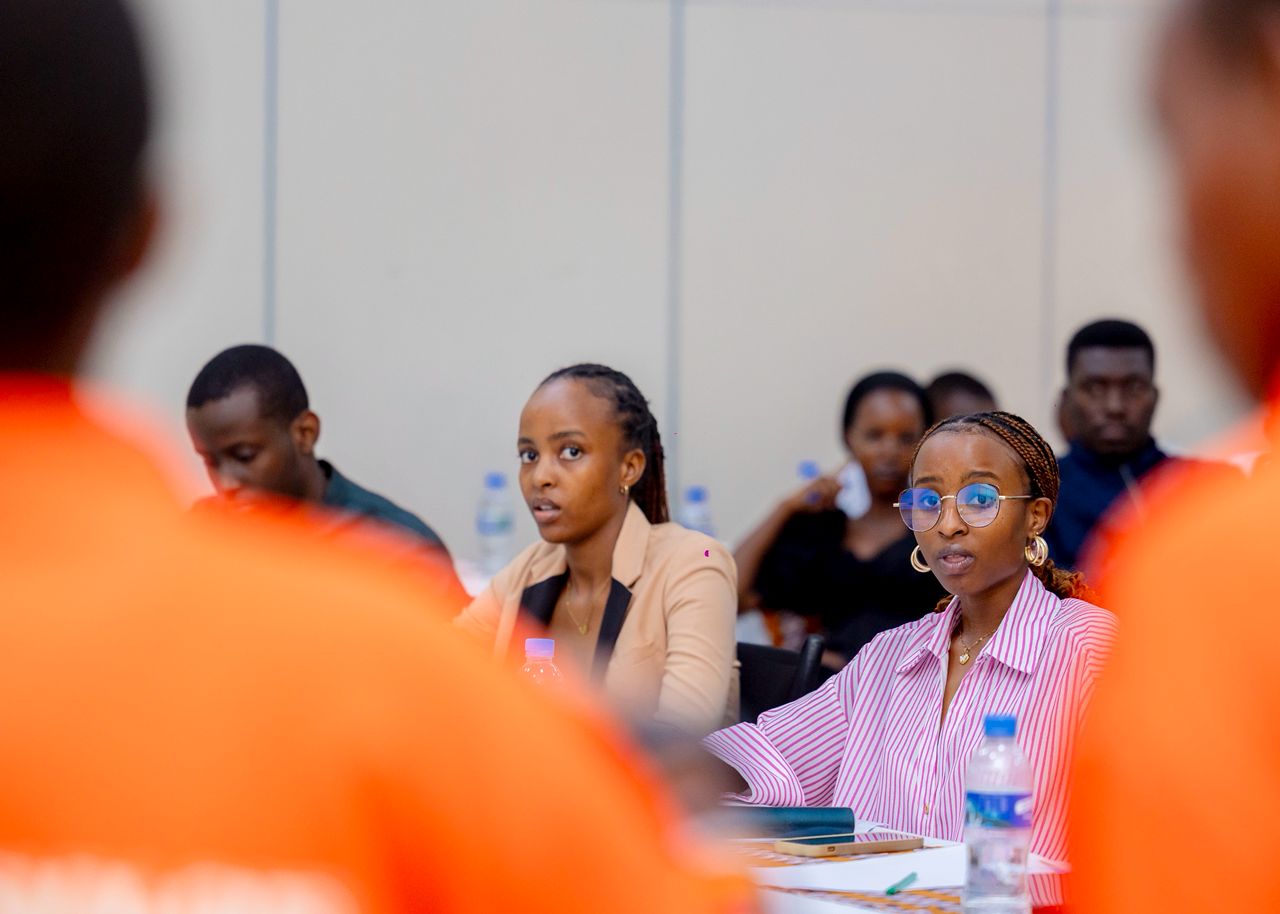
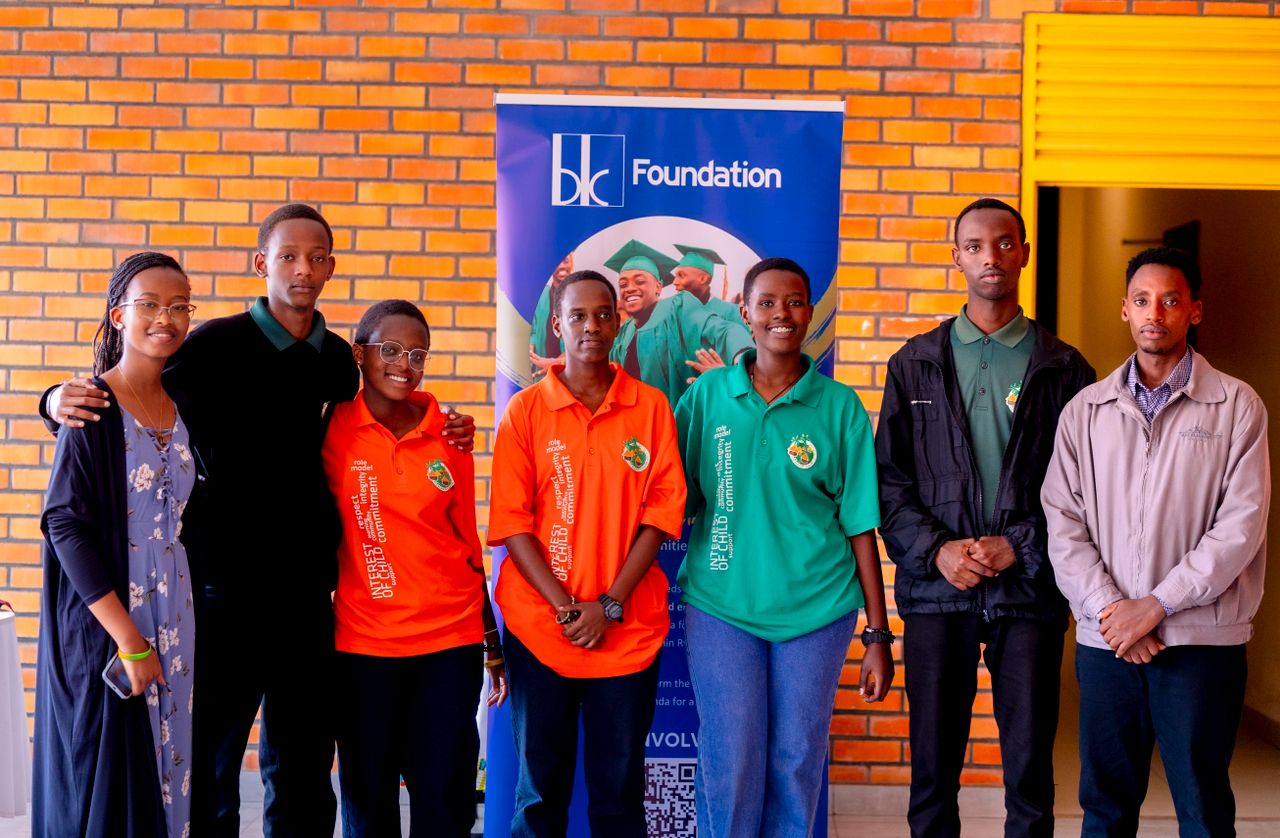
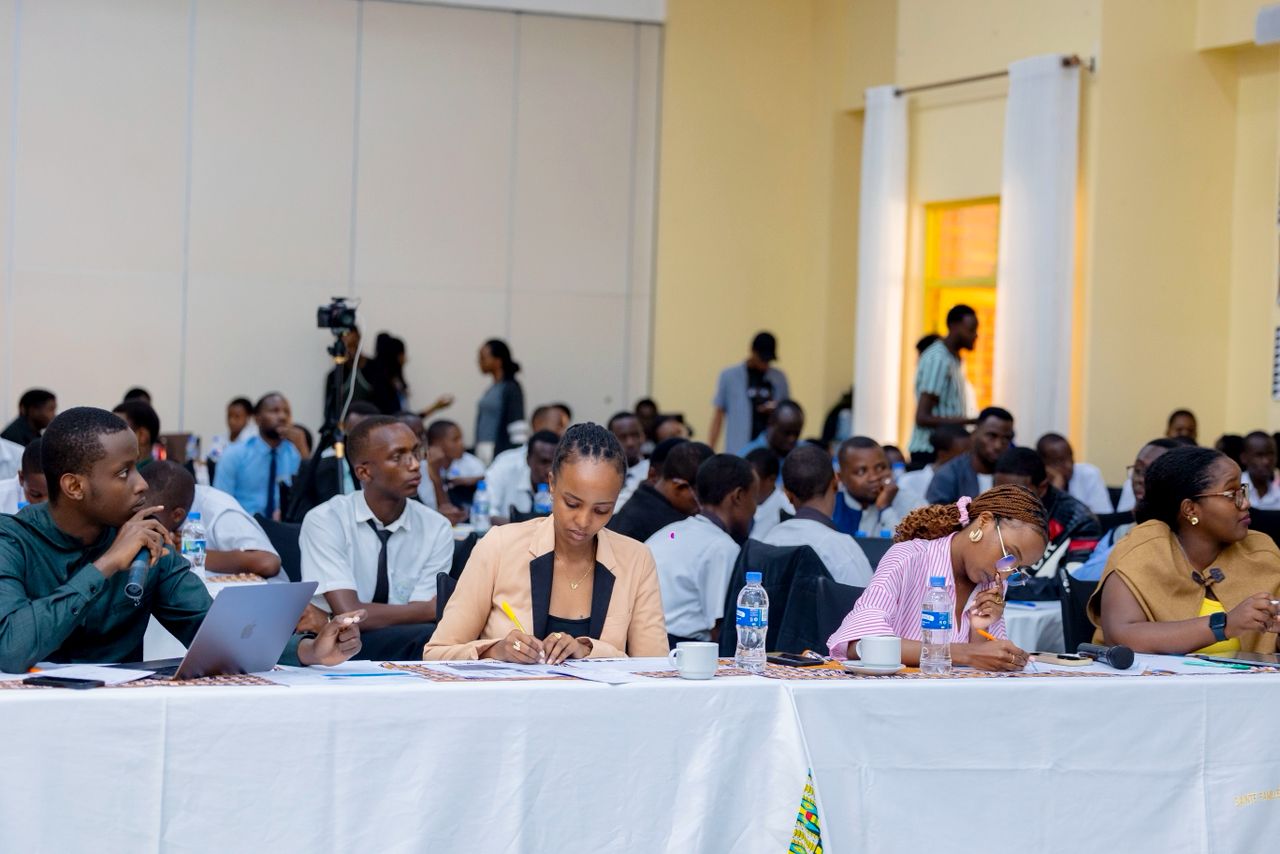
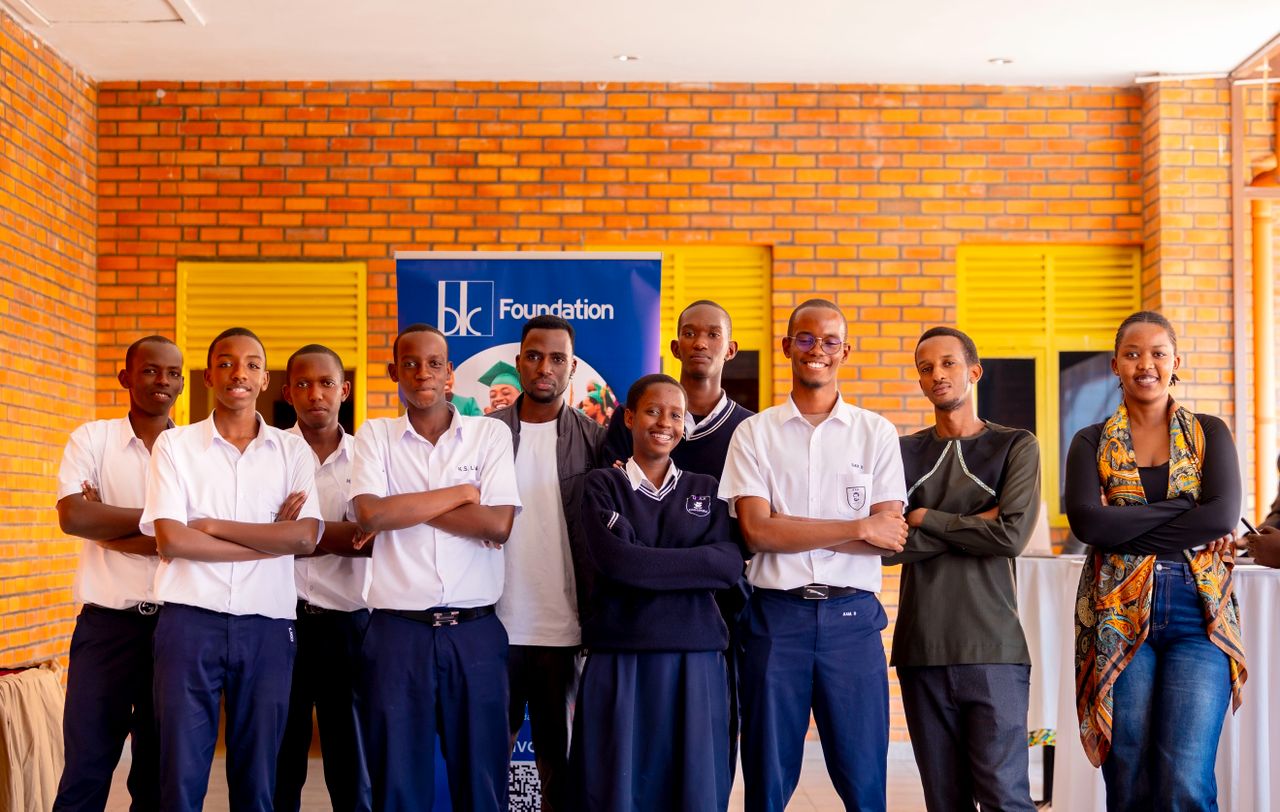
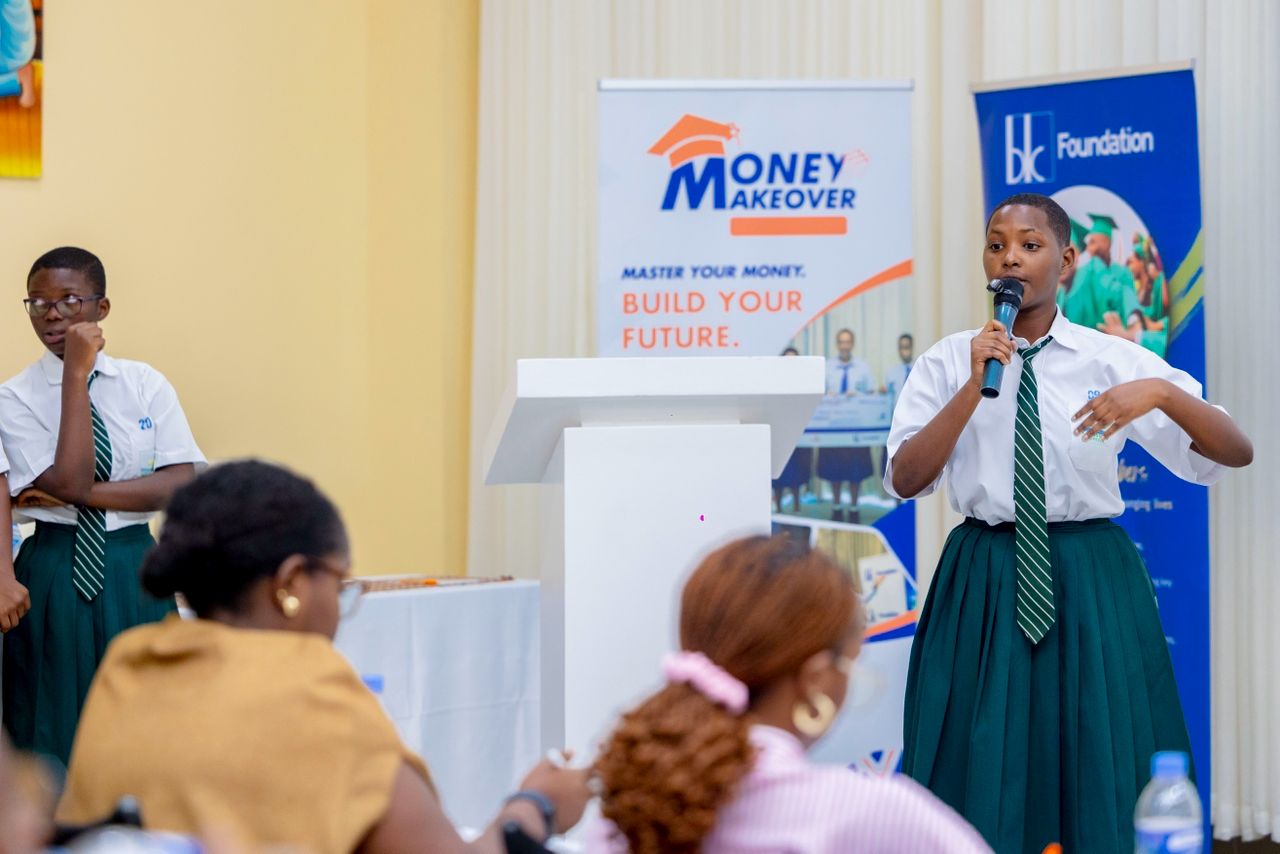
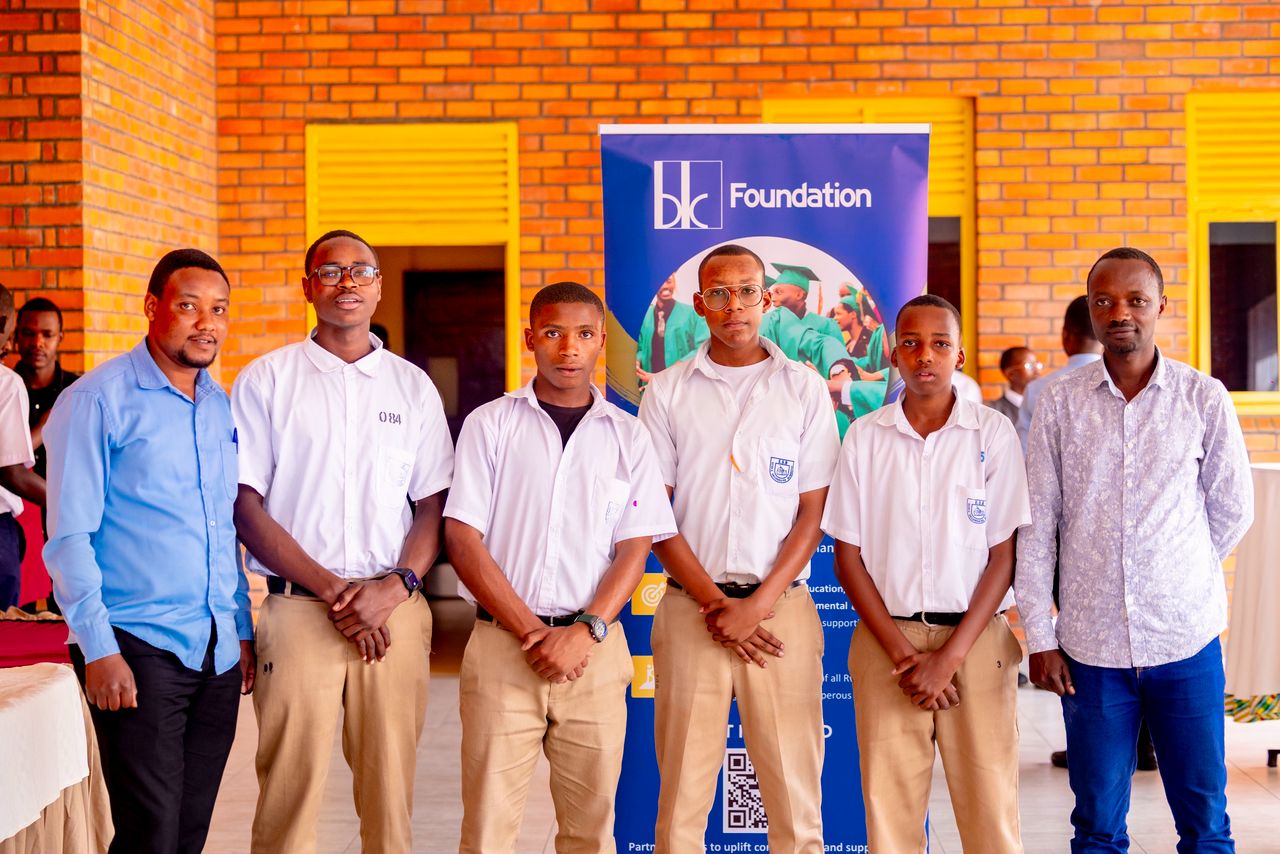
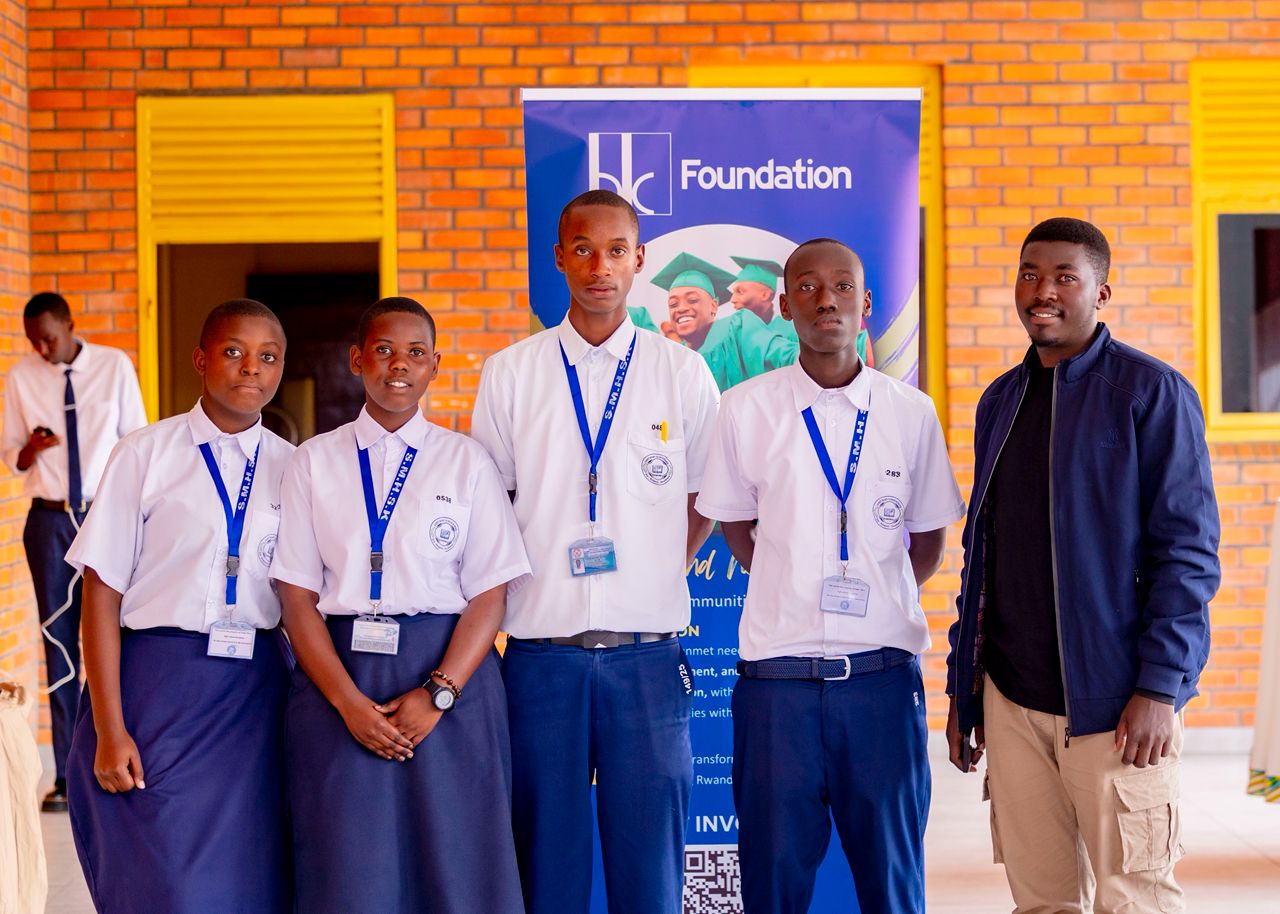
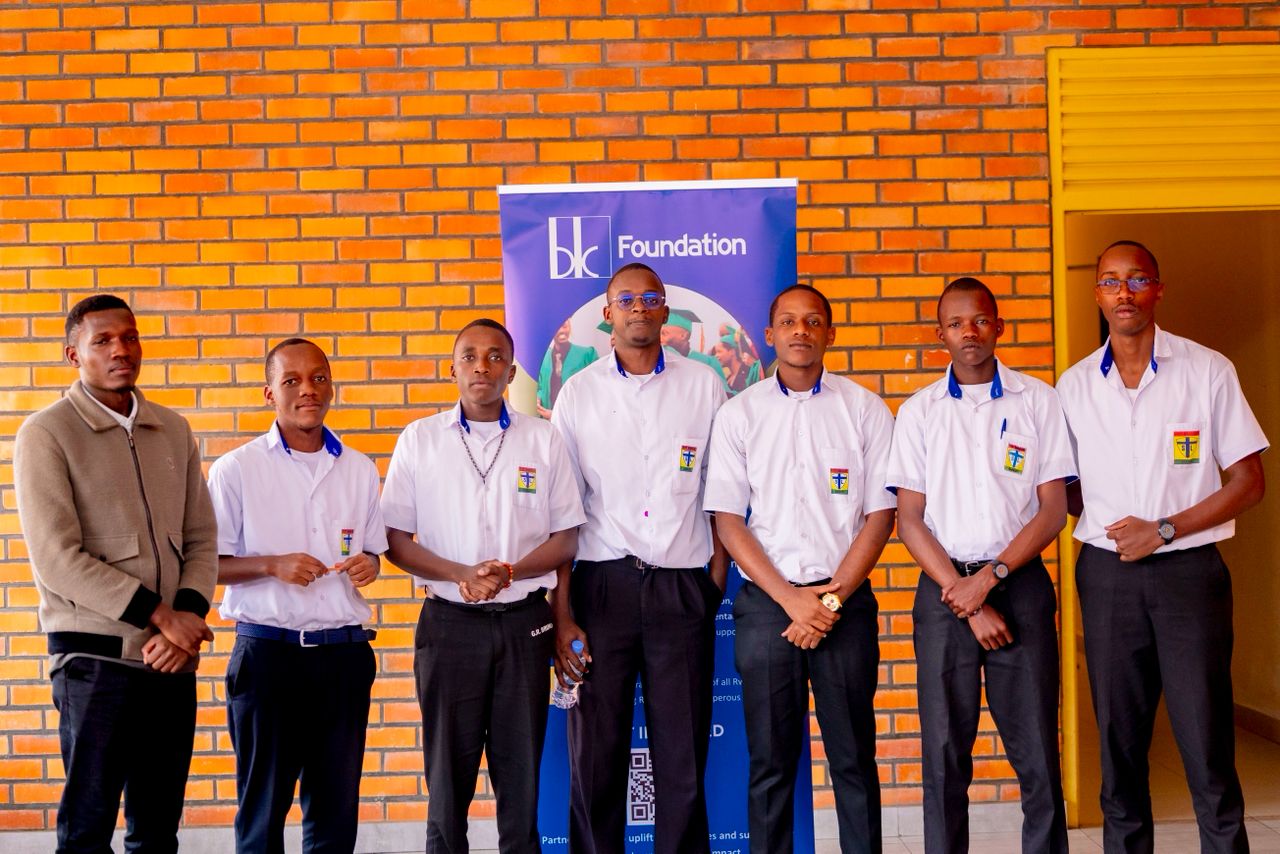
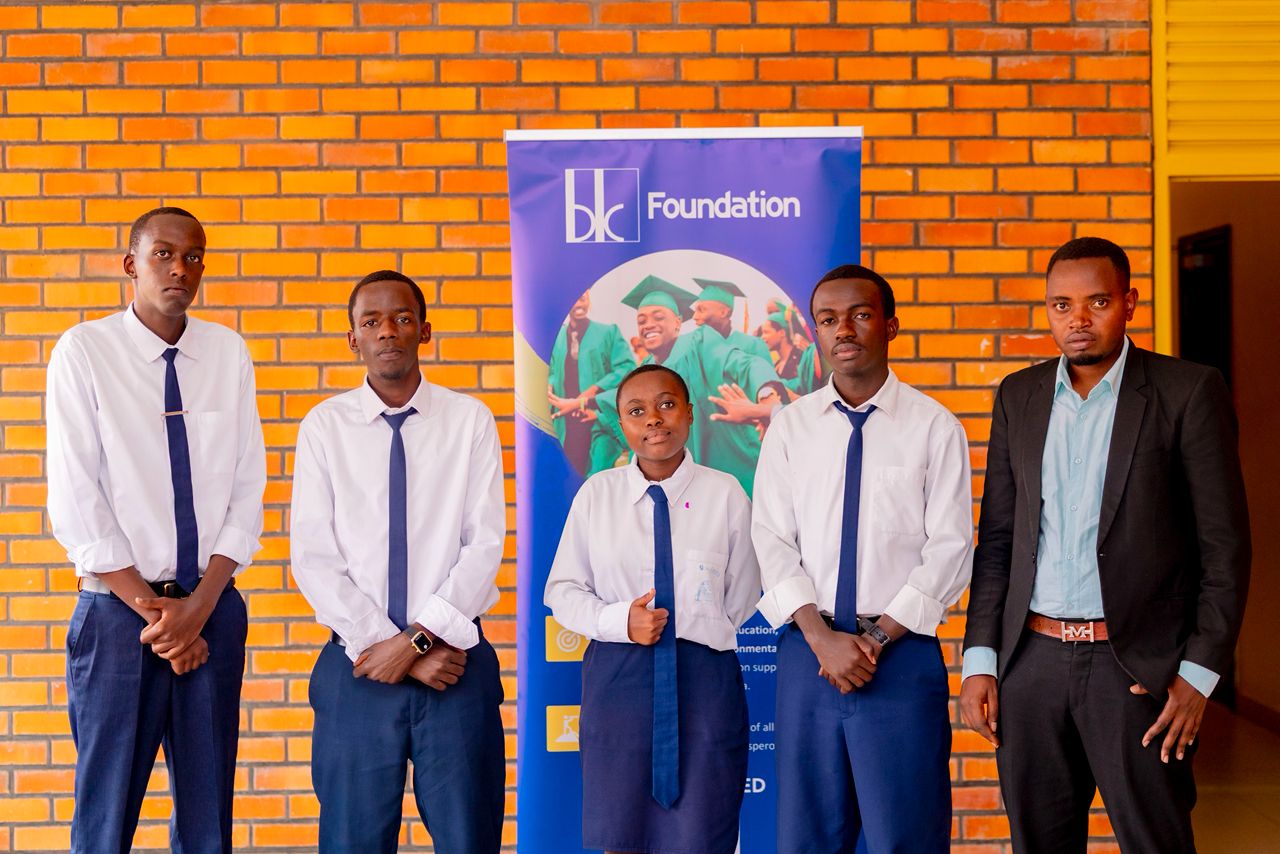
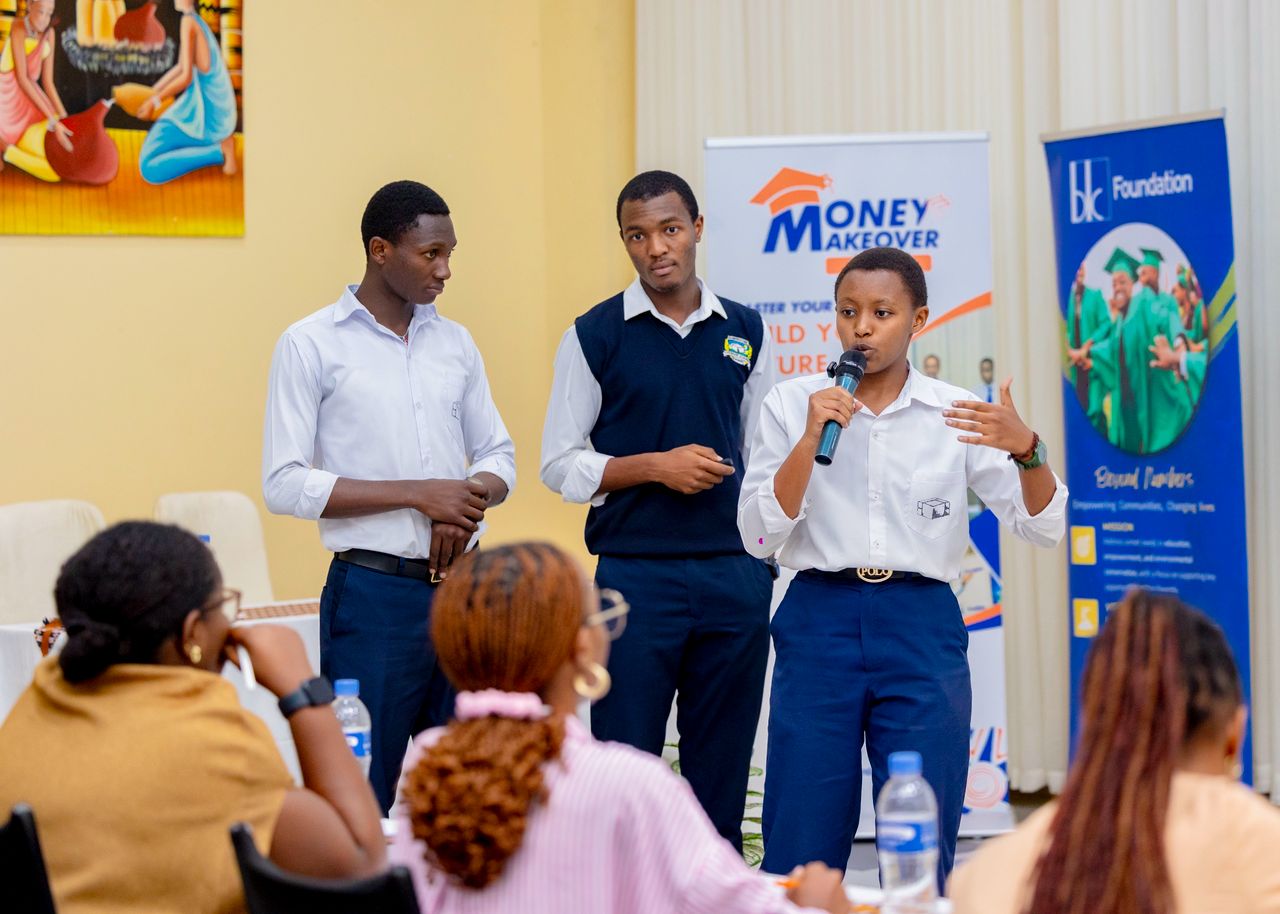
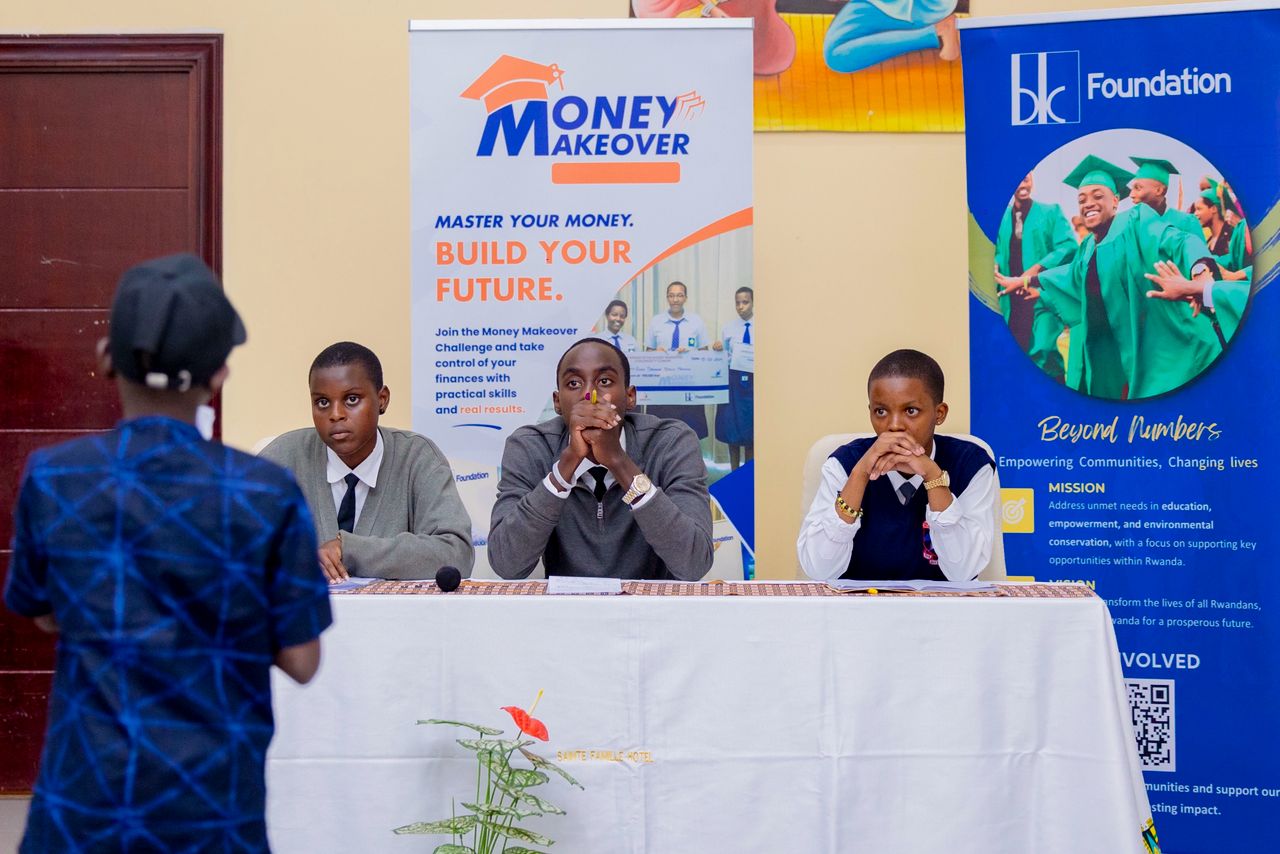
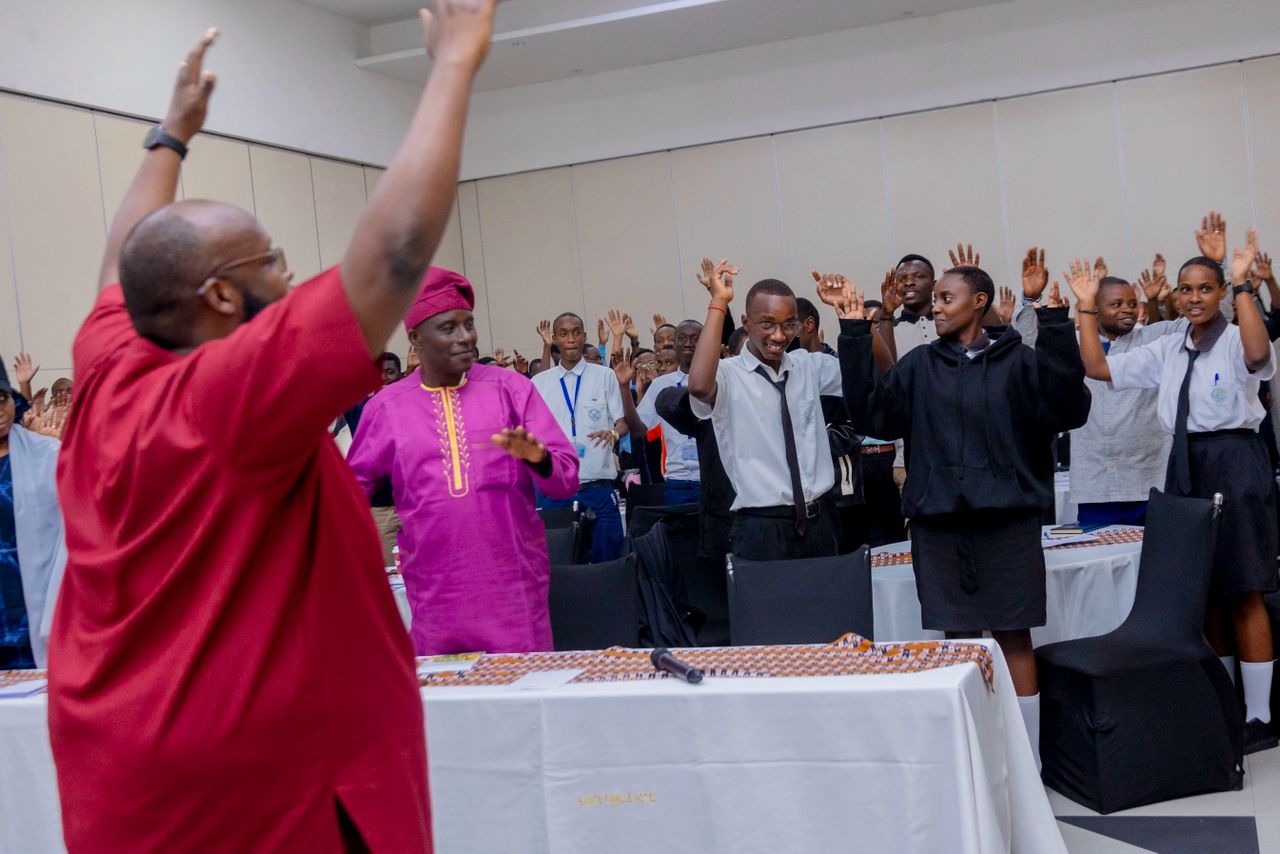
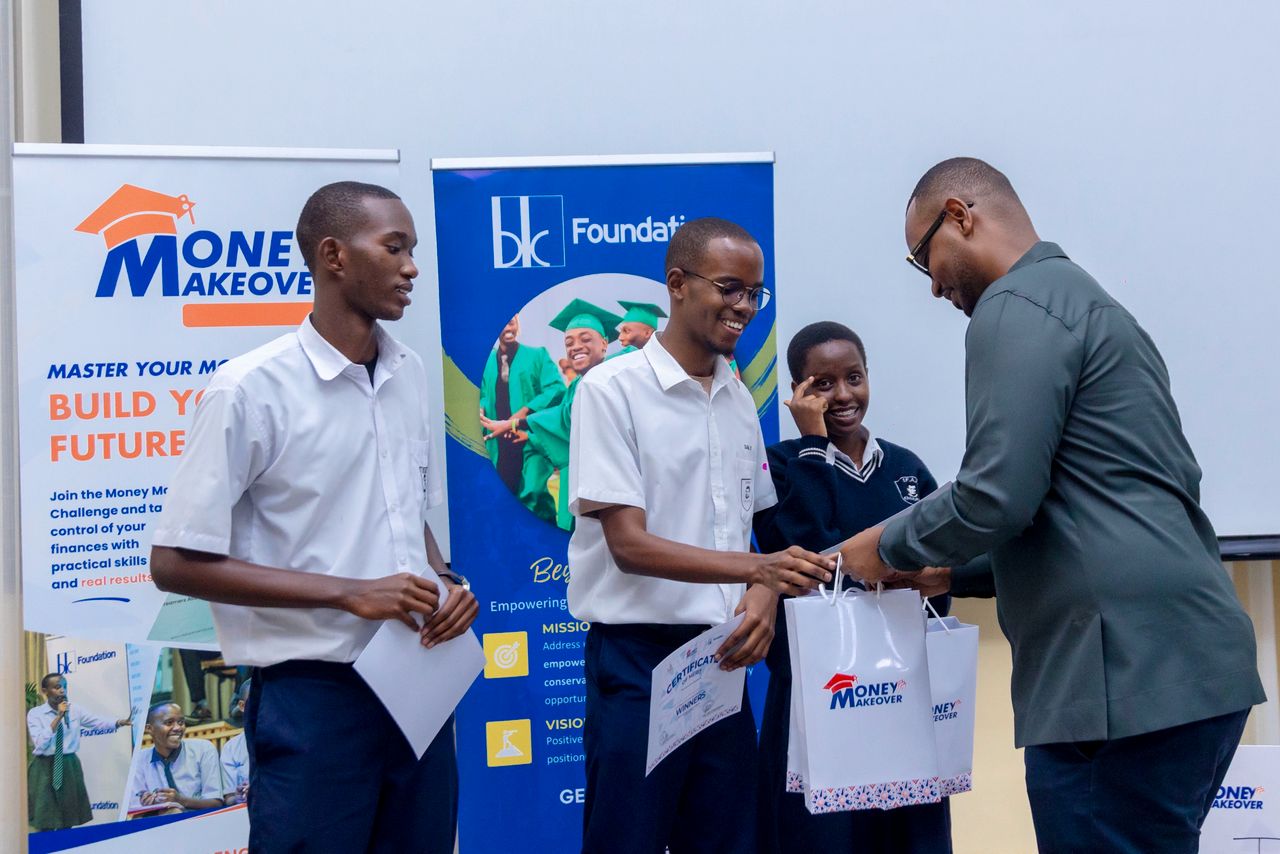
The practical impact of these classroom reforms was on full display this weekend at the grand finale of the third annual “Money Makeover Challenge.” The event gathered more than 50 top secondary school students from across Rwanda and Nigeria in Kigali to showcase innovative business solutions rooted in strict financial discipline.
The Winning Innovations
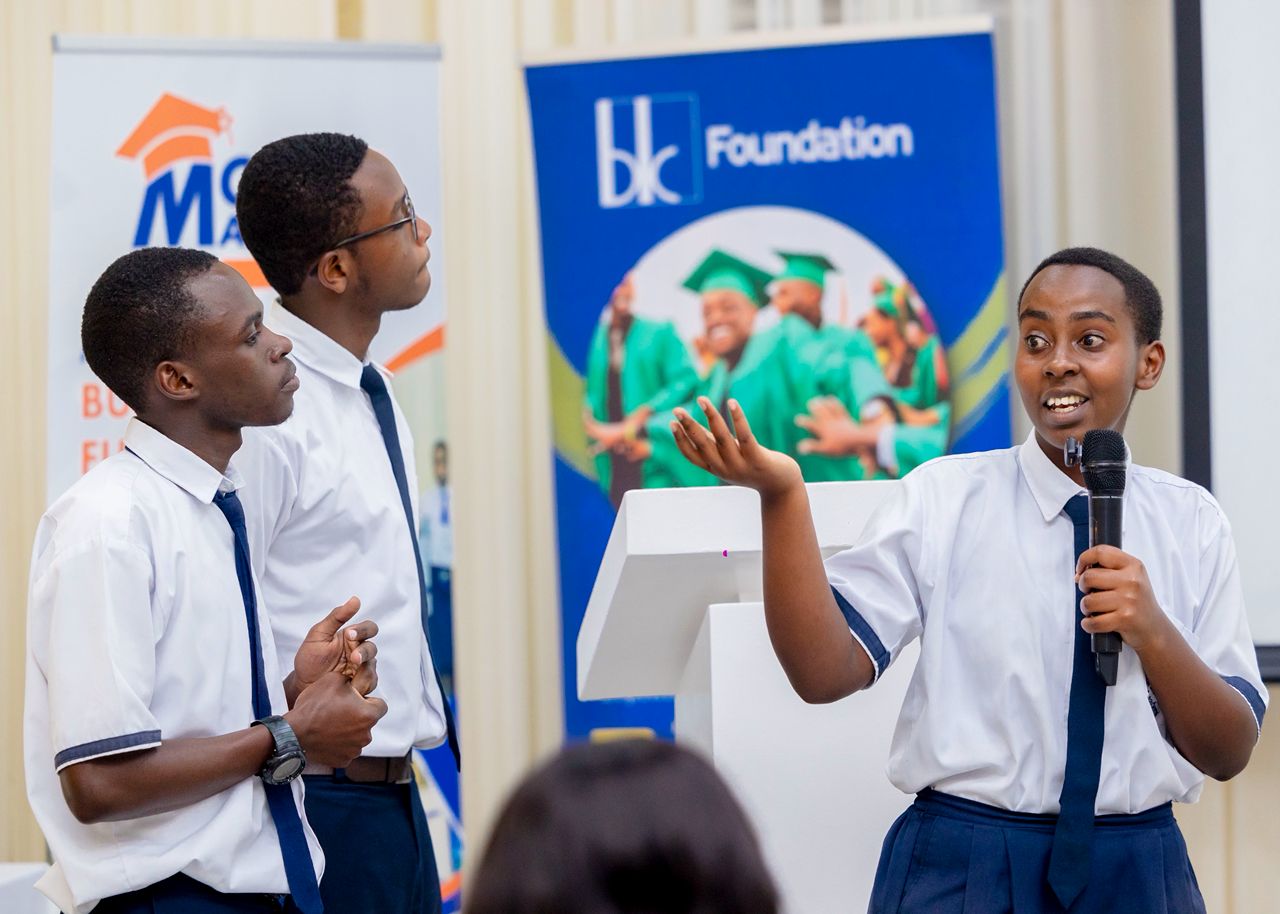
For 17-year-old Arnold Munyaneza Mfura, a Math, Physics, and Geography (MPG) student at Ecole Secondaire Bumbogo, the competition proved that business acumen is not just for humanities students.
“We have been participating in school clubs, where we gain additional skills in technology and business pitching,” Mfura said. “We developed an innovation of a machine that turns paper into envelopes without the use of hands. This idea previously enabled us to win other competitions, and now this competition as well, where we pitched it alongside another fertilizer project because both ideas can create impact in national development, generate income, and create jobs.”
The core challenge required participants to create a strict budget plan demonstrating how two students, starting with an initial capital of Rwf100,000, could scale a business without spending more than they earn, while simultaneously saving for future university education.
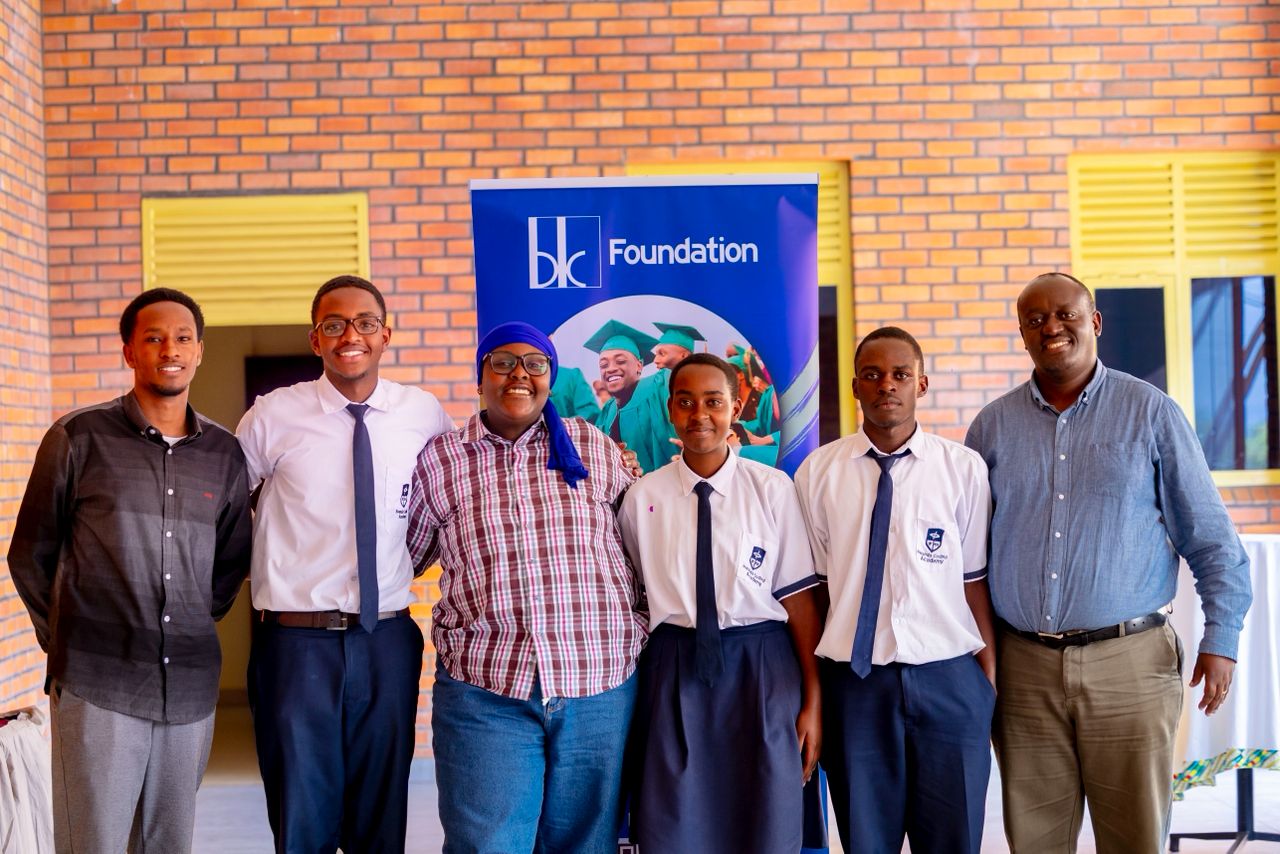
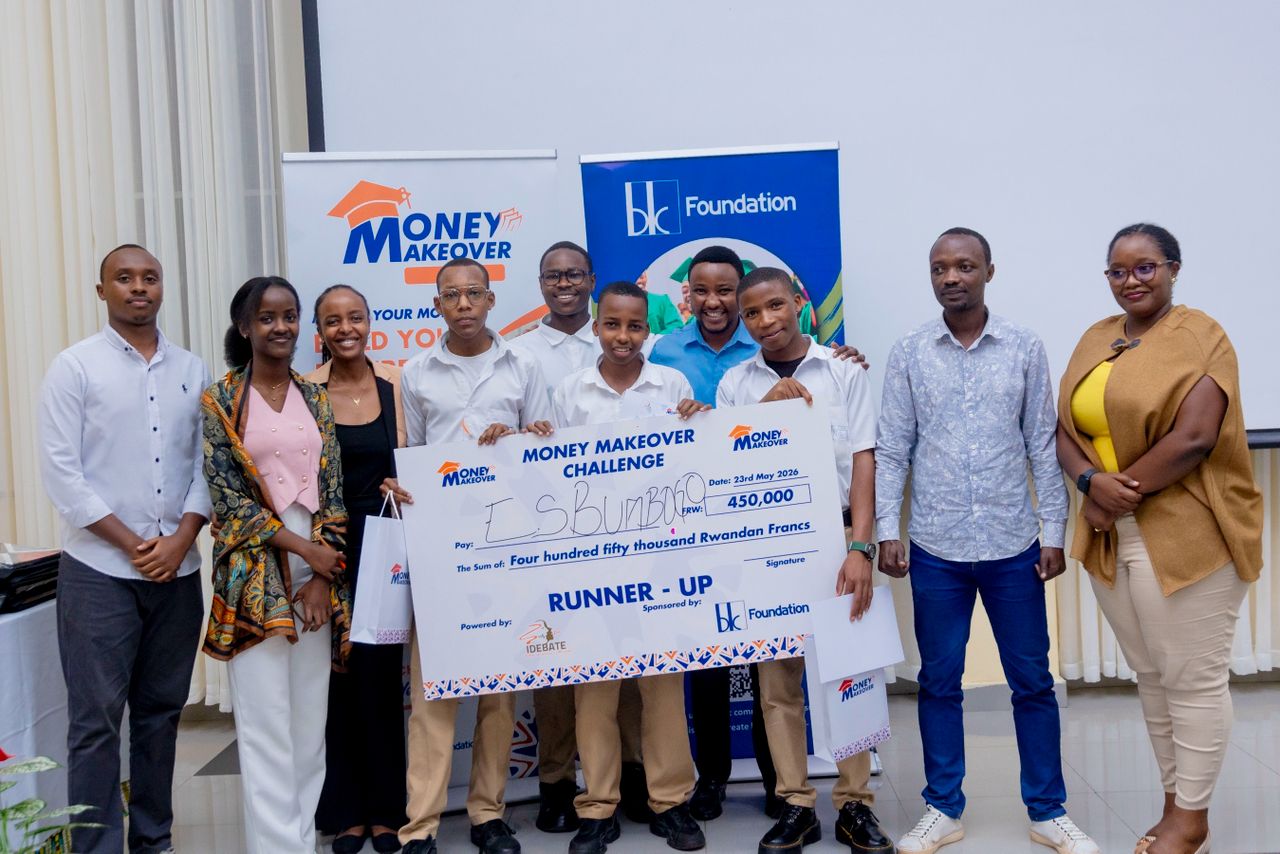
“We used the confidence gained from lessons about saving in banks, financial management, and budgeting, contrary to the common mindset where money is only seen as something to spend without saving or investing,” Mfura added. His team’s pragmatic approach earned them second place and a cash prize of Rwf450,000.
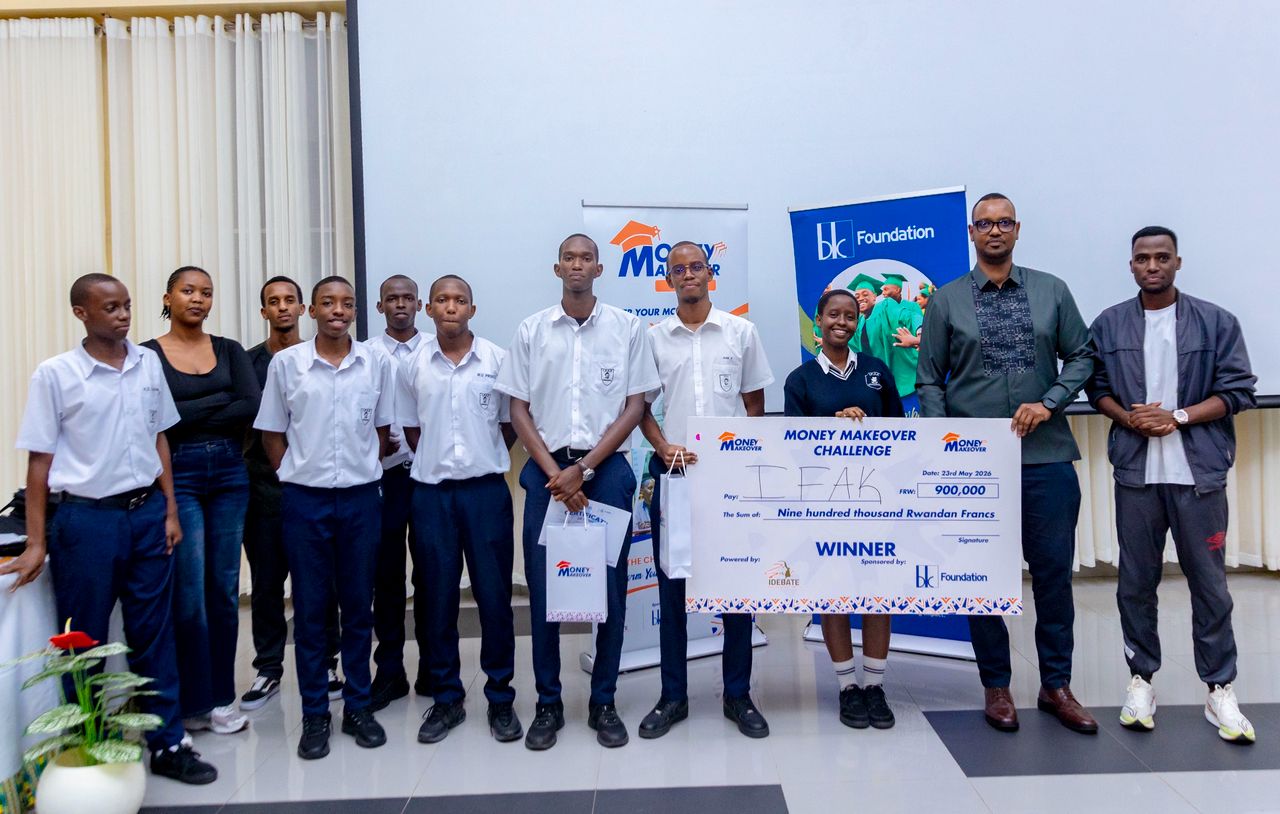
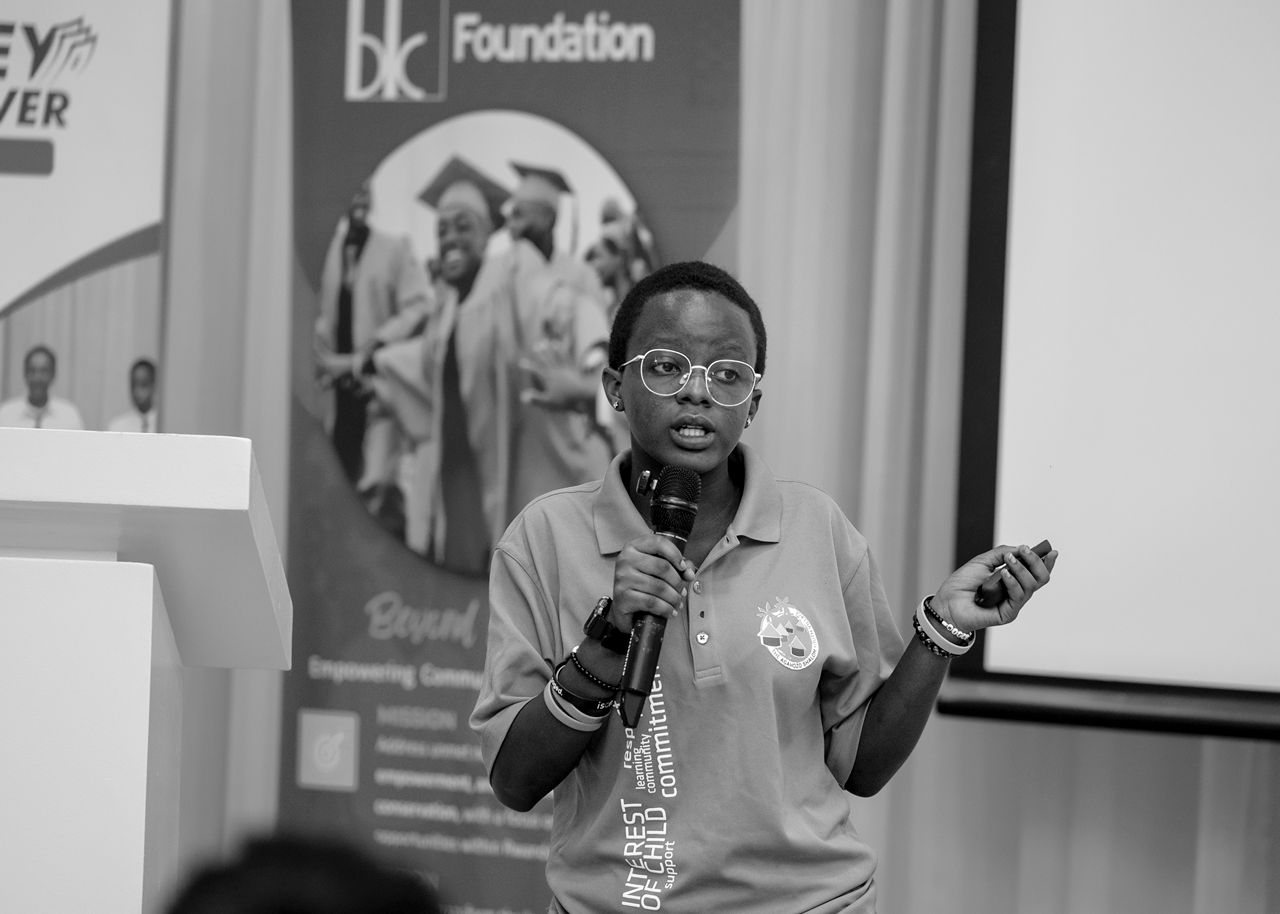
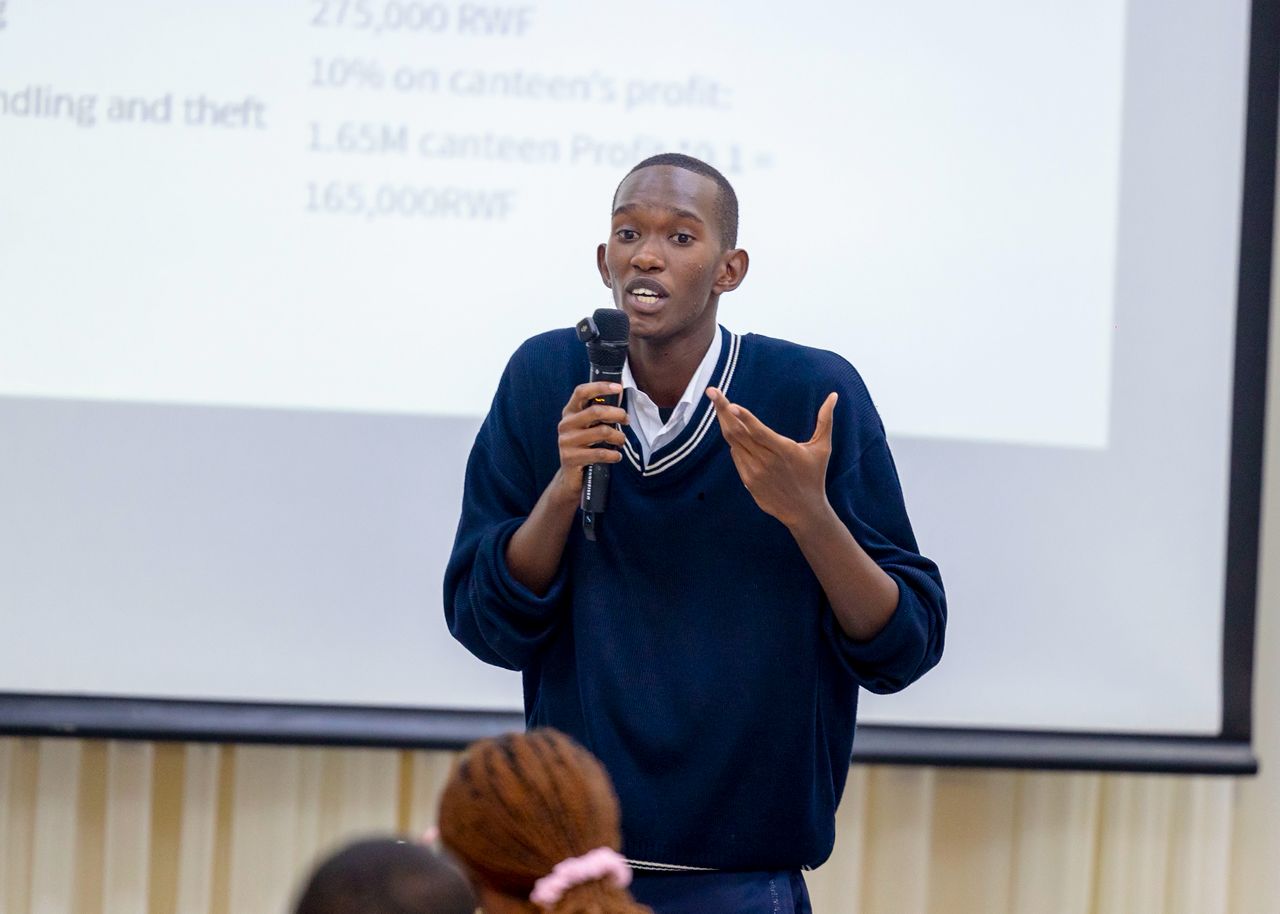
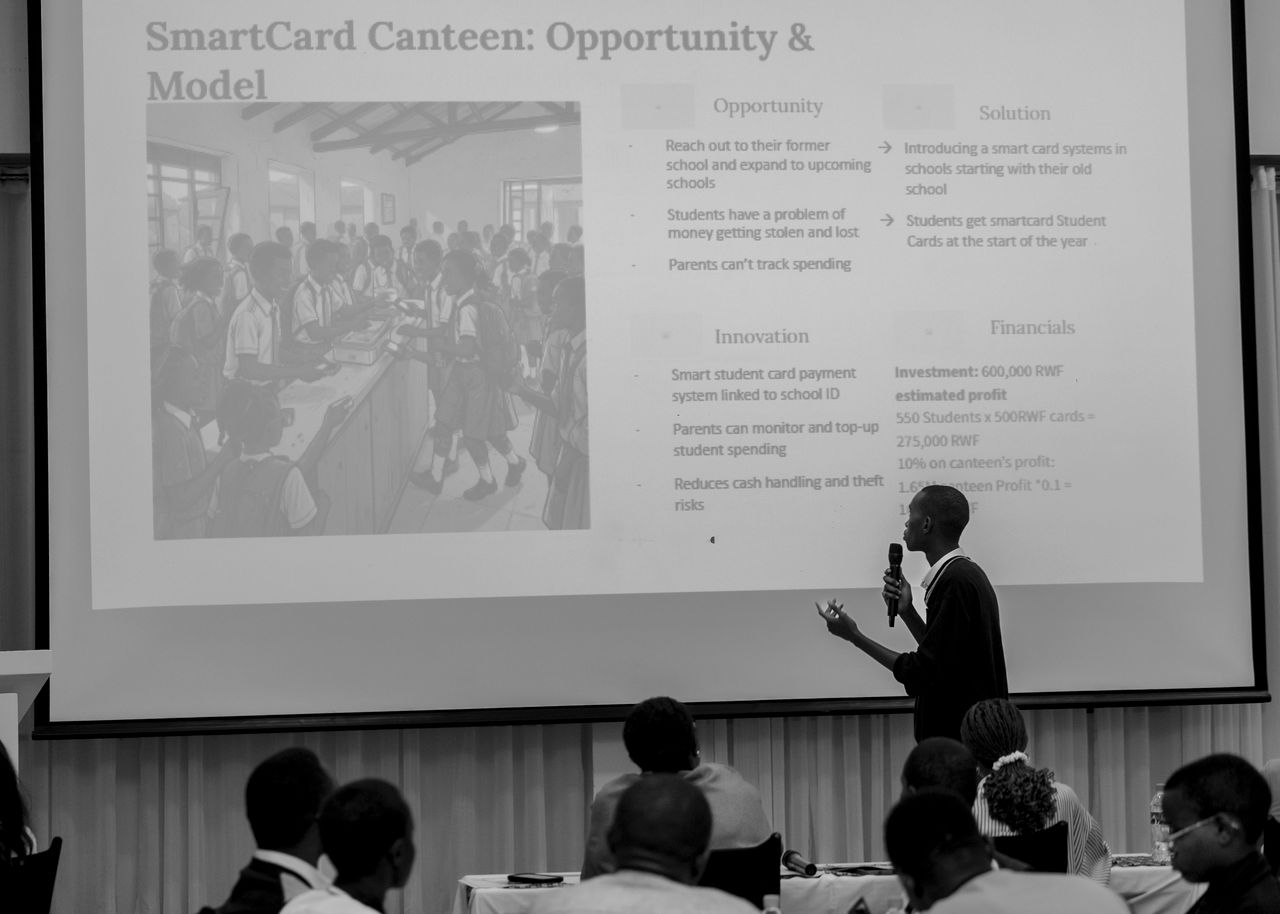
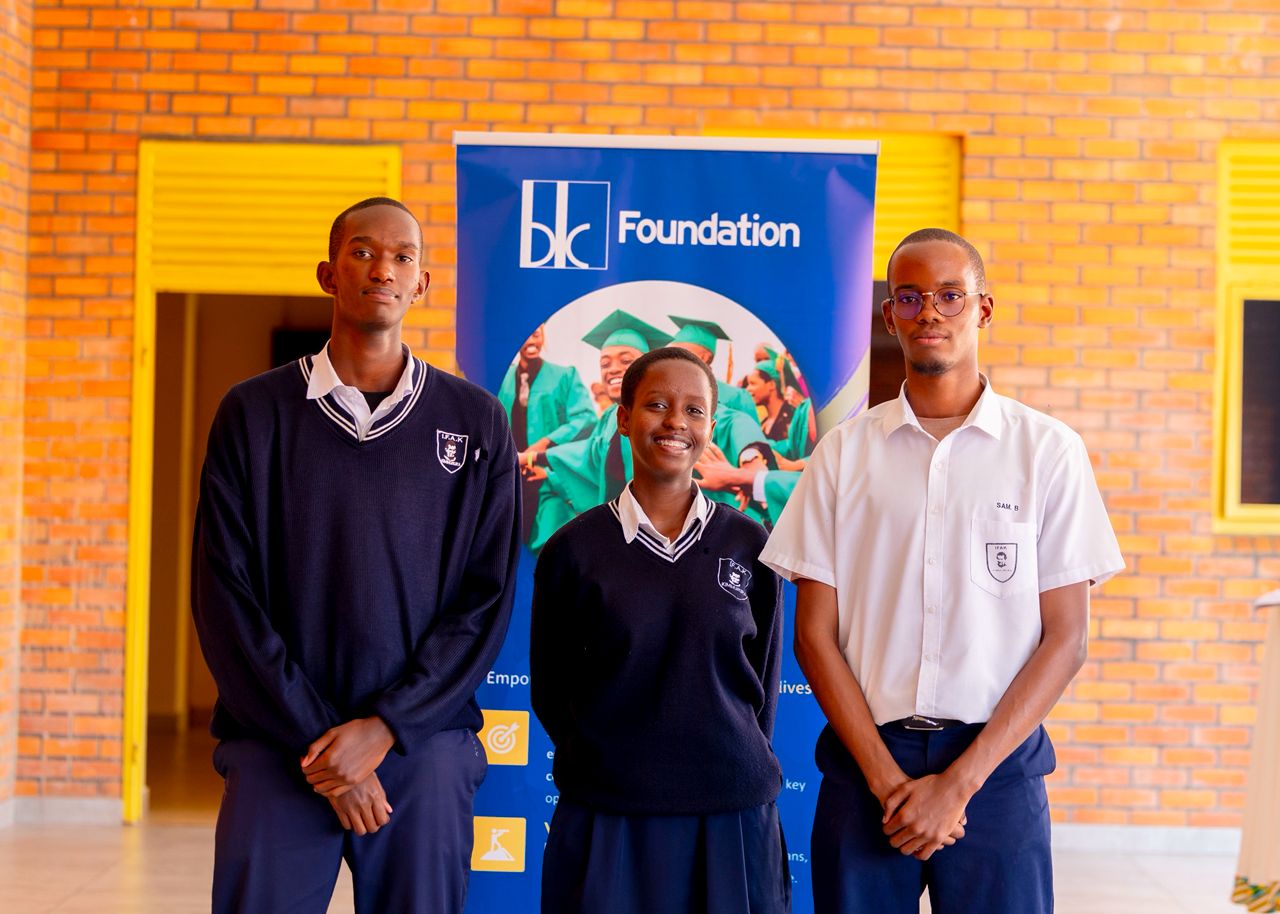
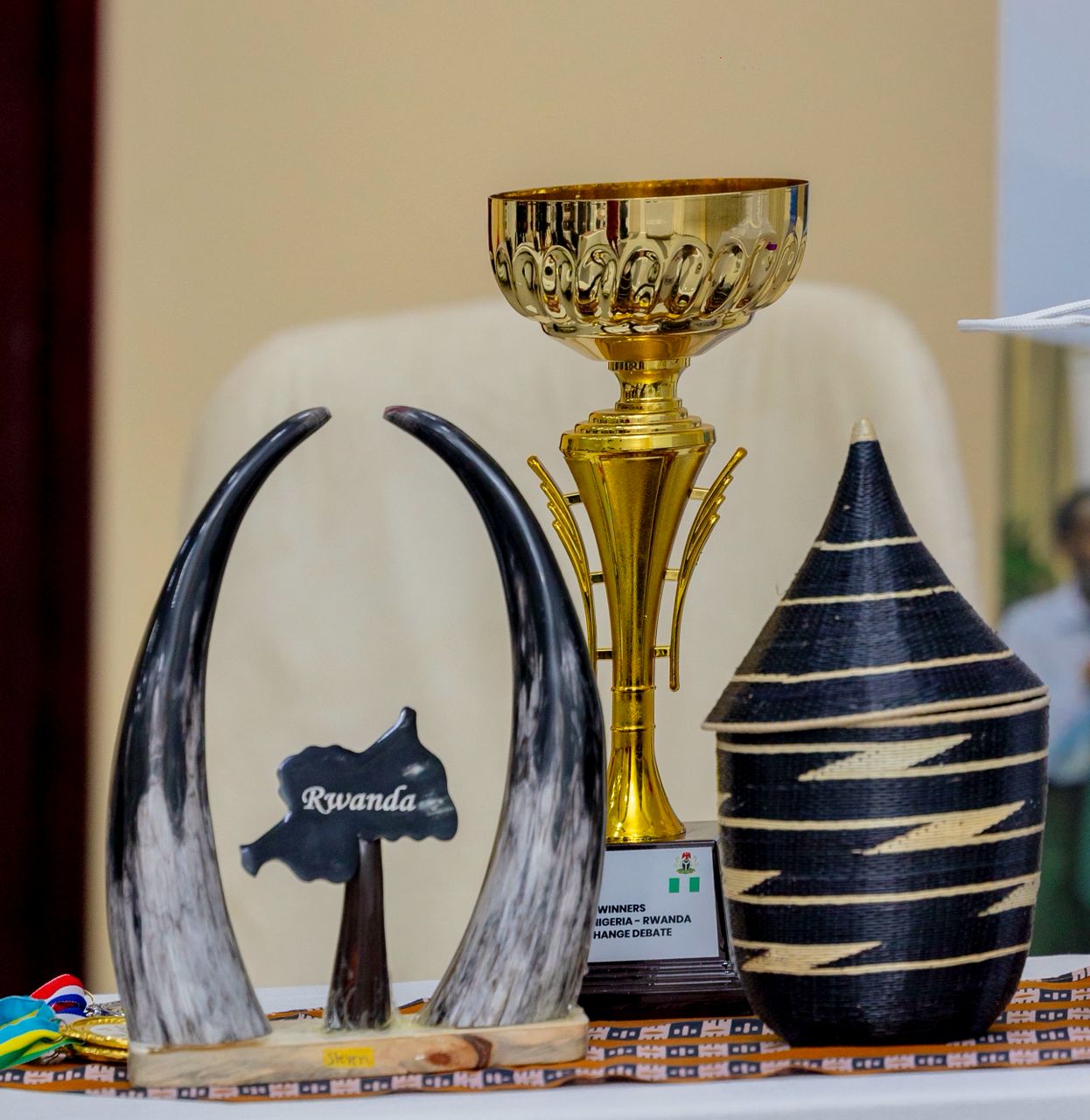
Taking home the coveted first-place trophy and a Rwf900,000 grand prize was IFAK Kimihurura, led by 17-year-old Senior Five Physics, Chemistry, and Mathematics student Guilliane Juru. Her team designed the “Smart Canteen,” a digital ecosystem that uses smart cards to manage student transactions at school cafeterias.
In Rwandan boarding schools, students are generally prohibited from possessing mobile phones, making it incredibly difficult for parents to send pocket money directly without routing it through teachers. Juru noted that cash is frequently lost or misplaced during this process.
“Using the Smart Canteen card will reduce cases of students losing cash money and difficulties faced by parents when sending money, which may also get lost or misplaced through common mobile money transfer channels,” Juru explained, highlighting the project’s potential to become a secure financial link between parents, students, and canteen owners.
A Growing Regional Footprint
Organized by iDebate Rwanda in partnership with the BK Foundation, the Money Makeover Challenge uniquely combines competitive debate, public speaking, and critical thinking with practical money management. By tackling real-life financial problem-solving exercises, students master essential concepts like investing, budgeting, and responsible spending.
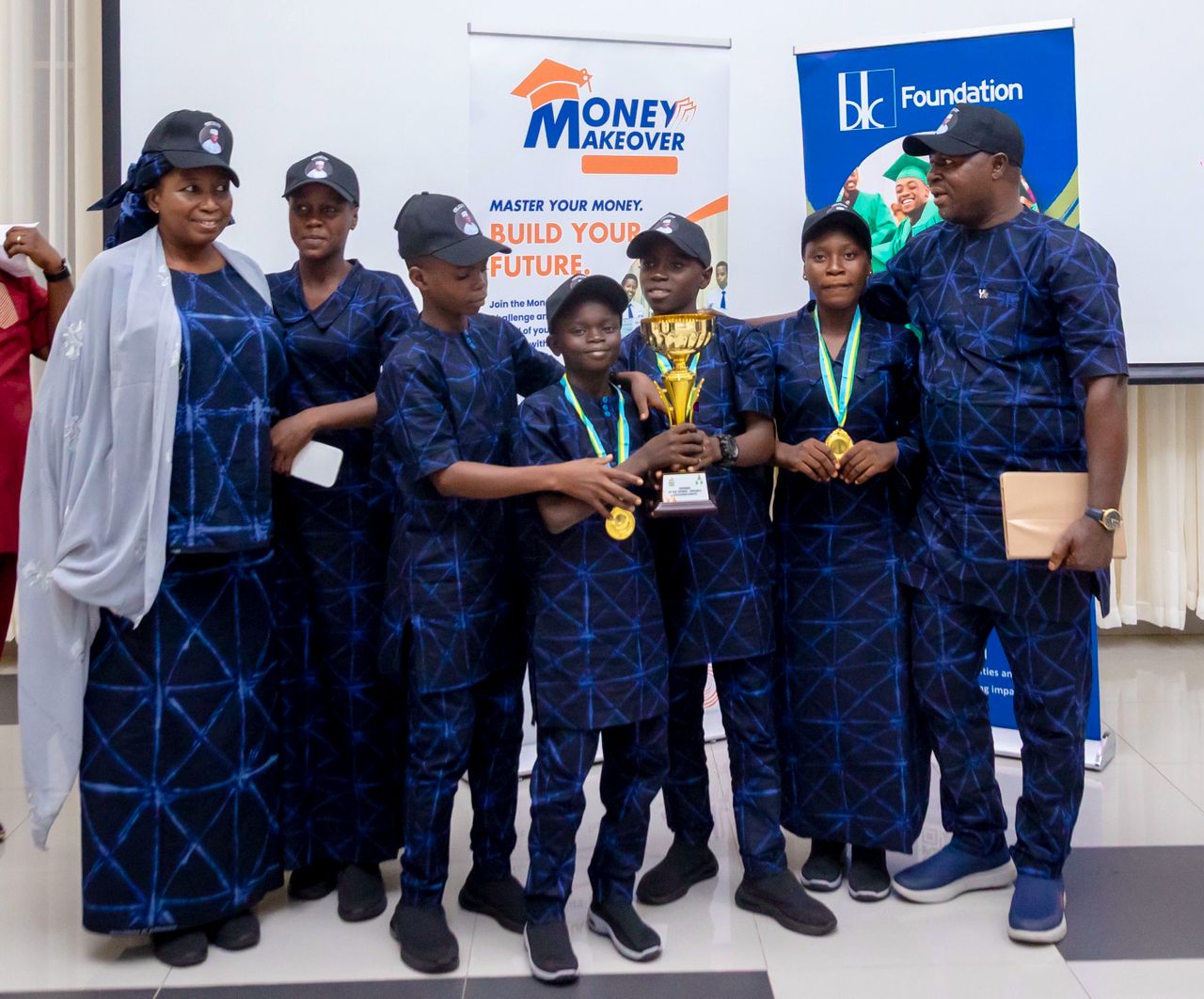
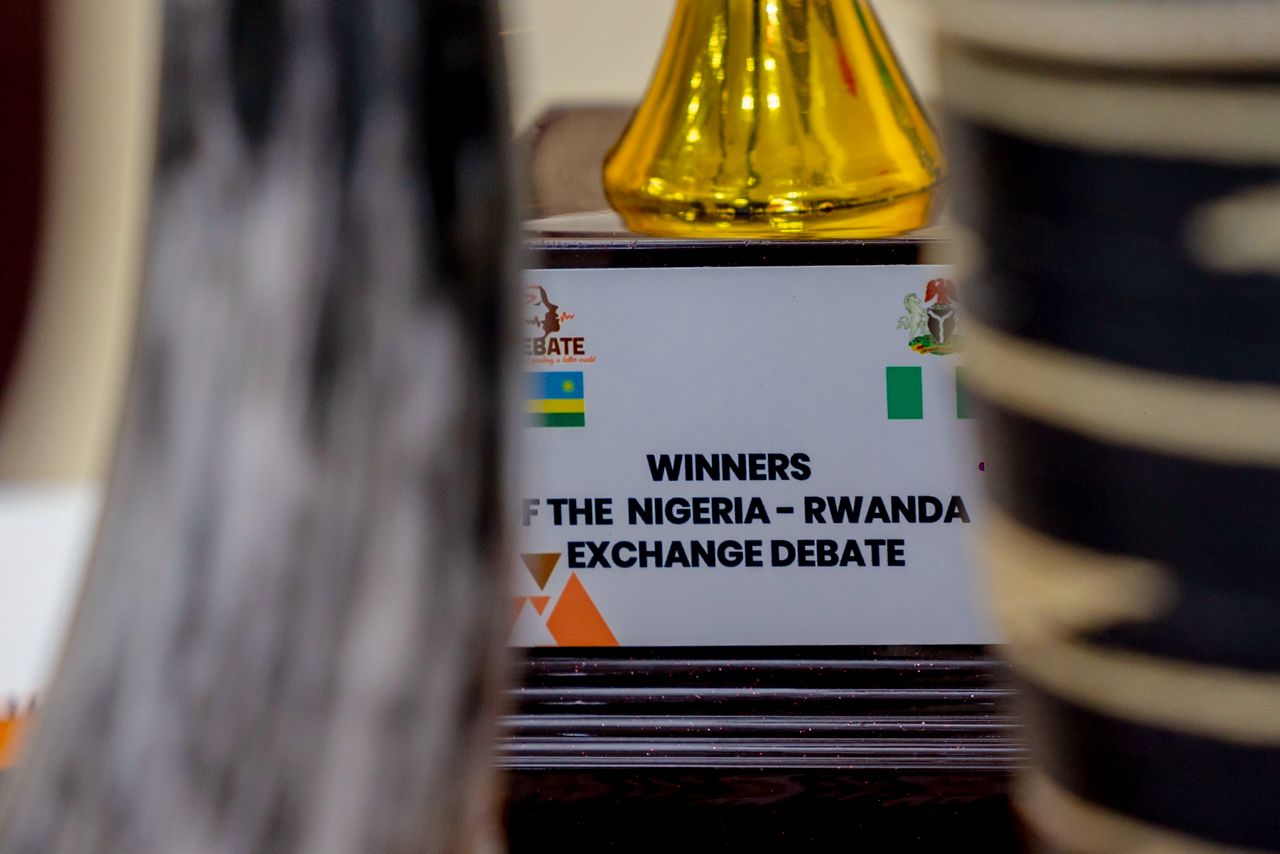
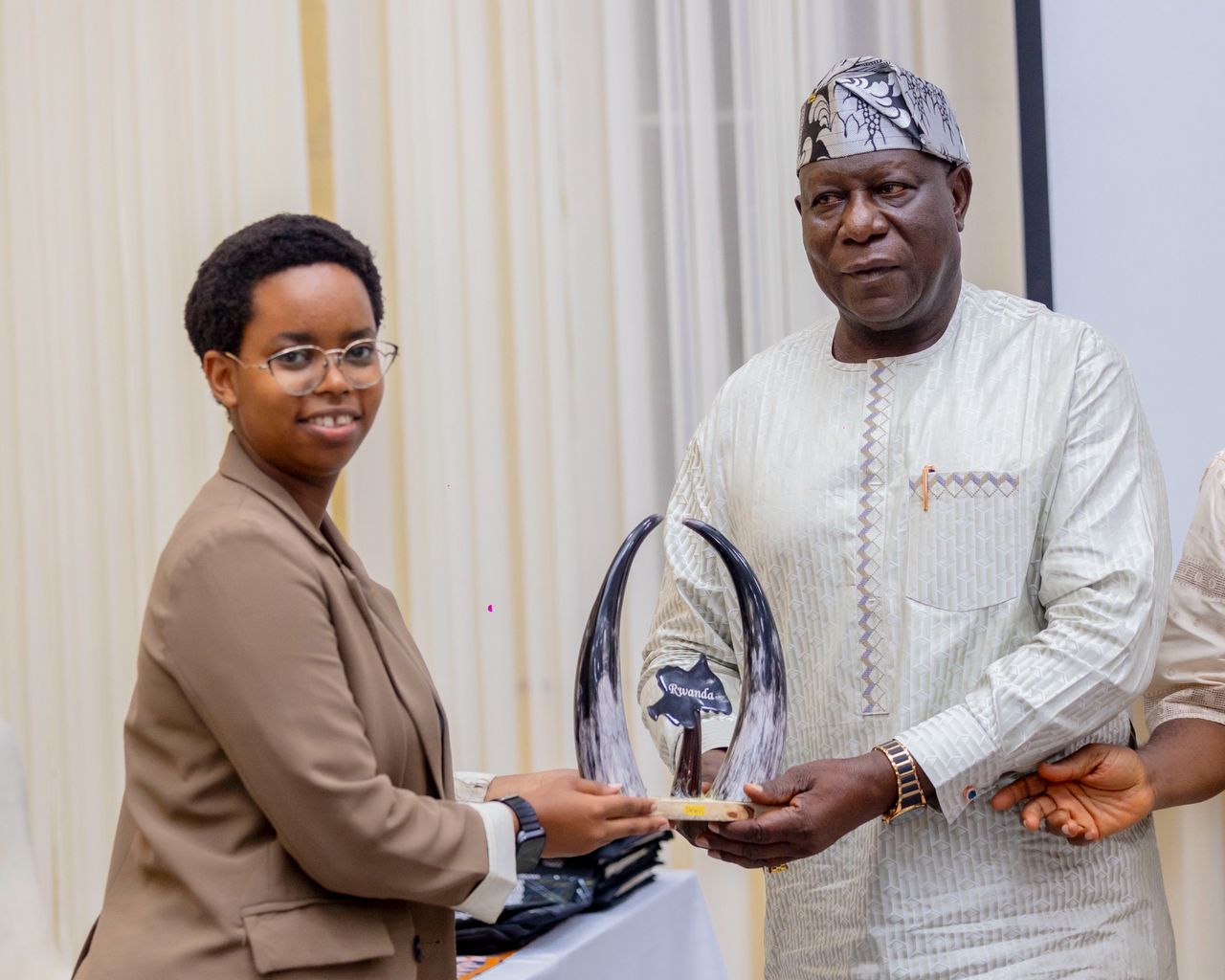
While 10 Rwandan schools qualified for the final stage this year, the third edition featured a historic milestone: the arrival of six students representing schools from Taraba State, Nigeria. Marking the first non-Rwandan delegation to ever participate, the Nigerian students competed in a specialized AI-focused debate held alongside the main tournament.
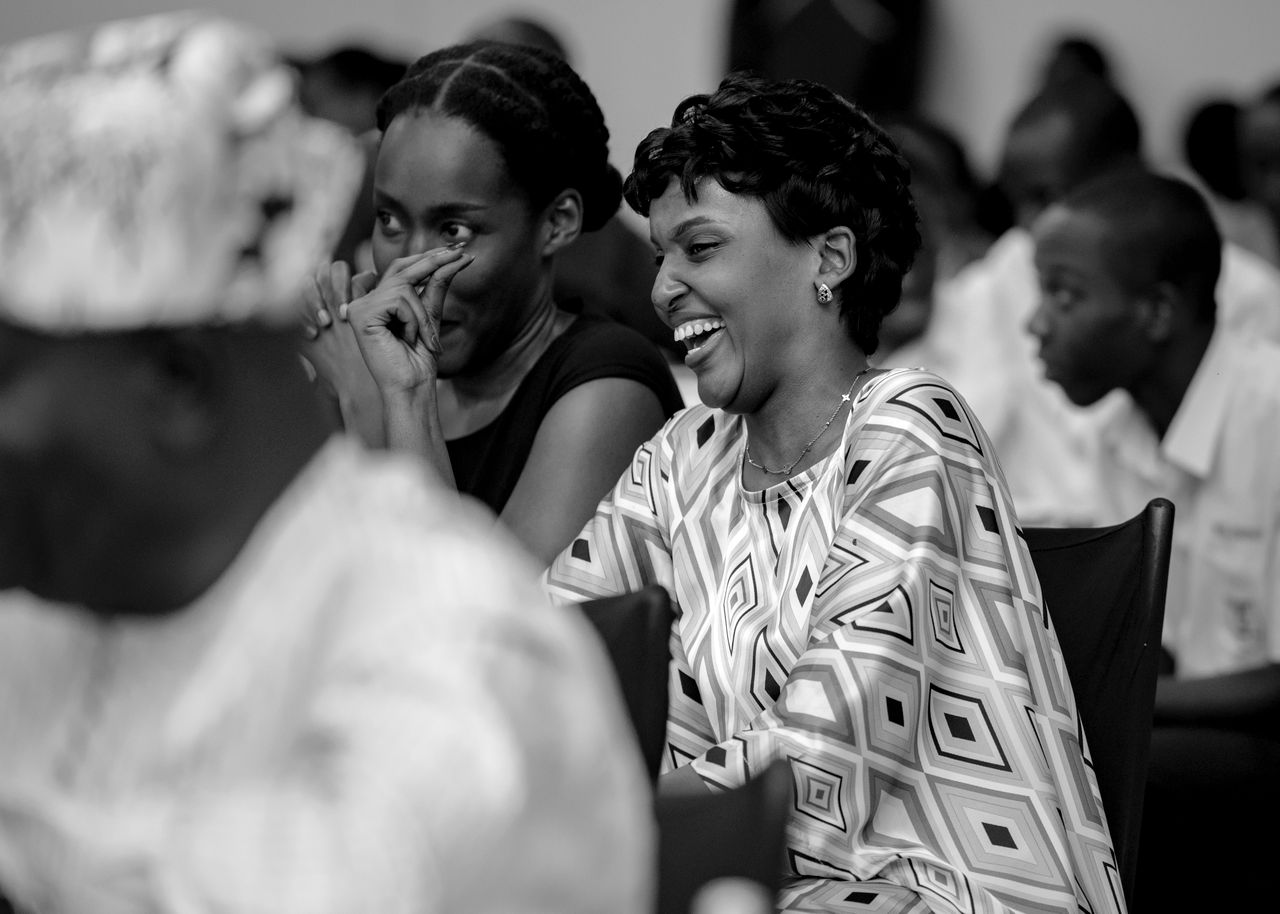
Officials from the visiting Nigerian schools noted that participating was primarily a means of strengthening bilateral friendships and exchanging innovative ideas across borders, stating that taking home prizes was secondary to the collaborative experience.
Future Outlook and Scalability
The initiative has experienced rapid growth since its inception. The inaugural edition was won by Stella Matutina Secondary School, followed by the Agahozo-Shalom Youth Village in the second edition, and Kagarama Secondary School in the third.
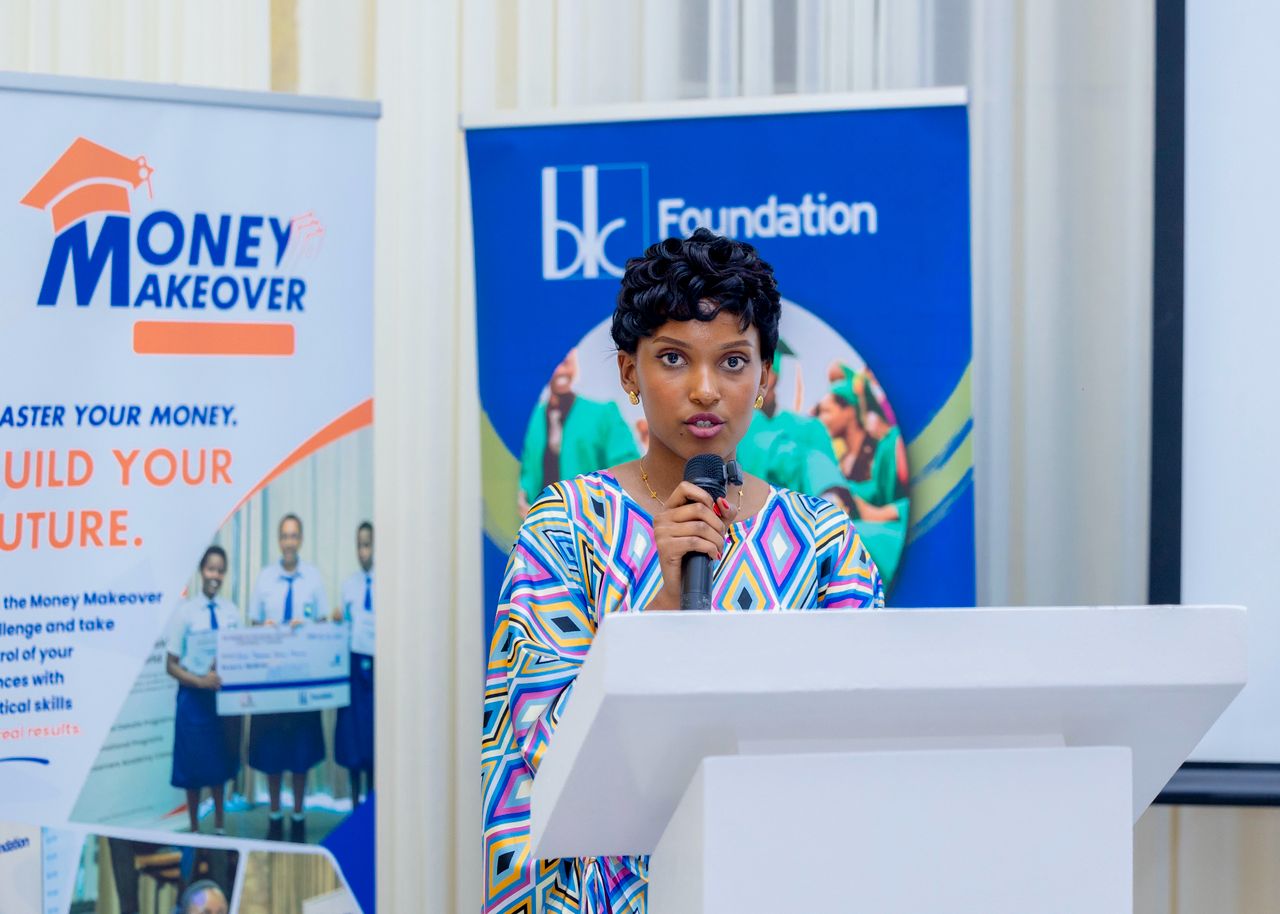
According to Ketsia Keza, the Coordinator of the Money Makeover Challenge, the project’s institutional backing is stronger than ever.
“I think there is success because we will be renewing the two-year contract with BK Foundation from 2024 to 2026, and a new one will run through 2028, with the possibility of growing into a bigger concept where we will host an MMC TV Series,” Keza revealed.
“So far, BK Foundation’s support has been significant, and we would not have been able to reach close to 15,000 students in two years without their financial support,” Keza added, noting that the program’s ultimate success is visible in its alumni, many of whom have transitioned into running active small businesses, investing in the stock market, and launching entrepreneurial ventures before even completing high school.
1 comment
MY NAME IS MUGISHA DAVID FROM ECOLE SECONDAIRE BUMBOGO SO I WOULD LIKE TO SHARE WHAT MONEY MAKEOVER COULD SOLVE IN REAL LIFE PROBLEMS WE WERE MONEY MATRIX TEAM WE BECOME THE SECOND TEAM BUT THANK YOU TO TEACH US MANY ABOUT MONEY WE WANT TO BE THE FIRST ON THE NEXT COHORT
Comments are closed.