


 GISHARI, RWANDA – President Paul Kagame has cautioned newly graduated police officers and the wider Rwanda National Police (RNP) that the nation’s security landscape is being reshaped by increasingly sophisticated, technology-driven, and cross-border crimes. He urged law enforcement to aggressively adopt modern tools and preventive policing strategies to stay ahead of these emerging threats.
“The trend of crime has shifted and crimes are done in more sophisticated ways and across borders therefore our methods of operation should be advanced too,” President Kagame said.
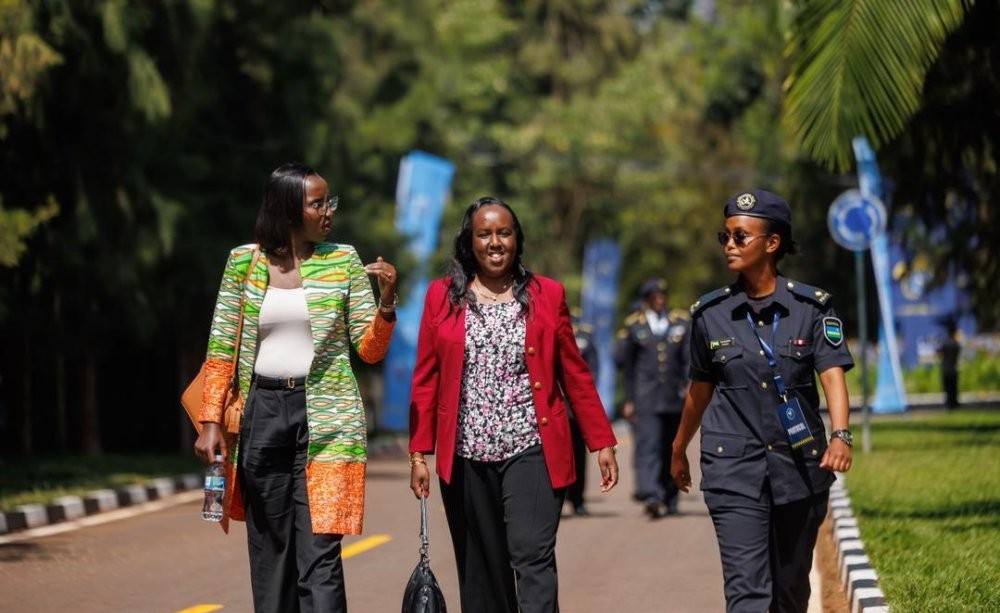
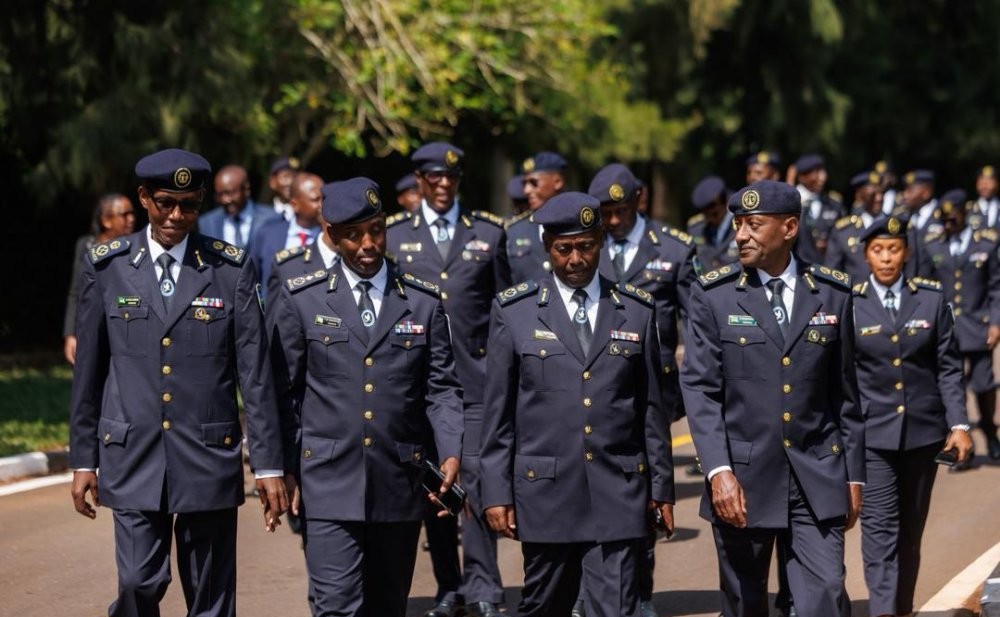
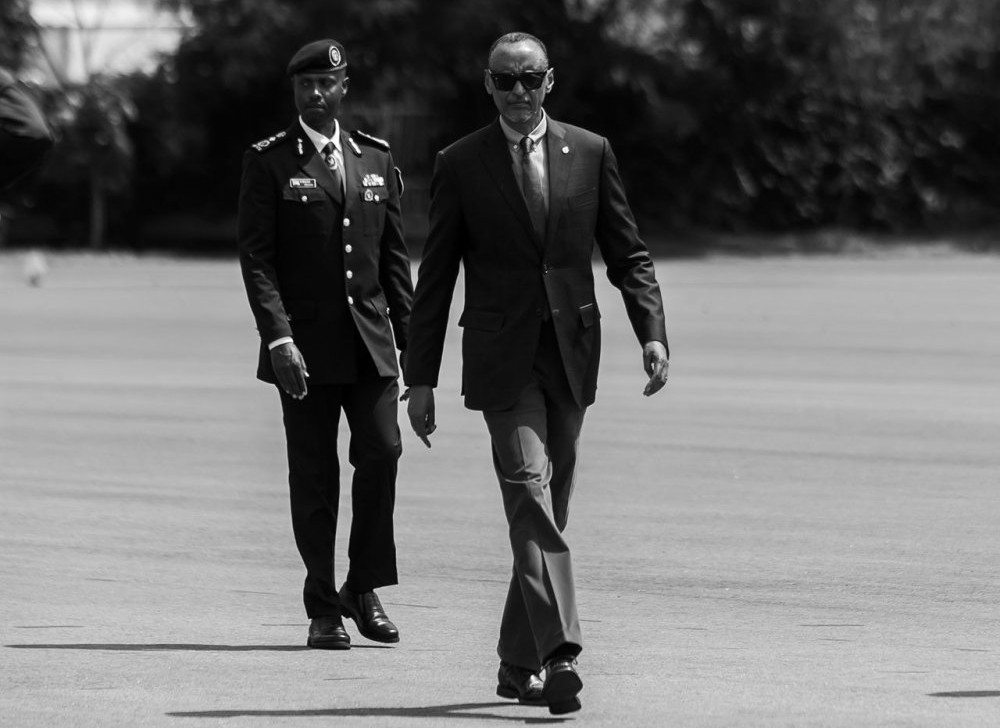
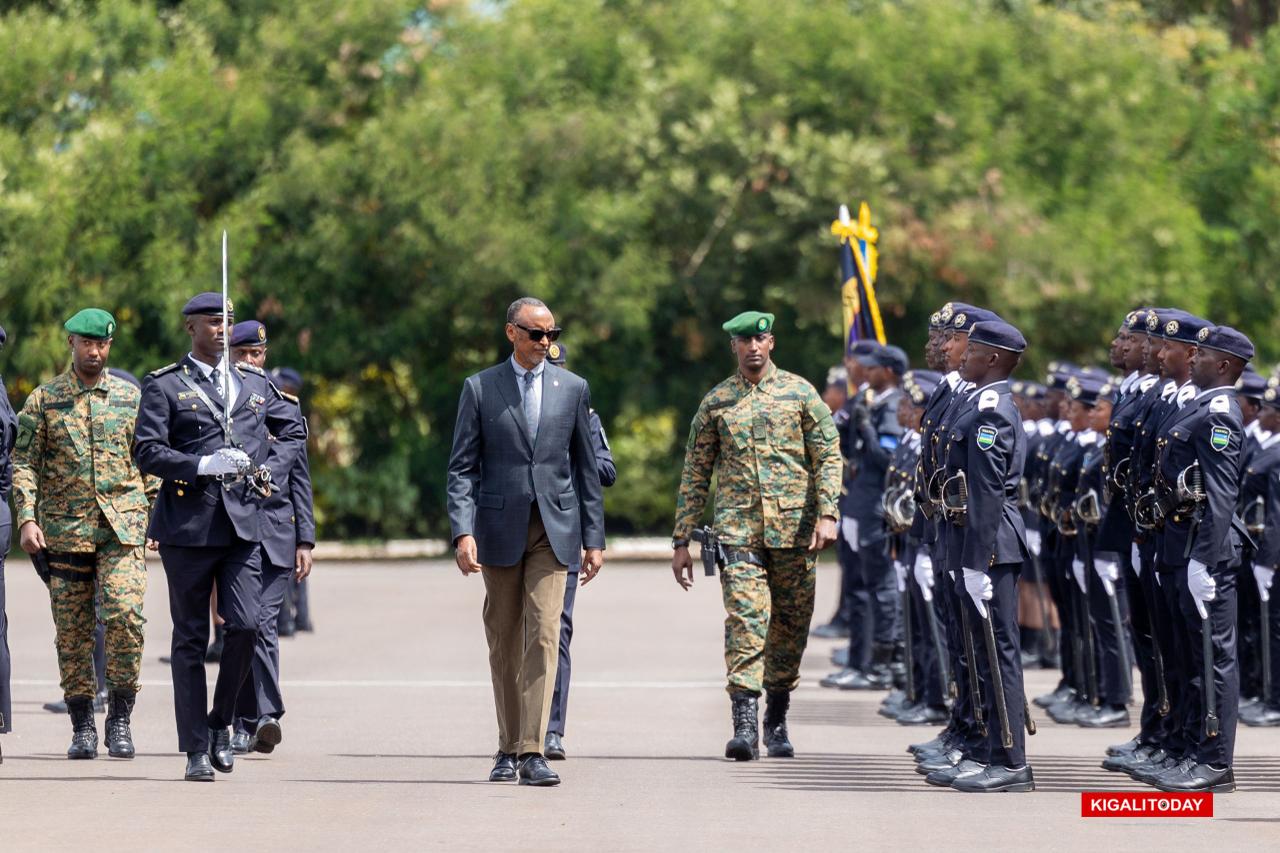
The Head of State made the remarks at the Gishari Police Training School during the graduation of 436 Assistant Inspectors of Police. The event also marked 25 years of RNP service—a milestone defined by institutional growth, expanding public trust, and deeper community engagement.
A 25-Year Security Model Built on Partnership
Over the past quarter-century, the RNP has evolved into a key pillar of national security, relying heavily on collaboration with citizens and fellow security institutions to maintain stability.
In 2025 alone, the force recorded a 15.7% reduction in overall crime compared to 2024, reflecting intensified enforcement and strengthened community policing efforts.
Beyond standard security operations, the RNP has significantly expanded its role into socio-economic community development. Partnering with the Rwanda Defence Force (RDF) under the “Kwibohora 31” and the “25 years of Police-public partnership” frameworks, these joint initiatives delivered wide-ranging social impact across the country.
Through these interventions, more than 41,800 citizens received free medical services, 70 houses were constructed for vulnerable families, 13 bridges were built in rural communities, and 10 Early Childhood Development (ECD) centres were established to support early education. The infrastructure support also extended to essential utilities, with clean water reaching over 3,000 households and solar energy systems installed in more than 100 homes.
President Kagame emphasized that these achievements were rooted entirely in collaboration, stating, “Whatever you have achieved came through partnerships with other security organs and the Rwandans themselves.”
Shift Toward Preventive, Tech-Driven Policing
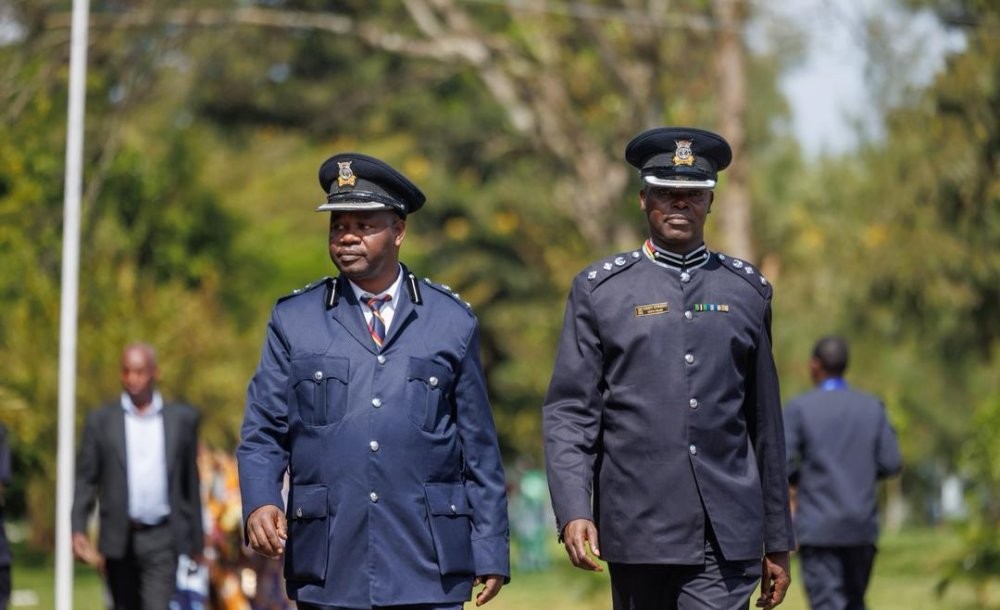
Despite this progress, the President warned that crime is evolving faster than traditional policing systems can respond. Because modern criminal activity is increasingly digital, organized, and transnational, he stressed the need for an urgent shift toward intelligence-led, preventive policing.
“The method of preventing crime before it occurs solves problems in advance,” Kagame noted.
The Inspector General of Police, CG Felix Namuhoranye, echoed this sentiment, pointing out that cyber-enabled crimes—including digital bank theft—are becoming far more frequent, requiring stronger technological capacity within law enforcement.
In response, the RNP has intensified investments in digital systems, intelligence tools, and specialized training aimed at improving early detection. President Kagame reinforced this direction, highlighting modernization as central to national security.
“To continue growing the ability, professionalism and equipment that is up-to-date should be our priority if we are to defeat the new problems that continuously emerge,” he said.
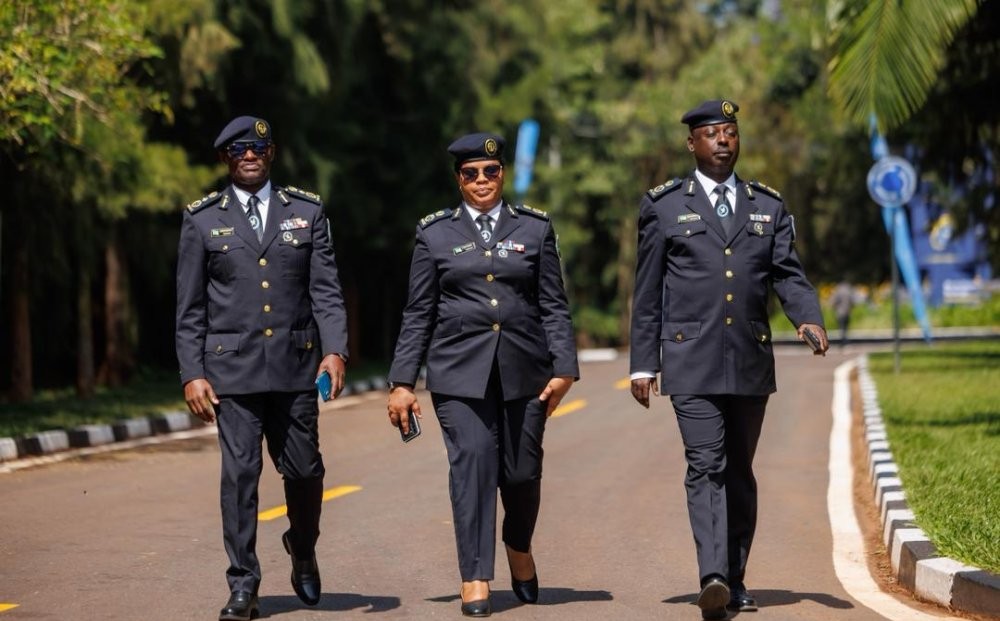
Regional Cooperation and Global Peacekeeping
Rwanda’s policing model is also increasingly shaped by international cooperation and cross-border security partnerships.
In 2025, the RNP hosted the 26th Eastern Africa Police Chiefs Cooperation Organization (EAPCCO) Annual General Meeting in Kigali. The force also signed bilateral agreements with several nations, including Nigeria, Singapore, Djibouti, and Italy, focusing on intelligence-sharing, joint training, and coordinated responses to transnational crime.
Simultaneously, Rwanda continues to contribute to global peacekeeping missions. More than 2,300 police officers are currently deployed in the Central African Republic, South Sudan, and Mozambique.
President Kagame stated that these deployments reflect Rwanda’s growing credibility in international security, telling the officers, “Across our borders, these values continue to define you in various peacekeeping missions.”
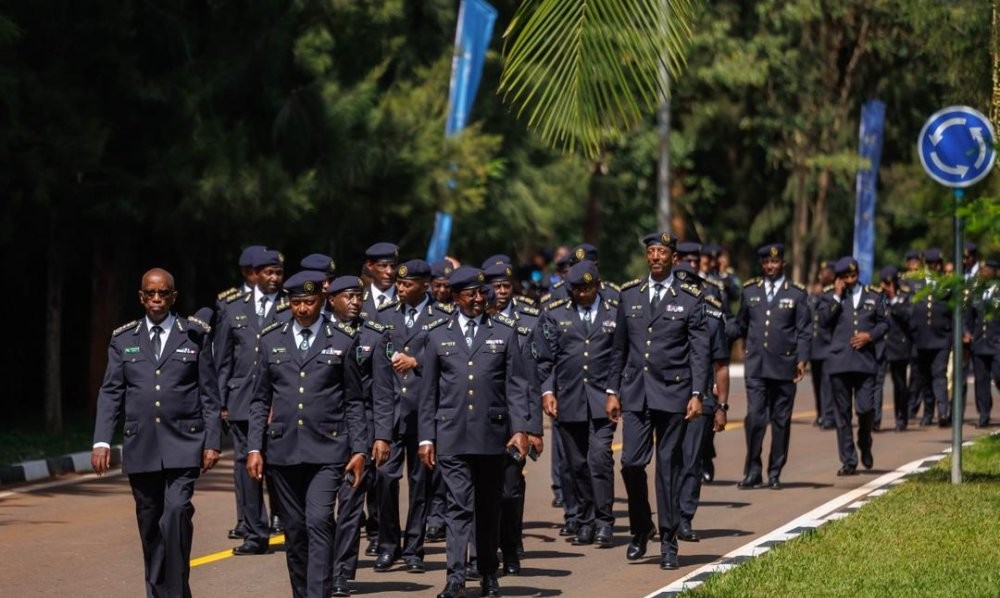
Integrity and Discipline
Alongside technological modernization, President Kagame underscored that integrity remains vital to effective policing, warning officers against corruption and unethical conduct. He urged the new graduates to remain disciplined, humble, and deeply committed to public service.
“We expect you to avoid and denounce corruption, be diligent in making decisions, and fulfilling your expected duty,” he said.
The graduating cohort of 436 officers included 327 men and 109 women, drawn from university graduates, serving junior officers, civilian recruits, and international participants from Seychelles and Egypt.
As the RNP reflects on 25 years of policing, President Kagame’s message signals a clear transition toward a technologically advanced, preventive security model. With crime significantly reduced and community programs successfully reaching tens of thousands of citizens, the RNP’s next major challenge will be adapting quickly enough to counter increasingly complex, digital, and borderless threats.