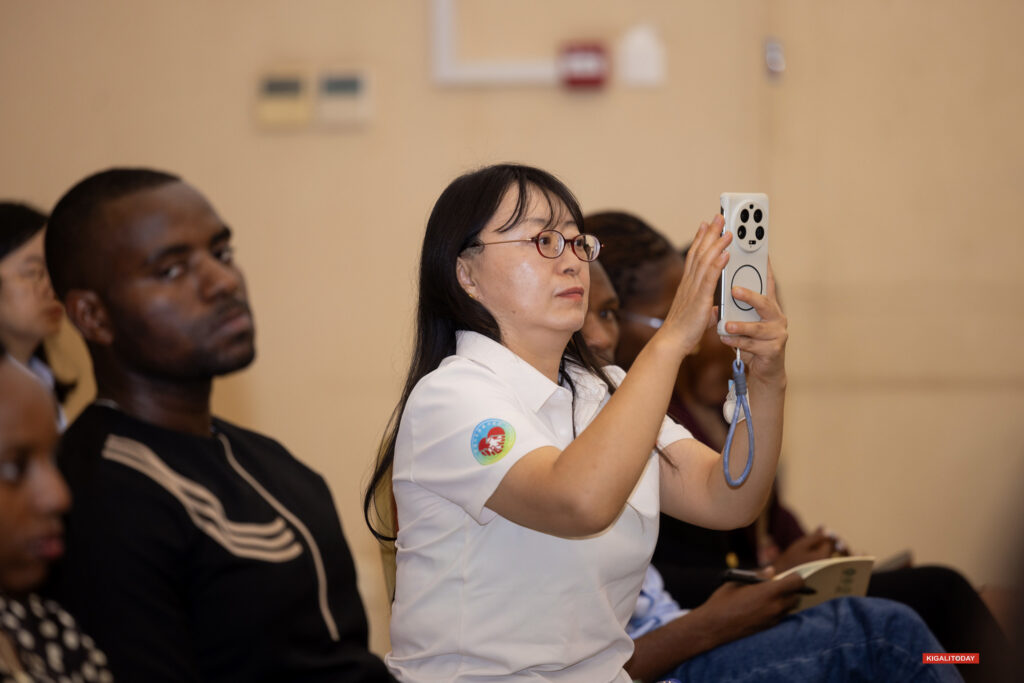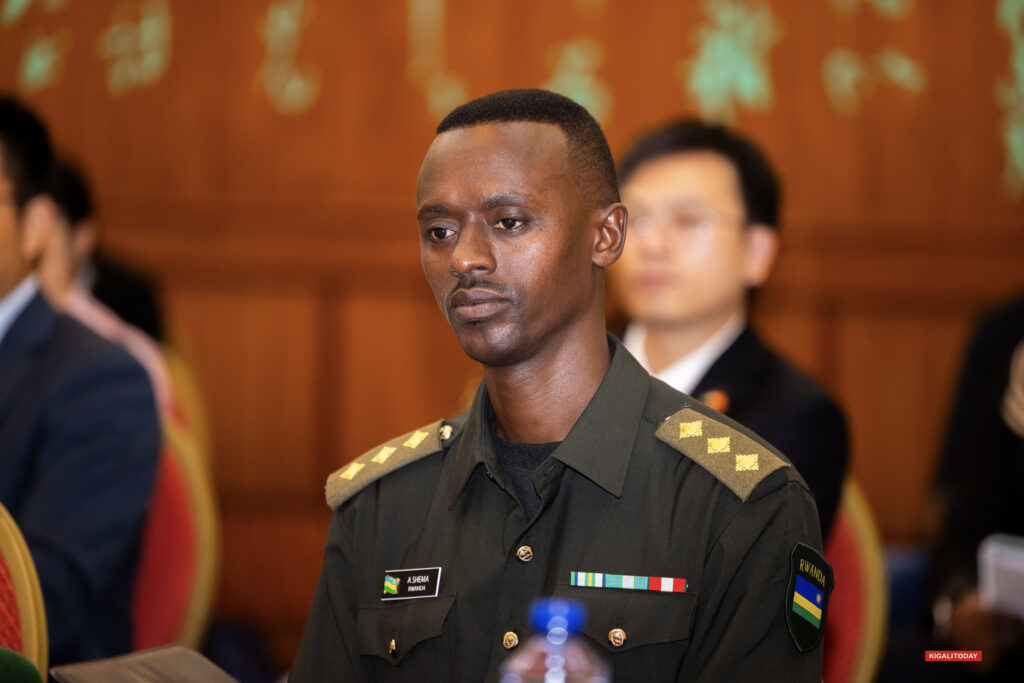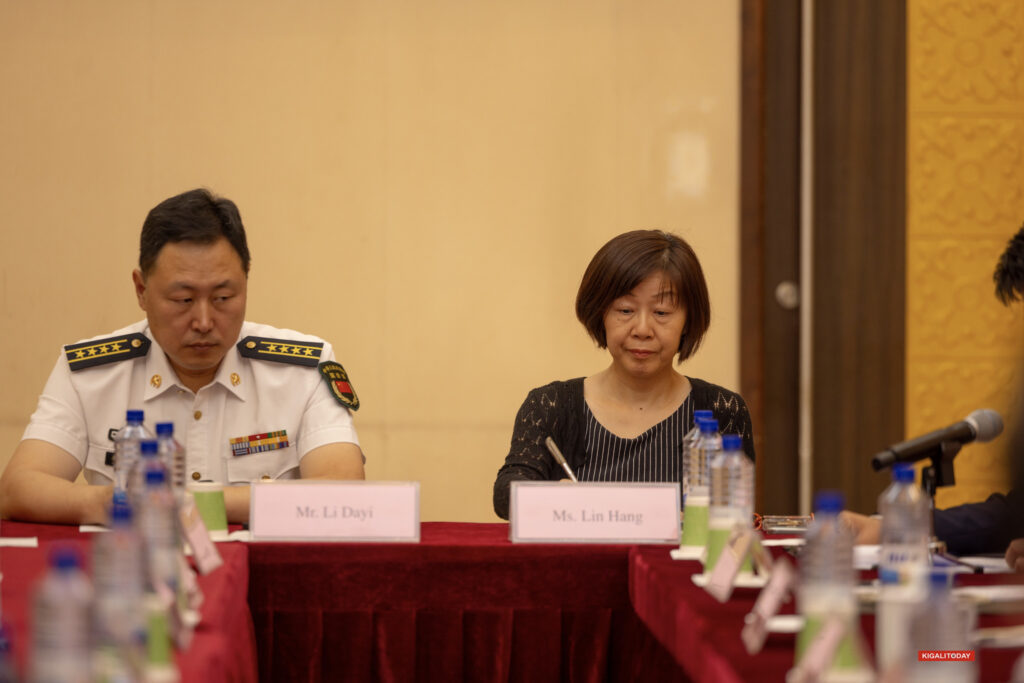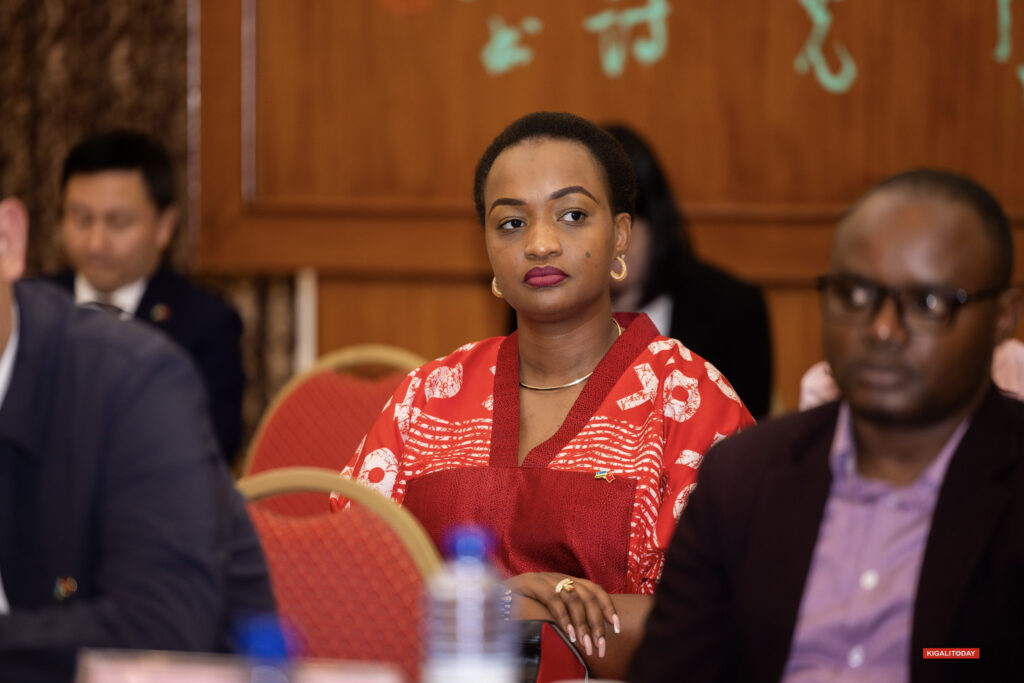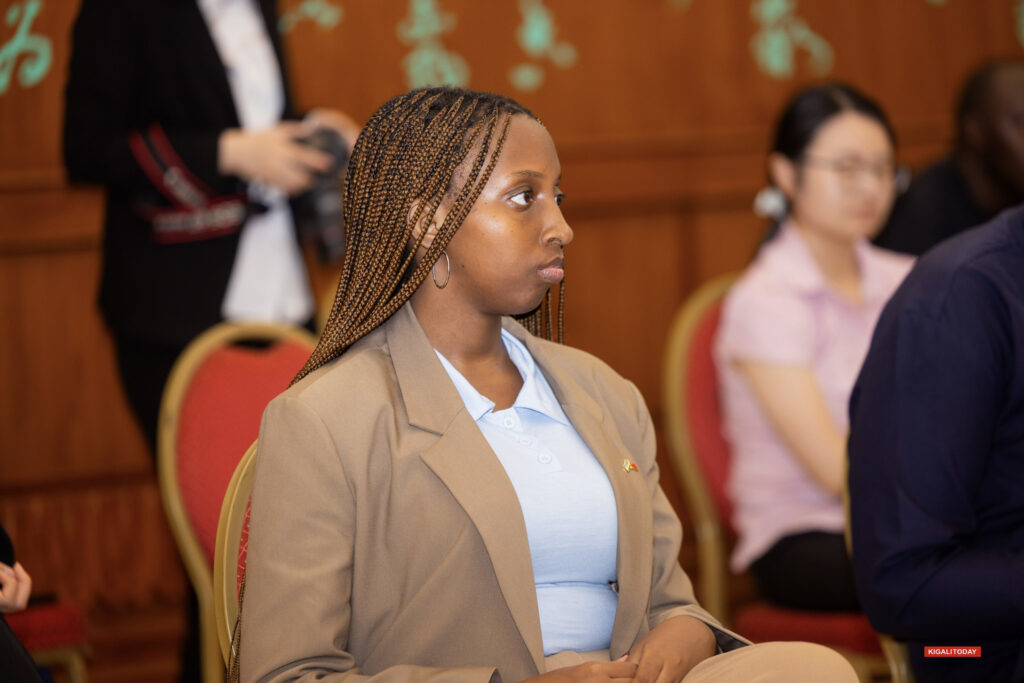



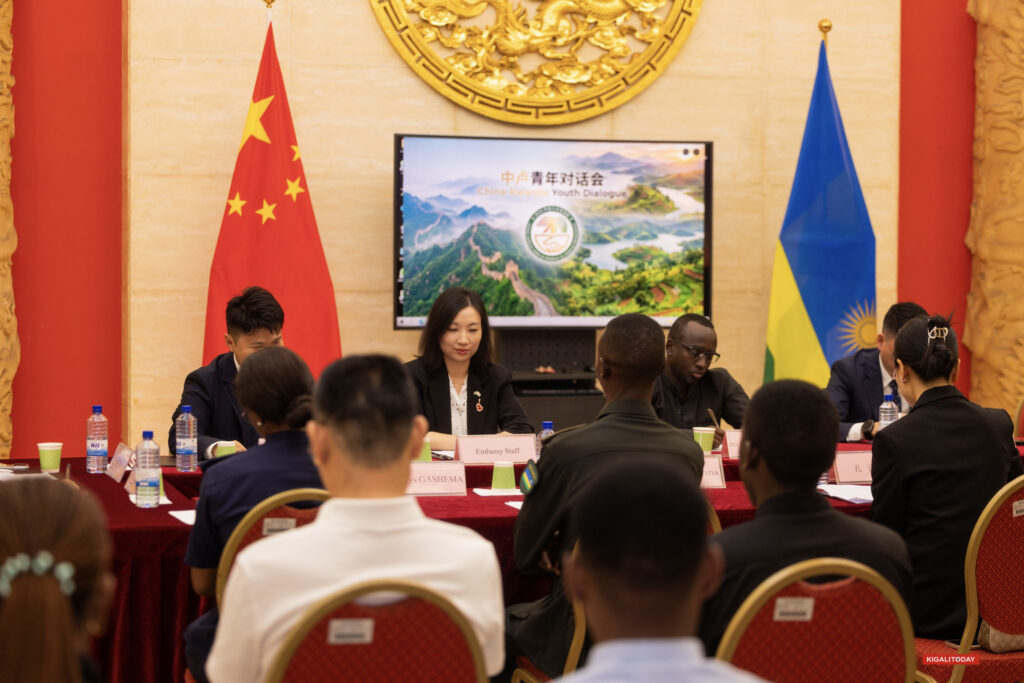
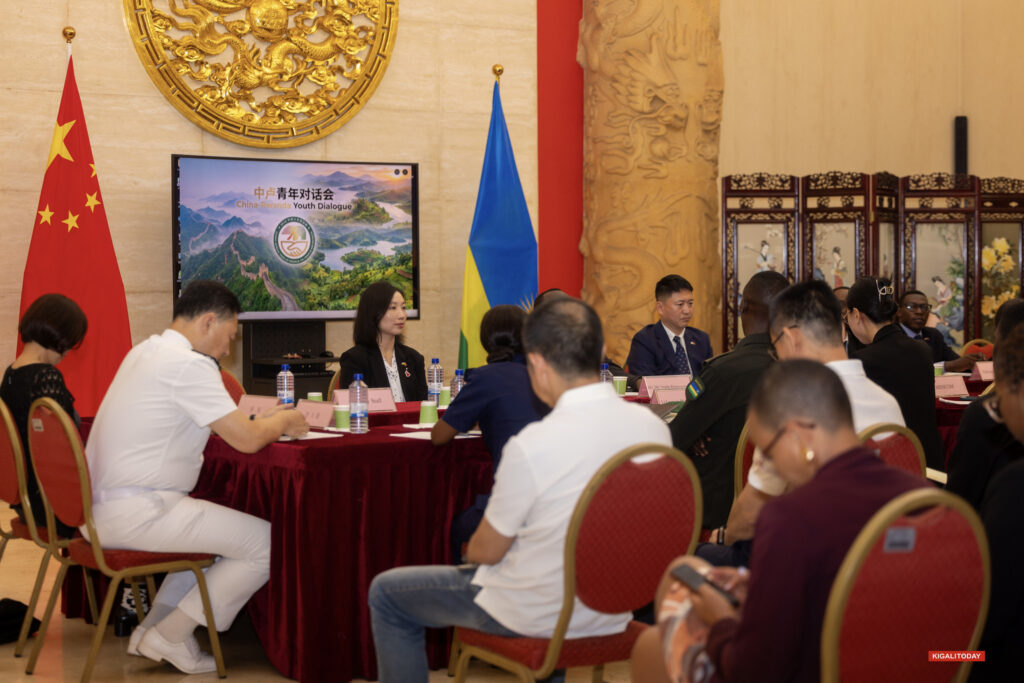
The China-Rwanda youth dialogue was held in Kigali.
KIGALI – As Rwanda and China prepare to celebrate 55 years of diplomatic relations later this year, both governments have unanimously agreed that sustaining strong bilateral ties, depends on young people equipped with the skills, ideas and leadership to navigate a rapidly changing world.
After decades of building roads, hospitals and hydropower plants together, Rwanda and China are shifting their attention to young people, who both countries see as the most valuable investment for the future.
At the China-Rwanda youth dialogue in Kigali, diplomats, government officials, academics and youth leaders concurred that the next chapter of bilateral cooperation will firmly depend on developing a generation capable of driving innovation, governance and economic transformation.
Beyond Roads and Buildings
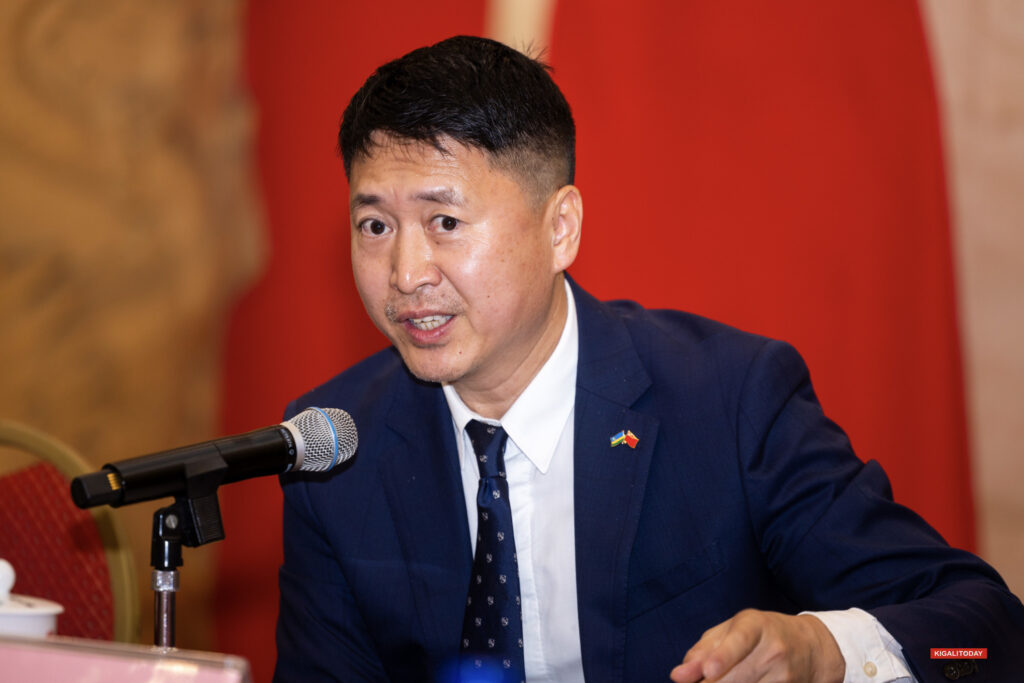
Chinese Ambassador to Rwanda Gao Wenqi speaking to guests at the dialogue.
Chinese Ambassador to Rwanda Gao Wenqi said relations between the two countries have reached their strongest point following the elevation of ties to a Comprehensive Strategic Partnership in 2024.
He cited projects such as the Nyabarongo II Hydropower Plant, Masaka Hospital and major road infrastructure as symbols of the partnership’s achievements but said future cooperation will increasingly be shaped by young people.
“The future belongs to youths, and the hopes rest with you. I hope Chinese youths and Rwandan youths can join hands to make contributions to our bilateral relations,” Gao said.
He added that 2026, designated the China-Africa Year of People-to-People Exchanges, presents an opportunity to strengthen cooperation beyond governments by investing in the next generation.
Youth as Strategic Partners
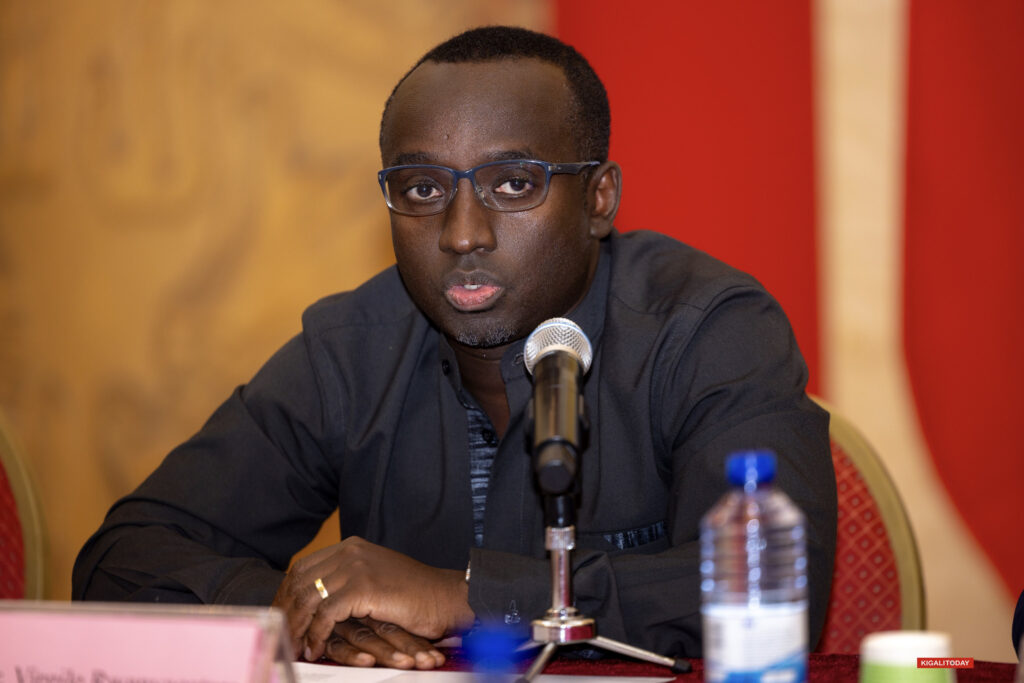
Virgile Rwanyagatare, the Director General for Asia, the Pacific and the Middle East at the Ministry of Foreign Affairs and International Cooperation.
On behalf of government, Virgile Rwanyagatare, the Director General for Asia, the Pacific and the Middle East at the Ministry of Foreign Affairs and International Cooperation, described youth exchanges as an essential pillar of future cooperation.
“Young people are not only the leaders of tomorrow, but also active contributors to the development and prosperity of our nations today. Investing in youth exchanges is therefore an investment in the future of China-Africa cooperation,” he said
Rwanyagatare said Rwanda values its long-standing relationship with China, built on mutual respect, equality and shared development goals since diplomatic relations were established in 1971.
He added that continued exchanges between young members of the Rwanda Patriotic Front (RPF) and the Communist Party of China (CPC) would strengthen cooperation in leadership, governance and development.
Partnership Beyond Aid
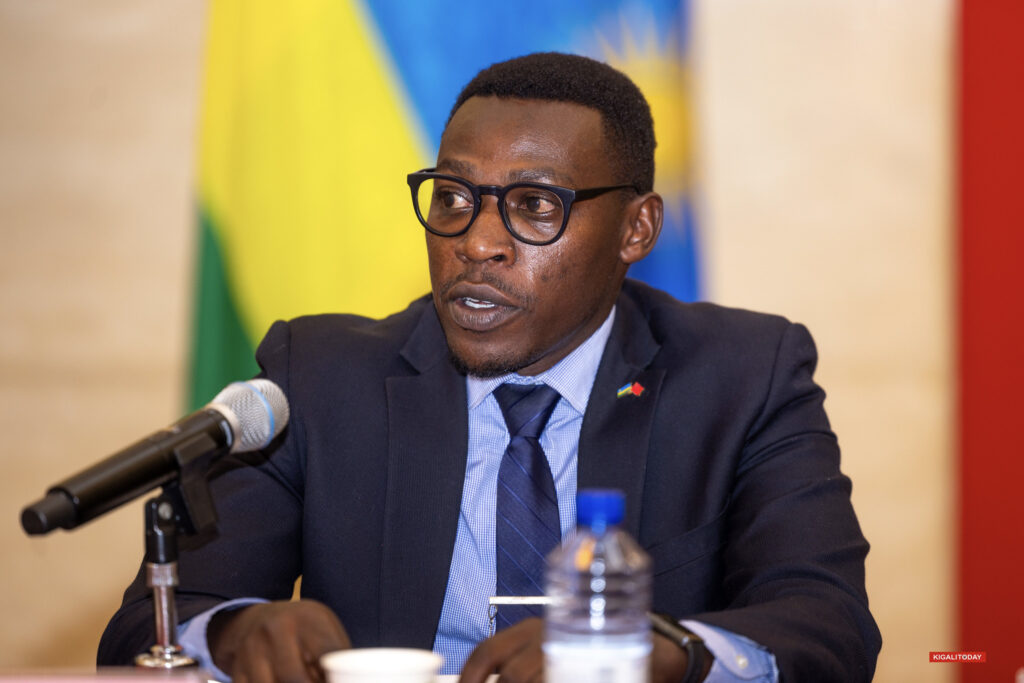
Anselme Ruhumuriza is a Commissioner at the National Youth Council and Lecturer of Political Science and International Relations at the University of Rwanda.
According to Anselme Ruhumuriza, a Commissioner at the National Youth Council and Lecturer of Political Science and International Relations at the University of Rwanda, the relationship has evolved beyond traditional development assistance.
“Rwanda-China cooperation is not based on aid dependence, but on shared transformation, shared knowledge, technology exchanges and sustainable growth,” he said.
He pointed to infrastructure projects that also train Rwandan engineers, growing collaboration in artificial intelligence and digital innovation, and expanding educational exchanges as evidence that the partnership is increasingly focused on building skills rather than simply delivering projects.
“Through initiatives such as AI+, Rwanda and China are ensuring that African young people are not spectators in the Fourth Industrial Revolution, but active participants and innovators,” Ruhumuriza said.
He proposed establishing an annual Rwanda-China Youth Leadership Dialogue focused on research, innovation and artificial intelligence, with promising youth-led projects receiving support for implementation.
Investing in People
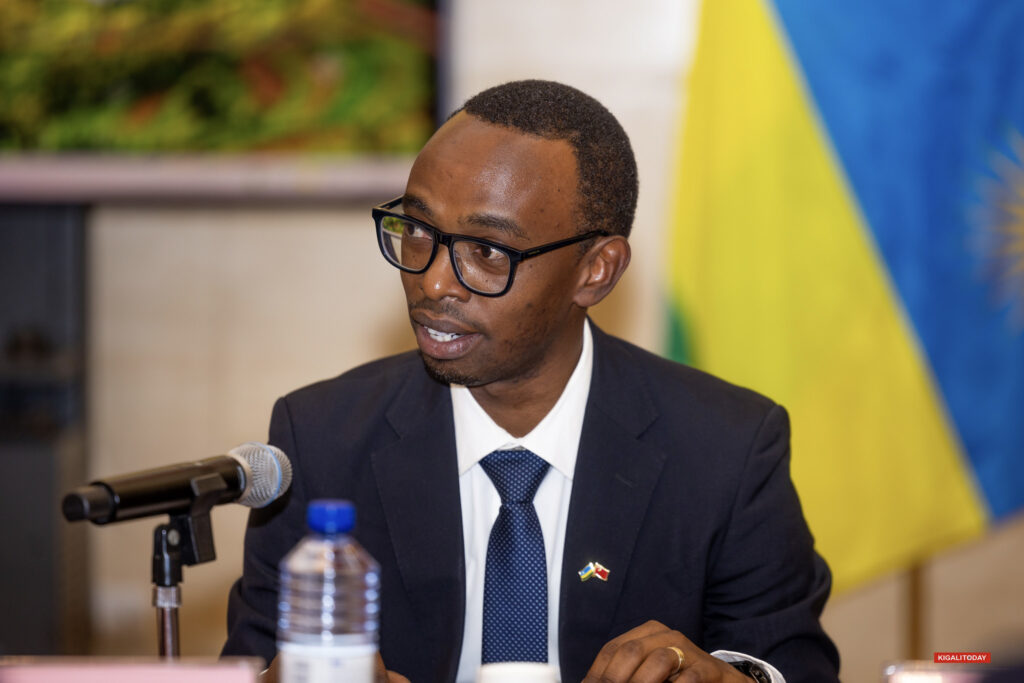
Christian N. Mbabazi, the Division Manager for Resource Mobilization and Partnerships at Imbuto Foundation addressing guests.
Christian N. Mbabazi, the Division Manager for Resource Mobilization and Partnerships at Imbuto Foundation, said both countries have demonstrated that long-term development depends on empowering young people through education, accountability and partnerships.
“Youth engagement itself must be central to modern governance,” he said, arguing that collaboration between governments, the private sector and development partners creates opportunities for future leaders to thrive.
While infrastructure remains a defining feature of Rwanda-China relations, there is uniform consensus that partnership is entering a phase where knowledge, innovation and leadership will be just as important.
The roads, hospitals and power plants built over the past five decades may stand as lasting symbols of cooperation, but the ability of today’s young people to transform those foundations into the next generation of shared development and prosperity is true measure of success.