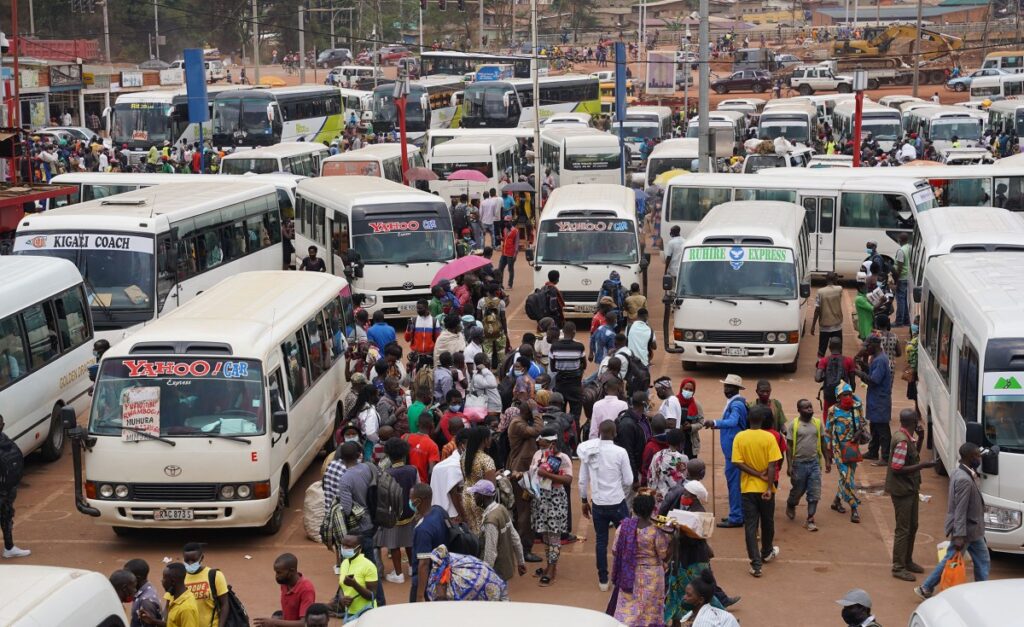
Citizens will not face the full impact of increasing transport costs through a public transport support subsidy known as Nkunganire.
KIGALI– As rising fuel prices continue to put pressure on economies around the world, the Government of Rwanda has strengthened efforts to protect citizens from the full impact of increasing transport costs through a public transport support subsidy known as Nkunganire.
The initiative comes at a time when global energy markets remain volatile, largely due to ongoing tensions in the Middle East, which have pushed up the cost of imports such as fuel and fertilizers in many countries, including Rwanda.
These increases often translate into higher transport fares and a rise in the cost of goods and services.
Speaking during a press briefing, Prime Minister Dr. Justin Nsengiyumva said the government remains conscious of the burden such developments place on households and businesses and is determined to cushion citizens from external economic shocks.
“The increase in fuel and other import costs affects many sectors of the economy, but government is committed to ensuring that citizens do not bear the full weight of these challenges alone,” he said.
Keeping Transport Affordable
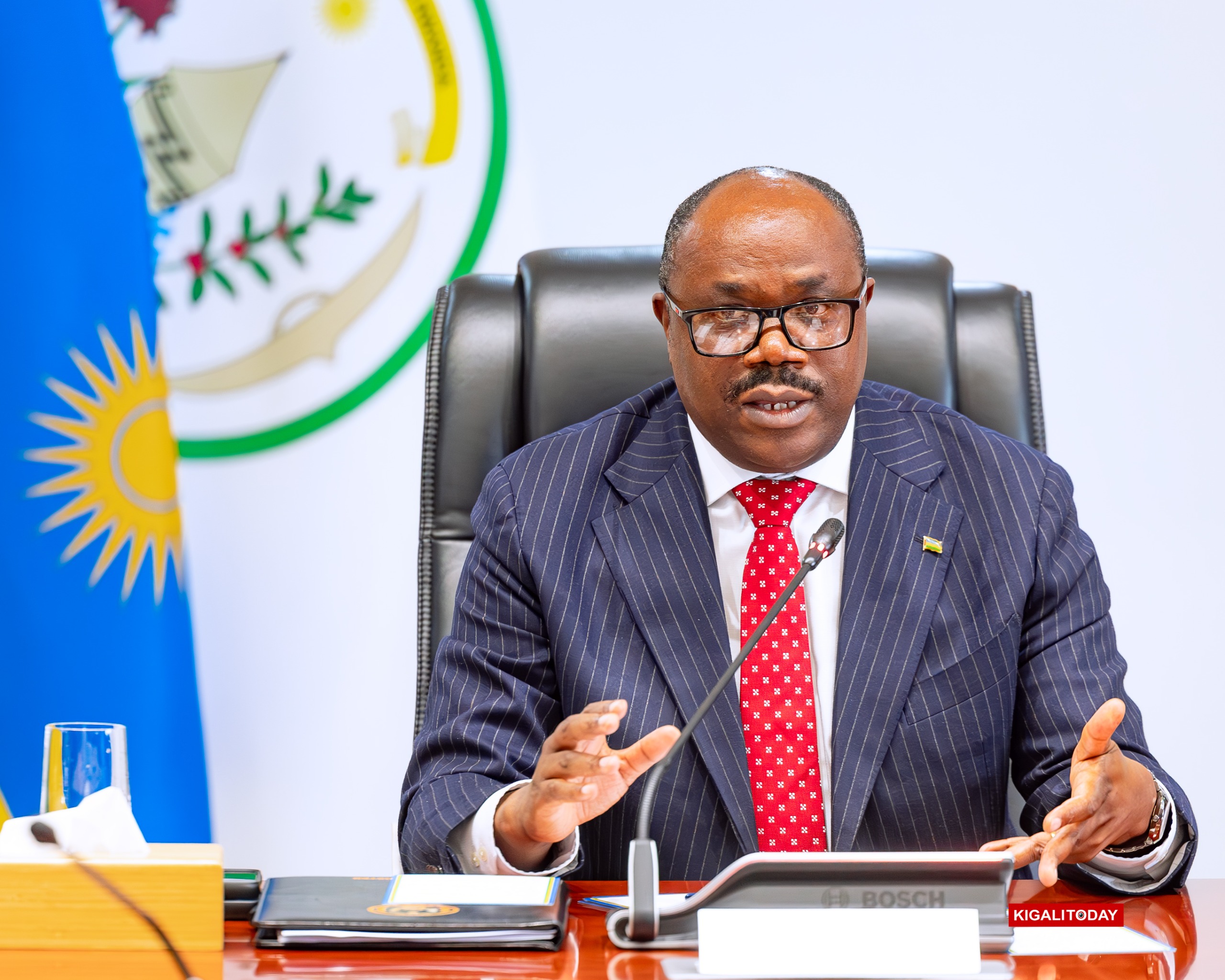
Prime Minister Dr. Justin Nsengiyumva addressing journalists on Saturday afternoon.
According to the Prime Minister, the government’s immediate response is Nkunganire, a subsidy mechanism that enables public transport users to continue paying affordable fares despite rising operational costs faced by transport operators.
Under current market conditions, the cost of travelling from one place to another would be significantly higher if fares were determined solely by prevailing fuel prices.
Through the subsidy, government absorbs part of that cost, helping to keep transport within reach for thousands of commuters every day.
Illustrating the scale of the intervention, Nsengiyumva noted that a journey from Kigali to Musanze would ordinarily cost about Rwf4,281 under prevailing fuel conditions. However, through Nkunganire, a passenger will continue to pay the usual Rwf3821 with government taking up the remaining portion of that cost.
“We have introduced Nkunganire as a practical intervention to support passengers using public transport. It is one of the measures aimed at reducing the pressure that rising fuel prices would otherwise place directly on citizens,” Nsengiyumva said.
The intervention is part of a broader strategy that includes increasing the number of buses and expanding transport routes to provide affordable alternatives for people who may not be able to rely on private vehicles as fuel prices fluctuate.
Government data shows that public transport usage has increased by 15 percent, an indication that more people are turning to the system as accessibility and affordability improve.
Balancing Growth and Protection
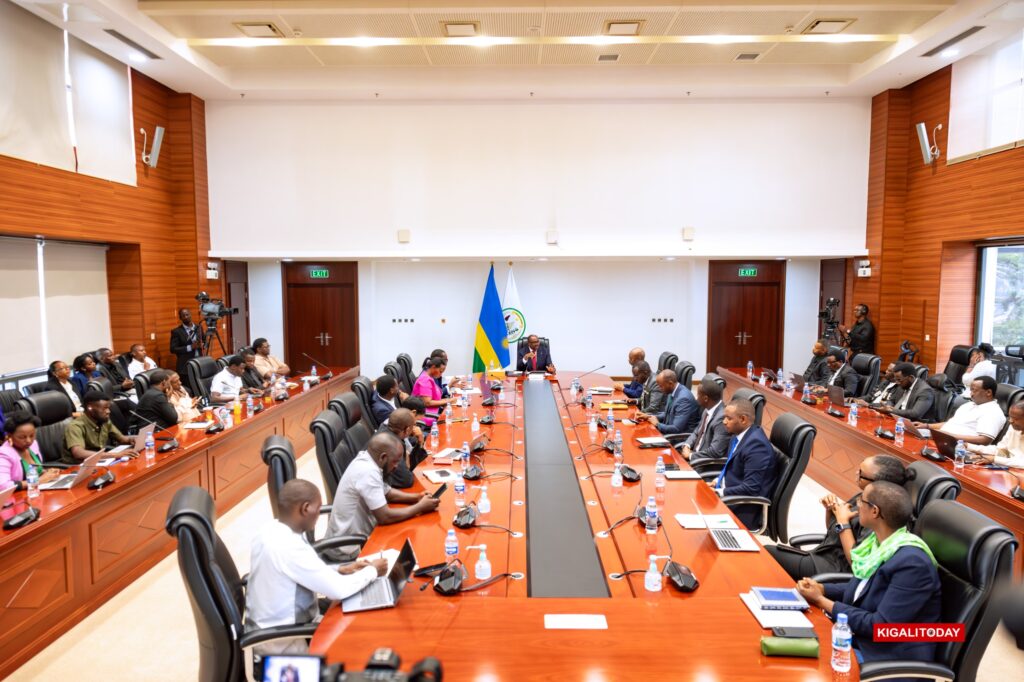
The transport support is being implemented alongside an economy that continues to demonstrate resilience despite global uncertainties. Rwanda’s economy has grown by 6.8 percent this year, outperforming both regional and global growth figures.
The Prime Minister attributed the positive outlook to sustained investment, strong growth in the services sector and continued industrial expansion. However, he emphasized that economic growth must be accompanied by measures that protect citizens from emerging cost-of-living pressures.
“Economic growth should translate into tangible benefits for the population. That is why we continue to examine interventions that help households manage the effects of global developments while preserving economic activity,” he said.
As international markets continue to experience uncertainty, Rwanda’s approach reflects an effort to balance economic growth with social protection.
Through Nkunganire, the government is not only supporting public transport affordability but also helping ensure that access to work, education, healthcare and other essential services remains within reach for ordinary citizens.