



The hills here are green and quiet now, the kind of quiet that makes it hard to imagine what happened on them.
In 1994, as many as 50,000 Tutsi sought refuge on these slopes, organizing a monthlong armed resistance against genocidal forces using sticks, stones and strategy against machetes and, eventually, guns.
Most of those who gathered here did not survive. The few who did have spent three decades watching the world tell their story badly, or not at all.
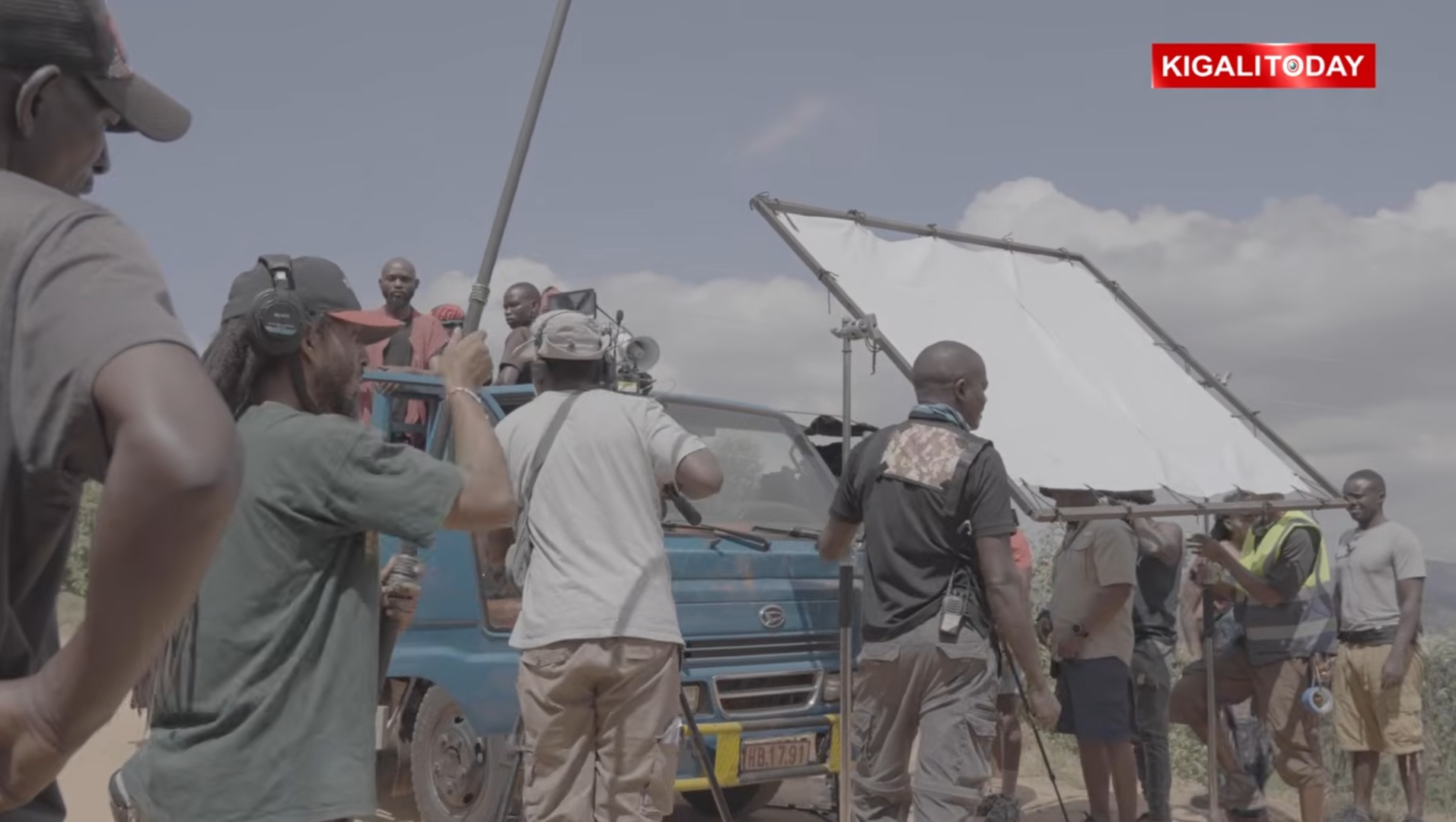
This spring, a film crew set out to change that. Kigali Today Ltd media crew got exclusive access to the filming. We spoke to Producer Richard Hall and his crew on site.
“The Battle of Bisesero,” a feature film now in production, is being built almost entirely by African hands — a Nigerian lead actor, a South African director, Rwandan and Kenyan crew, and a screenplay shaped in conversation with survivors themselves. For the producers, that composition is not incidental. It is the point.
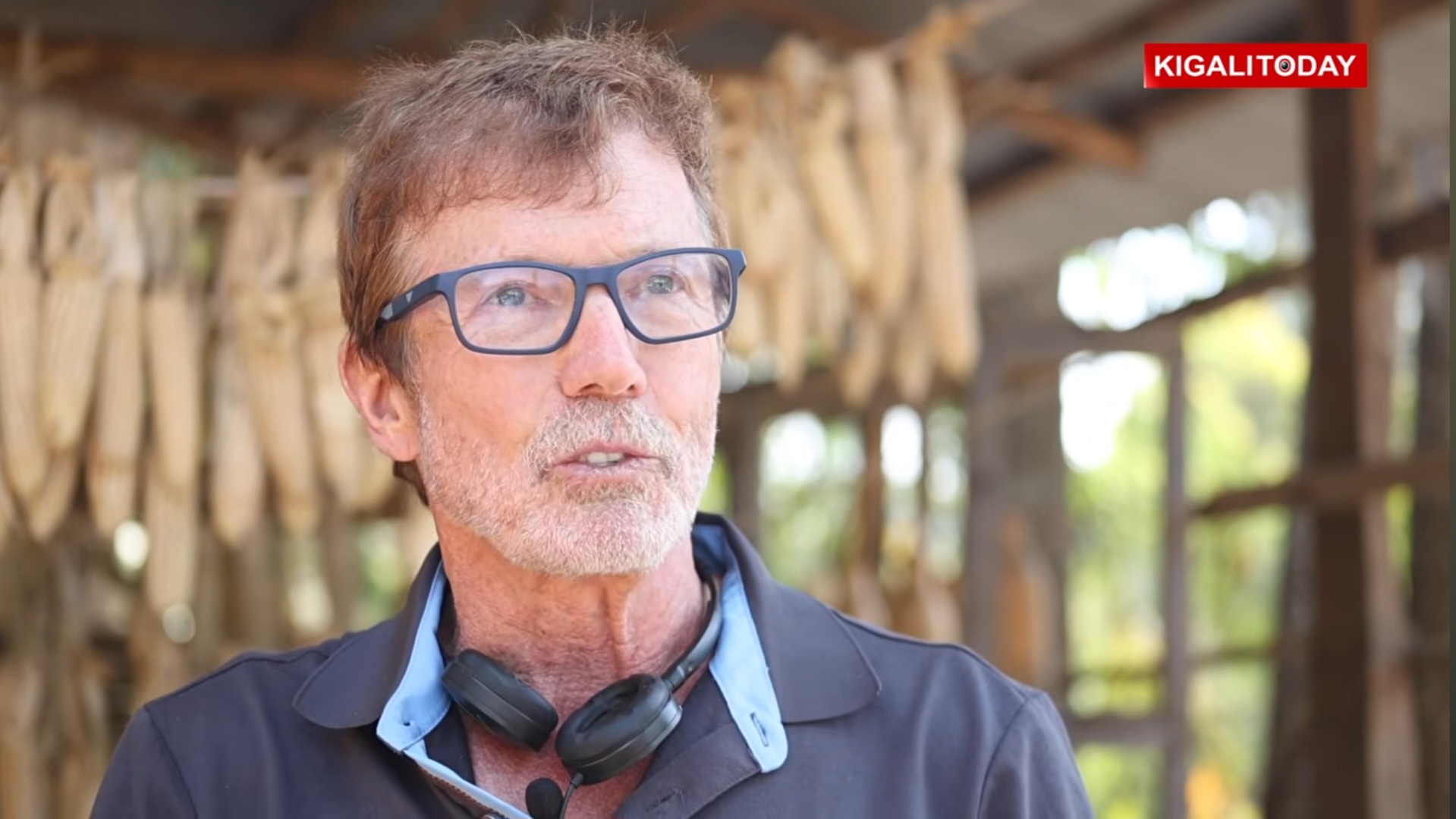
Richard Hall, the Producer
“Africans should be telling their own stories,” one of the film’s producers said on set, describing the decision to keep the production pan-African from script to screen. “When western companies come in and they do stories about Rwanda especially, they miss the mark. They’re not authentic. They put victims in the background and they put westerners in the foreground for no good reason, because it was not like that at all.”
The film’s director is Mandla Dube of South Africa, known for the heist thriller “Silverton Siege” and the war drama “Kalushi.” Its cast draws from across the continent: Wale Ojo, the Nigerian actor known for a long run of Nollywood and international credits; Umisa Gahiga, a Rwandan actress based in London; and Isabelle Kabano, a familiar face to Rwandan audiences, among others.
Only in the film’s final act, as French soldiers arrive, does a non-African presence enter the frame at all — a deliberate structural choice, the producers say, that mirrors how the history actually unfolded.
A Story Told by Its Survivors
The film centers on the family of a man named Birara, a respected community figure who helped organize the hilltop’s defense, and is narrated through the eyes of his teenage daughter, Epiphany.
According to one producer closely involved in shaping the script, roughly four of Birara’s children survived the massacre, and the decision to root the narrative in their perspective grew directly out of research conducted with them.
The early resistance, this producer said, was costly but effective — Tutsi families held off attackers for two or three weeks before a lull set in, as militia groups reconsidered their approach.
Weeks later, as defenders grew hungry and depleted, a heavier assault arrived, reportedly reinforced by government forces and, by some accounts, French military support. That assault broke the resistance.
Getting that history onto film took years. The producer said he first heard about the project through Wale Ojo, a friend who kept insisting the script was worth reading — an invitation that arrived, stalled, and resurfaced across roughly three or four years as financing and scheduling fell in and out of place.
What finally moved him, he said, was a trip to Rwanda itself: a workshop with local students, a visit to the Bisesero memorial site, and a meeting with Epiphany, the real woman the film’s central character is drawn from, now in her forties.
“I strongly believe when we align as human beings to commit to tell something that we really believe is important, everything else comes into place,” he said. He described the project less as a job than an obligation: “It’s more than just making a film. It’s a responsibility.”
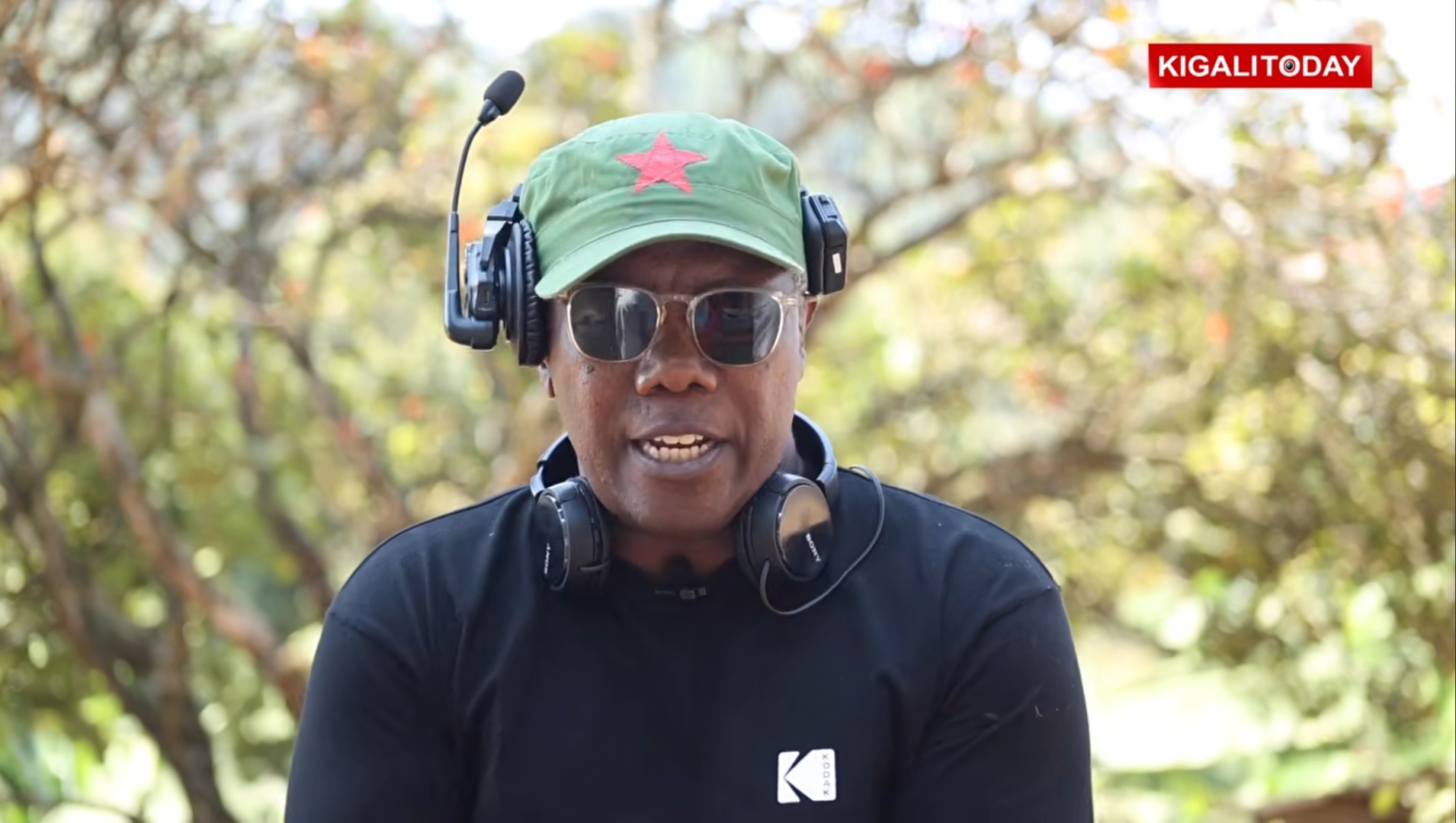
Mandla Dube
That sense of responsibility extended to the writers’ room. The producer brought in screenwriter Joel Coresi and later recruited his own son, also a writer, to collaborate on the script — part of what he described as a deliberate effort to build the film through collaboration among people who shared the same conviction about the story’s importance.
Playing a Girl
For Umisa Gahiga, who plays Epiphany, the role required a kind of emotional exposure she hadn’t fully anticipated.
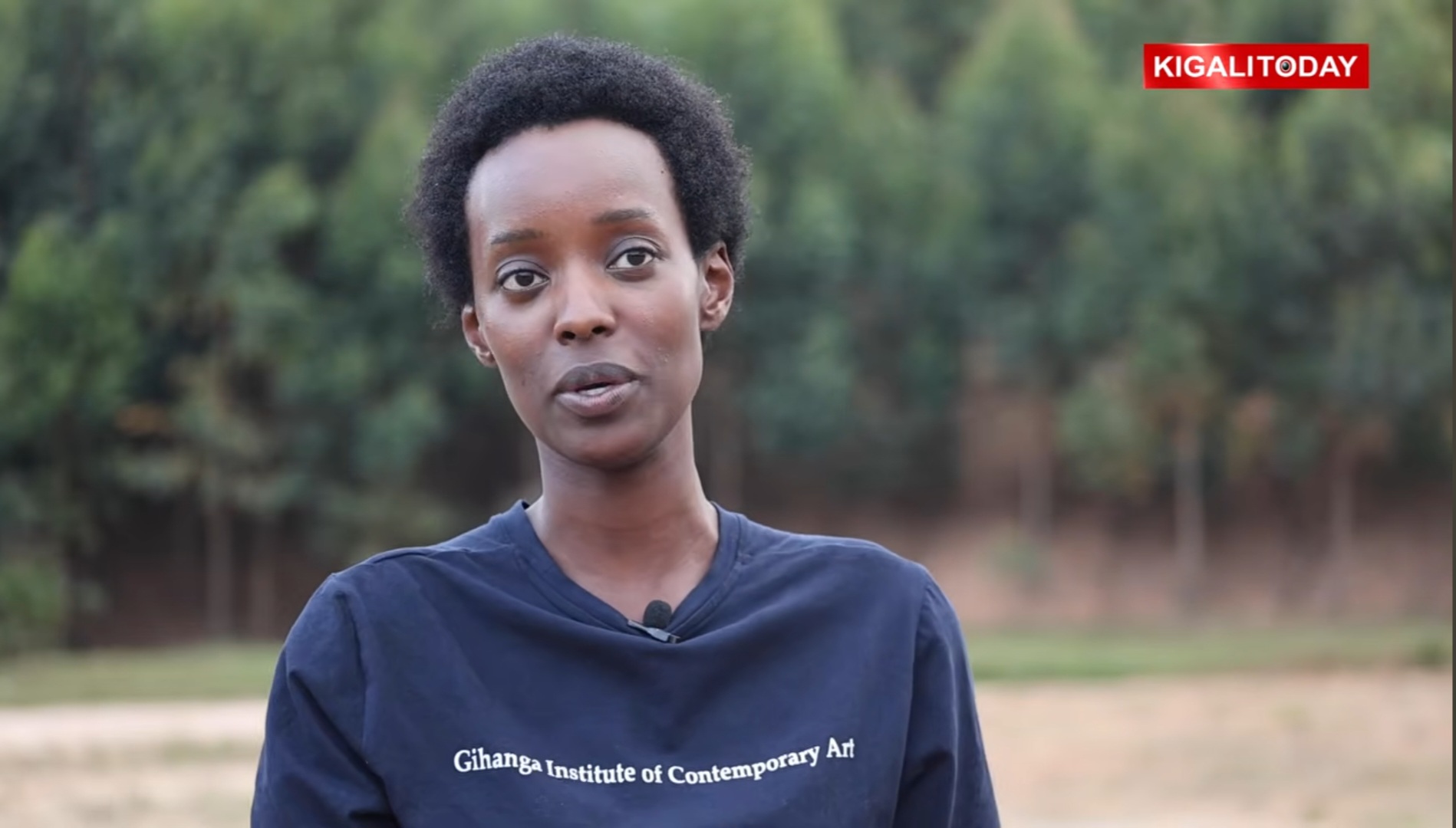
“My character is Epiphany. I’d say she’s the heart of this story,” Gahiga said.
The film opens with Epiphany as a 17-year-old facing everyday discrimination at school, protected still by the shelter of her family — a comfort, Gahiga said, that erodes steadily as the story progresses.
“You see how a child’s environment can completely impact their spirit, if not destroy their spirit,” she said, describing Epiphany as the audience’s lens into Bisesero: naive at first, in the way a teenager is allowed to be, until circumstance forces her to “fortify” herself.
Gahiga, who was born four years after the genocide, said she initially assumed distance from the events would make the role easier to inhabit. She said she was wrong.
As a Rwandan preparing to play a character built from real testimony, she found she recognized her own family in the part — at one point saying she saw her grandmother in Epiphany. She described trying to hold two things at once while filming: professional tools to step in and out of a scene, and a personal refusal, in the moments between “action” and “cut,” to treat the history as anything other than real.
Gahiga was also direct about what she hopes the film displaces. She named “Hotel Rwanda,” the 2004 film that remains, for many audiences outside the country, their primary reference point for the genocide, and said she considers it an inadequate account.
She and much of the production team met with survivors directly — Epiphany and a man named Marcel among them — and traveled to Bisesero as part of their preparation, a process she described as essential to getting the story right rather than simply dramatic.
“It’s not a documentary, it’s a movie,” she said, “but it’s telling their story in the best way we can, in the most impactful way we can.”
What Authenticity Looks Like on Set
Walking the production, the emphasis on lived proximity to the history is hard to miss. Crew members speak of Bisesero not as a filming location but as a place they were, in the words of one producer, repeatedly told they were being “welcomed home” to.
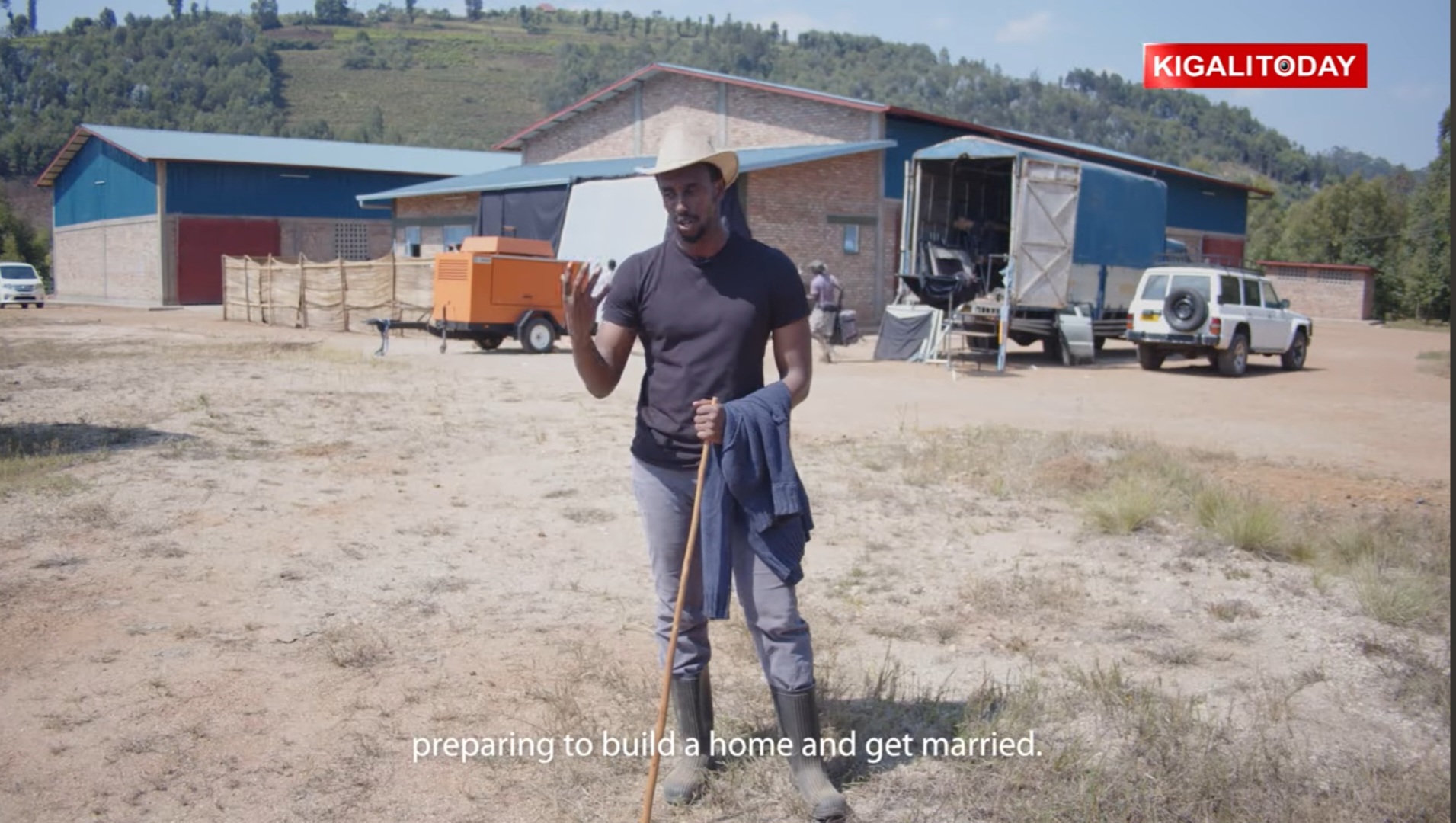
Cast members describe consulting survivors directly rather than relying on secondhand accounts. The screenplay itself passed through multiple rounds of community and survivor input before reaching its current form.
None of that guarantees the finished film will land the way its makers hope.
Depicting genocide on screen carries its own risks — of spectacle, of flattening, of getting details wrong even with the best intentions.
But the production’s organizing bet is that authenticity is, at minimum, a function of who is in the room: who writes the story, who directs it, who is standing in front of and behind the camera, and who was consulted before a single scene was shot.
“We spoke to the people who went through this,” Gahiga said. “It’s their story.”
The film does not yet have a confirmed release date.
