Expo 2026 has 121 international exhibitors from 15 countries including new participants Ethiopia.
KIGALI – For nearly three decades, the Rwanda International Trade Fair has measured its success in familiar ways by considering the number of exhibitors it attracts, the countries represented and the thousands of visitors who pass through its gates in search of new products and business opportunities.
Expo 2026 suggests a changing trend.
As Rwanda’s private sector becomes increasingly competitive and businesses look beyond the domestic market, the country’s largest annual trade exhibition is evolving from a physical marketplace into a commercial platform whose influence extends well beyond the exhibition grounds.
If businesses are producing better goods than ever before, Antoine Kajangwe, the Minister of Trade and Industry says that effective communication is what determines whether those products remain confined to exhibition shelves or find customers elsewhere
“The challenge has been how do we communicate it as widely as possible so that thousands of people who cannot physically attend the exhibition get to discover the products, services and innovations being showcased,” he said.
Responding to expanding media coverage, including live broadcasting and digital reporting by Kigali Today, Kajangwe said that media has become an important component of the exhibition itself.
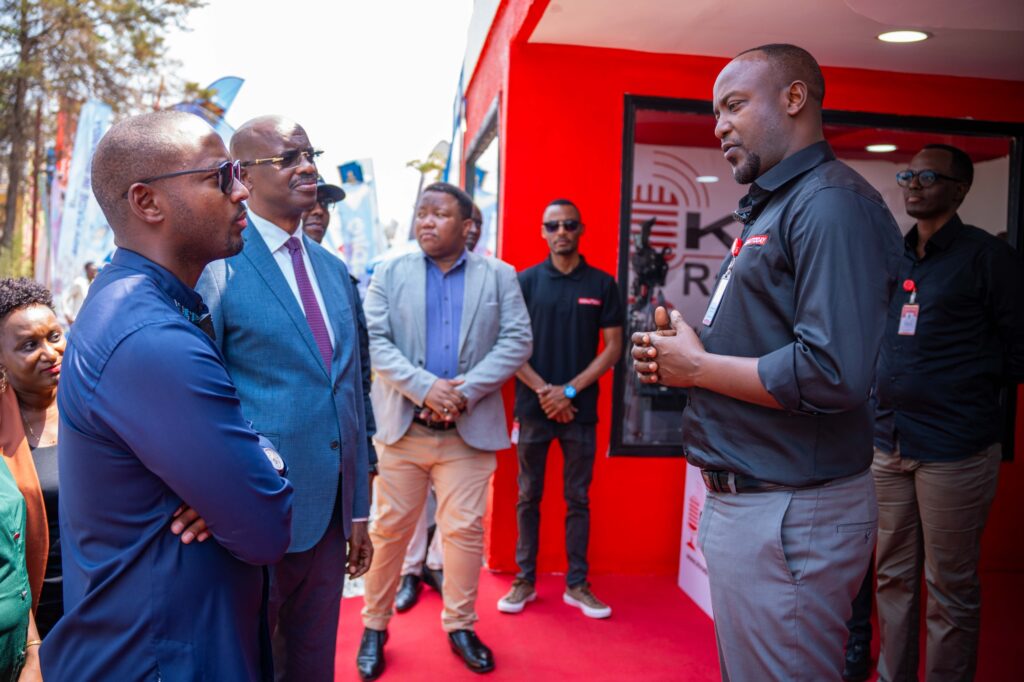
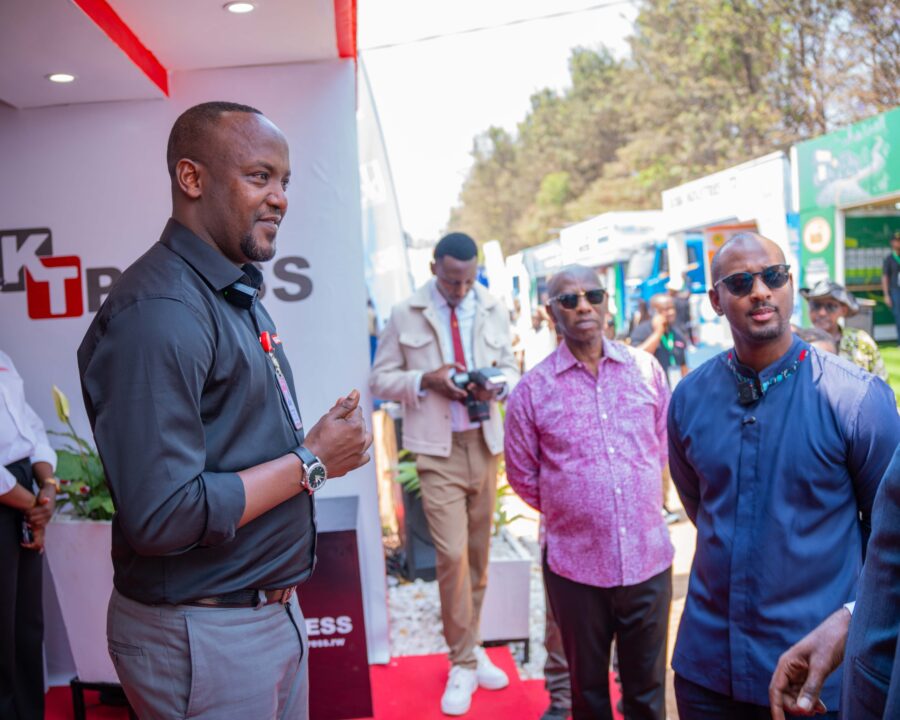
Antoine Kajangwe, the Minister of Trade and Industry (L) interacts with Kigali Today Managing Director Dan Ngabonziza (R) at the Kigali Today booth at Expo 2026.
“I’m glad to hear that the tour was live-streamed. I think it’s important that media continues to do exposés of different products, different companies that are here, because then it reaches a wider audience,” he noted.
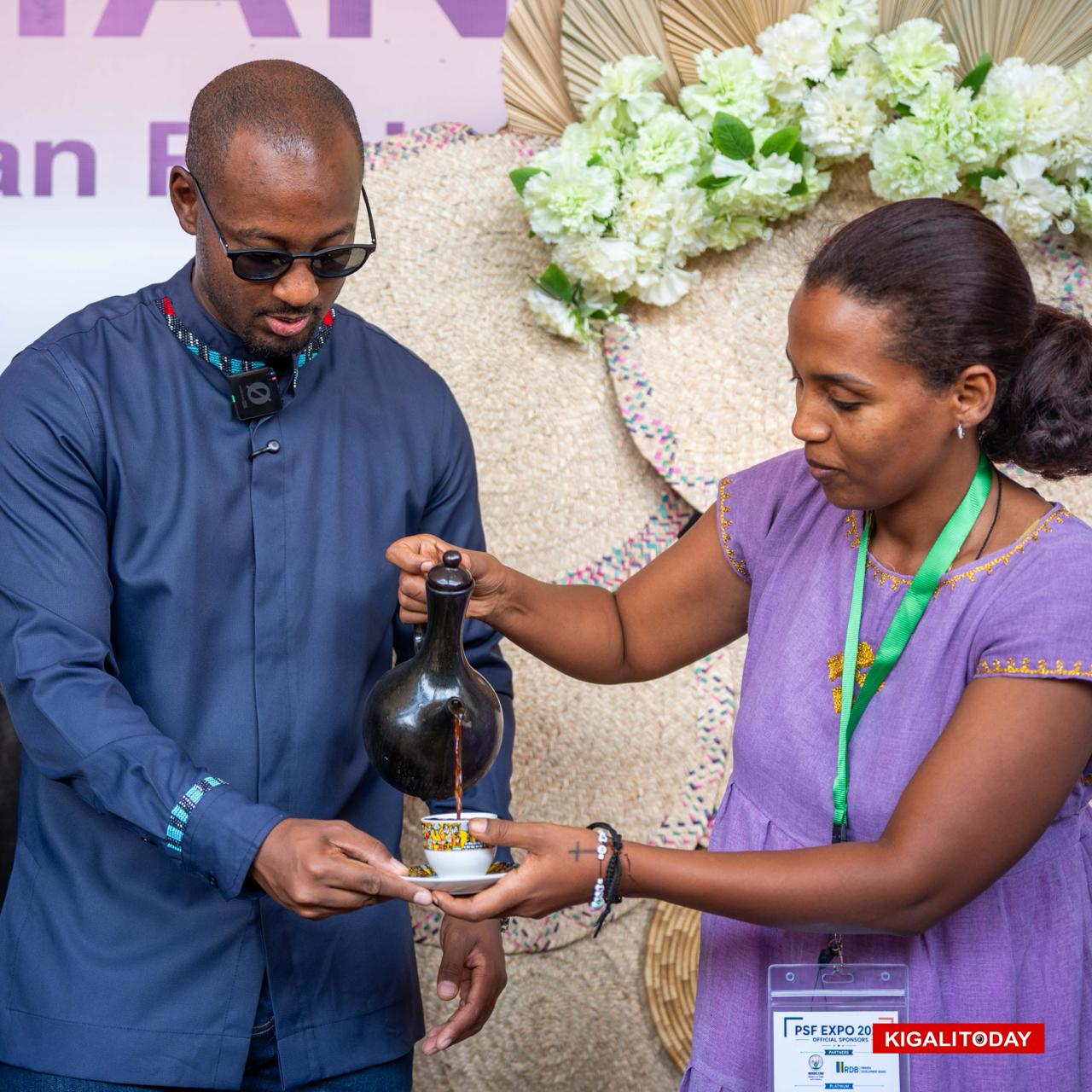
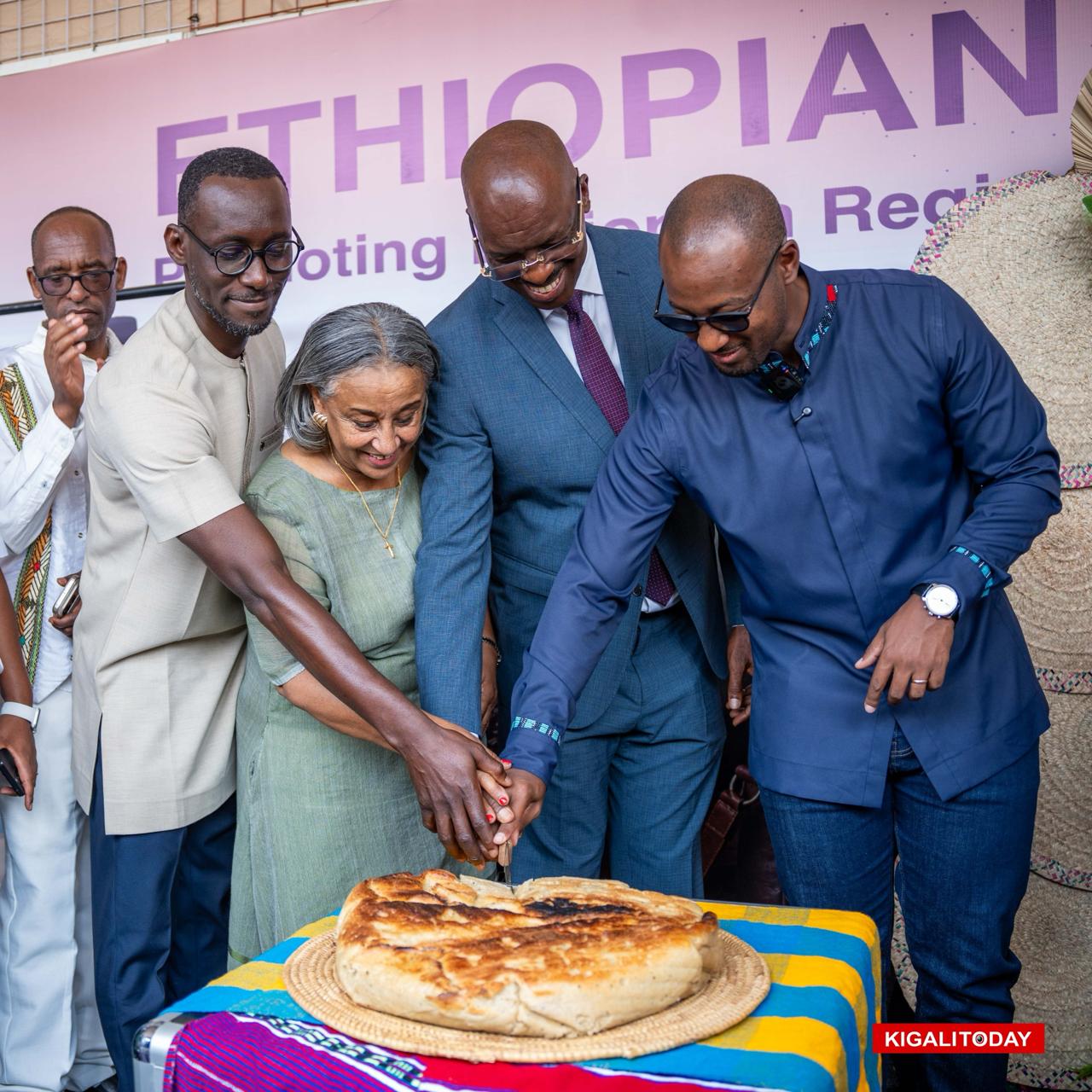
This year’s edition has brought together 487 exhibitors, including 366 local businesses and 121 international exhibitors from 15 countries including new participants from Senegal and Ethiopia.
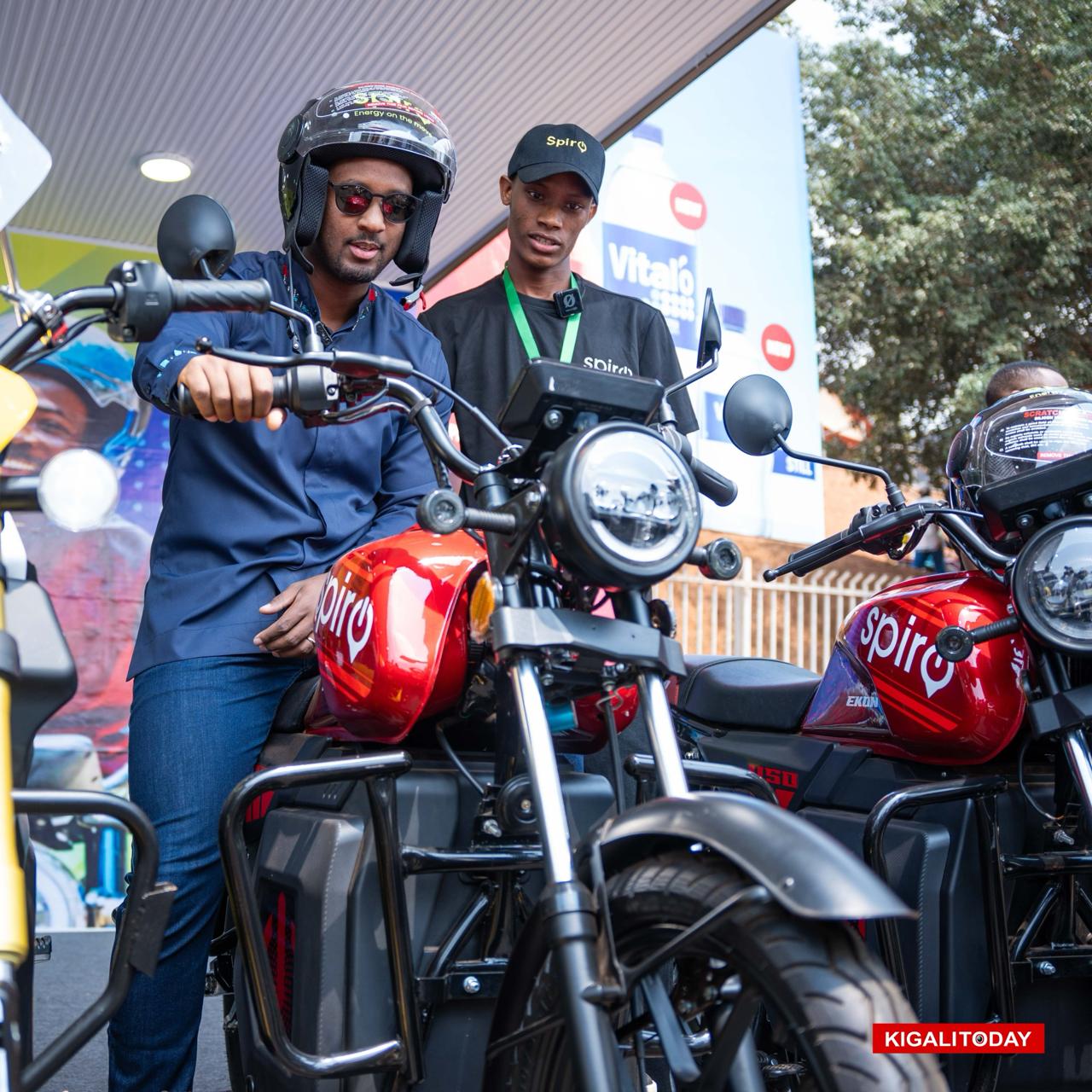
From technology and telecommunications to financial services, manufacturing, agro-processing, construction, e-mobility and fashion, exhibitors are showcasing various products and services to attract investors, distributors and potential business partners.
In June, the Private Sector Federation entered into a partnership with Kigali Today Media Group to provide comprehensive multimedia coverage throughout the 22-day trade fair.
The arrangement was conceived as an effort to extend the commercial reach of exhibitors through continuous reporting across radio, digital platforms, video and live broadcasts. The Minister’s observation reflects a reality that extends well beyond Expo.
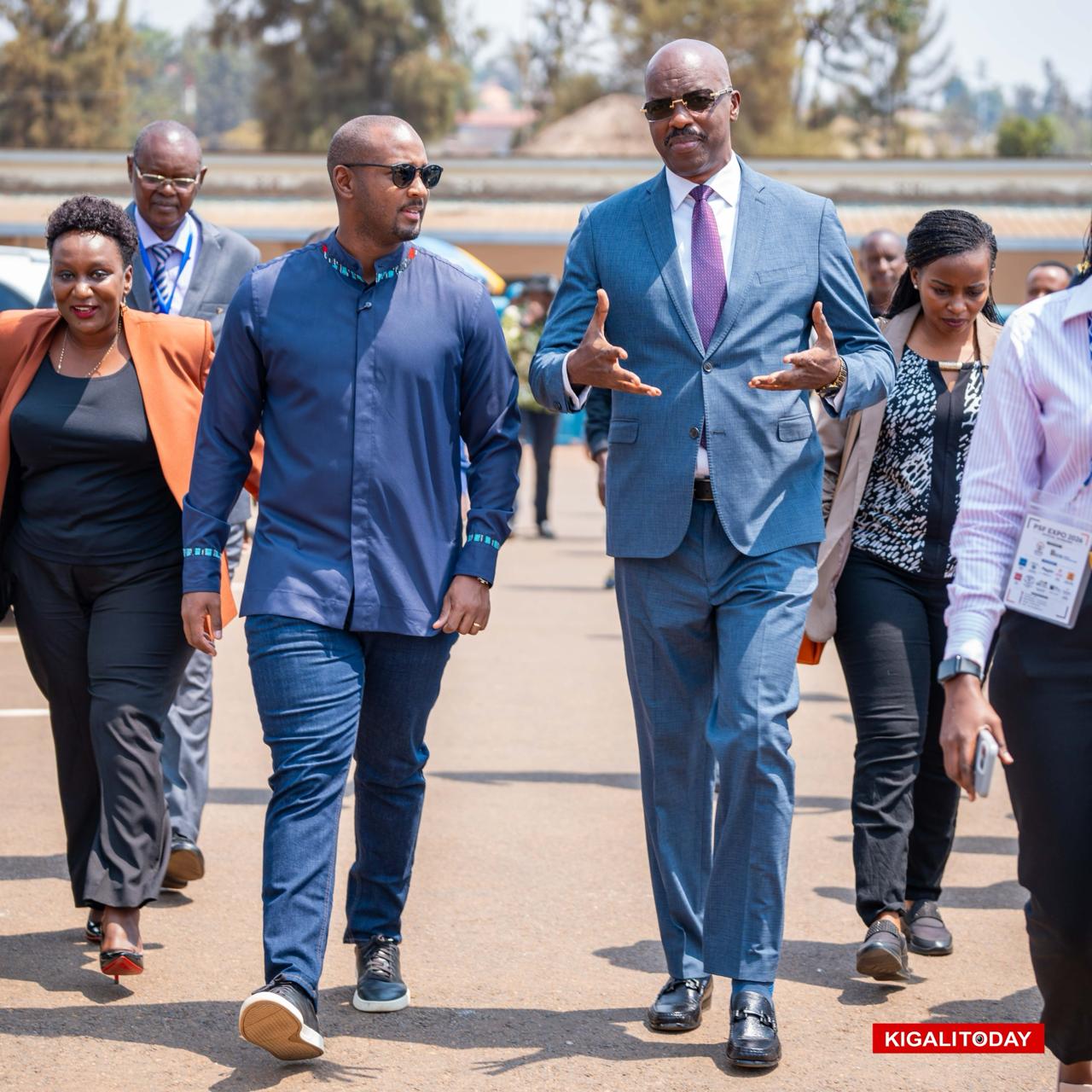
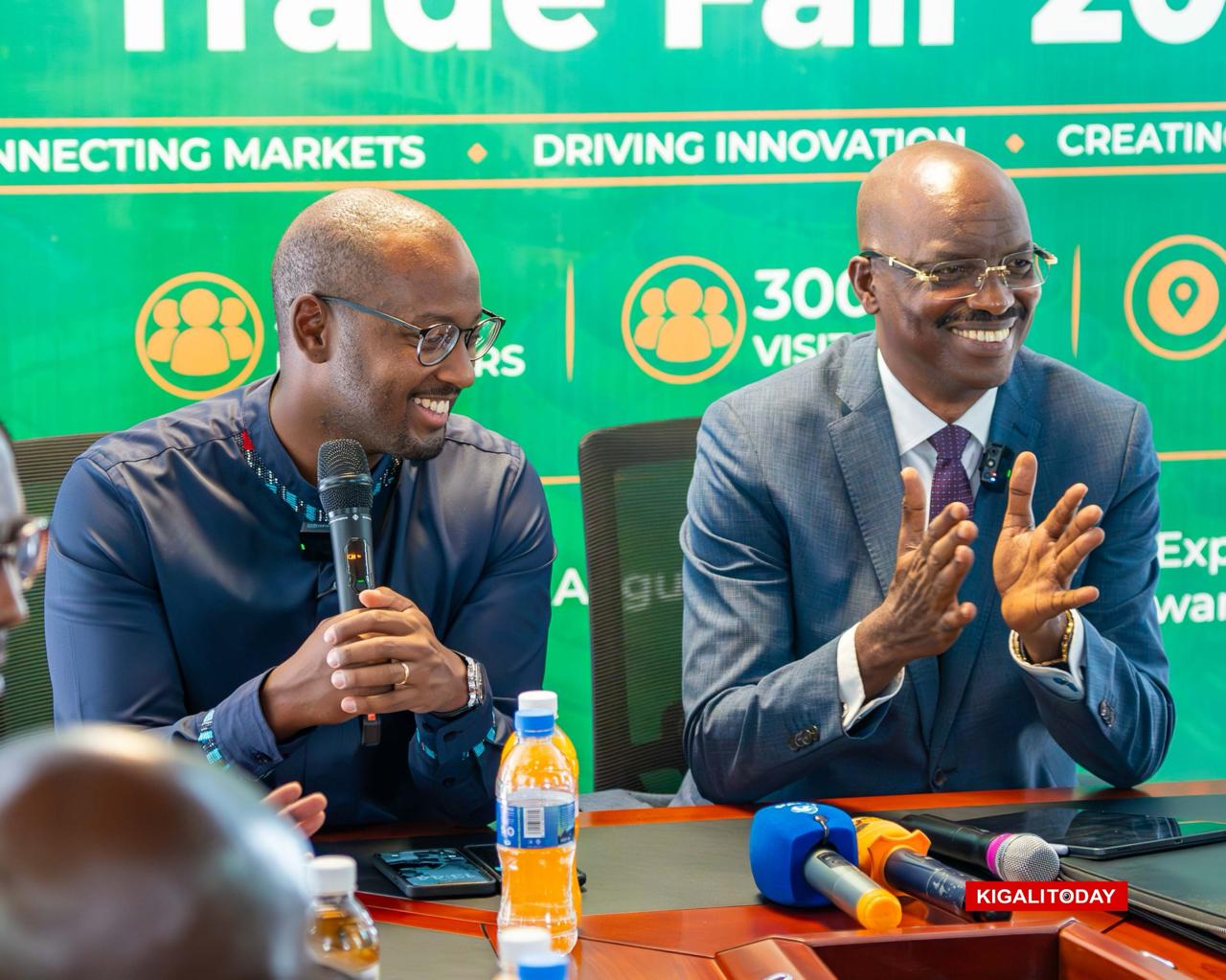
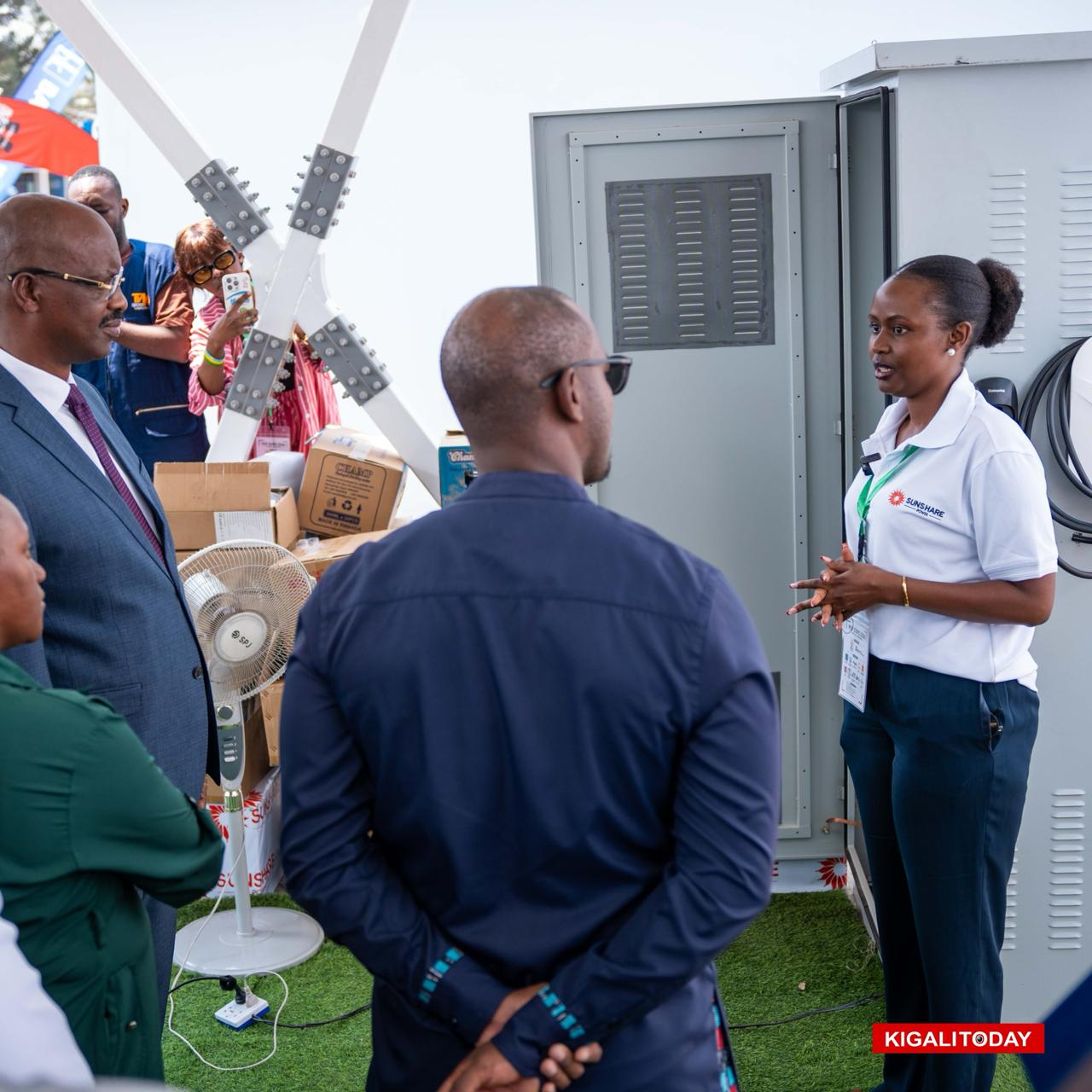
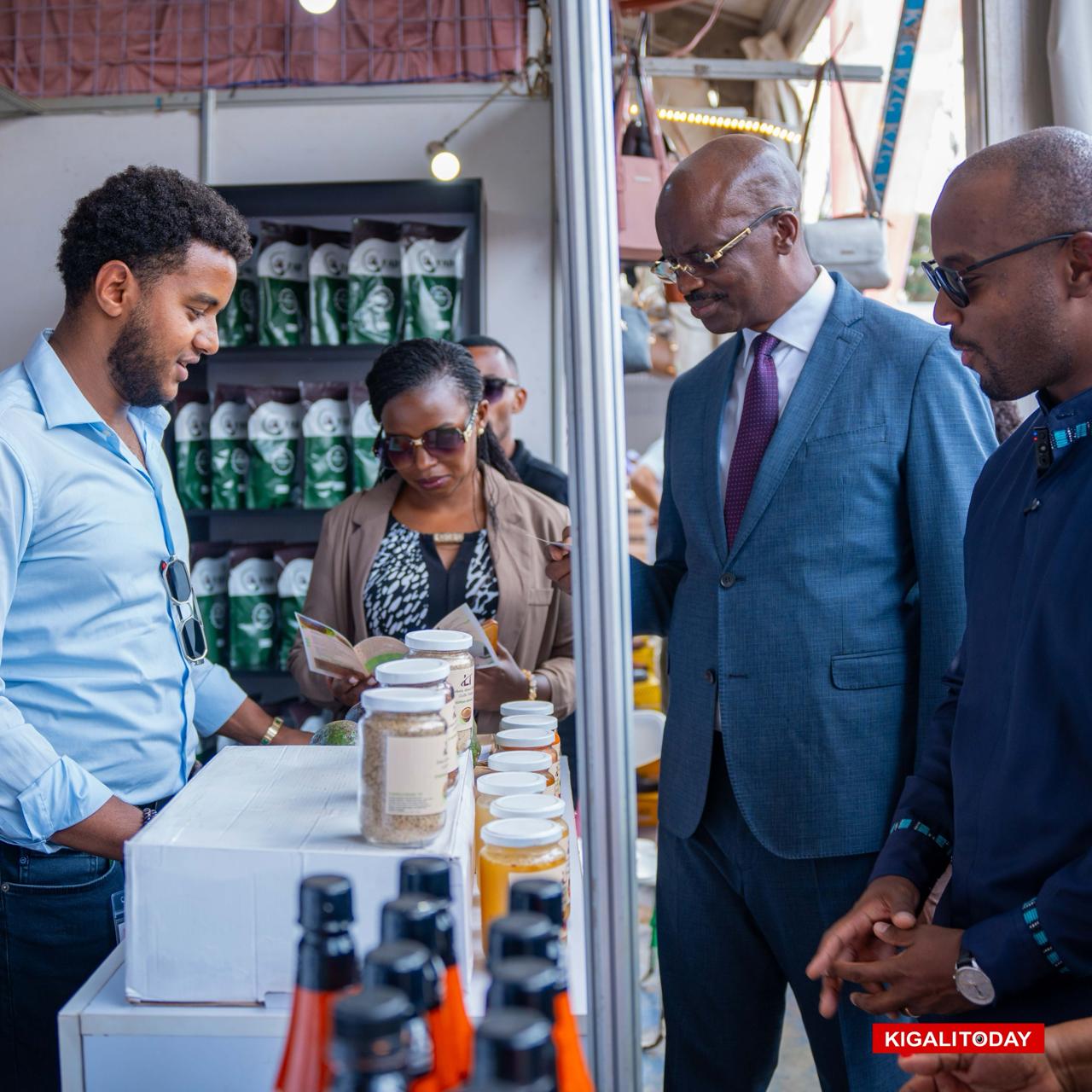
Antoine Kajangwe, the Minister of Trade and Industry toured the expo in the company of Private Sector Federation (PSF) Chairman François Twagirumukiza and other officials.
That objective, according to Kigali Today Managing Director Dan Ngabonziza, is to ensure that businesses do not lose visibility simply because potential customers cannot physically attend the exhibition.
“Today, exhibiting at Expo is no longer only about the people who walk past a stand. Through our television-style live broadcasts, KT Radio, KT Press, KigaliToday.com, YouTube and social media platforms, we are helping exhibitors reach audiences across Rwanda and beyond,” Ngabonziza said.
He concurred that for many businesses, that visibility can become as valuable as the products they are displaying because it creates connections with customers, investors and business partners long after the exhibition ends.
Businesses once depended largely on the people who visited their exhibition stands. Today, a manufacturer in Kigali can attract interest from a buyer in Nairobi, an investor in Lagos or a distributor elsewhere in the region without any of them setting foot inside the exhibition grounds.
The exhibition, in effect, no longer ends where its physical boundaries end.

For decades, success was measured by exhibition space, foot traffic and deals concluded on site. Increasingly, exhibitors are also competing for sustained public attention that outlives the exhibition itself.
That shift is particularly significant for Rwanda as it seeks to expand exports, strengthen the Made in Rwanda brand and position local enterprises within regional and continental markets.
Producing better goods remains essential, but Expo 2026 suggests that the next phase of competitiveness may depend just as much on ensuring those products are consistently seen, discussed and remembered.
Private Sector Federation (PSF) Chairman François Twagirumukiza reflected on the progress made by Rwandan businesses over the years.
He observed that local companies have significantly improved the quality of their products and packaging, making them increasingly competitive both within Rwanda and across international markets.