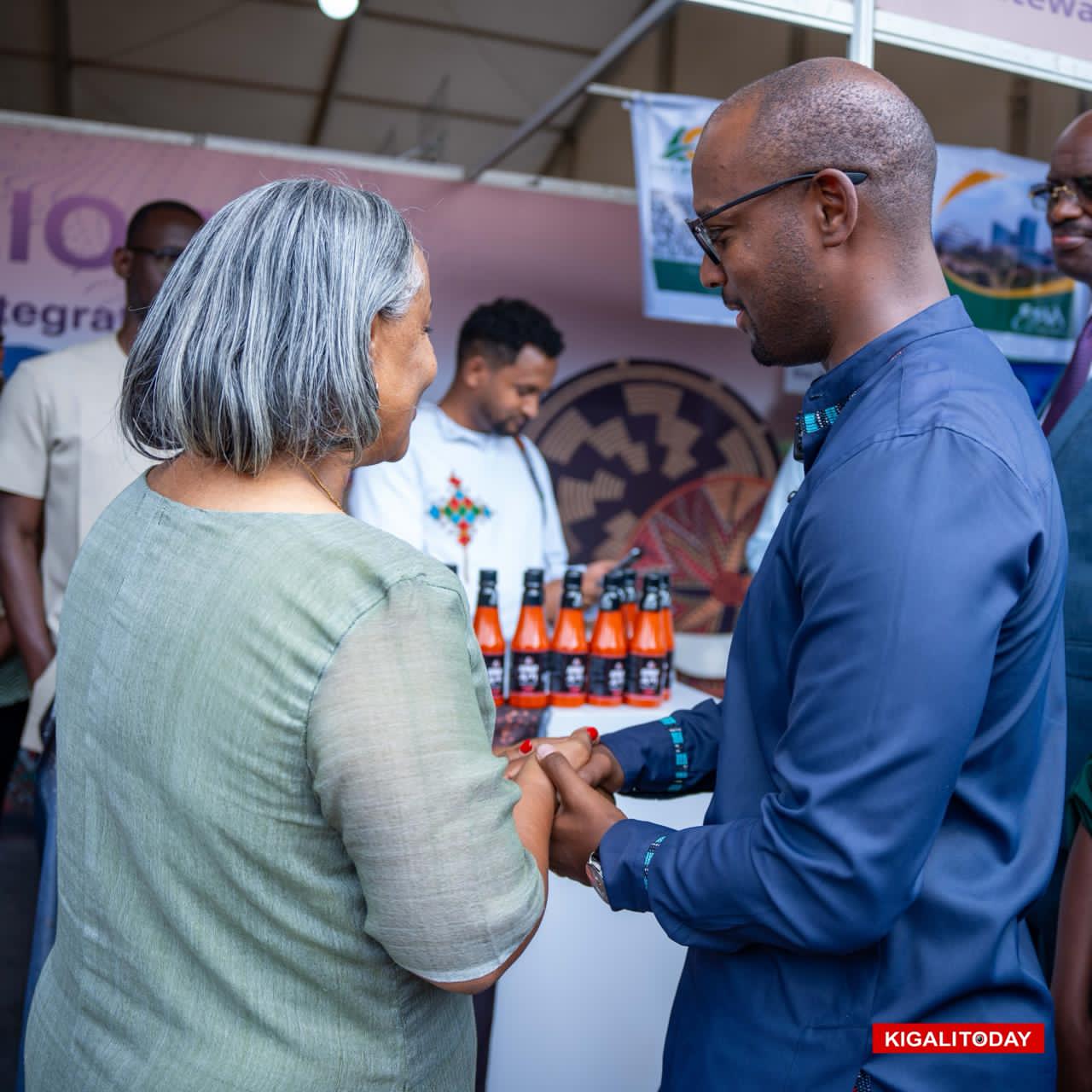
Expo has grown into what at its inception was little more than an aspiration, and it is still expanding.
KIGALI – From electric vehicles, jewellery from around the world, to a dizzying array of manufactured goods, the Rwanda International Trade Fair (RITF), which comes to a close today for this year, has grown into what at its inception was little more than an aspiration, and it is still expanding.
Anyone who last visited the trade fair in 1978, when it was first inaugurated, would not recognise it, not even the site in Gikondo, which inevitably has had to be enlarged.
Organised by what was then the Ministry of Commerce to promote local products, the Expo as it is now colloquially known, was transformed into the RITF in 1998, when with the support of the Ministry of Trade and Industry, it opened to international participation.
This was also the year when reliable figures began to be collated. Since then, each year has brought wider international participation and a stronger local presence.
The year 1998 saw a hundred and fourty local exhibitors, and only twenty-nine foreign exhibitors decided to dip in their toes to test the waters.
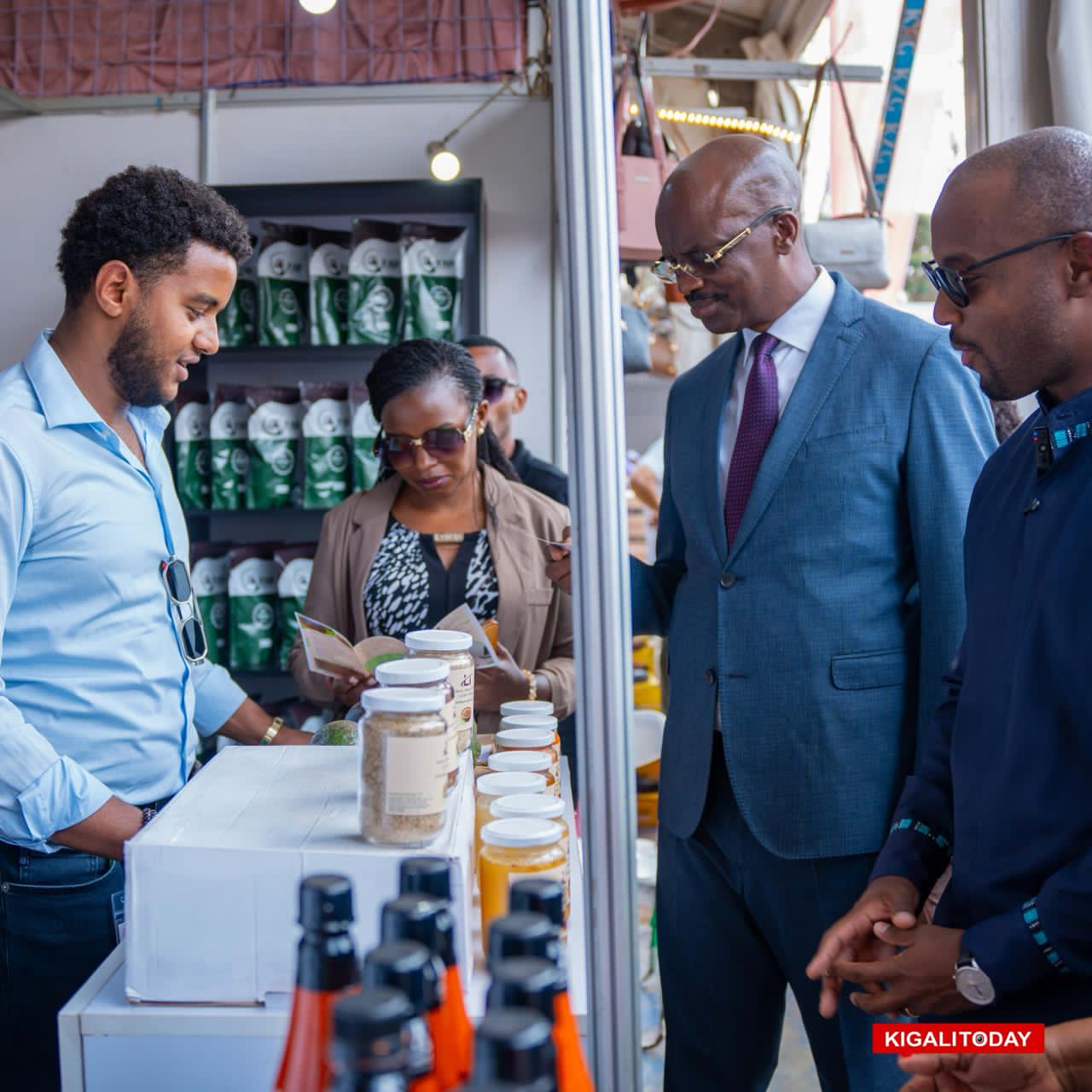
Leap forward to 2025, and local exhibitors had grown to 382, and ninety-seven foreigners judged the waters warm enough to dive in. Visitor numbers too have grown each year, from 101 in 1998, to 337,051 in 2023.
This year’s figures are yet to be collated, but a walk through the Expo shows many new entrants trying to catch the eye.
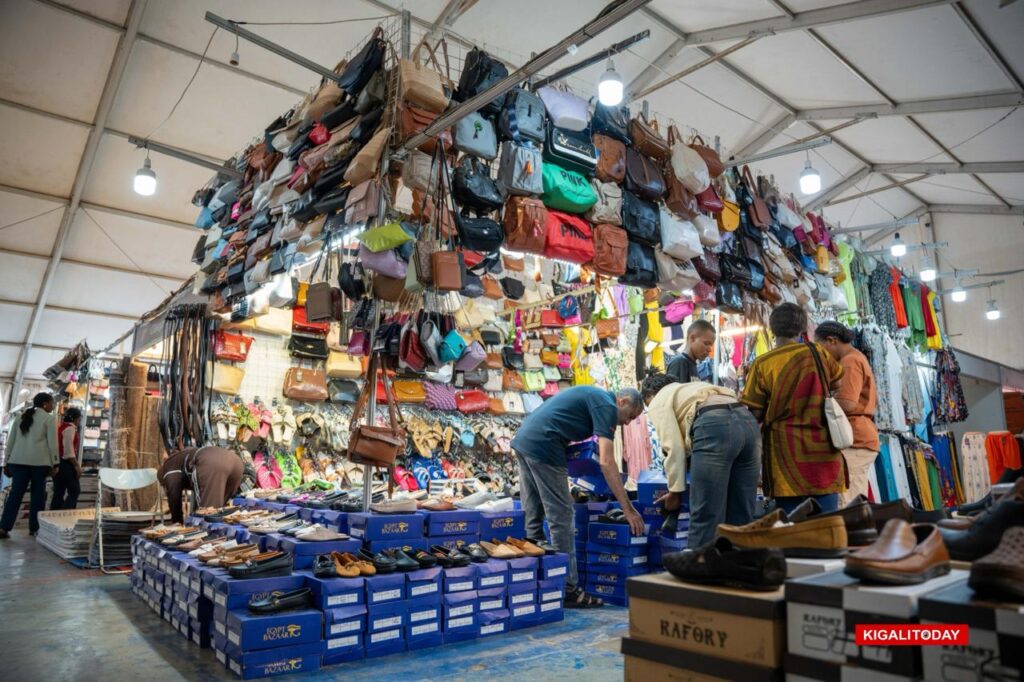
For the hundreds of visitors, the Expo is many things, but it is above all a day out, and an opportunity to shop around the world without ever travelling more than a couple of kilometres from their doorstep.
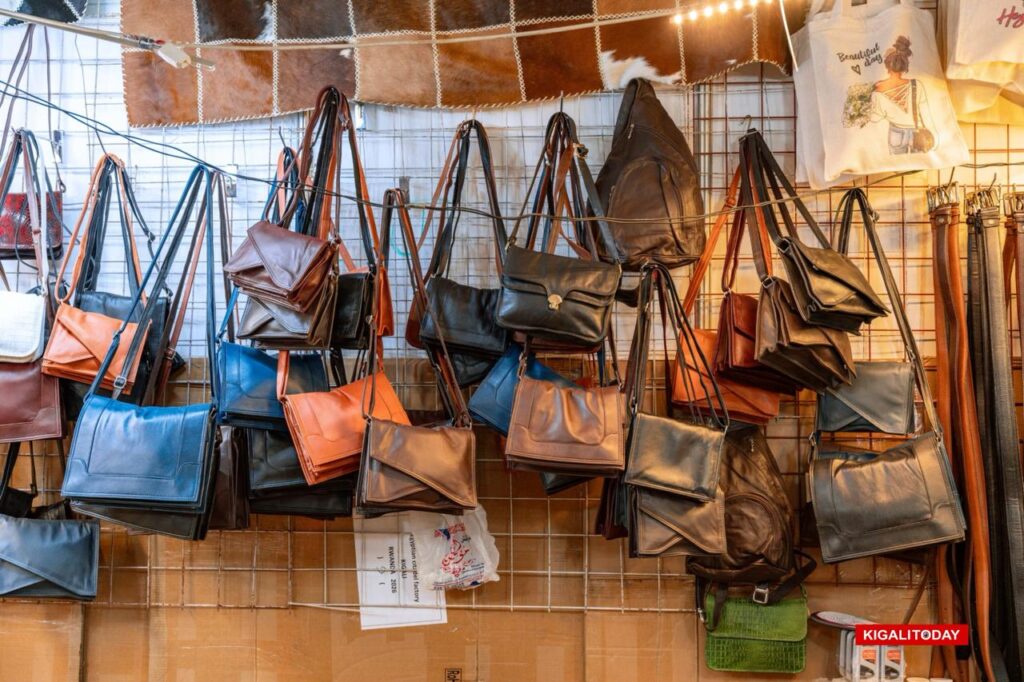
As well as learning more about what is produced and manufactured in their own country, visitors peruse over products from India, Ethiopia, Egypt, Morocco, Singapore and China to name but a few.
It is a family day out, with bouncy castles for children, a chance to try out horse riding, or just sit down to lunch, served by the many caterers competing to quench every thirst and keep hunger at bay.
And with so many people of all ages, from all backgrounds offering what is a captive audience, different authorities use the Expo as an opportunity to increase awareness of their services.
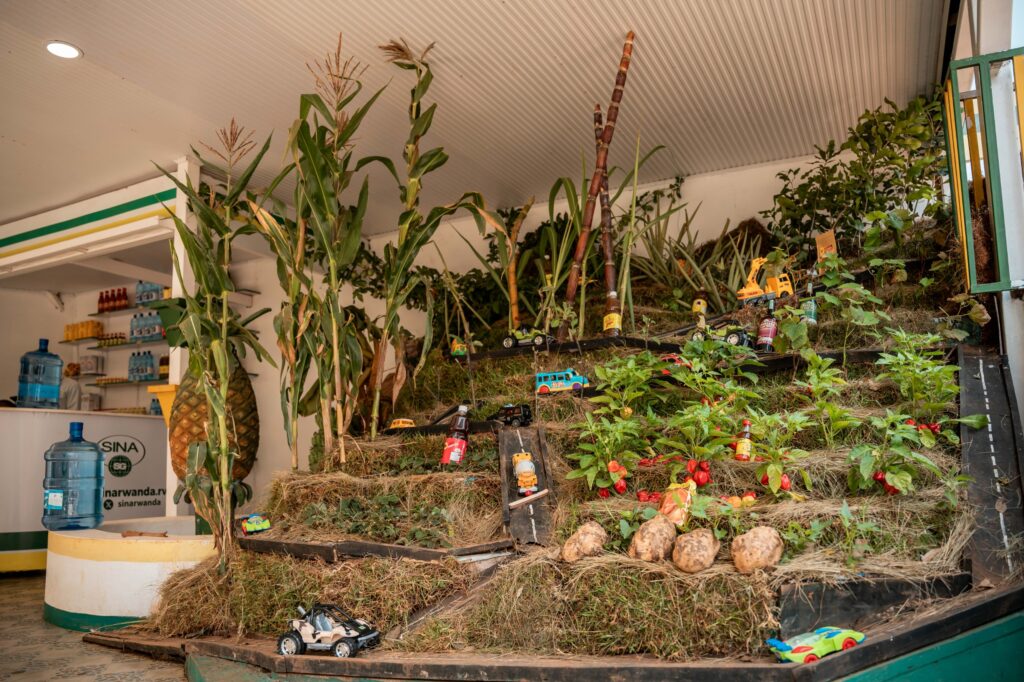 Among them the Rwanda National Police (RNP), which as well as policing the event, uses it as an opportunity to demonstrate fire prevention, and other services for which it is responsible.
The busiest stand is the National Identity Agency (NID) which is taking advantage of the Expo to register people for the new biometric identity cards. The agency has had to open a second stand, and even then, queues are enough to deter all but the most determinably patient.
For the Private Sector Federation (PSF), which now organises the Expo, and the government upon whose support the private sector can always rely, the Expo is part of government policy to encourage the private sector to become an ever more integral part of national economic development.
In the early 2000s, the PSF took up responsibility for the organisation of the Expo, and alongside the Ministry of Trade and Industry, restructured the RITF, to become the international exhibition it is today.
The now well established initiatives continue to strengthen the Expo as an important part of the economy.
While visitors shop and enjoy the entertainment, the PSF and trade ministry are at hand to promote the opportunities that Expo can bring to the country’s economy.
There are events for networking where Rwandan businesses can forge links with their foreign counterparts, encouraging export growth, technology transfer and exchanging business best practice.
The RITF is already one of East Africa’s major trade fairs. As it continues to grow the PSF sees it as a platform for strengthening Rwanda’s private sector growth.
With ever growing national, regional and international participation, the Expo aims to become a regional trade hub.
Locally, the Expo is already supporting significant numbers of small and medium sized enterprises (SMEs), especially those headed by the youth and women. The reality is more than living up to the aspiration, and the journey continues.