 KIGALI – Africa’s next generation of leaders will inherit a continent that has spent decades defining where it wants to go. The harder question is whether those coming behind are being prepared to take the continent there.
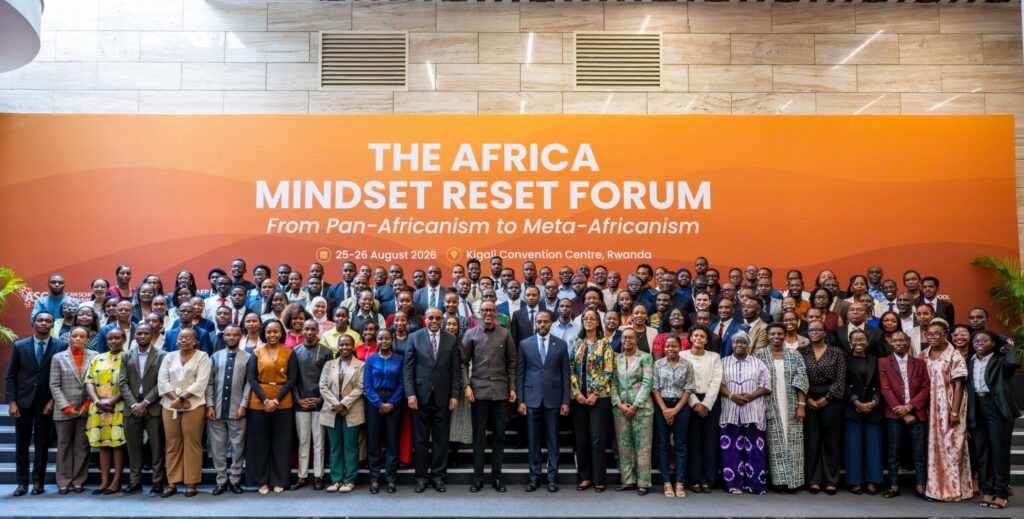
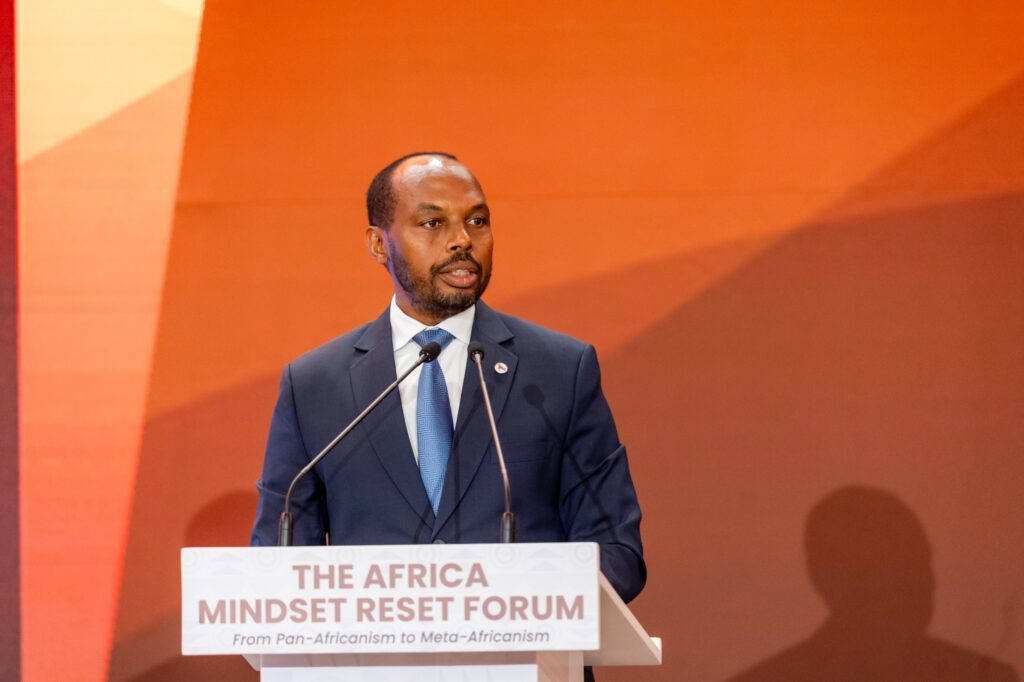
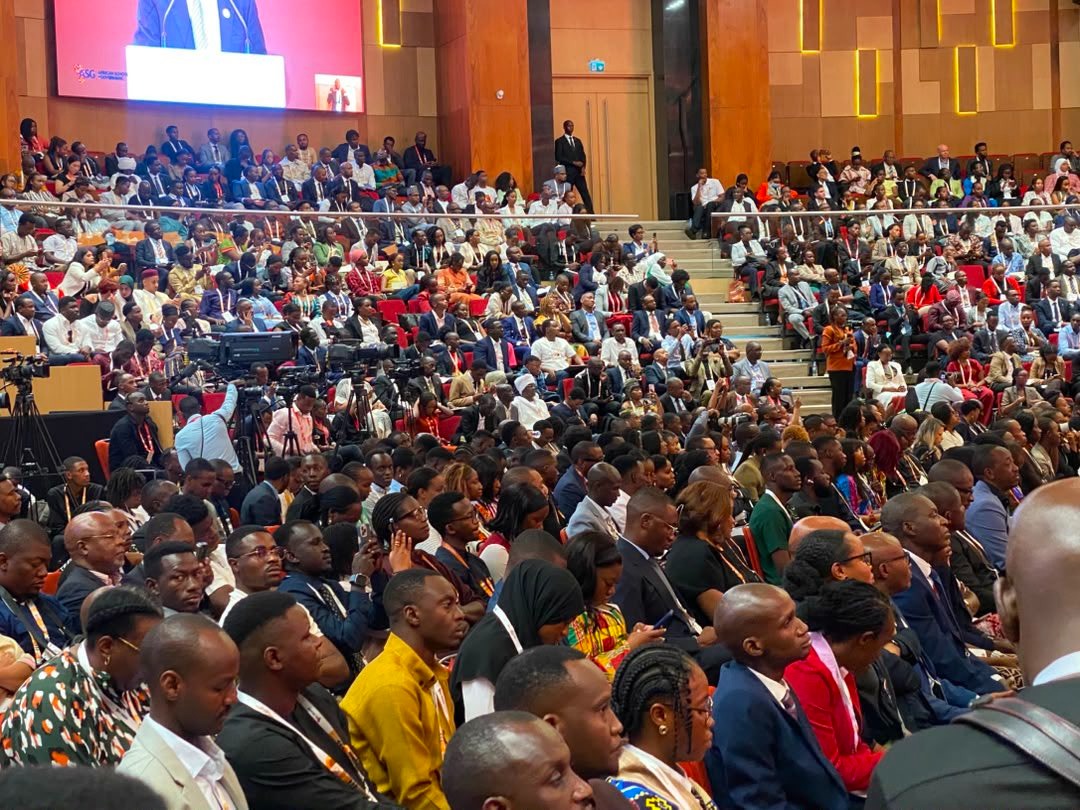
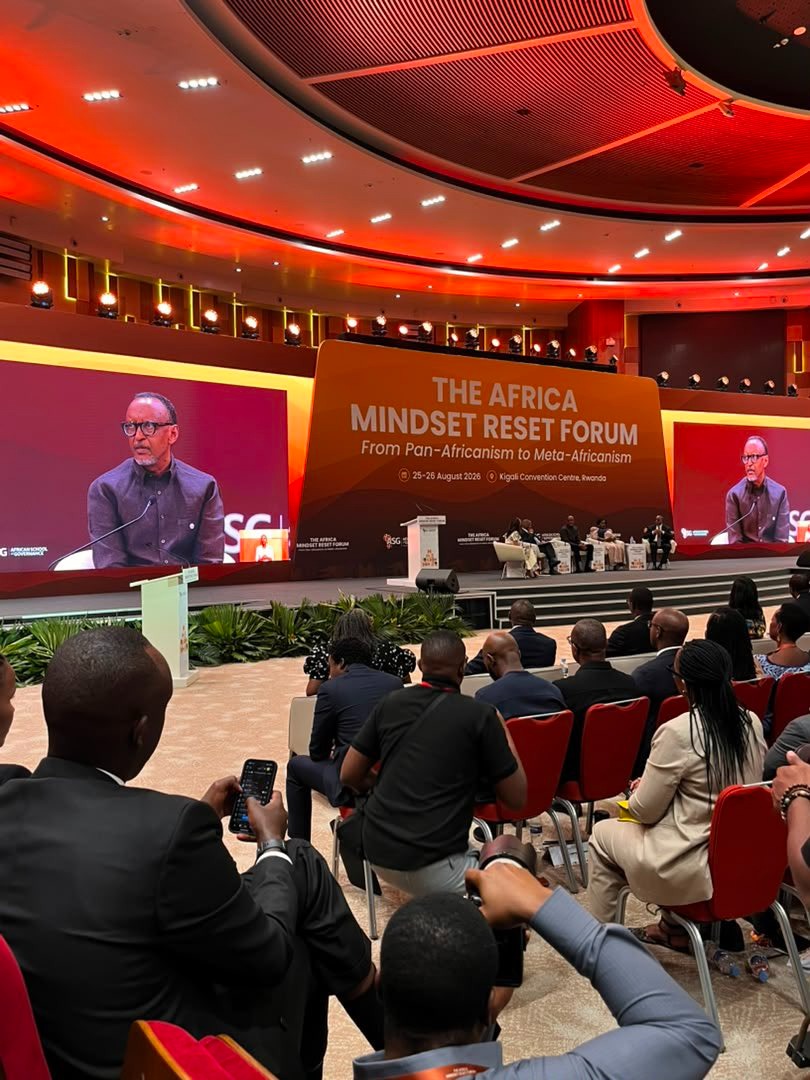
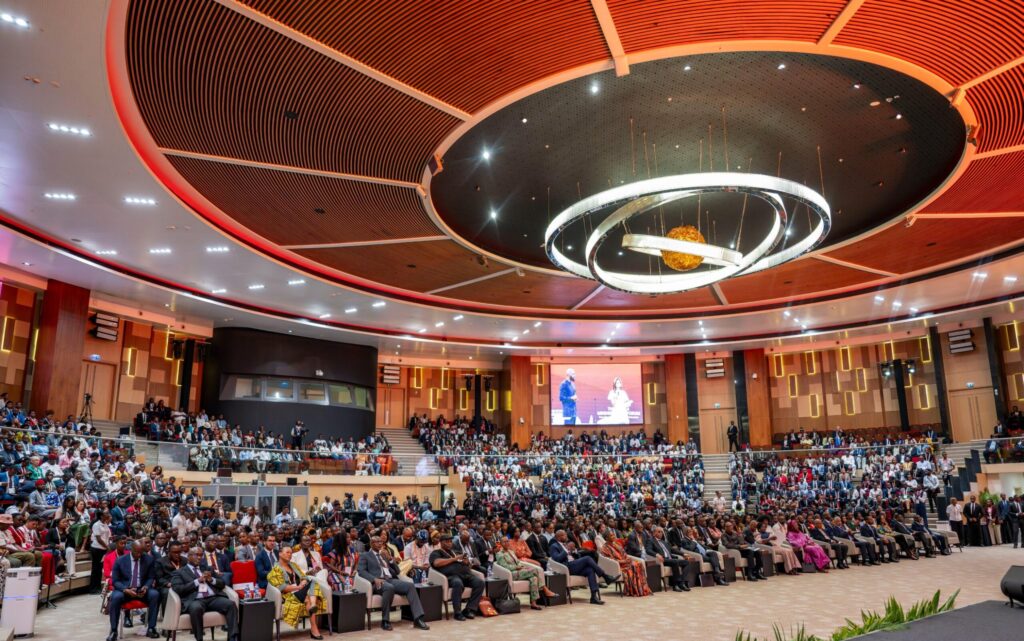
The question surfaced with unusual candour at the official opening of the inaugural Africa Mindset Reset Forum where various high profile leaders offered different perspectives on what Africa’s next generation of leadership must look like.
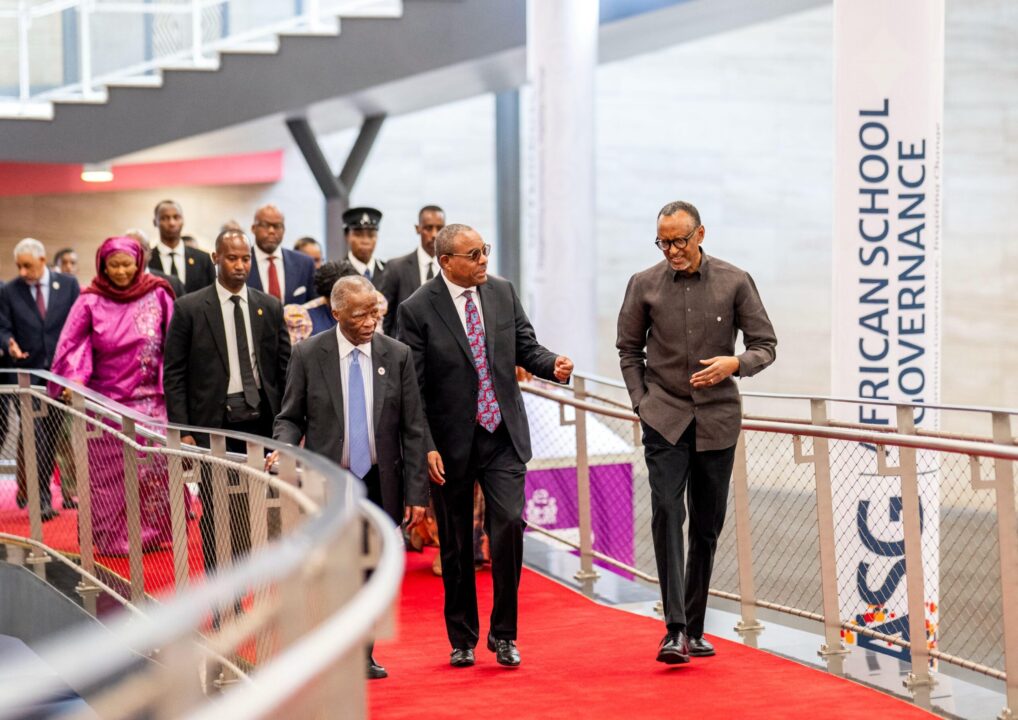
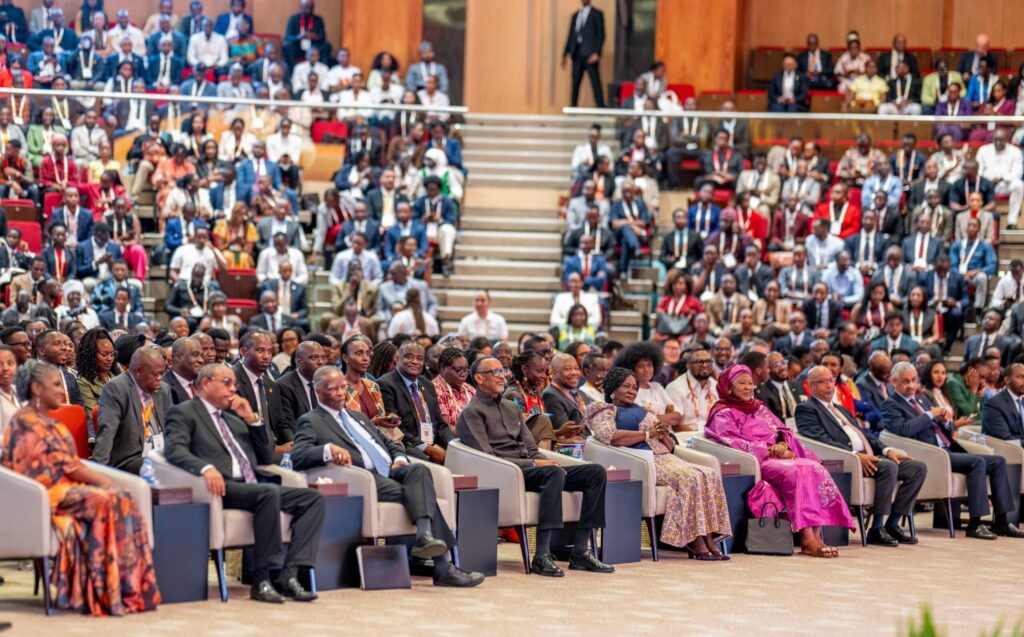
President Paul Kagame, former Ethiopian Prime Minister Hailemariam Desalegn, former South African President Thabo Mbeki and Ghana’s Vice President Jane Naana Opoku-Agyemang shared a stage to dissect this issue.
For Hailemariam, the challenge begins with the political culture that produces leaders in the first place.
“Looking at the composition of leadership on the African continent, it is clear that much of the current leadership is not fit for African continental transformation. Our future rests on young people. If we do not cultivate a critical mass of future leaders now, we will not solve this problem,” he said.
He argued that Africa needs to move away from what he described as a “rent-seeking mindset” towards a developmental political economy capable of putting long-term transformation ahead of short-term interests.
The Leaders Africa Needs Will Not Simply Appear
Former South African President Thabo Mbeki took the argument further towards the societies that produce leaders in Africa. He cautioned against speaking about leadership as though better leaders are simply waiting somewhere to be discovered.
“If we don’t address the quality of leadership successfully, there is no major African problem that is going to be solved. And the leaders we want cannot simply drop from the skies,” Mbeki said.
That places part of the responsibility on citizens themselves. If a leader spends five years in office without improving the circumstances of the people who elected them, Mbeki argued, those voters have to ask why they should return that leader to power.
The point is not that Africa has produced nothing of value. Rather, the gap between the continent’s considerable achievements and the quality of leadership needed to build on them is too significant to ignore.
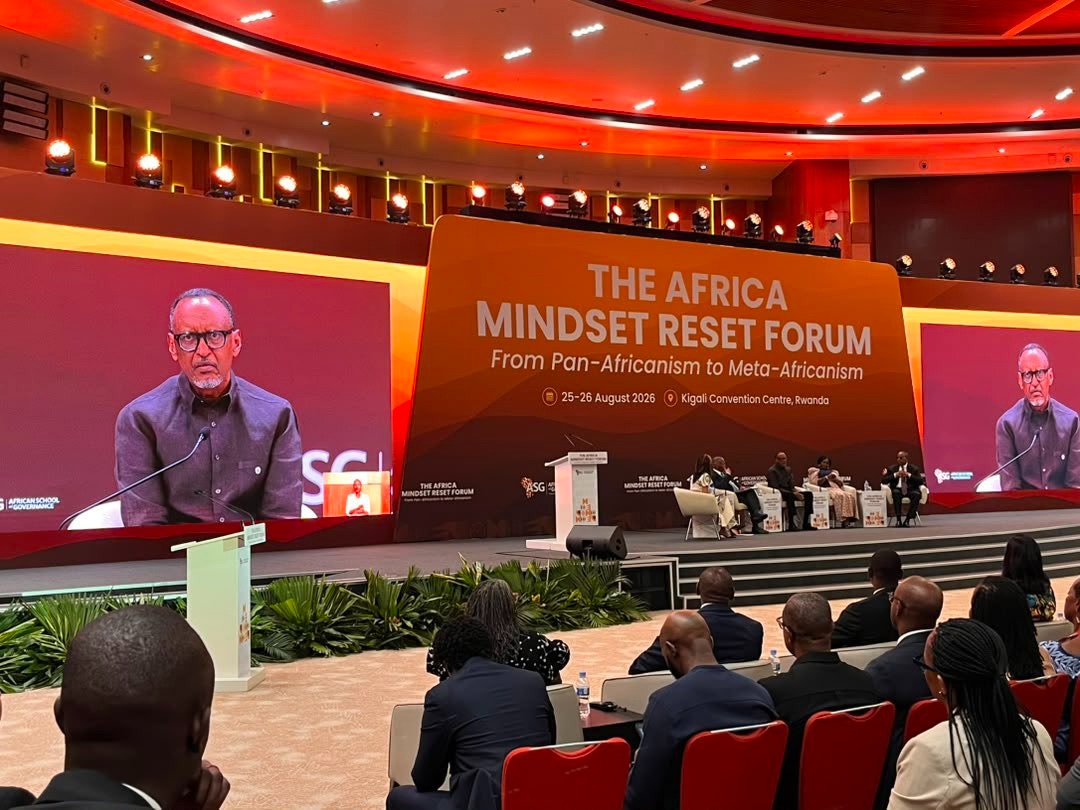
On his part, President Paul Kagame acknowledged that Africa already possesses many of the ingredients required for progress. The problem, in his view, is what happens after the plans are made and the ambitions are declared.
“Africa seems to have everything in place to succeed. It has people, it has resources, it has history from which we should have learned many lessons. Now, we have to match what we say and what we want with what we do, and then be able to see the results,” he said.
According to him, Africa has developed continental frameworks and national development plans, but their value ultimately depends on whether they produce changes that people can see and experience.
Kagame also warned against allowing the fear of failure to become an excuse for inaction. “Even if you are afraid of making a mistake, you are already making a mistake by not doing anything,” he said.
From Dependence to Ownership
In her opinion, Jane Naana Opoku-Agyemang approached the leadership question as an urgent need for Africa’s next generation to develop a stronger sense of ownership over the continent’s future.
“It is about taking urgency, it is about taking action. It is about taking charge of who we can be. Nobody should be doing anything for us. We should be doing it for ourselves,” she said, linking that shift to the way Africans understand their own history and capacity.
For her, the change also requires “abandoning the expectation that solutions must come from elsewhere. It is about developing the confidence to define African priorities, build African capacity and make decisions based on what works for African societies.”
Concerns have been raised on the political culture that produces leaders, the responsibility on both leaders and citizens, the ability to turn ambitions into results, and the greater urgency in defining and pursuing the future.
Africa has already produced the institutions, policies, resources and ambitions that can support a different future.
What remains is whether the leadership emerging behind the current generation will have the courage, discipline and sense of ownership not to simply to inherit Africa’s ambitions, but become capable of delivering them.