 KIGALI – China has presented Rwanda with a model for developing artificial intelligence that goes beyond importing ready-made applications, urging countries to build their own AI ecosystems around local data, infrastructure and engineers.
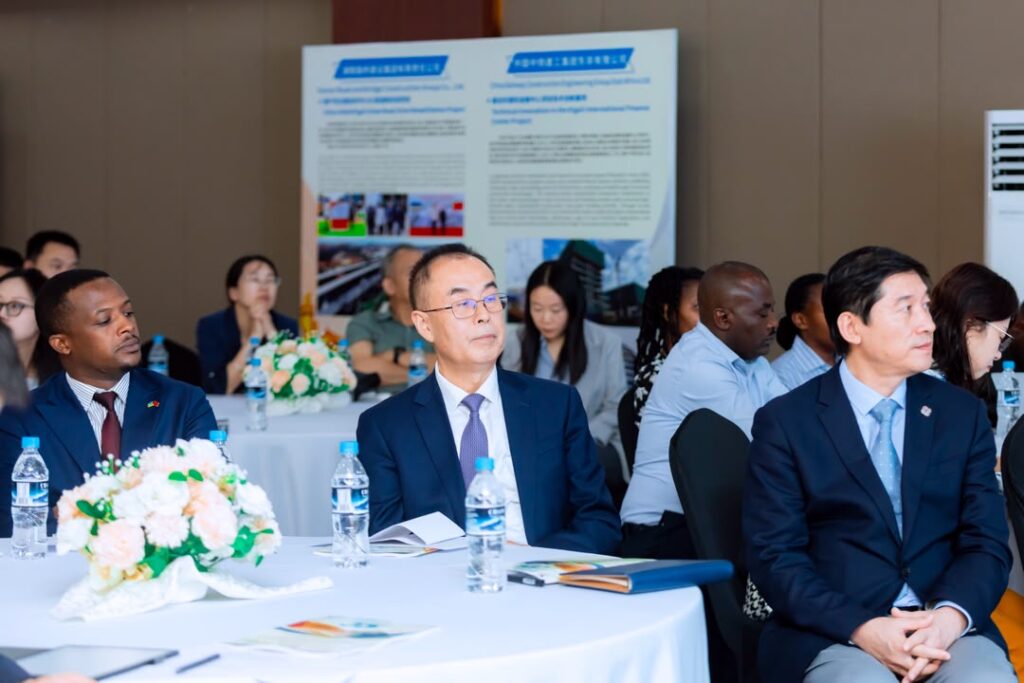
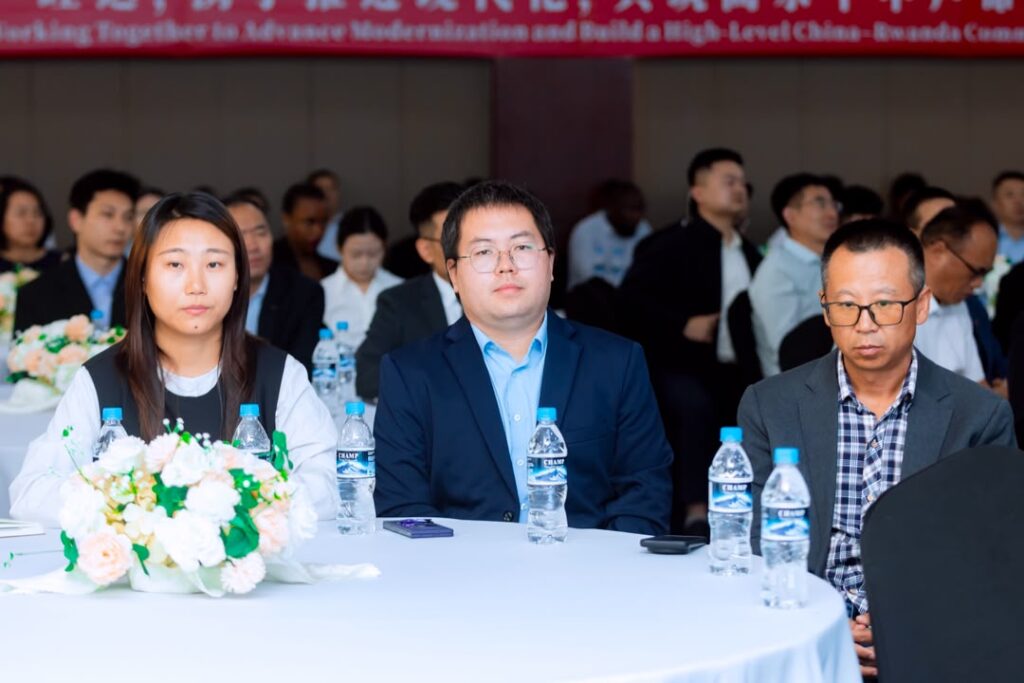
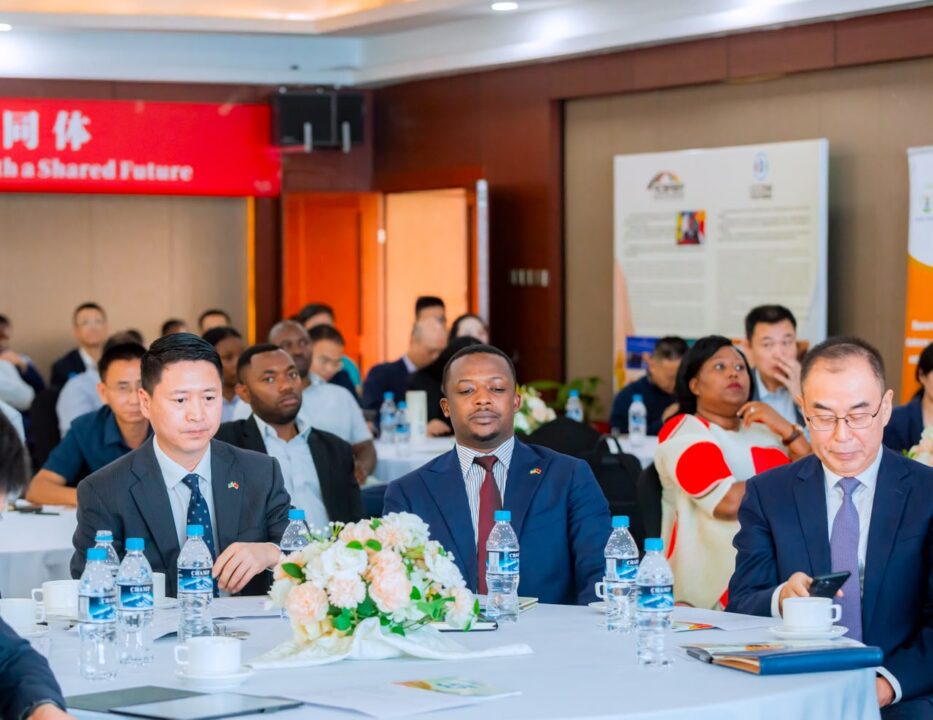
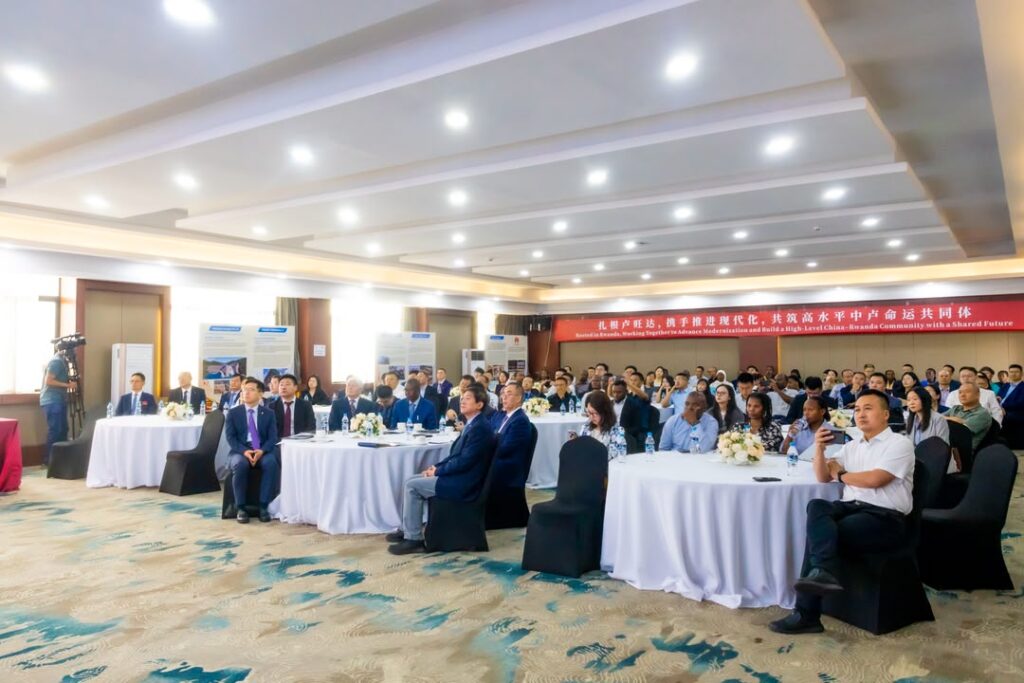
The proposition was made in Kigali on Thursday during the launch of the first Corporate Social Responsibility (CSR) Report of Chinese Enterprises in Rwanda and the inaugural AI class of the Luban Workshop.
Dr. Bello Moussa, Chief Solutions Architect for Government and Public Sector at Huawei Southern Africa, showcased applications already being used in China across education, healthcare, government, cities and businesses.
In his remarks, Moussa said countries seeking to build what he described as “trustworthy and sovereign AI” need to establish their own technological foundations.
“The local level-one model is a local model that we need to develop locally with our own data, by our own engineers. And once you have this, then you can have your level-two model, which is called the industry model,” he said.
Such home grown models can then be adapted into industry-specific systems for sectors such as healthcare and education before being turned into applications for citizens, businesses and government.
What Rwanda Could Borrow from China
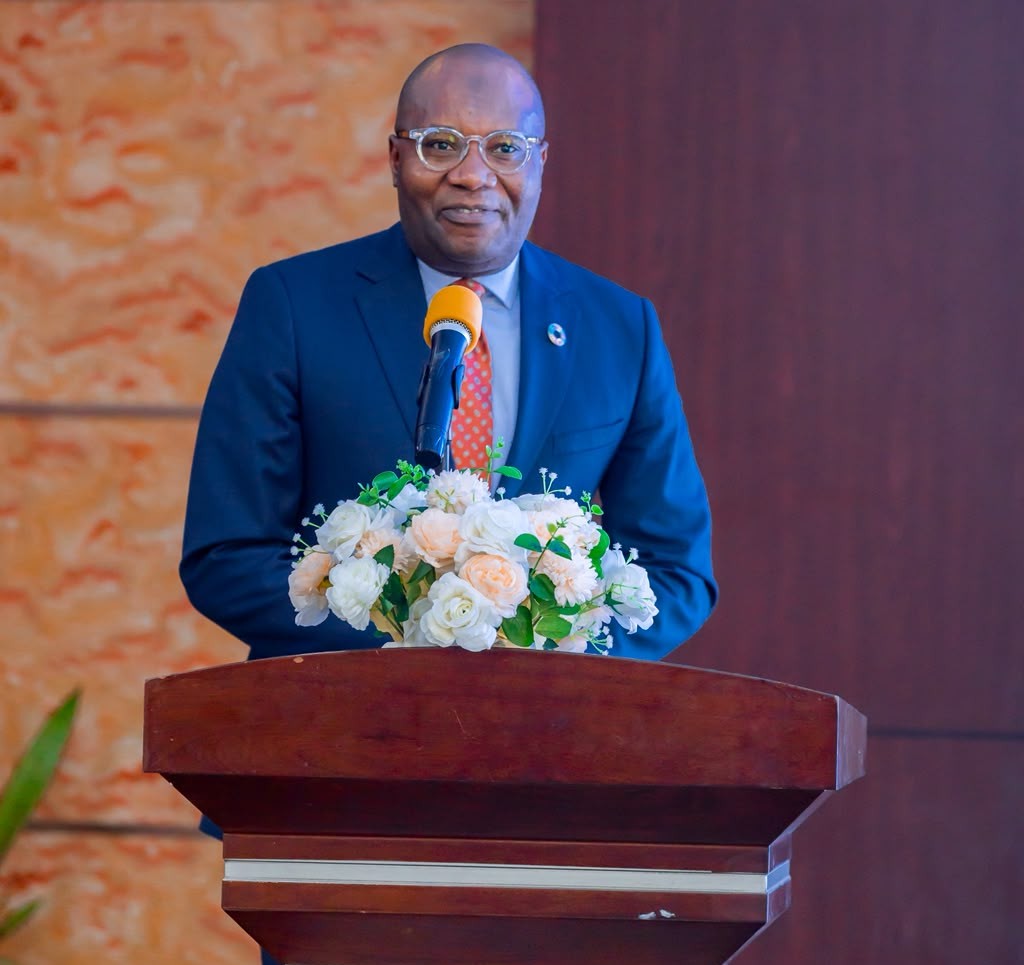
Dr. Bello Moussa, Chief Solutions Architect for Government and Public Sector at Huawei Southern Africa.
Moussa illustrated the approach with examples of how AI is being applied in China, including systems designed to analyze classroom behaviour.
He described classrooms equipped with cameras and sensors that can monitor students’ behaviour and provide teachers with information on engagement, while also analyzing aspects of the teacher’s delivery to help improve the learning experience.
In healthcare, he highlighted AI applications in pathology and medical imaging, saying digitized pathology slides can be analyzed rapidly and that AI can assist doctors in interpreting radiological images.
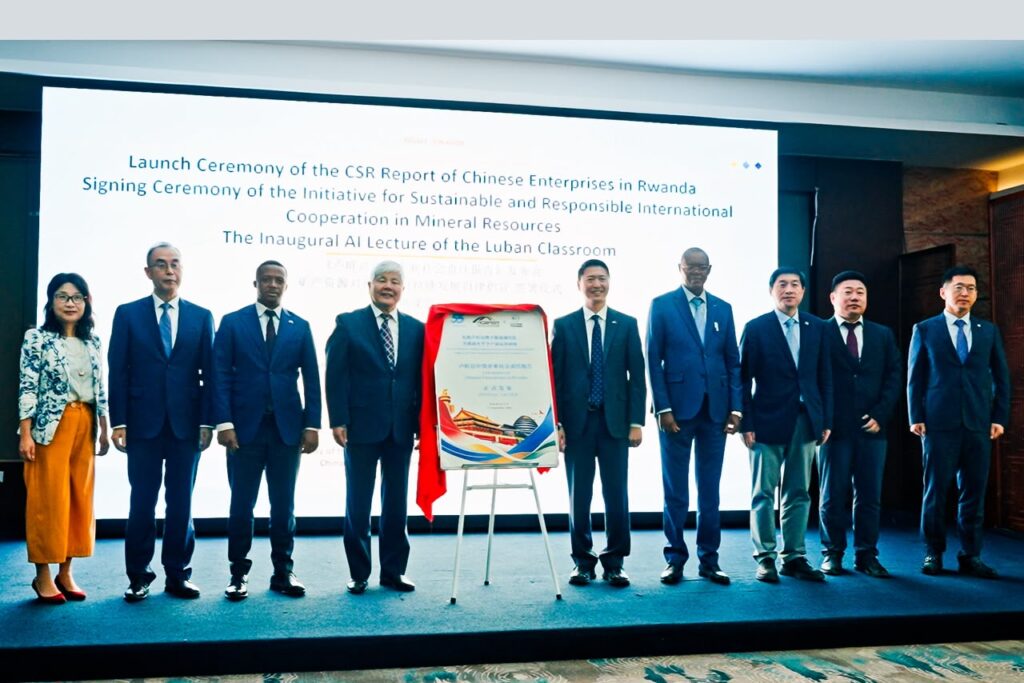
Moussa described systems that allow citizens to access government services remotely, while Shenzhen uses an Intelligent Operations Centre to create a digital representation of the city and monitor traffic and infrastructure in real time.
He also demonstrated a traffic-management application that he said detected and processed a road accident in 5.8 seconds, while alerting emergency services.
But the application he presented most directly to Rwanda was AI for small businesses. “Just imagine this here in Rwanda. If it’s agriculture or if it’s small SME production, you can automate it through an AI,” he said.
The examples suggest how AI could potentially be adapted to Rwanda’s agriculture, manufacturing and small-business sectors, rather than remaining concentrated in technology companies and large institutions.
From Technology Access to Local Capability
Callixte Kanamugire, the Chief Executive Officer of the Rwanda Private Sector Federation, said AI cooperation must be closely linked to the skills young people will need in a changing economy.
“As artificial intelligence and digital technologies continue to transform the global economy, cooperation in education and skills development is becoming increasingly important,” Kanamugire said.
The emphasis on local capability also fits into a broader conversation about the role of Chinese companies in Rwanda, with the CSR report seeking to document their contribution while setting expectations for responsible investment.
Chinese Ambassador to Rwanda Gao Wenqi said Chinese enterprises are expected to comply with the laws of both China and host countries, maintain sound business practices and improve their social and environmental performance.
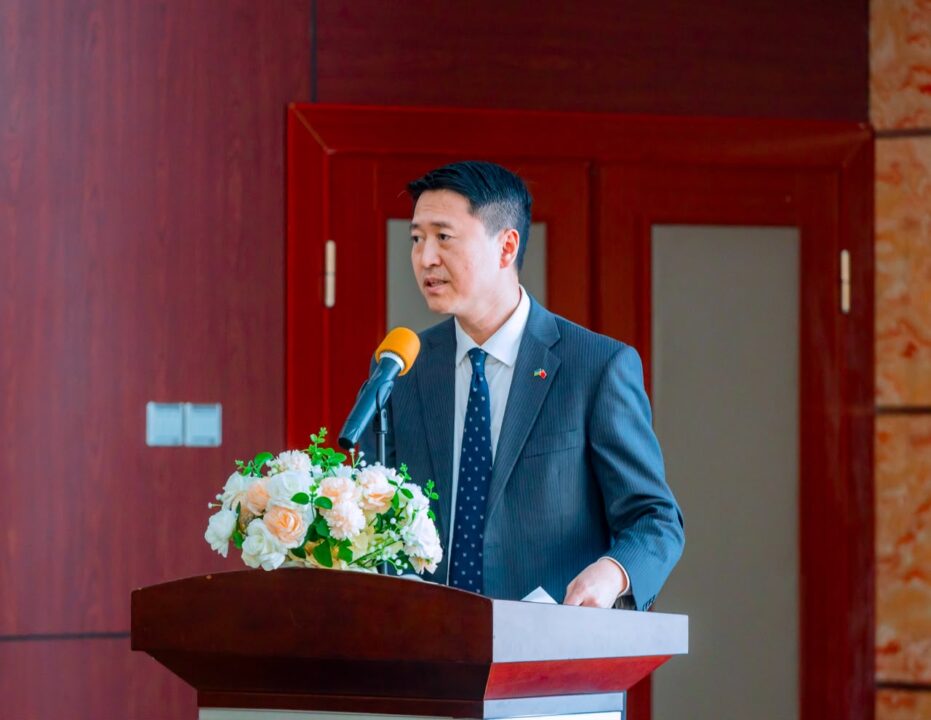
Chinese Ambassador to Rwanda Gao Wenqi speaking at the launch.
He said Chinese enterprises in Rwanda have created jobs, transferred skills and contributed to economic and social development, while urging them to listen to local communities and work with Rwandan partners.
“I hope it will become a starting point for greater transparency, deeper dialogue and higher standards. We encourage Chinese enterprises to listen to local communities, work with Rwandan partners, and turn responsibility into concrete action,” he said of the CSR report.
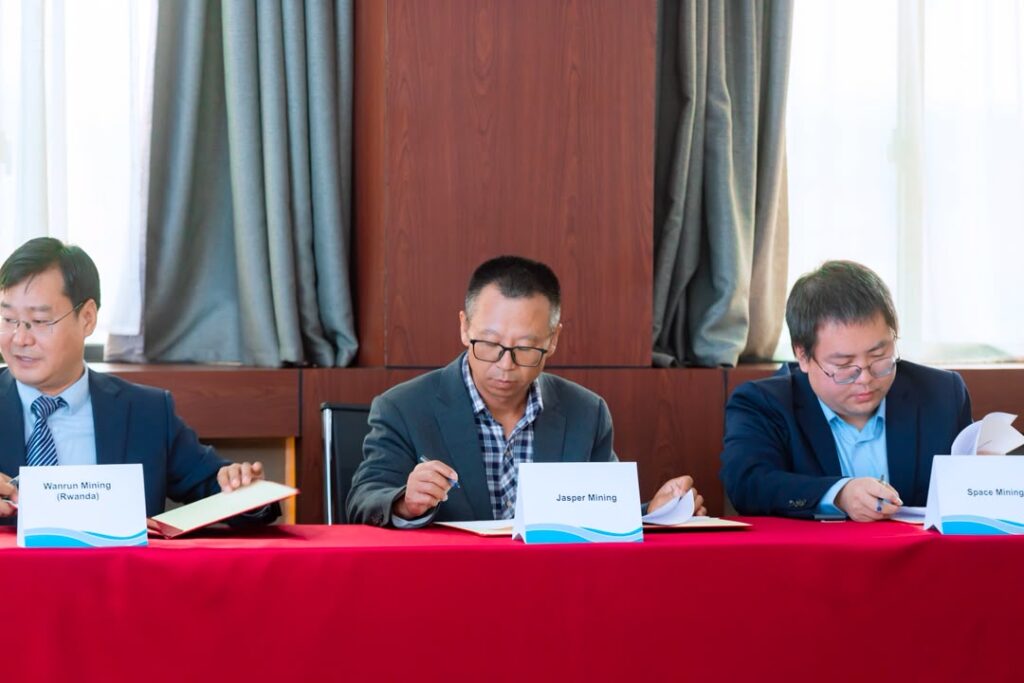
The ambassador also welcomed a separate initiative by Chinese mining companies aimed at industry self-discipline, signaling that the partnership is increasingly being framed around standards and responsible business alongside investment.
The developments come as Rwanda and China mark 55 years of diplomatic relations. Gao noted that the relationship was elevated to a comprehensive strategic partnership in 2024, describing bilateral ties as being at their “best in history.”
For Rwanda, the AI discussion adds a technological dimension to that expanding partnership. The central proposition is not simply that Rwanda can use more AI, but that it can develop the infrastructure, data and human expertise required to build systems around its own priorities.
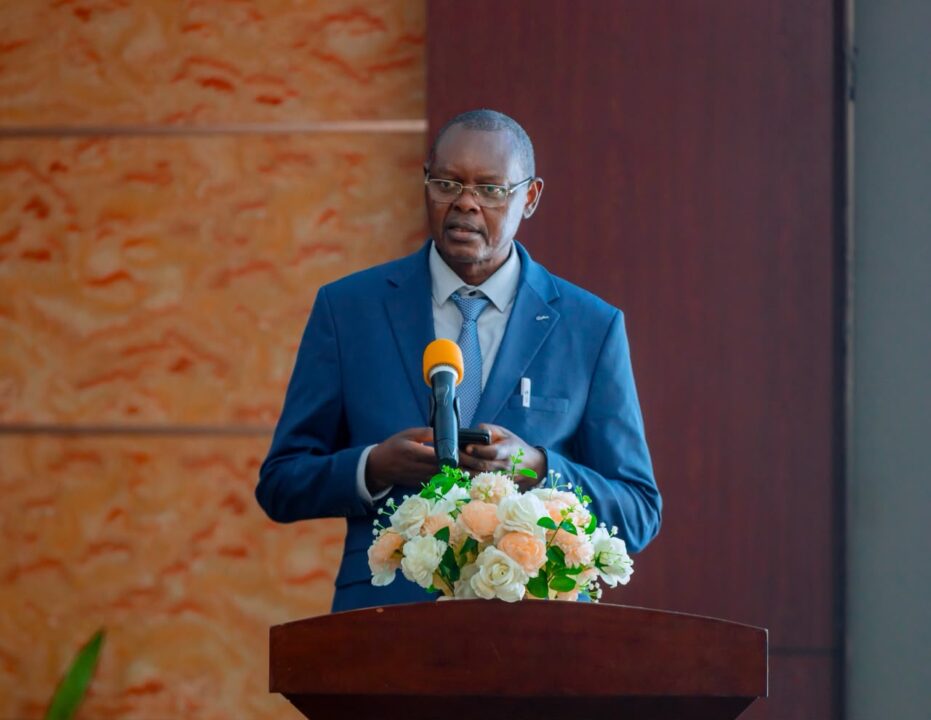
Callixte Kanamugire, the Chief Executive Officer of the Rwanda Private Sector Federation.