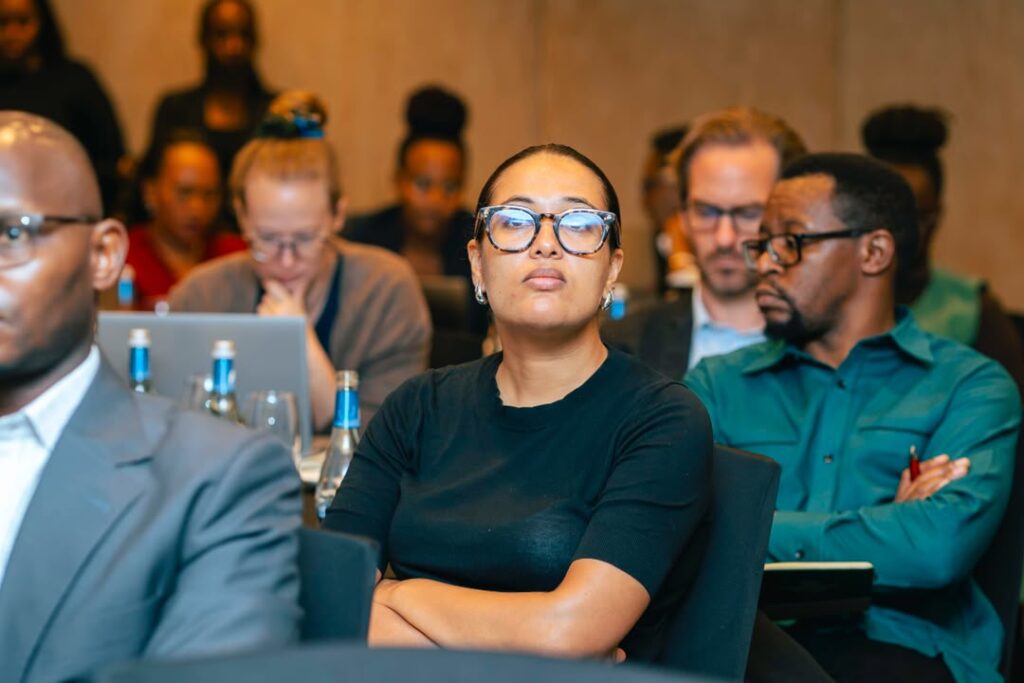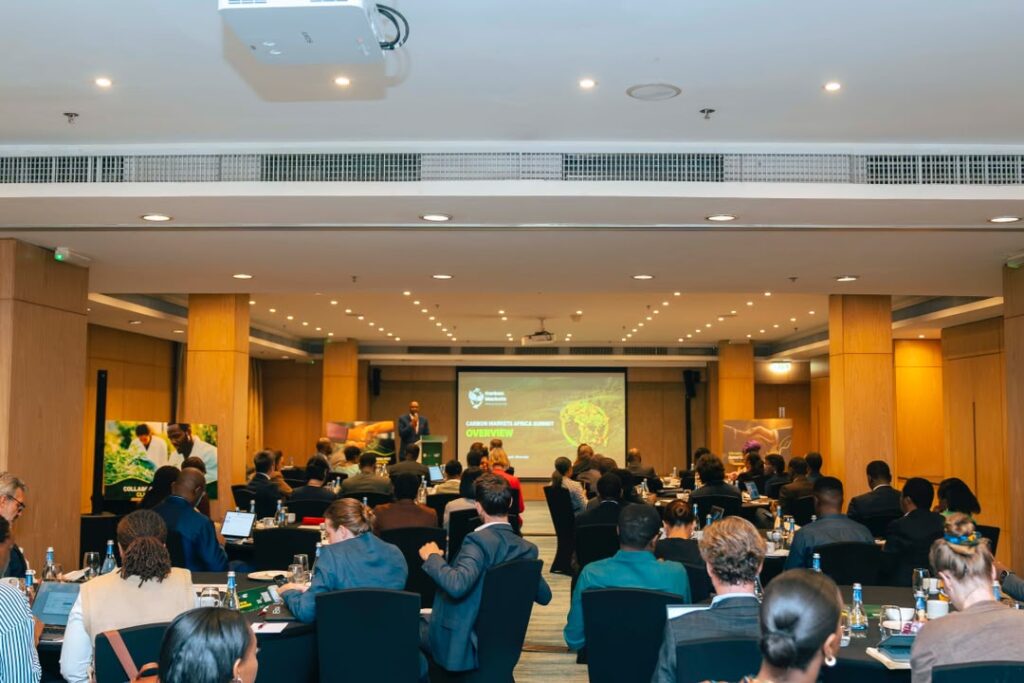
Rwanda is preparing to host and participate in a series of major upcoming international gatherings.
KIGALI – Rwanda is seeking wider African consensus around a declaration that it hopes will shape the next phase of global action on climate and environmental challenges, as the country prepares to host and participate in a series of major upcoming international gatherings.
Environment Minister Dr Bernadette Arakwiye said the declaration, which has already been endorsed by the African Group of negotiators, is intended to help countries align on priorities, particularly on issues affecting developing countries.
“We have worked on a declaration that we are seeking consensus on from the various parties that so far has been endorsed by the African group of negotiators and we want to see more alignment on what it is that we are going to focus on moving forward,” Arakwiye said.
The declaration will form part of Rwanda’s preparations for the 38th Meeting of the Parties to the Montreal Protocol, known as MOP38, which Kigali will host from November 2 to 6, as well as the UNFCCC COP31 in Antalya and other international environmental platforms.
MOP38 comes a decade after countries adopted the Kigali Amendment in Rwanda, committing to phase down hydrofluorocarbons, powerful greenhouse gases used in refrigeration and air-conditioning.
From Commitments to Solutions
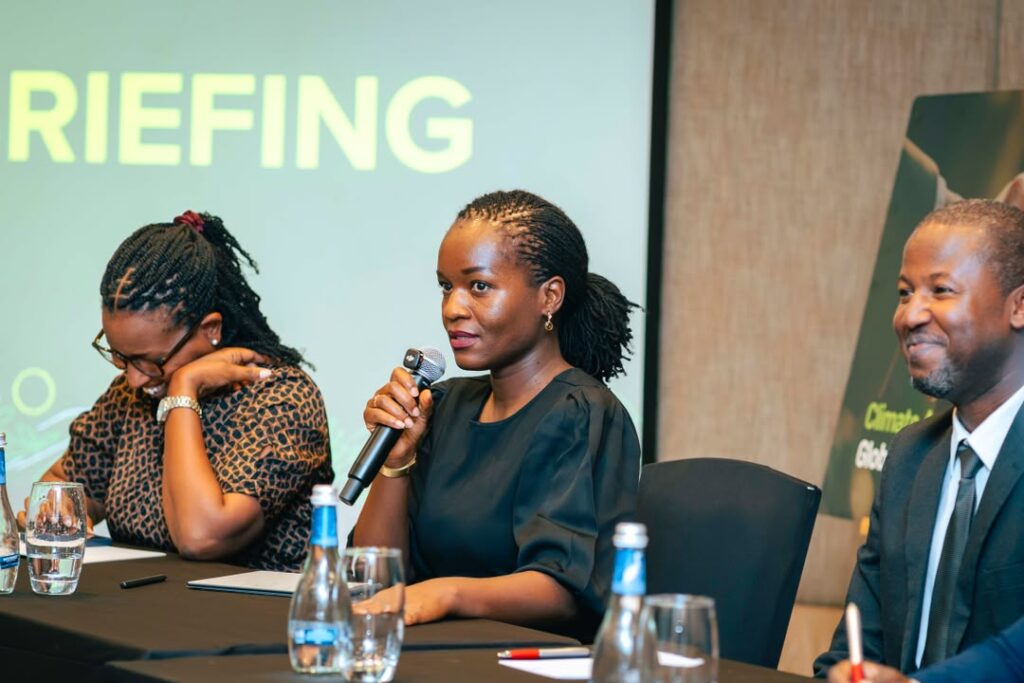
Minister Arakwiye says Kigali is positioning the meetings as more than diplomatic gatherings.
Arakwiye said Rwanda wants the upcoming meetings to produce practical solutions rather than another round of declarations without implementation.
“These are not just events. We are not talking about events for the sake of the events,” she said, arguing that the meetings should be used to advance priorities identified from Rwanda’s experience implementing environmental programs.
Rwanda remains highly exposed to climate-related disasters, including flooding and landslides. Arakwiye pointed to the response to disasters in 2023, when Rwanda had to mobilize up to about $400 million to respond to flooding and landslides.
“When you come in too late, you spend much more trying to recover from the losses. Adaptation is therefore going to be high on the agenda. How can we start coping with these changes so that we can enhance our resilience?” Arakwiye said.
The Minister said Rwanda will therefore push for interventions that help vulnerable communities adapt to changing climate conditions, while also advancing waste management and youth participation in international negotiations.
She said Rwanda’s young negotiators have gained enough experience to contribute to continental positions, giving the country an opportunity to influence discussions beyond its national interests.
The Financing Challenge Remains Substantial
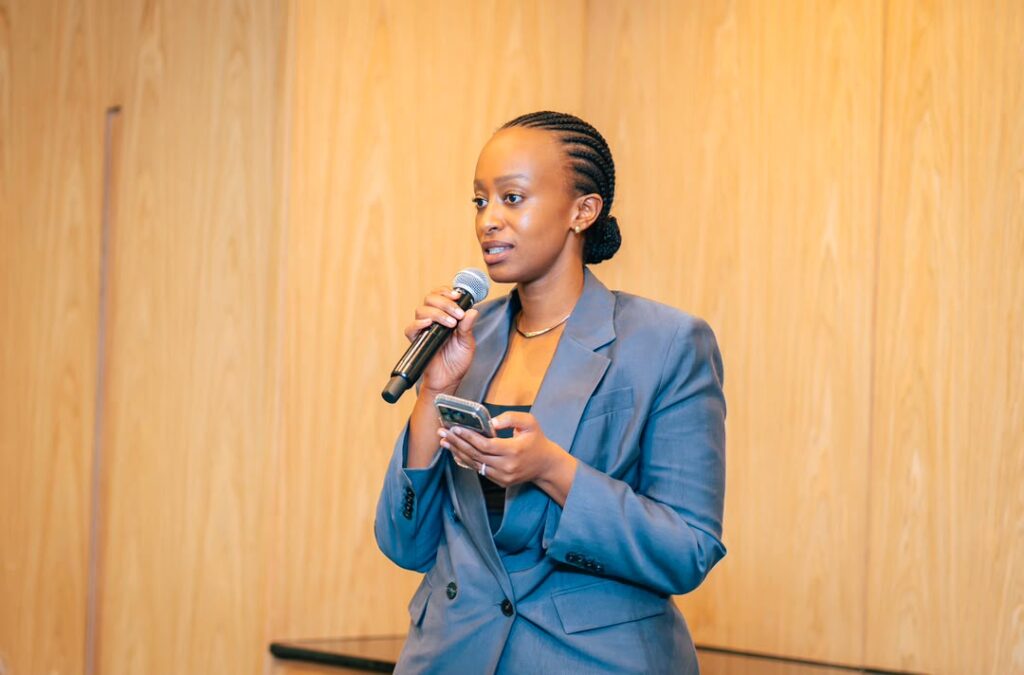
Teddy Mugabo Mpinganzima, CEO of the Rwanda Green Fund.
Rwanda’s updated Nationally Determined Contribution, or NDC 3.0, estimates that implementing its climate action measures through 2035 will require about $12 billion, with adaptation accounting for roughly $7 billion and mitigation about $5 billion.
Teddy Mugabo Mpinganzima, CEO of the Rwanda Green Fund, said about $5 billion has already been mobilized, leaving a further $7 billion to be raised.
The remaining financing is expected to be mobilized through 2035, with the Green Fund looking beyond traditional development assistance to domestic investors, bonds and other financial instruments.
Making Carbon Markets Work for Africa
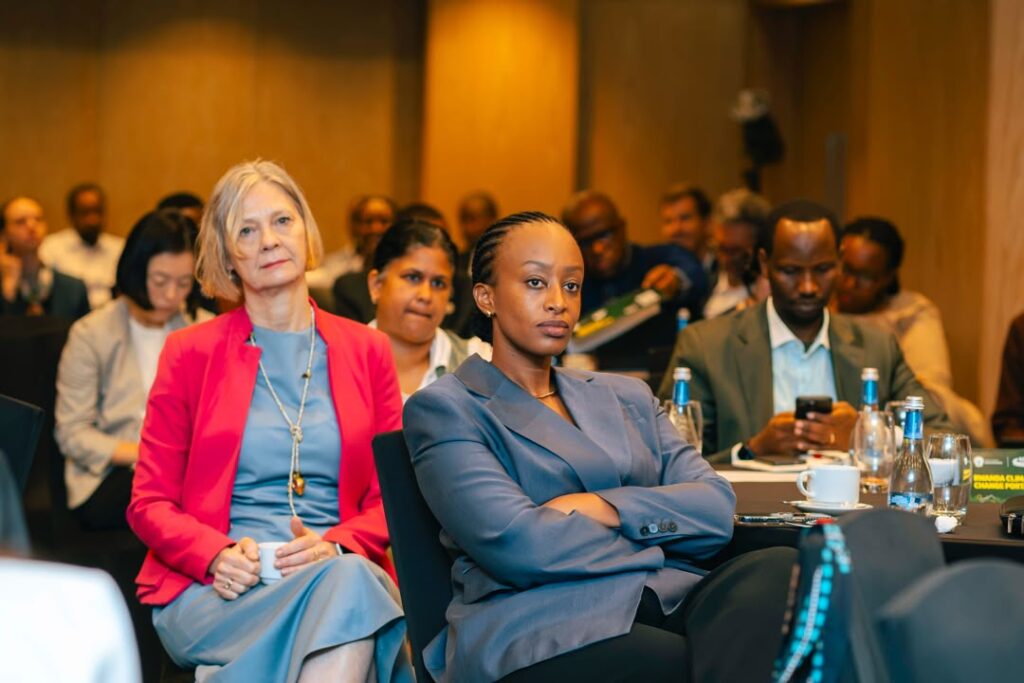
Rwanda is also preparing to host the Carbon Markets Africa Summit, where it wants to push a broader conversation about how carbon markets can generate value for African countries rather than leaving the continent primarily as a source of carbon credits.
Rwanda is prioritizing high-value carbon credits that protect community and biodiversity interests while requiring credible monitoring and implementation.
The Rwanda Environment Management Authority (REMA) has established a carbon market unit responsible for monitoring activities even after credits have been sold.
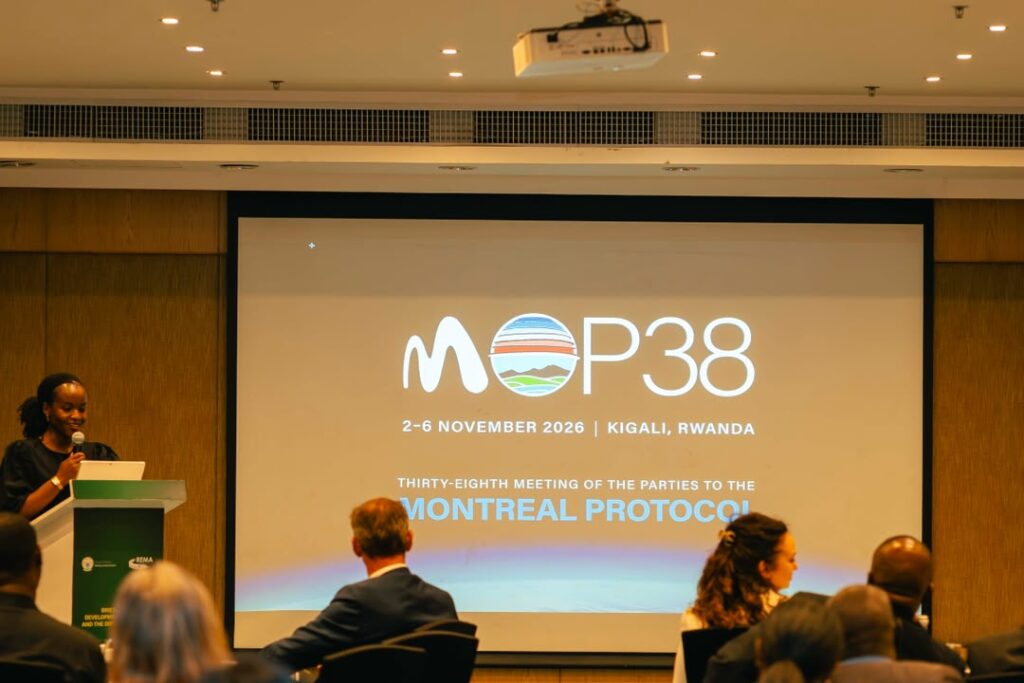
Rwanda unveiled the logo for the 38th Meeting of the Parties to the Montreal Protocol, known as MOP38.
Juliet Kabera, the Director General at REMA says strong systems are essential if African countries are to attract and retain carbon-market revenues.
“How do we attract revenues on the continent? You have to be ready to participate in the transactions, in the market. And how do you be ready? By having the right platform, the right frameworks,” she said.
That emphasis on securing international commitments and converting them into financing, infrastructure and measurable results on the ground, will be central to Rwanda’s message across the upcoming meetings.
Rwanda therefore heads into the talks with a special focus on African alignment, practical solutions and financing that can translate international commitments into measurable action against climate risks both at home and globally.