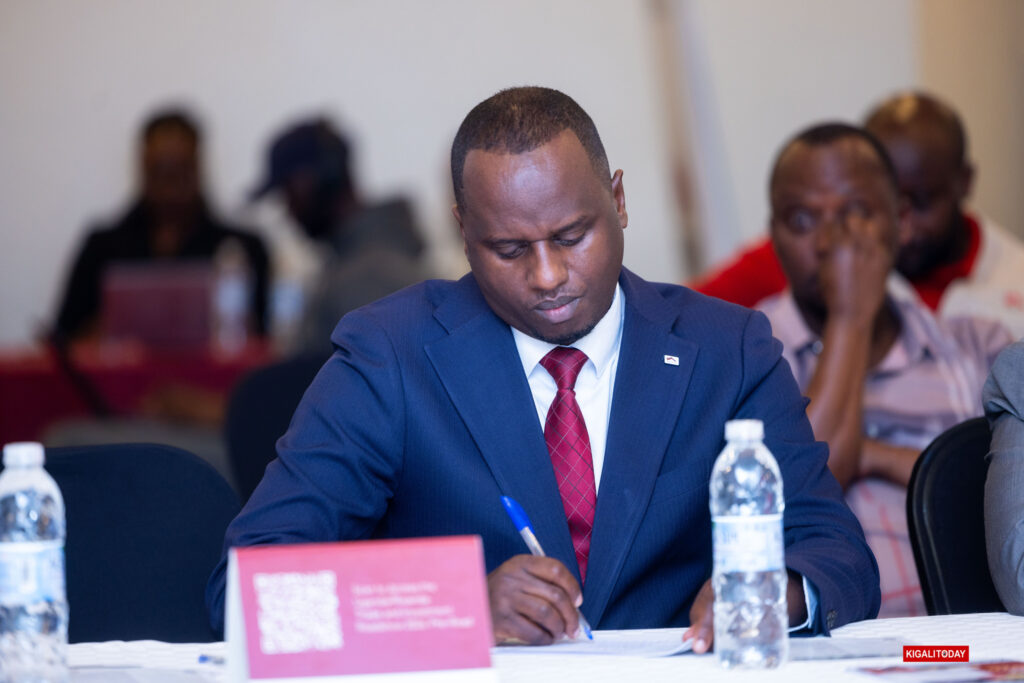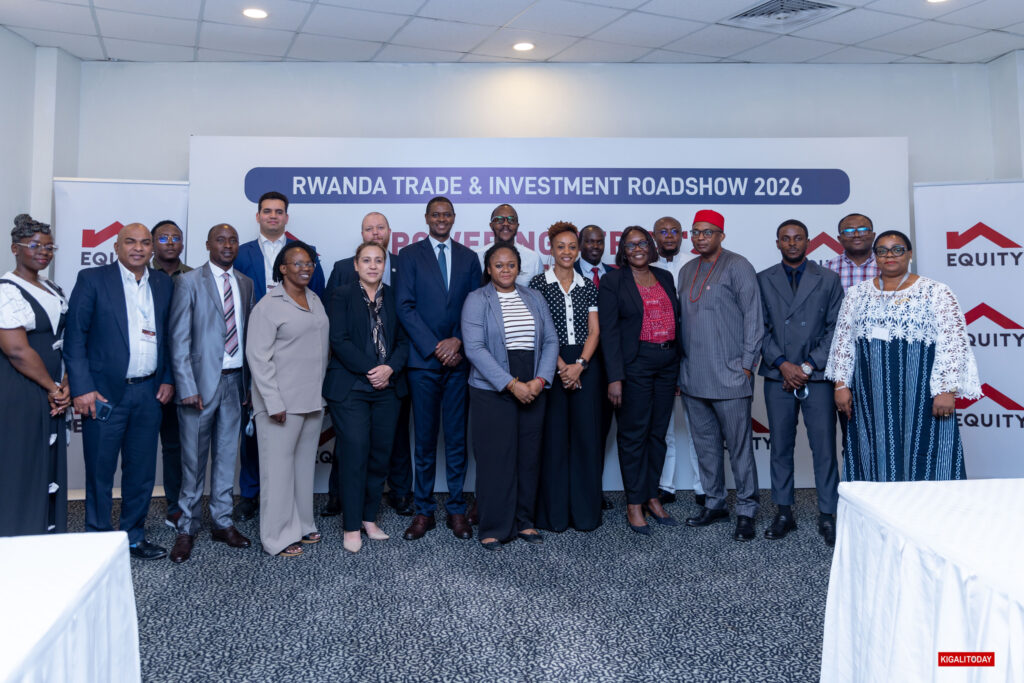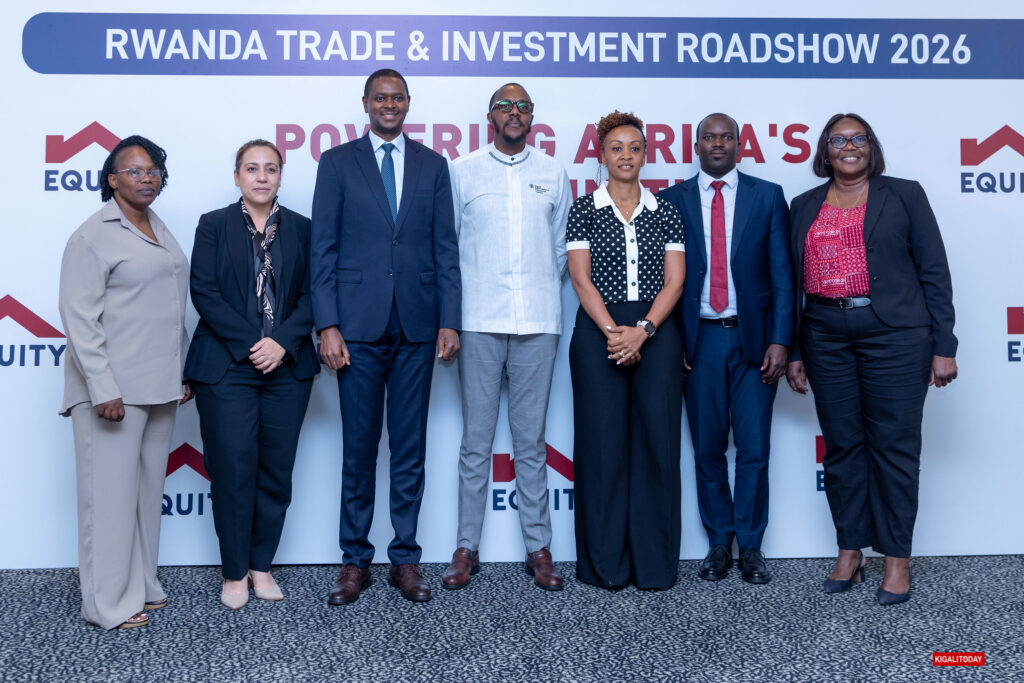


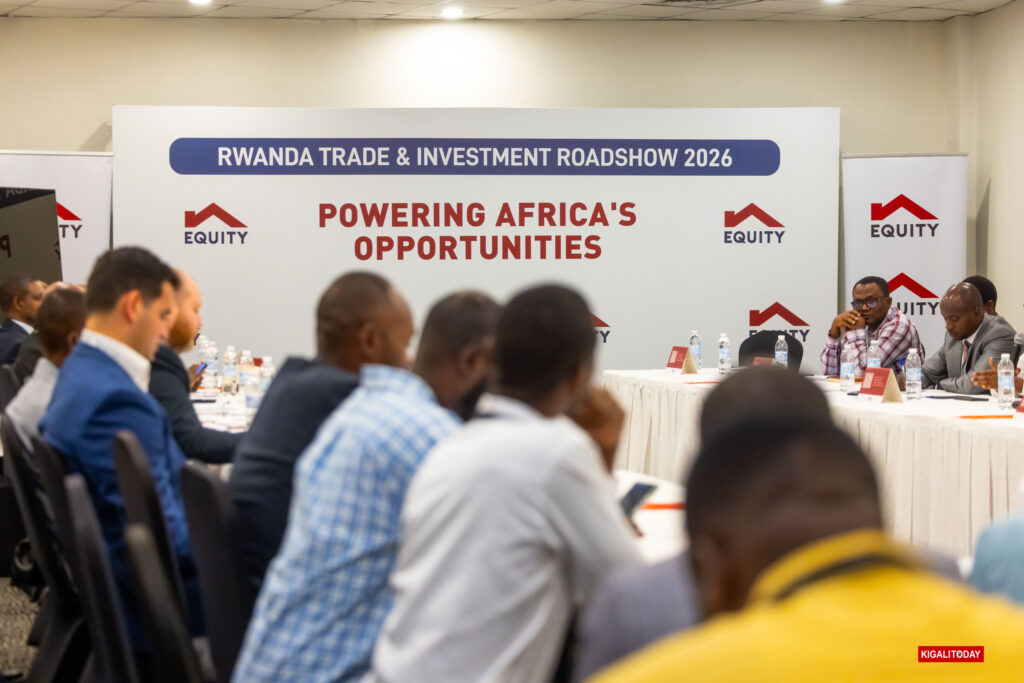
Equity Group’s 2026 Rwanda Trade and Investment Roadshow was held in Kigali.
KIGALI – Equity Bank says businesses can now use property or other assets held in one country as collateral to secure financing in another, opening a cross-border lending option for companies looking to expand their operations across markets.
The question of whether a building in Rwanda can be used as collateral to secure financing in Kenya or the Democratic Republic of Congo, previously seen as a practical challenge facing businesses seeking to expand across East and Central Africa, is no more.
Equity Bank Rwanda Commercial Director Eric Rutabana said such cross-border financing arrangements are already possible within markets where Equity operates, with the bank using subsidiaries and security agents to manage collateral across jurisdictions.
“In the markets where we are operational, we actually have that arrangement where you could borrow from one market and register securities in the other market,” Rutabana said during a business roundtable in Kigali on September 18.
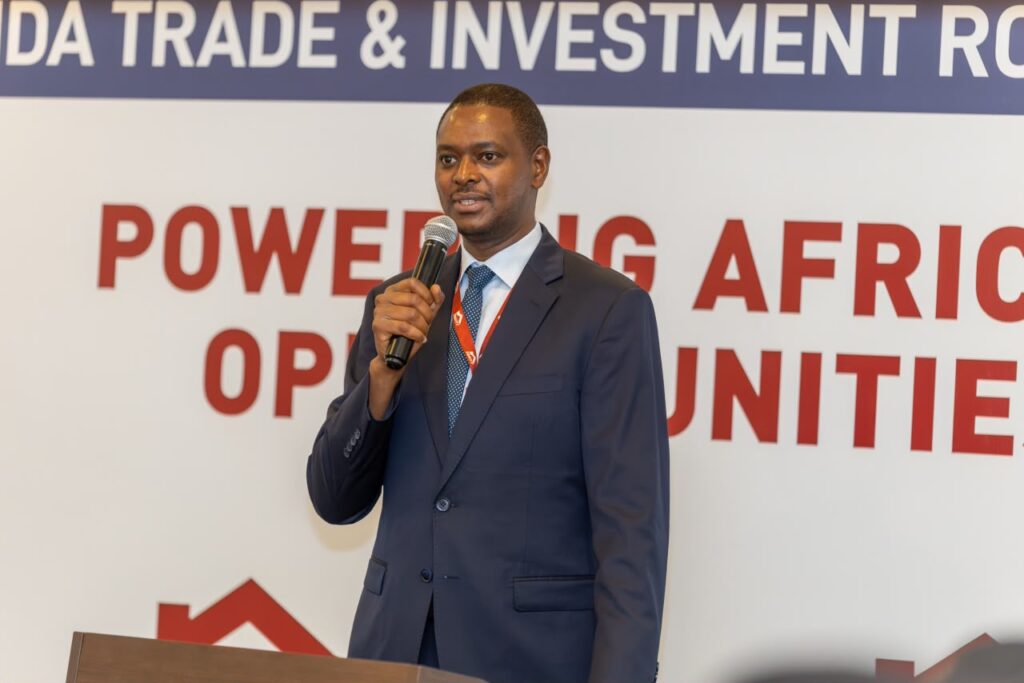
Equity Bank Rwanda Commercial Director Eric Rutabana.
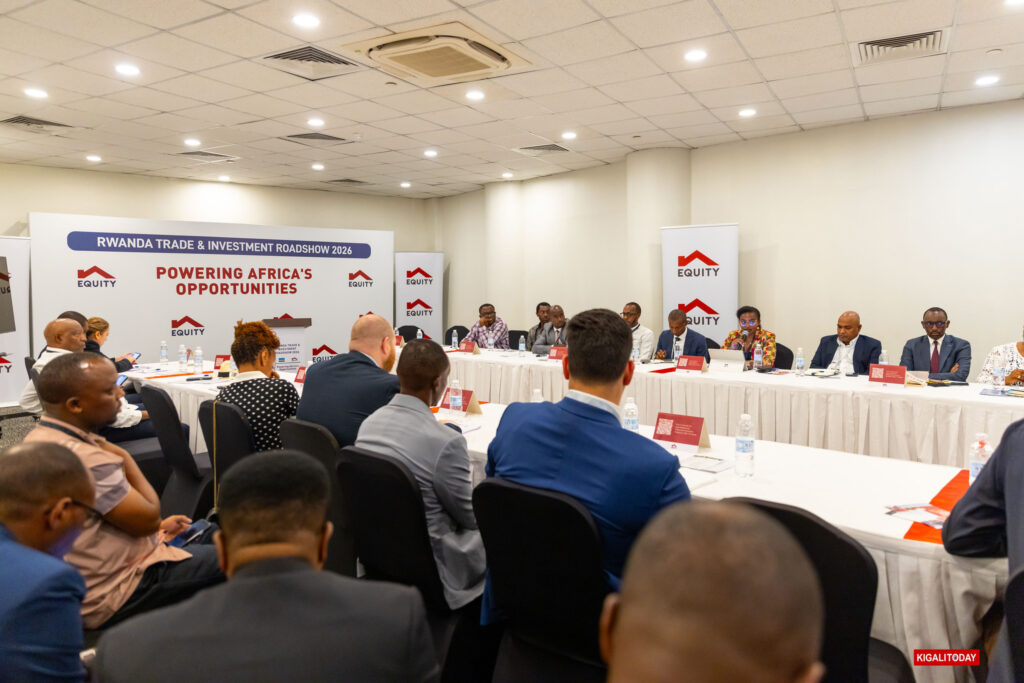
The remarks came during Equity Group’s 2026 Rwanda Trade and Investment Roadshow, which brought together more than 70 business leaders, investors, policymakers and private-sector stakeholders from 10 nationalities to explore Rwanda’s business environment and opportunities for cross-border investment and commercial partnerships.
He said Equity can also work with partner banks in countries where it does not have a direct presence, allowing businesses to use locally held security to support financing elsewhere.
This arrangement offers a practical answer to a broader issue of how businesses in Rwanda can access the capital needed to expand production, add value locally and reach regional and international markets.
The challenge is particularly clear in Rwanda’s coffee sector, where entrepreneurs identified gaps ranging from production and processing to packaging, equipment, skills and working capital.
Coffee Investment Goes Beyond the Farm
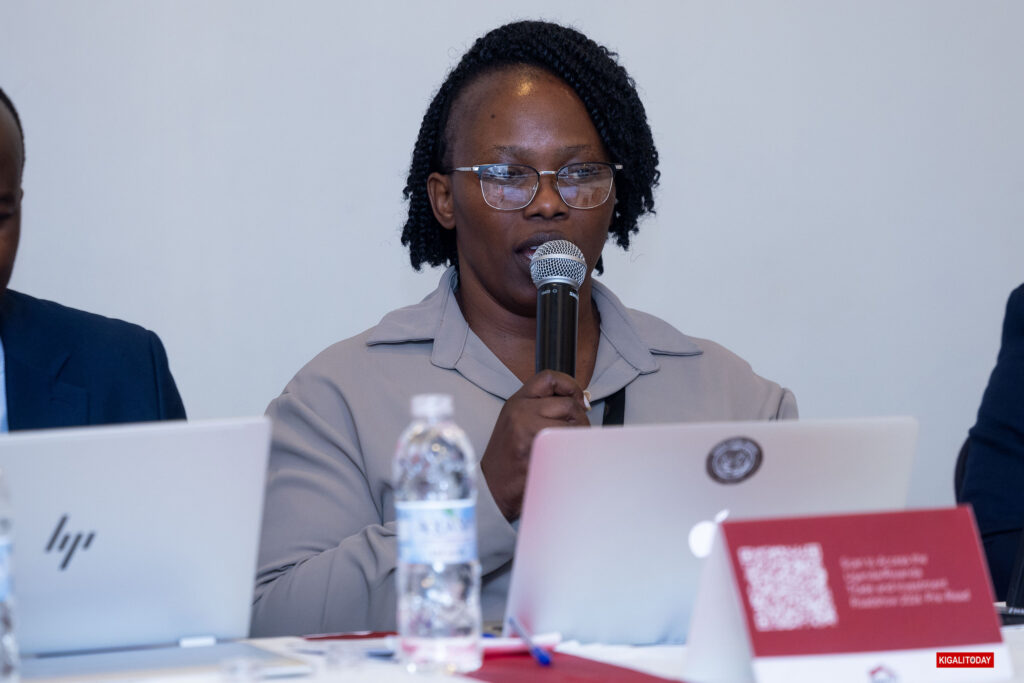
Perpetue Mukamusinga, the proprietor of Integrated Barista Training Centre.
Perpetue Mukamusinga, an authorized SCA trainer and proprietor of Integrated Barista Training Centre, said Rwanda has built a strong base of skills in the coffee industry but needs more investment to close gaps along the value chain.
“We still have some gaps in the coffee sector. Investment opportunities include coffee farming, rehabilitation of old trees, washing stations, roasting, packaging and coffee education,” she said.
Mukamusinga said Rwanda has more than 365 coffee washing stations and cooperatives, while only about 15 companies are involved in roasting. Packaging is another major gap, with only a small number of companies producing coffee packaging locally.
Since opening her training centre in 2021, Mukamusinga said she has trained 457 graduates, many of whom are now working in Rwanda and abroad. The point, she said, is that investment can create value well beyond the export of raw coffee.
Keeping More Coffee Value at Home
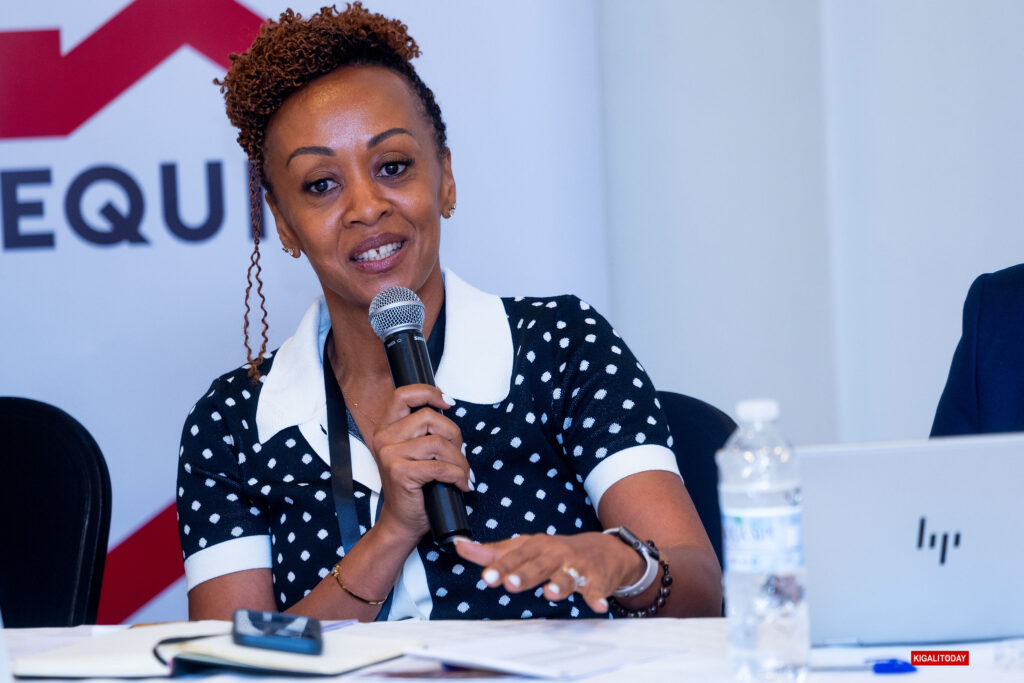
Michaelle Kubwimana, Managing Director of Kinunu Agro Processing.
Michaelle Kubwimana, Managing Director of Kinunu Agro Processing, said Rwanda also needs to focus on retaining more of the value generated by its coffee inside the country and within farming communities.
Kubwimana, a third-generation coffee farmer, said her family business in Rutsiro district has developed operations covering farming, washing, dry milling, roasting, packaging and coffee tourism.
“We have the whole ecosystem but more investment is needed in modern machinery, processing, skills, laboratories and packaging. Working capital is also particularly important for processors who buy coffee from smallholder farmers,” she noted.
She said stronger partnerships with investors and international buyers could help producers expand while giving farmers greater access to markets as well as reduce financing pressure created between purchasing coffee from farmers and receiving payment from buyers.
From Local Coffee to Global Markets
Kelechi Anyanwu, a Nigerian lawyer and business investment consultant, said Rwanda has the opportunity to expand on the visibility of its products in international markets.
“Some people elsewhere may not be familiar with Rwandan coffee and we could explore what else can be done to further connect the country’s coffee with global consumers,” he pointed out.
Equity’s regional presence allows it to structure financing around businesses operating in multiple countries, while partnerships with other banks can provide alternatives where Equity itself has no branch.
And Rwanda’s opportunity may increasingly depend not only on producing quality goods, but also on financing the machinery, businesses, skills and market connections needed to capture more value before products reach international markets.