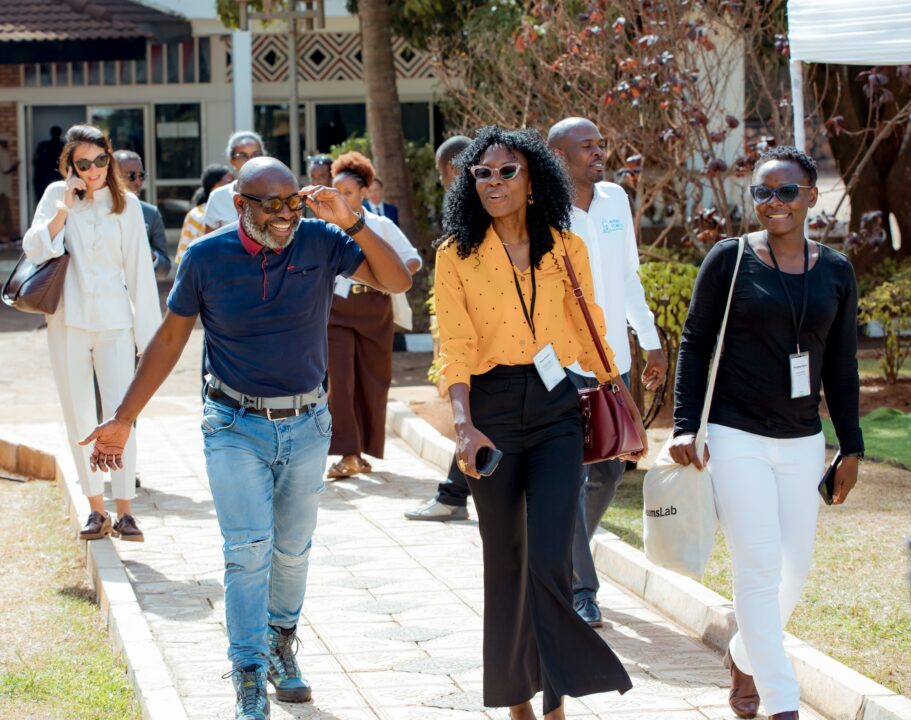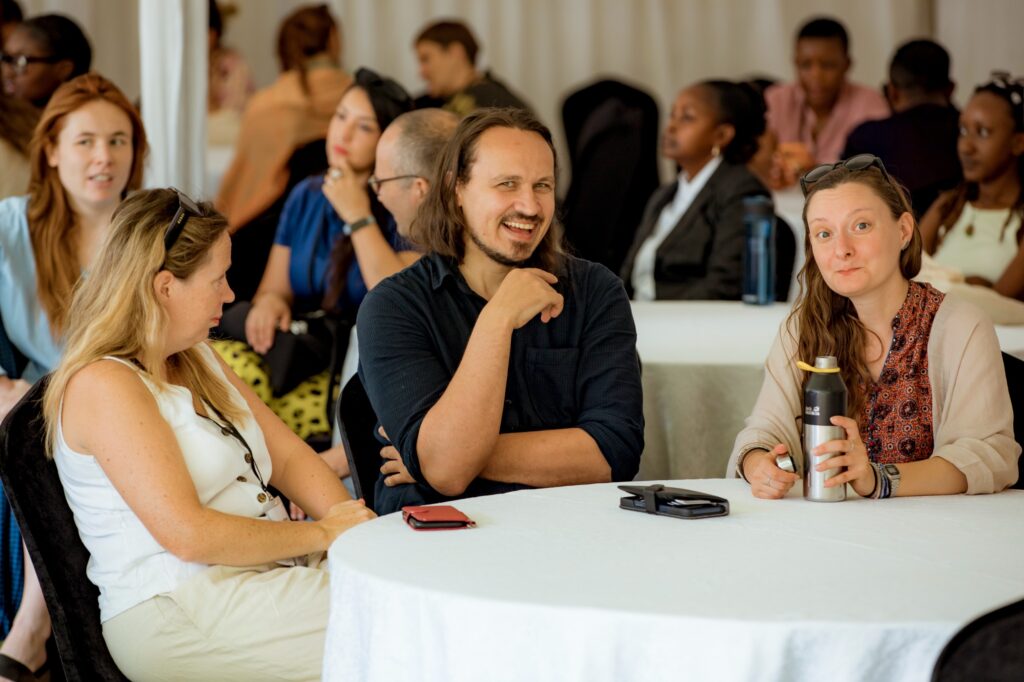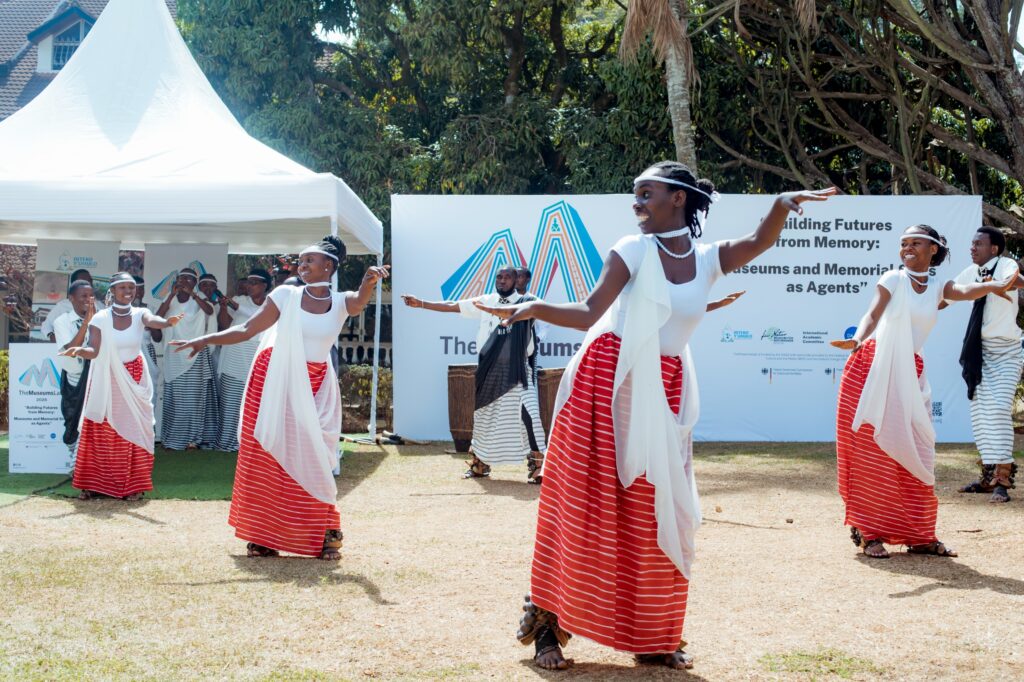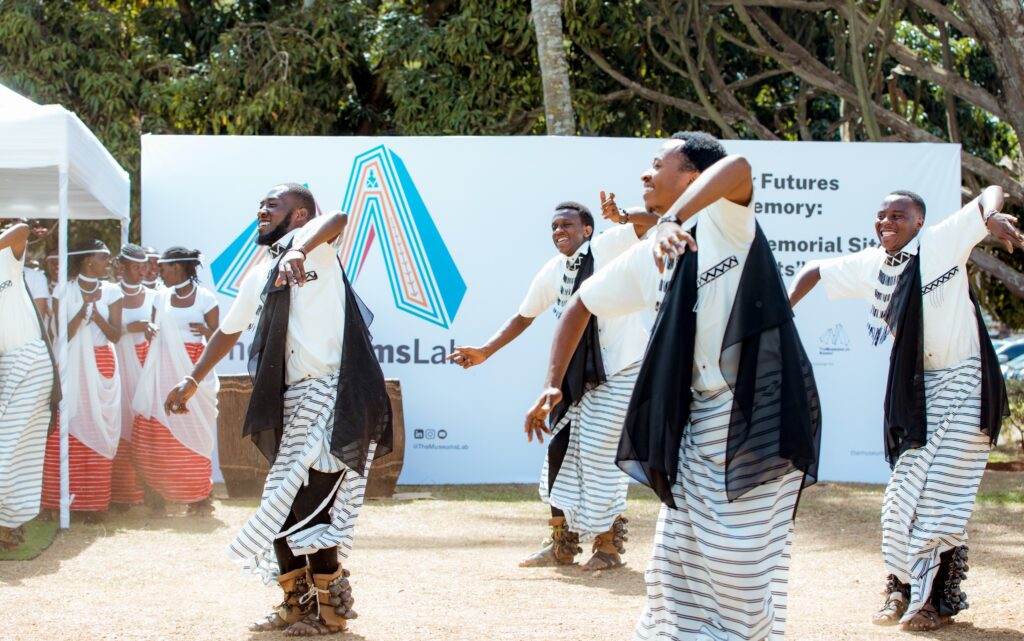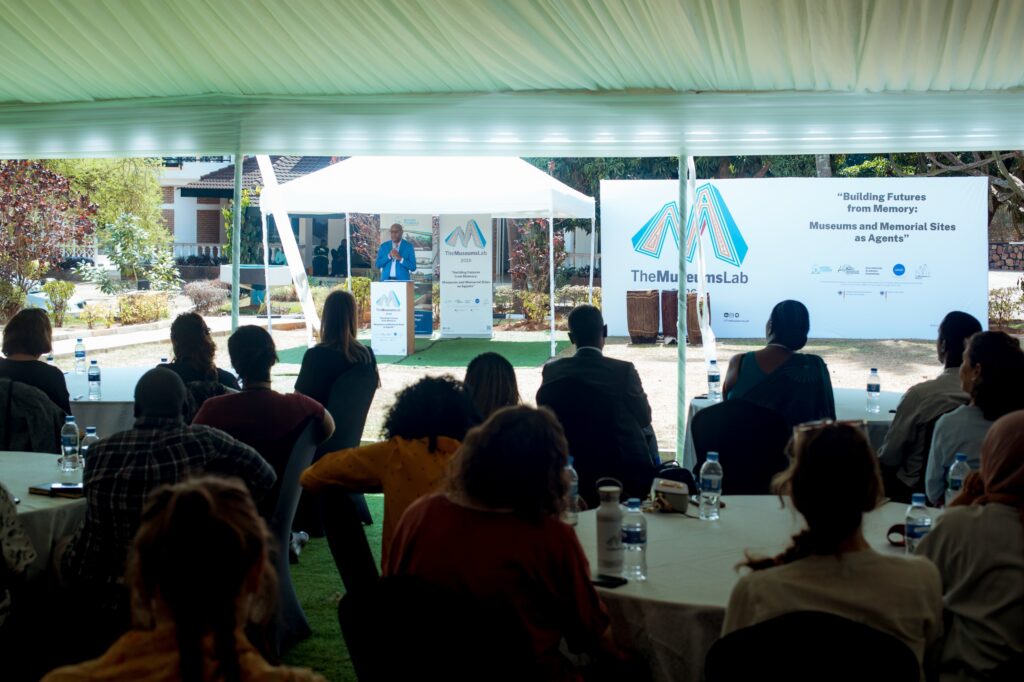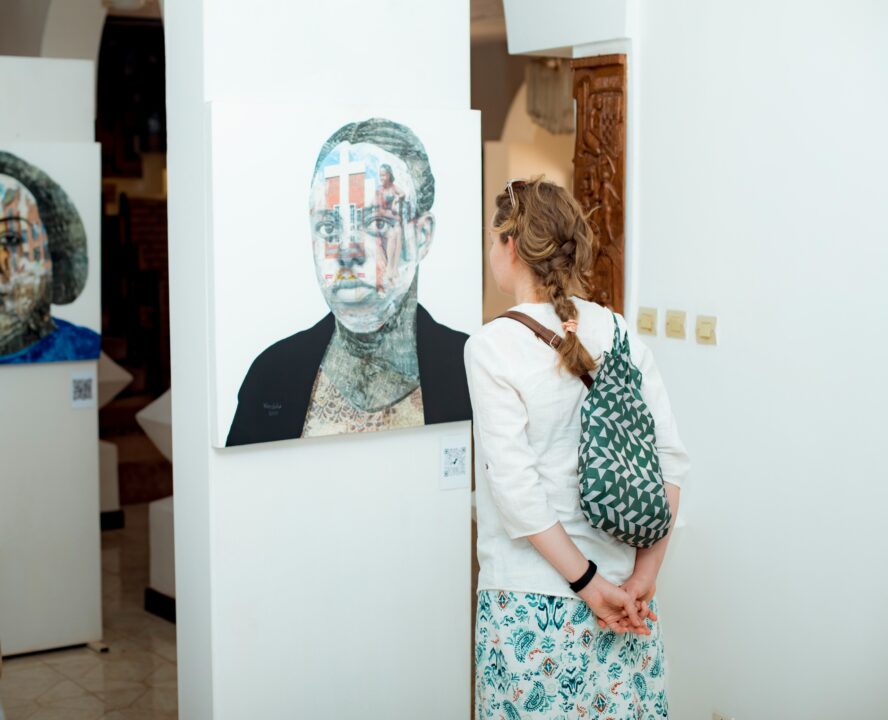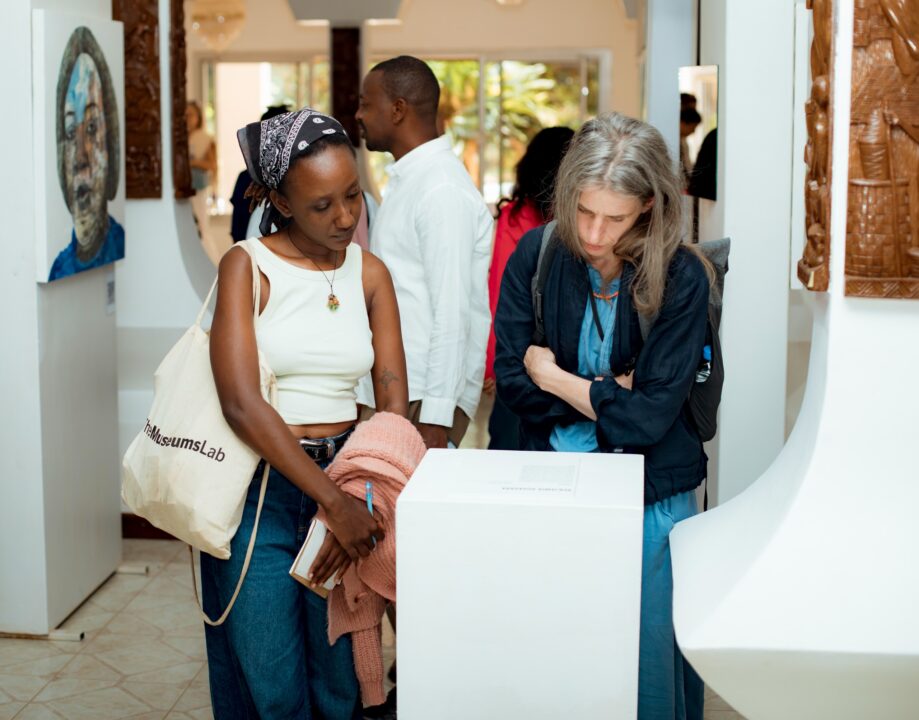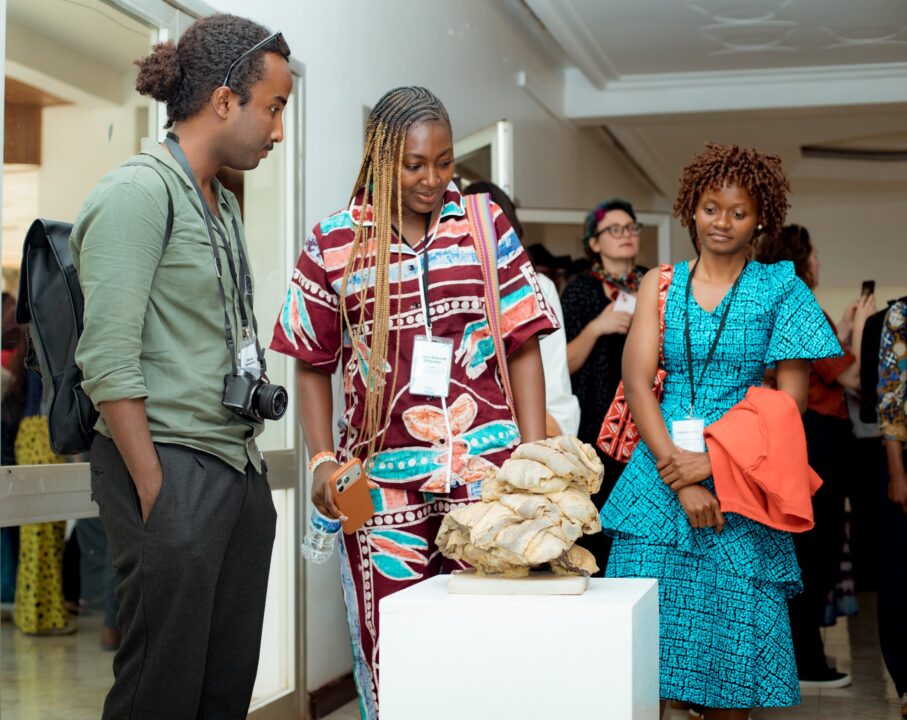
The third module of TheMuseumsLab 2026 opened at the Museum of Art in Kigali on September 21, 2026.
KIGALI – Museums are often seen as places where societies preserve what has already happened.
In Rwanda this week, museum and heritage professionals from Africa and Europe are exploring how memories of the past could help societies decide the kind of future they want
The third module of TheMuseumsLab 2026 opened at the Museum of Art in Kigali on September 21 under the theme “Building Futures from Memory: Museums and Memorial Sites as Agents.”
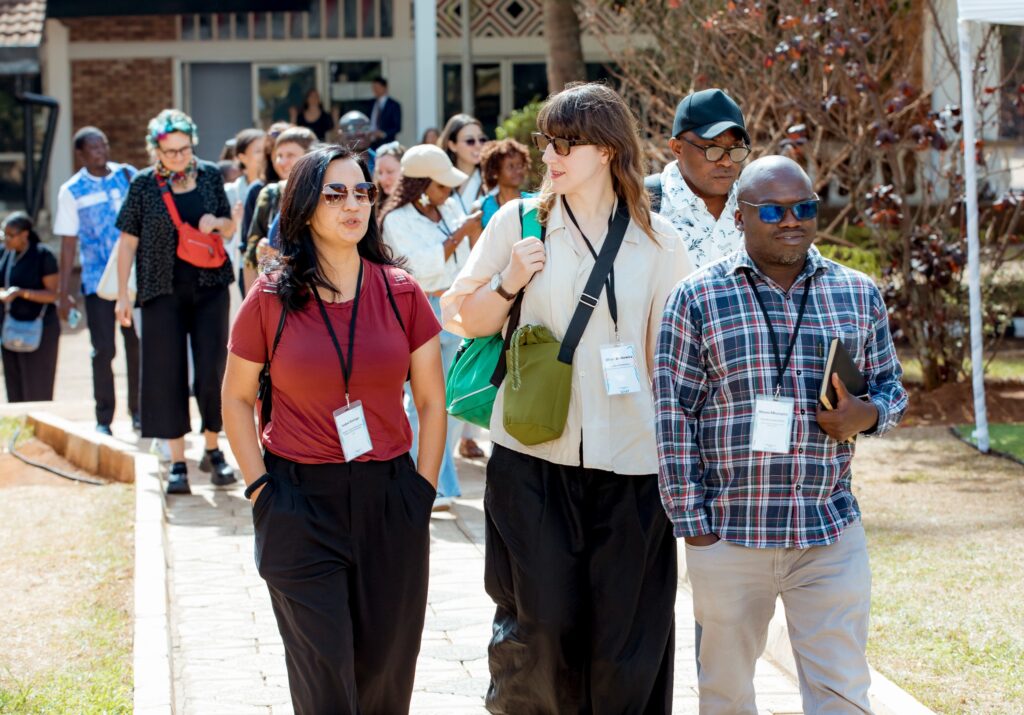
The program brings together 50 fellows from 31 African and European countries for exchanges, workshops, site visits and discussions around the changing role of museums and heritage institutions.
Meryem Korum, the Head of TheMuseumsLab and Team Lead, says the purpose is not simply to preserve memories or exchange professional experiences but also learn from one another.
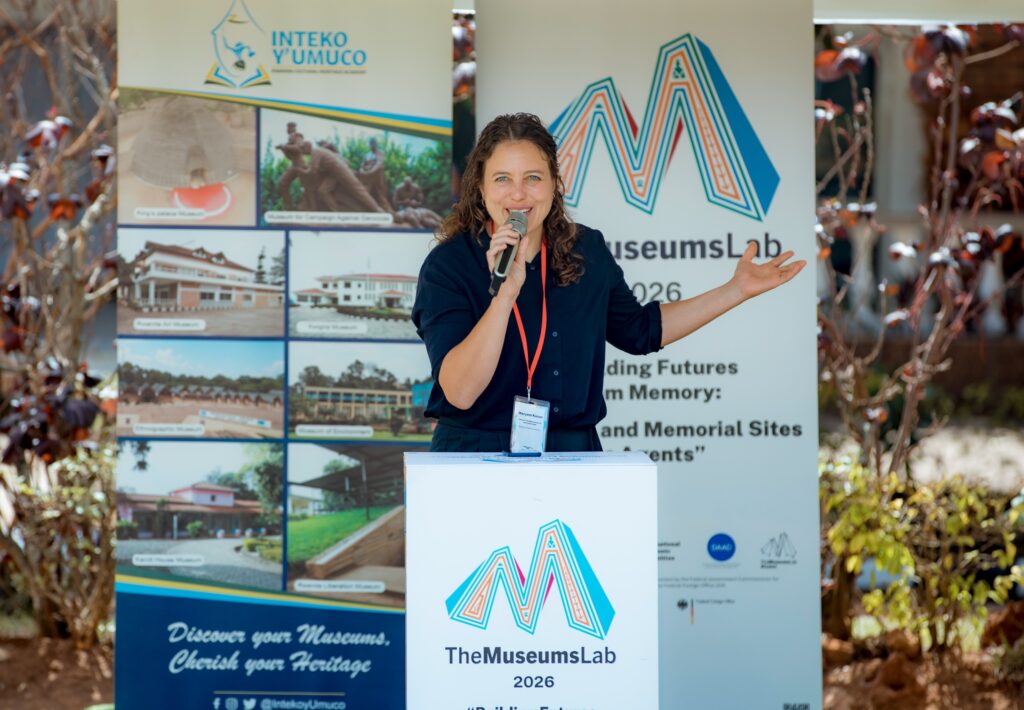
Meryem Korum, the Head of TheMuseumsLab and Team Lead speaking in Kigali.
“Since everyone is a professional in the field, we have to challenge ourselves the way we narrate history, the way we understand history, but at the same time also use it as a source to understand joint futures,” she said.
The program is co-curated by the Museum für Naturkunde Berlin in partnership with African countries and supported by the German Academic Exchange Service (DAAD). The Rwanda Cultural Heritage Academy (RCHA) is playing a central role in shaping the Kigali module.
Korum said the Rwanda edition is deliberately creating space for museum professionals to confront difficult questions about history, heritage and the future.
“That approach gives particular weight to Rwanda, where museums and memorial sites exist alongside a history that continues to shape the country’s identity and its understanding of the future.
What The Past Can Teach the Present
Prof. Dr. Facil Tesfaye, the Chair of TheMuseumsLab’s International Academic Committee, the value of preserving memory lies partly in what historical knowledge can reveal about realities that might otherwise be misunderstood.
Tesfaye, a historian of medicine, cited his research into the rinderpest epidemic that swept across Africa in the 1890s. In Rwanda and other heavily pastoralist societies, the disease devastated cattle populations.
His research, he said, illustrates how historical events can change the way societies understand the forces that later shaped them.
“The knowledge that we get from the past, that we bring out, is one that makes it a lot easier to live with the present,” Tesfaye said.
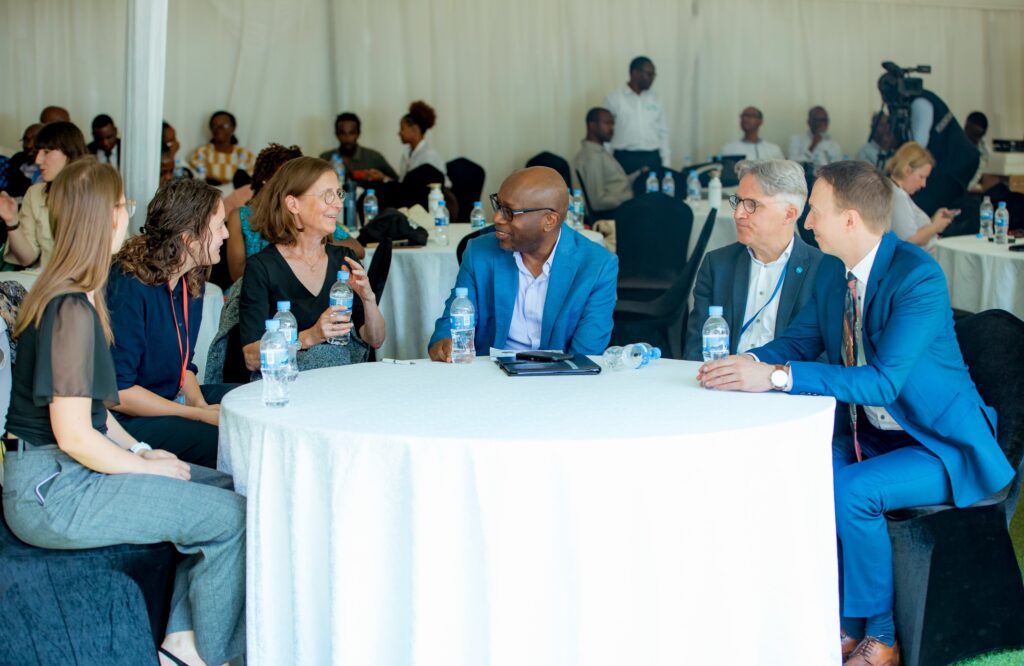
That kind of approach also examines issues including colonial collections, restitution, leadership and the future management of museums. The program describes memory as a dynamic force that can influence how societies act in the present and imagine what comes next.
Tesfaye believes the Kigali module also offers international participants an opportunity to encounter a Rwanda that cannot be understood through its tragic history alone.
“The hope is really to show these museum practitioners who are participating in this program to see beyond the genocide against the Tutsi, to see the new Rwanda that has been born out of this tragic history,” he said.
Seeing Rwanda Beyond Its Difficult History
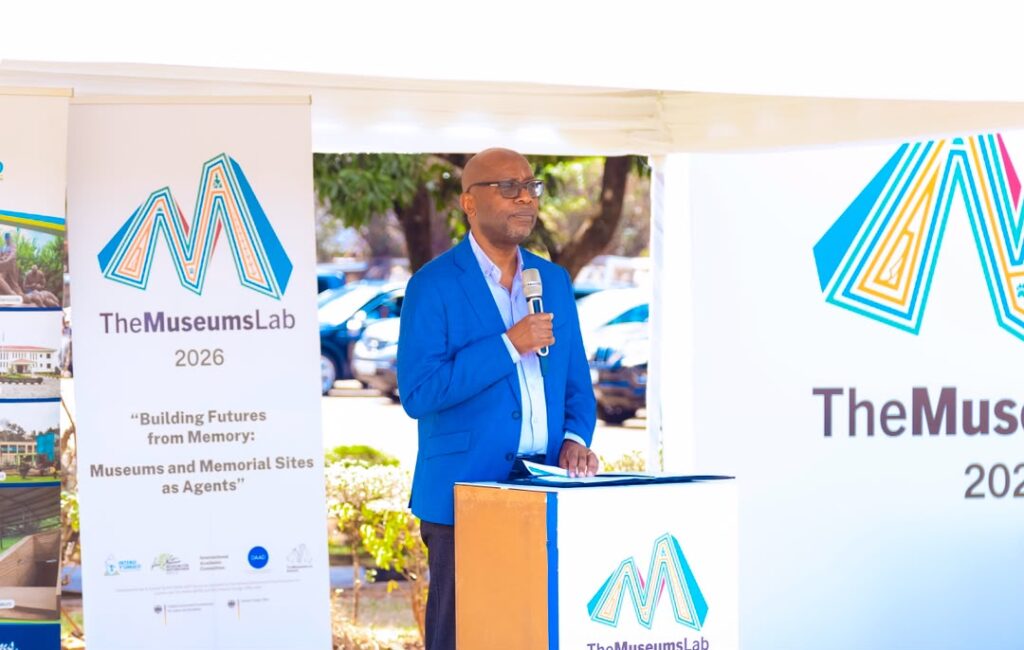
Amb. Robert Masozera, the Director General of the Rwanda Cultural Heritage Academy.
Amb. Robert Masozera, the Director General of the Rwanda Cultural Heritage Academy said hosting the program is therefore about more than bringing international visitors to Rwanda.
“It is an opportunity to share Rwanda’s experience, open our institutions and our heritage to an international audience, and learn from others,” Masozera said in his remarks.
He described TheMuseumsLab as a continuing conversation rather than a series of disconnected events, with Rwanda now becoming another space for participants to question, exchange and learn.
That exchange is already producing impressions beyond the formal discussions. Dr. Genius Tevera, a Zimbabwean fellow and lecturer at Great Zimbabwe University, said the visit had made her reflect on Rwanda’s transformation.
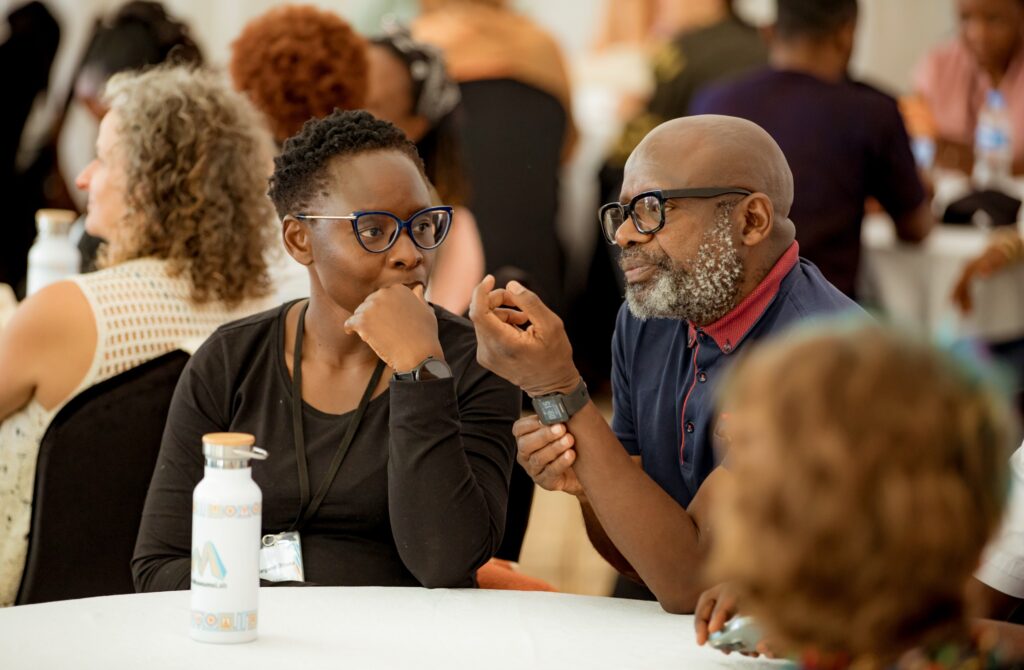
“Everything that I’ve seen of Rwanda and considering the history, what we know about Rwanda and what it went through, it is quite impressive,” he said.
The larger challenge, however, goes beyond what participants see during their six days in Rwanda. The program may not provide all the answers, but it can create connections and questions that continue after the fellows return to their institutions.
And the most important role of the museum in the future may not be simply telling people what to remember, but creating spaces where memory can be questioned, understood and used to imagine what the future holds.