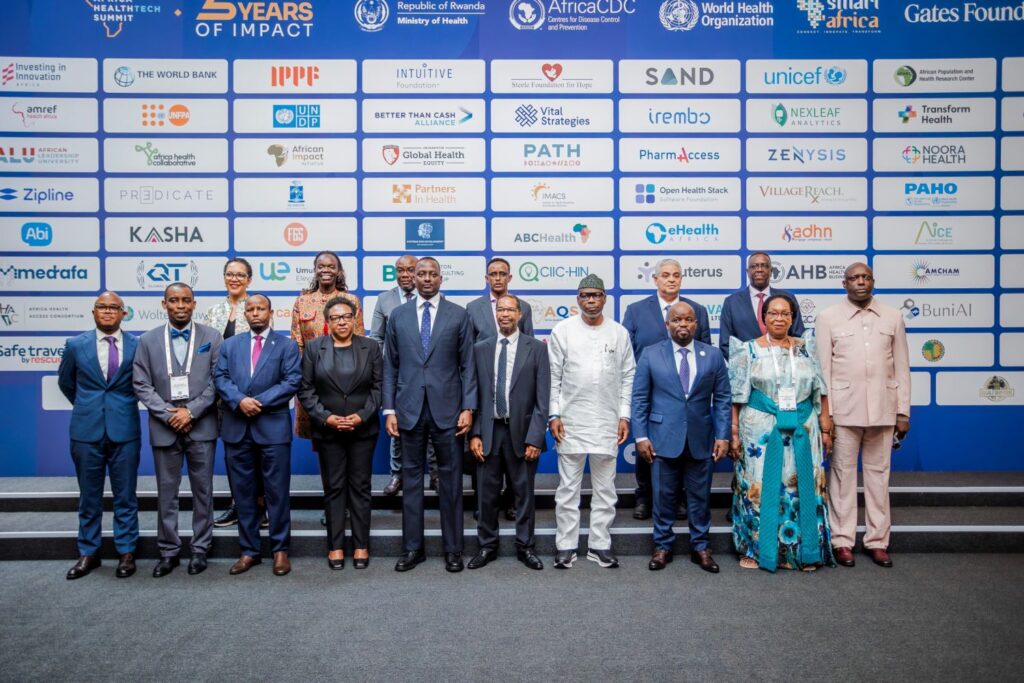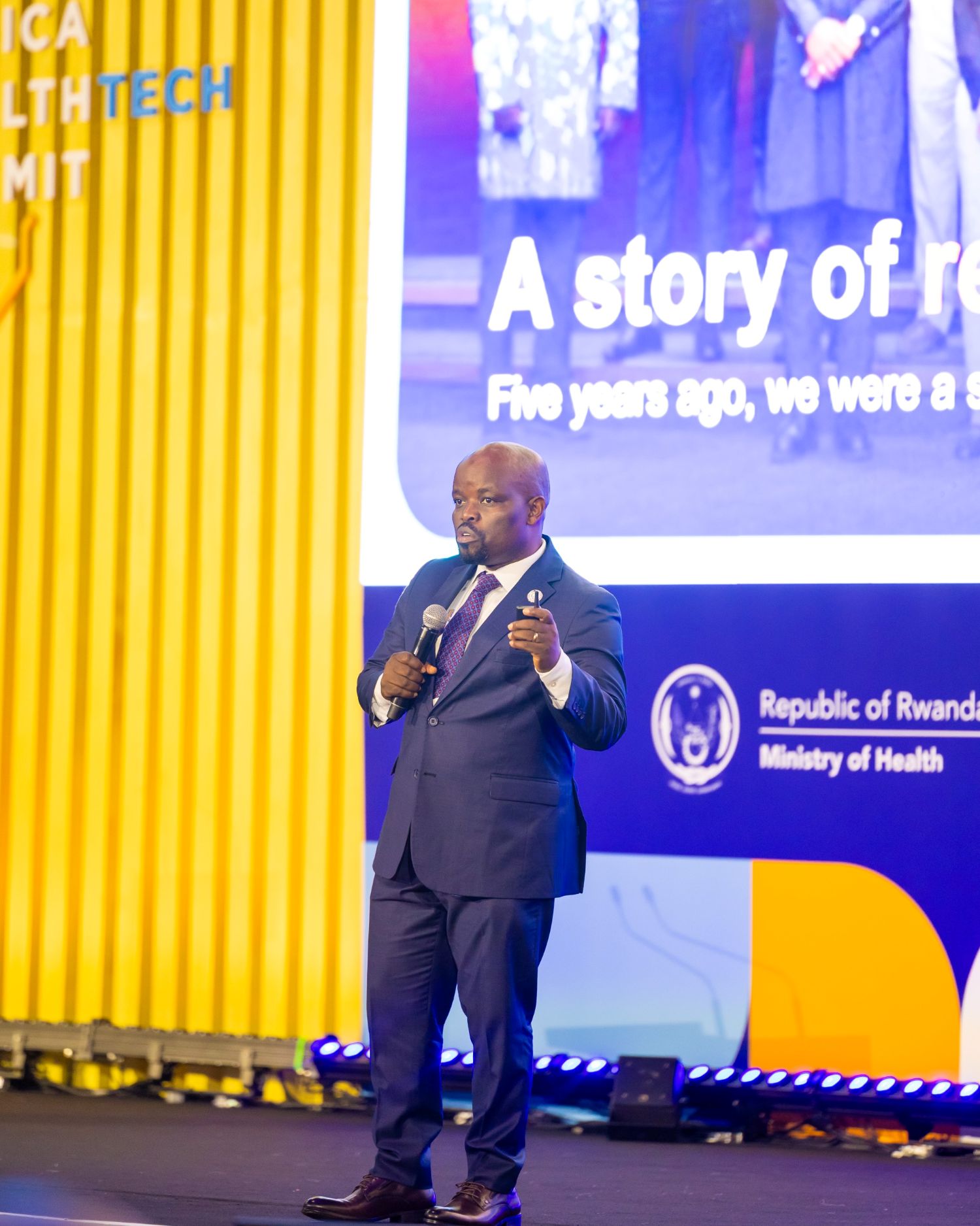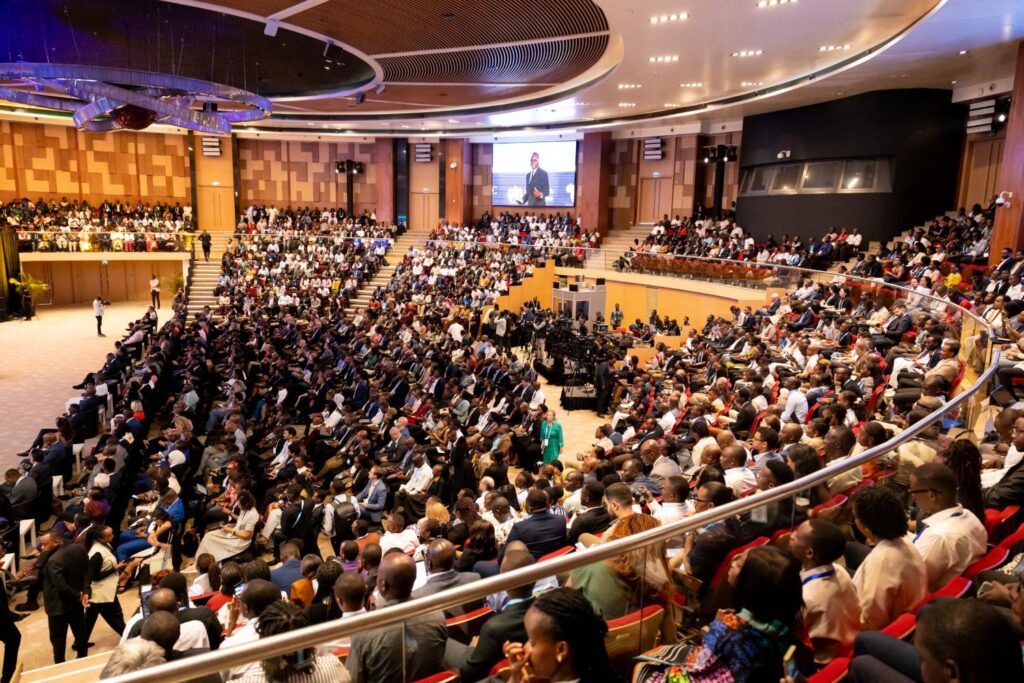
Africa HealthTech Summit is underway in Kigali.
KIGALI – When the Africa HealthTech Summit began in 2022, much of the conversation around technology and healthcare was about what innovation might eventually make possible.
Five years later, Rwanda is increasingly showing what happens when those ideas are taken into the health system itself.
The change appears in the way health information is collected from communities, transmitted to doctors and decision-makers, how specialists can support patients remotely and how patients themselves can interact with the system.
That evolution gives Rwanda’s HealthTech journey a distinctly practical character where technology is used to help a health worker recognize a problem earl and help a doctor make a better decision or bring care closer to someone who needs it.
Dr Yvan Butera, State Minister of Health explained that this work begins at community level, where Rwanda’s health system can identify problems before they become emergencies.
Community health workers gather information, identify people at risk and follow patients, particularly mothers and children. The beauty is to ensure that what they discover can quickly become useful to the wider health system.
“We have thought of alternative ways of bringing care to the people considering the value of getting information from the community into the wider health system while there is still time to act,” Butera said.
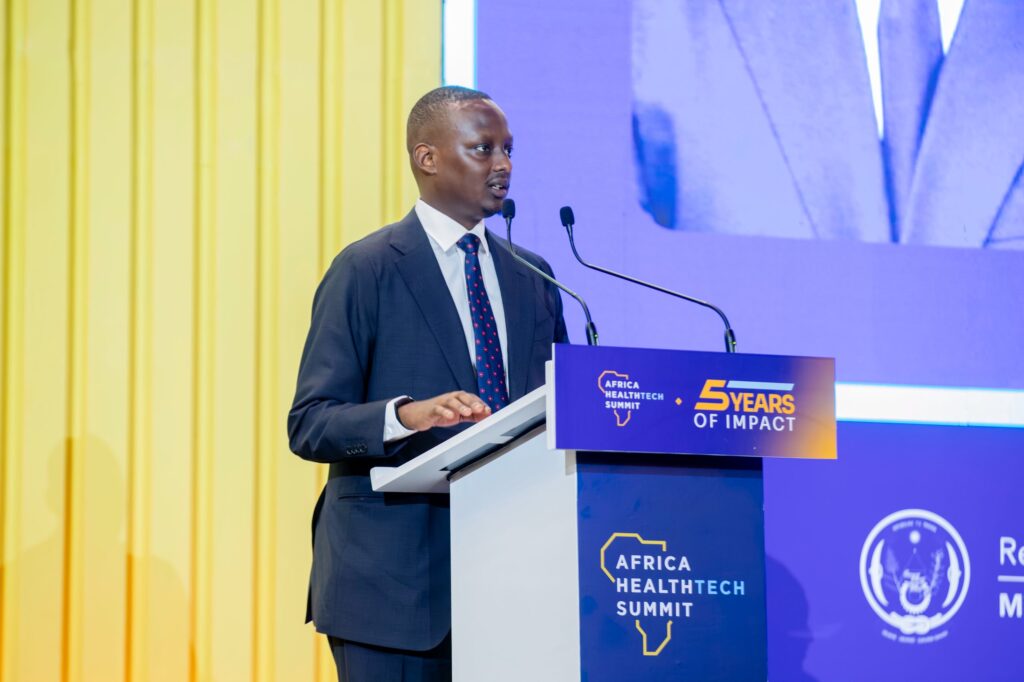
Dr Yvan Butera, State Minister of Health speaking at the summit.
With that approach, Rwanda is using connected technology to allow health professionals support colleagues and patients from elsewhere rather than make physical location the limit of medical expertise.
According to Eric Remera, Director of the National Health Intelligence Centre, the ambition is significant because Rwanda is trying to connect a health system that generates vast amounts of information every day.
“We have spent years building digital systems across different parts of healthcare, but the next challenge is making the information work harder for the people providing care. Our mission is to change the traditional direction of information,” Remera said.
Traditionally, information has largely travelled upwards, from communities and health facilities towards national institutions.
Rwanda now wants the benefits of that information to travel in the opposite direction as well, reaching the health workers who need it to make decisions.
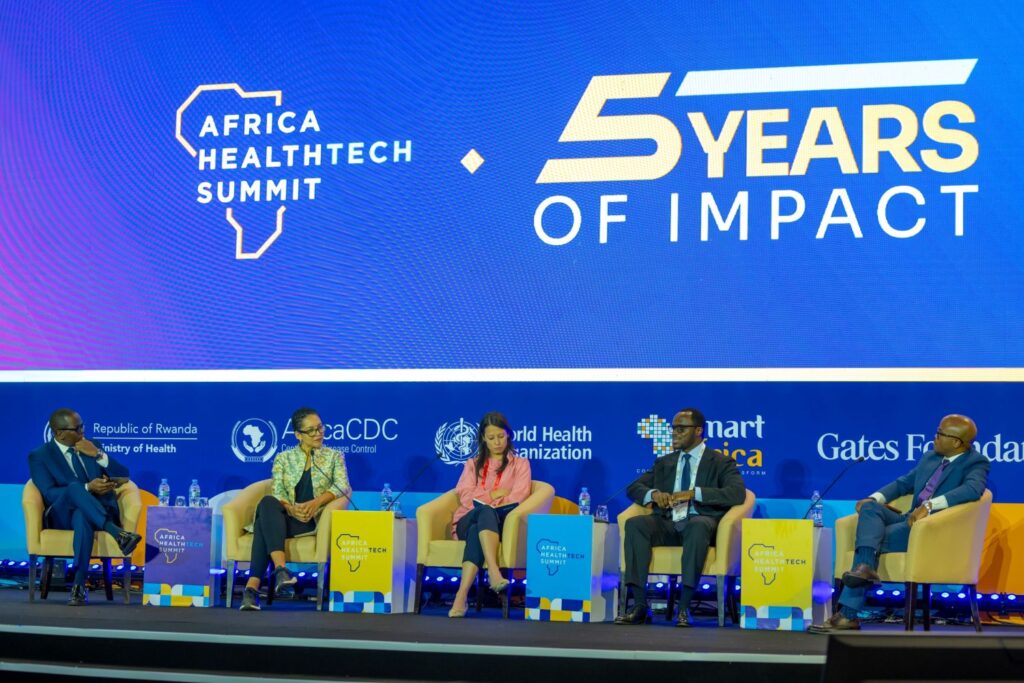
Irembo, Rwanda’s national digital service platform, has ventured into healthcare with Irembo Medi, seeking to bring the patient into a digital journey that has so far been largely focused on connecting providers and institutions.
Israel Bimpe, the CEO of Irembo, said the opportunity is to make healthcare easier to navigate by allowing patients to see their information, track it across facilities, book appointments and understand what has been prescribed.
“If you have strong electronic medical records in the public and private sector, you should be able to see your data and track it across facilities,” he said.
That vision changes something fundamental about the relationship between a patient and the health system. Instead of asking people to remember where they were treated or which service they need next, the system can begin to provide that continuity itself.
Dr Brian Chirombo, the Country Representative of the World Healt Organisation (WHO) in Rwanda said that distinction is essential to Africa’s wider digital-health ambitions.
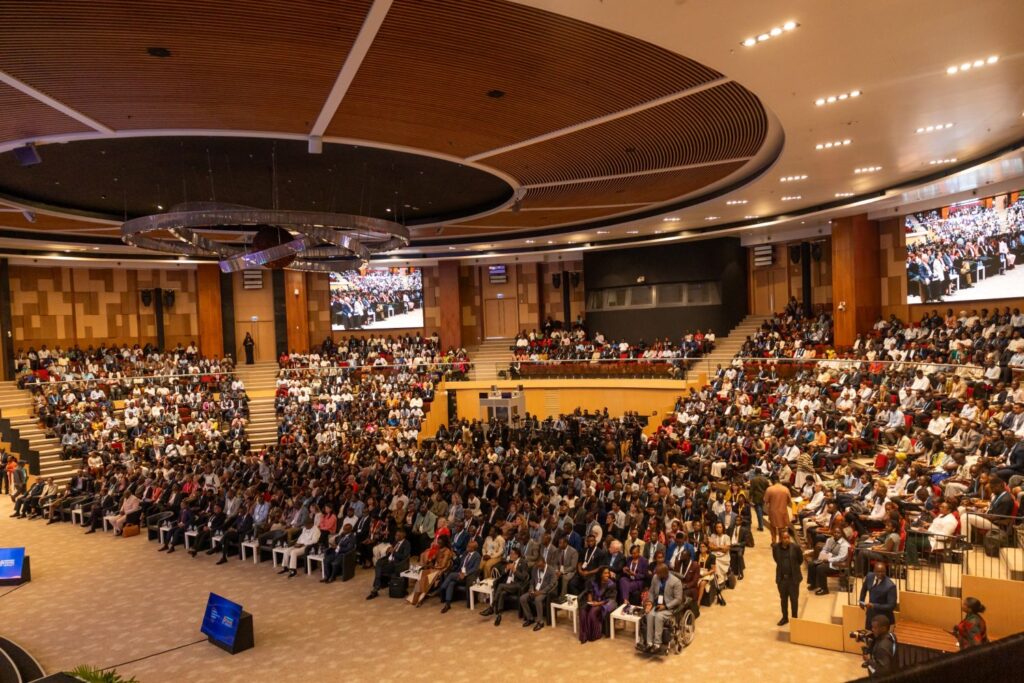
“Africa’s health innovators have shown what is possible. Our shared task is to help them scale. The true value of innovation is not measured by the technologies we deploy, but by how effectively they strengthen the people who deliver care,” Chirombo said
Scaling, however, cannot simply mean putting more technology into the health sector. It means ensuring that innovation strengthens the people who actually deliver care and produces measurable improvements for those who receive it.
That is perhaps the clearest measure of how far Rwanda’s HealthTech journey has come in five years.
The conversation has moved beyond whether Africa can build health technology and towards whether those innovations can become part of the everyday machinery of healthcare.
Rwanda is still building that system and five years after the summit began, the country is no longer simply discussing what connected healthcare could look like. It is increasingly putting the pieces together.