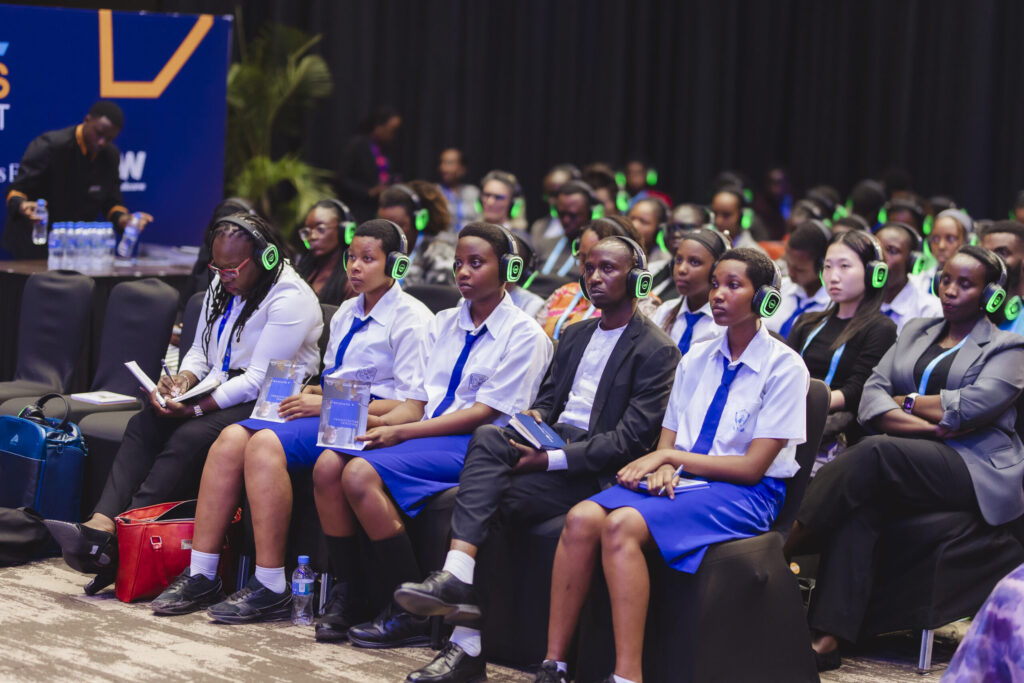
Students should find education in schools but they should also be places where health problems are noticed and acted on early.
KIGALI – Rwanda is gradually turning schools into not only teaching centers but also places where health problems are noticed early, trusted information is available and a student in difficulty can be connected quickly to the right support.
The development comes as adolescent health challenges increasingly intersect with education, family life, communities and the digital world, exposing the limits of systems that operate separately.
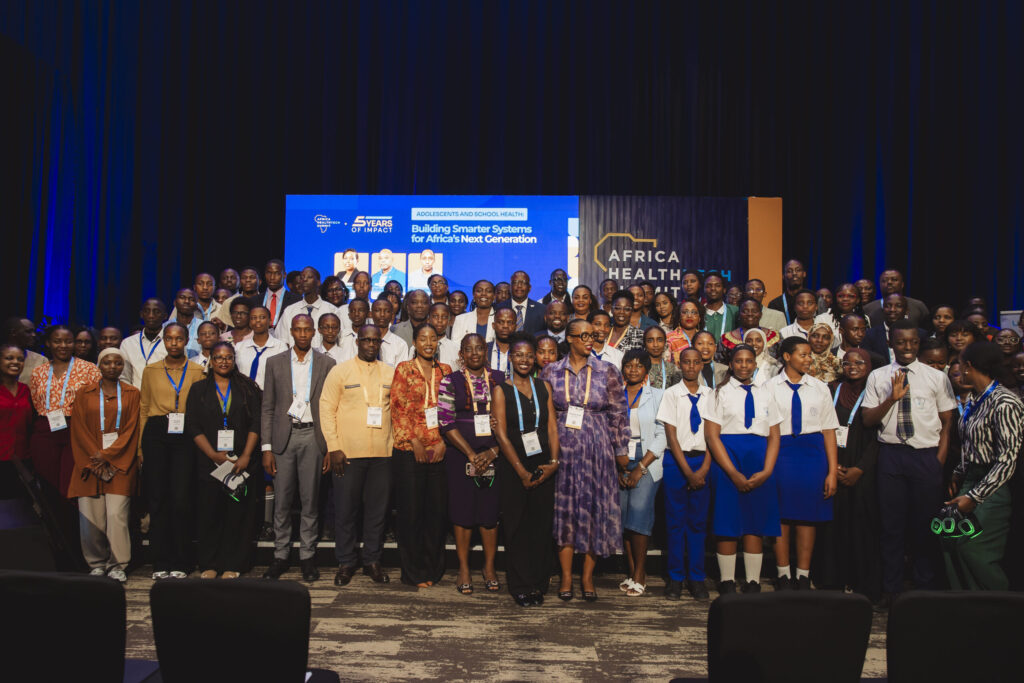
At the Africa HealthTech Summit, Minister of State for Education Claudette Irere said Rwanda has already built much of the infrastructure needed to identify when a young person is struggling.
“We have built the bigger part of the system that notices who is missing. The task before us, and the system is to build the part that responds where information leads to action,” Irere said.
This urgency is underscored by Rwanda’s latest health data from the 2025 Demographic and Health Survey which shows that 8% of girls aged 15–19 had ever been pregnant, up from 5% in 2019–20.
It points to a challenge that cannot be separated from what happens in schools and the support available to adolescents beyond the classroom.
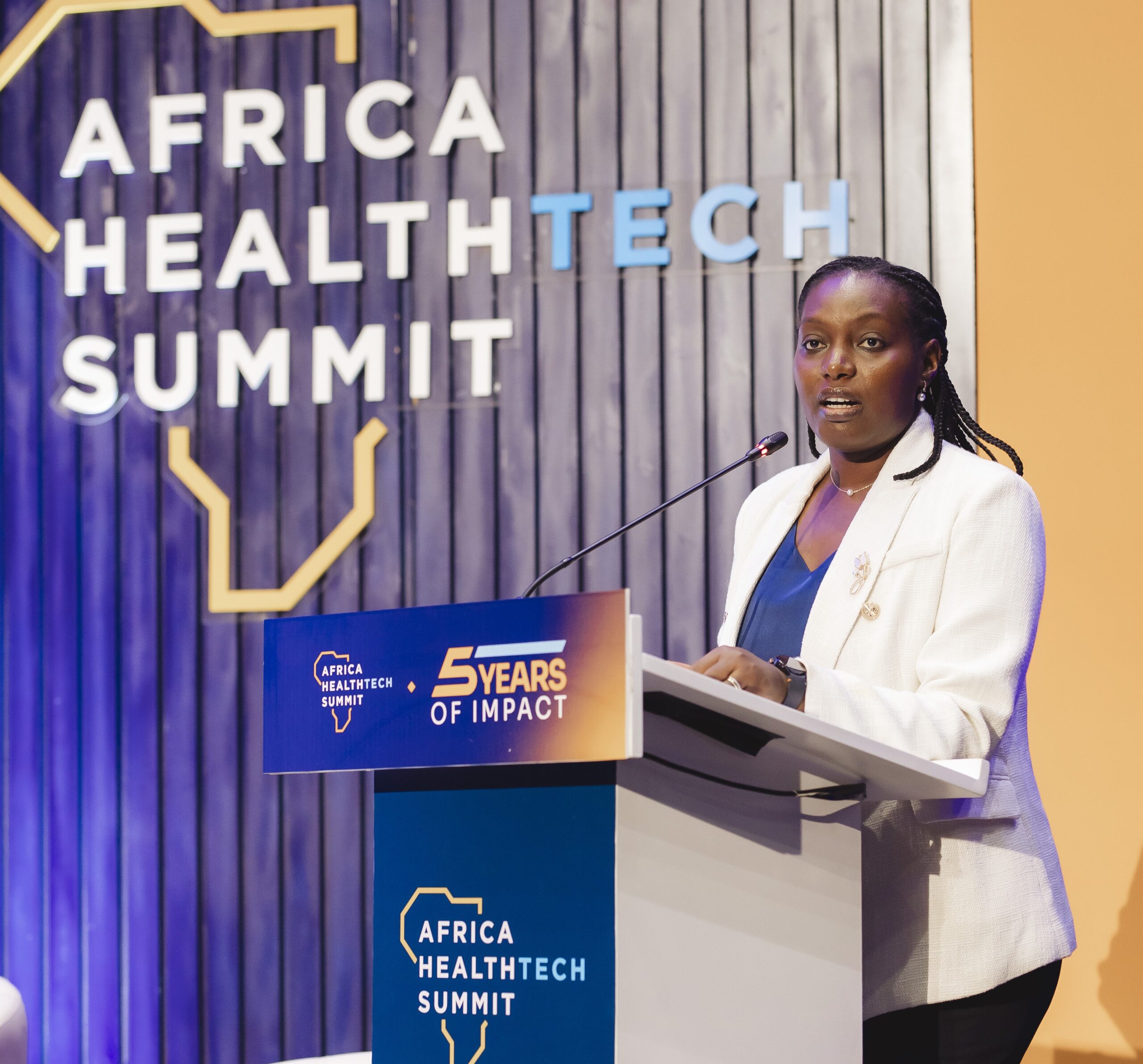
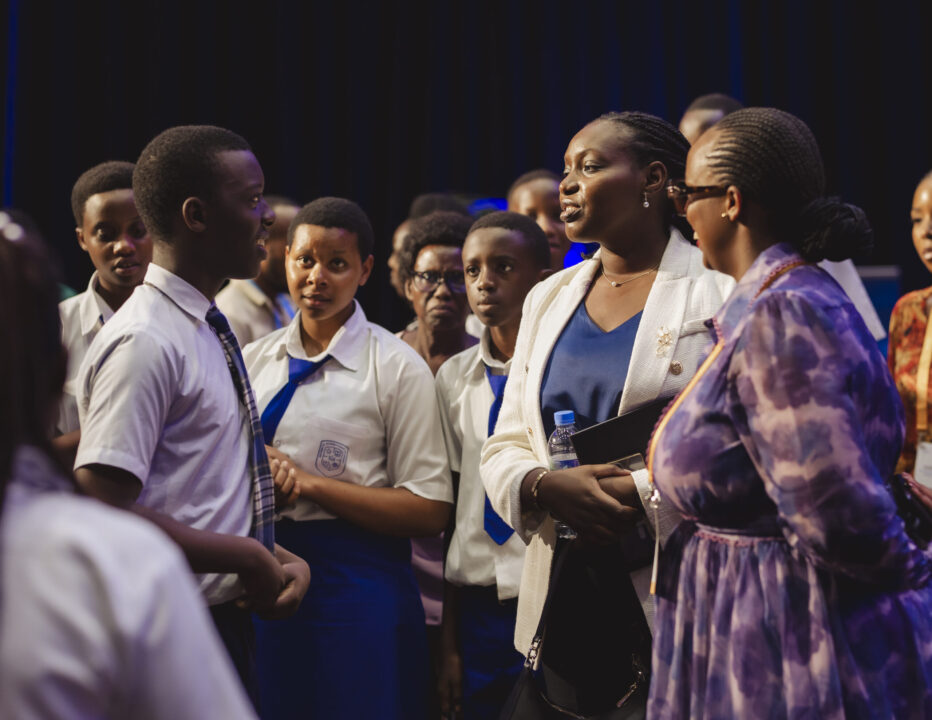
Minister of State for Education Claudette Irere.
But teenage pregnancy is only one part of a wider challenge that includes mental health, sexual and reproductive health, social pressures and the growing difficulty young people face in separating reliable information from misinformation online.
“A student who arrives anxious, unwell, hungry, or burdened by a problem they cannot talk about may be in their seat, physically, but is not in a position to learn,” Minister Irere said.
That idea is behind a broader effort to connect schools with families, health facilities and communities, while using technology to make those connections faster.
Rwanda already has systems that capture school attendance in real time, including offline, allowing patterns of absence to be identified while there may still be time to intervene.
Jean-Philbert Nsengimana, chairman of the Africa HealthTech Summit, said adolescent and school health had been missing from broader conversations about the continent’s changing health burden.
“We started realizing that there are important parts of the population, of our people, that are missing in the conversation. Schools are a critical place where health and illness actually unfold.,” he said.
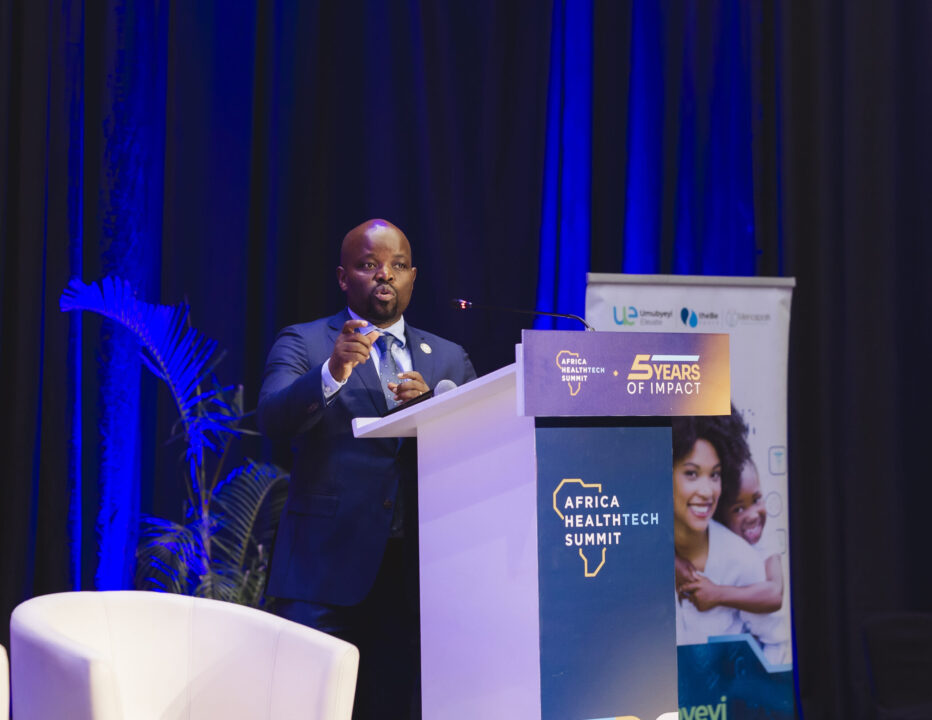
Technology has already become part of how adolescents seek answers, including through generative artificial intelligence but technology without reliable information and local context can expose young people to misinformation rather than help.
Marie Ange Nikuze, representing Umubyeyi Elevate, said the young people at the center of the discussion should not simply be recipients of solutions developed by adults.
“Young people are not the audience for this solution, you are the architects. We need to build tools grounded in credible health information, available in local languages and capable of directing to real services and strong enough to protect their privacy,” she said.
That places a pressing demand on Rwanda’s emerging model where systems must not only identify adolescents who need help, but must be trusted enough for young people to use them.
Nikuze explained that trust has to be built into the way adolescent health solutions are designed, because young people will only seek help when they believe the system understands their reality and will respond without exposing them.
The ambition ultimately comes down to whether the connection between school and health changes what happens to a young person in difficulty.
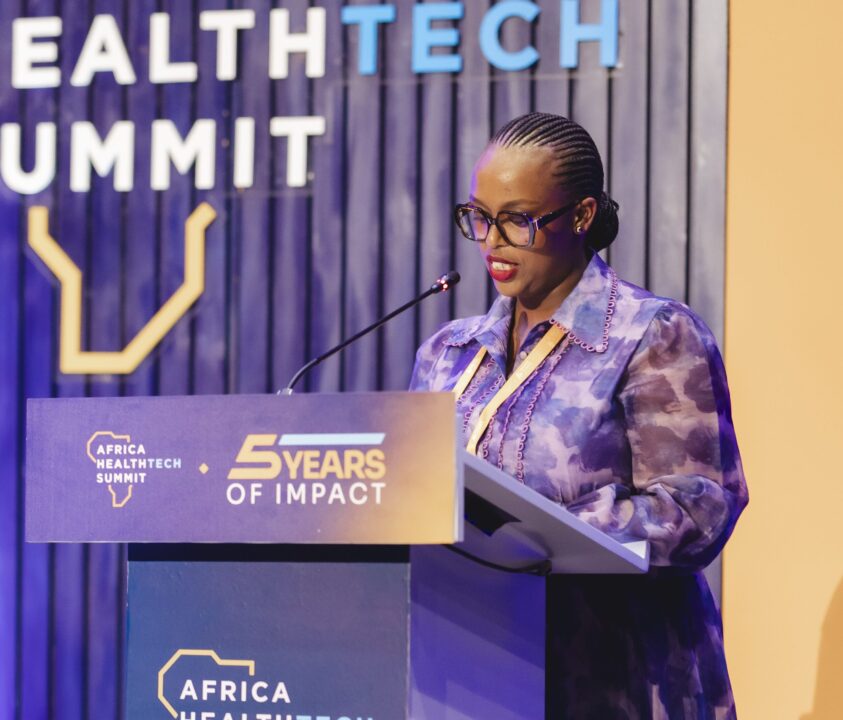
Marie Ange Nikuze from Umubyeyi Elevate.
In a generation where learning starts with well-being, Rwanda’s next step is to ensure that when a school notices that something is wrong, the system does not stop at noticing.
For UNFPA, the solution also requires moving beyond individual interventions and embedding adolescent health into the structures young people already use.
UNFPA Rwanda has supported the integration of comprehensive sexuality education into Rwanda’s national curriculum, reaching deans of studies in more than 1,500 secondary schools across all 30 districts.
The approach has also been extended to TVET education, alongside teacher training, parent engagement, referral links and access to information.
UNFPA Rwanda Country Representative Dr. Olugbemiga Adelakin said this is what prevention looks like when adolescent health is treated as a systems issue rather than a collection of isolated campaigns.
“Adolescent well-being is a complex systems problem. High rates of teenage pregnancy, barriers to sexual and reproductive health information and services, mental health struggles, and social stigma do not exist in isolation,” Olugbemiga said.
But connecting systems will not be enough if young people themselves remain outside decisions about how those systems are designed.