



Rwanda’s agreement to host a Formula 1 Grand Prix in the early 2030s marks a major milestone for the country and the African continent. The ten-year deal will bring the sport back to Africa for the first time since 1993, opening a new chapter for African motorsport.
Yet Thérèse Kayikwamba Wagner, the Democratic Republic of the Congo’s Foreign Affairs Minister, has greeted the announcement with condemnation. What could be celebrated as an opportunity to raise Africa’s global profile has become another target of Kinshasa’s diplomatic campaign against Rwanda.
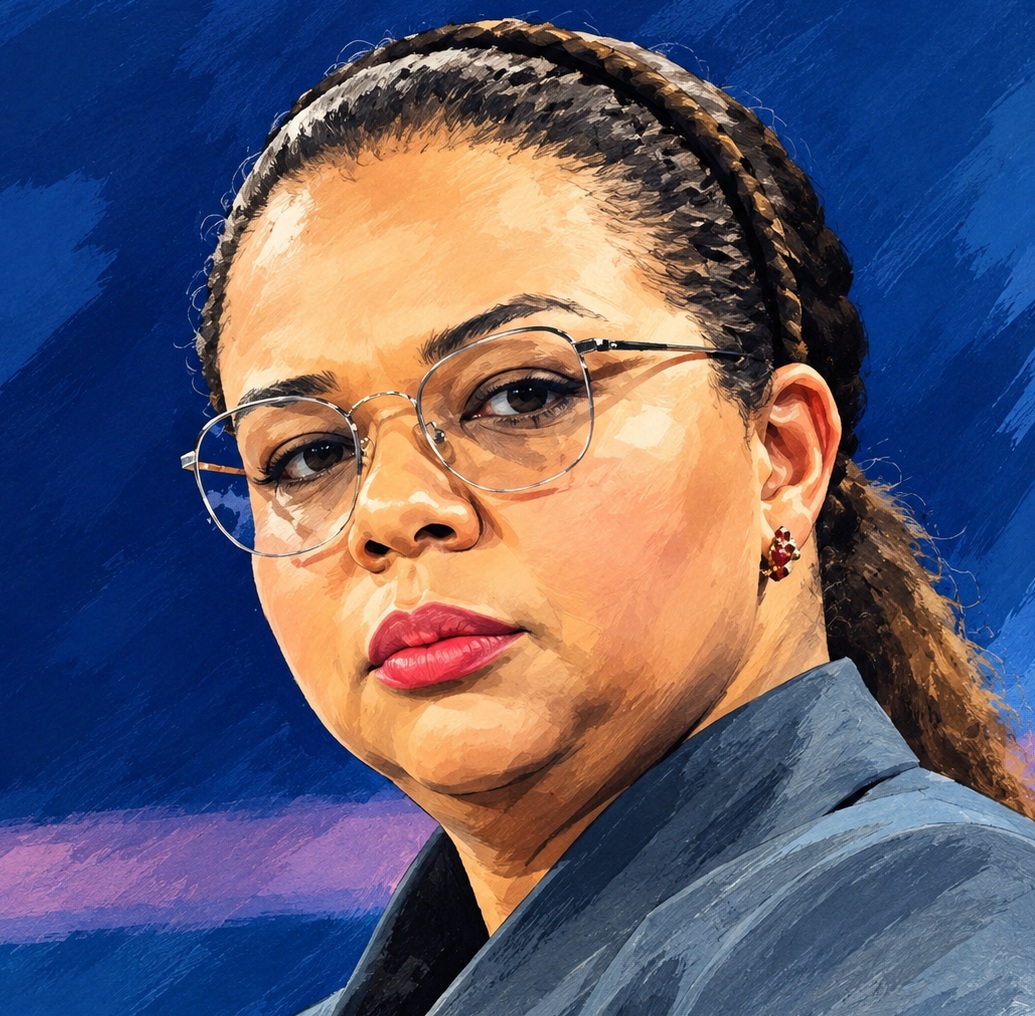
Speaking to the Associated Press, in comments also published by Al Jazeera, Kayikwamba argued that hosting the race would “polish the image of an authoritarian leader.” Her objection reduces a major sporting and commercial undertaking to a question of President Kagame’s image.
What a strange diplomatic priority; under normal circumstances, a Foreign Minister should be opening doors for her country, however, Kayikwamba is increasingly occupied with trying to close those opening for Rwanda.
Kayikwamba’s blatant sabotage of Rwanda’s strategic interests is not new. In February 2025, she wrote to Formula 1 urging it to abandon its plans for Rwanda. Now that the official announcement has been made, it simply shows that her campaign did not achieve its intended result.
Rwanda’s ambitions have continued to advance because they form part of a broader strategy. Through Visit Rwanda and international sporting partnerships with PSG, Arsenal, Atletico, Aston Villa, BAL to mention a few, the country has worked to attract visitors, investment and business opportunities. Formula 1 is another step along that road.
At the announcement in Kigali, Formula 1 CEO Stefano Domenicali thanked President Kagame and the institutions involved in securing the agreement. He also highlighted its potential to support tourism, investment, skills and local businesses. These are practical opportunities whose value extends well beyond the race itself.
Kayikwamba is entitled to express her government’s position. But her determination to challenge Rwanda’s progress invites scrutiny of her own government’s priorities.
What Kayikwamba, as Tshisekedi’s overseer of the foreign affairs docket, should be focusing on is the damage being done to her country’s international image, as facts continue to emerge against her master Tshisekedi over the embezzlement of over USD700 million meant for the country’s Ebola response mechanism.
Congolese citizens face urgent questions about the management of state resources intended to protect their lives. Africa CDC and Congolese health ministry authorities had raised concerns about more than $700 million in Ebola response funding that remained unaccounted for, citing gaps in financial reporting by aid organizations. That demands transparent accounting and clear answers from everyone responsible.
There are also serious questions surrounding reports that Belgian police raided Tshisekedi’s Brussels-based properties as part of ongoing investigations on money laundering and large-scale looting of Congolese minerals resources by President and his immediate family members. These are matters that bear directly on the DRC’s international reputation. Attacking Rwanda’s sporting ambitions will neither answer them nor restore public confidence.
Instead of making Rwanda the target of her diplomatic attacks, Kayikwamba should focus on the serious questions surrounding her own government. A foreign affairs minister’s responsibility is to defend her country’s credibility and interests on the international stage not to distract public attention from allegations facing her own regime.
No lobbying or media offensive campaigns can substitute for a credible national development strategy. Rwanda will continue to pursue its ambitions. The real question is not why Rwanda is succeeding, but why its success provokes such hostility from a neighbor whose citizens also deserve progress and prosperity.
