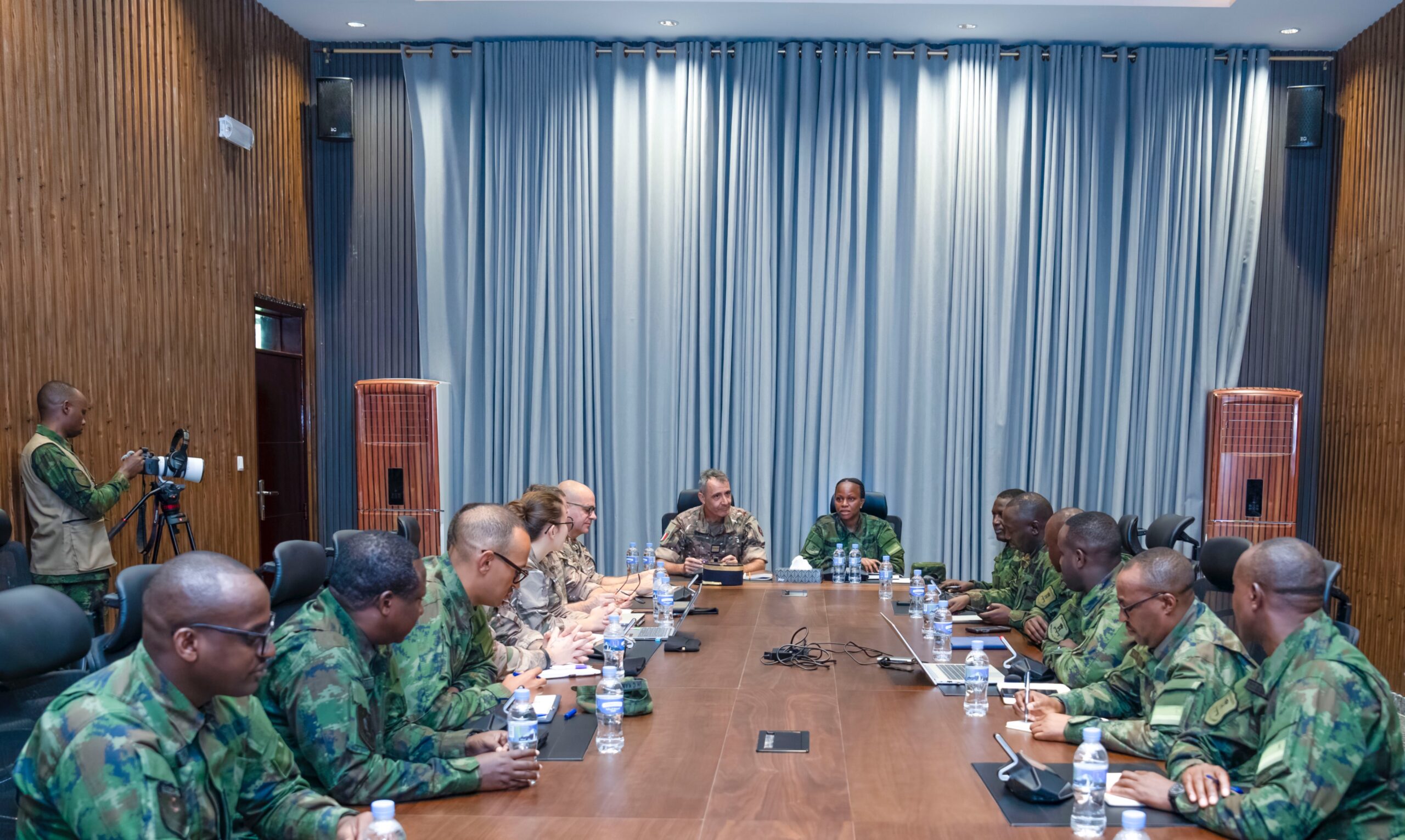


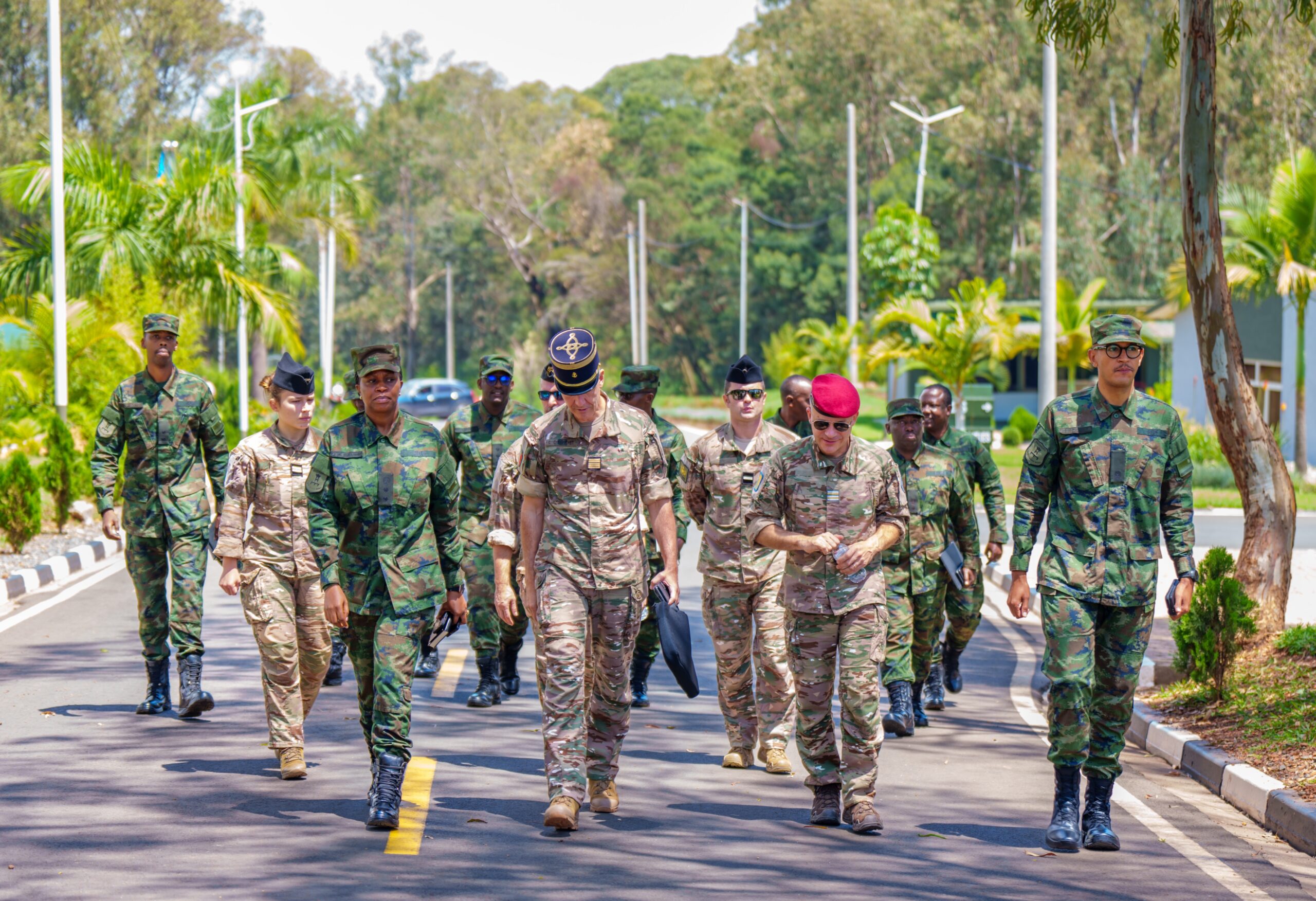
French military combat engineering experts are in Rwanda to help the Rwanda Defence Force (RDF) develop specialised capabilities to detect, prevent and respond to improvised explosive devices (IEDs), commonly known as homemade bombs.
The French team, led by Lt Col Benoît Saint-Paul and accompanied by France’s Defence Attaché to Rwanda, Col Cyril Chevauchet, visited the RDF Engineer Command Headquarters, where they were received by the Deputy Commander, Col Marie Claire Muragijimana.
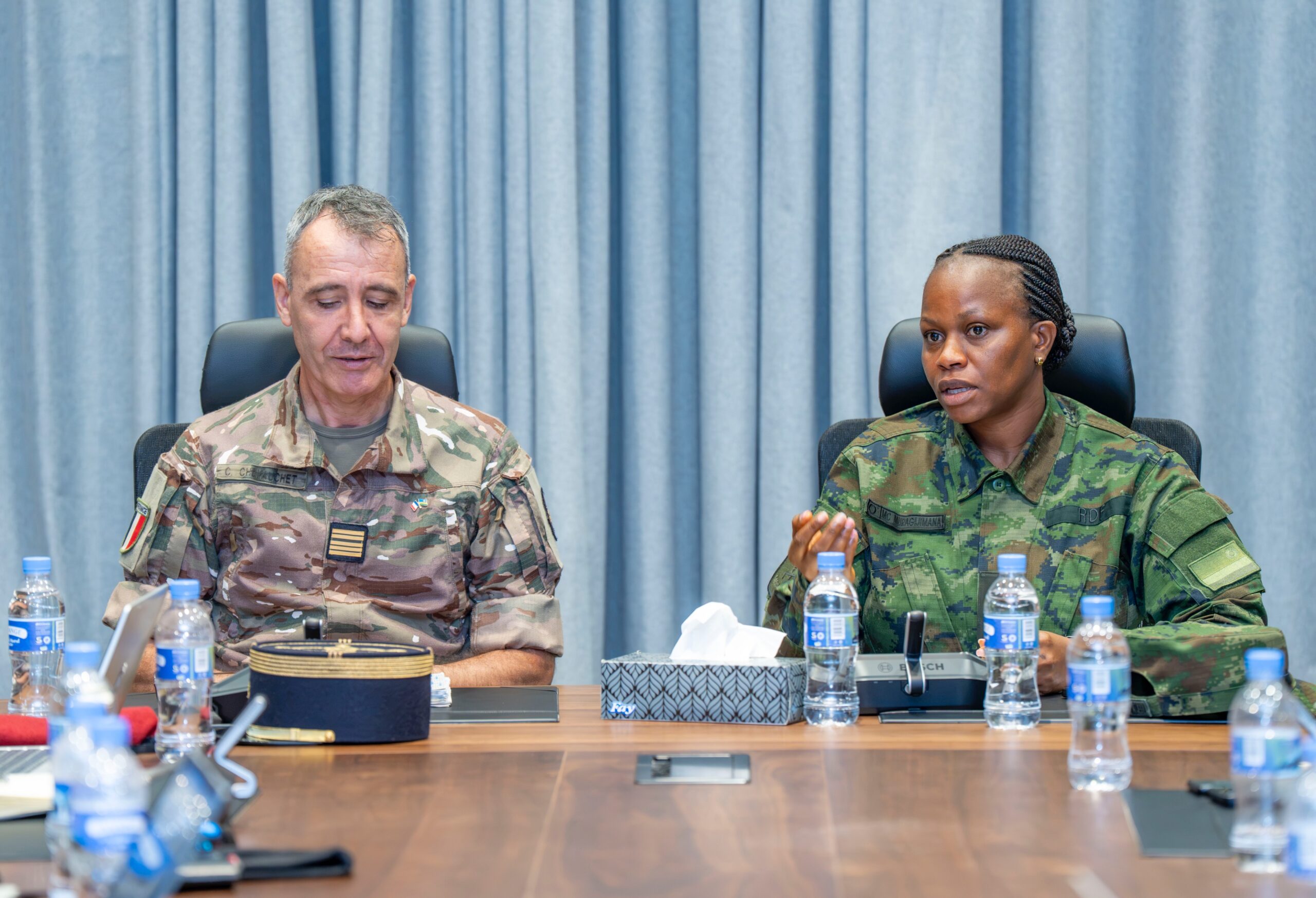
The visit is aimed at strengthening military cooperation between France and Rwanda through the exchange of technical knowledge and expertise, with a particular focus on developing a specialised Counter-Improvised Explosive Devices (C-IED) capability.
IEDs are explosives made or assembled using materials that are not necessarily designed for military use. They can be concealed along roads, inside buildings or in other locations before being detonated remotely or through contact.
They are frequently used in conflicts involving armed groups, particularly in areas where conventional military forces face irregular warfare tactics. Roadside bombs, for instance, have caused significant casualties among soldiers and civilians in conflict zones across Africa and elsewhere.
Counter-IED operations involve identifying explosive threats, detecting devices, safely dealing with them and disrupting the networks responsible for making and deploying them.
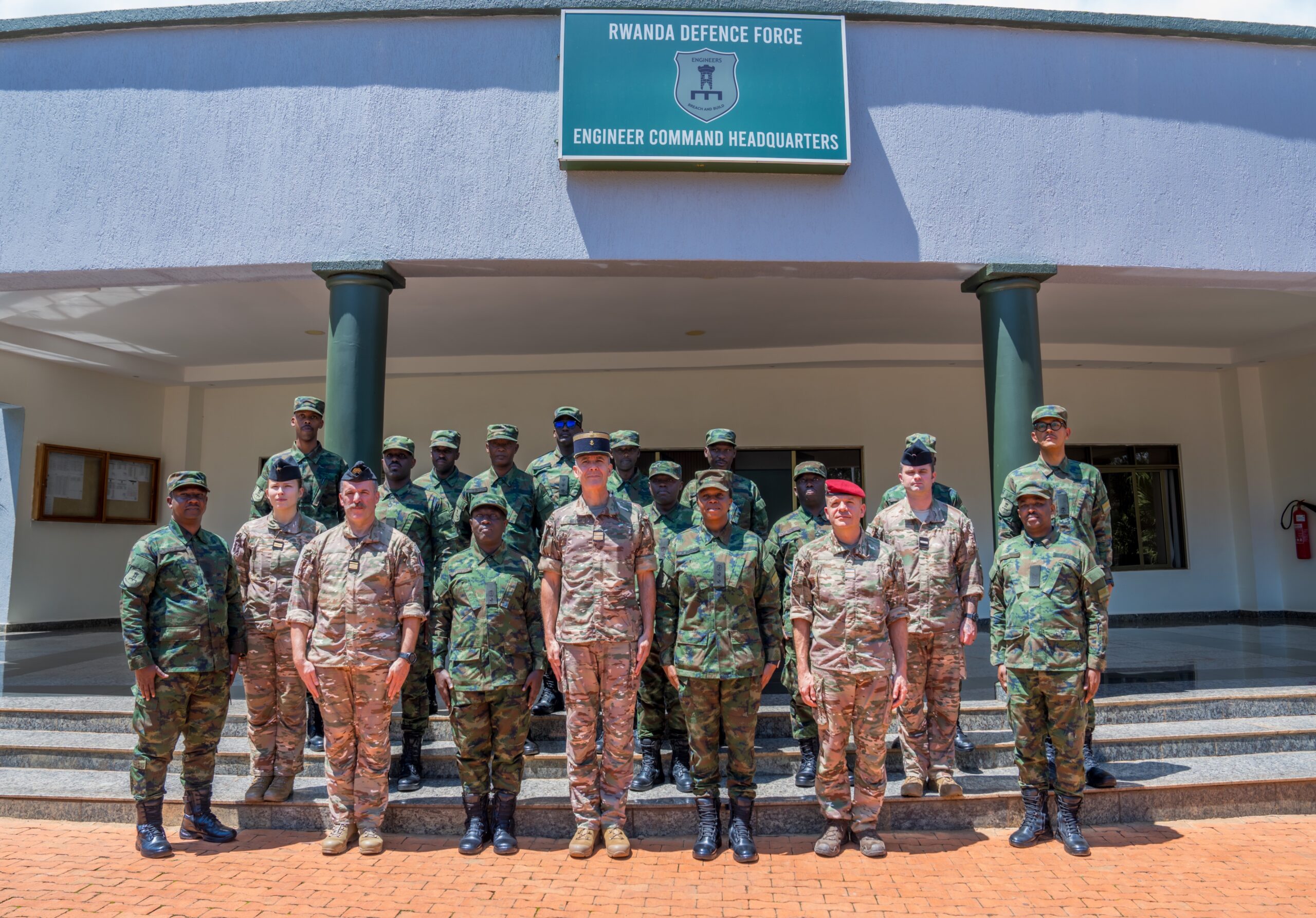
For the RDF, developing this capability could strengthen the protection of troops operating in areas affected by armed conflict, including during peacekeeping missions and other security operations.
Combat engineers play an important role in military operations, supporting troop movements, clearing obstacles, constructing defensive positions and dealing with explosive hazards.
The French engagement is expected to contribute to RDF’s technical expertise in this specialised field, although details of the proposed training, equipment support and implementation arrangements were not disclosed.
The visit comes amid continued security challenges in several African conflict zones, where improvised explosive devices have increasingly been used by armed groups against military forces and civilians.