


Dr Edouard Bizimana
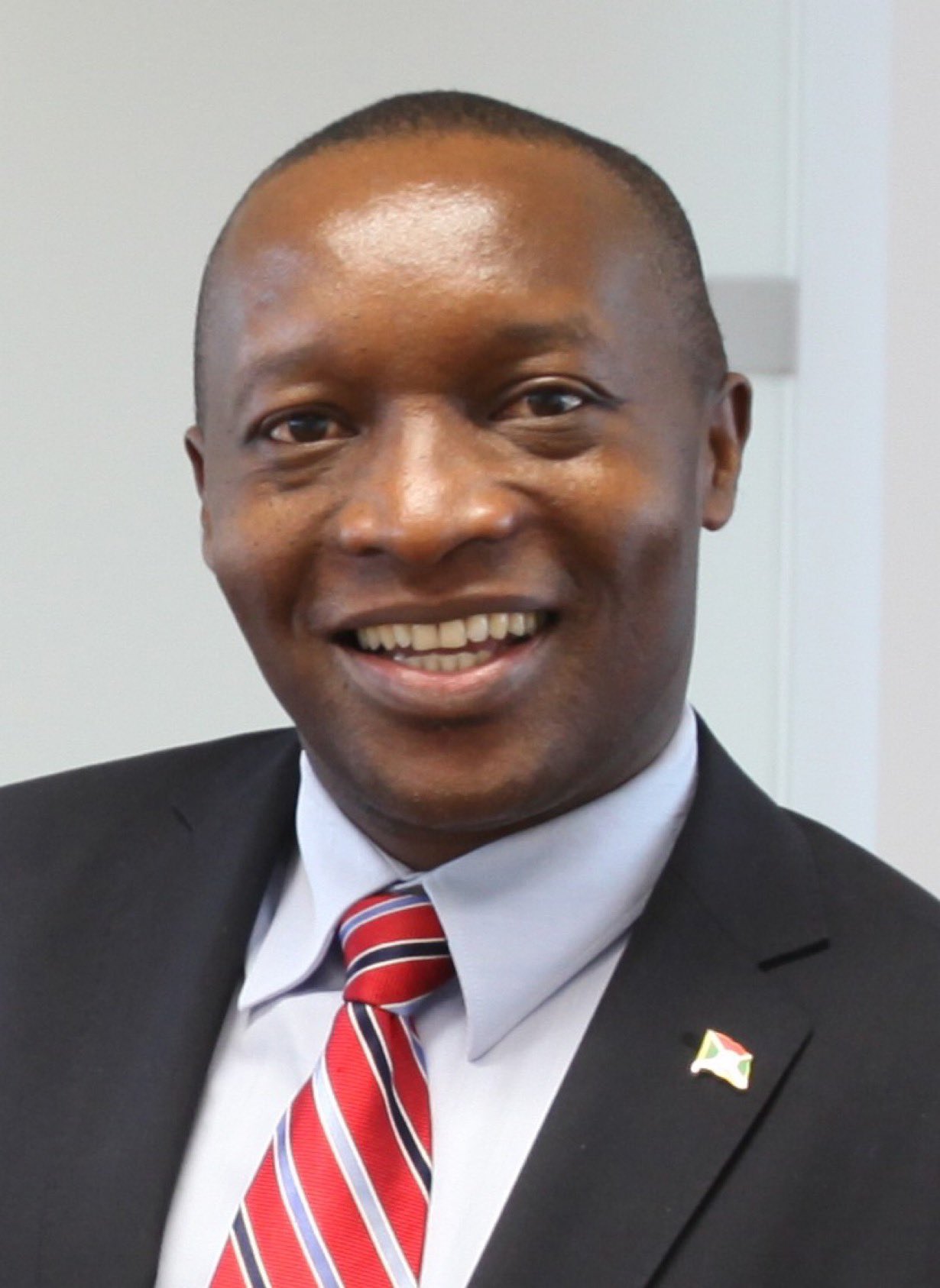
Burundi’s newly appointed Foreign Minister, Dr. Edouard Bizimana, is facing mounting scrutiny over a series of inflammatory tweets that critics say portray him as sympathetic to the FDLR — a militia group composed in part of perpetrators of the 1994 Genocide against the Tutsi in Rwanda.
The controversy threatens to overshadow his appointment and raises fundamental concerns about his suitability for one of the country’s most sensitive diplomatic roles.
An academic and seasoned diplomat, Dr. Bizimana previously served as Burundi’s ambassador to the United States and Russia.
But his record of public comments on social media — particularly regarding regional security dynamics — paint a starkly different picture of his views.
His online statements question long-held regional consensus on the FDLR and reveal a combative and divisive tone unbecoming of a foreign minister.
Dismissing FDLR as a Threat
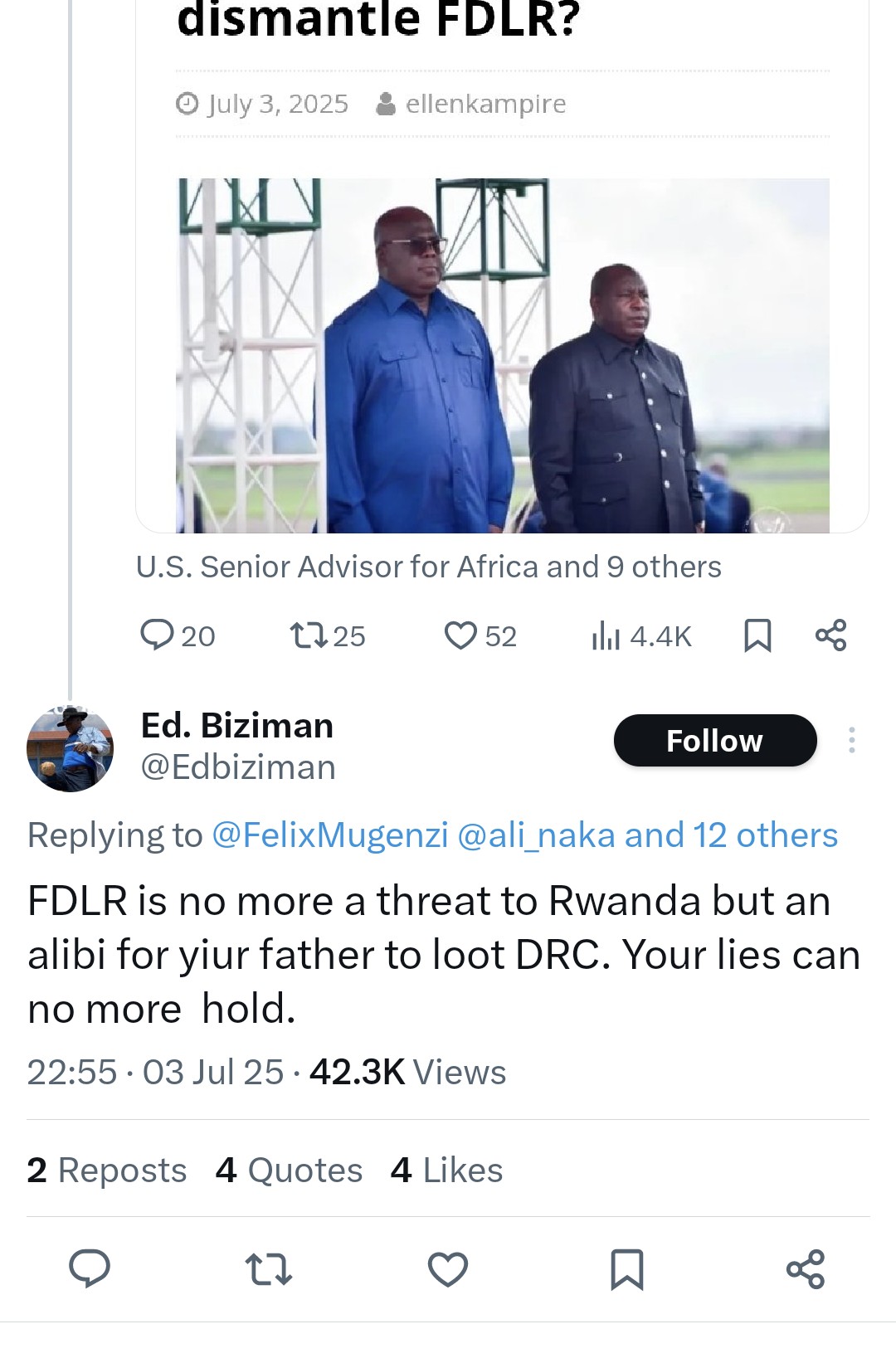
In one of his most provocative X posts made as recently as July 3, Dr. Bizimana claimed:
“FDLR is no more a threat to Rwanda but an alibi for your… to loot DRC. Your lies can no more hold.”
This comment not only downplays the FDLR’s known role in destabilizing the eastern Democratic Republic of Congo (DRC), but also makes unsubstantiated and accusatory remarks toward Rwanda.
The FDLR — the Forces Démocratiques de Libération du Rwanda — is internationally recognized as a terrorist group made up, in part, of individuals involved in the 1994 genocide.
The UN and other international bodies have long cited the FDLR’s involvement in mass killings, sexual violence, and recruitment of child soldiers in eastern DRC.
By labeling it merely a Rwandan scapegoat, Dr. Bizimana risks lending credence to conspiracy theories often used to excuse the group’s actions and to deflect accountability.
This stance is particularly controversial given his diplomatic background and academic training in international law.
Playing the Ethnic Card
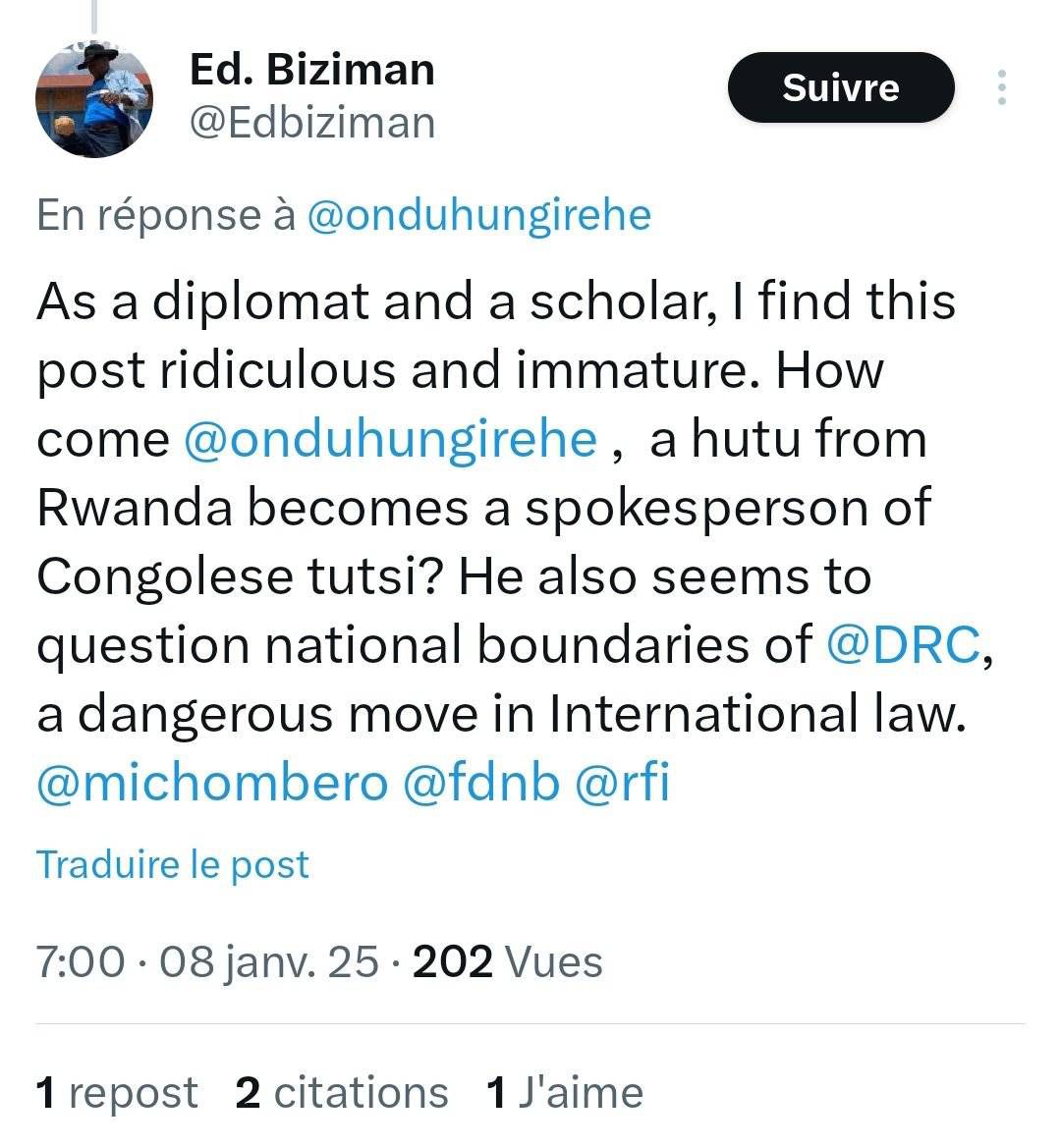
In another contentious X post released on January 8 directed at Olivier Nduhungirehe — Rwanda’s Minister of Foreign Affairs, essentially the person with whom they will meet very often, — Dr. Bizimana wrote:
“As a diplomat and a scholar, I find this post ridiculous and immature. How come @onduhungirehe, a Hutu from Rwanda becomes a spokesperson of Congolese Tutsi? He also seems to question national boundaries of @DRC, a dangerous move in International law.”
This statement is problematic on multiple levels. It not only injects ethnic identity into a diplomatic argument — a highly sensitive and often dangerous move in the Great Lakes region — but also suggests that an individual’s ethnicity should limit their ability to engage in regional discourse.
Using Hutu-Tutsi identity politics in such a context undermines the professionalism expected of a diplomat, particularly one charged with navigating cross-border tensions in a region still healing from ethnically fueled conflicts.
Moreover, the accusation that Nduhungirehe is questioning DRC’s national borders is made without context or evidence, further weakening Dr. Bizimana’s case and potentially inflaming nationalist sentiments.
A Dangerous Historical Narrative
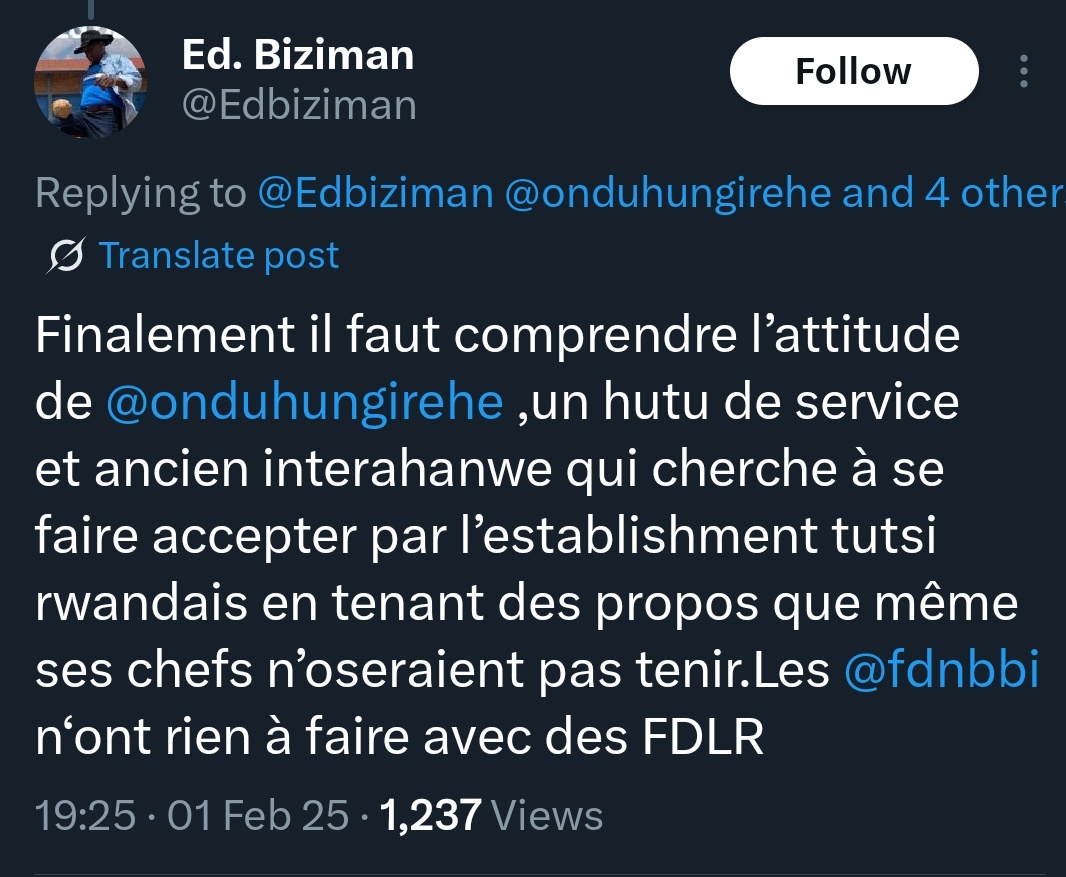
In yet another inflammatory post from February 25, Dr. Bizimana doubled down on his criticism of Nduhungirehe, posting:
“Finally, one must understand the attitude of @onduhungirehe, a Hutu of service and former Interahamwe who seeks to be accepted by the Rwandan Tutsi establishment by holding views that even his leaders would not dare express. The @fdnbbi have nothing to do with the FDLR.”
Referring to someone as “a former Interahamwe” — the militia responsible for the 1994 genocide — is an extraordinarily serious allegation, especially without evidence.
Such remarks not only trivialize the horror of the genocide but also risk inciting hatred.
Additionally, Dr. Bizimana attempts to distance the Burundian army the FNB, from the FDLR, again without context or substantiation, despite overlapping personnel and ideologies in some cases.
UN reports by group of experts have repeatedly demonstrated link between Burundi’s military and intelligent to the FDLR.
An Unfit Diplomat?
The implications of these statements go beyond social media decorum. As Foreign Minister, Dr. Bizimana is expected to foster regional partnerships and represent Burundi in sensitive international arenas.
His public comments could complicate Burundi’s relations with Rwanda — a country it has had a difficult relationship with in recent years — and raise doubts about Burundi’s stance on regional peace and justice.
Moreover, his rhetoric may damage Burundi’s international credibility. The FDLR is under international sanctions, and Western governments — particularly those with stakes in regional security and post-conflict justice — may question Burundi’s commitment to regional stability under Bizimana’s watch.
For a man with diplomatic credentials and academic distinction, Dr. Bizimana’s X feed reads more like a partisan commentator than a senior statesman.
His attacks on individuals based on ethnicity, his defense — or at the very least, dismissal — of internationally condemned armed groups, and his tendency to personalize political debate all point to a troubling disconnect between his responsibilities and his behavior.