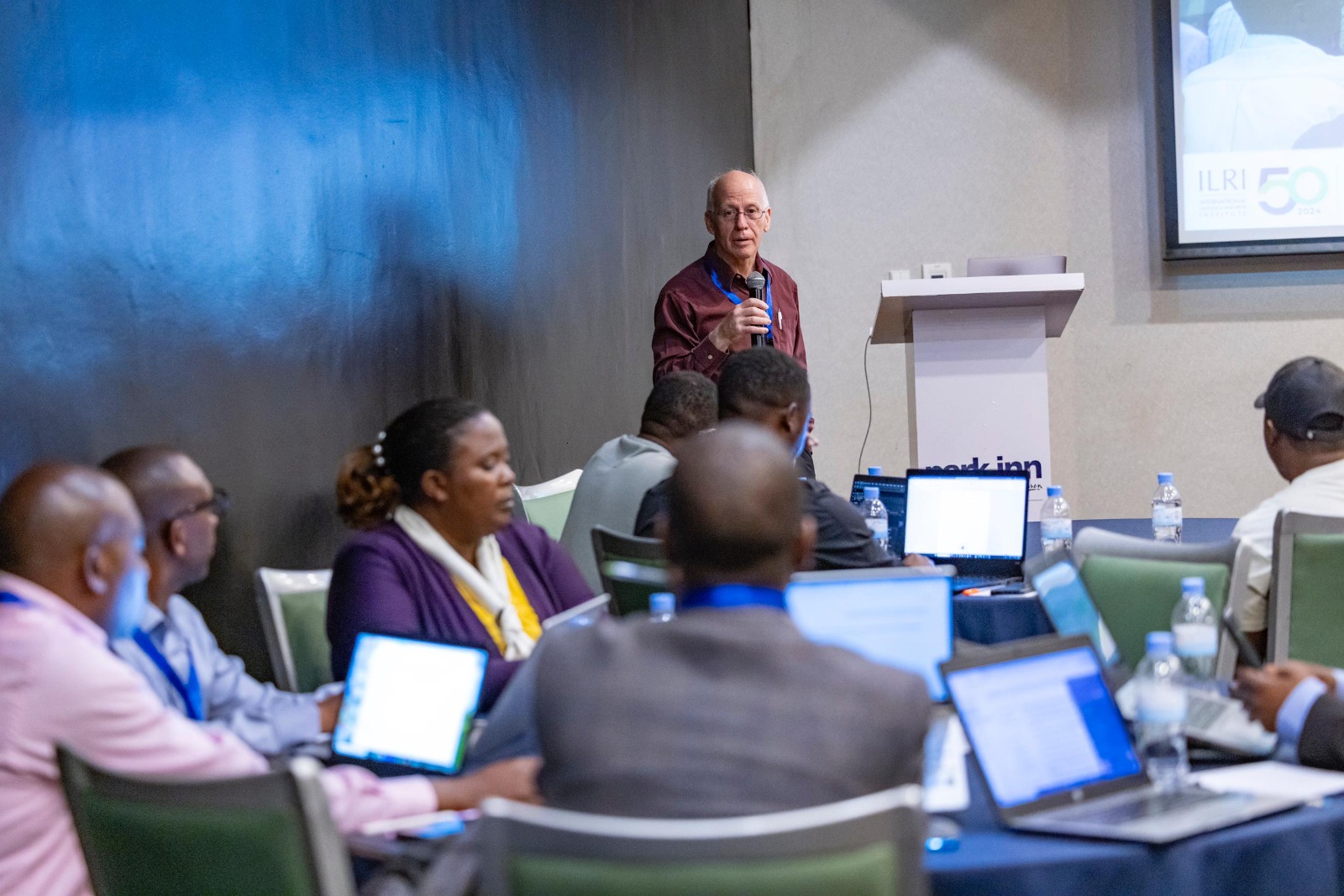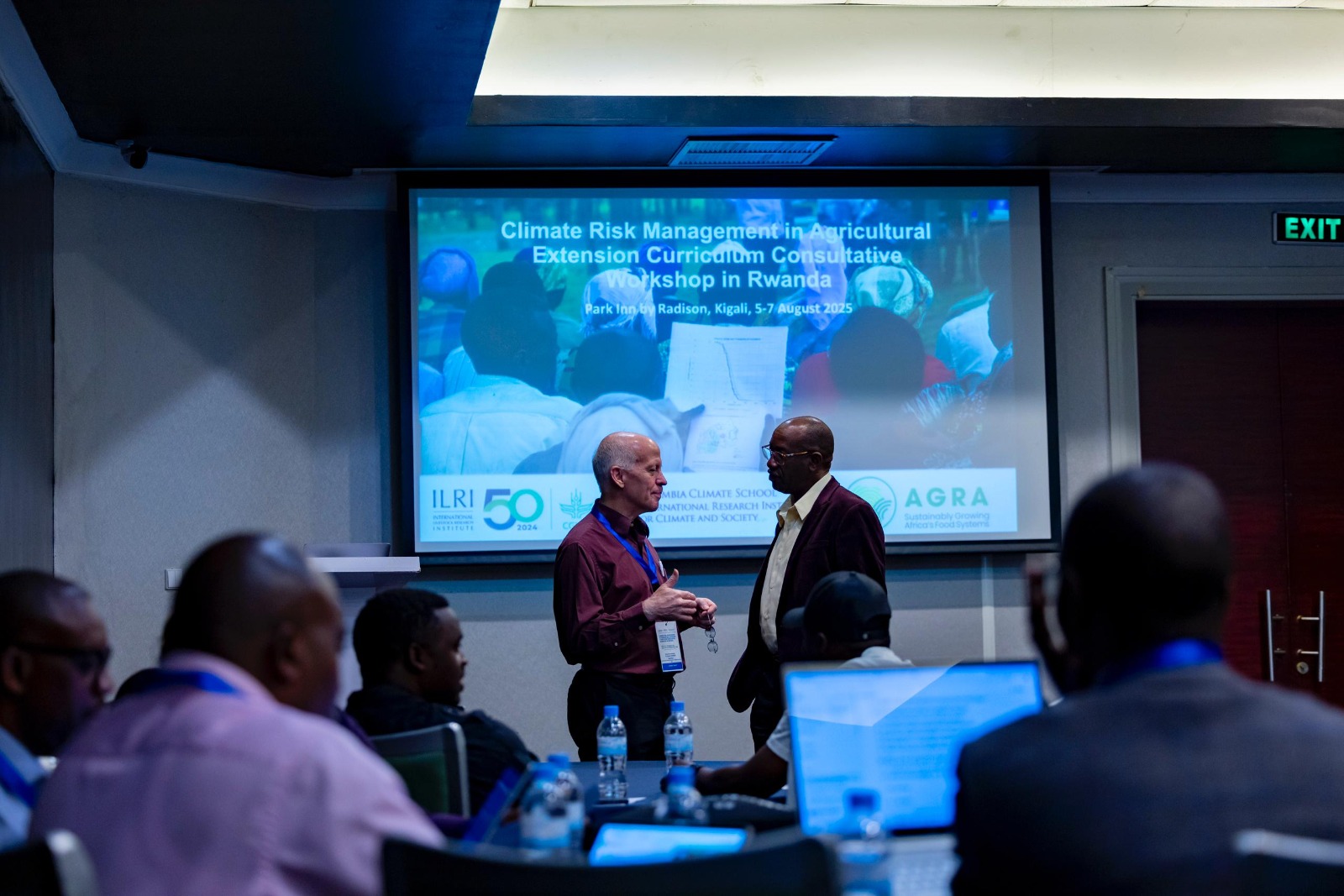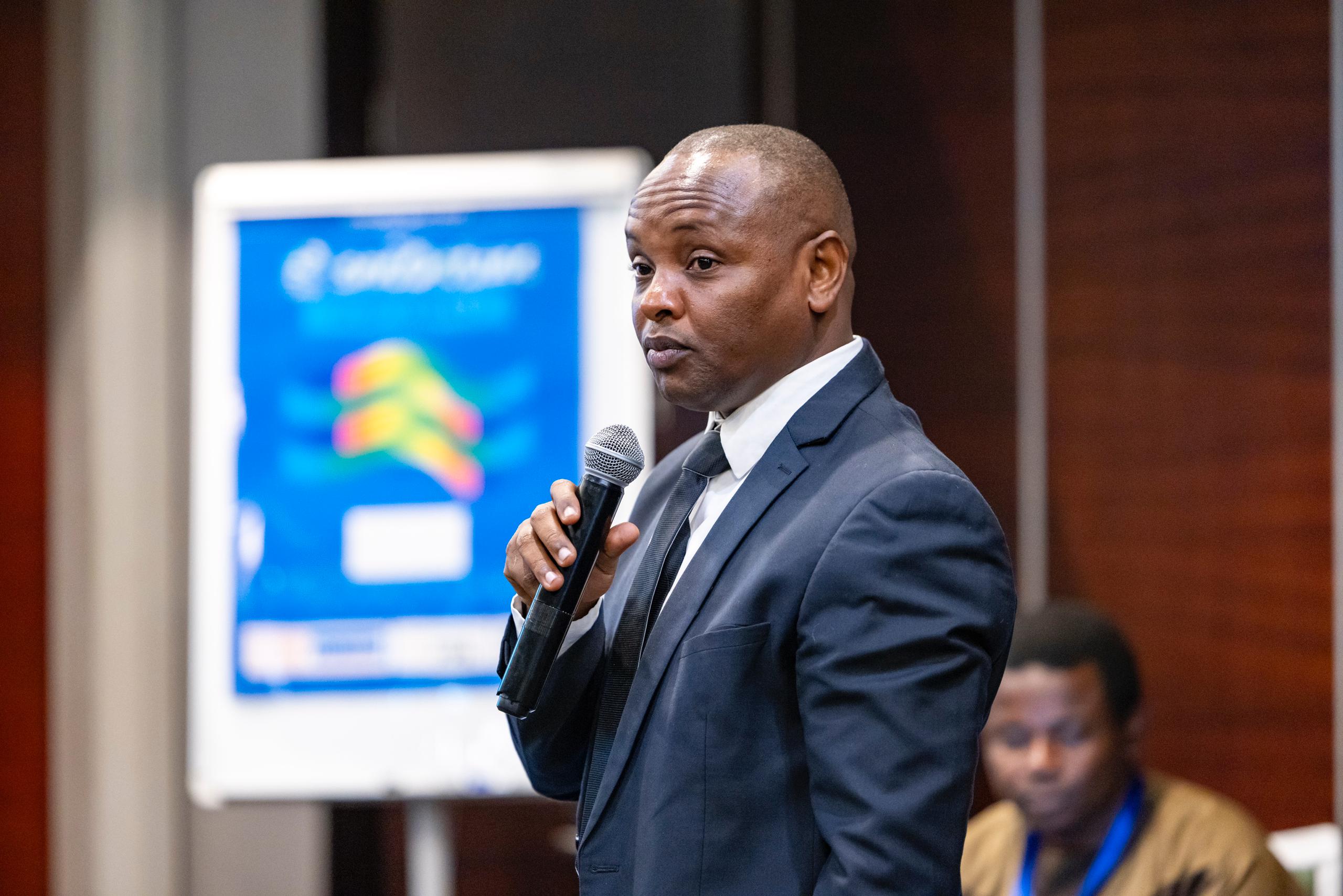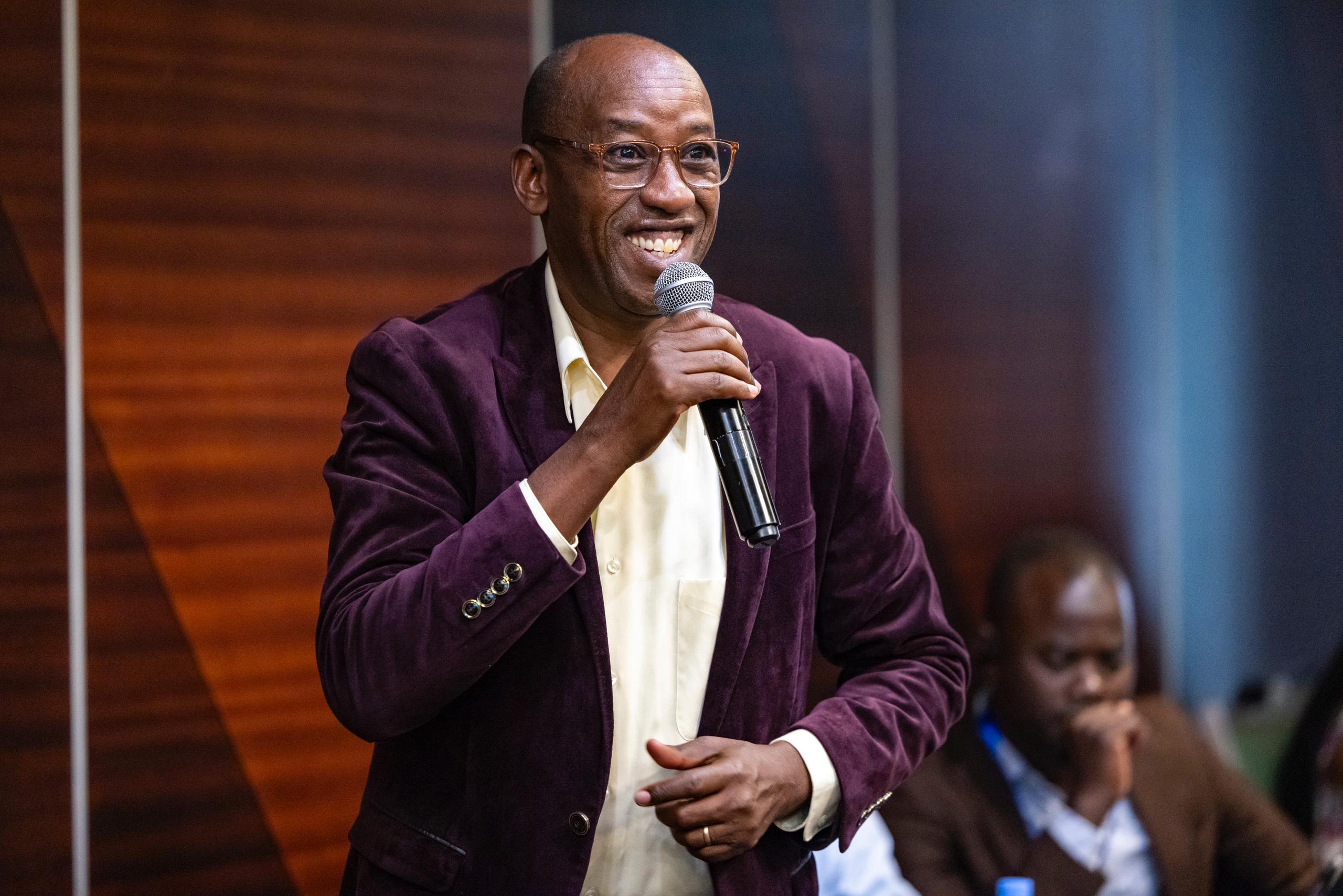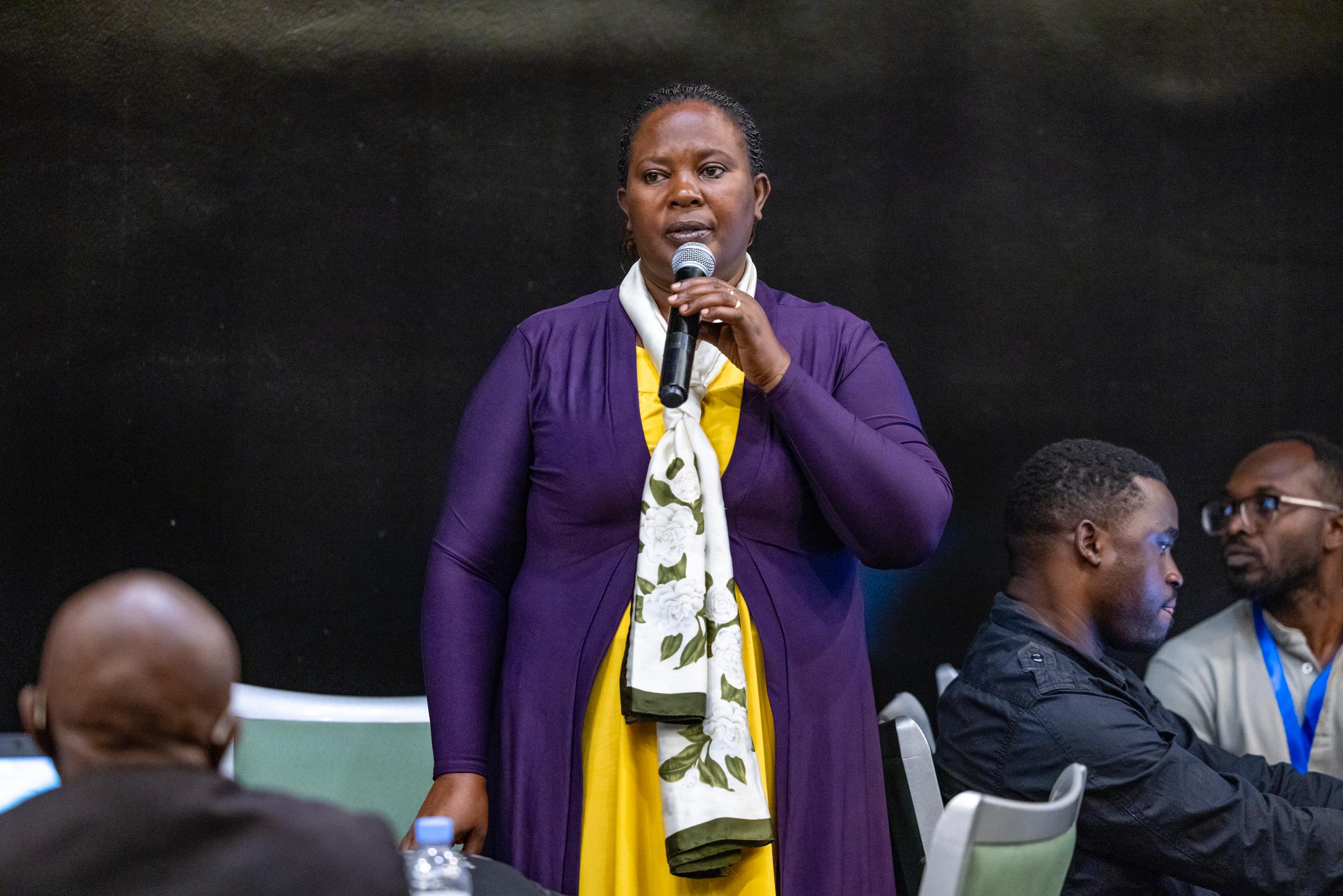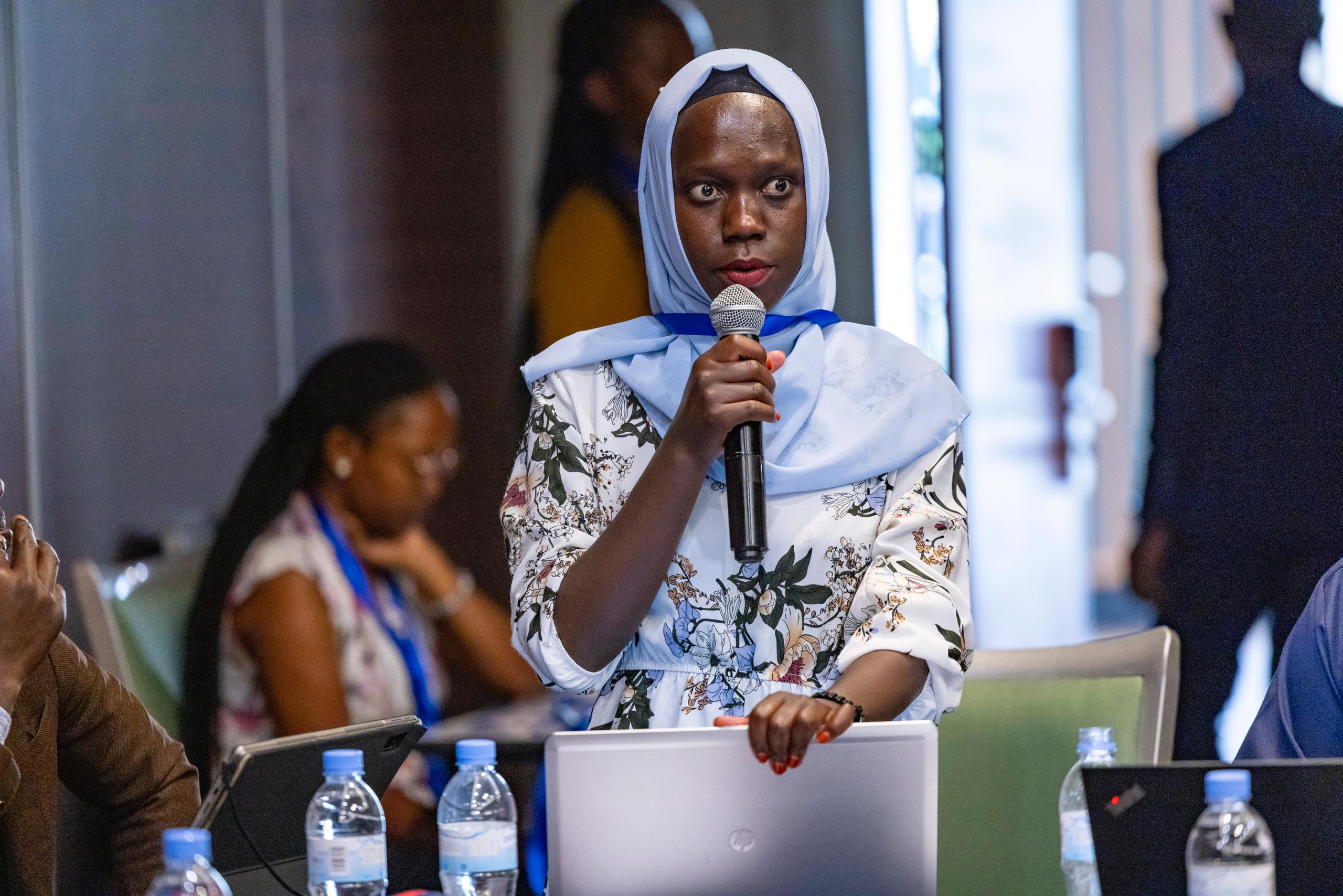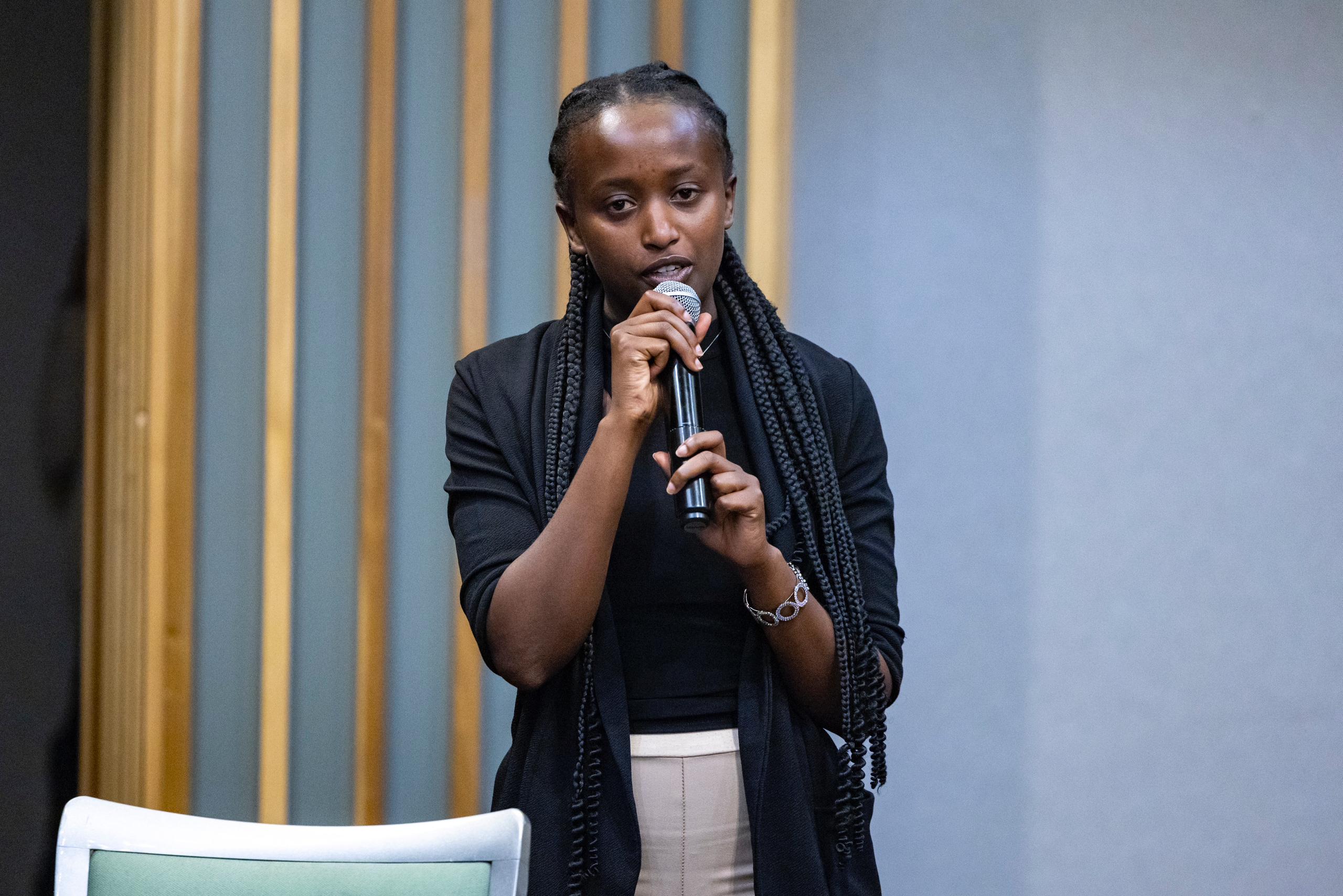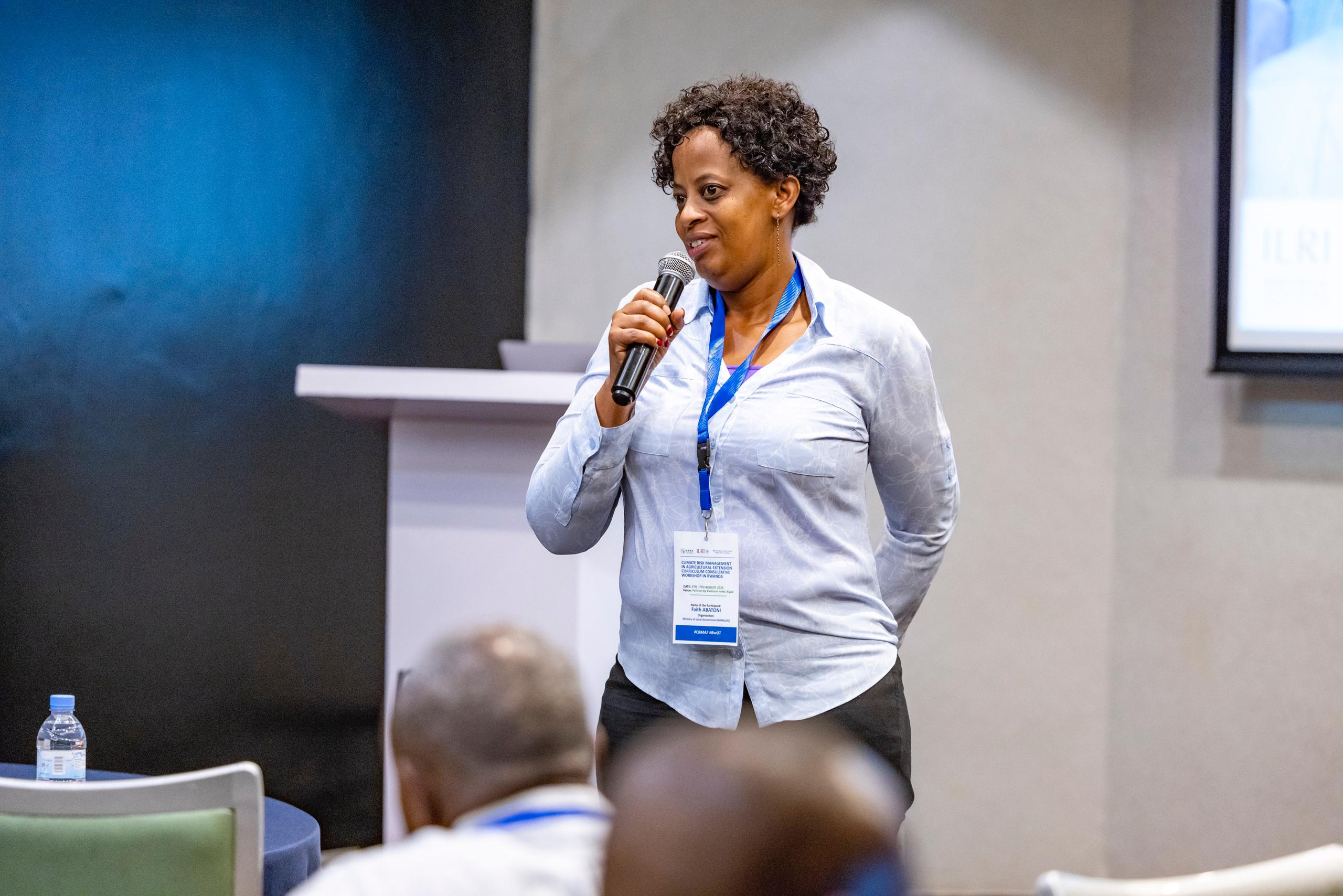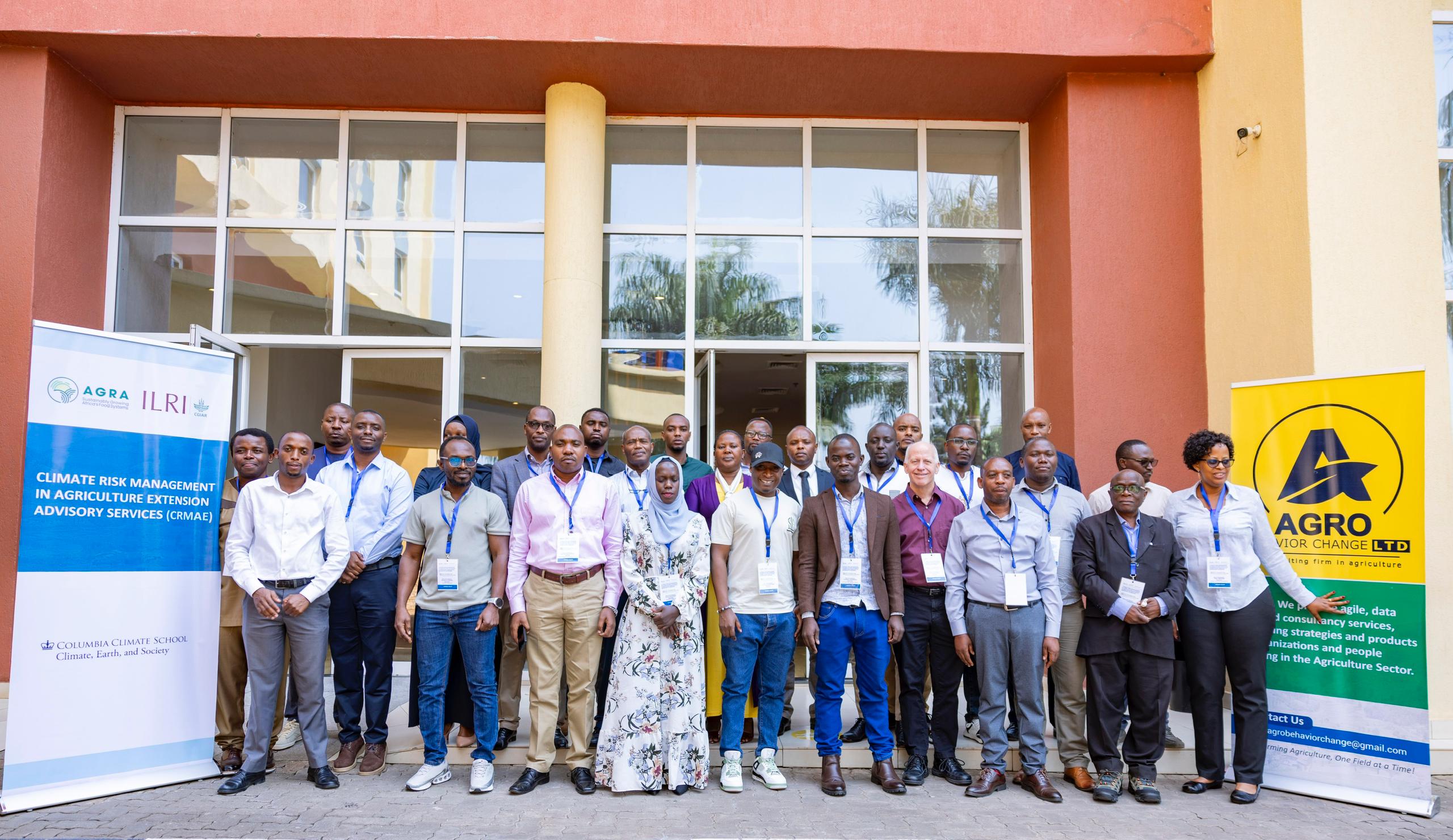
Participants had a group photo as the forum was launched
Climate change remains one of the biggest challenges facing the world today, with farming and livestock among the sectors most affected.
In Rwanda, about 1.2 million hectares of land are dedicated to agriculture, yet unpredictable weather patterns are making it difficult to achieve the expected crop yields.
According to data from the Ministry of Agriculture and Animal Resources (MINAGRI) in 2023, Rwanda needs between 615,000 and 874,000 tons of maize each year to meet national demand.
During the 2024A agricultural season, the target was met, but in the following 2025A season, only 417,000 tons were harvested—well below the national requirement.
Technical advisor Dr. Alexandre Rutikanga from MINAGRI noted that other key crops have also fallen short of expectations.
“Beans should produce between 521,000 and 870,000 tons annually, but I don’t think we’ve ever reached that level in recent years,” he said. “For potatoes, we should be getting between 1.2 and 1.5 million tons a year, but I’ve never seen a report confirming we achieved that. For rice, we aim for 350,000 to 472,000 tons annually, but we only get around 140,000 tons.”
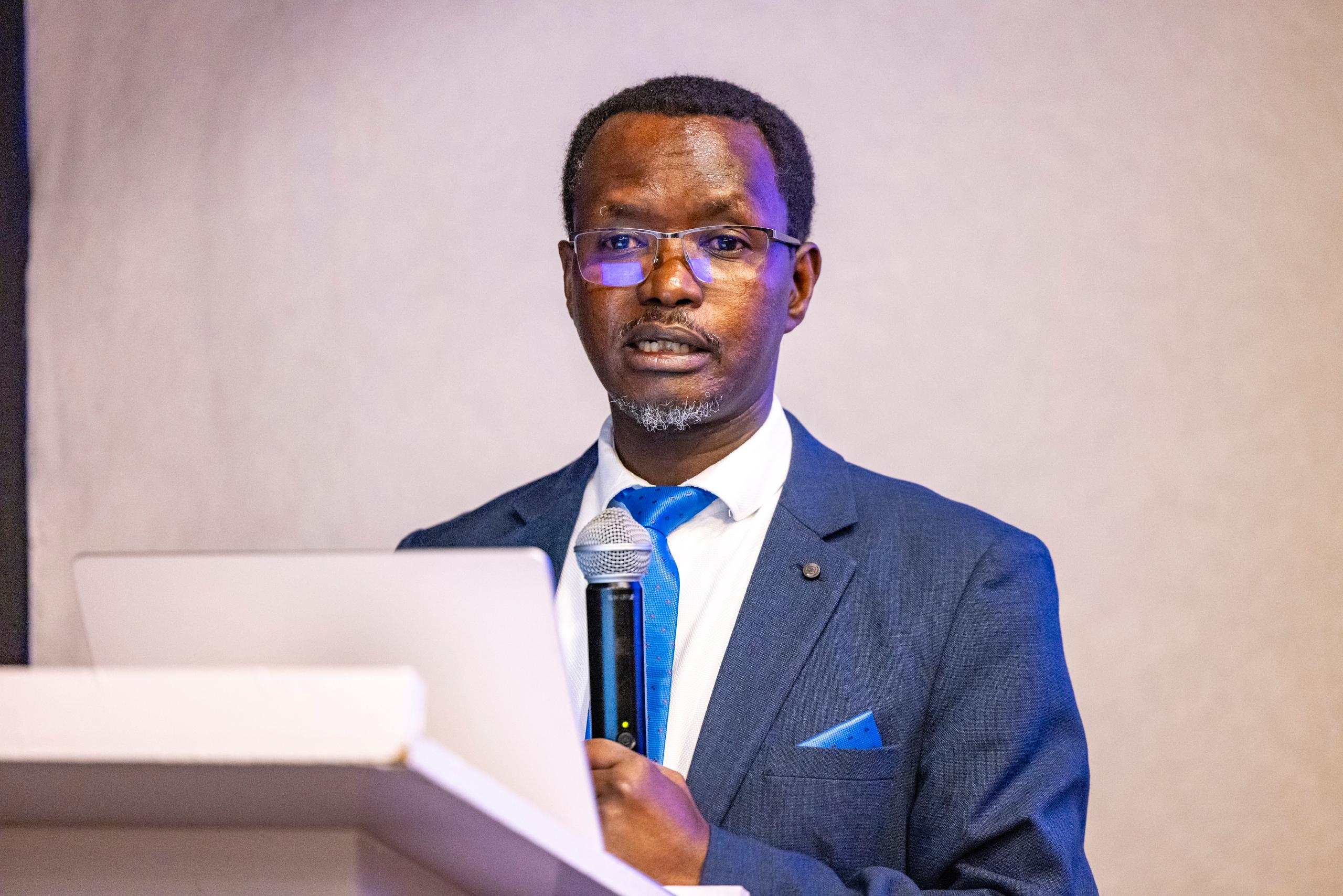
MINAGRI Technical advisor, Dr. Alexandre Rutikanga
Not Farmer Error
Dr. Rutikanga emphasized that these production gaps are not due to farmers’ lack of effort, but mainly the effects of climate change.
“One of the reasons for the low yields is climate change,” he explained. “That was the main issue during the 2025A planting season. Farmers planted in September and crops failed, then planted again in October and still failed. That’s why we ended up with a poor harvest.”
To help address this issue, Rwanda is working with the International Livestock Research Institute (ILRI) through a project designed to strengthen advisory services for smallholder farmers.
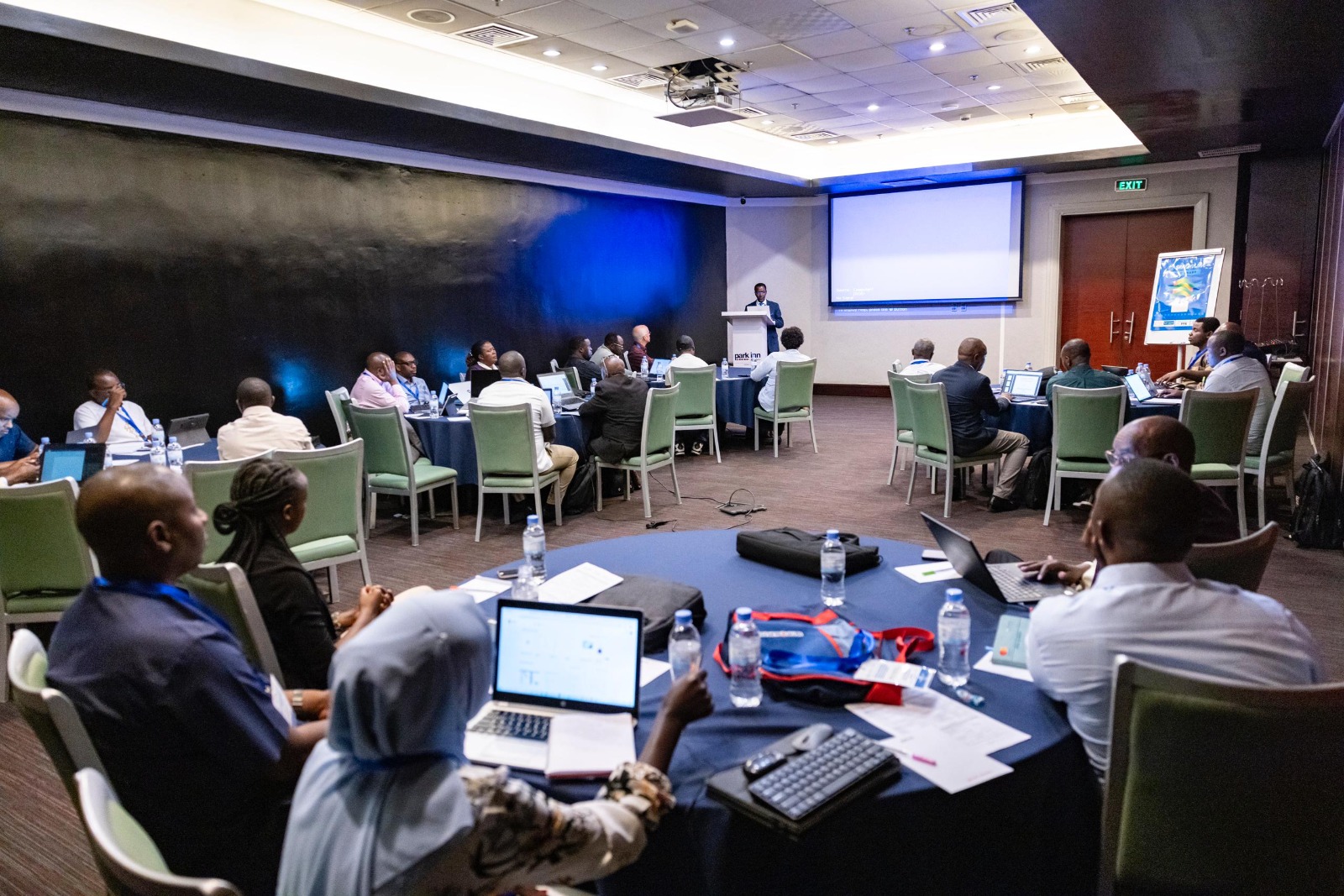
The aim is to equip agricultural extension officers with tools and knowledge that can help farmers better respond to changing climate patterns.
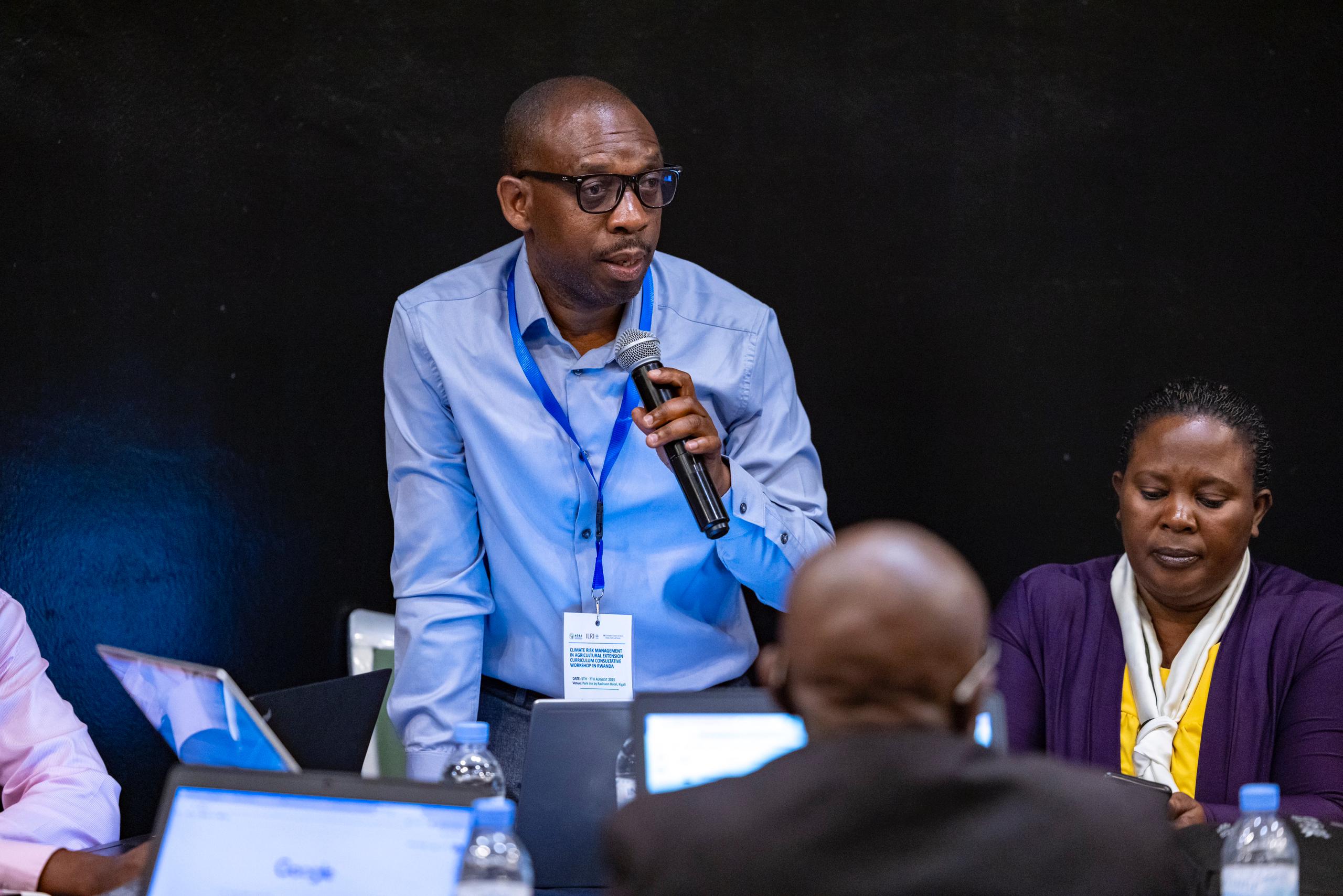
On August 5, 2025, a three-day workshop opened in Kigali to plan and refine a new training curriculum for these agricultural advisors.
The goal is to make sure farmers receive support that reflects the realities of climate change and helps them adapt.
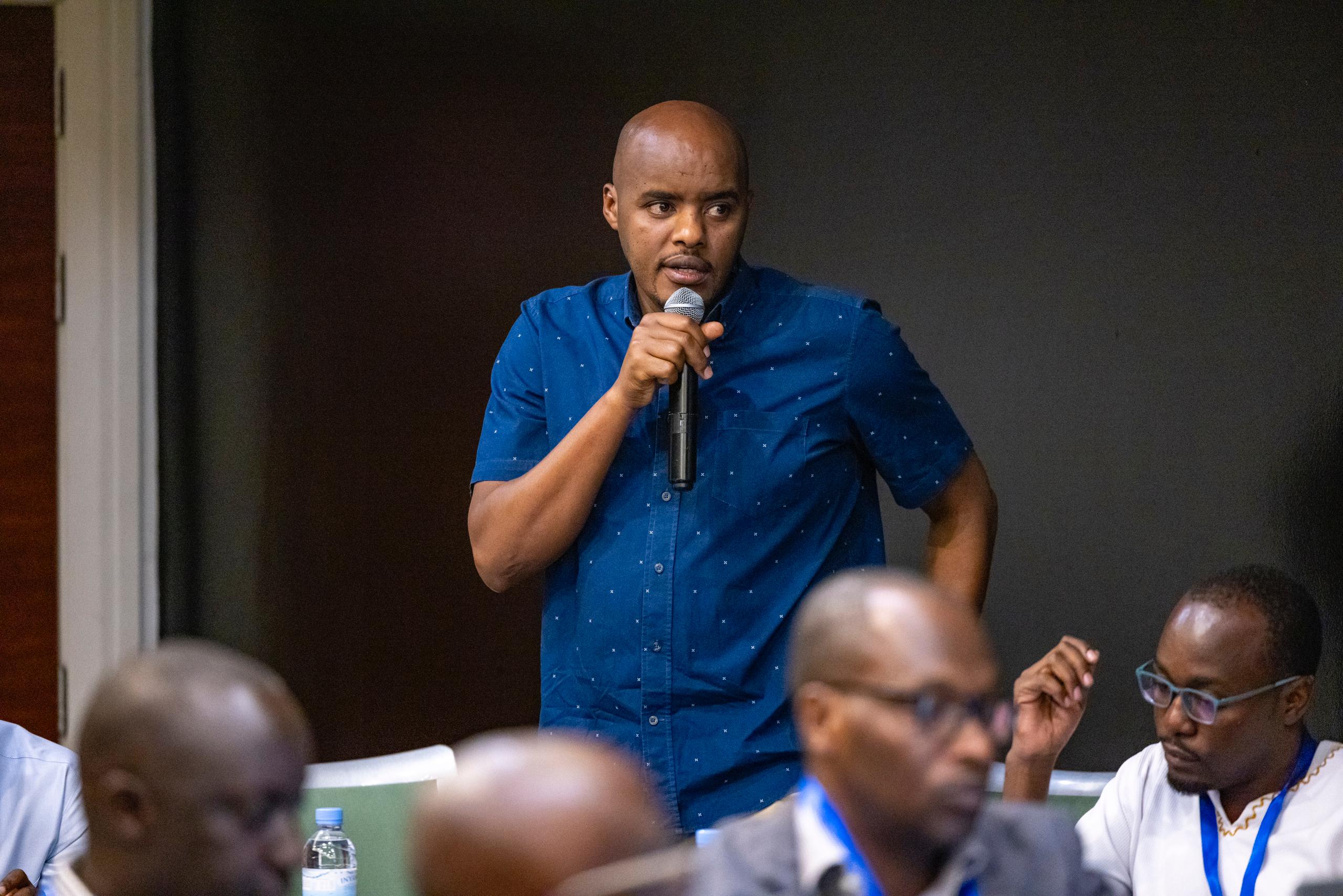
The event brought together officials from MINAGRI, the Ministry of Local Government (MINALOC), the Ministry of Environment, the Rwanda Agriculture Board (RAB), Meteo Rwanda, private agricultural service providers, universities, and training institutes.
Senge Moussa, who leads the Climate Risk Management in Agricultural Extension (CRMAE) project, emphasized the importance of the workshop: “This meeting brings together all the institutions involved in climate issues, which is essential to finding real solutions.”
Weather Information Must Be Clear to Farmers
Moussa pointed out that technical climate data must be made simpler for farmers to understand.
“One major issue is translating climate information into language that farmers understand, so they can use it practically,” he said. “The government should make this a priority.”
He also noted the need to tailor advice to different regions.
“Eastern and Southern Rwanda tend to face drought, while the Northern and Western areas experience heavy rainfall and floods. Advice for Kigali or Eastern Province cannot be the same as what you’d give in the West or North. That’s why information must be localized.”
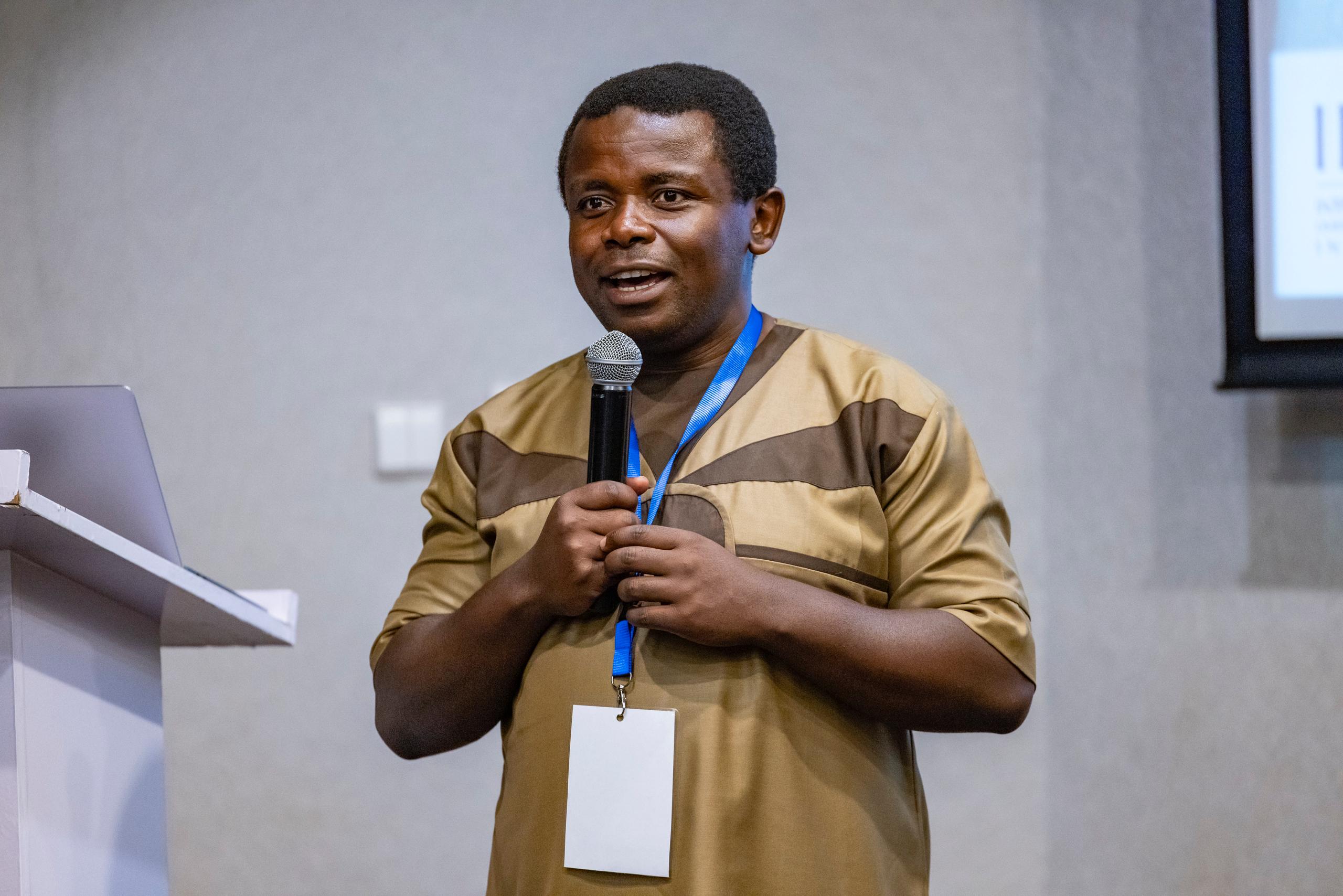
Senge Moussa from Climate Risk Management in Agricultural Extension (CRMAE)
The workshop is focused on identifying the skills agricultural advisors need, updating training content, and learning from other African countries such as Ethiopia, Senegal, Kenya, Zambia, Ghana, and Mali—where similar programs have already been tested with support from the International Research Institute for Climate and Society and the AICCRA initiative.
Ultimately, the goal is to ensure that agricultural advisors can deliver clear, practical advice based on accurate climate data.
By doing so, they can help Rwandan farmers better prepare for climate risks, increase productivity, and build a more resilient farming system for the future.