In Rwanda, where bicycles are often seen as tools for men, a quiet revolution is unfolding, on two wheels. Young girls, once sidelined by tradition and social expectations, are now finding space to ride, work, and lead.
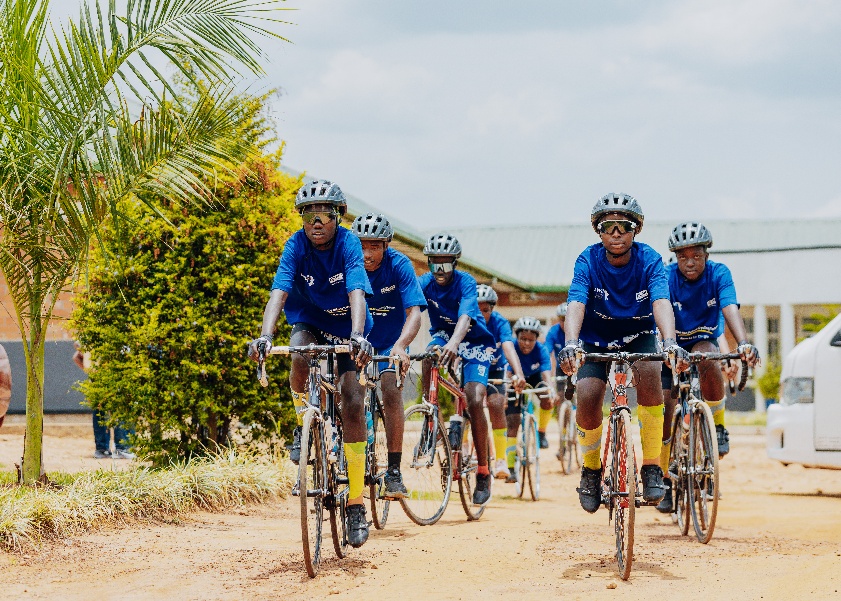
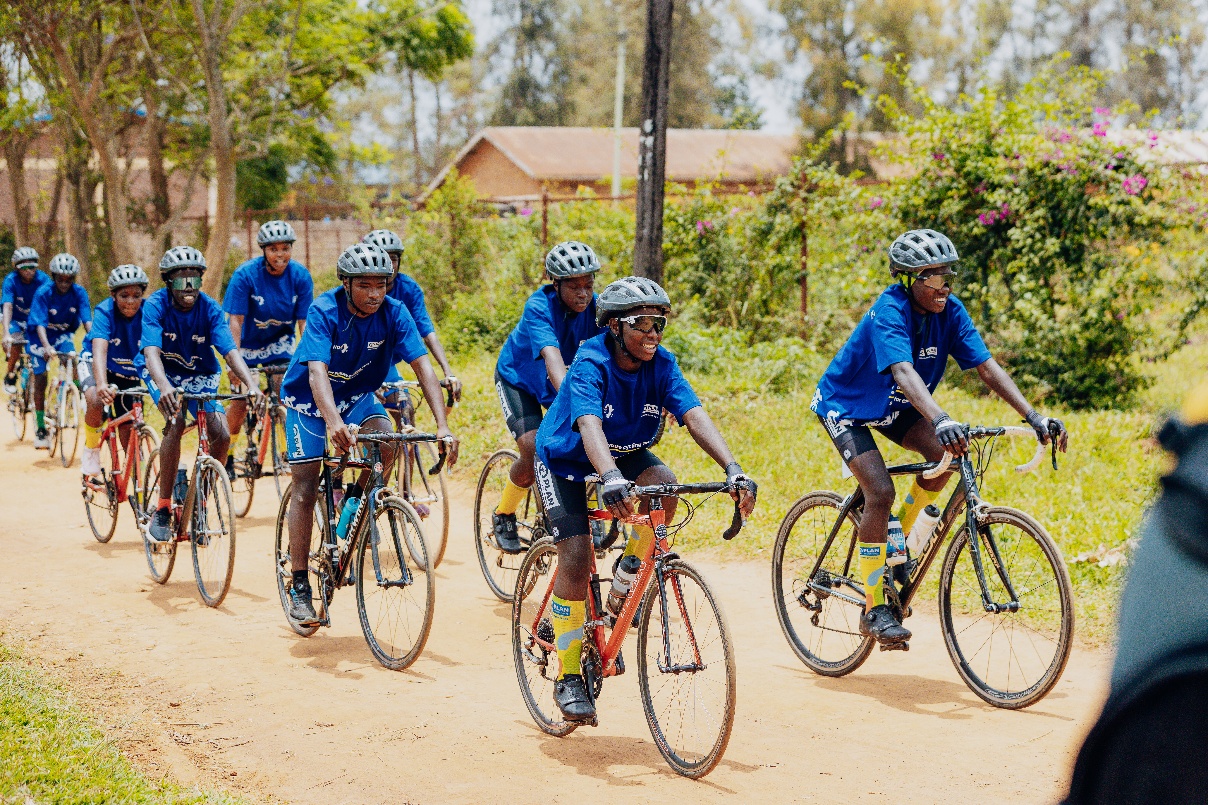
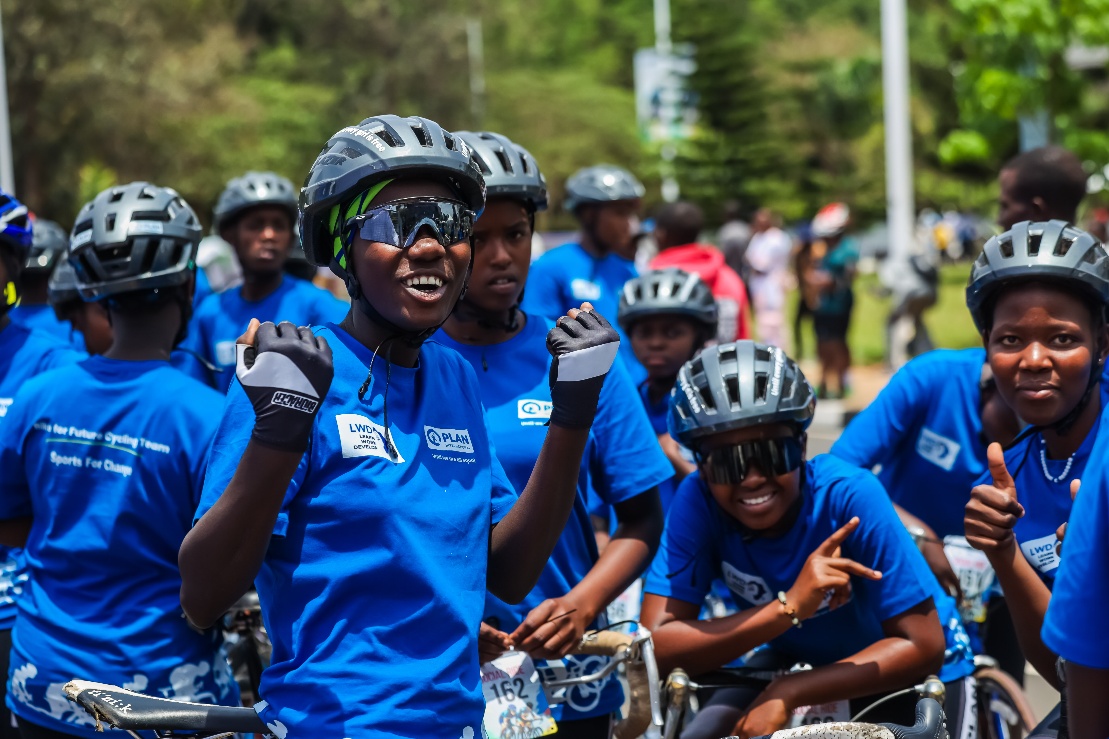
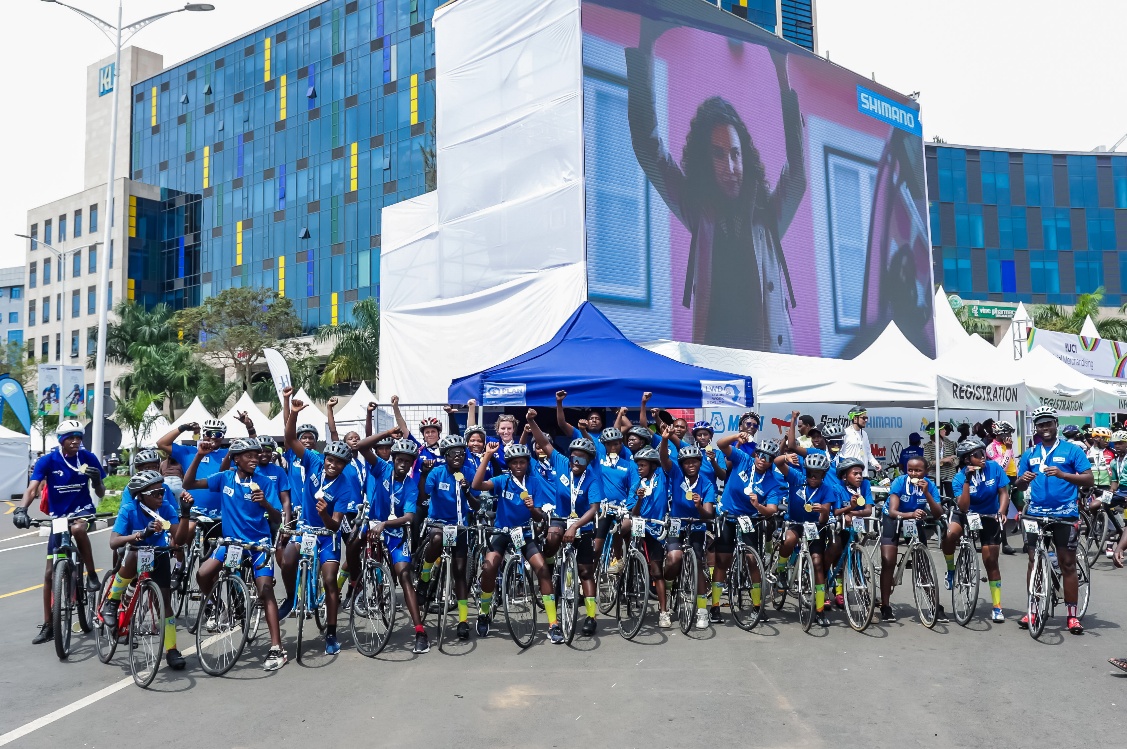
In Bugesera and Gatsibo districts, the Bike for Future cycling team is transforming cycling into more than just a sport. It’s a pathway to empowerment, where girls are learning professional riding, breaking gender stereotypes, and showcasing their talent.
Girl talents rising through competitions
Amina, 15, one of the determined cyclists in the programme, shares how access to equipment and training helped her compete, despite resistance from her community.
“I always dreamed of becoming a professional cyclist, but my family didn’t support it. My mother feared I’d get injured. That discouraged me, but didn’t stop me. Everything changed when I won a medal and a bicycle at a competition. My mother saw my potential and realised I needed her full support,” Amina says.
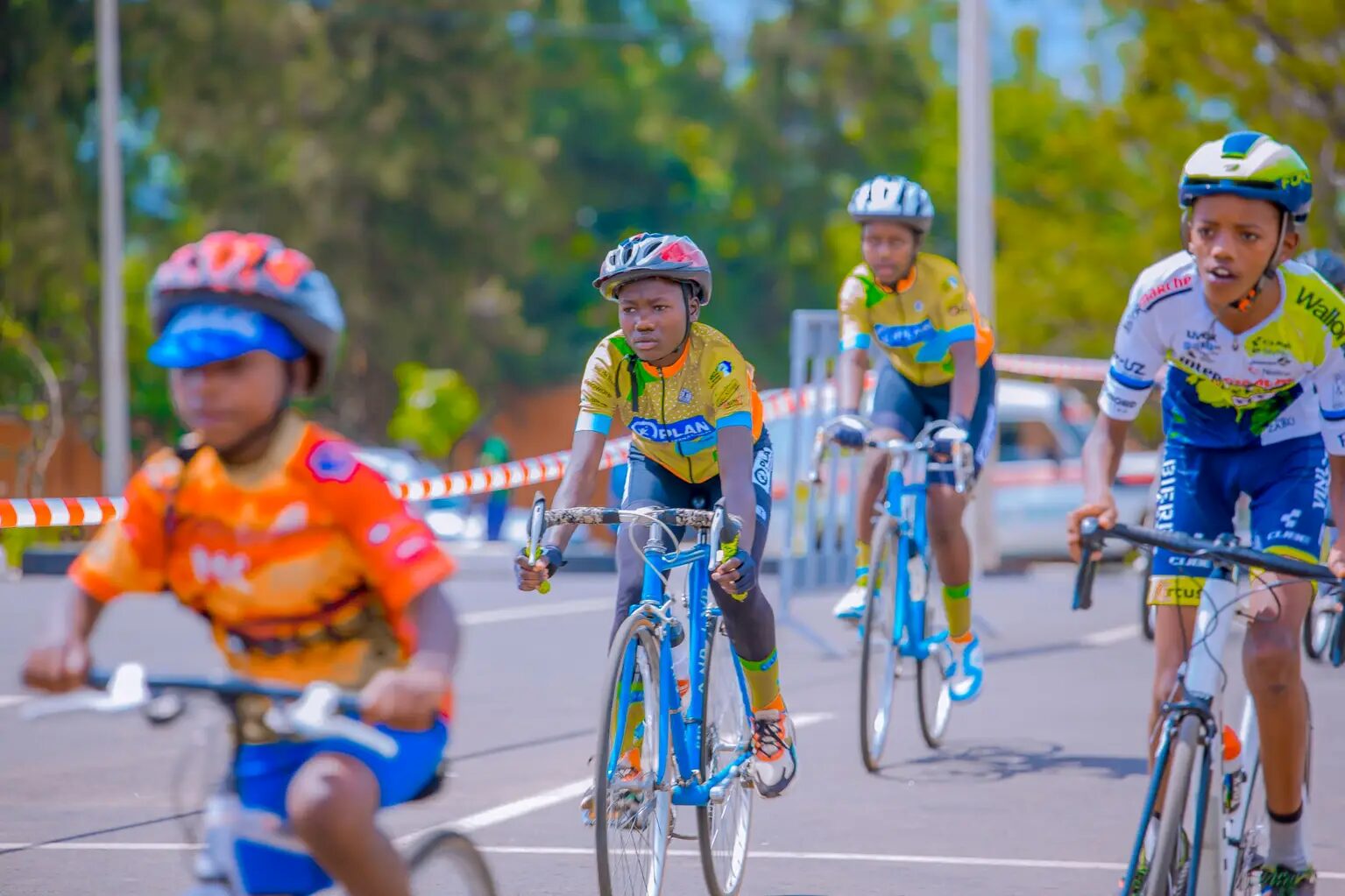
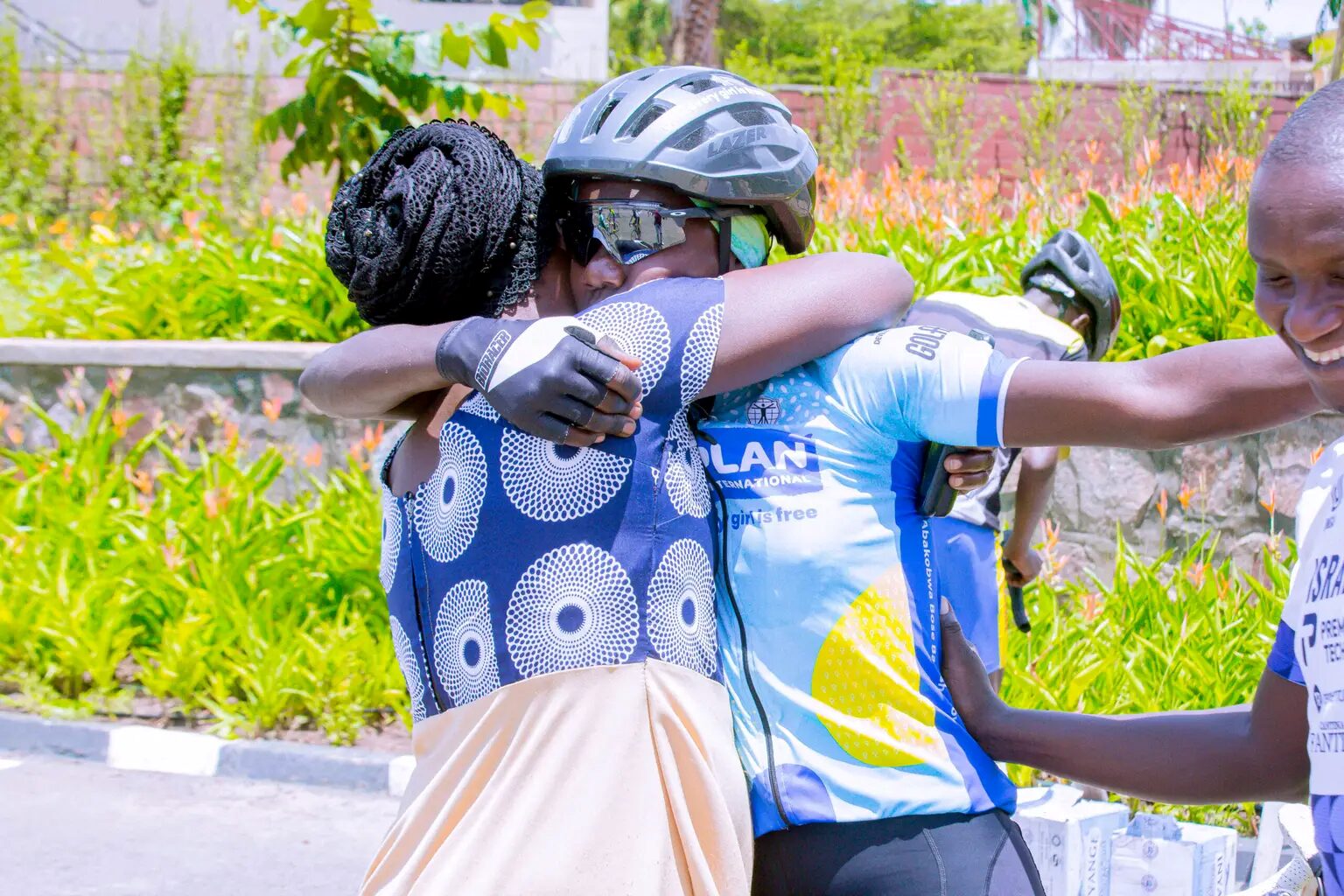
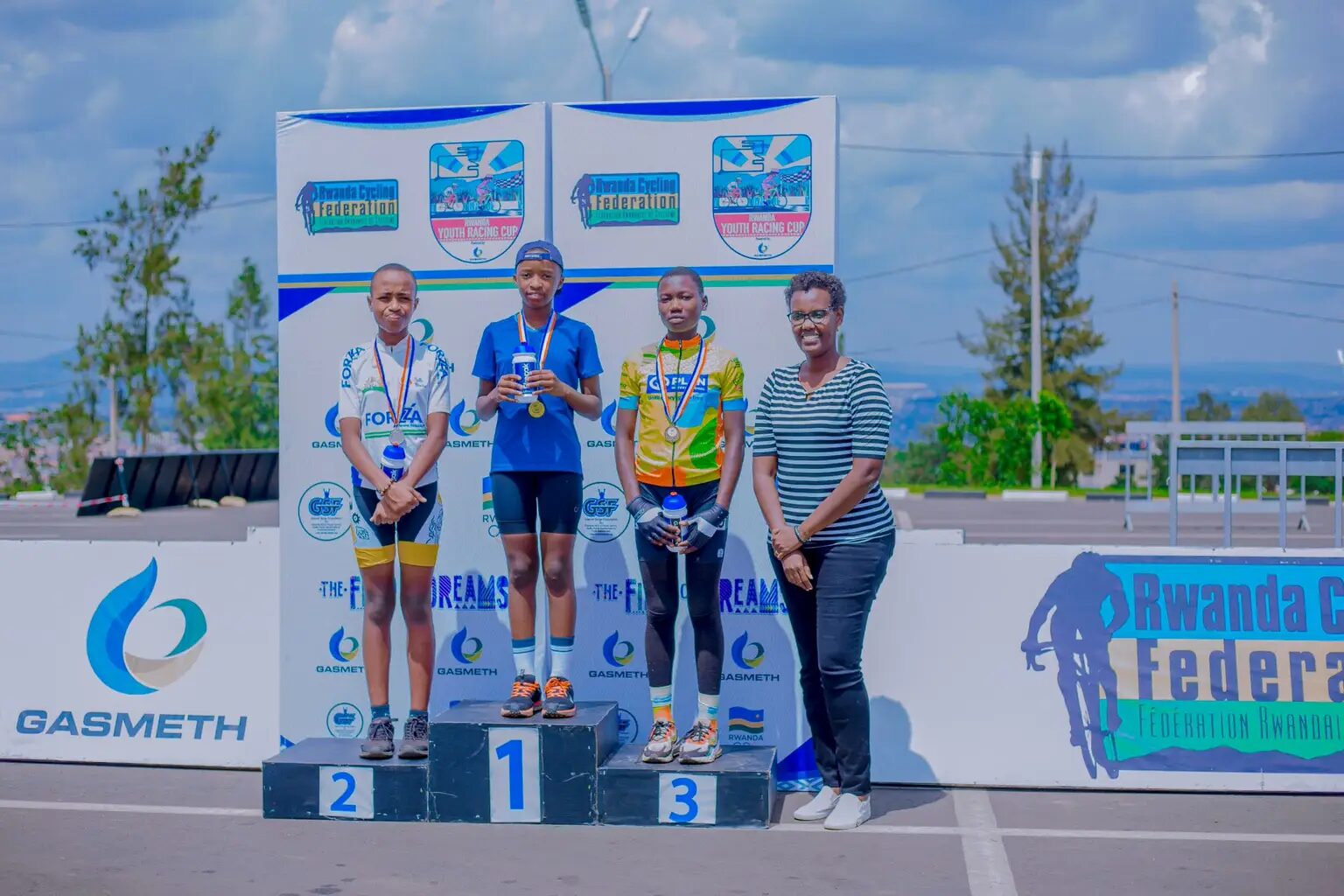
Having participated in 25 local competitions, Amina’s ambition has only grown.
“Winning tough races has made me stronger, more focused, and determined. Now, when I return home, my mother sees a champion, not just a girl with nothing to offer.”
Amina dreams of the global stage and hopes to inspire girls across Rwanda. By excelling in a sport traditionally dominated by men, she and her teammates are rewriting the narrative.
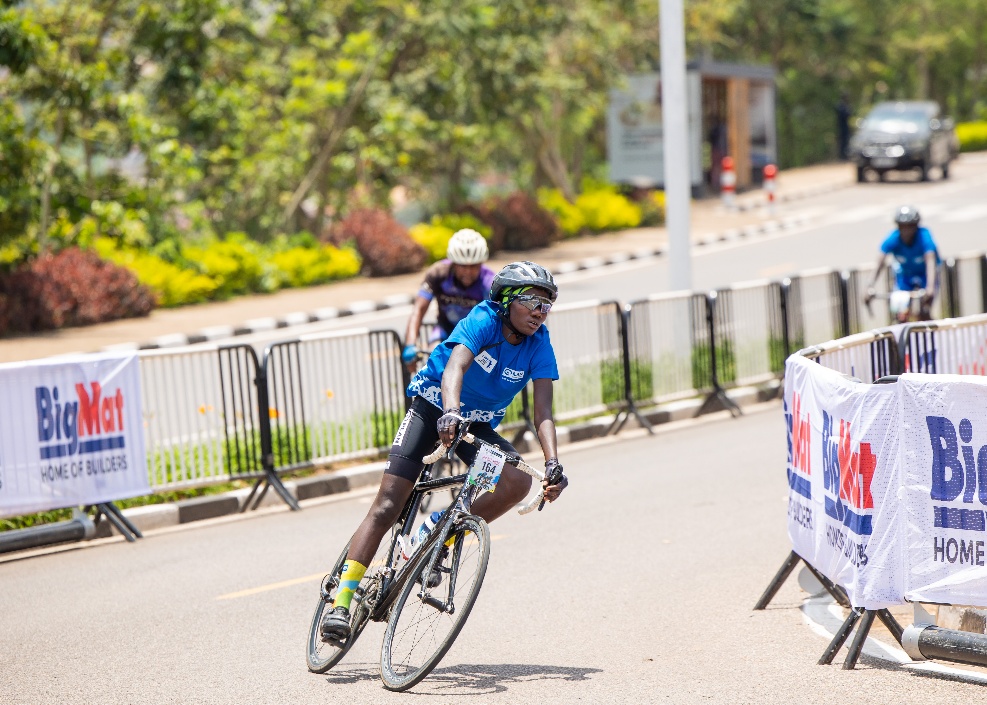
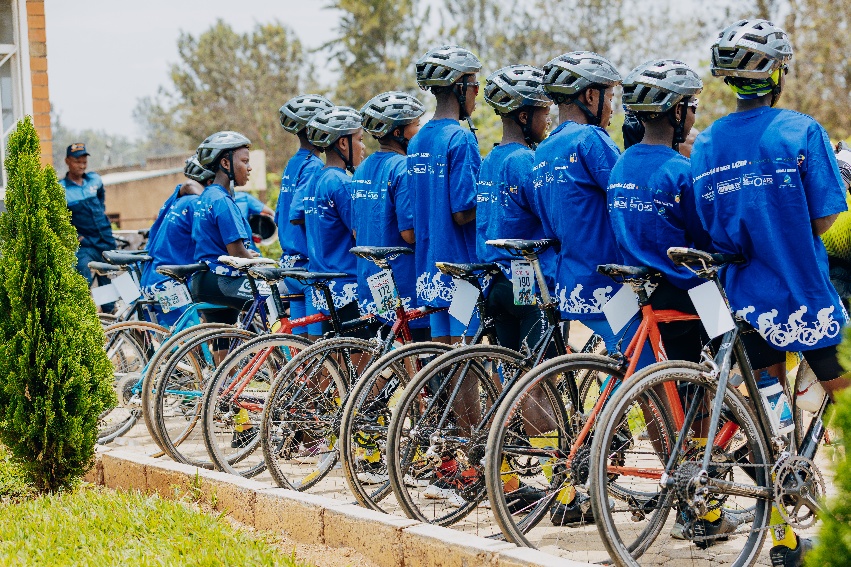
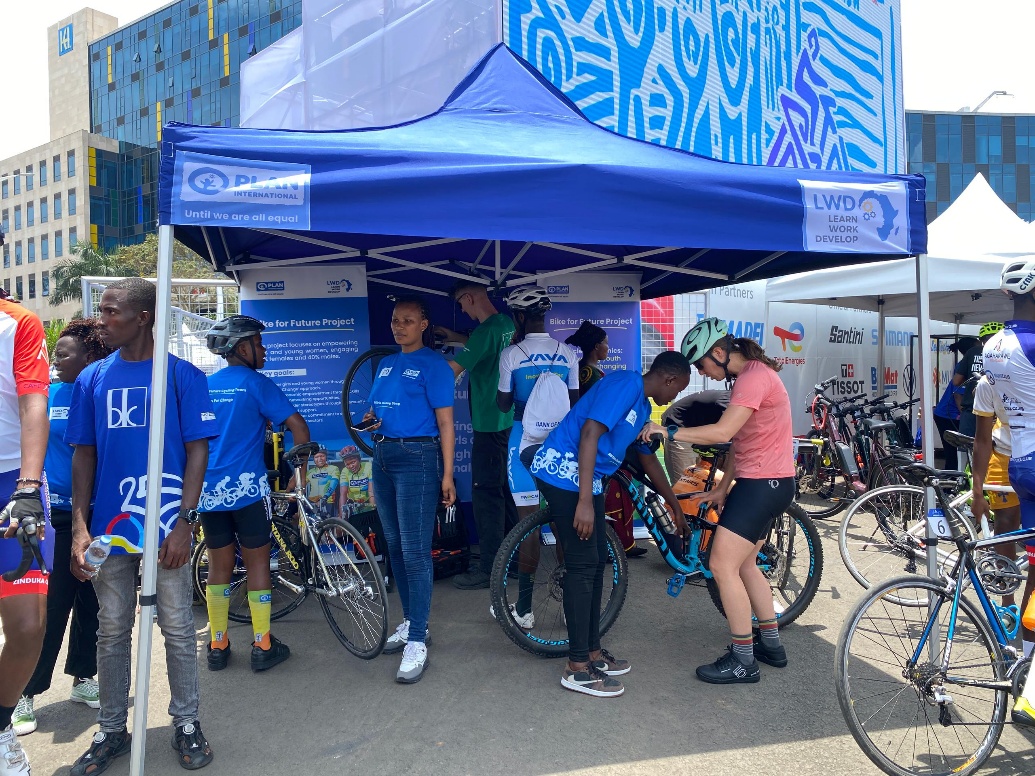
Among the standout opportunities was the Youth Racing Cup, organised by FERWACY, and the Kigali Social Ride, a 15-kilometre loop with 40 riders from diverse backgrounds, part of the build-up to the 2025 UCI Road World Championships in Kigali.
“Attending different competitions helps you learn from others and dream big. That’s what I love most. I want to become an international rider and represent my country, to inspire more girls to chase their dreams,” Amina says.
Vocational skills transforming young women’s lives
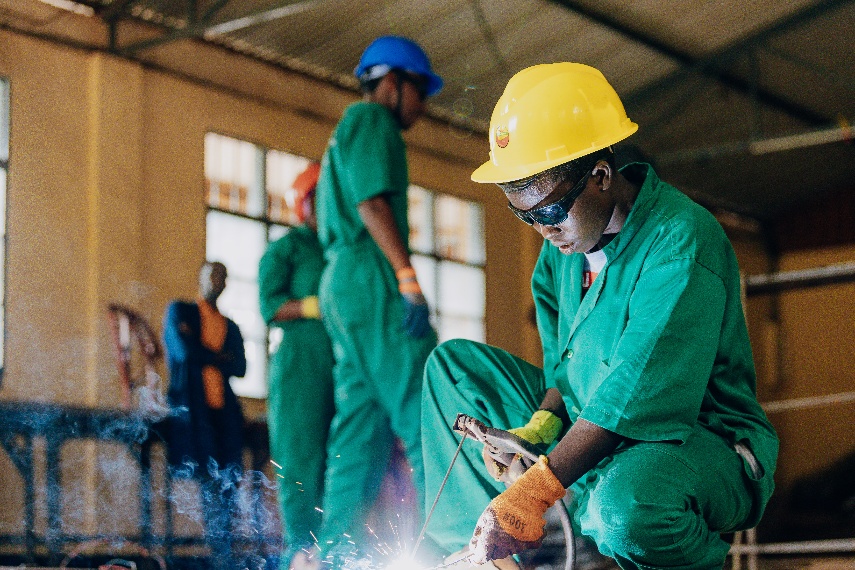
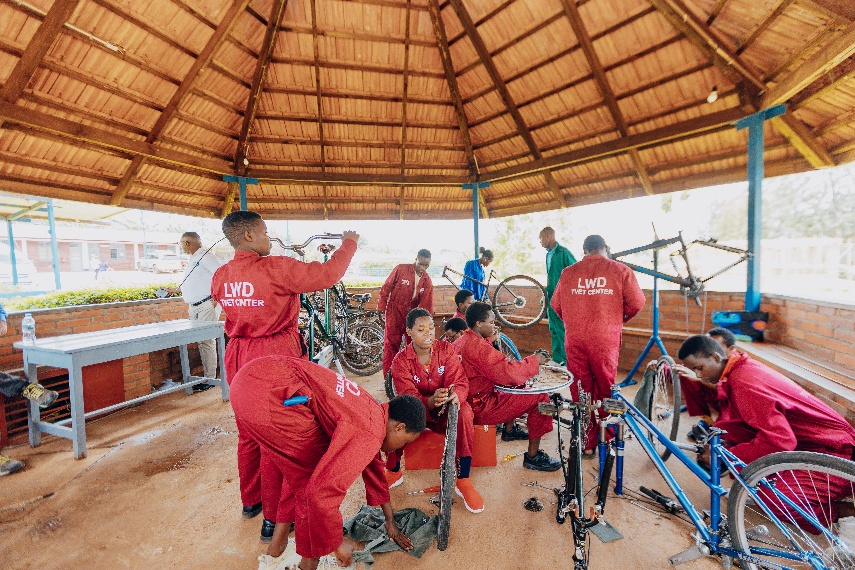
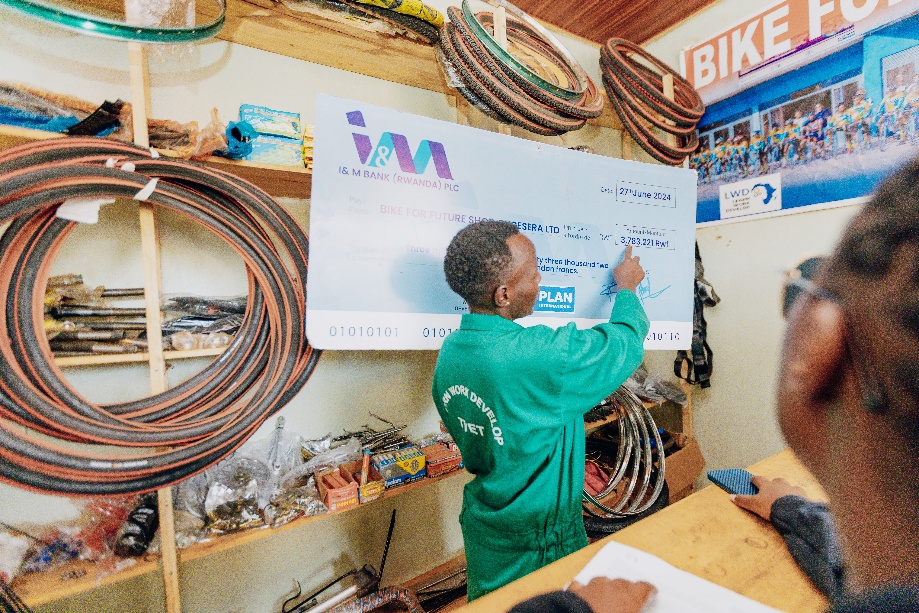
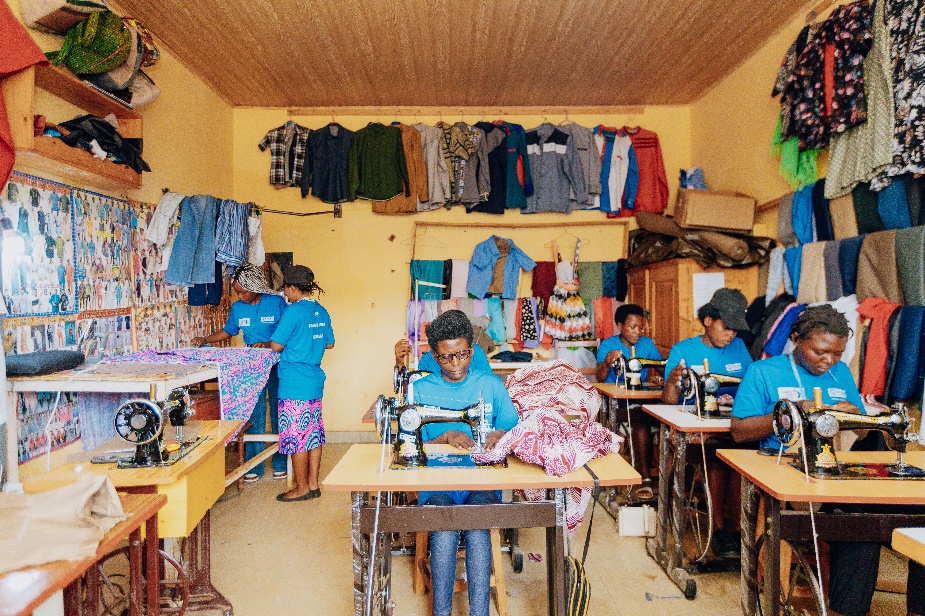
Beyond cycling, girls and young women are gaining vocational skills in welding, bike mechanics, and electrical work—fields traditionally dominated by men. These skills are opening doors to economic independence and placing them at the heart of change.
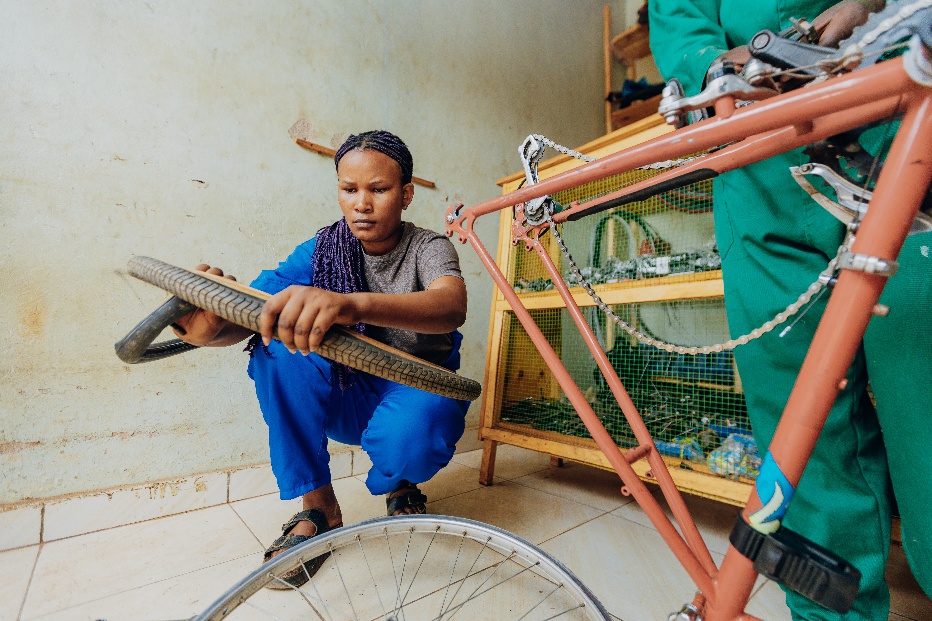
Olivia, 22, a teen mother and orphan, has used her mechanical training to support her children and siblings.
“These life skills have changed everything. I can now earn a living and see a brighter future,” she says.
Olivia has inspired her sister to join the trade, and now works with a team of eight young female mechanics running their own repair shop. She plans to expand the business to train more girls and help them become self-reliant.
Her peer, Shemsa, also a teen mother, says her life turned around after becoming pregnant at 15. Bicycle mechanics gave her a second chance.
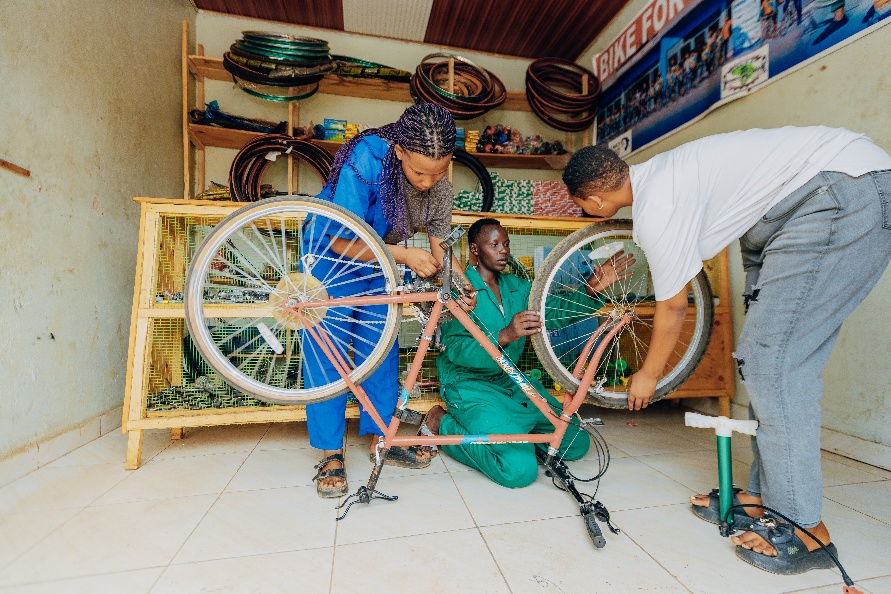
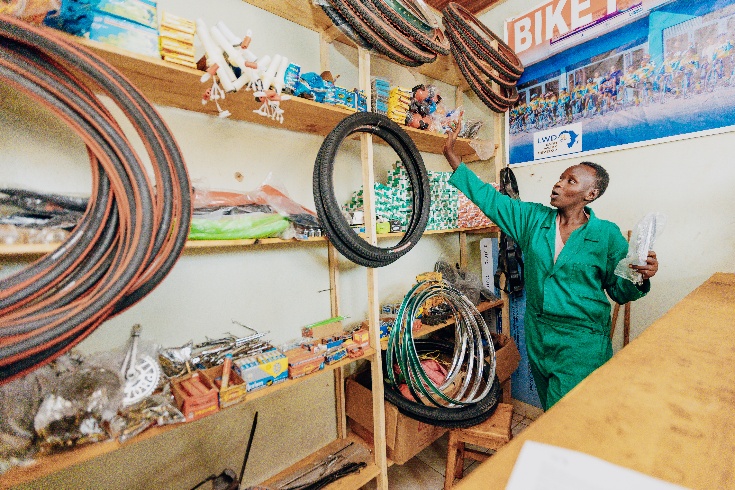
“These skills allow me to earn and take care of myself. I’m no longer vulnerable to the same traps I fell into before,” Shemsa shares.
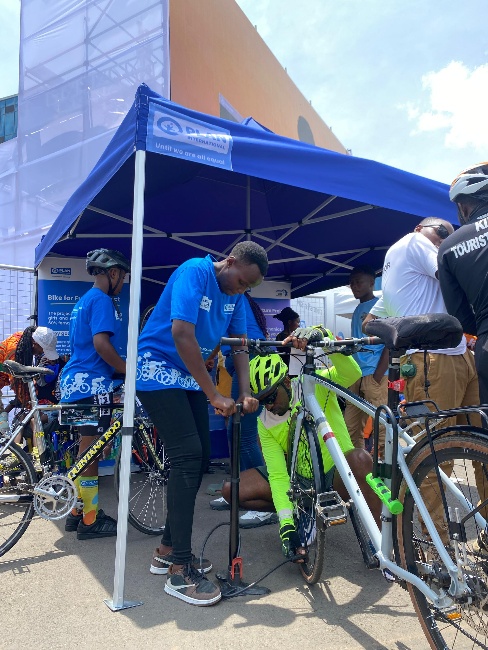
During the social ride event, organised with Tugende Bike Café, young women provided free technical support, repairing bikes and ensuring safe rides.
“It was important to show what we’re capable of. Our skills deserve to be seen by the job market. I loved helping riders fix their bikes,” Shemsa says.
Standing bold for girls and young women’s empowerment
Emilie Fernandes, Country Director of Plan International Rwanda, says the project’s core mission is to empower vulnerable girls and young women to access sport mainly cycling, socio-economic opportunities and to challenge gender norms.
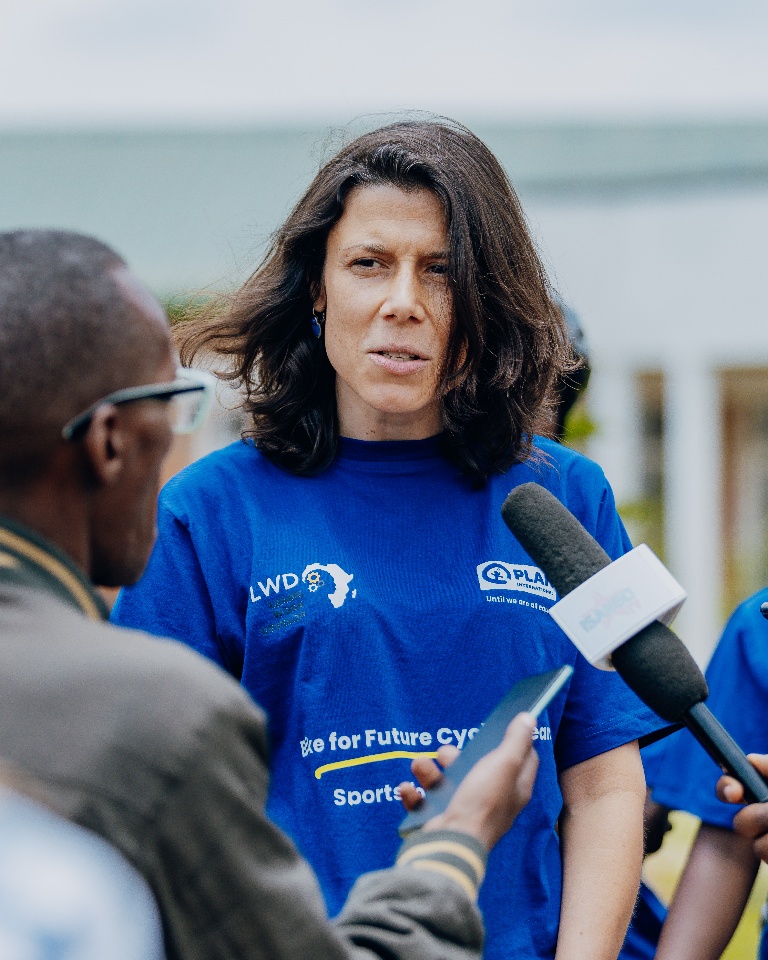
“Supporting girls and young women to unlock their talents in sport and livelihoods, while building their confidence, is essential for a better future for them, their families, and the country,” Emilie notes.
Learn Work Develop (LWD), a local implementing partner, highlights the project’s growing impact.
“In just two years, our girls have participated in every monthly and national competition. We’re reaching wider communities. Our goal is to sustain this momentum and nurture more young people’s dreams and skills,” says Mwiseneza.
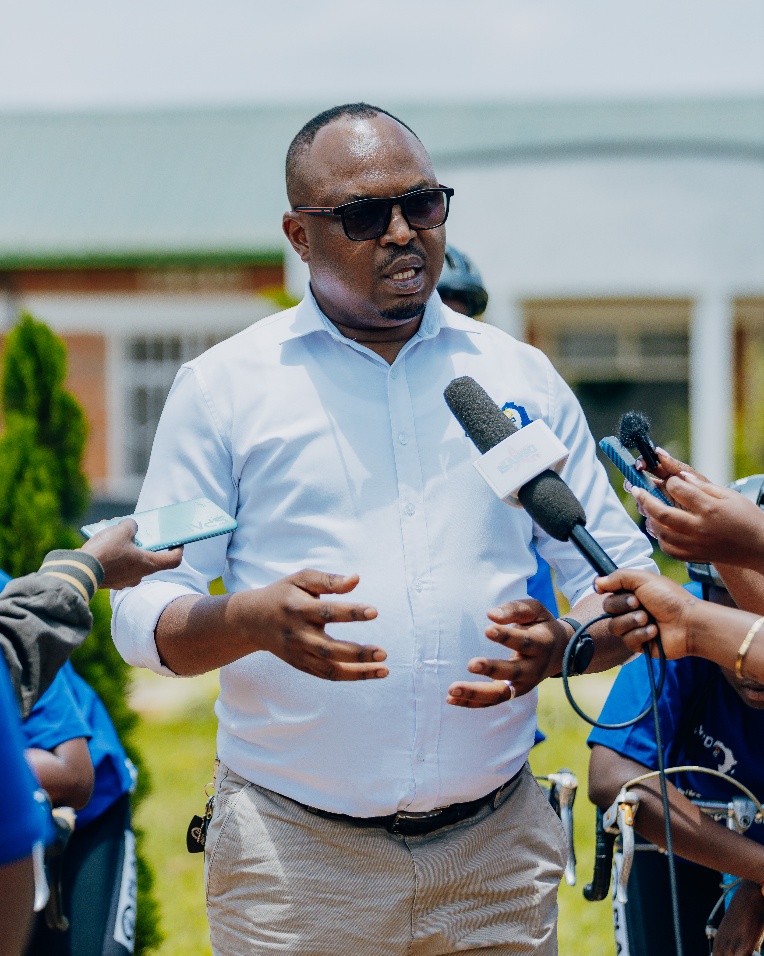
Implemented by Plan International Rwanda in partnership with Learn Work Develop (LWD) Rwanda, the Bike for Future project is funded by partners including Belgian corporates such as Bioracer, Golazo, Lazer, Delaware, Velo Afrique, Kigali Water Limited, Laureus Sport for Good, and backed by the Agence Française de Développement (AFD) and the International Olympic Committee.
The project targets 60% girls and 40% boys. Through its implementation, it has reached 40 participants in cycling (35 girls and 5 boys), 107 participants in vocational training (welding, bicycle mechanics, tailoring, plumbing, and ICT), 60 participants in basketball (40 girls and 20 boys), and 30 girls in volleyball.