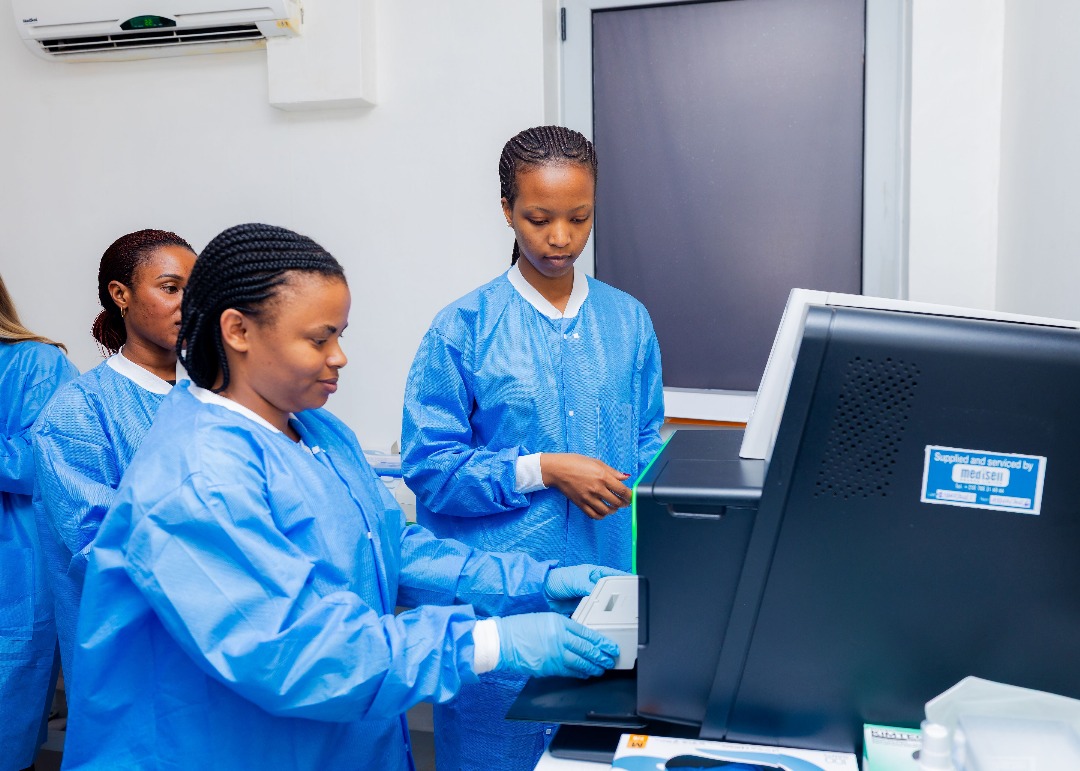
KIGALI, Rwanda — Rwanda has received support from leading global science organisations to develop its genomics ecosystem — an ambitious step towards understanding and tackling the country’s growing disease burden amid rising incomes and lifestyle changes.
In simple terms, genomics is the science of studying what happens inside the human body at the molecular level, enabling scientists to predict and prevent diseases by analysing genetic information. This field is now being accelerated by artificial intelligence, allowing for faster discovery, treatment innovation, and disease control.
At the first-ever Genomics Conference in Africa, held in Kigali this week, global experts committed to supporting Rwanda’s metagenomics efforts, with a shared vision of making the country one of the healthiest in the world.
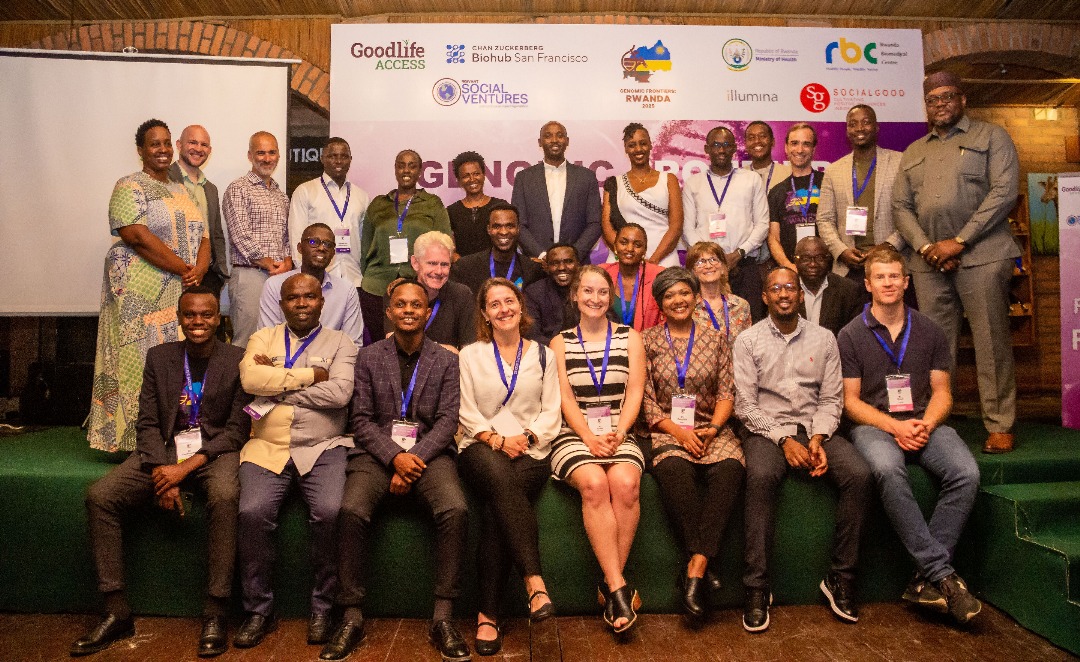
Genomics Frontiers Rwanda scientists
From fighting HIV and COVID-19 to increasing life expectancy, scientists at Genomics Frontiers Rwanda, which kicked off on October 15, praised the country’s healthcare resilience, policy innovation, and universal healthcare coverage.
Rwanda has already met all global HIV targets — 95% of people living with HIV know their status, 95% of those are on antiretroviral therapy (ART), and 95% of patients on treatment have achieved viral suppression.
The country’s healthcare success story extends to a community-based health insurance scheme covering over 90% of the population, and a network of 58,000 community health workers who diagnose and manage malaria, tuberculosis, and maternal and child health cases.
Rwanda’s swift adoption of technology, such as medical delivery drones, and investments in hospitals and laboratories have also strengthened access to specialized care at the community level.
However, as Rwanda becomes more prosperous, new challenges have emerged. Non-communicable diseases (NCDs) — including diabetes, heart disease, and cancer — are rising sharply, creating a heavier disease burden than before.
Dr. Josh Ruxin, Co-Founder of Goodlife, said Rwanda’s proven ability to overcome major health challenges positions it well to lead in genomics-driven healthcare.
“If Rwanda can figure out how to overcome pandemics, why not support its metagenomics ecosystem to address non-communicable diseases?” Ruxin asked. “Why can’t Rwanda have the highest life expectancy on the planet through genomics?”
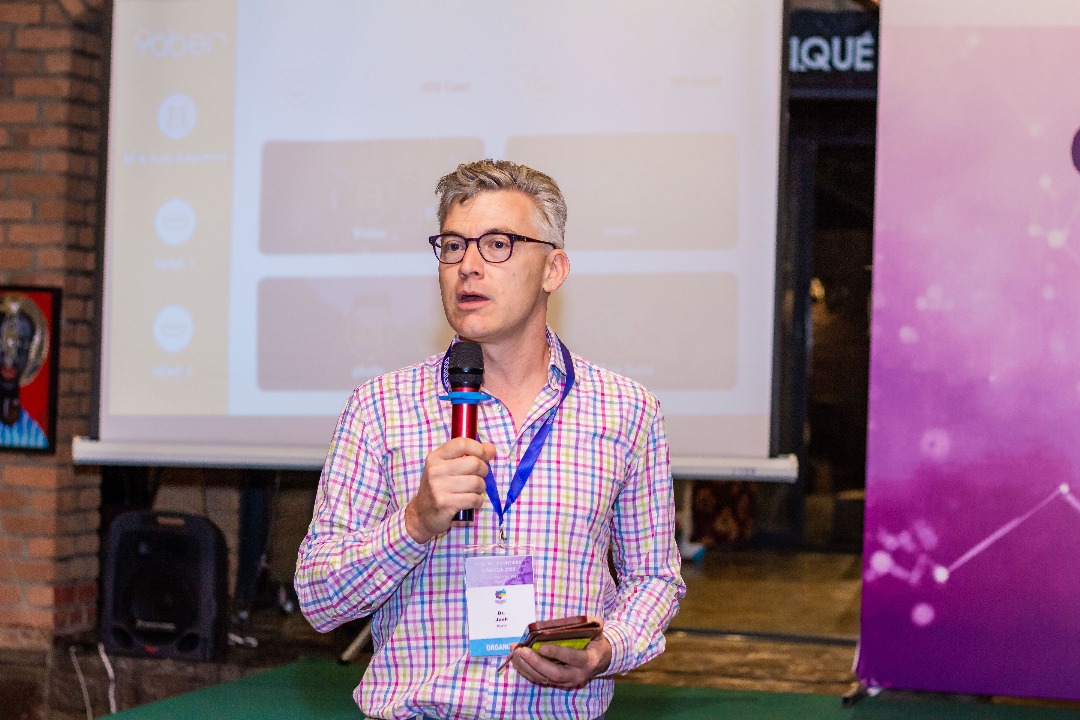
Dr. Josh Ruxin
Ruxin said the conference would bring together global scientists, innovators, and product developers already deploying cutting-edge genomic technology in Rwanda — technology that not only saves lives but can also extend them.
“My dream for this conference is that we lay the groundwork for making Rwanda the healthiest place on Earth. Together, we can do it,” he said.
Recognising the urgency of tackling NCDs such as cancer, Rwanda’s Minister of Health, Dr. Sabin Nsanzimana, said the country is now prioritising genomic research, clinical trials, and technology investments to deliver precision and equity in healthcare.
Half of Rwanda’s cancer cases are diagnosed at late stages, underscoring the need for early detection and advanced treatment capacity.
Nsanzimana revealed that Rwanda is building a National Health Laboratory Services complex, which includes a new genomics centre — one of the largest health infrastructure projects in the country.
“It’s a new unit that will grow to address the genomic needs we have across the health system,” Nsanzimana said.
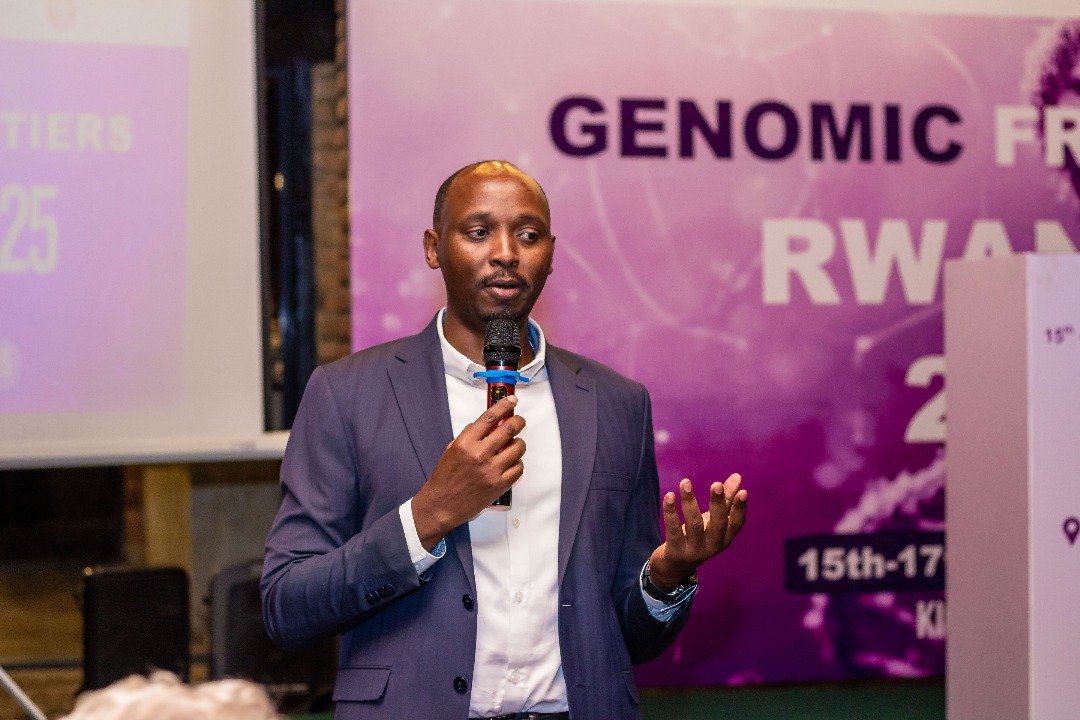
Dr. Sabin Nsanzimana
To accelerate progress, Goodlife has partnered with the Rwandan government and international genomics firms to expand access to genomic testing and data-driven care.
David Zapol, Co-Founder and former COO of Goodlife, said the company is conducting a pilot program in pharmacies across Rwanda, where more than half a million patients pass through annually. The initiative aims to introduce basic medical screening and genomic testing at community pharmacies — a first in Africa.
“There will never be enough doctors in Africa, so we need to make pharmacies a reliable point of access for healthcare services,” Zapol said.
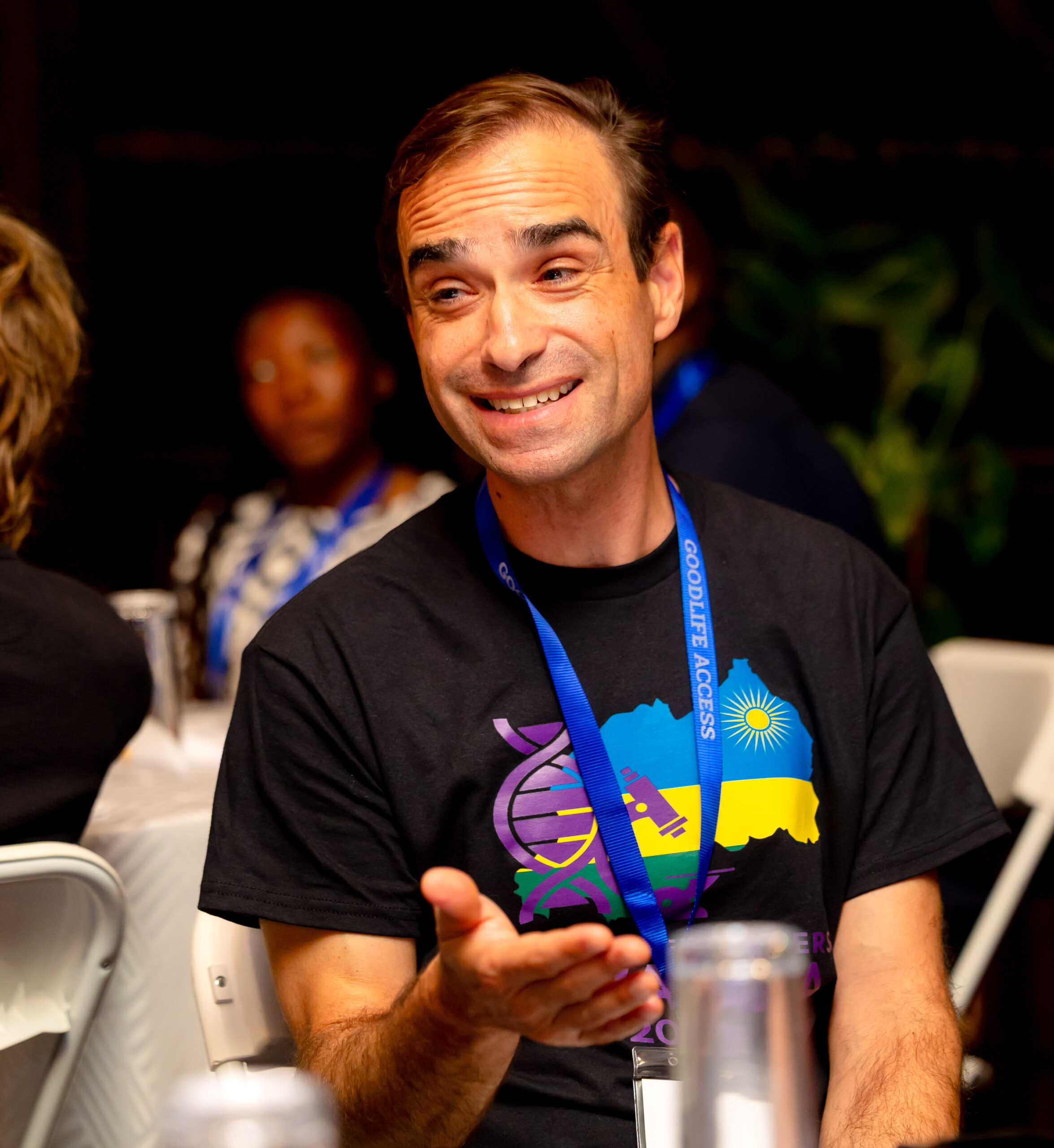
David Zapol Urges Rwanda to start using the existing hightech genomics equipment brought in during COVID-19
The three-year pilot will explore how genomics can reveal links between persistent fevers, antibiotic overuse, and growing antibiotic resistance in Rwanda.
Zapol also revealed that international partners such as the Chan Zuckerberg Biohub have already deployed cutting-edge metagenomics technology in Rwanda — including systems capable of early detection and home-based health monitoring.
For instance, Goodlife Access has since COVID-19 already brought in machine innovation allows metagenomic data to be collected through smart toilets, air breathed, to detect disease markers early, potentially transforming preventive healthcare.
With such investments, Goodlife and its partners hope to set a new benchmark for integrating genomics and AI into Africa’s health systems. But experts say this will require not only technology but also public awareness, data infrastructure, and skilled researchers to ensure the benefits reach all citizens.
“The goal,” Zapol said, “is to use genomics to prevent preventable diseases — and to make Rwanda a global model of health innovation and a healthy country in the world.”
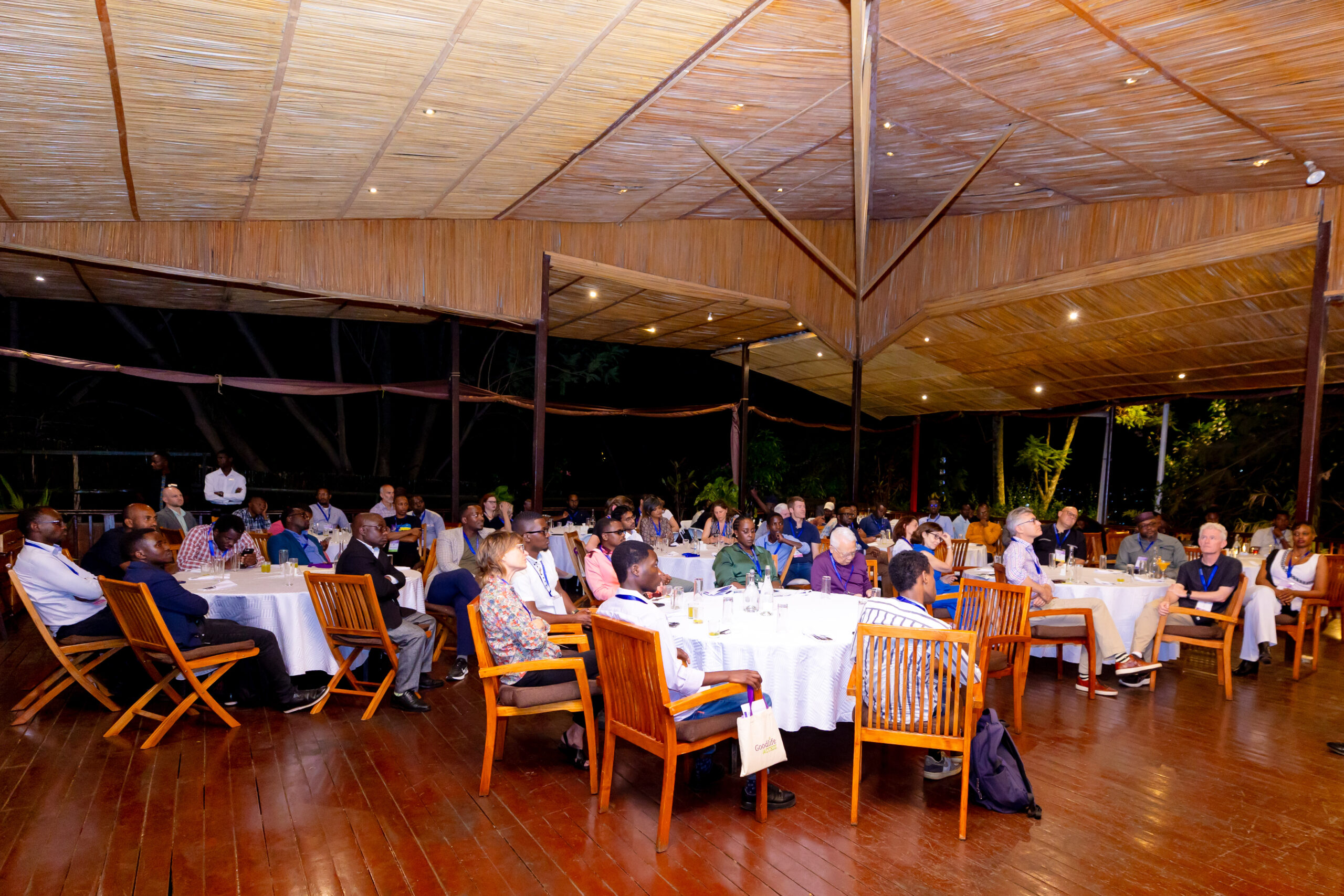
Young scientist were urged to adopt use of AI in genomics, metagenomics research to build local capacity