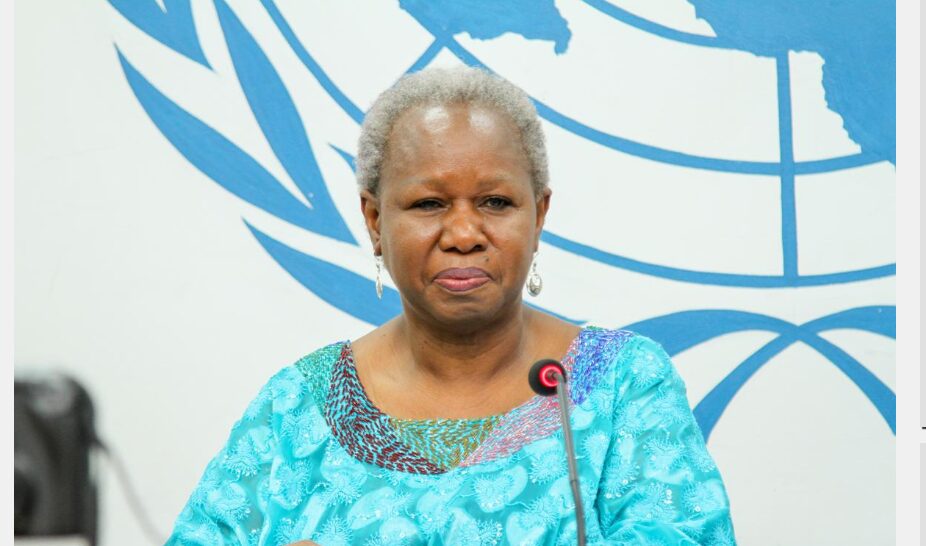
Bintou Keita is expected to leave her role as Special Representative in the DRC before the end of 2025, despite her mandate running until February 2026.
According to reliable news sources, Bintou Keita, who has led MONUSCO since January 2021, is preparing to step down earlier than expected amid a broader reconfiguration of the UN peacekeeping presence in the Democratic Republic of Congo.
Her early departure aligns with the UN Security Council’s Resolution 2765, which set MONUSCO’s final withdrawal date for December 20, 2025.
Context Behind the Early Departure:
Strategic Shift: The UN is transitioning out of its peacekeeping role in the DRC, prompting leadership changes and operational downsizing.
Diplomatic Timing: Discussions in New York have accelerated the search for Keita’s successor to ensure continuity and stability during the mission’s final phase.
Potential Successors Profiles:
While no official names have been confirmed publicly, diplomatic sources suggest that several profiles are under review, including:
Experienced UN diplomats with prior peacekeeping leadership in Africa.
Regional experts familiar with Congolese political dynamics and security challenges.
Candidates with strong negotiation and transition management skills*, given the delicate nature of MONUSCO’s drawdown.
This leadership transition is unfolding amid growing uncertainty about the future of UN peacekeeping in the region and how the Congolese government will manage post-MONUSCO security arrangements.
Possible Successors:
Among the profiles reportedly being considered to succeed Bintou Keita in the DRC are Parfait Onanga-Anyanga, a seasoned Gabonese diplomat with extensive peacekeeping experience; Hanna Tetteh, Ghana’s former Foreign Minister and UN Special Envoy for the Horn of Africa.
Others are: Martha Ama Akyaa Pobee, currently UN Assistant Secretary-General for Africa; and Mohamed Ibn Chambas, a veteran Ghanaian diplomat known for his mediation work in West Africa and the Sahel.