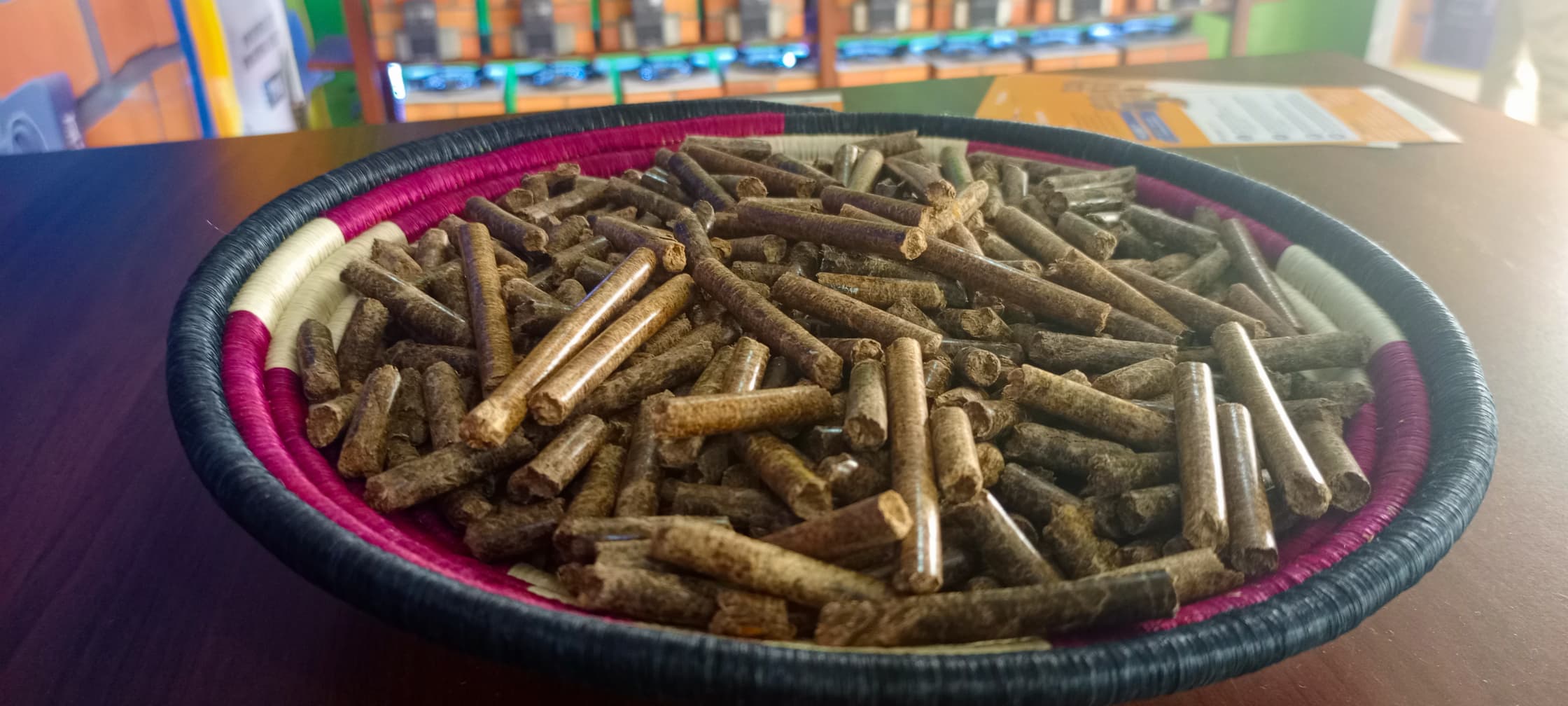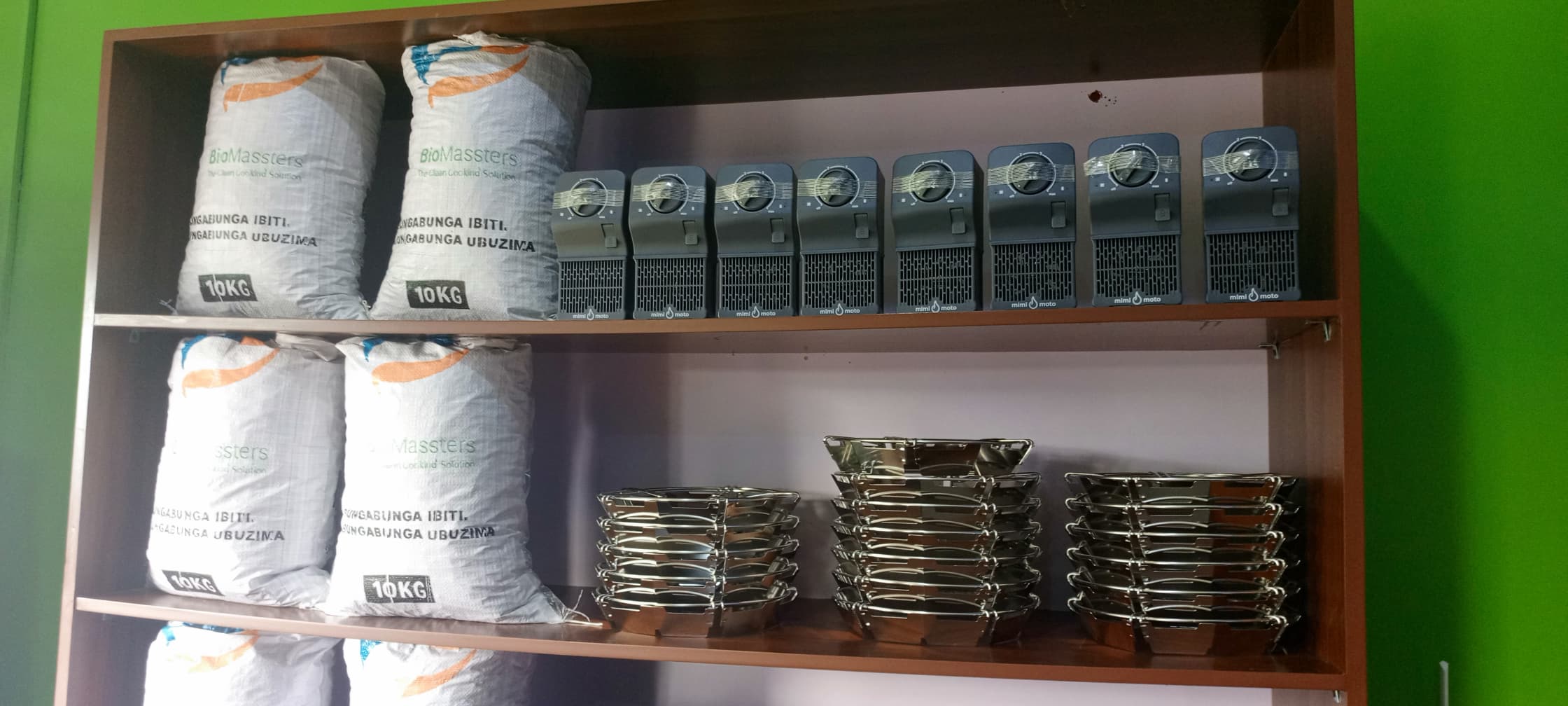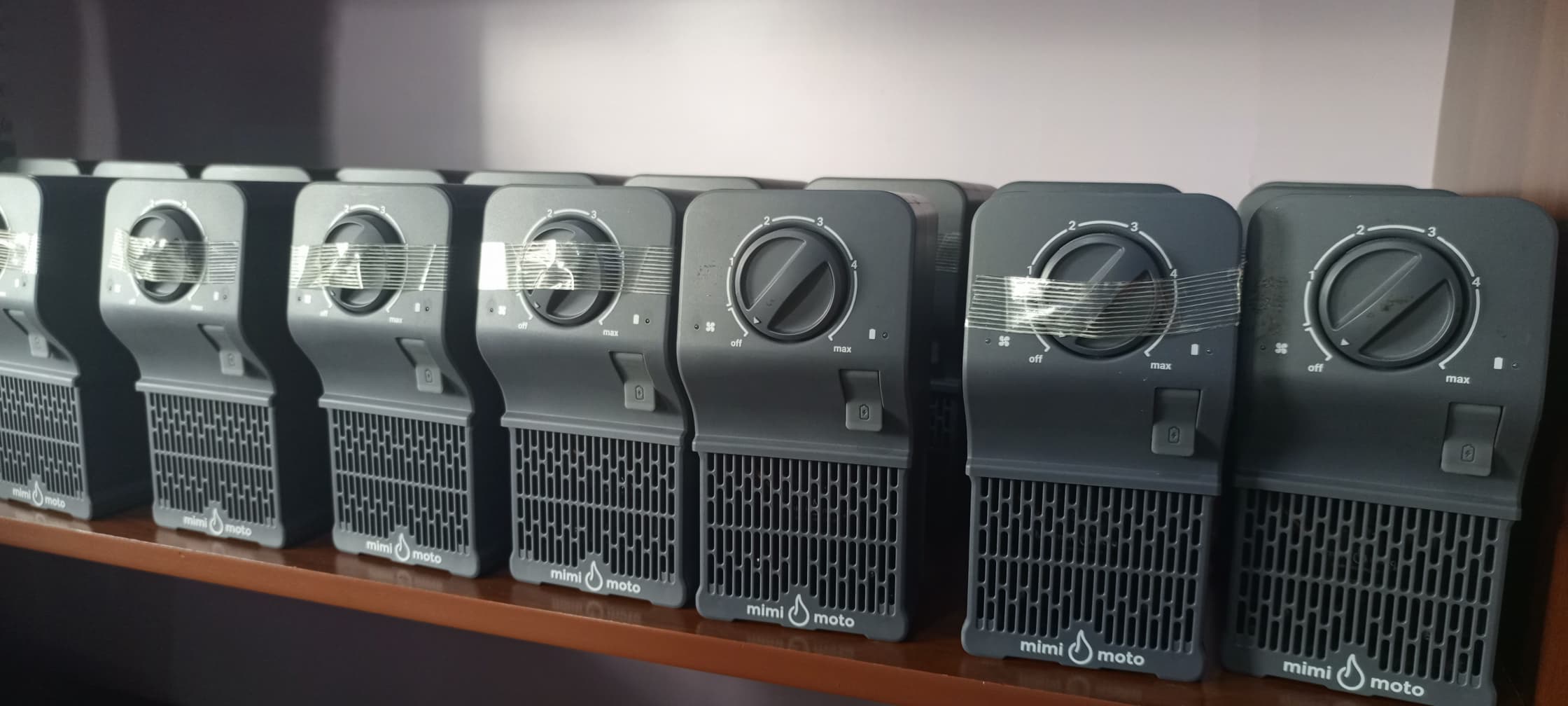



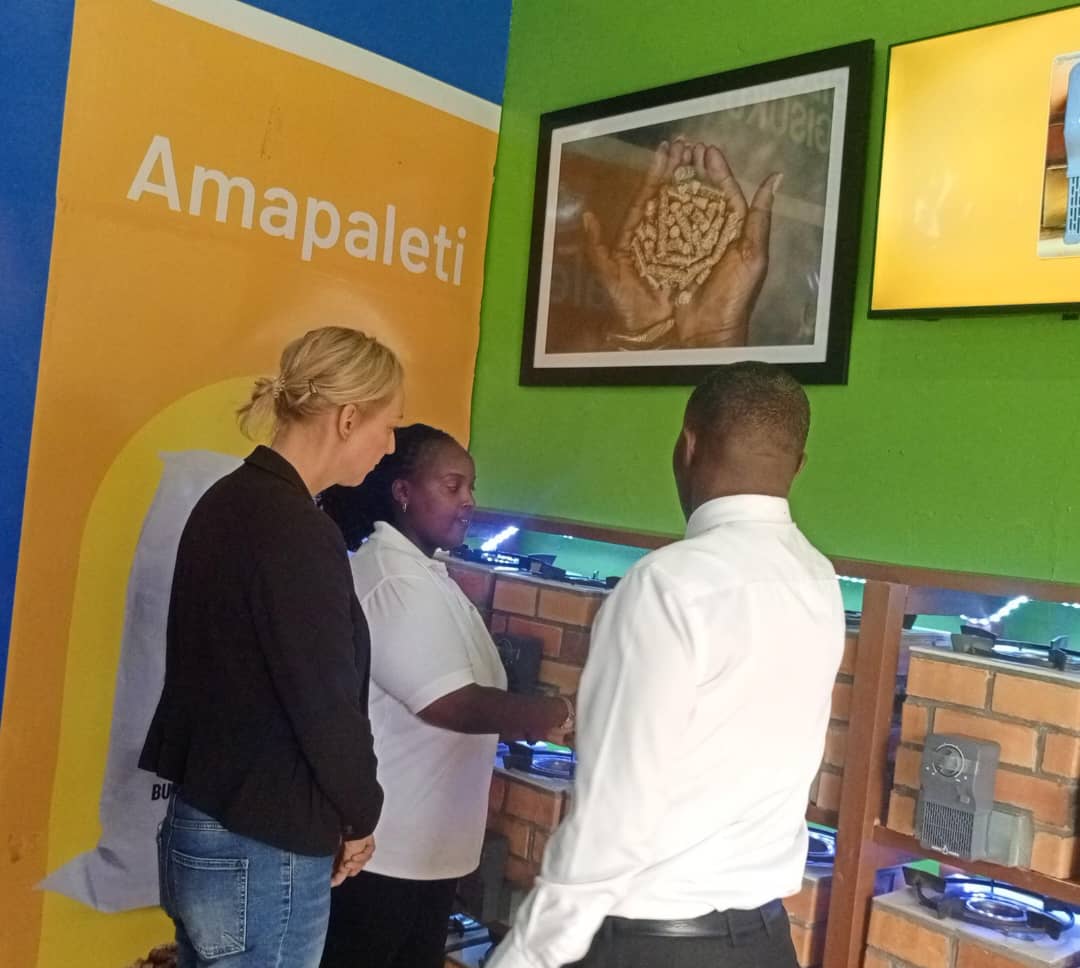
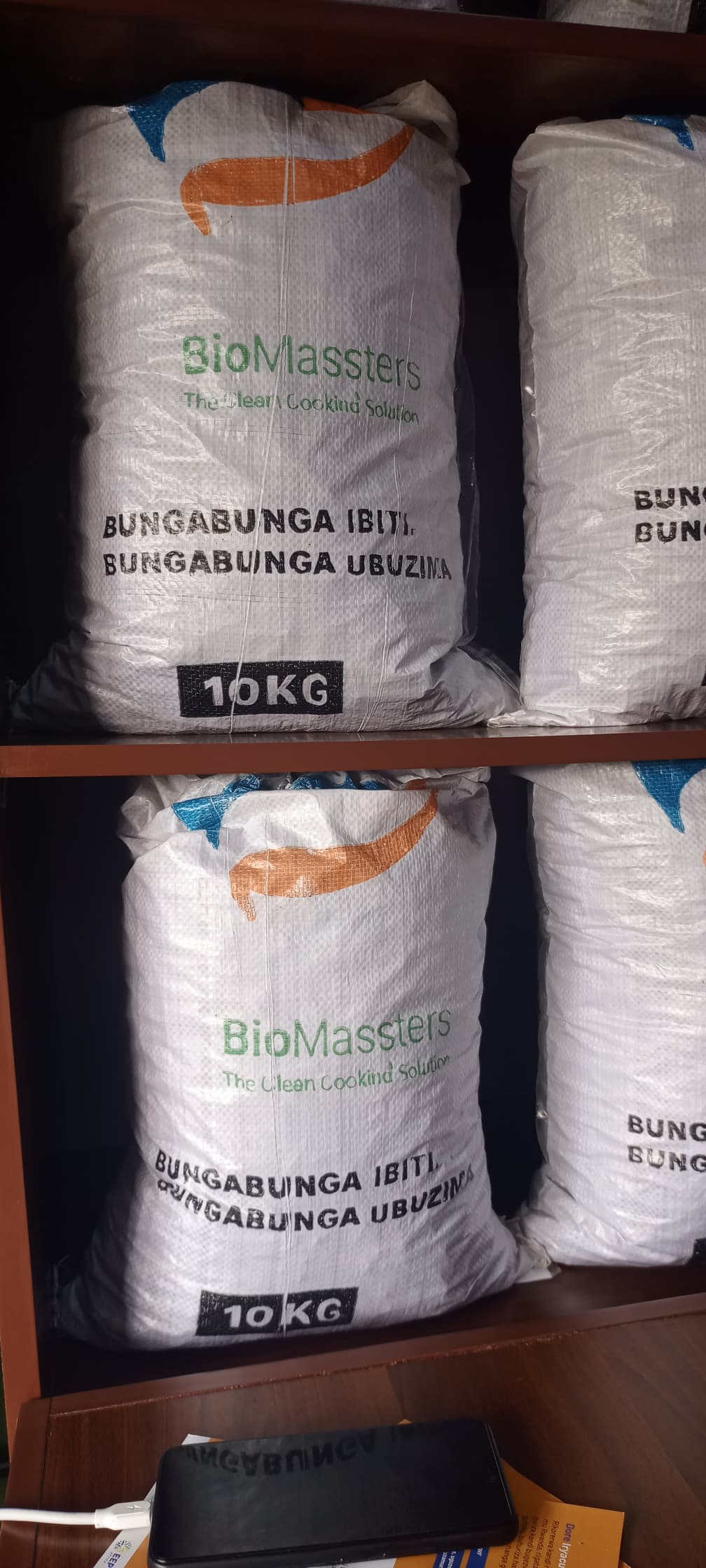
As Rwanda intensifies efforts to transition households away from charcoal and firewood, BioMassters has opened a new retail outlet in Rubavu District to provide residents with affordable, environmentally friendly cooking fuel made from biomass pellets.
The outlet was officially opened on December 12, 2025 by the leadership of Rubavu District in partnership with BioMassters. The initiative is intended to help residents access clean energy while reducing the use of charcoal and firewood, which remain widely used across the country.
The Rubavu outlet follows BioMassters’ earlier operations in Kigali, Nyagatare and Nyamata, as the company continues to expand the availability of affordable, clean cooking fuel across Rwanda in order to reach a broader population.
Speaking to Kigali Today, Rubavu District Mayor Prosper Mulindwa said the use of BioMassters fuel supports Rwanda’s commitments under Vision 2030. He noted that the country aims to cut greenhouse gas emissions by more than 38 percent and ensure that at least 60 percent of households use clean cooking energy.
Mulindwa said BioMassters provides a practical solution toward achieving these national goals. “The use of BioMassters fuel enables citizens to cook efficiently, protects their health, and preserves the environment,” he said. “It is a good example of an investment that benefits citizens and the country as a whole.”
BioMassters operates a production plant in Rubavu District with the capacity to process more than 10 tonnes of pellets per day, enough to supply over 4,000 households per month. The pellets are produced using plant-based residues, including agricultural by-products and sawdust.
Despite efforts to promote alternative energy sources, more than 80 percent of households in Rwanda still rely on firewood and charcoal for cooking. Statistics show that over two million tonnes of firewood and charcoal are used annually, contributing significantly to deforestation and increased greenhouse gas emissions.
Research has shown that smoke from charcoal is closely linked to respiratory diseases, with more than 7,000 people dying each year from illnesses associated with indoor air pollution.
Compared to charcoal, BioMassters pellets offer multiple advantages. They generate higher and longer-lasting heat, with one kilogram of pellets able to replace two kilograms of charcoal. In addition, the pellets emit less smoke, keep kitchens cleaner, and help reduce cooking costs, allowing households to save between 30 and 40 percent of the money previously spent on charcoal.
In Rwanda, BioMassters contributes to forest conservation by reducing charcoal consumption. At the continental level, more than 900 million people across Africa still depend on firewood and charcoal for cooking, and BioMassters’ initiative is helping to provide sustainable solutions for developing countries.
Globally, the use of biomass pellets contributes to reducing greenhouse gas emissions and supports international efforts to combat climate change.
Residents of Rubavu District welcomed the initiative, saying increased access to clean cooking energy would improve household hygiene and reduce the strain associated with traditional cooking methods.
One resident, Kabanyana, called on BioMassters to ensure consistent availability of the fuel and to avoid price increases that could discourage users.
“In previous years, there were companies like Inyenyeri that introduced similar fuel. We liked it and used it, but after some time the supply stopped,” he said. “We ask BioMassters not to stop and not to raise prices, because this fuel helps us improve cleanliness, reduces workload, and cuts down smoke.”
Kabanyana also thanked the Government of Rwanda for bringing in partners that help citizens access modern cooking fuel. He praised President Paul Kagame for supporting initiatives that improve household energy access and protect public health, noting that subsidized gas has recently become available.
However, he cautioned that price increases could push households back to firewood, whose negative effects are already well known.
BioMassters operates a factory in Rubavu District that produces fuel distributed to different parts of the country. BioMassters Rwanda Manager Claudia Muench said the company plans to increase production as demand grows, although she noted that frequent power outages remain a challenge that disrupts operations.
The BioMassters factory in Rubavu is widely seen as an important milestone in Rwanda’s efforts to promote clean energy and build a sustainable future.