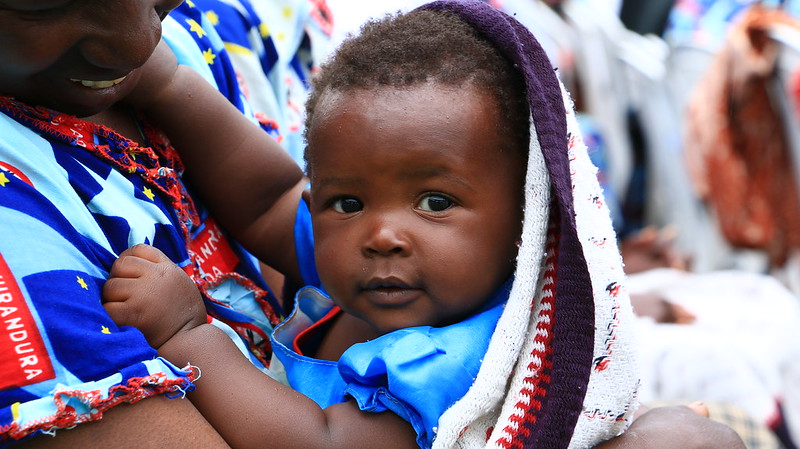
A mother holding her baby. Rwanda’s naming patterns of new born babies suggest a deliberate return to identity.
In Rwanda, naming a child has never been a simple formality. It is a moment shaped by memory, belief, and quiet expectation—a decision that often speaks as much to the parents’ journey as it does the child’s future.
Today, that tradition is taking on renewed significance.
As names like Ineza and Ishimwe dominate the 2025 registry, a new generation of parents is moving beyond global trends to anchor their children in a Kinyarwanda identity defined by resilience, gratitude, and purpose.
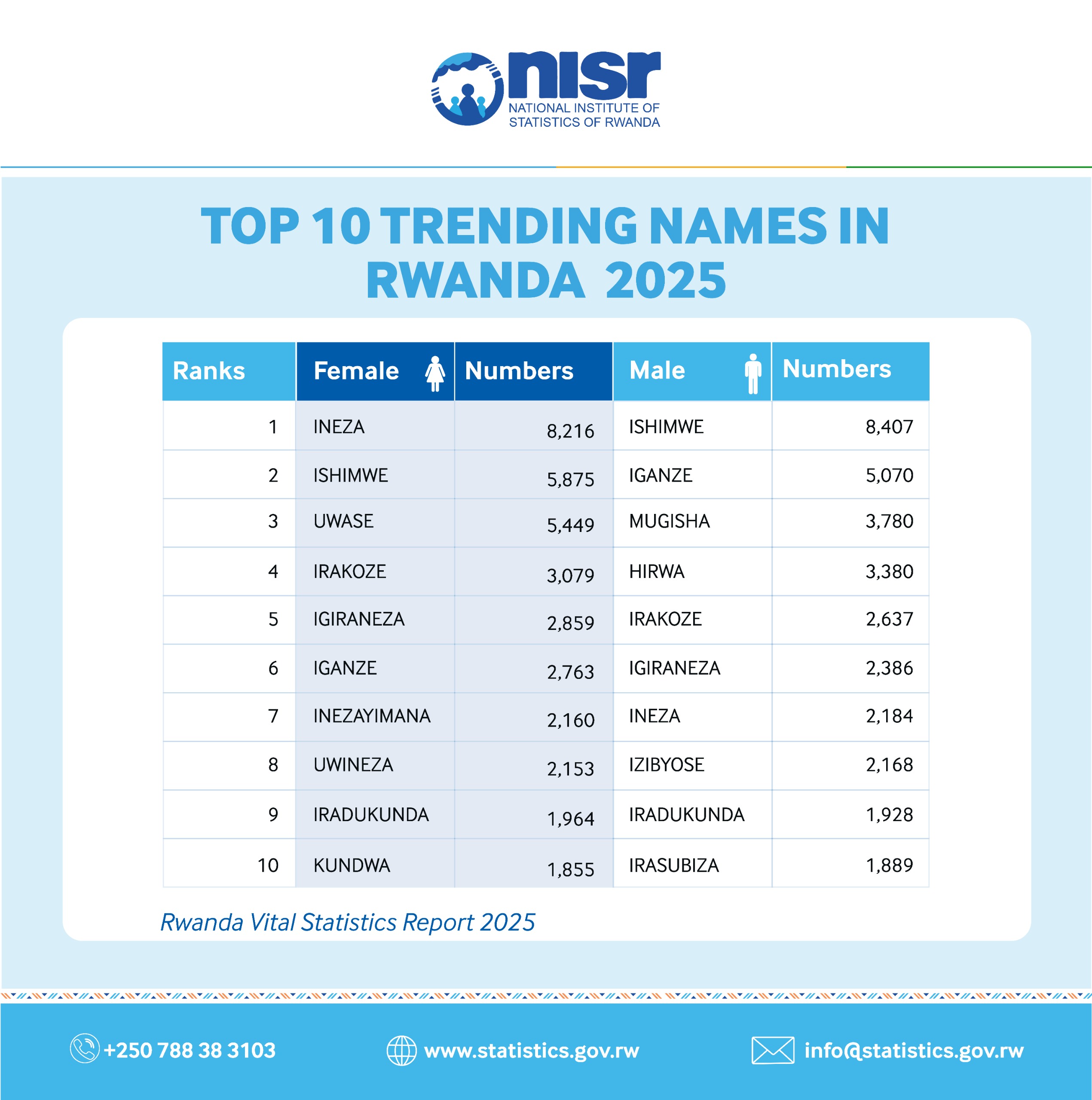
Fresh figures from the National Institute of Statistics of Rwanda (NISR) show that names like Ineza and Ishimwe lead the list of the most popular baby names in 2025 (see full ranking below).
But beyond the rankings lies a more compelling narrative: a generation of parents leaning into meaning, choosing names that carry values they want their children to embody in an increasingly complex world.
At a time when global culture is more accessible than ever, Rwanda’s naming patterns suggest not a drift toward the generic, but a deliberate return to identity.
Rooted in Meaning and Belief
The most striking feature of the 2025 NISR data is its consistency. Nearly all the top-ranked names are drawn from Kinyarwanda, rich in layers of meaning that tie directly to faith, gratitude, and resilience.
Names such as Ishimwe (gratitude), Mugisha (blessing), Ineza (kindness), and Uwayezu (belonging to God) reflect a society where spiritual grounding and moral character remain central. Others, including Iganze (the one who prevails) and Hirwa (the chosen one), speak to a deep-seated aspiration and the collective belief in overcoming adversity.
This pattern signals more than a simple preference for tradition. It points to an intentional cultural choice: a generation of parents preserving identity not through a resistance to change, but through a commitment to continuity.
More Than Names, They Are Messages
For many families, a name is not only descriptive; it is instructive. Faith Kwizera understands this balance better than most. Just like his name—Kwizera, which means “to believe”—his approach to fatherhood is rooted in a sense of conviction.
When Kwizera recently welcomed his firstborn son, he named him Gabriel Iganze. For him, the decision was guided by purpose rather than popularity.
“Iganze means someone who prevails, someone who overcomes,” Kwizera explains. “I wanted my son to grow up knowing that he is meant to rise above challenges. His name is something he will hear every day, and I believe it will shape how he sees himself.”
This philosophy—that a name can influence character—is increasingly evident in how Rwandan parents approach the registry. The name becomes a quiet but constant message, a linguistic compass repeated over a lifetime.
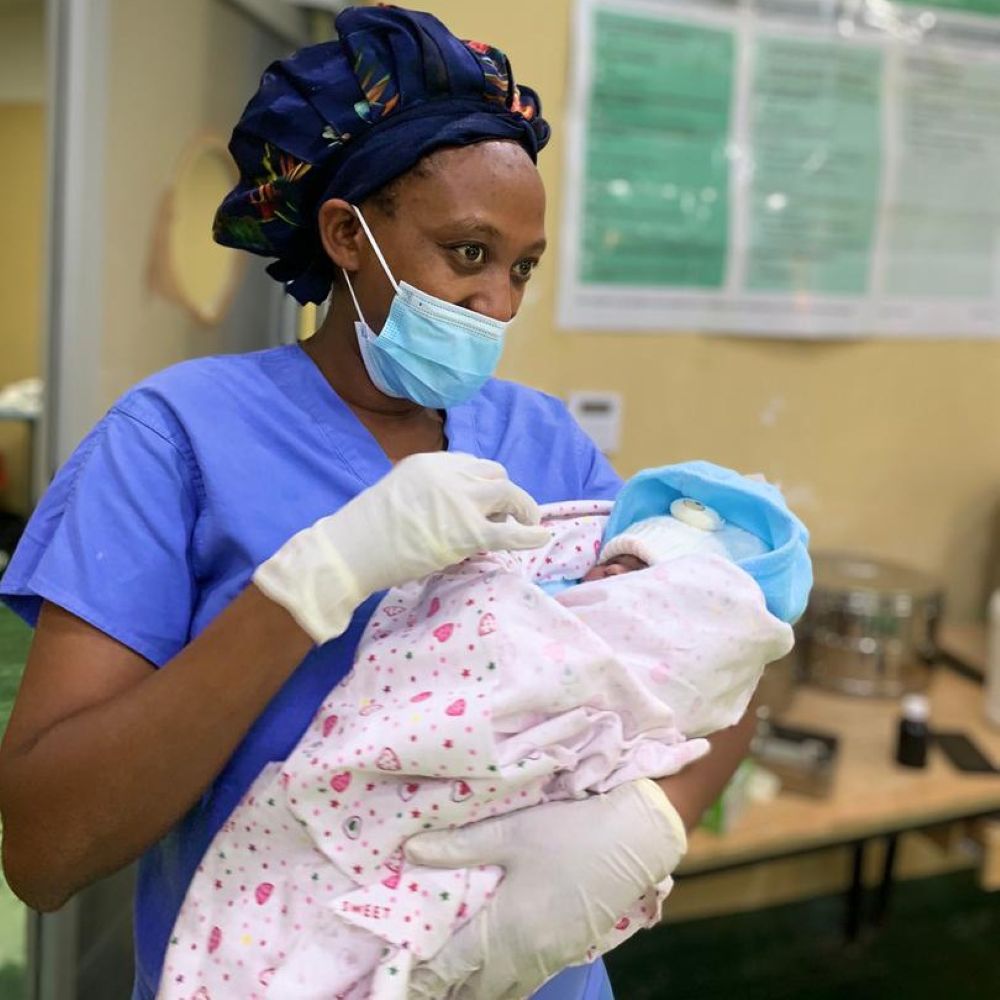
A doctor holds a new born baby. Rwanda’s most popular baby names are identifying a new generation.
Living the Meaning
These messages are already bearing fruit among the younger generation. Yvette Ishimwe, a second-year student at Mount Kigali University, serves as a living testament to the weight of her name.
“Being called Ishimwe (gratitude) means I am constantly reminded to be thankful,” she explains. “It isn’t just a label; it affects how I respond to setbacks and how I treat the people around me. It keeps me grounded when things get difficult.”
Her experience reflects a broader reality: in Rwanda, names are not passive identifiers. They act as active influences, reinforcing cultural values and personal resilience as individuals navigate the transition into adulthood.
Identity in a Changing World
For Austin Hirwa, his name carries a weight that is both personal and cultural. “My parents chose Hirwa because I was a long-awaited child. It means ‘the lucky one’ or ‘the chosen one,’” he says. “Growing up, that made me feel uniquely valued, but it also instilled a sense of responsibility to live up to that distinction.”
Stories like Hirwa’s highlight the enduring role of names as markers of personal history. Collectively, however, they represent a broader reaffirmation of Rwandan identity.
At a time when many societies are leaning toward more globalized, generic naming trends, Rwanda’s 2025 data tells a different story. Families are making a conscious effort to preserve language, honor belief systems, and pass on specific moral legacies across generations.
Even the growing trend of gender-neutral names—where qualities like kindness and resilience are prioritized over rigid distinctions—suggests a society focused on shared human excellence. Rwanda’s most popular baby names are doing more than identifying a new generation; they are shaping one—quietly, deliberately, and with a meaning that will echo far beyond a single word.